


10 failed movies that thought they were the future of cinema

There are some movies that genuinely changed the face of cinema forever.
Take, for instance, The Jazz Singer, which gave the world the ‘talkie’, Toy Story, which paved the way for the computer animation revolution, or Avatar, which kick-started a craze for 3D that is still very much alive and well today (that last one was a joke, but you get the idea).
Unfortunately, for every actual innovation, there are dozens of failed attempts, as while Everybody wants to be the next big thing in cinema, more often than not, their big ideas are relegated to the scrap heap.
These ten films all tried something new, and for that, we must commend them, but alas, that’s all the praise they’ll be getting, as they all crashed and burned faster than you could say ‘Nice try, pal’.
Who knows, maybe these ideas will come back into fashion one day; although, once you’ve read a few of them, you’ll understand why that’s almost certainly not going to happen.
10 movies that failed to pull off something new:
‘Clue’ (Jonathan Lynn, 1985)
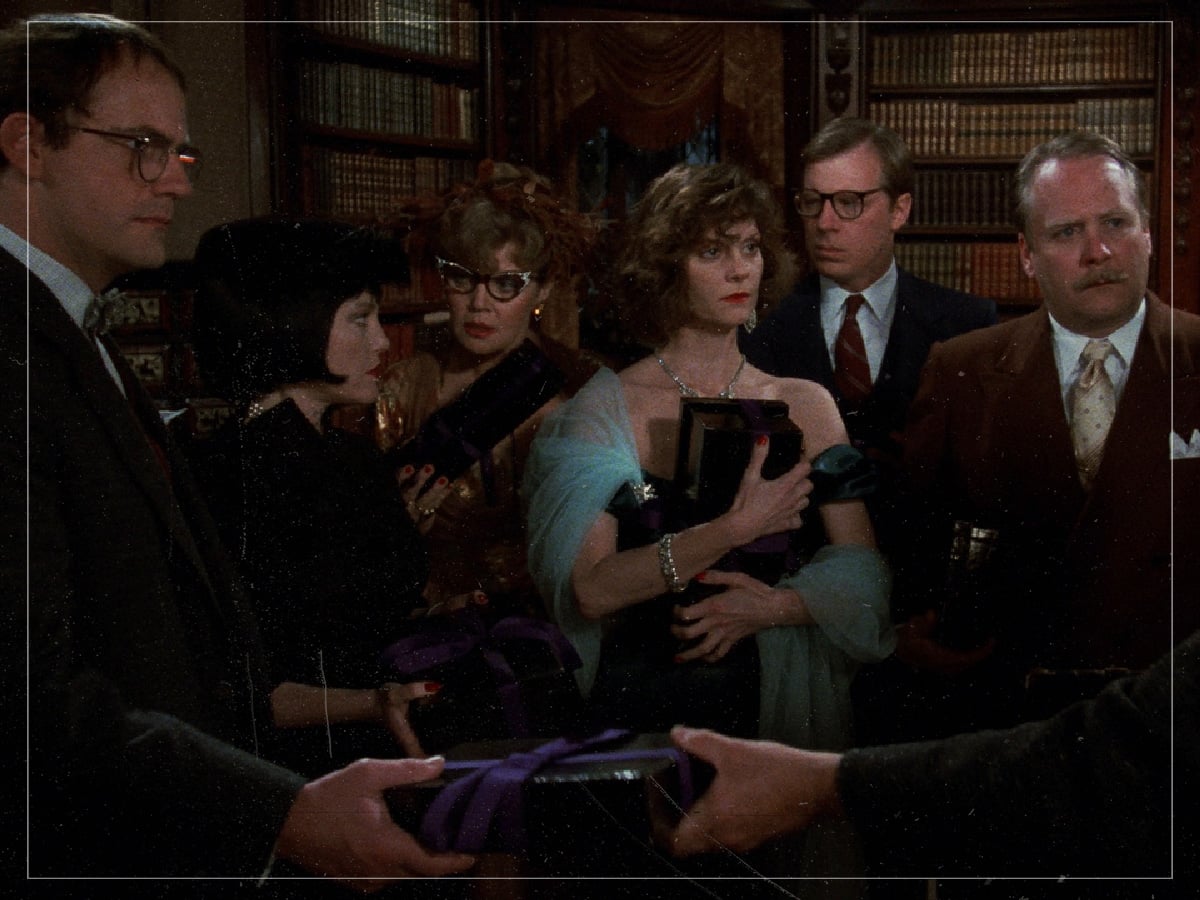
You don’t get many movies based on board games, and one of the many, many reasons why is that a game can have entirely different outcomes every time it is played, and it is this sense of intrigue that director Jonathan Lynn tried to capture when he made his film Clue, based on the classic Hasbro property, Cluedo.
Starring Tim Curry, Christopher Lloyd, Eileen Brennan, and more, the movie was distributed with multiple different endings, such that viewers would have to watch the film several times to see them all, which they absolutely did not, and it bombed at the box office, with the concept of multiple endings quickly scrapped away.
‘Lady in the Lake’ (Robert Montgomery, 1947)
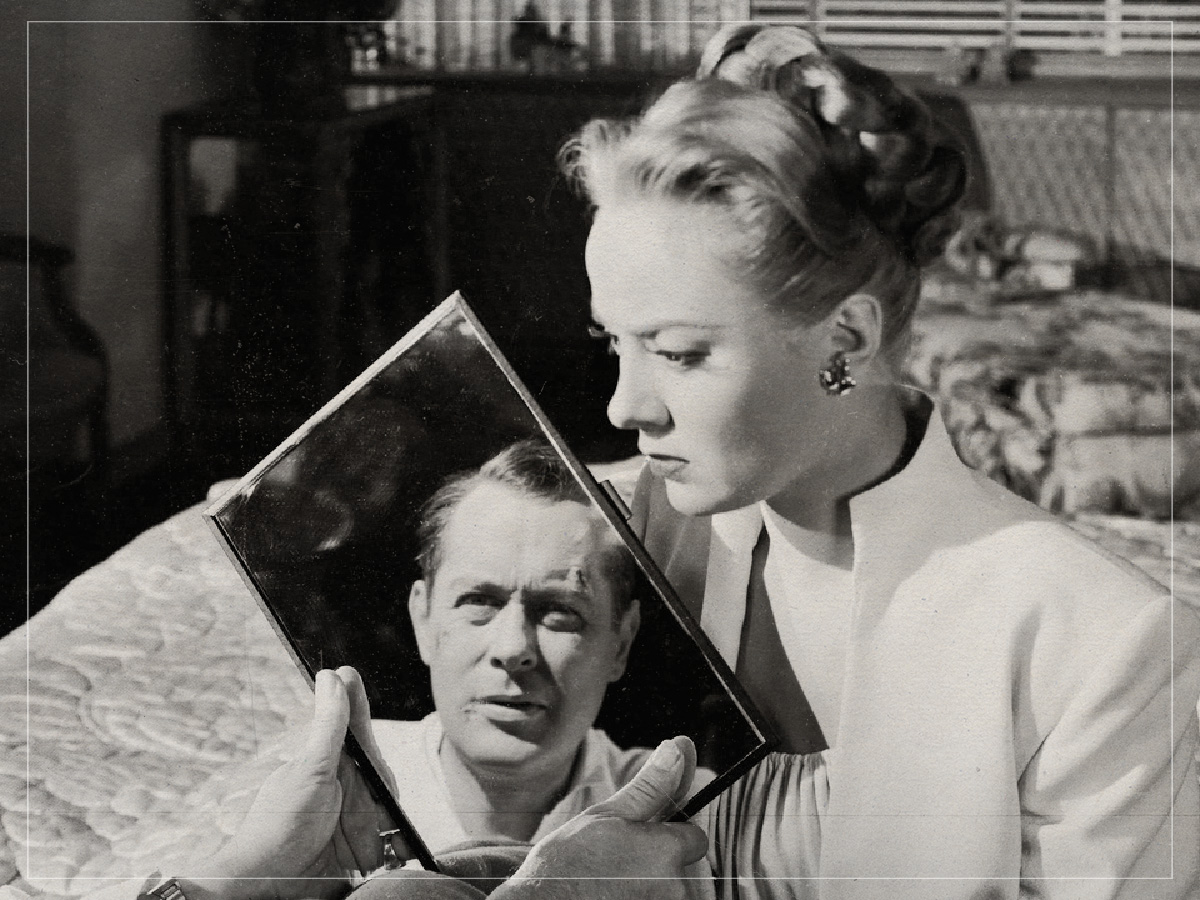
If you’ve ever dreamed of solving a mystery alongside your favourite film detective, well, you could with Robert Montgomery’s directorial debut, wherein the Oscar-nominated actor swung for the fences.
He chose to adapt Raymond Chandler’s mystery novel Lady in the Lake while retaining the story’s first-person view, which led to the entire film being shot from his character’s perspective, and the only time you see Montgomery is when he walks in front of a mirror. First-person movies still get made, but Lady in the Lake was such a bust that it practically killed his movie career.
‘Million Dollar Mystery’ (Richard Fleischer, 1987)
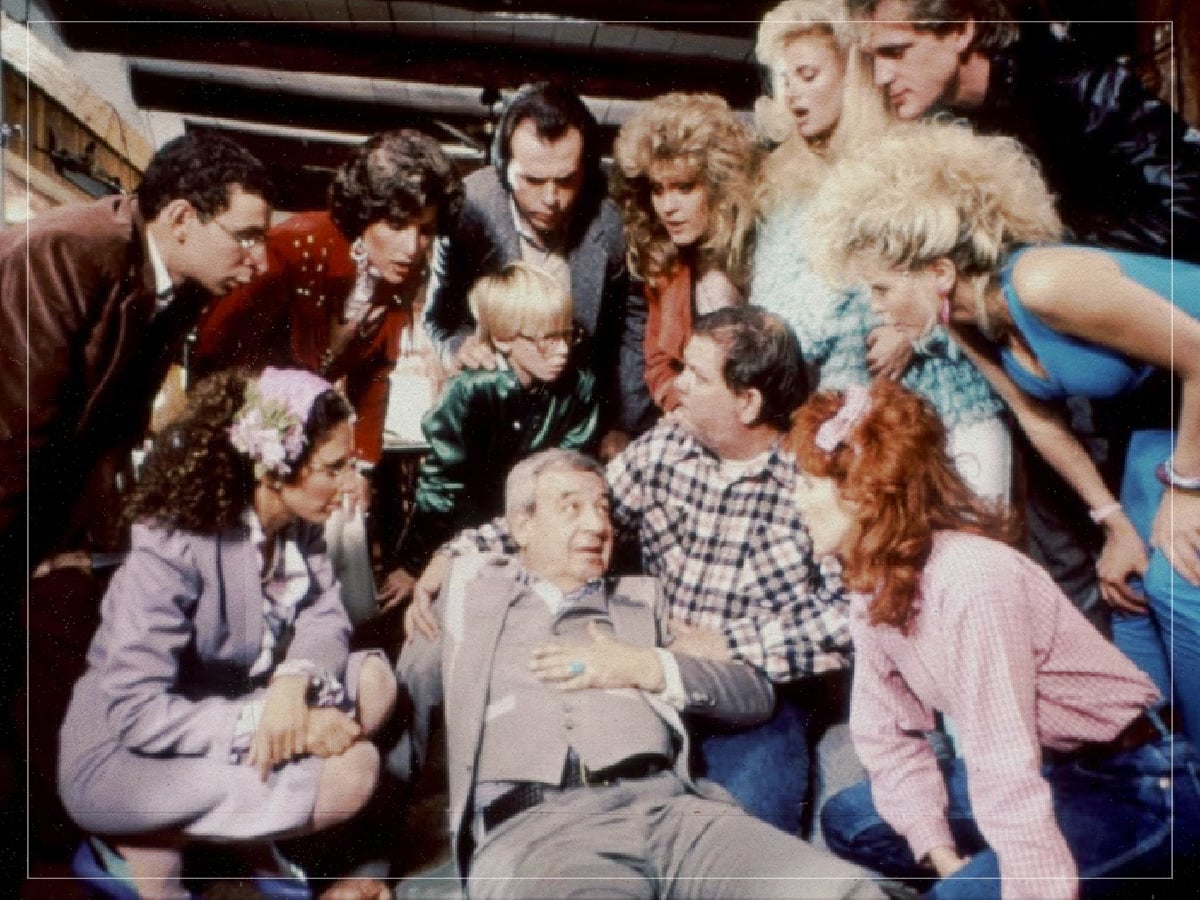
There’s a joke in The Simpsons where Milhouse says that kids should win stuff by watching Itchy & Scratchy, and as it turns out, somebody already had that idea. Million Dollar Mystery is a comedy based largely on It’s a Mad, Mad, Mad, Mad World, and the contents of the film is secondary to the insane marketing campaign that ran alongside it.
Sponsored by a brand of trash bags, the film ran a competition, where if viewers could guess where a character had hidden $1million, they would win a prize. The sweepstakes were won by a 14-year-old girl, but the movie itself lost big time, and that’s why you should never listen to Milhouse.
‘Gemini Man’ (Ang Lee, 2019)
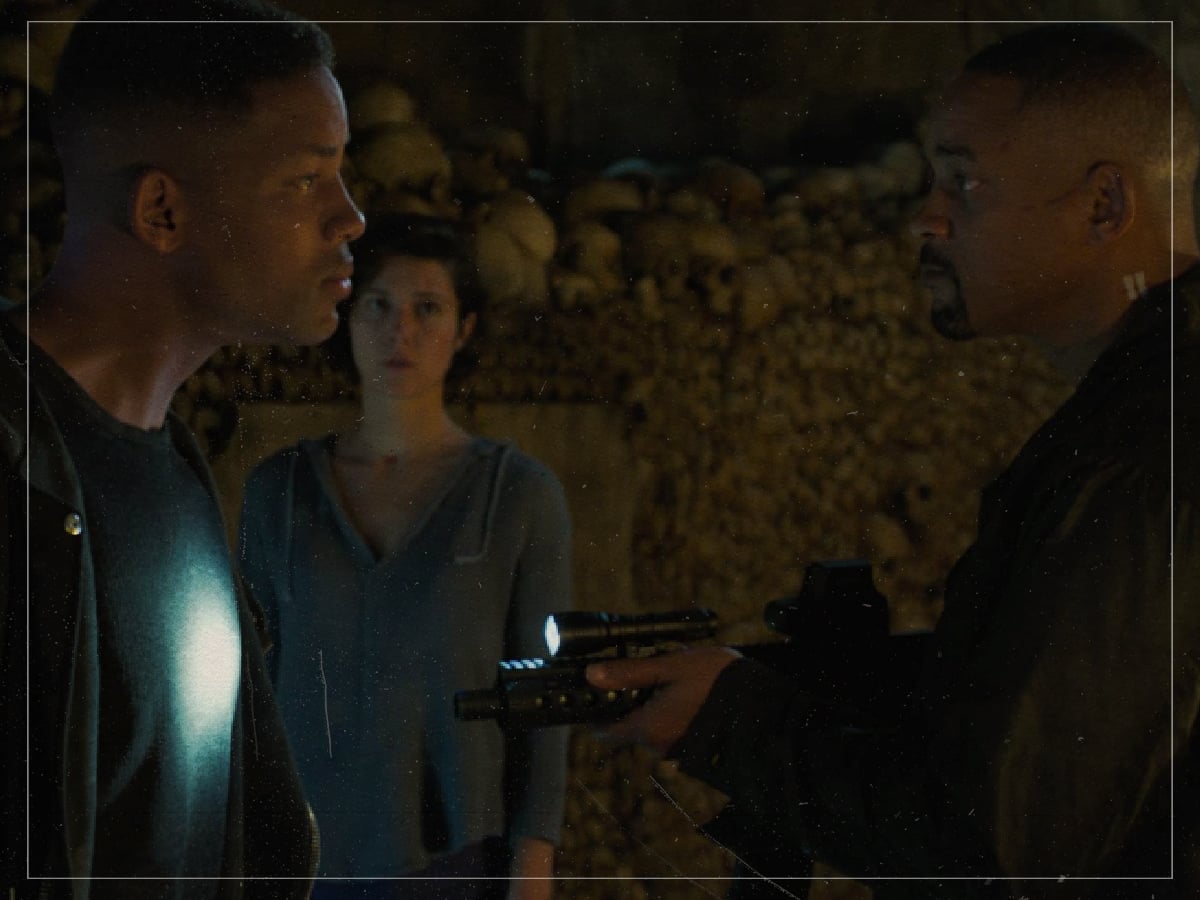
For moviegoers who obsess over technical details like the rest of us obsess over actors and directors, Gemini Man presented a tantalising hook. This Will Smith-fronted sci-fi action flick was filmed in an extremely high frame rate of 120 frames per second (fps), with Ang Lee‘s plan being to present one of the smoothest, clearest-looking movies ever, but instead, it just looked a bit weird.
Critics complained that the extra details in every frame were unnecessary and distracting, and it didn’t help that Smith had been digitally de-aged, creating an even deeper ‘uncanny valley’ feeling. Unsurprisingly, nobody has attempted a 120fps movie since.
‘The Incredibly Strange Creatures Who Stopped Living and Became Mixed-Up Zombies’ (Ray Dennis Steckler, 1964)
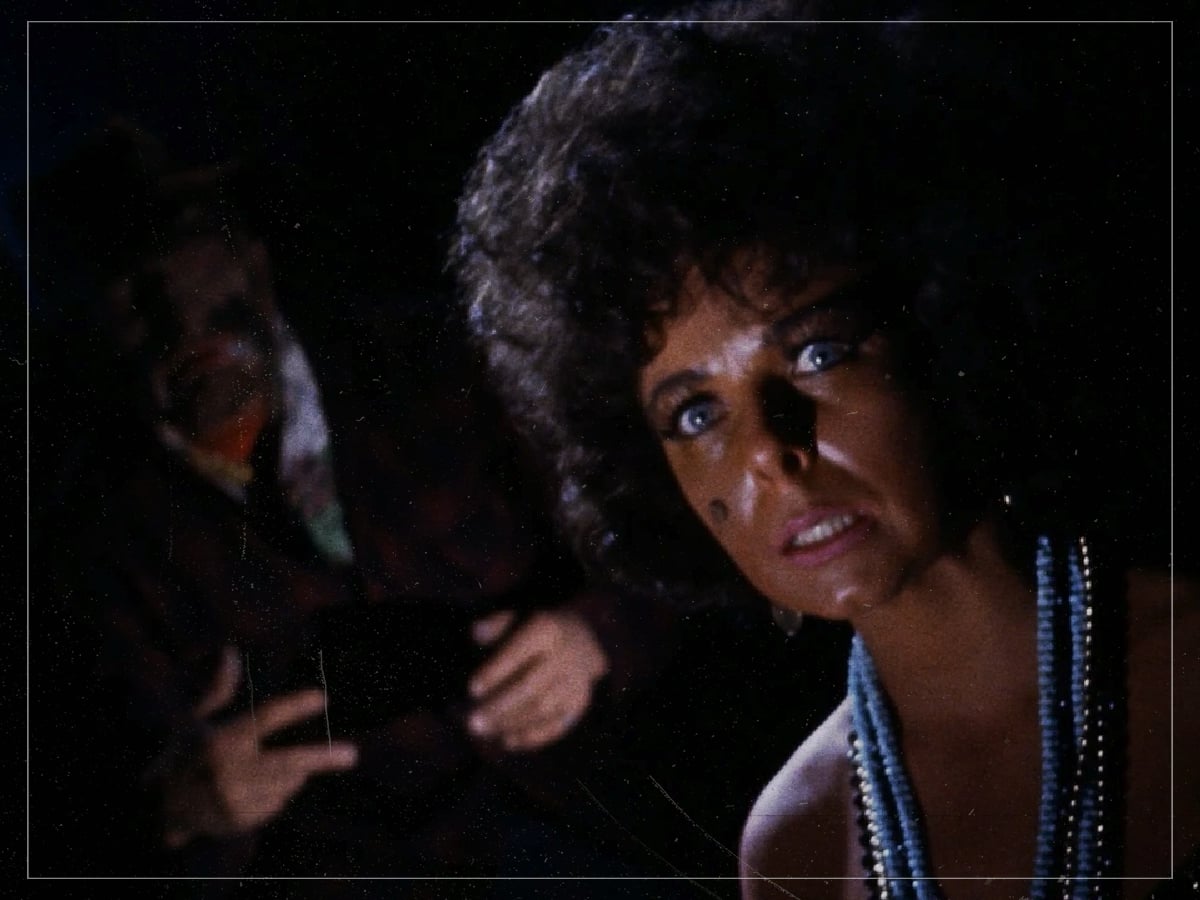
The gimmick here isn’t incredibly long names, although that never really caught on either, but instead, this ludicrously titled ‘monster musical’ employed a different tactic to keep audiences engaged.
At certain points during the movie, theatre employees would run out into the crowd wearing monster masks, with the idea being to provide a genuine scare. Director and star Ray Dennis Steckler believed in this idea so much that he would sometimes don a mask himself, but unfortunately, it made the product look cheap and probably got a few people punched; he should have stayed behind the camera.
‘The List of Adrian Messenger’ (John Huston, 1963)
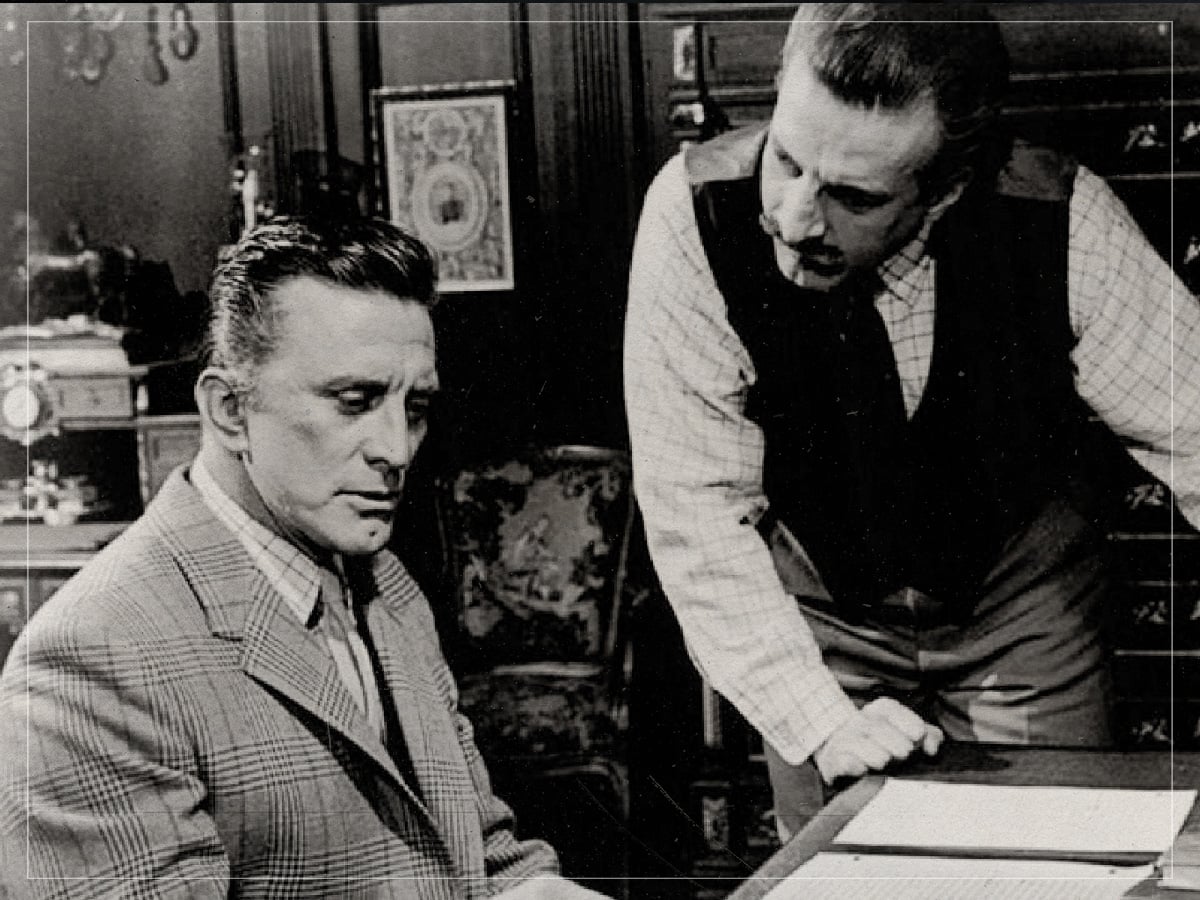
Star power has always been used to get people through the doors, but one movie tried to flip this concept on its head and ended up shooting itself in the foot. The List of Adrian Messenger boasts appearances from the likes of Tony Curtis, Kirk Douglas, Burt Lancaster, Robert Mitchum, and Frank Sinatra, but the twist was that they were all in disguise.
Viewers were invited to try and figure out who the hidden icons were playing, who then revealed themselves in the end credits. This very expensive game of Where’s Wally? failed to excite audiences, who would have preferred to actually see the stars who were advertised.
‘Scent of Mystery’ (Jack Cardiff, 1960)
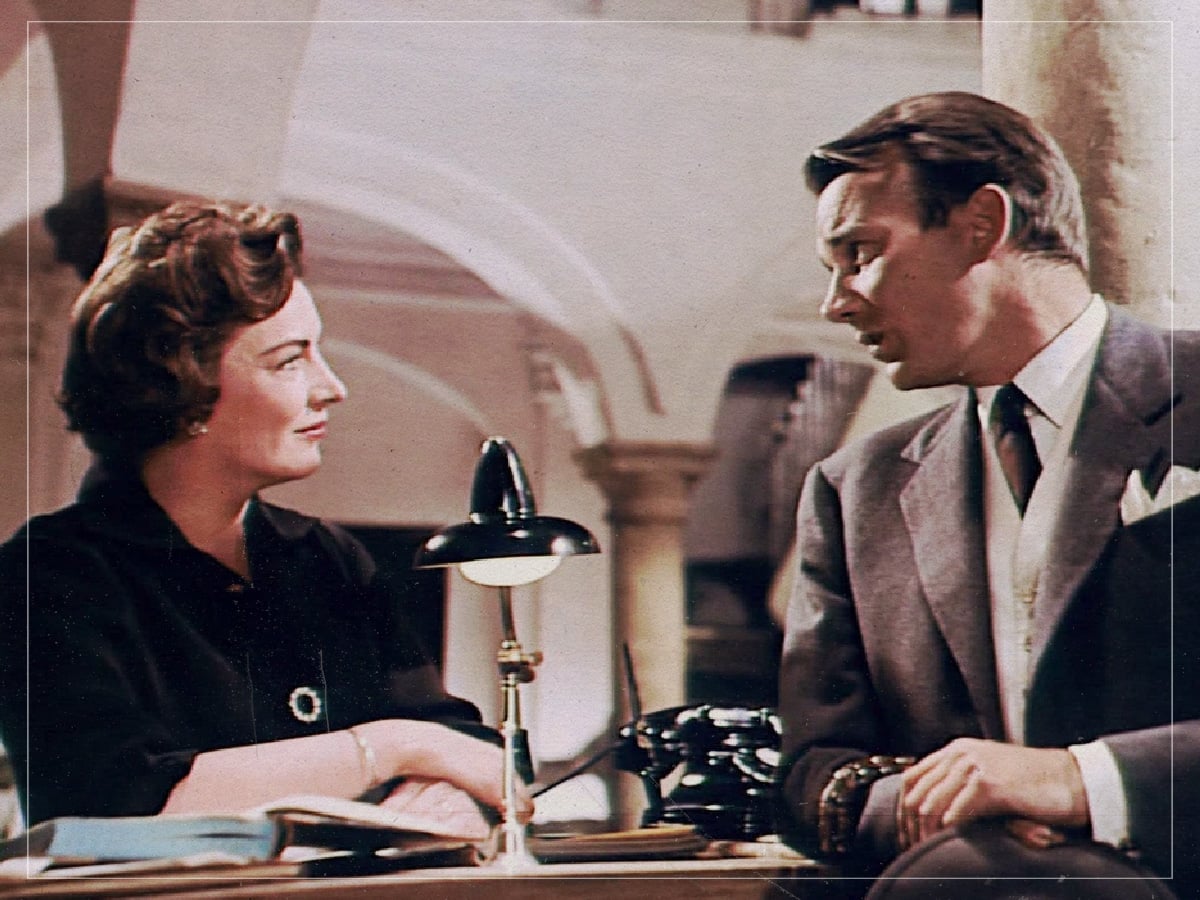
We all know how important sight and sound are to cinema, but what about the other senses? In the early 1960s, one intrepid movie tried to make use of one of these overlooked bodily functions to not so great effect: smell.
Scent of Mystery was the first (and only) film to utilise ‘Smell-O-Vision’ as odours would be released at key points during the narrative, giving the audience clues to the unfolding mystery. As you’ve probably figured out, Smell-O-Vision didn’t catch on, as it turns out, pumping a closed room full of smells can be a little off-putting.
‘Wicked, Wicked’ (Richard L Bare, 1973)
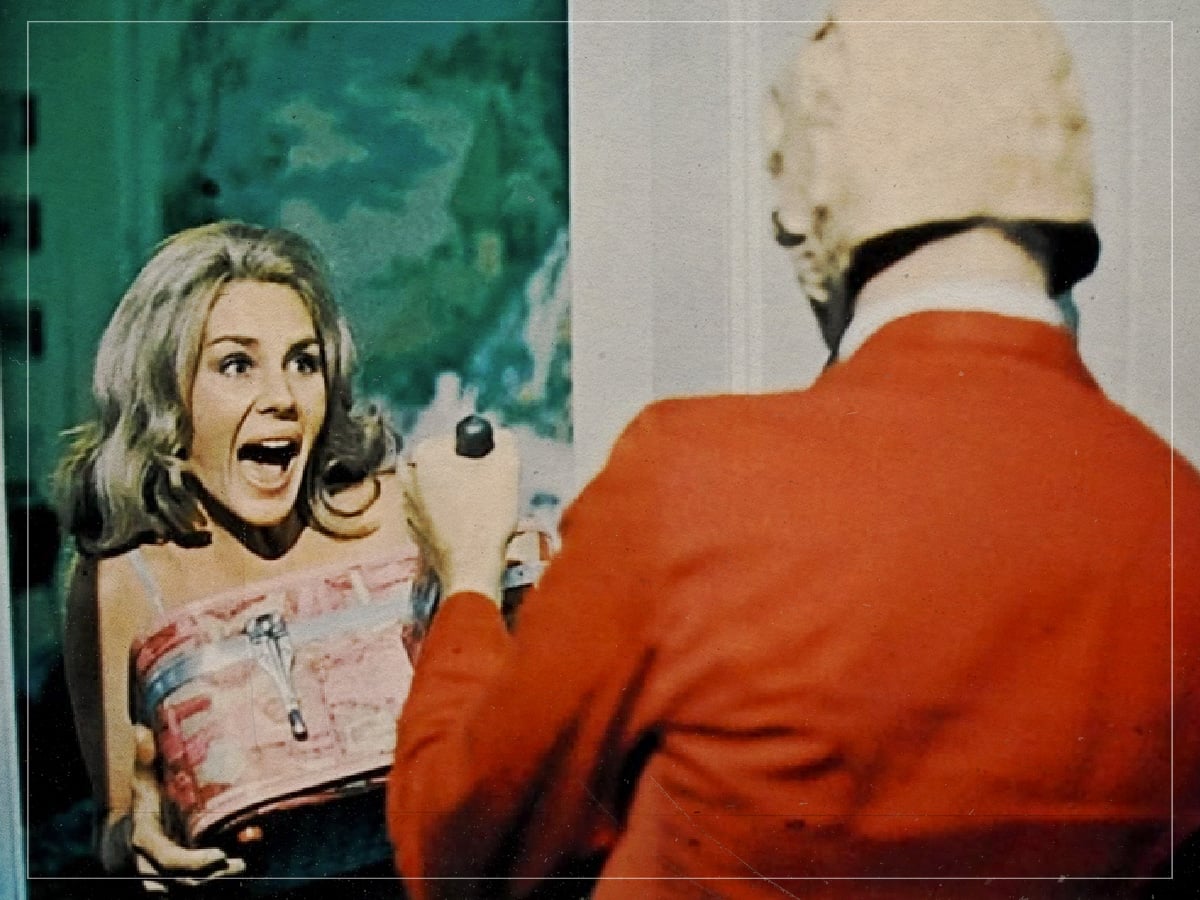
Decades before some green woman was flying about on a broomstick, a different movie with a similar title tried and failed to shake things up. Wicked, Wicked would be a run-of-the-mill slasher movie were it not for its trump card of presenting itself in ‘Duo-Vision’.
Two different rolls of film were projected side-by-side onto the same screen at the same time, and this split-screen technique promised double the action, but it actually created double the headache, as the movie was a major ballache to edit and, to make matters worse, nobody saw it.
‘Twixt’ (Francis Ford Coppola, 2011)
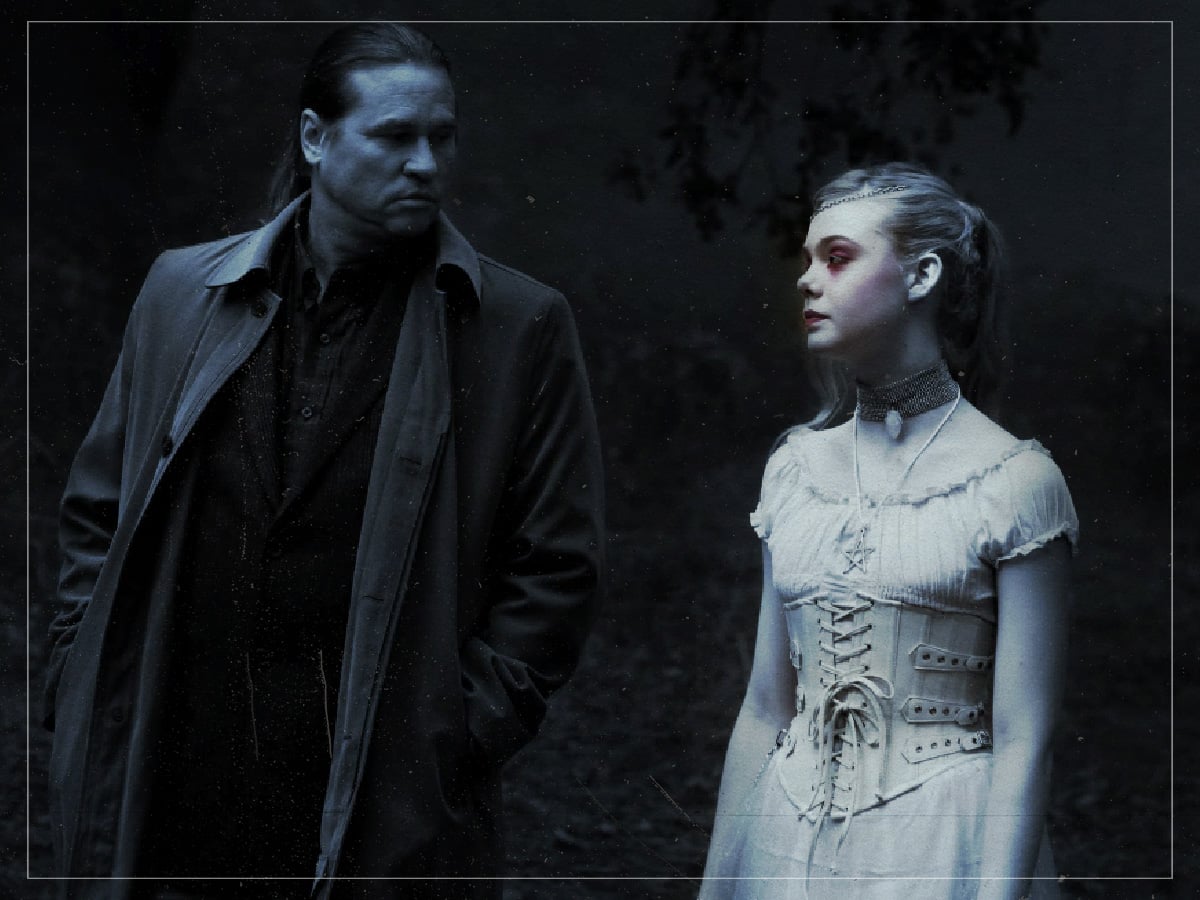
Everyone knows Francis Ford Coppola is a nutter, but sometimes he does something that is out there even for him. The Oscar-winner brought his new movie, Twixt, to an array of film festivals in 2011, but as people watched, they noticed something strange. At the back of the room, Coppola was editing the film as it was being screened, altering the action to suit the audience’s reaction.
This utterly mad idea was never going to suit a mass release, and it didn’t help that Twixt was utterly awful, one of the worst things Coppola has ever made, which is saying something with Megalopolis out there.
‘Titan AE’ (Don Bluth & Gary Goldman, 2000)
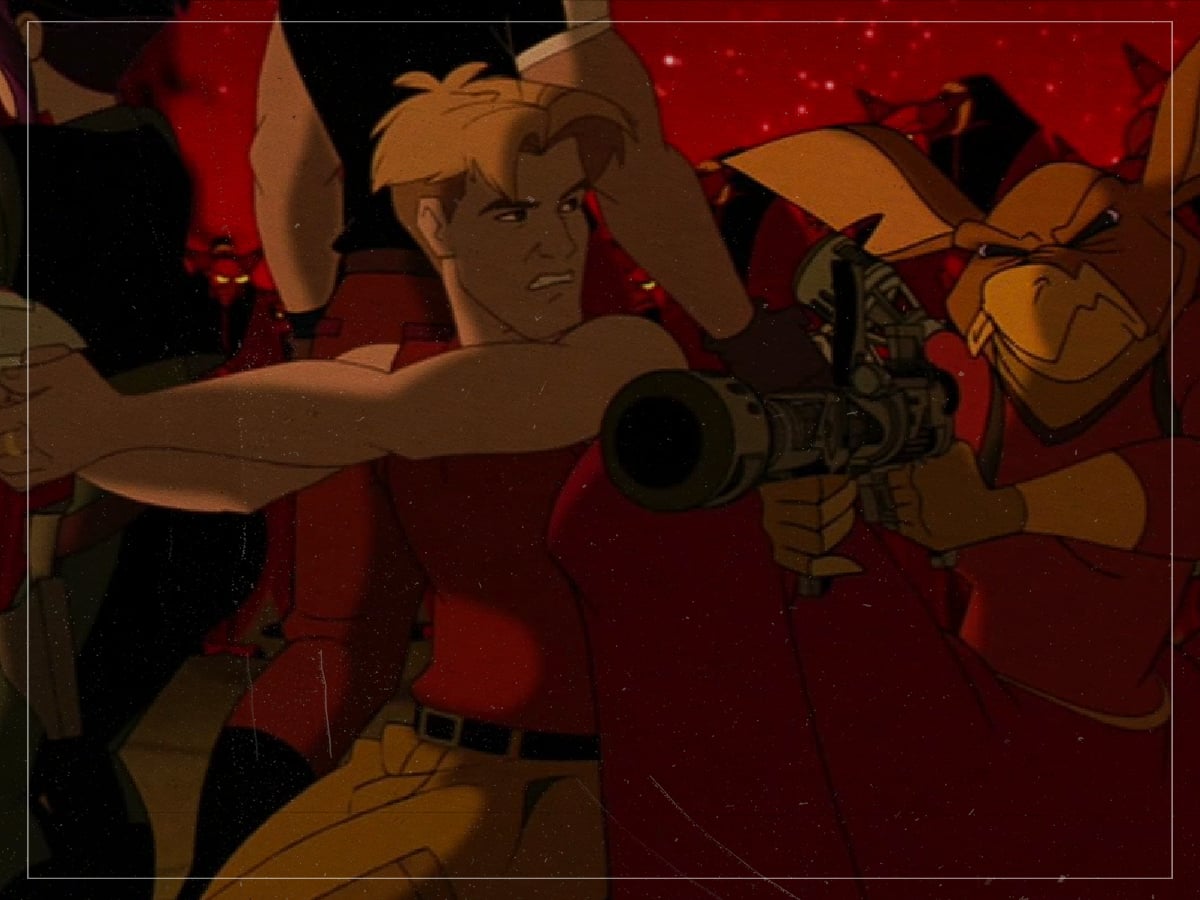
These days, mixing 2D and 3D animation is quite commonplace, with films like Puss in Boots: The Last Wish and the Spider-Verse franchise doing it to great acclaim, but one movie tried to pioneer this technique over two decades earlier, to dismal results.
In what should have been deemed a landmark moment in animation, Titan AE mixed hand-drawn character models with computer-generated backgrounds, but the film bombed so hard, its failure led to the closure of Fox Animation Studios, marking the feature too ahead of its time, but its legacy lives on.
