


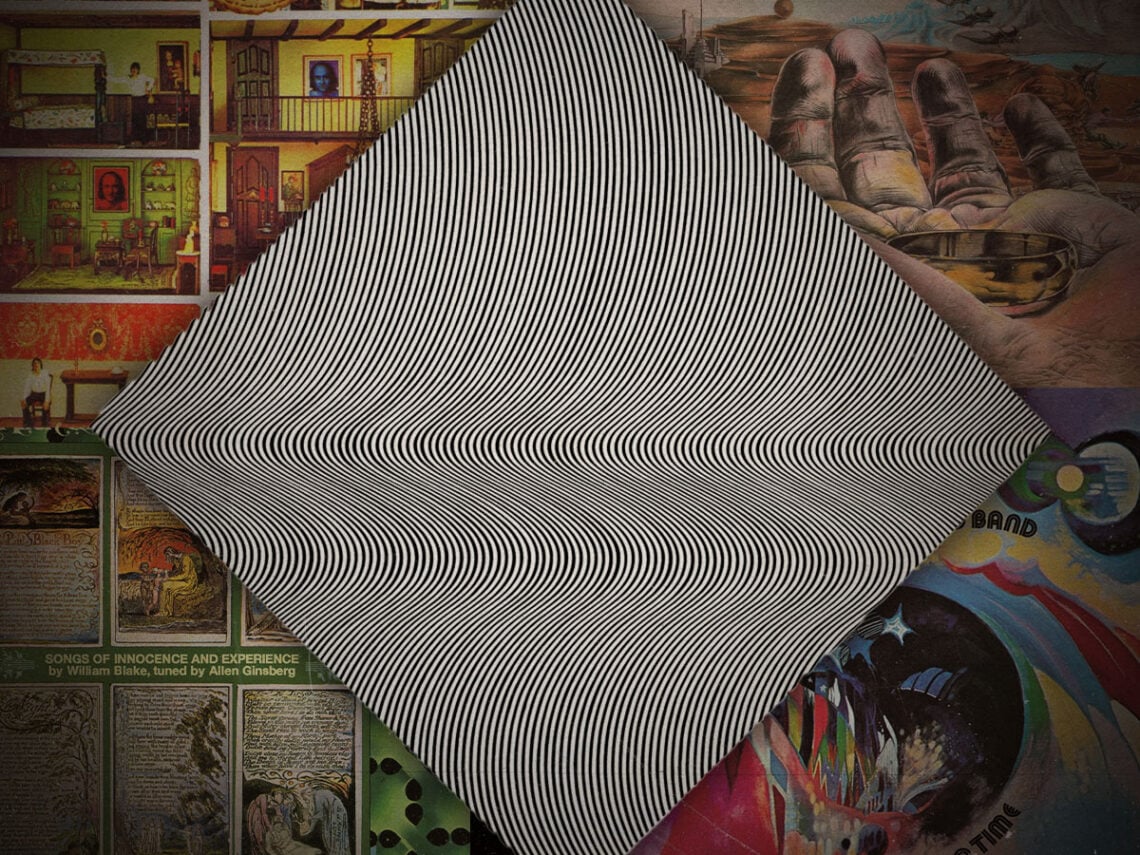
10 experimental albums from the 1970s that can’t be described

If music fans thought The Beatles shook things up in the 1960s, then they clearly weren’t prepared for what was about to come in the 1970s.
This new decade dawned with The Fab Four in the rearview mirror. Buoyed by the culture of innovation they had fostered, it moved forward into this wild new era with experimental fury, allowing anyone to put anything on the table and call it music. It was a decade of great innovation and diversity, and so is rightly remembered as the very best of the lot.
For the most part, this new wave of experimentation crystallised into something coherent. Think Pink Floyd and their ‘73 masterpiece The Dark Side of the Moon, or Shuggie Otis’ Inspiration Information. They forged bold new ideas with poppy sensibilities to help guide music fans into the unknown, with a warm handshake and an arm around the shoulder.
But then there were records that did away with the stewardship altogether. They saw the horizon of ideas open up and put their foot on the floor in order to reach it, with little to no care about the consumers’ concerns. And so even in the ‘70s, a time when the free love attitude had developed into a borderless sense of open-mindedness, these records still stood as somewhat unexplainable. The sheer level of their genius superseded the expectations of the era, and they were already pretty loose.
But their innovation clearly works in centuries, because even today, 50 years on from the wild times of the ‘70s, these records still have us scratching our heads. Some have a window of accessibility while others celebrate an esoterica that even the modern mind can’t comprehend. Without any further delay, here are the records that set the standard for experimentation in that iconic decade.
10 inexplicable experimental albums from the 1970s
Can – ‘Tago Mago’
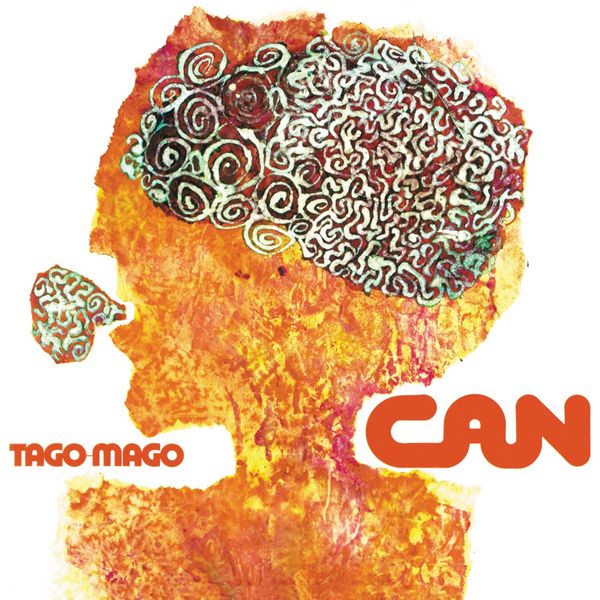
It was in Germany where a large part of the decade’s innovation was not-so-quietly happening, and it was aptly named Krautrock. There were many players in this vibrant new community, but ultimately Can and Tago Mago served as the cornerstone for the movement. Not only for its sonic composition, but its studio approaches did away with traditional songwriting and replaced it with free-form improvisation, tape editing, and avant-garde studio techniques.
The result was a kaleidoscope of repetitive rhythms that produced pockets of melody designed to put the listener into an almost hypnotic state. Paired with Damo Suzuki’s wild stream-of-consciousness vocal techniques, the music became the sound of a confusing yet exciting new future.
Funkadelic – ‘Maggot Brain’
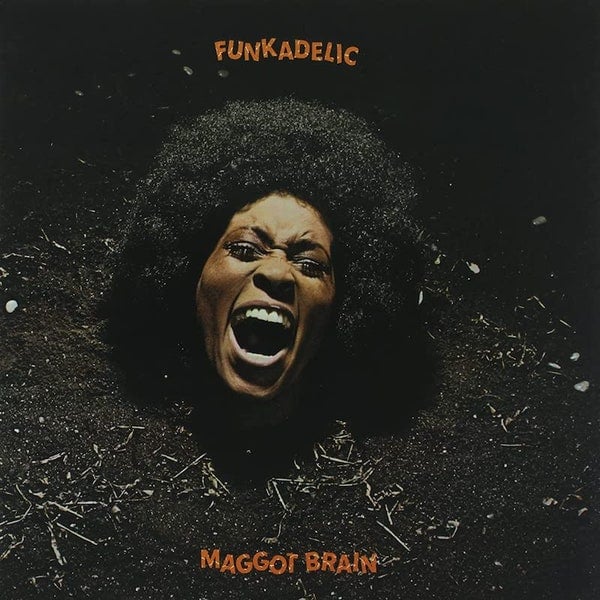
Funkadelic’s magnum opus is undoubtedly the most accessible record on the list. And so it’s not unexplainable in terms of the sheer effort it takes to engage with the composition, but rather how George Clinton’s band achieved exactly what they did, blending psychedelic rock, heavy metal and soul in such a seamless way.
Then there is the title track, a true facemelter of a guitar performance that plunges to the darkest depths of human nature, one that the average listener can’t rightly understand. One single take by guitarist Eddie Hazel, with the creative direction of playing it as though he had just confronted the death of his mother, the result was an unrepeatable piece of improvisational mastery.
Lou Reed – ‘Metal Machine Music’
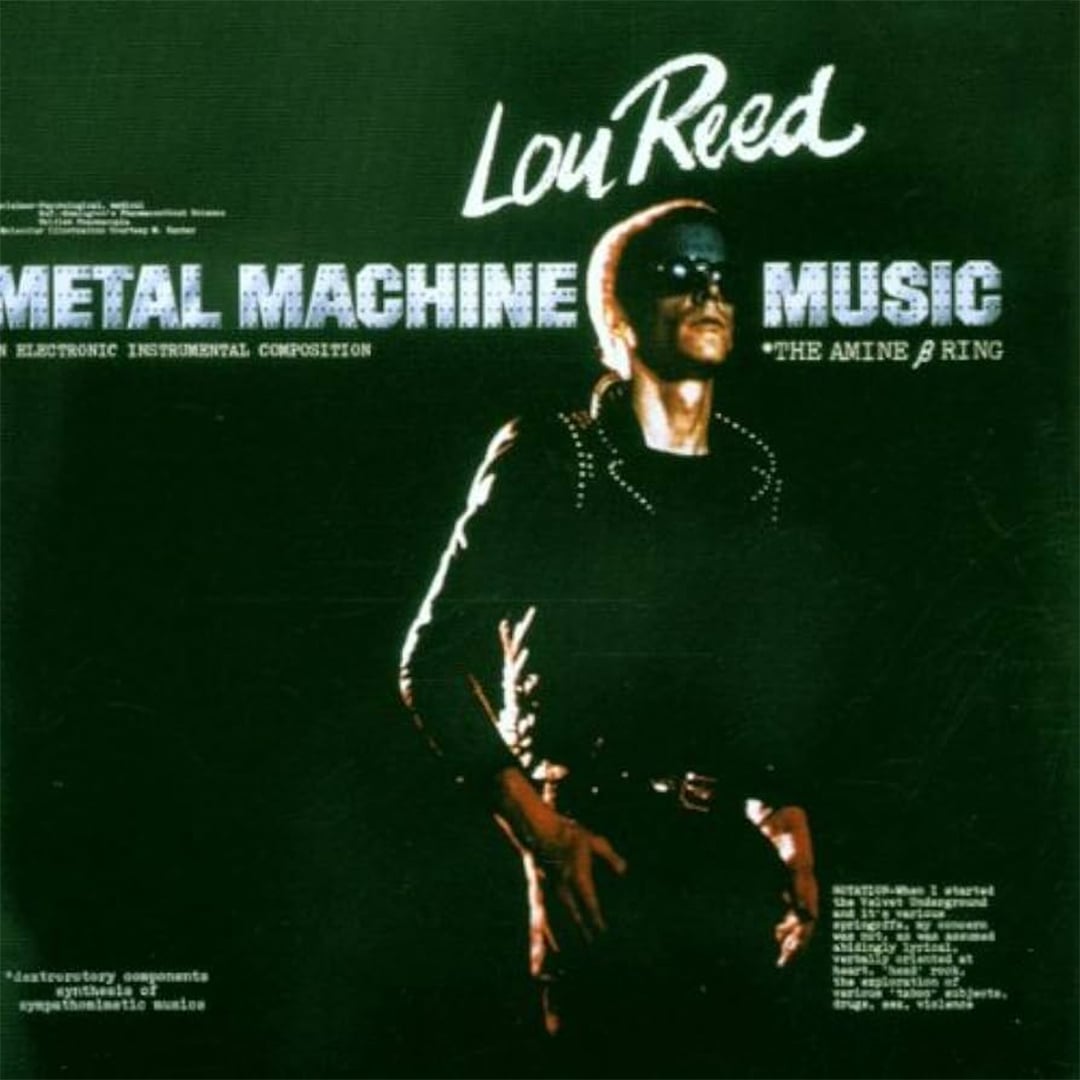
Even though the 1970s had all the innovations suited to occupy the wild mind of a man like Lou Reed, he still found himself bored with the world around him. He abruptly left The Velvet Underground on the basis that their music was becoming too commercial, and so it’s no surprise that his follow-up projects saw him take a complete U-turn.
Metal Machine Music saw him putting two fingers up to the commercial music world and placing faith in experimentalism instead. Guitar feedback, drones, and noise occupied most of the sonic space, and so listeners feared they were being robbed of Reed’s melodic delicacy. But without this record, the future of industrial rock may not have been so certain.
John Cale and Terry Riley – ‘Church of Anthrax’
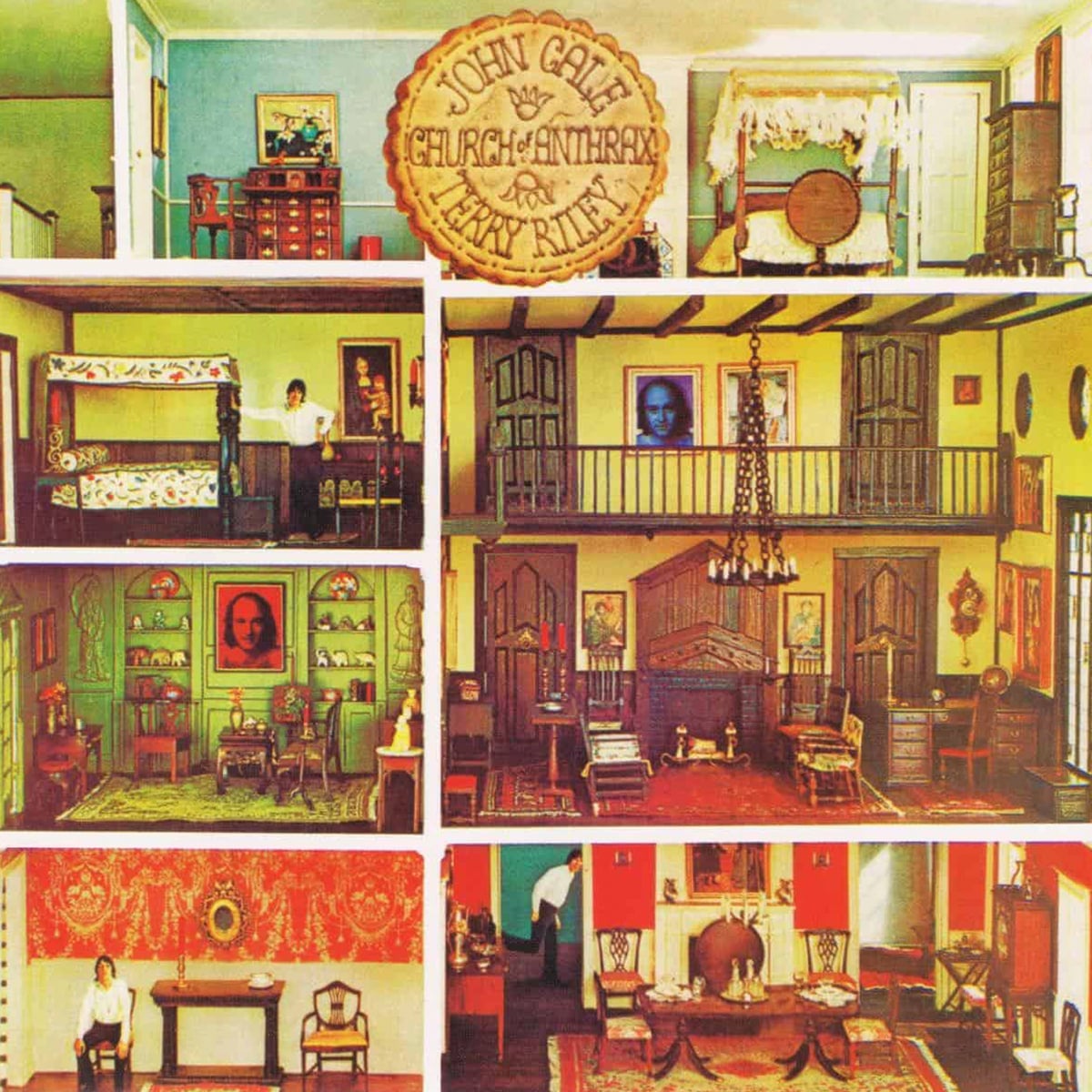
It wasn’t just Lou Reed getting down with the wailing sounds of industrialism in the ‘70s. His former bandmate John Cale saw that special sonic structures designed by drone-based instruments were the way forward. It was less about arranging multiple notes together and more about holding firm in one sonic space, testing the patience of the listener.
Teaming up with Terry Riley, Church of Anthrax saw the pair combine their styles. Whether it was Cale’s gritty rock and roll blueprint or Riley’s meditative etherealism, two opposing worlds constantly combined on this record to make a true musical paradox that works completely, but makes no sense in doing so.
Tonto’s Expanding Head Band – ‘Zero Time’
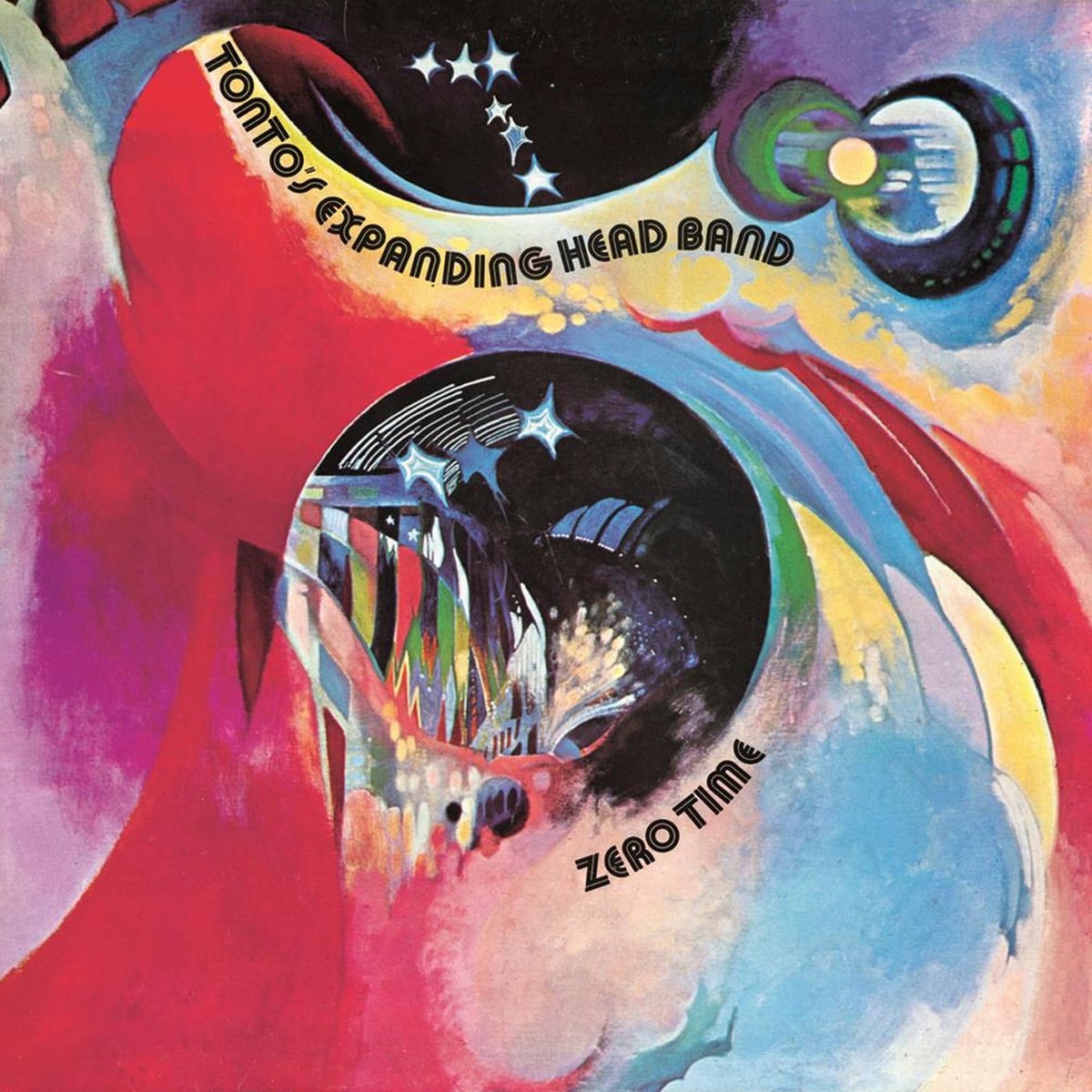
Nothing says innovation like an acronym-named robot. In this case, it comes in the form of ‘Tonto’, the world’s first multitimbral, polyphonic analogue synthesiser, and it stood like a monolith in the studio, almost room-sized itself. It formed the basis for this atmospheric album that, in many ways, laid the foundations for a future of electronic experimentalism.
In the ‘80s, the synthesiser would be popularised, specifically as an instrument that could provide melody. But it was all happening already on Zero Time, most specifically on a track like ‘Timewhys’. There was a shimmering to the backdrop that had simply never happened at that point because no analogue instrument could come close to creating that sound, and even 50 years on today, it sounds fresher and more innovative than any song that has bastardised the synthesiser.
Bo Hansson – ‘Lord of the Rings ‘
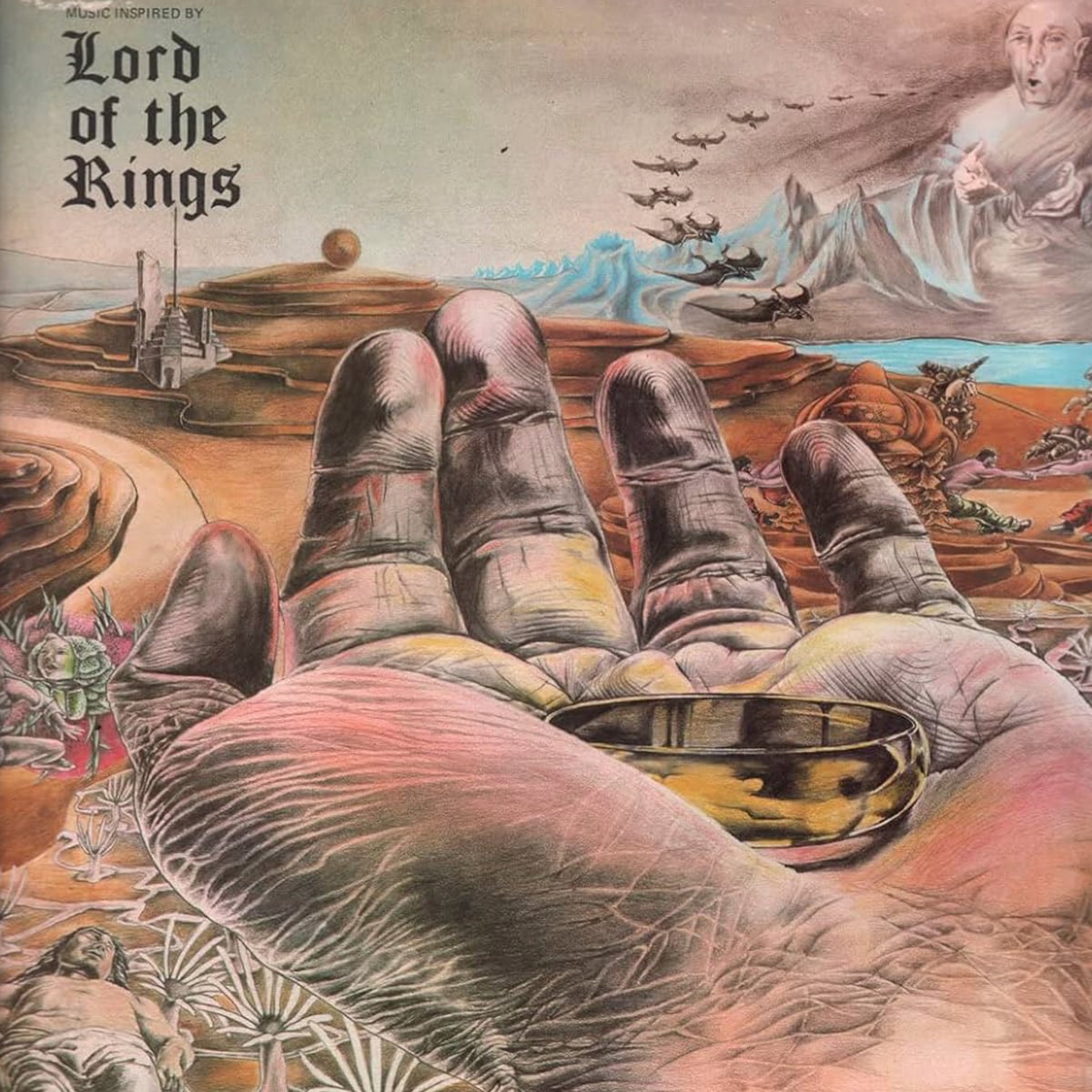
Mention ‘The Shire Music’ to any hobbit-head in the modern world, and they will immediately think of the flute melody from Howard Shore’s score of the film. But predating that by three decades was Bo Hansson, who wrote this abstract composition after being inspired by Tolkien’s original books. Somehow, it’s more on the nose, it’s darker and sinister, but with a glimmer of hope lying beneath it all.
On a fraction of the budget afforded to Shore, Hansson made something that felt more enchanting. It’s unexplainable in the sense that Hansson was completely strapped for cash and so recorded it all on a portable 8-track recorder, relying heavily on electronic keyboards and Moog synthesisers. The conclusion is wildly dense given the restrictions and somehow manages to blend a myriad of genres, from prog rock to electronic ambience, all with his hands tied behind his back. It was all very Frodo of him.
Brian Eno – ‘Another Green World’
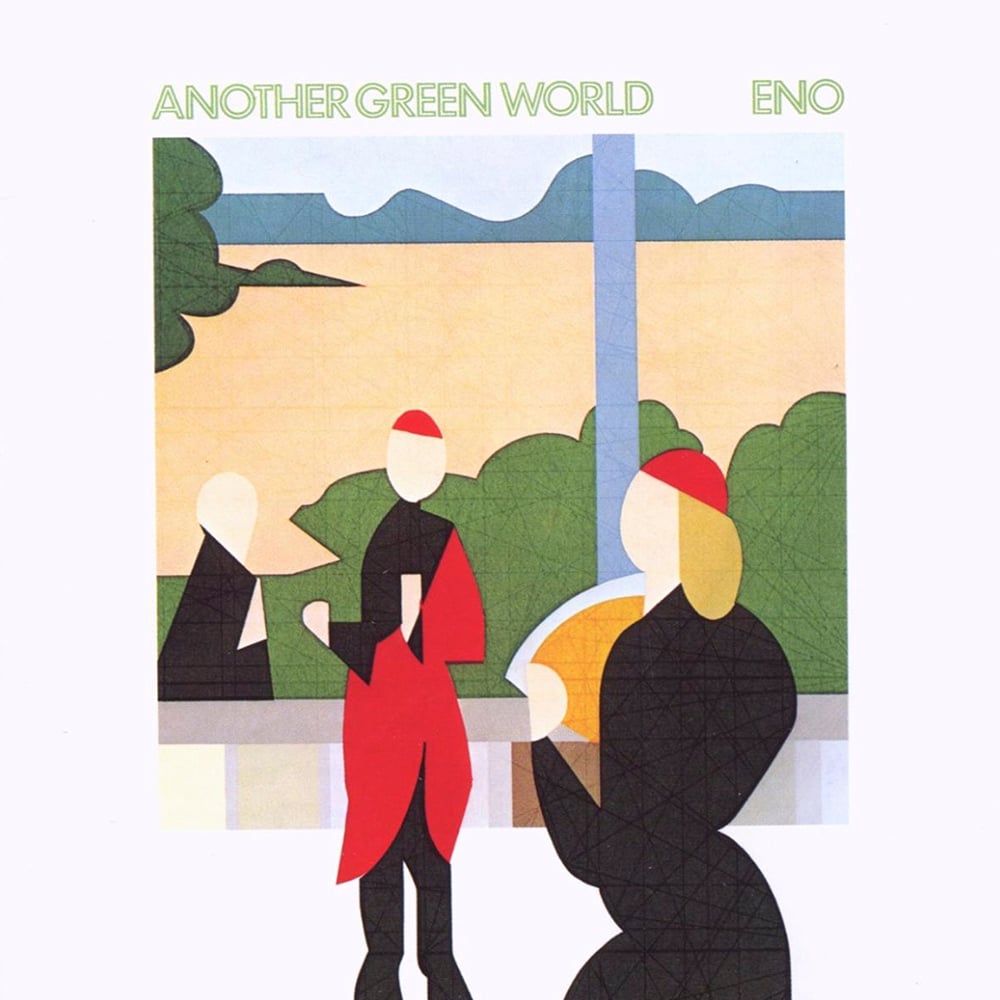
These days, this feels explainable. It’s hard to imagine Brian Eno as anything but experimental, lost in the world of his own ambience, but in the ‘70s, it was a stark difference from the man who had helped Roxy Music rise to rock fame. It was as though the graffiti artist had become an oil painter, abstractly taking his time to craft pensive, atmospheric masterpieces that unravelled sounds and textures each second.
I suppose the unexplainability of it all now exists in the very music. Because Eno was so obsessed with textures, there are undoubtedly now some sonic moments on this record that still reveal themselves to us. Over half a century on, we are still discovering mini worlds that exist in his music and have us questioning why he pursued a rock career in the first place.
Allen Ginsberg – ‘The Complete Songs Of Innocence and Experience’
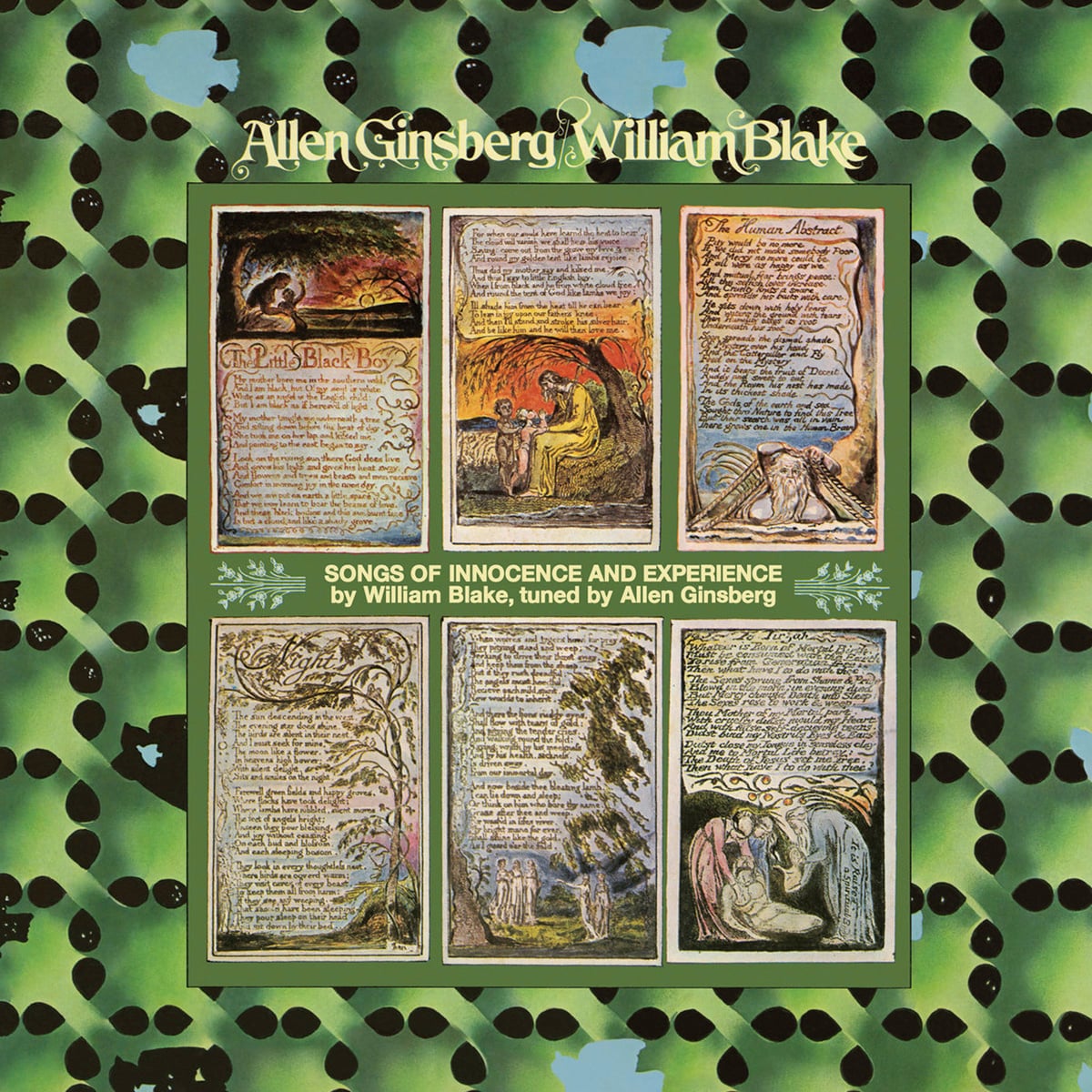
Art was art in the ‘70s, simple as that. In any other time, Ginsberg would have been known as merely a poet and a writer, but in this exciting era of genre crossovers, his words could allow him to adopt a much wider title of artist. Songs of Innocence and Experience was the sound of Ginsberg exercising that right, blending his own poetry with the worlds of improvisational jazz and folk.
But he didn’t adopt a simple sonic approach in doing so. Ginsberg attempted to sing William Blake’s 18th-century poetry in an almost off-key and emotional tone that gave the entire record an unpredictable atmosphere of performative art that was unlike anything anybody in the writing or music worlds was doing.
Van der Graaf Generator – ‘Pawn Hearts’
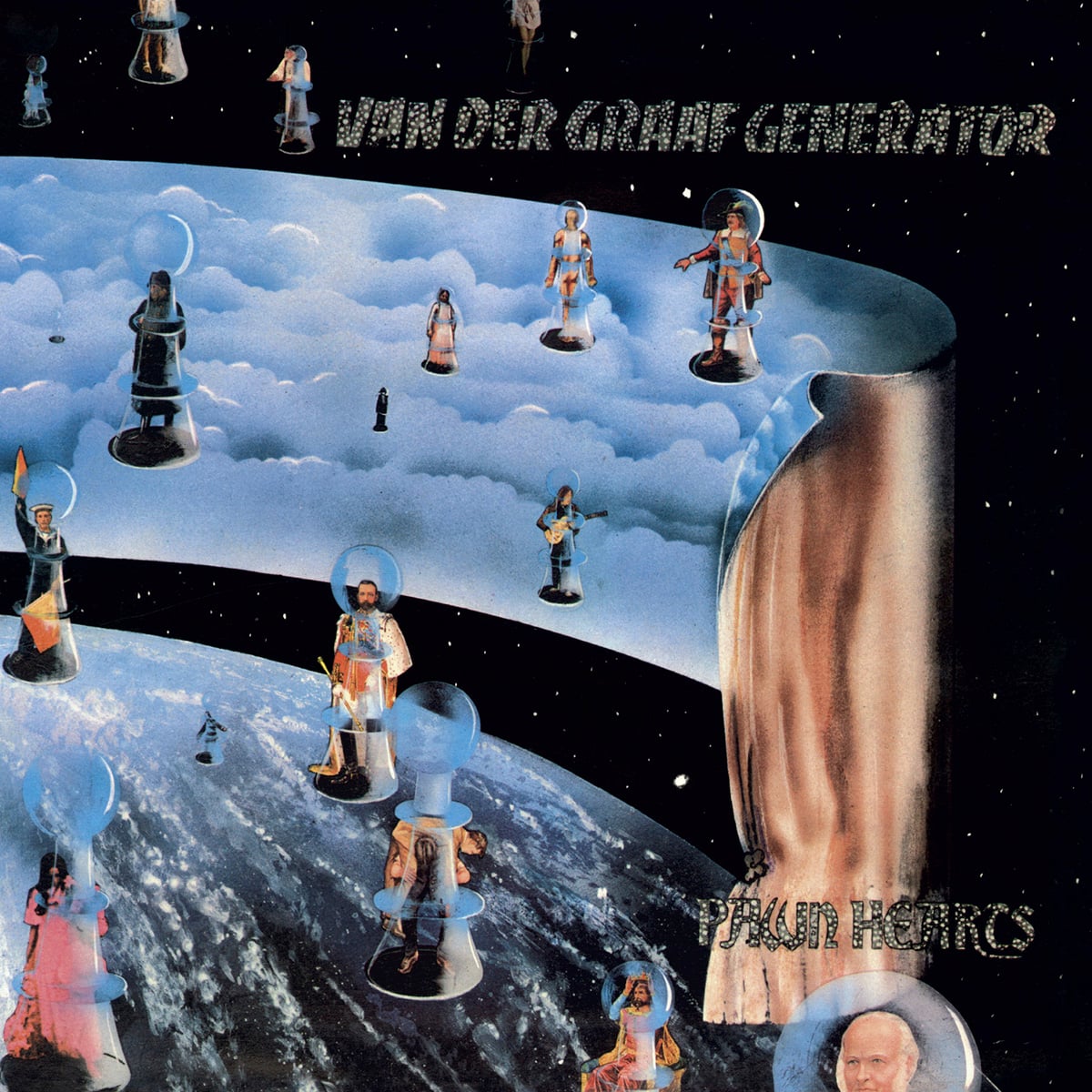
It’s almost as though every single record that’s been listed here is bundled into Van der Graaf Generator’s album. The avant-garde compositions are heavy rock one minute, ambient surrealism the next, before twisting into freeform jazz. Every little individual segment is relatively coherent and makes sense, but the record moves at an unrelenting speed that you barely have a moment to digest it.
The inspiration behind the record feels entirely unexplainable and can only be attributed to the sort of mind that works on its own frequency. Research shows that the group adopted a recording technique they referred to as the ‘psychedelic razor’, which essentially involves mixing multiple tape machines to create fragments of jarring sounds. An aptly titled name that ultimately achieves what it set out to create.
Faust – ‘The Faust Tapes’
Can’s Tago Mago may have been considered the cornerstone of the Krautrock movement, but The Faust Tapes was its figurehead, boldly going where the more conservative records of the genre allowed it. It was a truly crazy album that saw the German band abruptly splice together 26 audio fragments to make something of a musical collage.
It was chaotic and unpredictable, with many of the tracks feeling entirely unrelated to one another. Many of the tracks were offcuts and improvisational ideas that ordinarily wouldn’t have left the studio, but Faust tried using this record as an example of how every idea has a bit of beauty in it, even if it feels nonsensical.
