


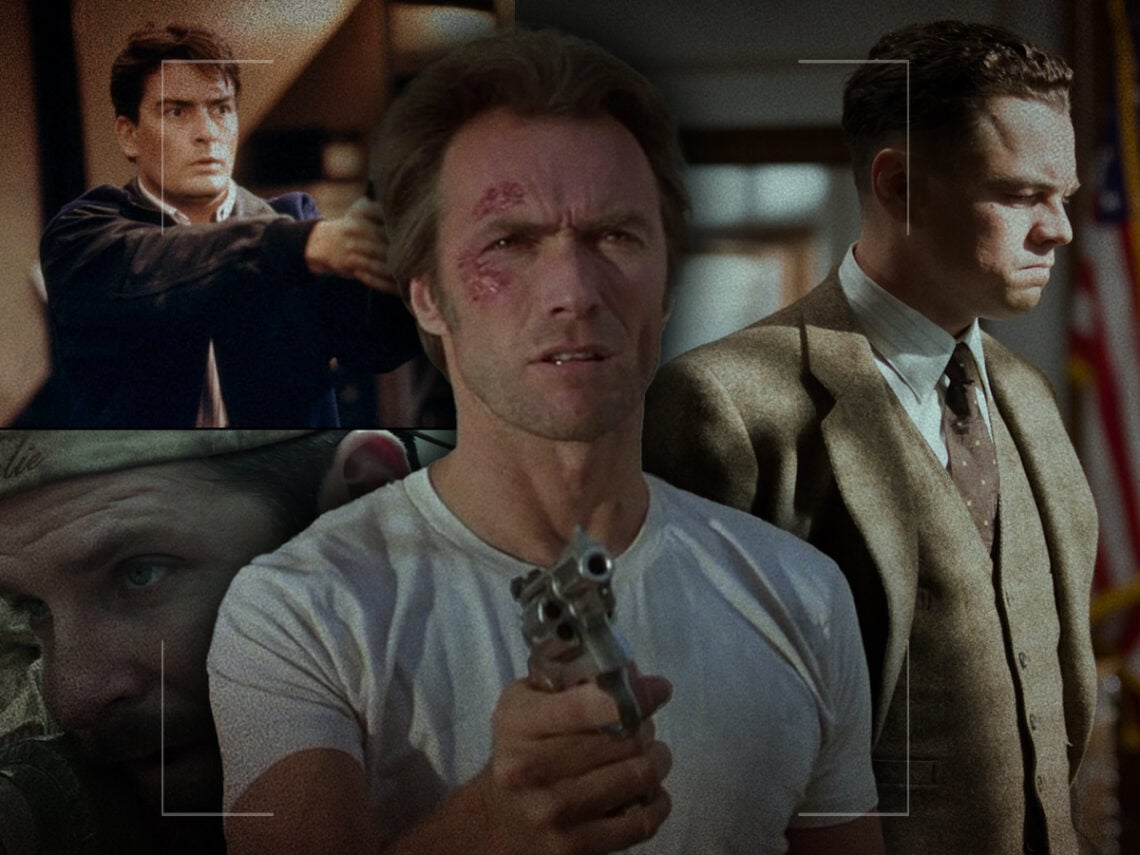
10 Clint Eastwood scenes that should be deleted from history

Clint Eastwood has one of the most impressive filmographies of any living filmmaker, but it is not impeccable.
Eastwood is a filmmaker of such brilliance that he means different things to audiences, based on when they first encountered his work. He would be a legend within the industry if it were only for the spaghetti westerns that he made with Sergio Leone, as The Man With No Name trilogy is a rare series in which each instalment was equally great.
He was initially able to offer a darker, more grounded perspective on the western genre, and helped spark a revisionist movement that peaked in 1992 with his masterpiece Unforgiven, which won him the Academy Awards for both ‘Best Picture’ and ‘Best Director’, so even though Unforgiven felt like a swan song, marking the end of an era, it only promoted another three decades of Eastwood working at the top of his game. His films began to show an interest in real historical events, and he developed a late style as a director that has steadily grown more admirers.
Given that Eastwood has directed 40 films, there’s no expectation that they would all be masterpieces. Even though his track record is mostly solid, and even his mid-level films are fairly entertaining, he works so quickly that there can be blunders in his output. While these aren’t enough to ding the legacy of one of the most important directors to ever live, they do make it a bit harder to wholeheartedly recommend specific titles from his filmography.
10 Clint Eastwood scenes that should not exist
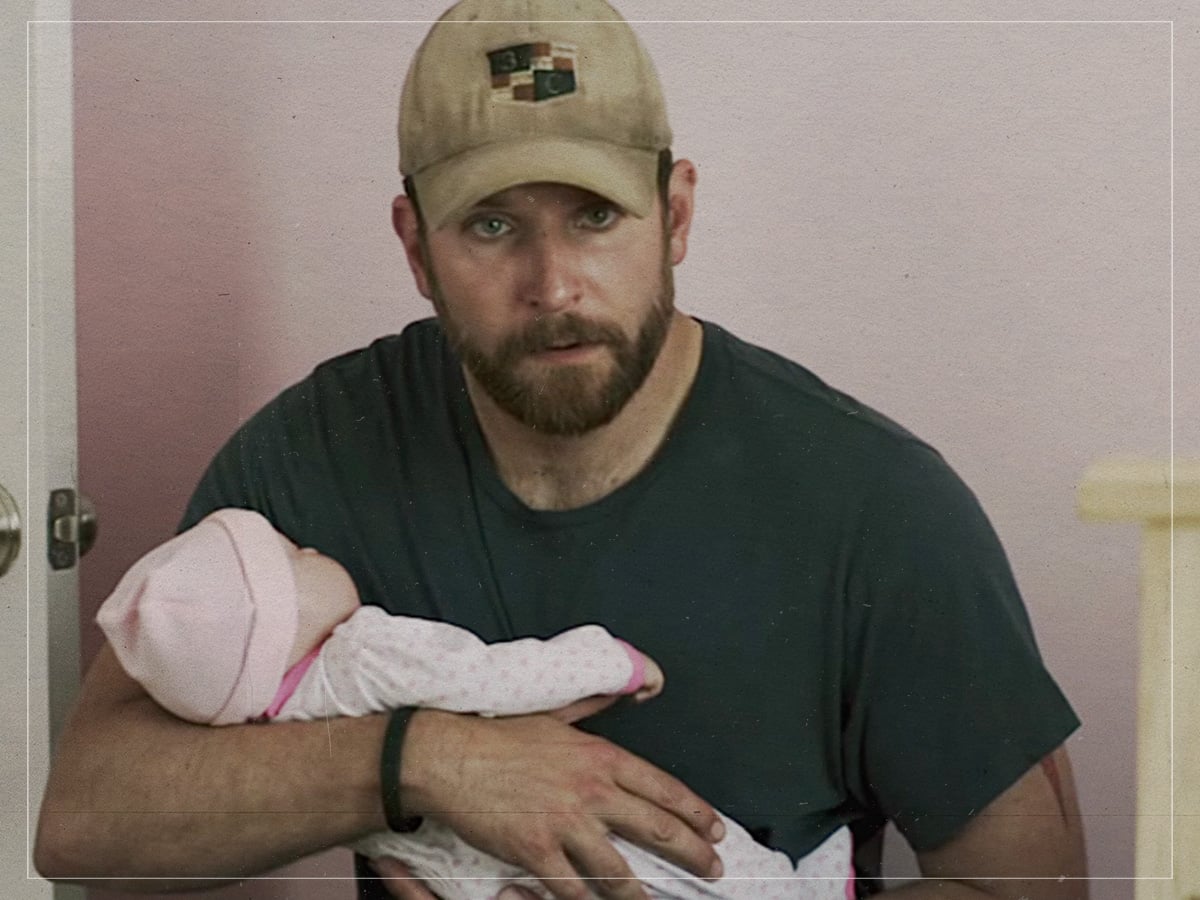
Fake baby – ‘American Sniper’ (2014)
American Sniper became a shocking sensation when it outperformed every box office expectation and became one of the highest-grossing R-rated films of all-time, which was unprecedented for the January release of an Oscar contender. While the film did not win Bradley Cooper the Academy Award that he has so obviously been striving for, he did cite the experience working with Eastwood as the main reason that he got into directing for himself.
In a scene that received significant blowback once it became available on social media, Cooper’s Chris Kyle has to comfort his infant child, and it is very clearly a prop. Eastwood famously likes to use one of the first takes and does not spend time rehearsing, but instances like the ridiculous fake baby are a reason why checking the dailies before moving on might have been a good idea.
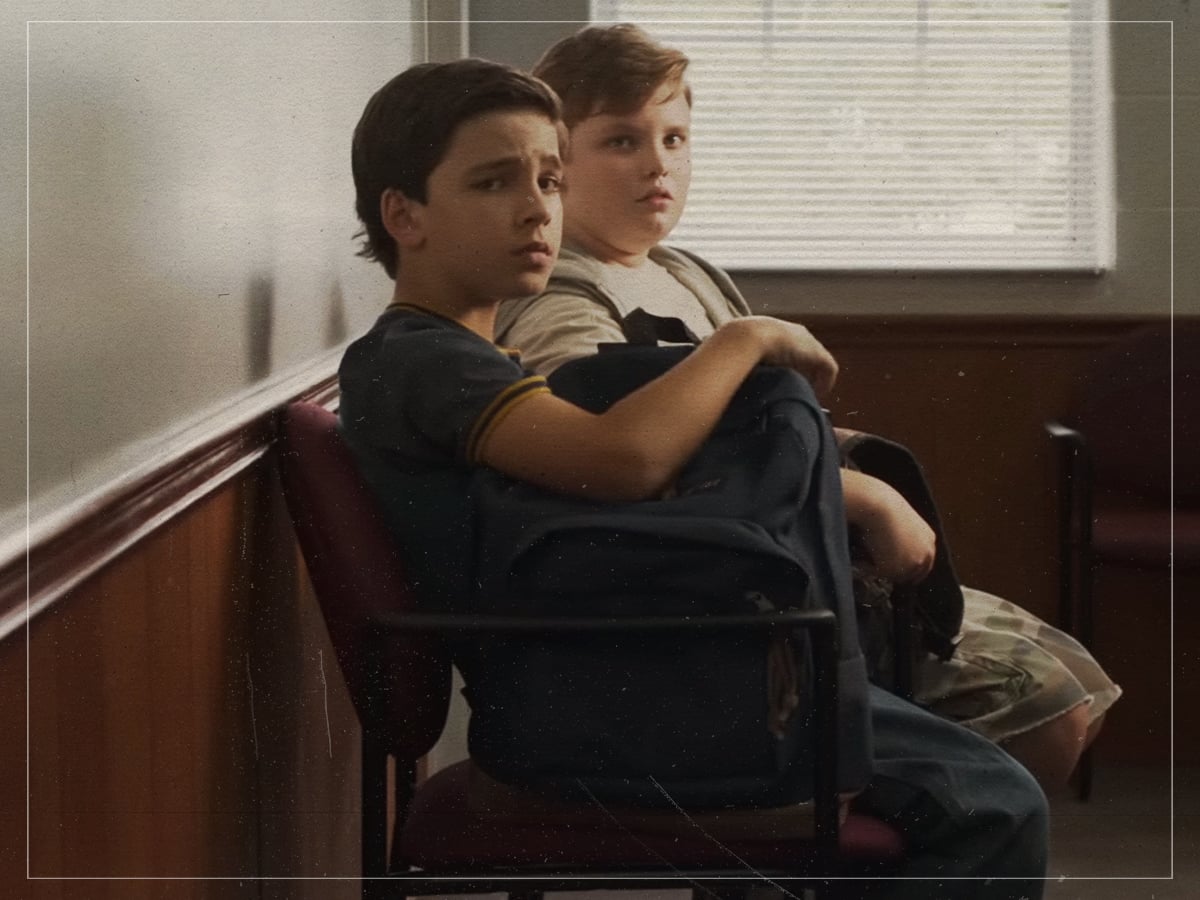
Spencer, Alek, and Anthony meet in school – ‘The 15:17 to Paris’ (2018)
Warner Bros has supported Eastwood for nearly his entire career because his films are made on budget and usually make their money back, but he hasn’t had many bombs more disastrous than The 15:17 to Paris. Eastwood wanted to adapt the true story about three American soldiers who stopped a terrorist hijacking on a train, but in lieu of hiring actors to play these heroes, he decided to cast the real men.
While this might have made for an interesting work of experimental cinema had Eastwood kept the focus on the train for the entire time, The 15:17 to Paris also includes flashbacks to the three men as children who meet in grade school after all winding up in the principal’s office. It’s an insincere moment that tries to involve destiny within a random event, and destroys the realism of the film.
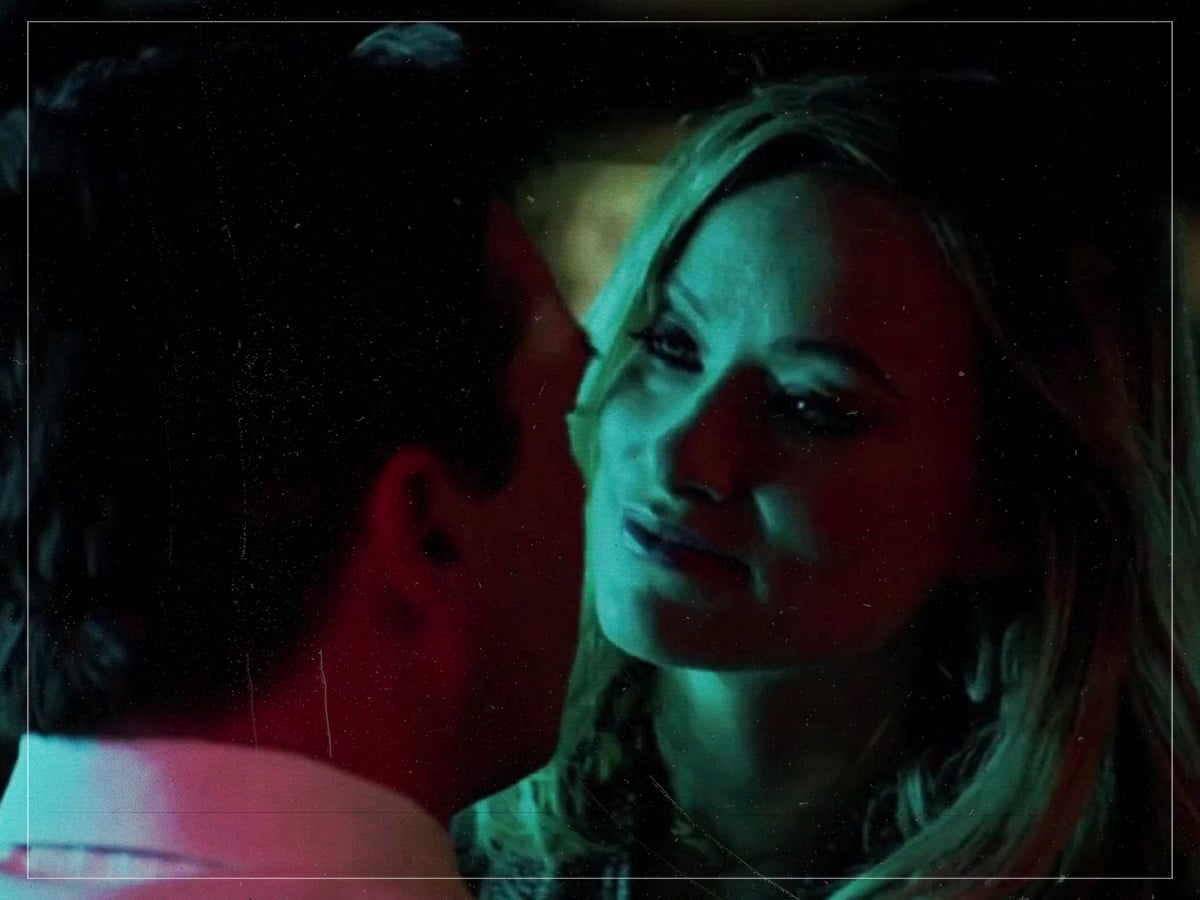
Kathy Scruggs flirts with FBI Agent Tom Shaw – ‘Richard Jewell’ (2019)
Richard Jewell is one of Eastwood’s more underrated late style films, and features a tremendously empathetic performance from Paul Walter Hauser as the titular character, a security guard at the 1996 Olympics who was falsely accused of being a domestic terrorist. Unfortunately, goodwill towards the film began to dip due to a controversy involving the depiction of the journalist Kathy Scruggs, who is portrayed by Olivia Wilde.
Based on conversations between Scruggs and the FBI Agent Tom Shaw, played by Jon Hamm, it’s implied that she sleeps around in order to get sources for her reporting. Not only does this adhere to malicious stereotypes about female reporters, but it also paints an unusually unfair portrayal of Scruggs, whose death in real life prevented her from defending herself against slander. The blowback, unfortunately, took over the discourse around Richard Jewell, drawing away from the solid work done by Hauser and Sam Rockwell.
David gets into a bar fight – ‘The Rookie’ (1990)
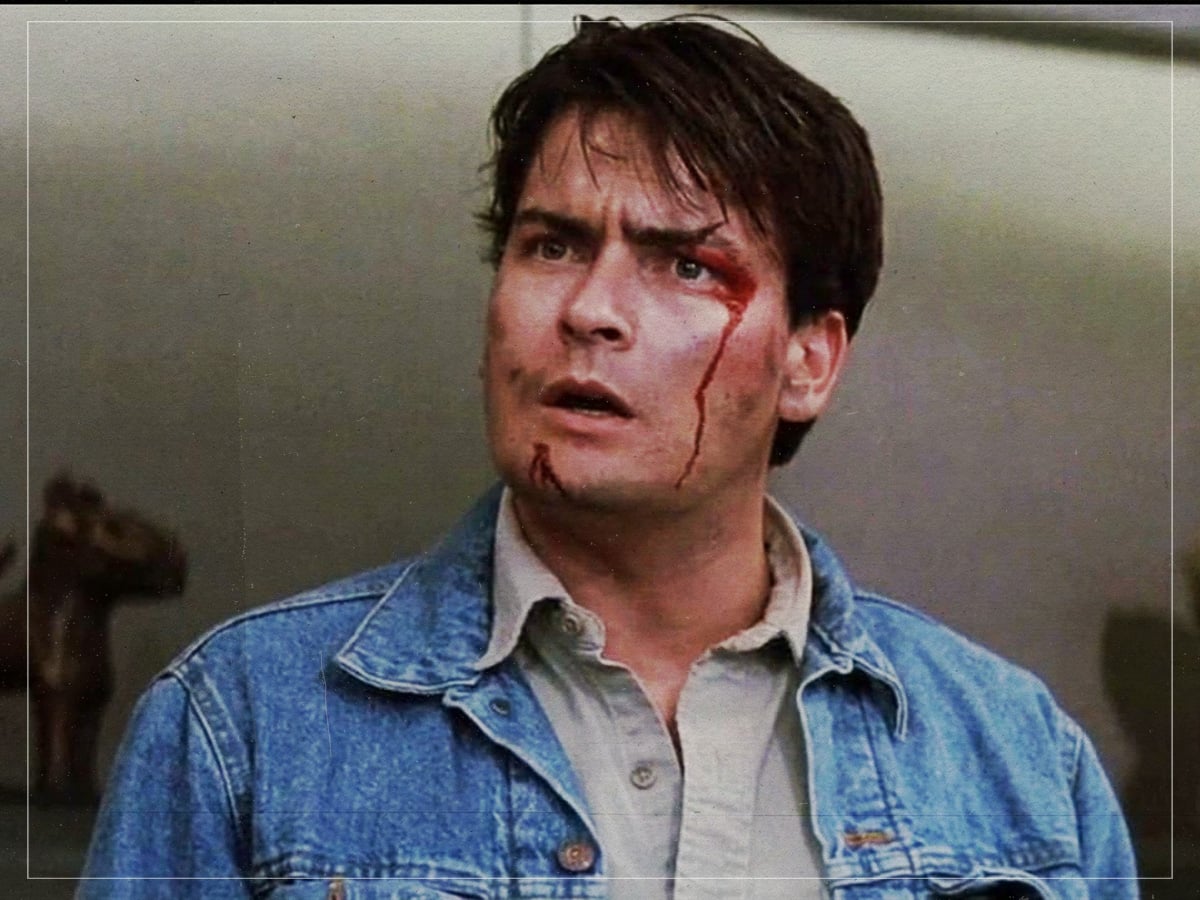
Charlie Sheen was attempting to become an action star in the early ‘90s, and it made sense for Eastwood to make his own Lethal Weapon-style buddy cop adventure, now that he was getting older. Unfortunately, The Rookie is one of his worst films because they simply don’t have any chemistry; Eastwood doesn’t work as a wisecracking older cop, and Sheen never feels believable as a serious law enforcement officer.
There’s an attempt to make Sheen’s character, David, appear to be tough and troubled by placing him in the midst of a bar fight, but it only ends up feeling like a generic sequence lifted out of almost any other cop film. The Rookie might have been entertaining had Eastwood found a young actor who was believable in the part, but Sheen’s role torpedoes the sense of realism that he was striving for.
Tom and Aggie Highway reconcile – ‘Heartbreak Ridge’ (1986)
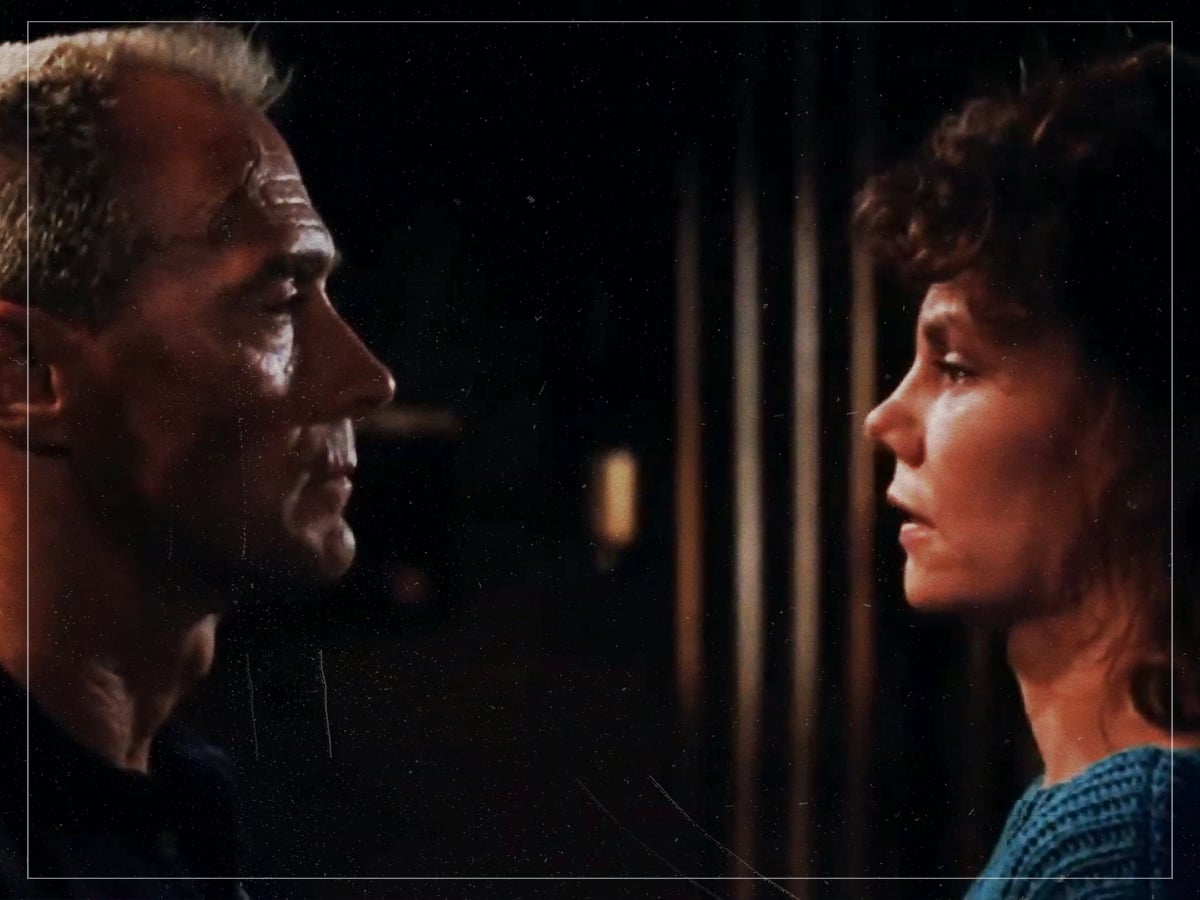
Heartbreak Ridge had the potential to be one of Eastwood’s best films, but it ended up being a maudlin story with a very weak supporting cast. Eastwood stars as Tom Highway, a veteran of the Korean War who is tasked with preparing a group of novice troops for their deployment. Although none of the young actors really pop out, the film grinds to a halt when it focuses on the relationship between Tom and his ex-wife Aggie, played by Marsha Mason.
So much effort is put into showing why their marriage collapsed that it becomes completely unrealistic when they reconcile, a fact not aided by the lack of chemistry between Eastwood and Mason. Had everything involving Aggie and Tom’s marital infidelities been removed from the film entirely, it would have made no difference and built up to the climactic war scene in the same way.
Steve Everett spends Christmas with his family – ‘True Crime’ (1999)
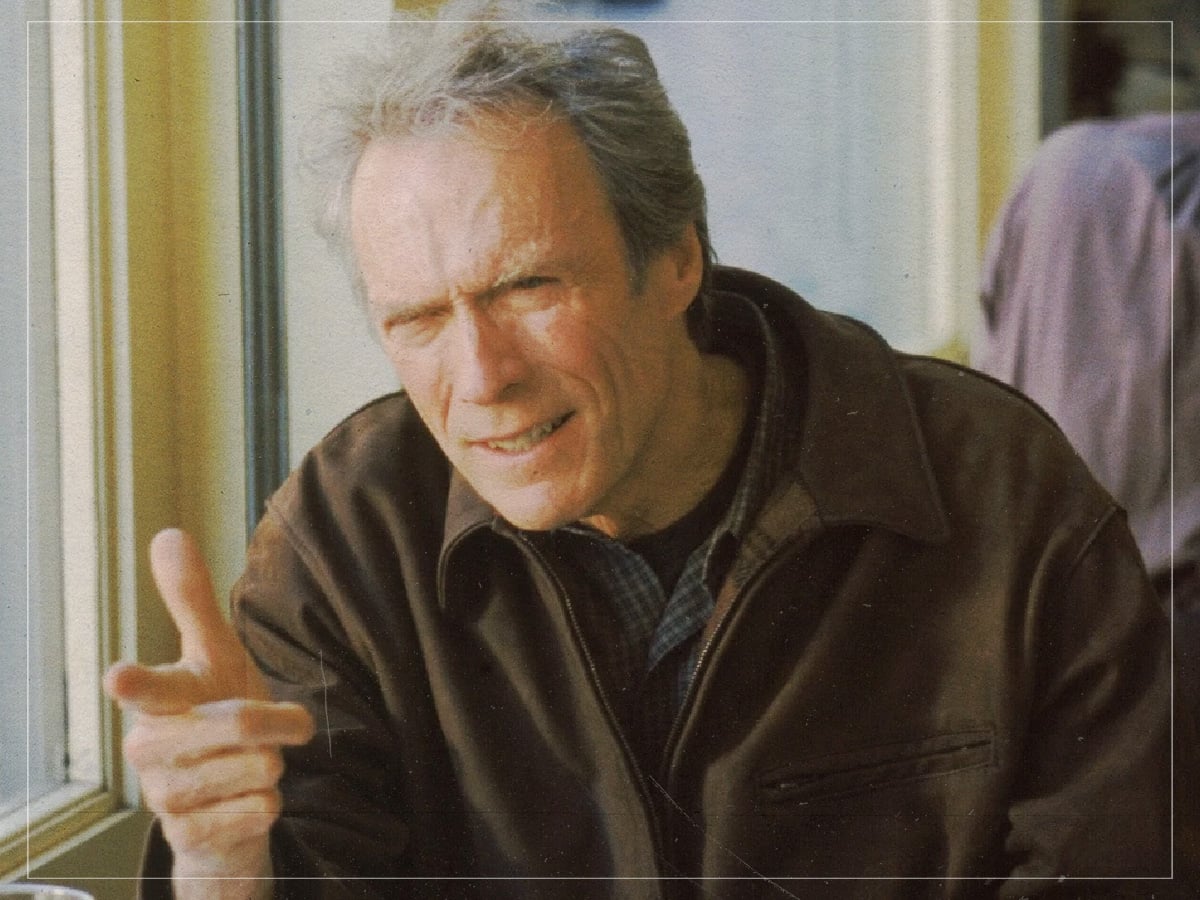
True Crime is one of Eastwood’s weirdest films because it’s one of the few instances in which he did not cast himself well. The director is completely wrong for the role of Steve Everett, a brash journalist who ignores the advice of his editor, played by James Woods, to dig into the story of a man on death row, Isaiah Washington’s Frank, whom he believes has been falsely convicted.
The film’s ending involves Steve rushing to provide evidence that proves Frank’s innocence as he is about to get a fatal injection, only to cut away to ‘six months later’ during Christmas, where it’s revealed that everything worked out fine. The cheesy last-minute save is one of the more ridiculous moments ever to appear in an Eastwood movie, but the cutaway to a different time (where all of Steve’s family issues are somehow fixed) makes for a particularly sour conclusion.
J Edgar Hoover admits his love for Clyde Tolson – ‘J Edgar’ (2011)
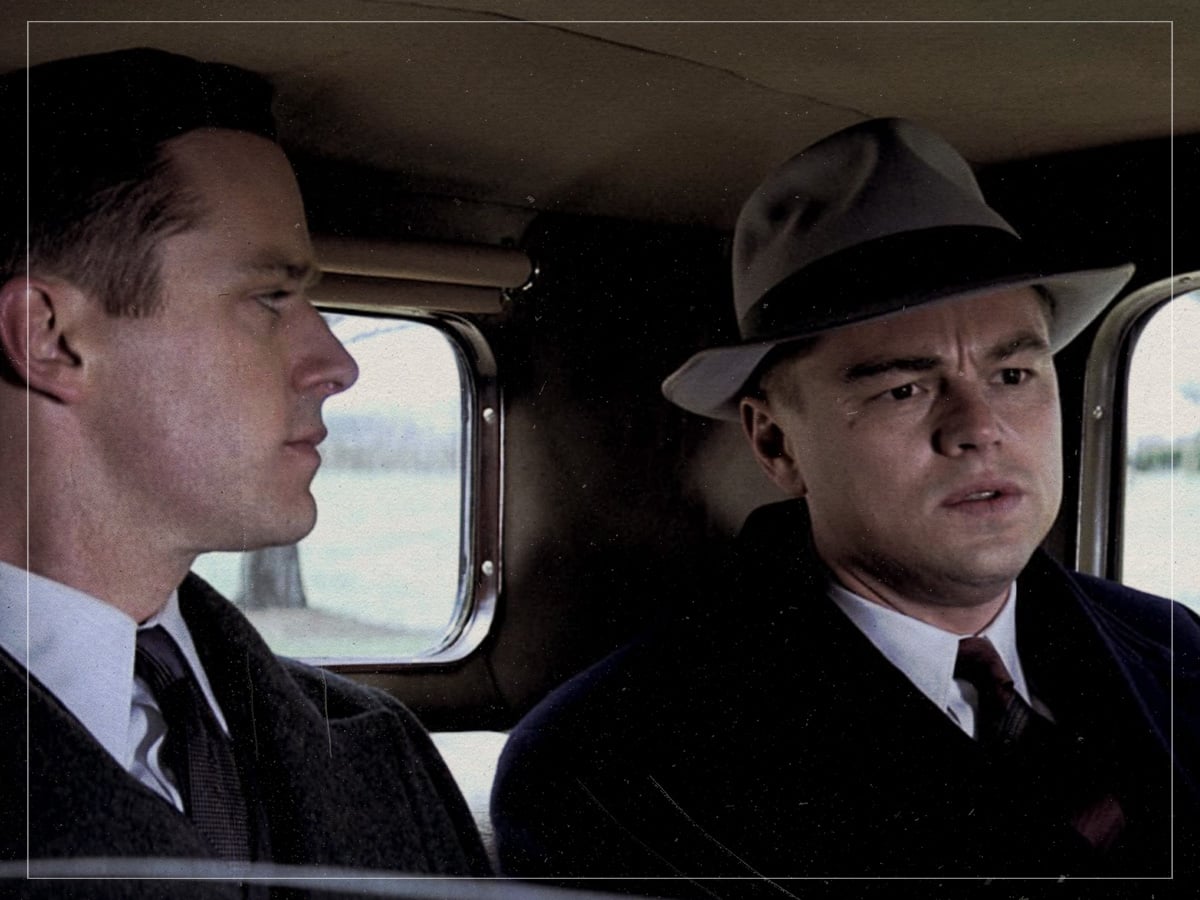
Leonardo DiCaprio has the same professionalism and dedication to cinema that Eastwood does, which makes it a bit unfortunate that their only collaboration was in one of the weaker instalments in both of their filmographies. Although there was a lot of potential to dig into J Edgar Hoover’s history of misdeeds, J Edgar spends most of its time focused on the FBI director’s alleged homosexuality, and his closeted relationship with his longtime assistant Clyde Tolson, played by Armie Hammer.
The scene in which Hoover actually admits his feelings is oddly-pitched; it seems to be genuinely sympathetic to Hoover, who is otherwise a monstrous character. It doesn’t help that the film uses old-age makeup that simply does not look convincing in the slightest, and that Hammer’s performance is so aggressively melodramatic that it is hard to buy him as a legitimate love interest to DiCaprio.
Major Mitchell Grant’s PTSD is explained – ‘Firefox’ (1982)
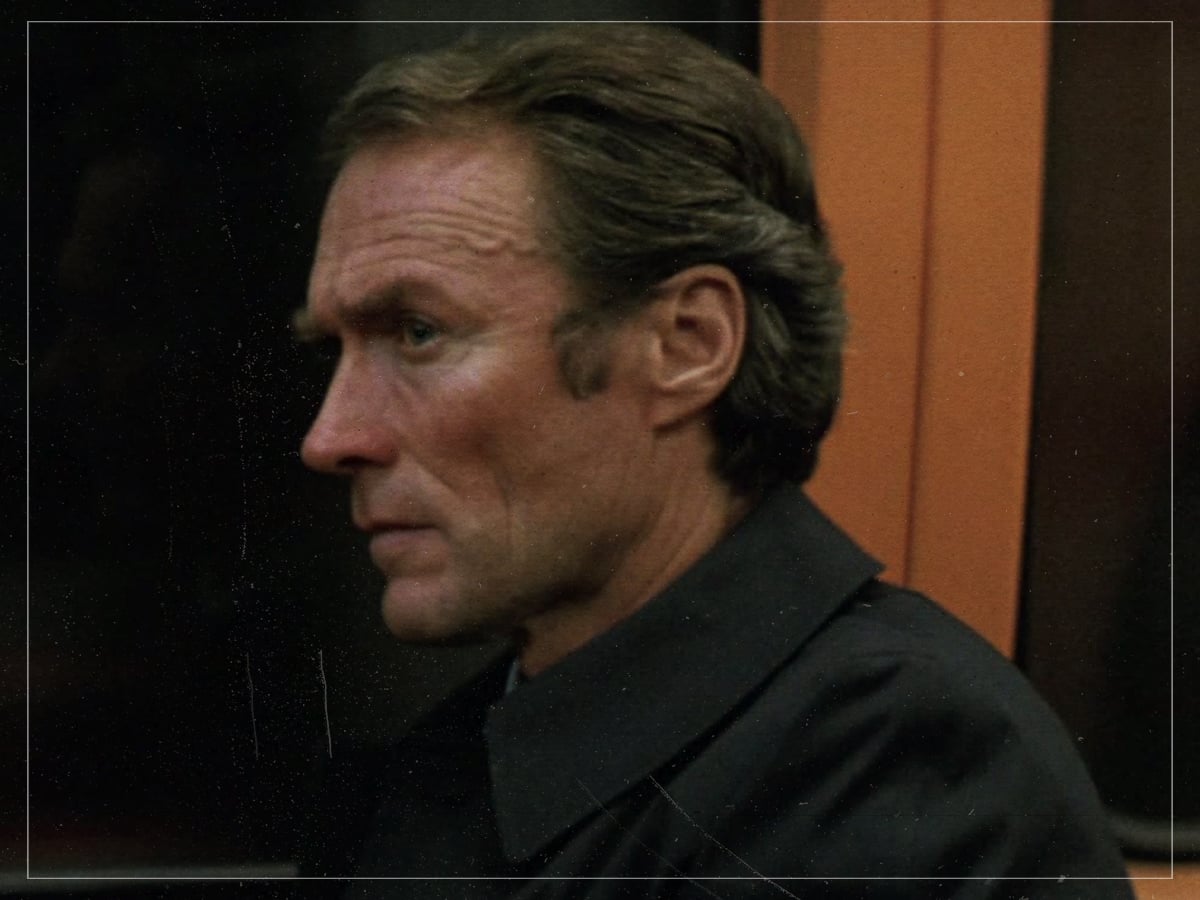
Firefox had the potential to be an exciting vehicular war thriller that took the style of World War II dogfight films and adapted it to the Cold War era, but the film ended up being overlong, dull, and not nearly as technically advanced as one would expect from an ‘80s blockbuster. Although the film spends a majority of its time in Russia during an undercover mission, the beginning is almost entirely focused on Eastwood’s character, Major Mitchell Grant, who is described as having an extreme form of post-traumatic stress disorder that has somehow made him the perfect person to go on a covert mission.
While it was noble of Eastwood to make a film that addressed mental health among veterans at a time when it wasn’t discussed, there’s no actual scientific expertise in Firefox, which is far too slow to suffice as a fun Cold War thriller.
Ben Shockley is introduced to Mally – ‘The Gauntlet’ (1977)
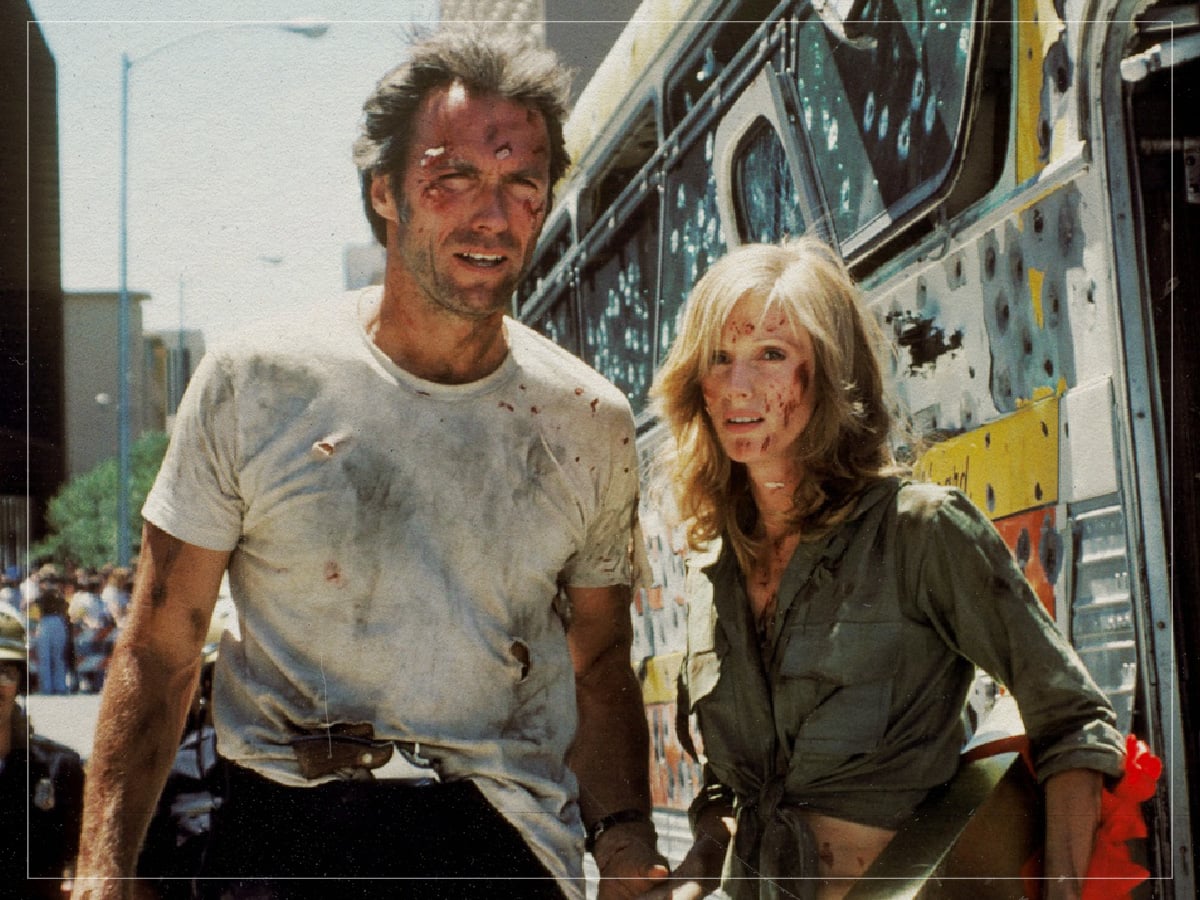
Eastwood has given better parts to his female actors than he tends to get credit for, but The Gauntlet is one of the rare films in which he completely missed the mark. The Las Vegas-set thriller stars Eastwood as the Phoenix detective Ben Shockley, who is tasked with transporting the witness Mally, played by Sandra Locke, to a trial where she can testify against the mob.
Although the characters are intended to be constantly bickering, leading to an ‘enemies to lovers’ situation, Ben physically assaults Mally during their introduction in a moment that goes unremarked upon. There are also details given in which Mally discusses her past experiences as a victim of sexual abuse that are simply tough to watch, as they don’t offer her much interiority as a character and simply serve as further motivation for Ben to take down the villains.
The boulder crash – ‘The Eiger Sanction’ (1975)
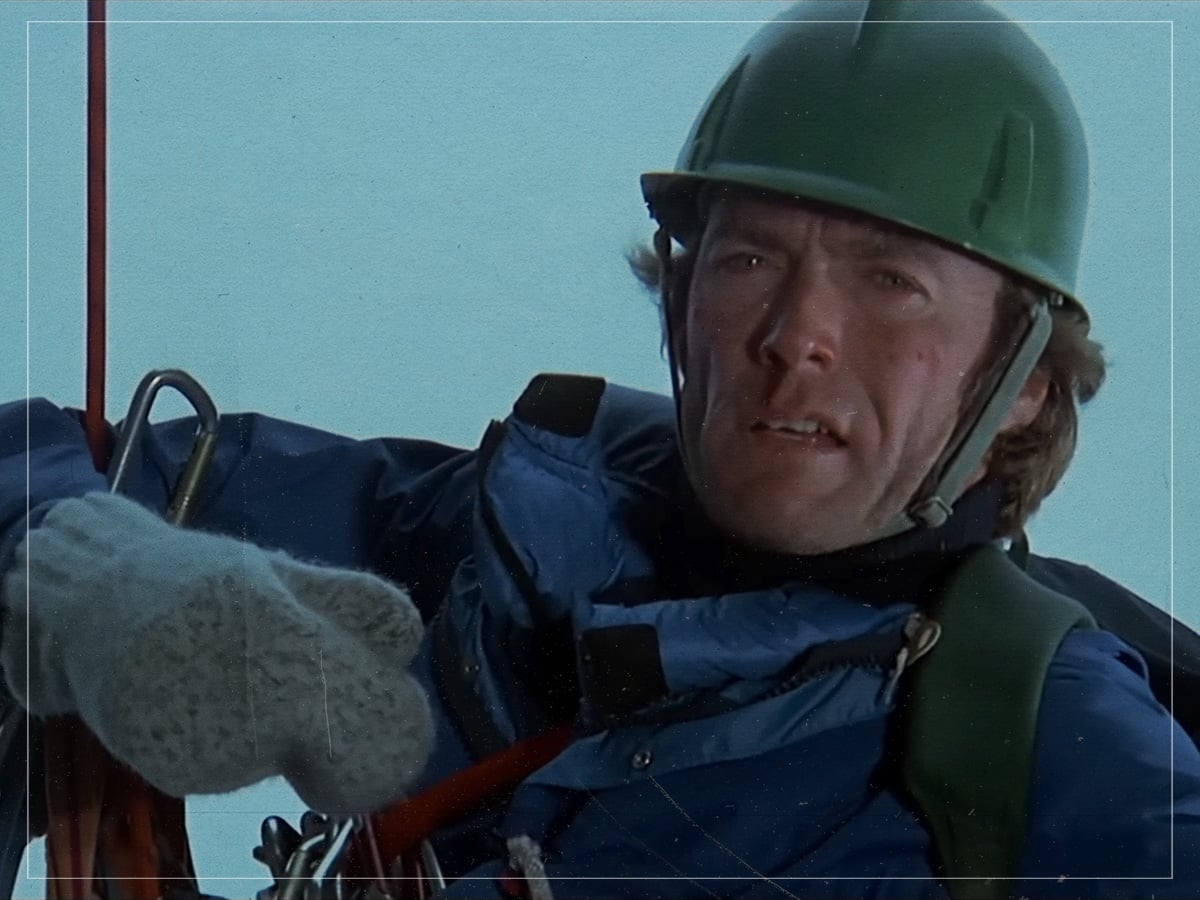
Although Eastwood has been known for his efficient and comfortable shoots, The Eiger Sanction experienced an on-set tragedy that has unfortunately overshadowed its legacy. During preparations for an action scene in which a boulder crash threatens the main characters while they are climbing a mountain in Switzerland, the stuntman David Knowles was killed instantly when there was a real crash.
It was an unpredictable scene that wasn’t the fault of anyone involved, and wasn’t stung by the safety hazards that made the death of Vic Armstrong and two child actors on the set of John Landis’ segment of The Twilight Zone: The Movie so controversial a decade later. However, it does drag down the atmosphere of a film, knowing that there was a real tragedy involved, even if Eastwood felt that it was best to complete the production in honour of Knowles’ memory.

Never Miss A Tale
The Far Out Clint Eastwood Newsletter
All the latest stories about Clint Eastwood from the independent voice of culture.
Straight to your inbox.