


‘The Gauntlet’: The movie that was a problem for everyone except Clint Eastwood

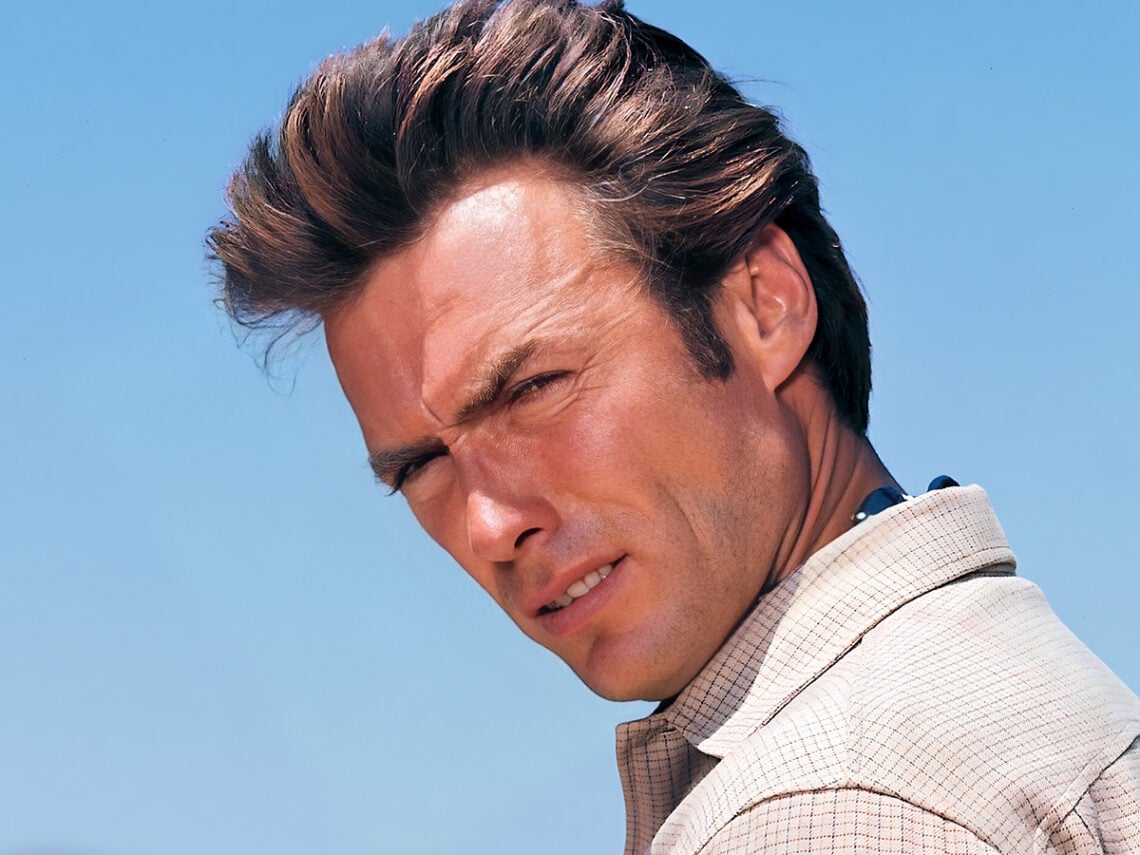
In 1977, Clint Eastwood directed an action movie so pumped up and over-the-top that it would have made ‘Dirty’ Harry Callahan blush. The film was a massive hit at the box office, becoming the 14th biggest film of the year, but not everyone loved it as much as the paying public. In fact, Eastwood would later refer to it as one of his problem pictures. It was a movie that critics and people in the industry railed against, but Eastwood himself could never entirely understand why. In other words, the film was a problem for everyone except him.
By the time Eastwood came on board the project in the mid-1970s, it had already gone through two leading men and one leading lady. Initially slated to Marlon Brando and Barbra Streisand, Steve McQueen signed up after Brando abandoned ship. However, he and Streisand didn’t see eye to eye, so McQueen also said goodbye to the project, and eventually, so did Streisand. After all the turmoil, The Gauntlet was finally set up with Eastwood directing and starring alongside his girlfriend, Sondra Locke.
The film tells the story of Ben Shockley, an alcoholic, down-on-his-luck police detective who is tasked with escorting a prostitute from Las Vegas to Phoenix, Arizona, to testify against the mob. Naturally, the journey doesn’t go smoothly, as a host of hitmen and other vicious criminals try to stop them from making it to the trial alive. This setup leads to thousands of bullets, car chases, explosions, and general action excess, filling almost every moment of the film’s 109 minutes.
In The Gauntlet, though, Eastwood was subverting the image he’d built up throughout the decade with the Dirty Harry movies and his westerns by playing a drunk who wasn’t the typical tough guy action hero prototype. However, not everyone around him was keen on this skewering of his image, nor of the fact that Locke’s character was presented as a glamorous and intelligent woman who could easily outthink her would-be protector. In 2012, Eastwood told Interview, “People didn’t necessarily want me to play a dumb detective. The woman in that film was much smarter than he was, so that became a problem.”
However, Eastwood was determined to forge ahead with the movie because he knew he had to try different things from time to time. He also figured that doing it within the context of an action movie wouldn’t be the biggest stretch for his audience to make, so it was worth the risk. As he noted, “You have to lead the audience in different directions. Otherwise, they might dump you eventually.”
Upon release, the film was savaged by critics, with some saying it didn’t have a single thought in its head and others comparing the dialogue and internal logic to that of a comic book. Famed English critic Barry Norman even told Eastwood to his face in ’77 that he thought the film was entertaining but quite preposterous. A stunned Eastwood asked Norman what he meant by that, and Norman explained that the only reason the heroes survive the constant barrage of gunfire they face in the movie is because the villains can’t seem to shoot straight.
When Norman left, Eastwood reportedly turned to the studio executives beside him and exclaimed, “That guy said the movie was preposterous!” In response, the execs supposedly said, “Oh gee, Clint. He’s a critic; what does he know?” but Eastwood’s interest was piqued. For whatever reason, he hadn’t considered that the film strained credibility in any way and was fascinated that this critic would be so honest with him.
In fact, Eastwood was so impressed that he specifically requested Norman attend the press junket the following year for Every Which Way But Loose, another one of his “problem pictures”. As Norman put it in his memoir, See You in the Morning, “I was flattered but also impressed because this seemed to indicate that, unlike most movie stars, he didn’t want to surround himself with sycophants”.

Never Miss A Tale
The Far Out Clint Eastwood Newsletter
All the latest stories about Clint Eastwood from the independent voice of culture.
Straight to your inbox.