


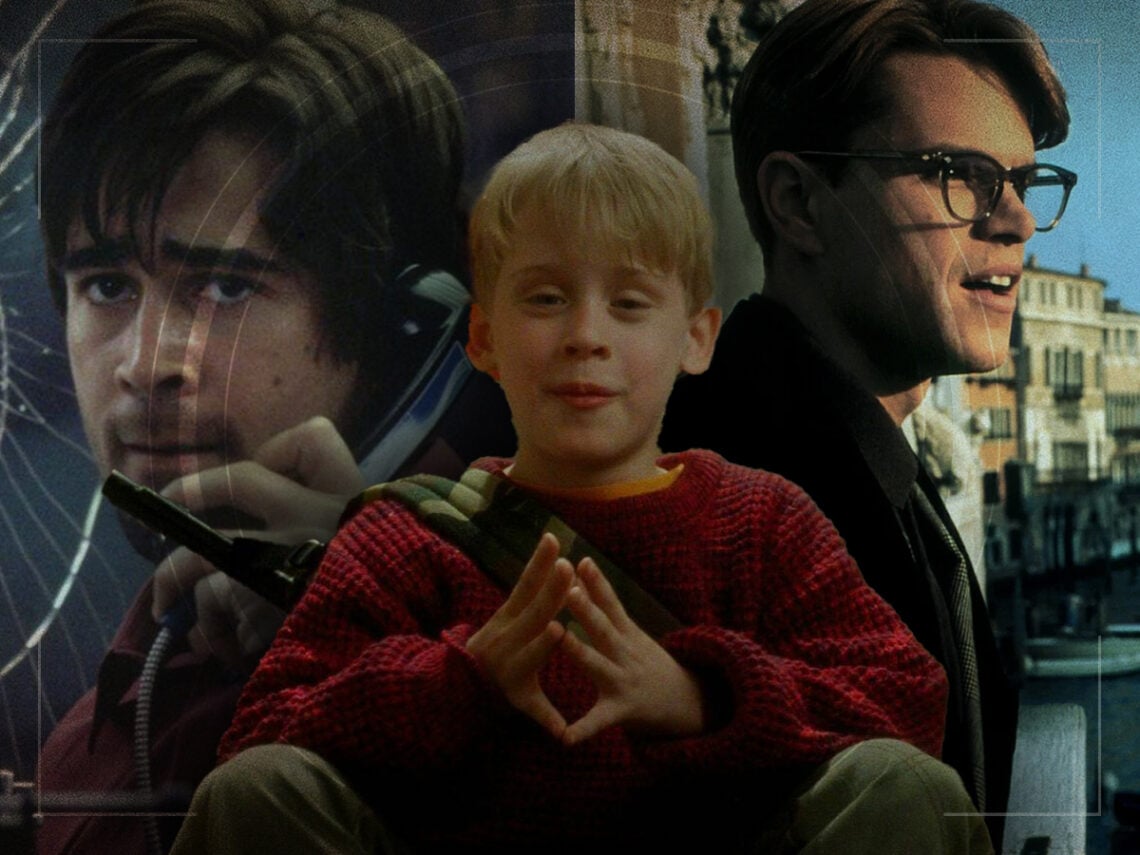
10 classic movies that would have been ruined by the internet

When film fans talk about the type of ‘movies they don’t make anymore’, they’re often referring to those where the internet doesn’t exist.
The internet has been simultaneously the best and worst thing that has ever happened to cinema. On one hand, greater accessibility to information and stronger methods of communication have allowed aspiring filmmakers to have a better shot at making it, and given independent films the opportunity to truly contend with major blockbusters. However, there’s a nasty side to having so much online freedom, as evidenced by the presence of trolls and angry commenters that tear down actors, celebrities, filmmakers, and even studios.
Backlash on the web has grown so powerful that it can change the direction that studios choose to go with their high-profile projects; Paramount famously redesigned Sonic the Hedgehog after the backlash to the film’s first teaser trailer, and aggressive digital bullies pressured Warner Bros into releasing Zack Snyder’s Justice League.
On a practical level, the internet has made films a lot less interesting because of how easy some of the solutions may seem. A detective movie that involves tracking down suspects can be solved through digital recognition programmes, and a heartfelt romance between separated lovers wouldn’t be nearly as dramatic if they could instant message one another on a social media platform.
It’s no surprise that some of the most popular filmmakers of today seem to almost exclusively make films that are set in the past, as it gives them more freedom to think creatively about the way to solve problems. The unfortunate reality is that there are quite a few classics whose narratives are reliant on the internet not existing.
10 classic movies the internet would have ruined:
‘The Talented Mr Ripley’ (Anthony Minghella, 1999)
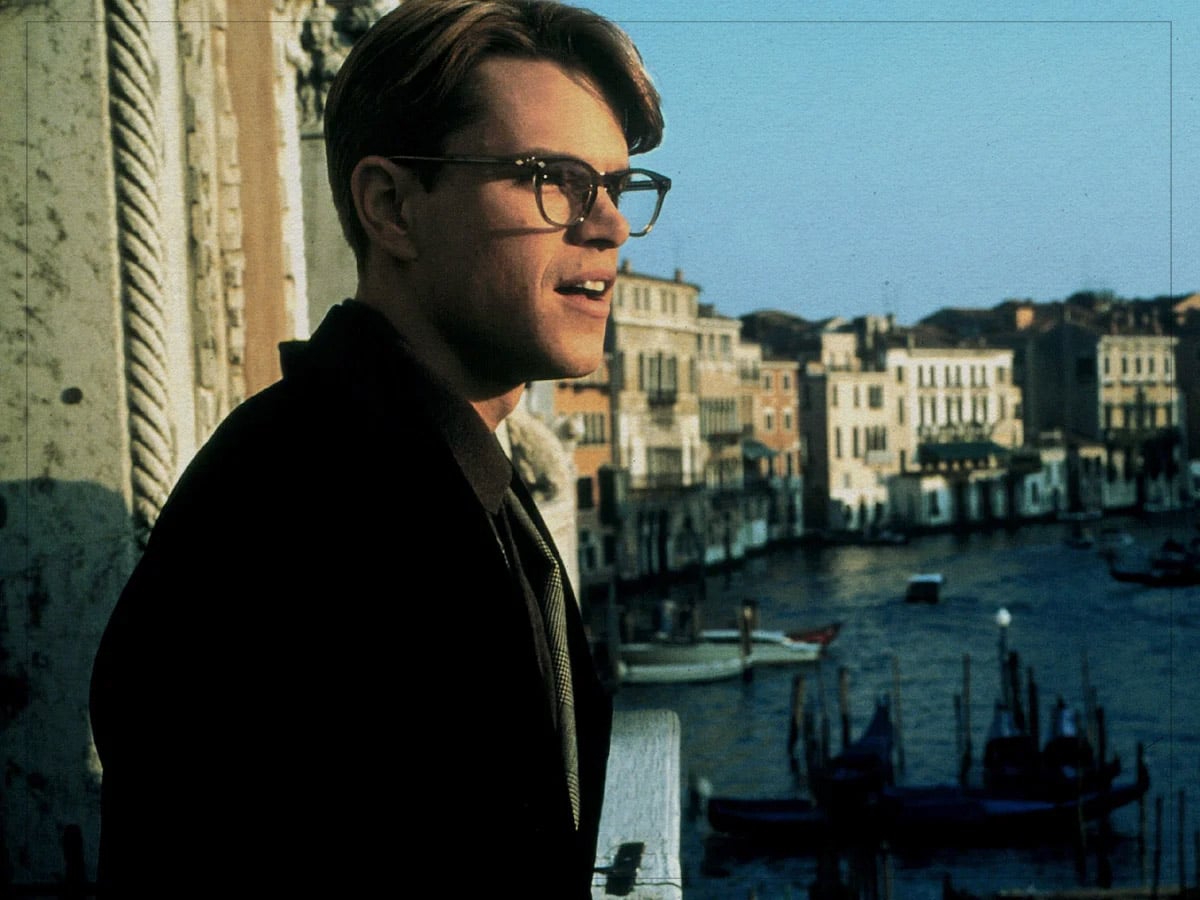
Matt Damon earned the scariest, most subversive role of his career in the adaptation of the popular Patricia Highsmith novel The Talented Mr Ripley, playing the titular psychopath, Tom Ripley, who strikes up a friendship with the American expatriate, Jude Law’s Dickie Greenleaf, and ultimately murders him and steals his identity.
Had the film been made today, Dickie would have been able to fact-check Ripley’s stories and realise that they didn’t actually go to school together; it would also be impossible for Ripley to completely steal someone else’s identity when they look nothing alike. Unsurprisingly, another adaptation of the novel, the Netflix series Ripley from creator Steve Zaillian, chose to retain the period setting and didn’t update it for modern times, where cell phones, the internet, and social media would have ruined it.
‘Blow Out’ (Brian De Palma, 1981)
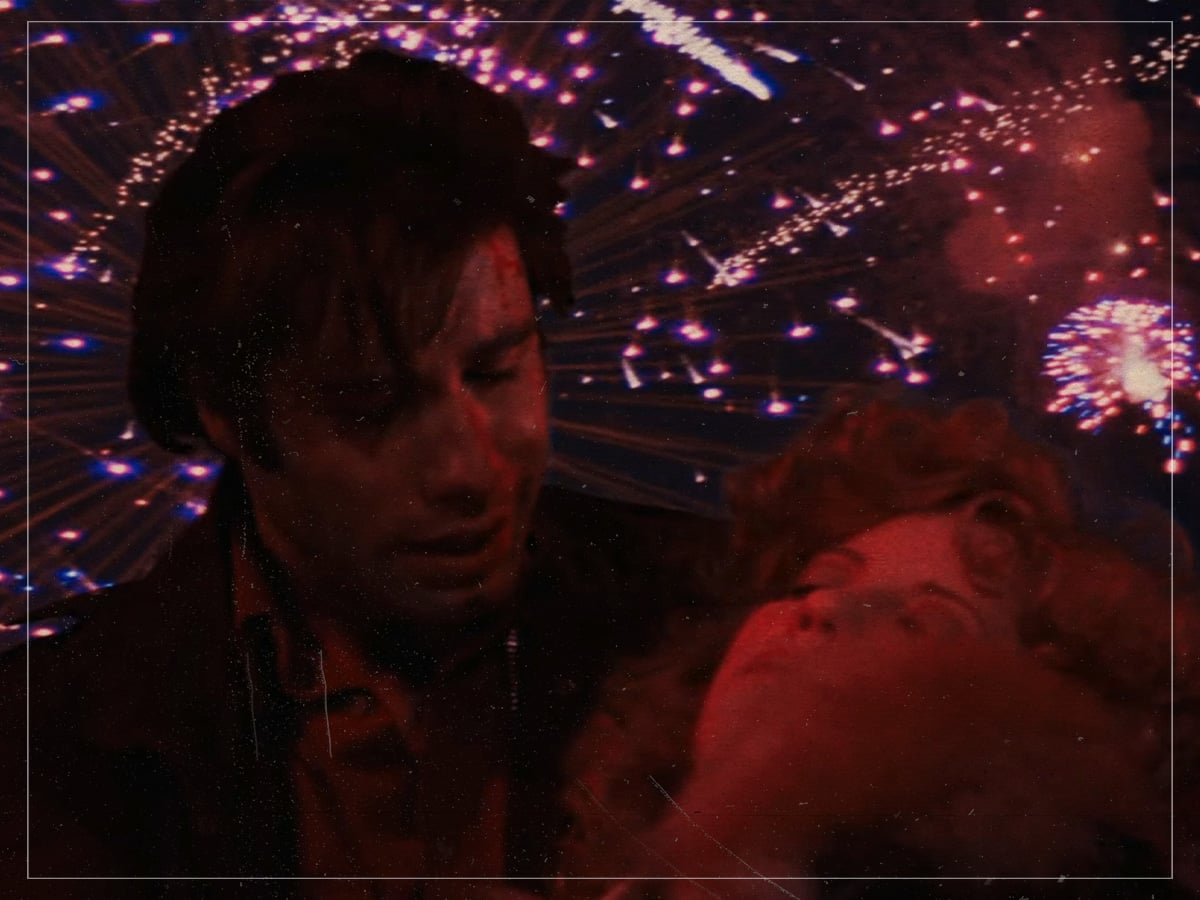
Brian De Palma has always been a fascinating filmmaker because of his interest in voyeurism, which has often drawn him to seedy, disturbing subjects, leading to Blow Out, a clever, ‘80s twist on a classic thriller premise that stars John Travolta as the sound recorder on a low-budget movie, who accidentally records evidence of a murder. Had the internet existed, Travolta’s recordings would have been leaked, and the scandal at the heart of the conspiracy would have already been subjected to speculation on social media.
One of the film’s most famous sequences is one in which the protagonists meticulously go through the audio he had collected and search for clues; this sort of dedication would not have been required in the internet era, where information is easily attainable, and advanced technology would have made sifting through the hard data far easier.
‘Rear Window’ (Alfred Hitchcock, 1954)
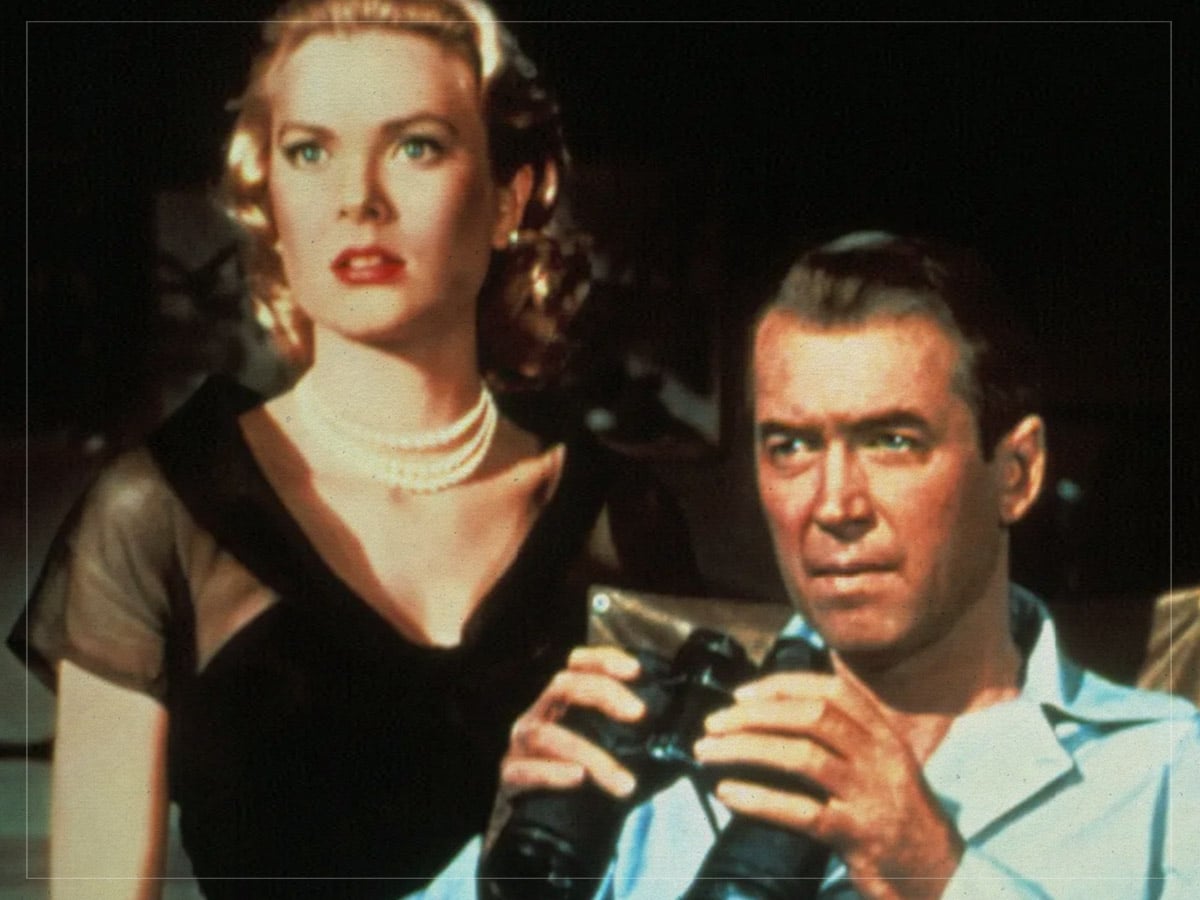
Alfred Hitchcock is a legendary director because he could see the cinematic possibilities in even the most banal of scenarios, which came through in Rear Window, featuring the brilliant premise of a character observing his neighbours from afar and being forced to watch them closely to discover their secrets, which eventually leads him to potential evidence of a crime.
Had the internet existed in 1954, James Stewart’s character would have been able to look up the profiles of all of his neighbours, which would have clued him in earlier to what was going on. It’s also likely that he would have had something to do while alone in his apartment, and he wouldn’t be so bored that he’d stoop to obsessively watching his neighbours, all of which has led modern reimaginings of Rear Window, such as Disturbia and Kimi, into a lot of logical issues.
‘Memento’ (Christopher Nolan, 2001)
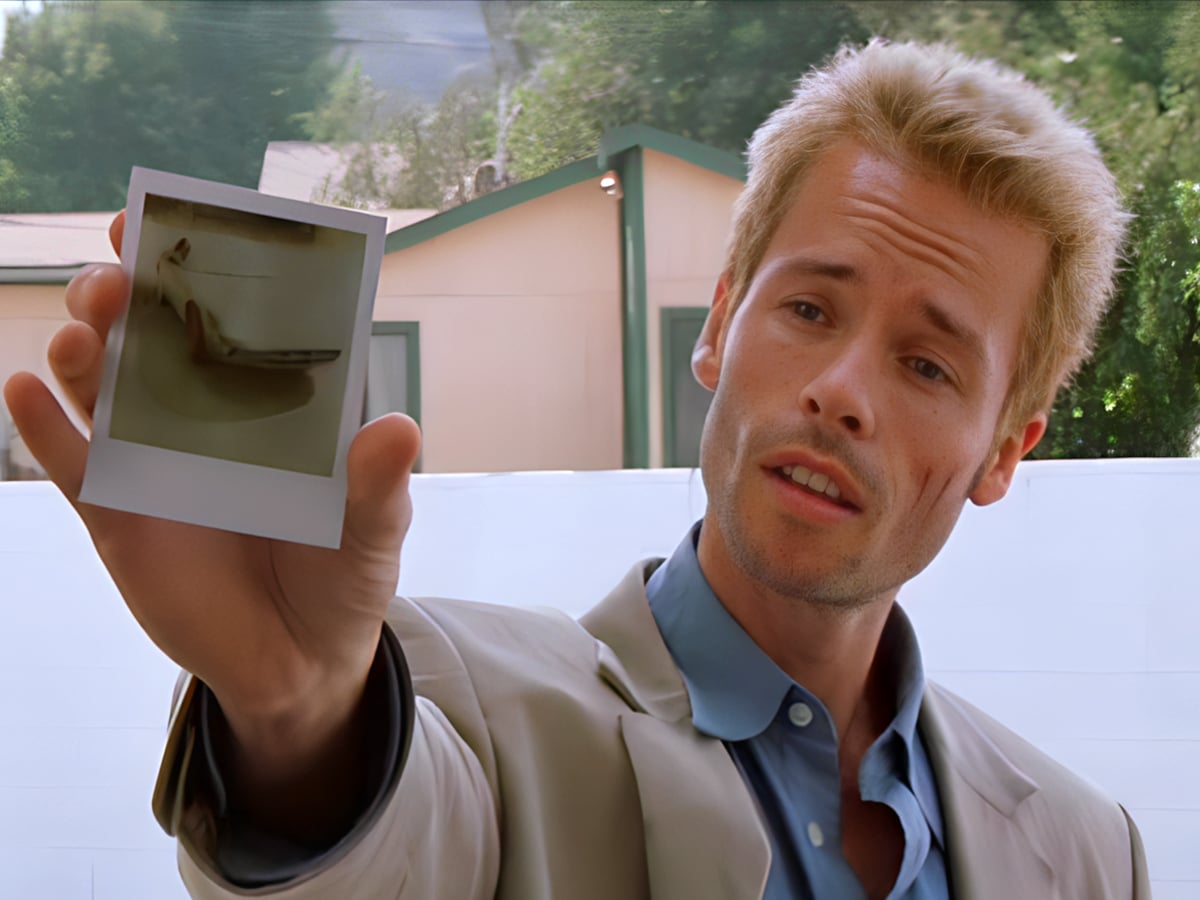
Christopher Nolan has been making more period films like The Odyssey, Oppenheimer, and Dunkirk, which may be because of his infamous hatred of cell phones, to the point that he’s banned them on his sets. Memento was released when the modern internet was in its infancy, but it would have been completely illogical had it been made only a few years later, because Guy Pearce’s Leonard would have found a better way to keep himself up-to-date on his memories, and he wouldn’t have been forced to tattoo himself with clues and names.
There’s also the fact that the internet would have spread information about the murders so that it was more accessible, meaning that Leonard would not have been able to keep himself stuck in a loop trying to solve the same mystery that he doesn’t know has already been solved.
‘Ferris Bueller’s Day Off’ (John Hughes,1986)
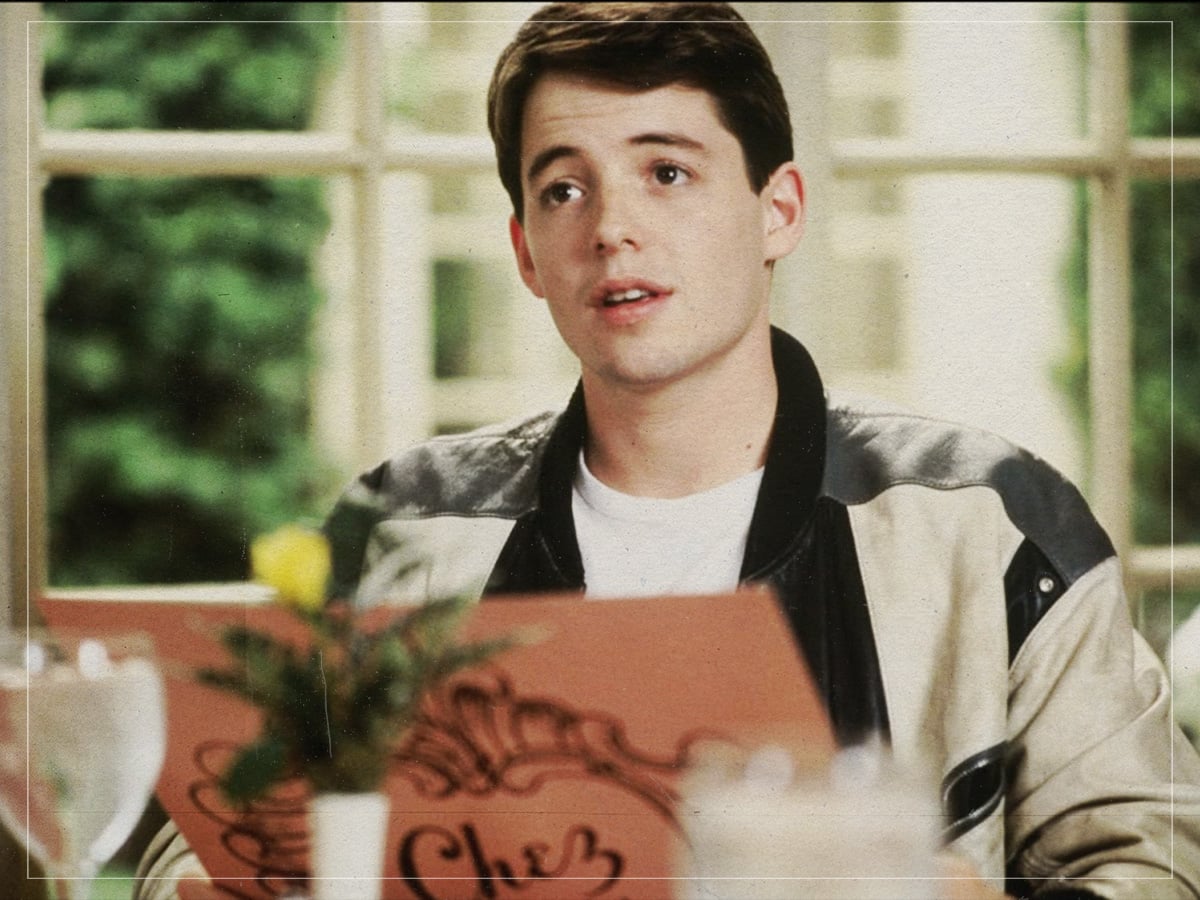
John Hughes made films that resonated with a generation of teenagers because of how authentically they reflected their lived experience, but he would have had to make some serious edits had he been alive for the era of social media. It would have been quickly identified in Ferris Bueller’s Day Off that Ferris, played by Matthew Broderick, wasn’t actually sick, as someone would have found evidence that he was actually taking a day off, travelling the sights of Chicago.
It also wouldn’t have been possible for him to fake a death in the family of his girlfriend, Sloane, played by Mia Sara, as Jeffrey Jones’ Principal Rooney would have been able to double-check that information pretty easily. Sadly, modern identification certifications would have also meant that Ferris wouldn’t have been able to fake his name to get into a fancy restaurant with his friends.
‘Home Alone’ (Chris Columbus, 1990)
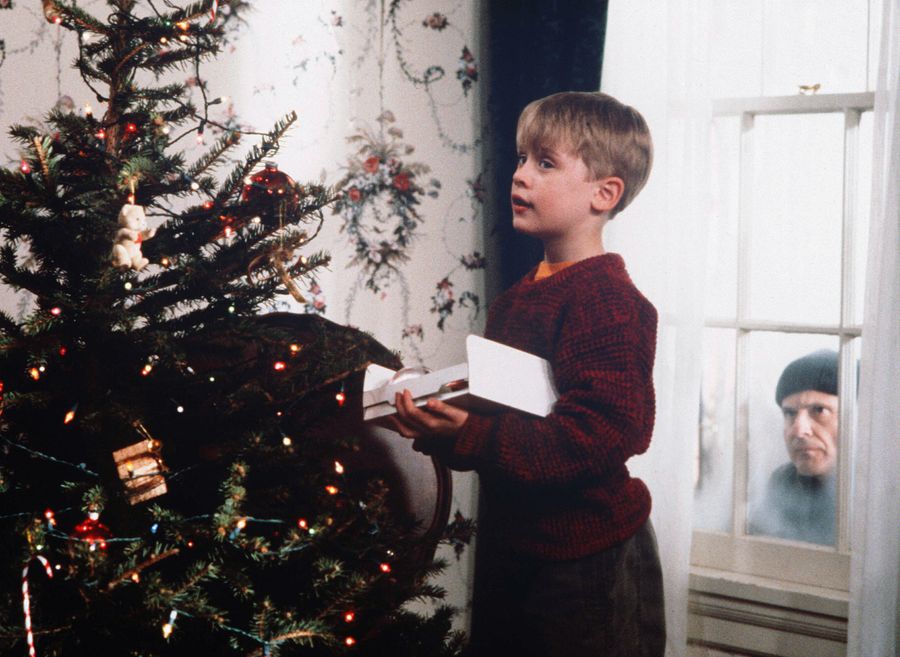
Chris Columbus tapped into pure childhood magic with the original Home Alone, as he captured a situation that would be both frightening and exhilarating for a kid. When looking at how online airfare booking works today, the notion of Macaulay Culkin’s Kevin McCallister being left at home without any of his family members noticing would have been improbable once they had to check-in for their flight.
Perhaps even more critically, Kevin would have had a much easier time contacting his family while they were away, and would have likely been able to FaceTime them. It’s also likely that an affluent family living in Chicago, like the McCallisters, would have installed some sort of advanced security and camera system that would have made it unlikely for robbers to target them; even Harry and Marv would have been smart enough to try another home.
‘The Usual Suspects’ (Bryan Singer, 1995)
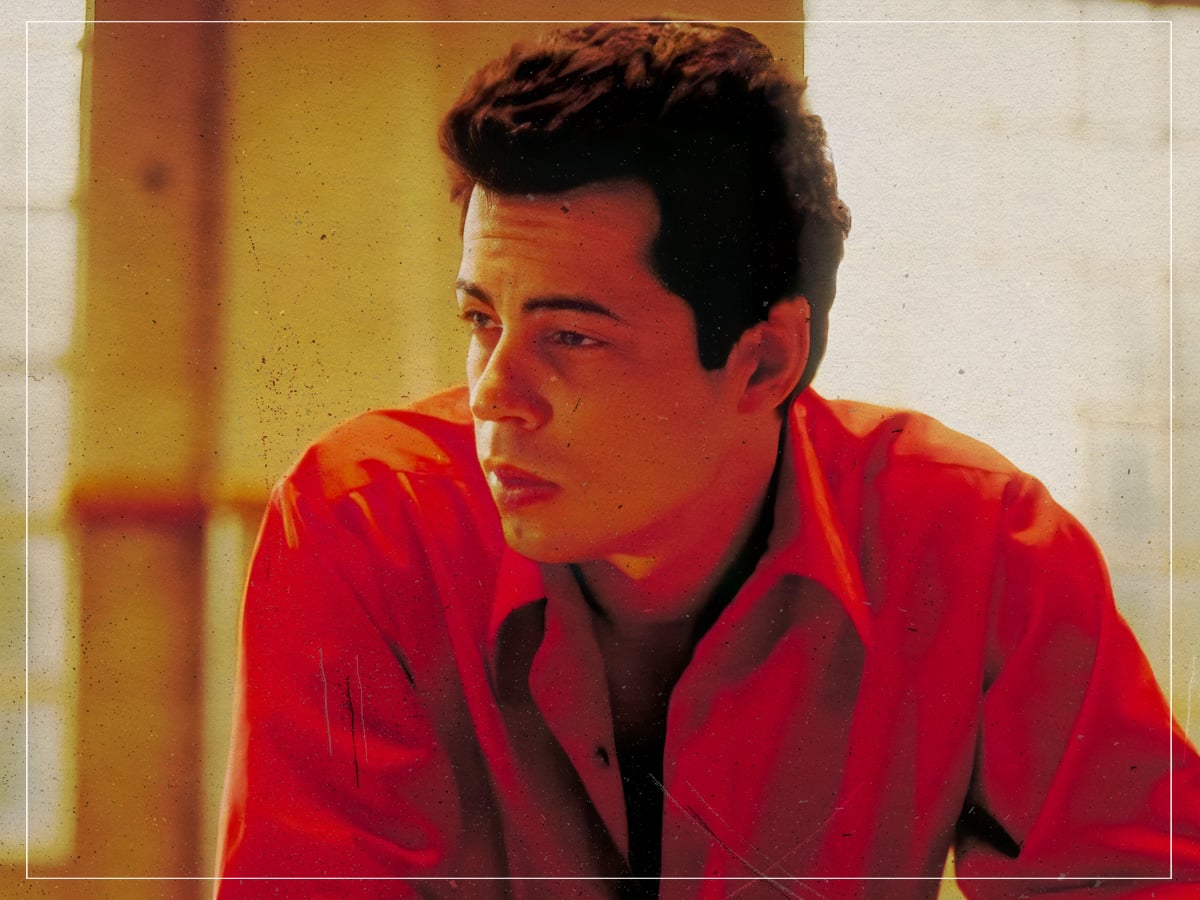
Bryan Singer might have been rightfully cancelled for his egregious on-set behaviour, but he did make one of the best noir thrillers of the ‘90s with The Usual Suspects, which contains one of the most amazing plot twists ever. However, there is simply no way that the legend of Keyser Soze would have been so prominent if the cops did even the mildest bit of digging on the internet, or if the police sketch was sent to them digitally to confirm the identity of Verbal, played by Kevin Spacey.
Verbal is able to have a captive audience with the cops because he is the only witness that they have, but the holes in his story would have been evident due to security camera footage, notes from the shipping port, and the fact that he’s been lifting random details from the boards in the room.
‘Phone Booth’ (Joel Schumacher, 2002)

Joel Schumacher has been easy to make fun of because of how terrible his Batman films are, but he does have more than a few fun, campy thrillers in his canon. One of the most entertaining films he ever made was Phone Booth, a film in which Colin Farrell’s character is trapped for almost 90 minutes while a mysterious stalker (voiced by Kiefer Sutherland) gives him commands and threats.
Phone Booth was already operating on pretty flimsy logic back in 2003, but the obvious issue here is that no one uses phone booths anymore, and the idea of being trapped in one is completely ridiculous. That’s not to say that there’s no place for blackmail in modern cinema, but that there are much better ways to hold leverage over someone than luring them into a phone booth in broad daylight.
‘Clerks’ (Kevin Smith, 1994)
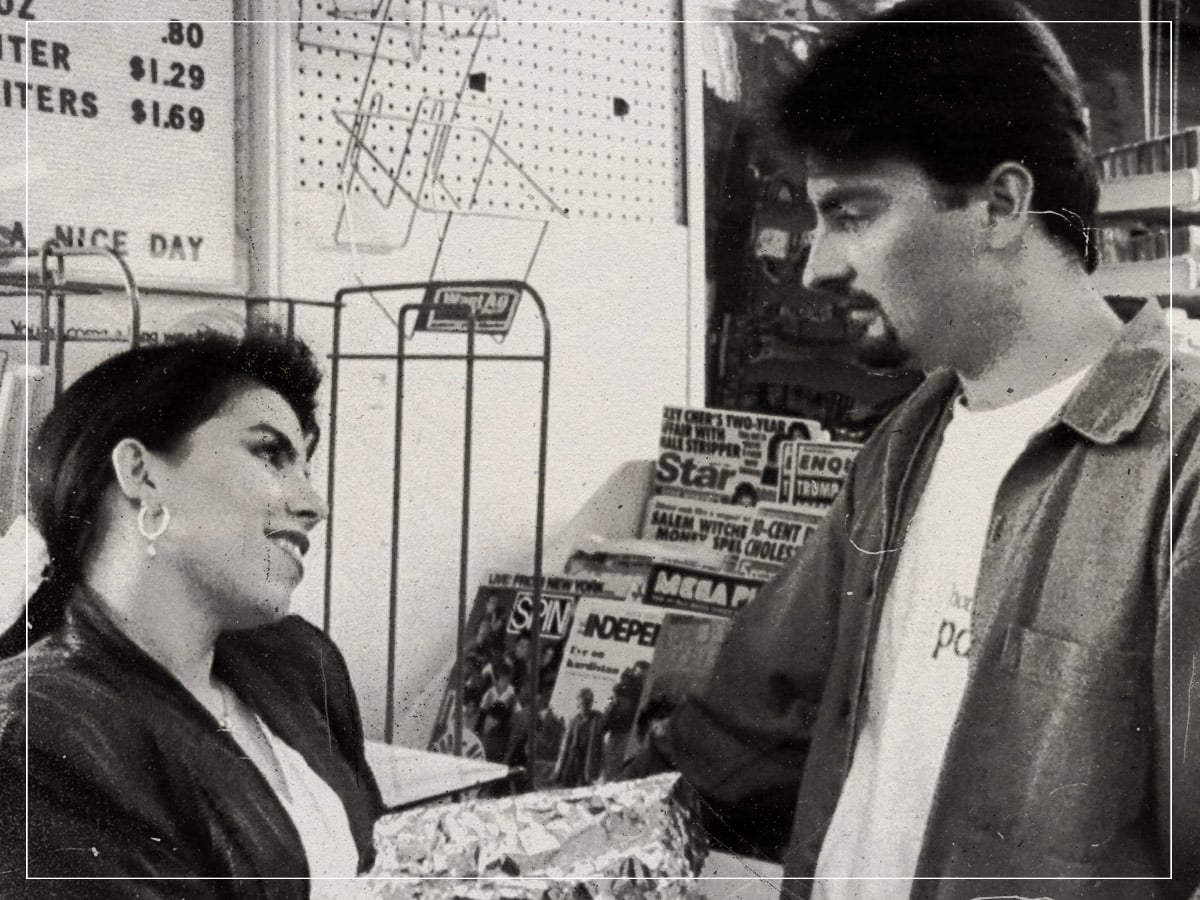
There’s a case to be made that Kevin Smith basically anticipated what the modern internet would look like back in 1994 with his directorial debut Clerks, which centred on dishevelled retail employees who would do while working on a seemingly never-ending shift. The notion of simply hanging out with friends and riffing about Star Wars was pretty compelling when Clerks was released, but today, it’s a nightmare because of how toxic internet chatrooms have become due to geek culture.
While Smith envisioned nerds as being outsiders who didn’t have a community, the internet has empowered every fan with an opinion to be as loud and obnoxious as possible. To see how sad and depressing it would be to hear Dante, played by Brian O’Halloran, and Randal, played by Jeff Anderson, up to their old mischief in a time in which the internet exists, just watch the disappointing sequel Clerks III.
‘The Conversation’ (Francis Ford Coppola, 1974)
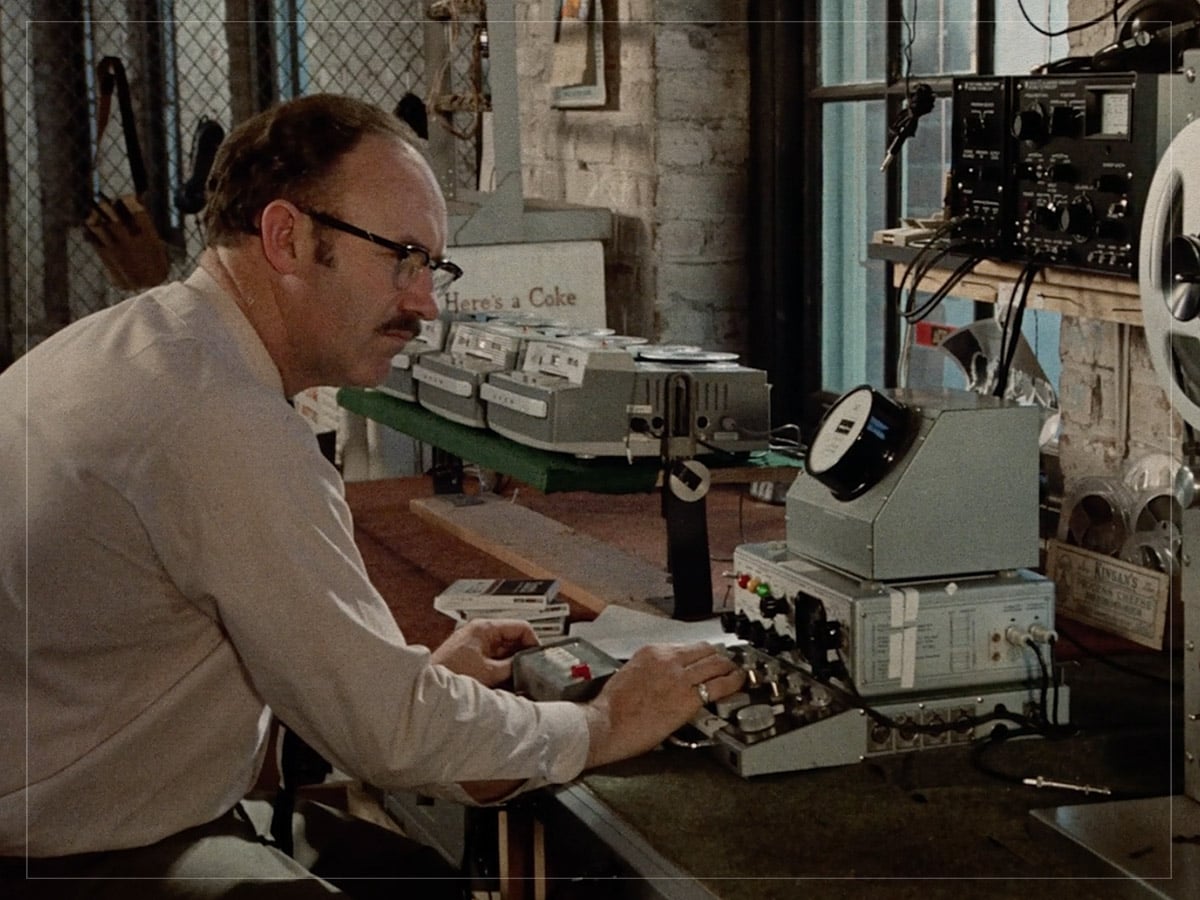
Francis Ford Coppola was ahead of his time in 1974 with The Conversation, a thriller about the surveillance expert Harry Caul, played by Gene Hackman, accidentally picking up evidence of a murder. The terror of the surveillance state was shocking when Coppola debuted his film in the aftermath of the Watergate scandal, but today’s audiences have been much more accustomed to the idea that they are being watched by the government and that their internet activity is being monitored.
Given that Harry is extremely paranoid about being perceived, there’s little chance that he would have ever gone out in public based on the information he would have picked up from the internet. There’s also the tough reality that conspiracy theories have become so prominent that it is difficult to differentiate between those legitimate and completely fraudulent ones, which would have completely changed the direction of the story.
