


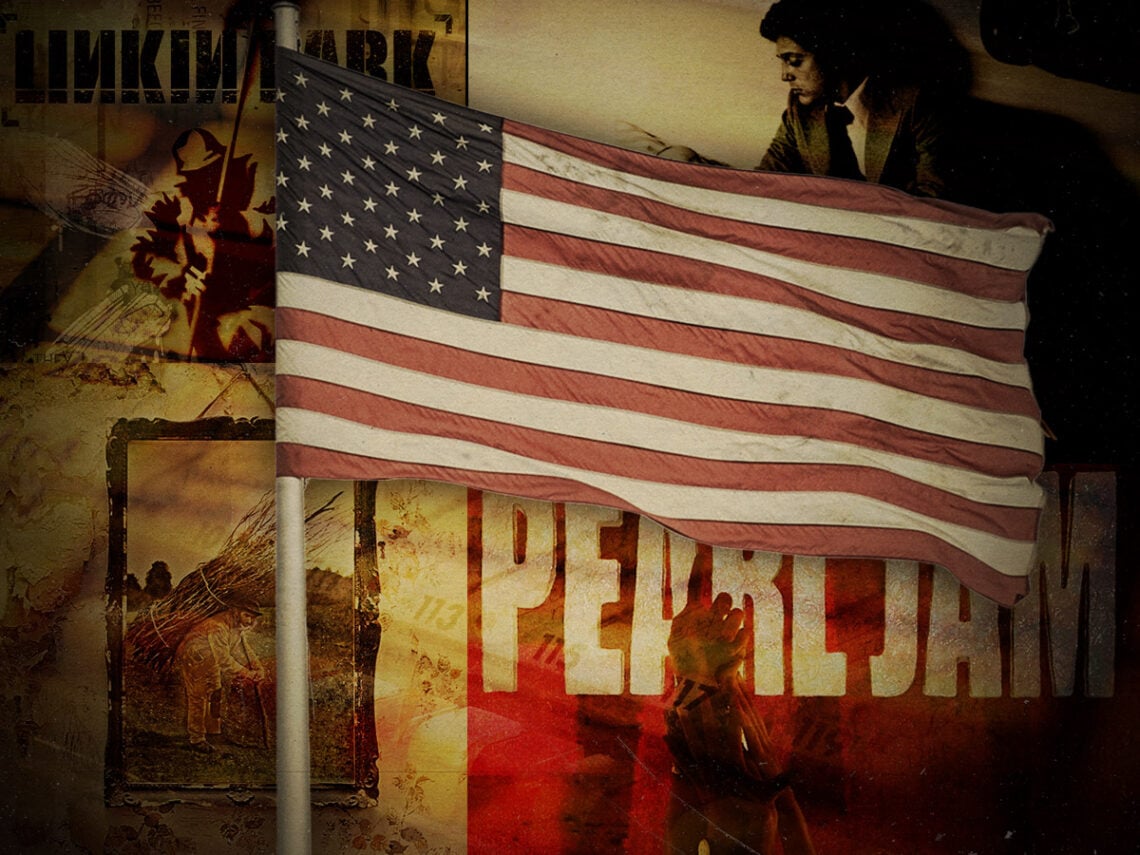
The 10 classic albums to peak at number two in the US

As rock and pop have revealed time and time again, a number one album doesn’t necessarily mean the greatest.
Much like the singles charts, a record that tops the Billboard 200 can cover the immortal, Nevermind, the forgotten gem, Mase’s Harlem World, to the downright baffling, Billy Ray Cyrus’ line dancing horror of a debut. As you’ll see in our number two US albums list, often silver medal yields greater rewards over skimming whatever relics of yesteryear float to the top.
It’s always an interesting exercising in studying the pop ranking of yesteryear. Gleaning what’s been bolstered by retrospective acclaim, buried by the fickle trends of the moment, a perusal of the Billboard 200’s runner-ups equally presents entries that will trigger surprise, a mismatch between what you thought was a surefire premier pop champion amid its flurry of MTV domination and radio rotation. In some cases, as you’ll see, even the biggest-selling albums missed the 200 top spot Stateside.
Take a look below at music’s mammoth sellers or lauded opuses that teased the US number one but just never quite nabbed the Billboard 200’s hallowed heights.
The 10 classic albums to peak at number two in the US:
Van Halen – ‘1984’
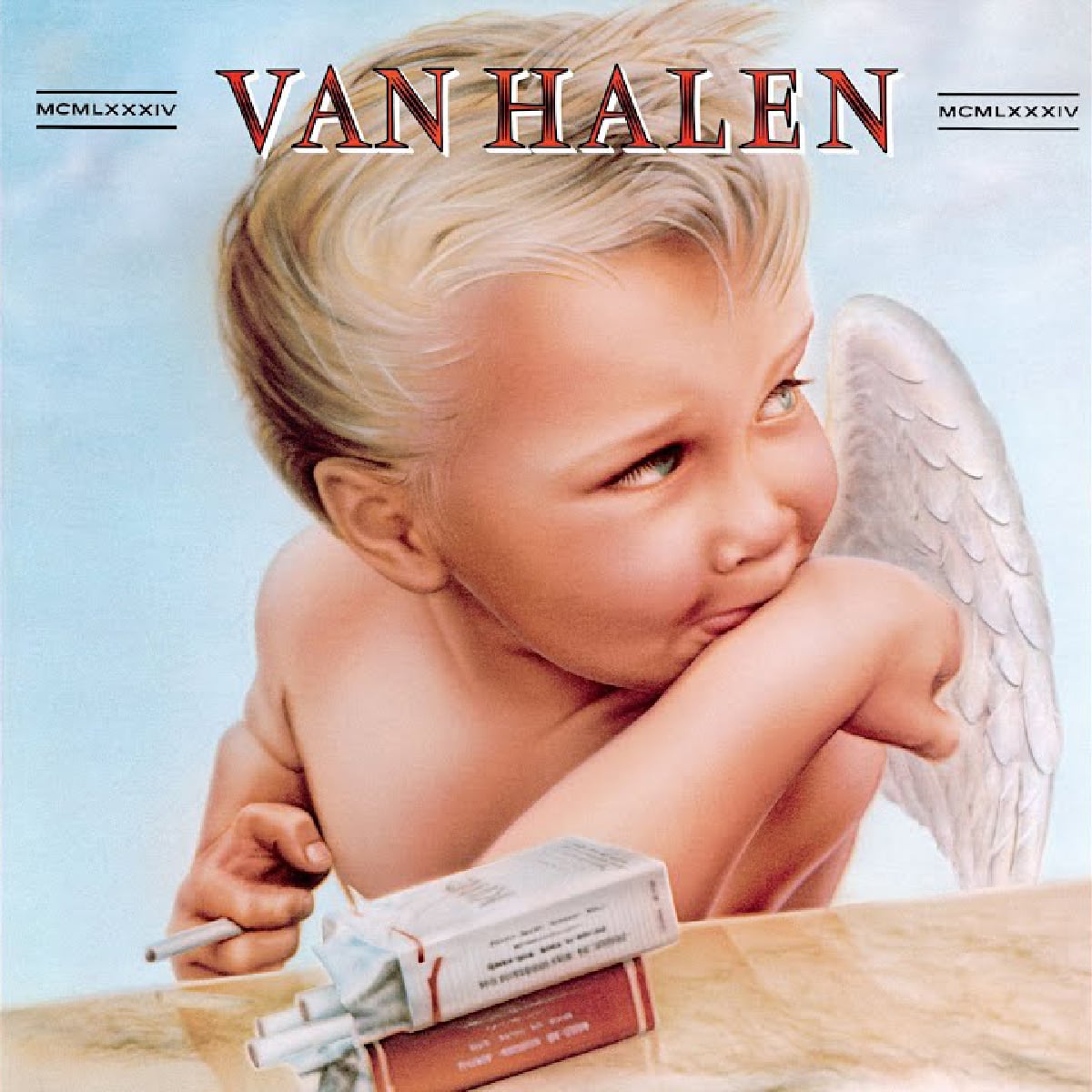
Release Date: January 1984 | Producer: Ted Templeman | Label: Warner Bros
They were already massive. Standing as the virtual progenitors of the 1980s hair metal explosion, Van Halen’s double-tap shredding and glossy pop sheen pulled them sharply from the Pasadena hard rock scene to become guitar heroes of the West Coast for teens unimpressed by hippy residue and punk nihilism. Five years on from their eponymous debut, Van Halen would break records for their $1.5million headliner fee at US Festival ‘83.
It was the following year’s ‘Jump’ that would catapult the band to MTV behemoth, flexing mammoth synth attack along with Eddie’s axe virtuosity. While their defining single topped the Hot 100, its 1984 album was struck dead for the 200 top spot by Michael Jackson’s Thriller’s immoveable 17-week reign at number one.
Def Leppard – ‘Pyromania’
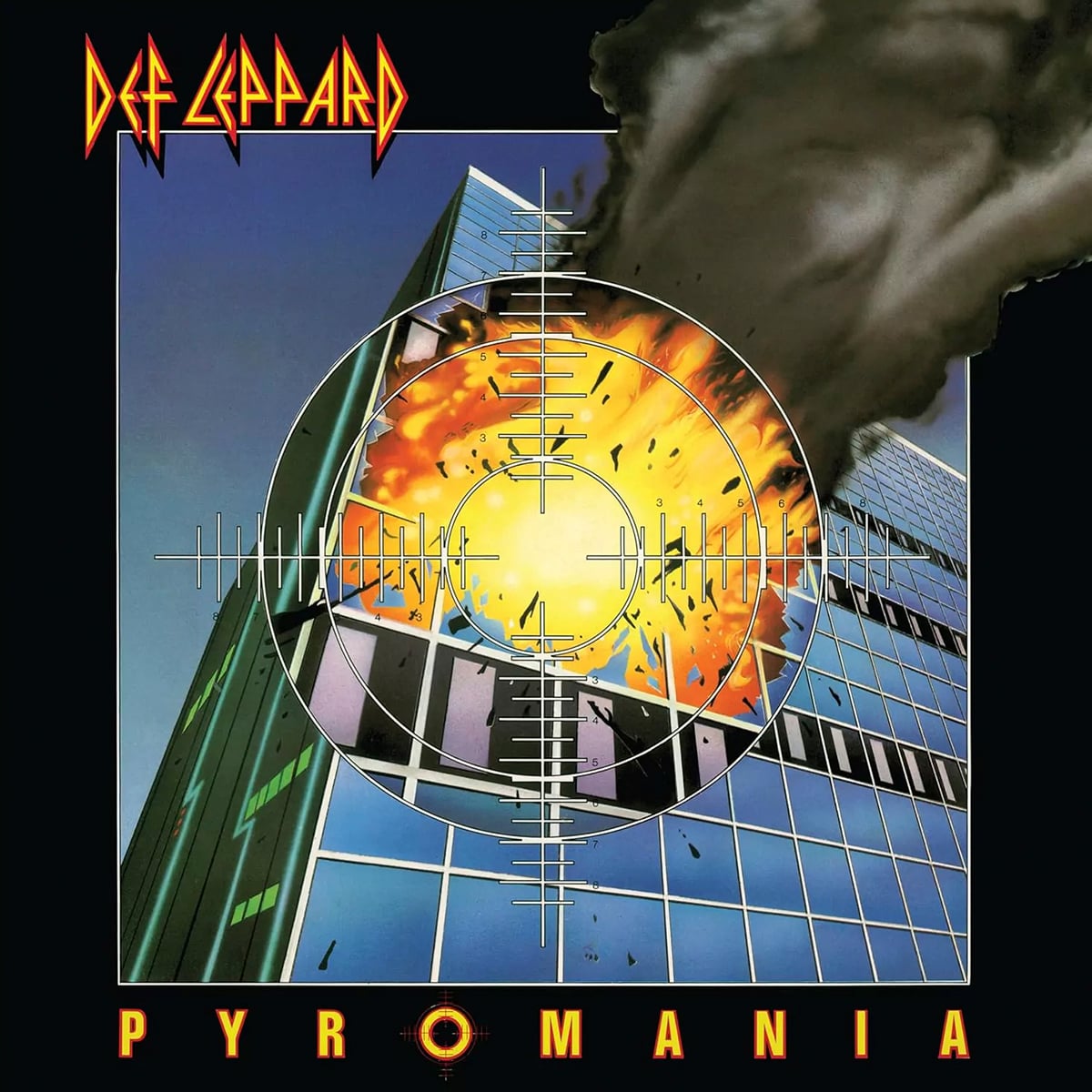
Release Date: January 1983 | Producer: Robert ‘Mutt’ Lange | Label: Vertigo
Taking notes on the Van Halen formula was Sheffield’s Def Leppard. The only real hair metal contender from the UK, along with Ozzy Osbourne’s embrace of the spandex across the 1980s, Def Leppard’s second studio effort with former AC/DC hitmaker Robert ‘Mutt’ Lange furthered their sonic chase for a beefy yet gleaming pop rock attack that would score a suburban soundtrack for both the headbangers and teenyboppers.
Dropped in 1983, Pyromania would pave essential paths in their US conquest, but that coveted Billboard 200 number one was occupied once again by Thriller, in the midst of its initial 17-week consecutive run at the top spot before dipping later in the year and pulled back to its next chunk of number one weeks after the title track’s iconic horror video, thwarting Van Halen’s shot at Billboard gold.
Linkin Park – ‘Hybrid Theory’
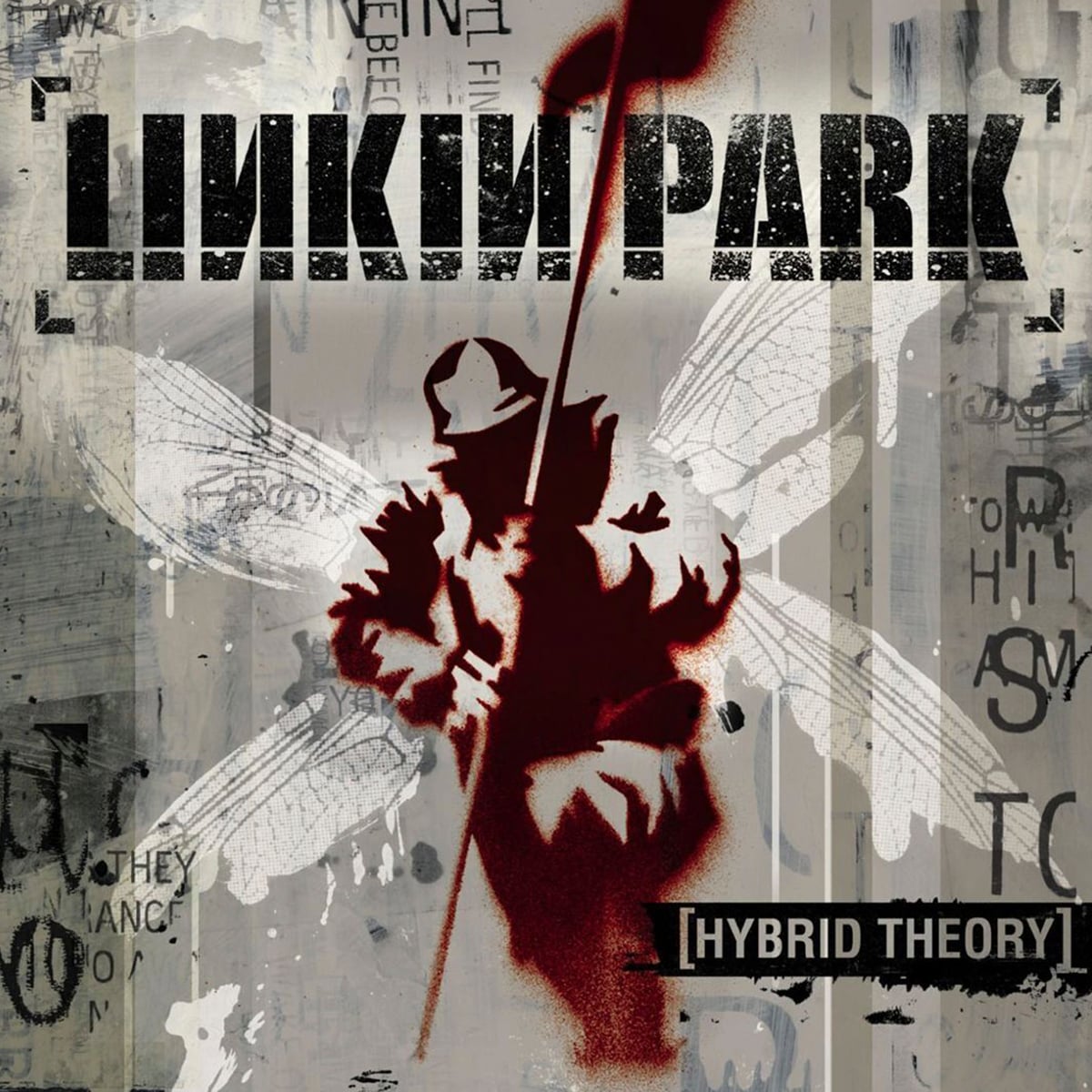
Release Date: October 2000 | Producer: Don Gilmore | Label: Warner Bros
While many an eyebrow was raised at California’s Johnny-come-latelies, Linkin Park would swiftly stand as nu-metal’s most commercially successful act from the nu-metal era. They had the frosted tips, baggy jeans, obligatory turntablist, and crunchy guitars that were ten-a-penny on the day’s Kerrang! TV, but an impressive popcraft and expert production meld of hip-hop electronica would see their Hybrid Theory sell as many as 100,000 copies a week in 2002.
Yet, just as they peaked at number two on the Billboard 200 on January 12th, even the mammoth-selling Linkin Park wasn’t able to dislodge Creed’s Weathered from its number one perch, sitting at number one for eight whole consecutive weeks since the previous December. It wouldn’t take Linkin Park long to score their US album number one, however, with 2003’s Meteora debuting at the 200 top spot and selling over 800,000 copies in its first week.
Billy Joel – ‘The Stranger’
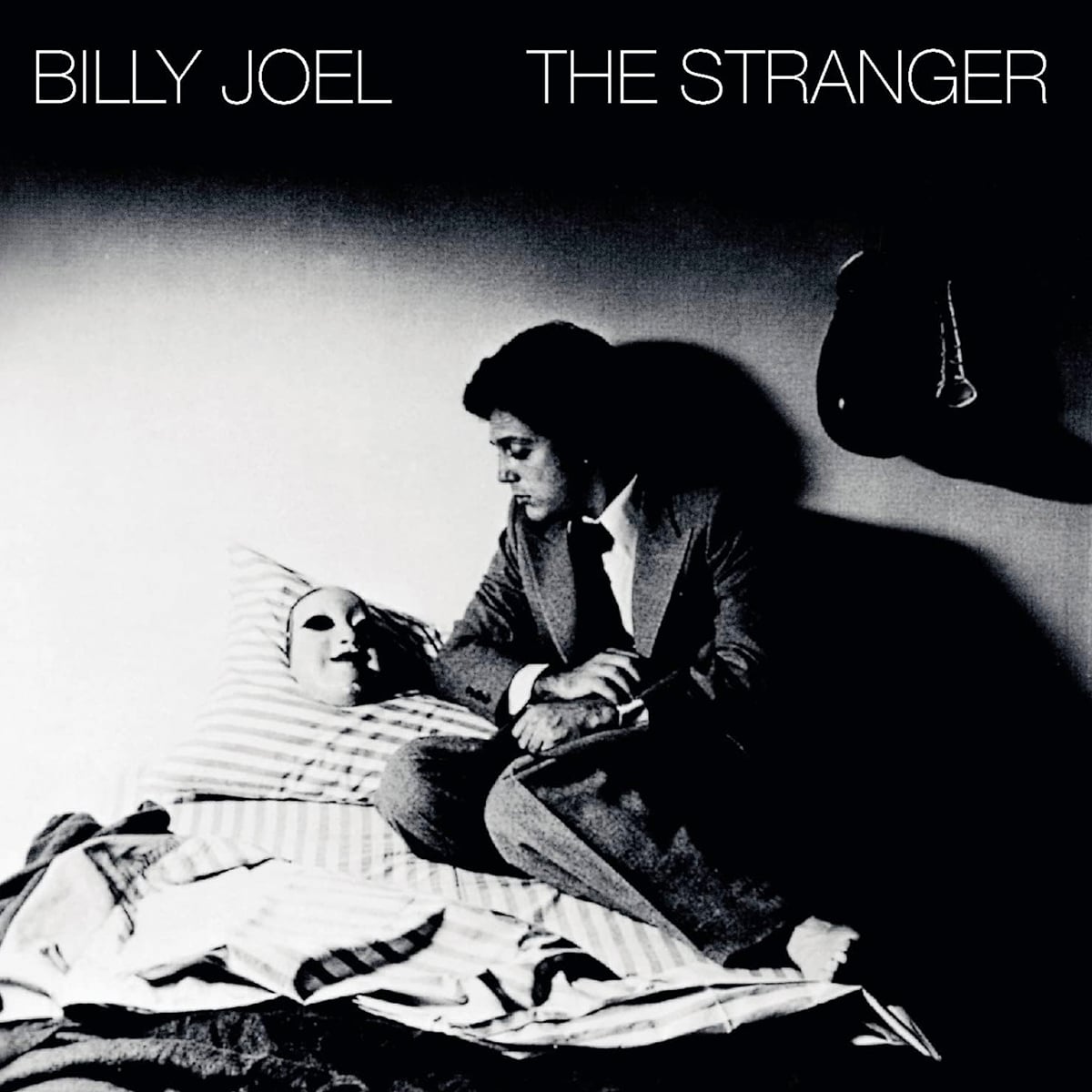
Release Date: September 1977 | Producer: Phil Ramone | Label: Columbia
By 1977, his Columbia record label was just about ready to give Billy Joel the boot. He’d found some success four years earlier with Piano Man, but a string of underwhelming follow-up LPs resulted in The Stranger standing as the New York songsmith’s last roll of the dice. Corralling his live band and marking his first LP with Phil Ramone in the producer’s chair, Joel’s knack for stirring tales of the suburban and city every day would generate a flurry of career-saving singles and live standards, from ‘Movin’ Out (Anthony’s Song)’, ‘She’s Always a Woman’, and the fan favourite ‘Scenes from an Italian Restaurant’.
Not quite number one, though. While Joel’s future as a hitmaker had been secured, The Stranger would tease the American album charts at number two for six steady weeks from February 18th 1978, forever shooed away from the top spot by the Saturday Night Fever disco monster reigning supreme for a staggering 24 weeks in a row.
Pearl Jam – ‘Ten’
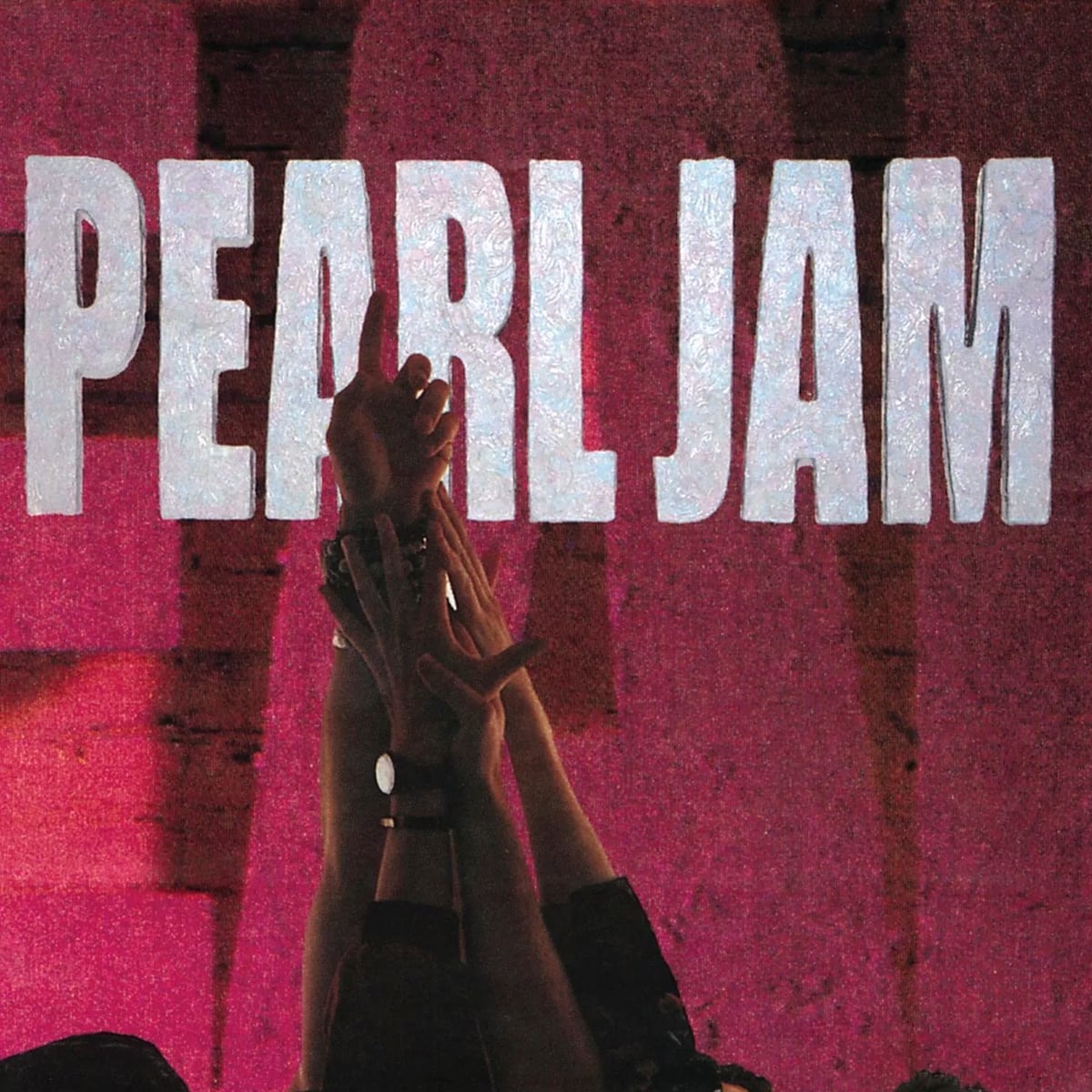
Release Date: August 1991 | Producer: Rick Parashar and Pearl Jam | Label: Epic
It’s often forgotten how well underway the whole grunge movement was before Nevermind’s explosion into the mainstream. With Soundgarden and Alice in Chains already counting albums on the major labels, Pearl Jam dropped their Ten debut two weeks before ‘Smells Like Teen Spirit’ set MTV and the rock charts alight.
It would take Nirvana’s Seattle dam burst to propel Ten to its number two peak, however. A slowburner, Pearl Jam would only see such chart heights a whole year after their record’s release, mere days after ‘Jeremy’ was enjoying heavy radio rotation, Ten touching number two in August 1992. Who stood in their way for the Billboard 200 winner? Why, mulletted, ‘Achy Breaky Heart’ crooner Billy Ray Cyrus, of course, whose Some Gave All line dancer debut wouldn’t shift off number one for 17-whopping weeks.
Led Zeppelin – ‘Led Zeppelin IV’
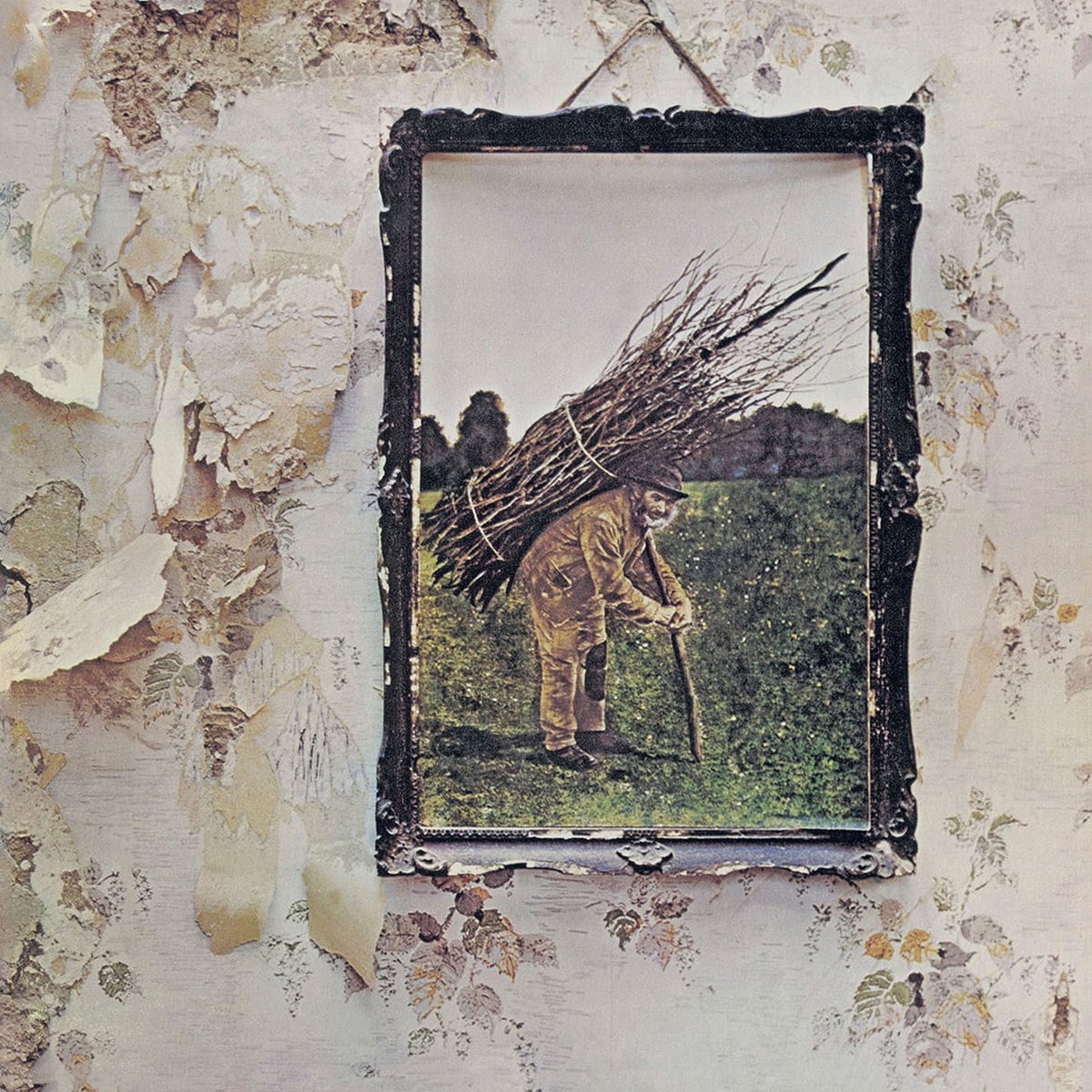
Release Date: November 1971 | Producer: Jimmy Page | Label: Atlantic
Reportedly, the Atlantic label was agonising over Led Zeppelin’s issuing their fourth LP without any official title. But hard rock heavyweights stuck to their guns, releasing the typically dubbed ‘Led Zeppelin IV’ with four mystic runes as the record’s title, symbols devised by guitarist Jimmy Page supposedly representing the four members.
Their press agent’s purported warnings of “professional suicide” were overblown, but could it be that Page’s esoteric insistence kept Led Zeppelin’s fourth LP from the top of the Billboard 200? Aside from their 1969 debut and the final Coda odds and ends farewell, all Led Zeppelin albums peaked at number one, with ‘IV’ a frustrating second place, kept from the charts’ ultimate heights by Sly and the Family Stone’s There’s a Riot Goin’ On and Music by Carole King.
Shania Twain – ‘Come on Over’
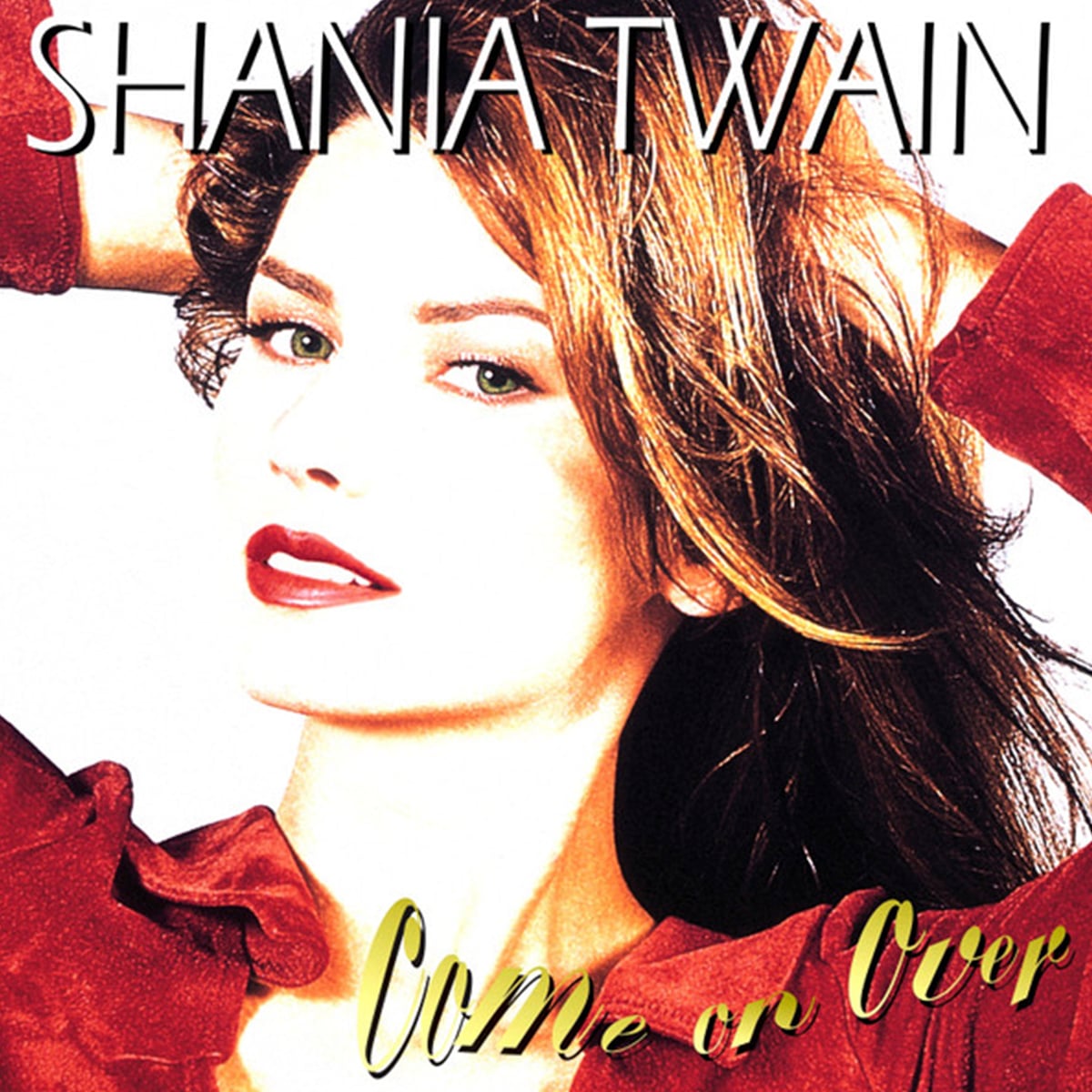
Release Date: November 1997 | Producer: Robert ‘Mutt’ Lange’ | Label: Mercury
You’d be forgiven for thinking we’d made an error with this one. The Canadian country pop sensation’s third album, but the first to catapult her to global stardom, 1997’s Come on Over, was a gargantuan monster that stayed stuck on the charts for a solid two-year stretch, flogging as many as 40 million reported copies and standing as the seventh biggest-selling album of all time.
Yet, while Twain would top the Billboard US Country charts, none of the 12 singles would ever touch number one on the Hot 100, despite counting smash hits like ‘You’re Still the One’, ‘That Don’t Impress Me Much’, and ‘Man! I Feel Like a Woman!’ The same fate befell her blockbuster LP. While Come on Over would sell ungodly amounts of copies and enjoy 54 weeks in the Top Ten, number one would elude Twain twice, hitting rapper Mase’s Harlem World when first entering the 200 charts, and still batted off the top spot by Barbra Streisand’s Higher Ground across November 1997.
Nine Inch Nails – ‘The Downward Spiral’
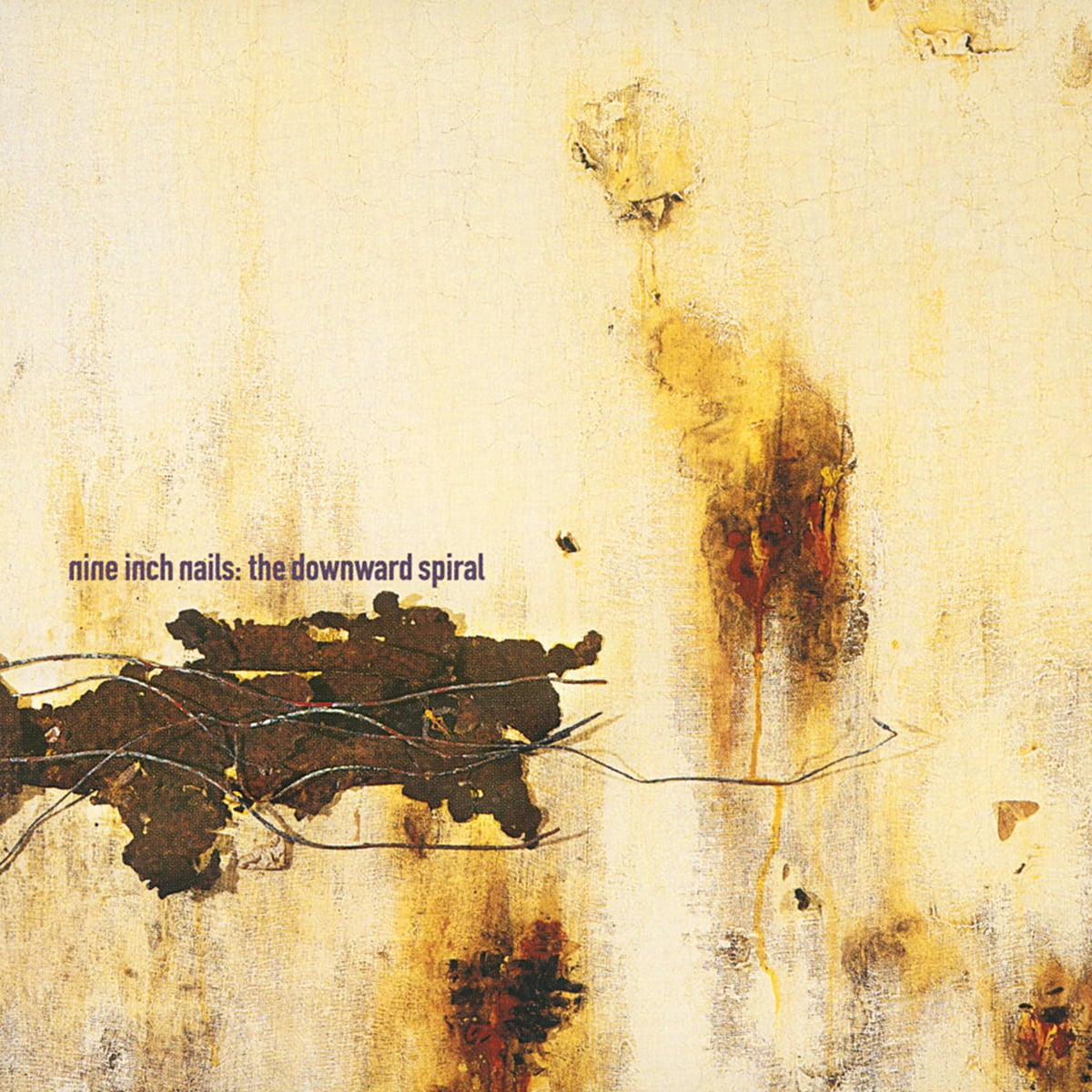
Release Date: March 1994 | Producer: Trent Reznor and Flood | Label: Nothing
It must have taken him by surprise. Eager to shake off their debut’s aggro synthpop energy, the blistering guitar attacks that pummelled on the Broken EP were slathered all over Nine Inch Nails’ bleak The Downward Spiral sophomore. Coated in weathered hiss, abrasive electronics, and a conceptual downturn of an individual’s teeter into suicidal oblivion, frontman Trent Reznor could have counted himself lucky to have met Pretty Hate Machine’s respectable number 75 on the Billboard 200.
A reputation was being forged, however. Legends of explosively volatile live shows, arresting Lollapalooza slots, and the ‘March of the Pigs’ teaser all triggered enough feverish anticipation that The Downward Spiral debuted straight to number two on the album charts. Such was the strength of the US Alternative Nation, Nine Inch Nails was kept from number one by Soundgarden’s Superunknown, but later ‘Closer’ pop hits and Woodstock ‘94 hellraisin’ would carry the following The Fragile and With Teeth to the Billboard 200 toppermost.
Amy Winehouse – ‘Back to Black’
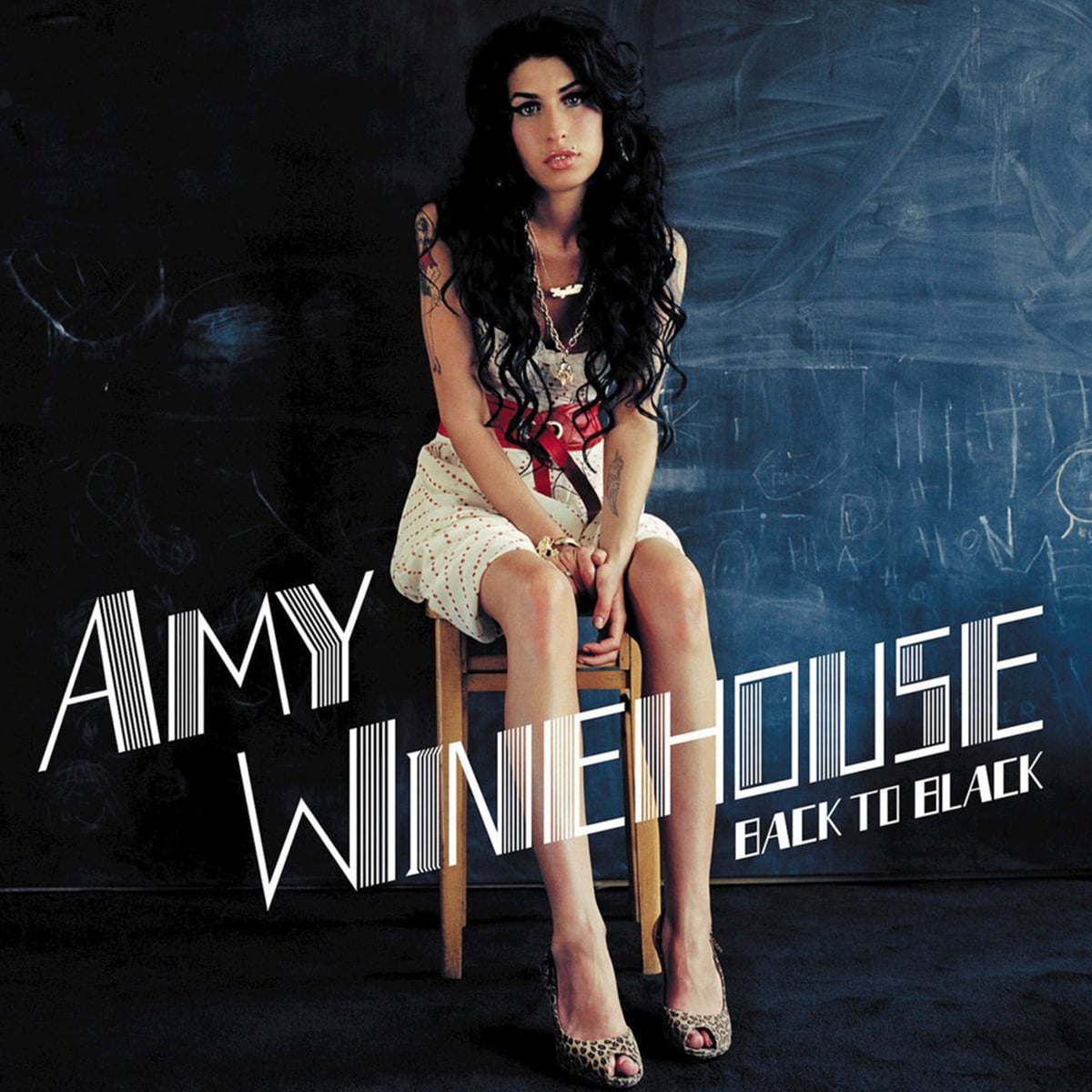
Release Date: November 2006 | Producer: Mark Ronson and Salaam Remi | Label: Island
It can’t be overstated just how seismic Amy Winehouse’s sophomore landed in the world of soul and pop. Evoking the very best of Billie Holiday’s pained croon and the evocative drama that radiated from The Ronettes or The Shangri-Las, 2006’s Back to Black felt plucked from a wormhole three decades earlier, ‘Rehab’ and the title track teeming with R&B passions every bit as turbulent as her private life.
Back to Black would top the UK charts in a matter of months, but it took Winehouse’s five Grammy wins in February 2008 to enjoy a late spurt on the Billboard 200. Peaking at number two, pop folk’s Jack Johnson’s Sleep Through the Static remained ‘numero uno’, despite some technicality wins on Johnson’s part due to Billboard’s tracking and reporting sales gap cycles, meaning Winehouse’s potentially higher sales couldn’t knock Johnson’s overall cumulative chart points and sales momentum from his hefty 375,000-unit debut.
The Doors – ‘The Doors’
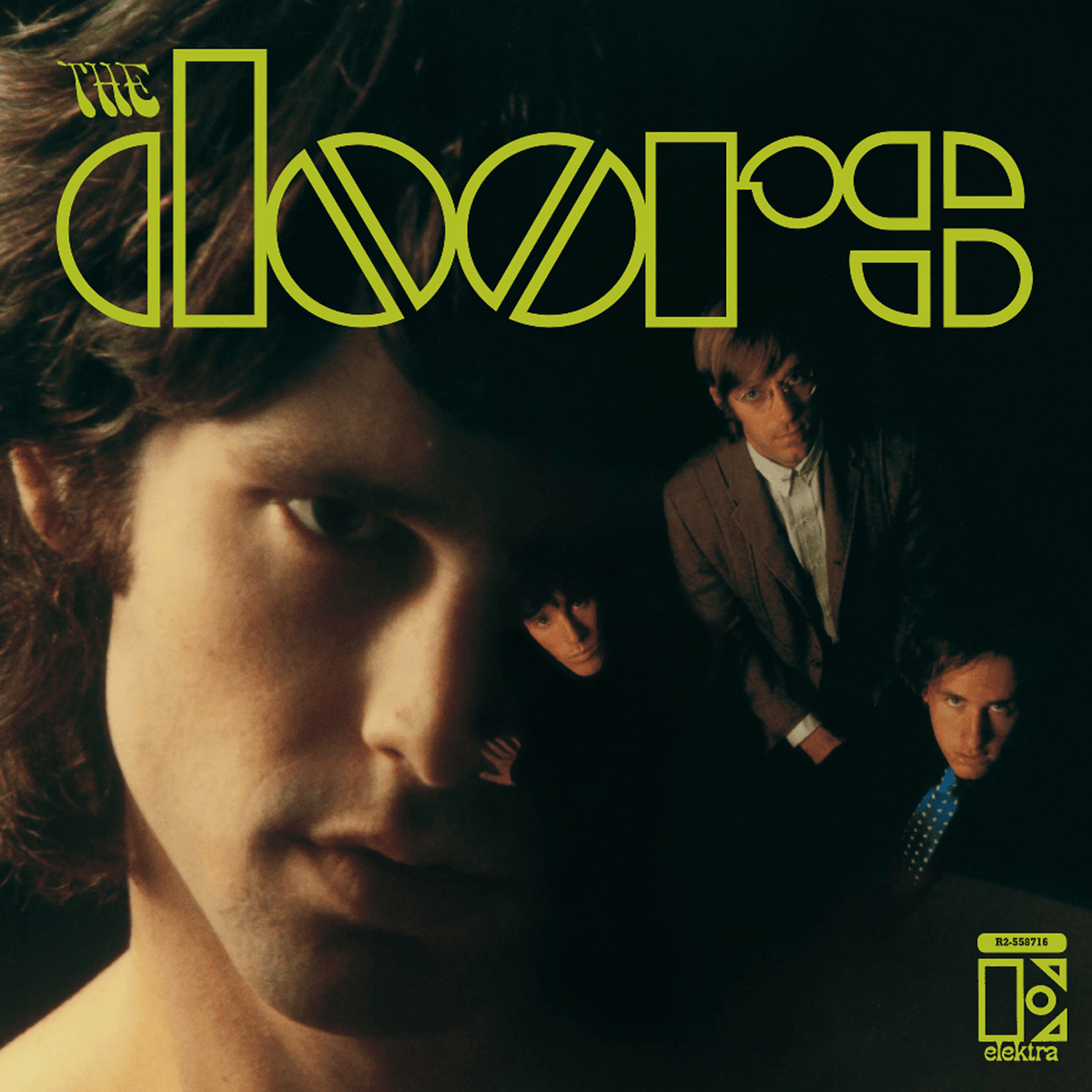
Release Date: January 1967 | Producer: Paul A Rothchild | Label: Elektra
All of The Doors’ dark psychedelia and lysergic attack are thrillingly coaxed from the ether on their eponymous debut. Paving the way for Iggy Pop and the later punk revolution with his ‘Lizard King’ antics, Jim Morrison and the band’s febrile energy on stage nudged the era’s peace and love just a little closer to the dark thunderstorms set to curdle the counterculture by the 1960s’ end.
Not that they were averse to the pop charts. ‘The End’s Oedipus nightmare could just as easily be countered by the dizzyingly amorous ‘Light My Fire’, striking the top of the Hot 100. Yet, as The Doors sailed to number two in September 1967, only one other band could honestly meet their match. Scoring the Summer of Love with totemic stature, Sgt Pepper’s Lonely Hearts Club Band saw The Beatles fight off any competition for a full 15-weeks after having knocked The Monkees’ Headquarters off the top spot.

Never Miss A Beat
The Far Out Led Zeppelin Newsletter
All the latest stories about Led Zeppelin from the independent voice of culture.
Straight to your inbox.