


The album Billy Joel described as “a quantum leap” for his music and his life

Billy Joel may be one of music history’s most reluctant rock stars.
Even though he may have his fair share of classics under his belt, his mild-mannered persona offstage and the goofball energy onstage has been endearing fans who just want to kick back and hear ‘Piano Man’ for what feels like the thousandth time. While Joel’s ode to being a humble pianist may outlive us all, nothing will define him more than The Stranger.
Whereas the last handful of albums that he made featured knockout singles for the time, Joel’s fifth outing included a star-studded track listing, with every song being spun off into the hit parade. Outside of the massive singalongs on tracks like ‘Movin’ Out (Anthony’s Song)’ or ‘Only The Good Die Young’, the deep cuts have also held a special place in fans’ hearts like the cinematic ‘Scenes from An Italian Restaurant’.
While other artists might treat an album like this as their magnum opus, Joel admits to being aware that a change was coming. When talking about the end of the production for his previous album Turnstiles, Joel felt a whirlwind coming, telling Sirius XM, “I was recognising that I was at the end of a certain point in my life. I didn’t know it was going to be such a quantum leap with The Stranger album. But from 1976 to 1977, my life was taking on a trajectory that was pretty intense”.
For all of the faith that he had in his career trajectory, though, it wasn’t translating into album sales. Even with the release of Turnstiles, Joel’s dismal reception on the charts led to Columbia Records nearly dropping him from their roster before pairing him alongside producer Phil Ramone.
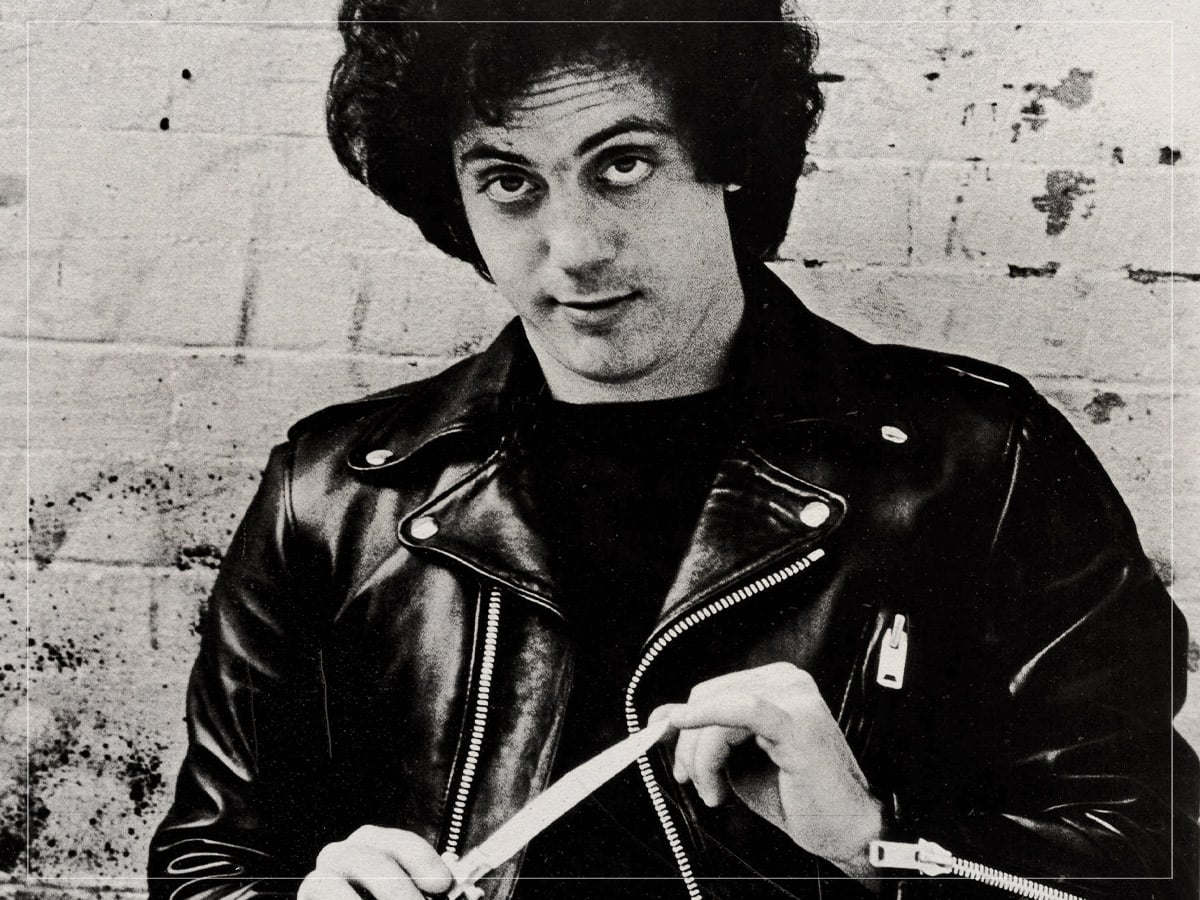
That disconnect between ambition and reception has a way of sharpening an artist’s instincts. Joel wasn’t short on ideas or ability, but without the results to back it up, there was a sense that something in the translation was getting lost before it reached the listener.
That’s where the importance of the right collaborator starts to come into focus. Up to that point, Joel had been steering the ship largely on his own terms, but what he needed wasn’t a reinvention as much as a refinement, someone who could take what was already there and present it in a way that felt undeniable.
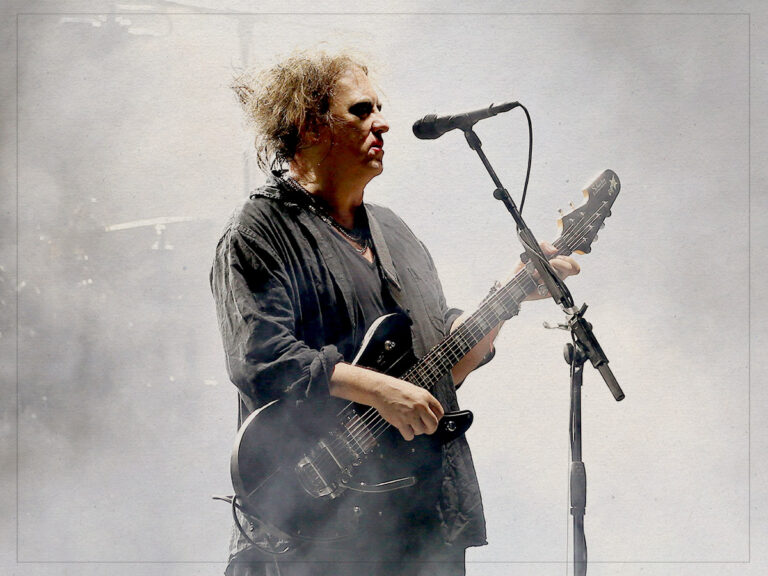

When Ramone entered the picture, it wasn’t about changing Joel’s identity but amplifying it. The songs were still rooted in the same storytelling and melodic instincts, but now they carried a clarity and confidence that made it impossible to ignore, setting the stage for the kind of breakthrough Joel had always felt was just within reach.
Having already come off work with Paul Simon, Ramone fit like a glove working with Joel, helping him craft nearly every record for a decade up until The Bridge in 1986. When looking at the production values of The Stranger compared to Joel’s early work, it’s like night and day.
Although Joel is still as pop-friendly as ever with his arrangements, what is missing is the subtle ambience that comes from Ramone. Take a song like the title track, which features an achingly sad minor chord progression as Joel’s ominous whistle sets the scene. While there’s nothing too flashy going on with Joel’s arrangements, the chilly sounds of the production make the listener feel like they’re tuning in to a smoky jazz club on the wrong side of New York City.
Knowing the potential that he had for something bigger, Joel wrote the song ‘I’ve Loved These Days’ on Turnstiles to commemorate his salad days, recalling, “I wanted to say goodbye to the era I had come out of, which was ‘I’ve Loved These Days’… I was gonna make a move somehow; something different was gonna happen. It was fraught at that particular time in my life. Things are gonna change”.
While there were no guarantees that Joel wouldn’t become a borderline one-hit wonder of the 1970s, ‘I’ve Loved These Days’ pointed to what Joel could do if given the right opportunity. Despite proving his harshest critics wrong with The Stranger, ‘I’ve Loved These Days’ captures the sound of Joel at his hungriest, aching for the chance to be more than a typical piano player.
