


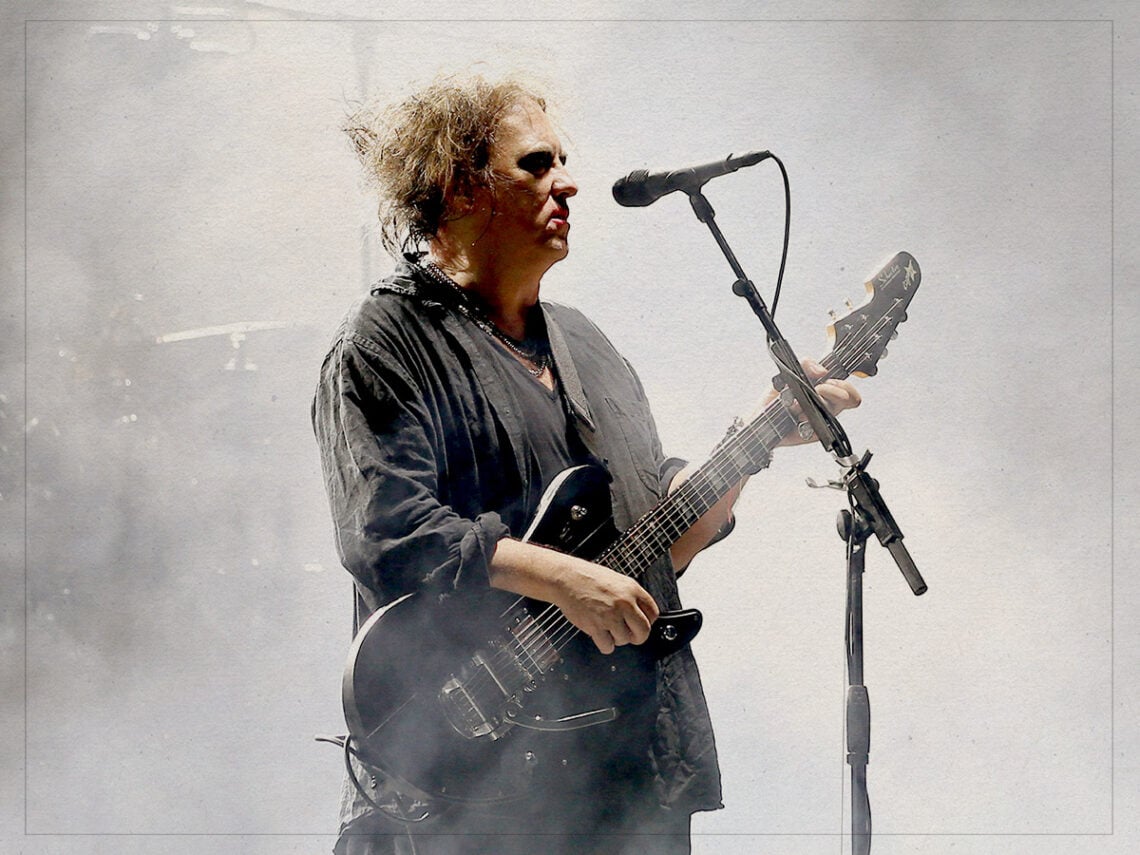
The two most important songs on any album by The Cure, according to Robert Smith

When it comes to getting the best out of The Cure, Robert Smith has always had strange methods, ranging from random to downright cruel. But if that’s what it takes to get the songs, so be it.
The random part came from Smith deliberately stressing himself out to get the right vocal take. During the making of Kiss Me, Kiss Me, Kiss Me, he struggled to perfect his performance on ‘Just Like Heaven’. After recording the rest of the album in complete isolation with only his bandmates around him, he realised a lovestruck song perhaps needed a lovestruck vocal take. He wanted to sound breathless and slightly nervous, so he called in his girlfriend.
Having always preferred to record his vocals in private, he brought his partner Mary into the room “to make me feel uncomfortable so I could sing with an edge”. It turned out that the tension helped a lot.
Other methods were less sweet, though. In order to get the best out of his band, Smith had a habit of making them feel like the group was about to end once and for all. That way, everyone played as though it were their last chance.
It’s a strange strategy, but it has been working for decades now. With music-making methods unlike any other artist, Smith simply seems to have an odd relationship with creating his art. It seems confusing to him, elusive, but he has a method for that, too.
The Cure albums are a mystery to him until he knows he has two songs, the first and the last. “Key in the history of the band is if I know what the opening and closing songs are, the album is halfway done,” he told Uncut. Once he has the bookends, the rest seems to fall into place as those songs grant him a sense of story and theme. They make sense of the atmosphere and arc of the album as they lock in the starting point and where it all has to end up, much like writing the opening and closing scenes of a film, plotting out how the story should unfold from and to those points.
Once that is locked in, the rest falls into place, speeding up the whole process as the hardest battle is done.

Surprisingly, though, it is rare that either of those songs is even the album’s hits. Smith seems to bookend his albums more with pieces that set the tone, like ‘Plainsong’ and ‘Untitled’ on Disintegration, while ‘Pictures of You’, ‘Love Song’ and ‘Lullaby’ come later, sitting in the middle of the record and falling out of him far easier in the writing process.
He doesn’t like to start with too much of a bang, but more with a cinematic piece, setting the scene ready for the story to begin, akin to the opening credits, where once he has a starting point, the rest can be written easily.
