


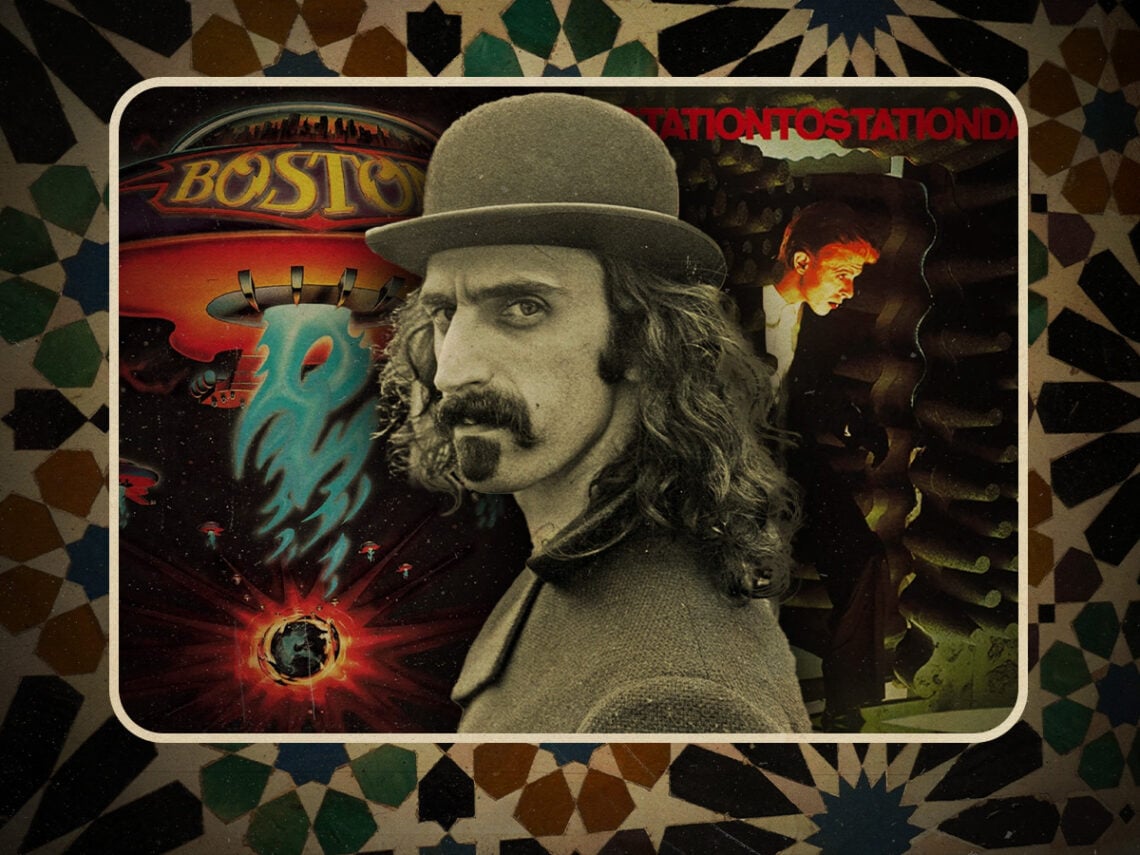
10 classic albums from 1976 that would never be made today

While it might not seem like it sometimes, all music, be it rock, pop, punk or whatever you listen to, is a reflection of the time in which it was made.
Artists are always using their music as a mirror of their circumstances, even when they aren’t doing so intentionally. You have political musicians, who are evidently using music to reflect the modern age; however, even if an artist’s output isn’t as on the nose as this, their music is still a corner cut from a very specific moment in time. Love songs, concept albums, complicated prog rock, they all exist because of the time in which they were conceived.
Now, that’s not to say albums can’t exist outside of a certain moment. There are love songs and concept albums made decades ago that could be recreated today on some level; however, there are some records that are so true to the time in which they were made, they could never be conjured again, even by the brightest creative minds. Take the year 1976, for example, as the ‘70s are often cited as a real turning point for music, with each year from that decade consisting of great music, and some of that music couldn’t be made outside of its given year, either because circumstances wouldn’t allow it or audiences would hate it.
Don’t believe me? These are ten albums from 1976 that are such an accurate reflection of the world and music from that year that they couldn’t be made in the modern age.
10 albums from 1976 that wouldn’t be possible today
Lynyrd Skynyrd – ‘Give Back My Bullets’
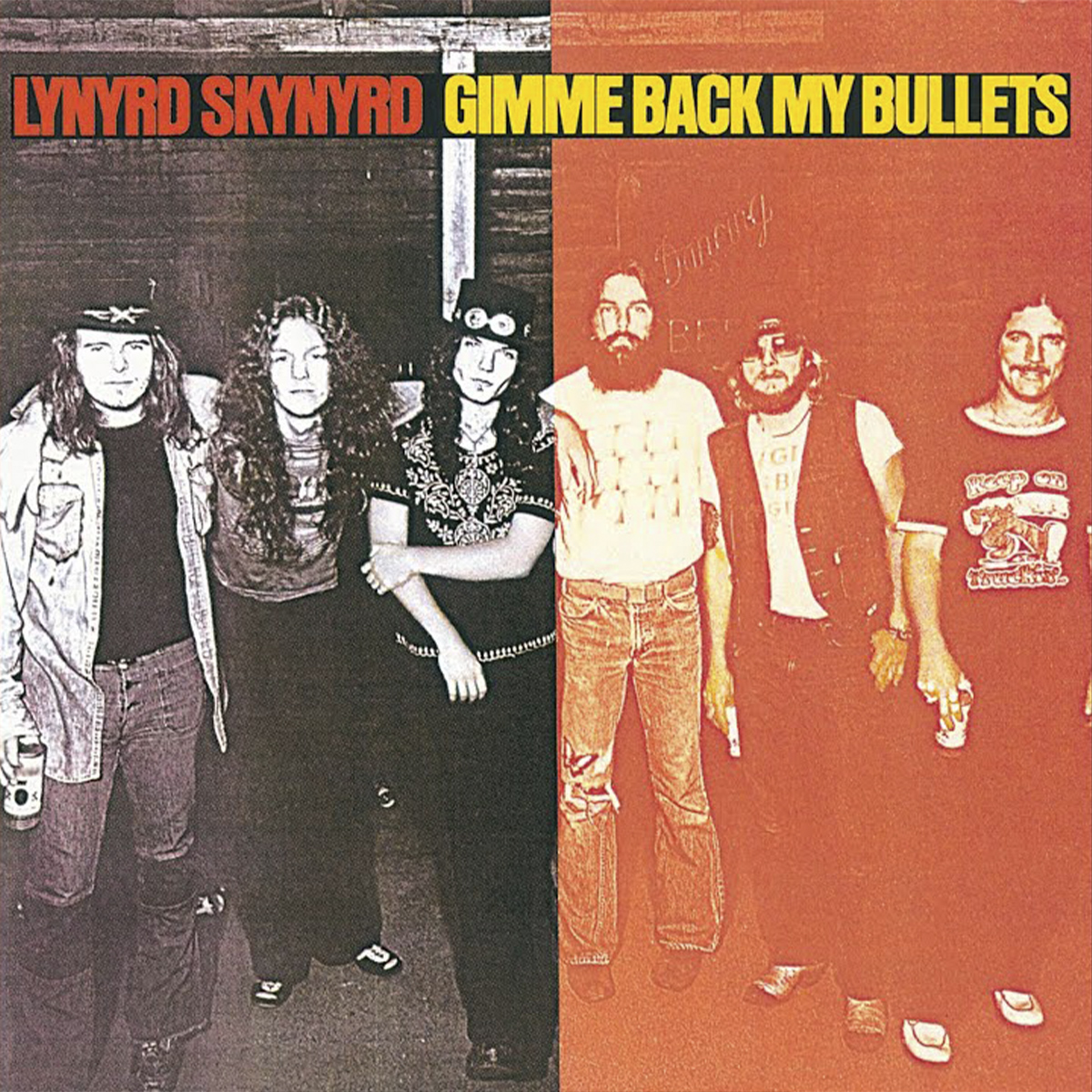
There is often a criticism of modern music fans as people say they don’t have the same attention span as listeners from previous decades, which feels somewhat harsh, as while there is more of a spotlight on viral pop songs thanks to their exposure on social media, it’s not like bands aren’t still churning out complicated and thought-provoking records that require undivided attention.
However, where this statement might be true lies in elongated solos. While rock bands in the ‘70s often had stand-offs to see who could put together the best drum, keyboard or guitar solo, bands in the modern age use these assets slightly more sparingly. No one utilised a solo as freely as Lynyrd Skynyrd did, and their affinity for what is now quite a dated way to perform music means records like Give Back My Bullets wouldn’t be made in the modern age.
Lou Reed – ‘Coney Island Baby’
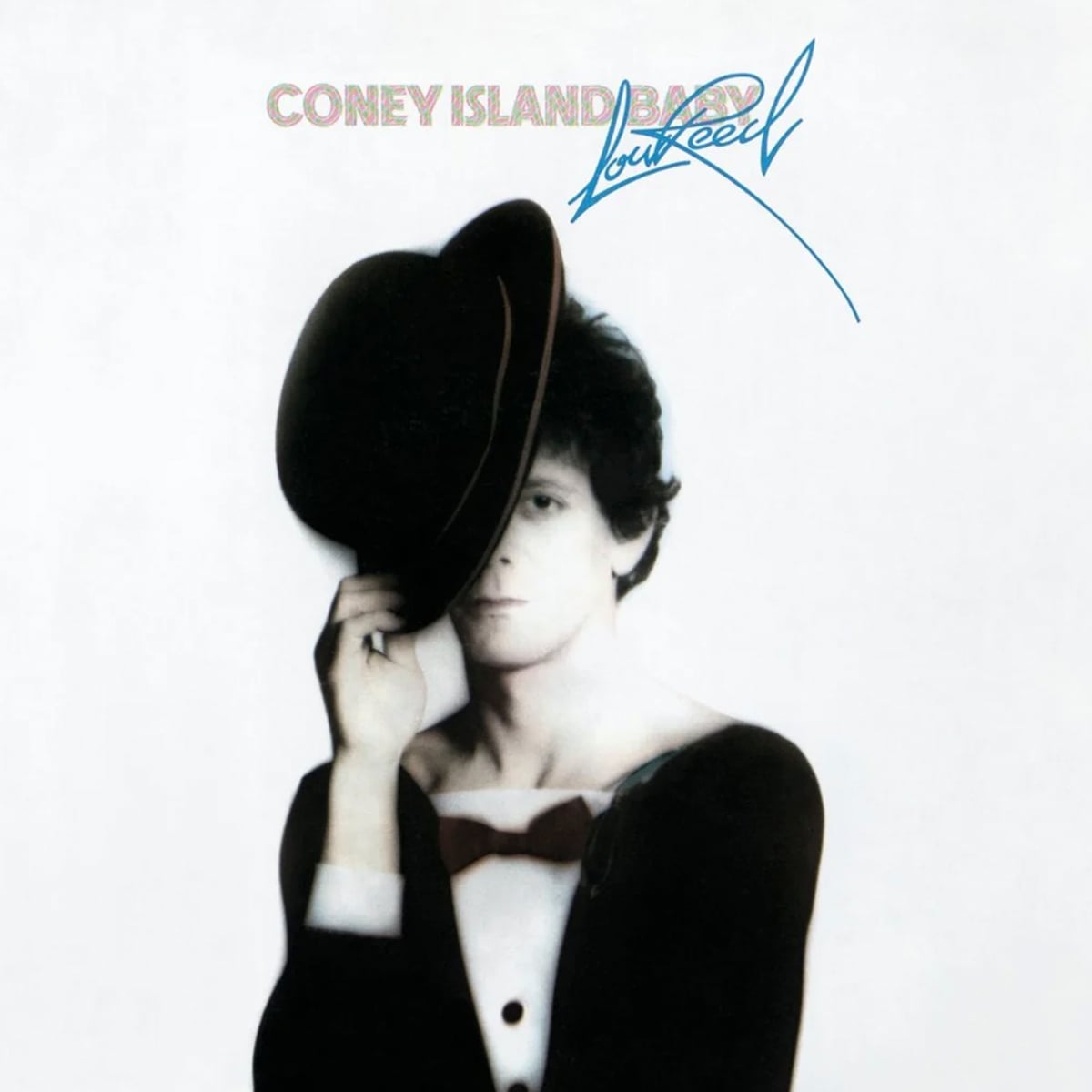
Look, I’ll cut right to the chase, and you can call me a cynic all you like, but this album is a bit too optimistic for the modern age. While people still fall in love, drawn-out devotions to it don’t land as well in 2026 as they did in 1976, which means that the sweet serenade that is Lou Reed’s Coney Island Baby likely wouldn’t be made by modern musicians, at least not in the same way.
Many have described the album as Lou Reed’s most romantic record, as it was more or less entirely devoted to his girlfriend, Rachel Humphreys. Biographer Aidan Levy said, when talking about the record, that it was “as much a love letter to Rachel as it was to the nostalgic Coney Island of the mind”.
Genesis – ‘A Trick of the Tail’
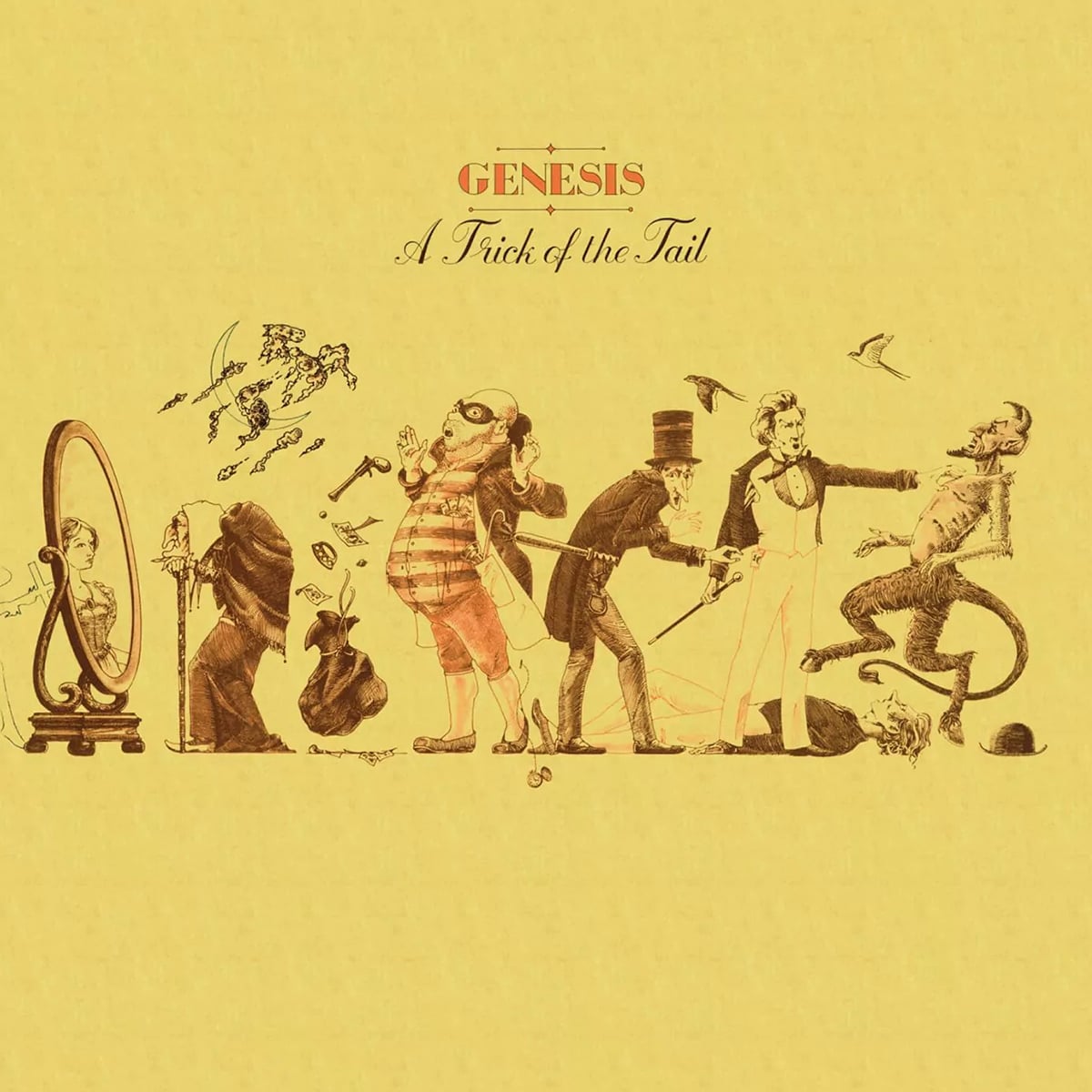
Progressive rock is a hard sell to a lot of listeners, given its so tricky to define. Frank Zappa tried his best to try and put a label on it, saying it’s essentially any kind of rock music that isn’t just standard rock. “I would presume that people would accept this definition,” he said, “Progressive rock is anything that doesn’t sound like regular Rock. Regular Rock is everything that sounds like itself. All songs which sound the same, everything on MTV, everything on the radio, that’s Rock. Progressive Rock is stuff that doesn’t sound like that.”
The sound developed a loyal following in the ‘70s when rock was its most experimental, but it’s something I imagine a lot of labels and PR companies would be hesitant to try and sell to audiences in the modern age. Pair the complex nature of the sound with the fact that A Trick of the Tail was the first Genesis album without Peter Gabriel at the helm, and you have a record too complicated to put between the pages of a 2026 press release.
The Residents – ‘The Third Reich ‘n Roll’
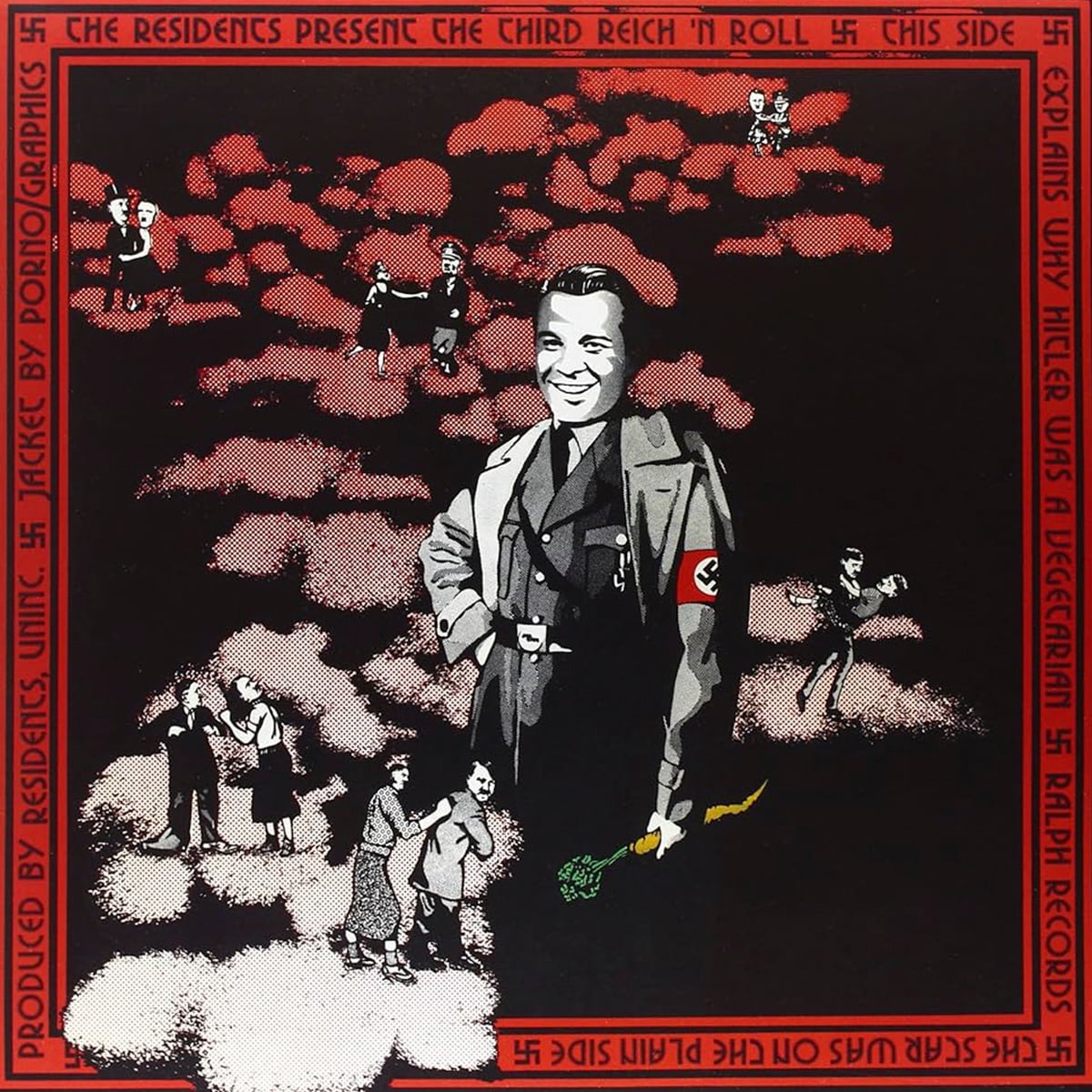
The Residents’ debut, Meet the Residents, was released in 1974, and while they were happy with the album, given that the band wanted to tell stories, they felt that their first outing wasn’t conceptual enough, and when it came to their next record in 1976, they put their heads (or overtly oversized eyeballs) together, to come up with something layered, psychedelic, and controversial.
The reason this album wouldn’t be made today is pretty self-explanatory, as the theme and imagery of the record, which features nazis and swastikas, wouldn’t be welcome in the modern age. While The Residents weren’t promoting the fascist party and instead were using them as mere symbolism in protest of the music industry, just the image alone in 2026 would be enough to deem the album completely unlistenable.
“The Residents had this feeling that the music business was being taken over by the rock beat, not unlike the way Europe was taken over by the Nazis,” said Homer Flynn, The Residents’ friend and collaborator, adding, “Their point of view was that it was all about media and money. The media put a spotlight on The Beat, and money followed the media.”
Frank Zappa – ‘Zoot Allures’
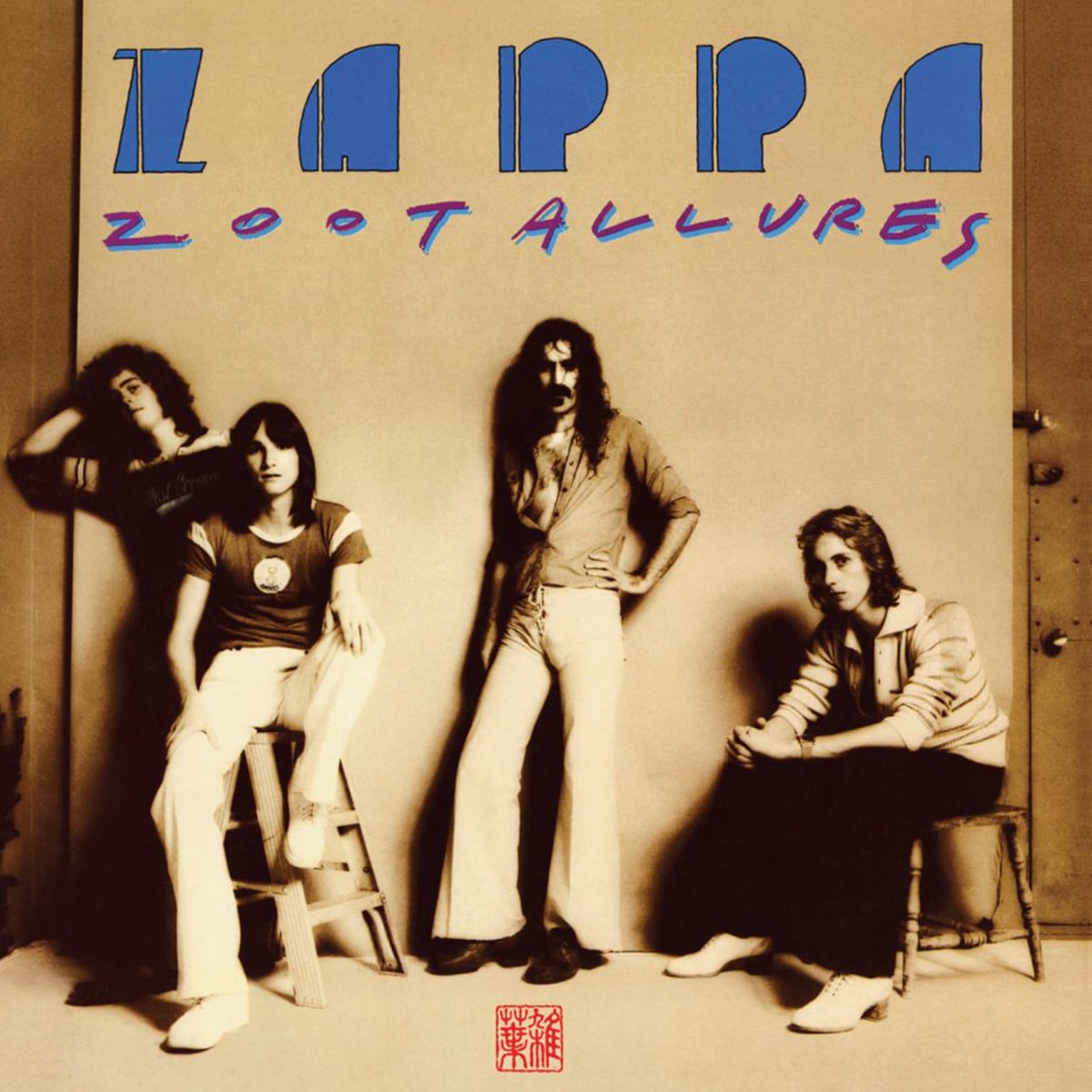
The main thing that Frank Zappa wanted from any band was complete authenticity. While AC/DC’s music was nothing like what he put out, he was quoted as being a big fan of the band because of how much they stuck to their guns when making music. The experimental prog rock godfather did the same; he always put his genuine self at the forefront of each record he made, and the result is some of the most unique-sounding music idle ears will ever stumble across.
An album like Zoot Allures could never be made today because this combination of notes and phrases simply doesn’t exist in anybody else’s mind. The album is the only one that Zappa ever released with Warner Bros Records, as his contract with DiscReet was in dispute at the time. As such, on this album, you’re not just getting the usual musical stylings of Zappa, but you’re getting it while the musician is embroiled in a legal dispute and unsure about the future of his career, so suffice to say, an album like this can only exist in this form, birthed from that specific moment.
Rush – ‘2112’
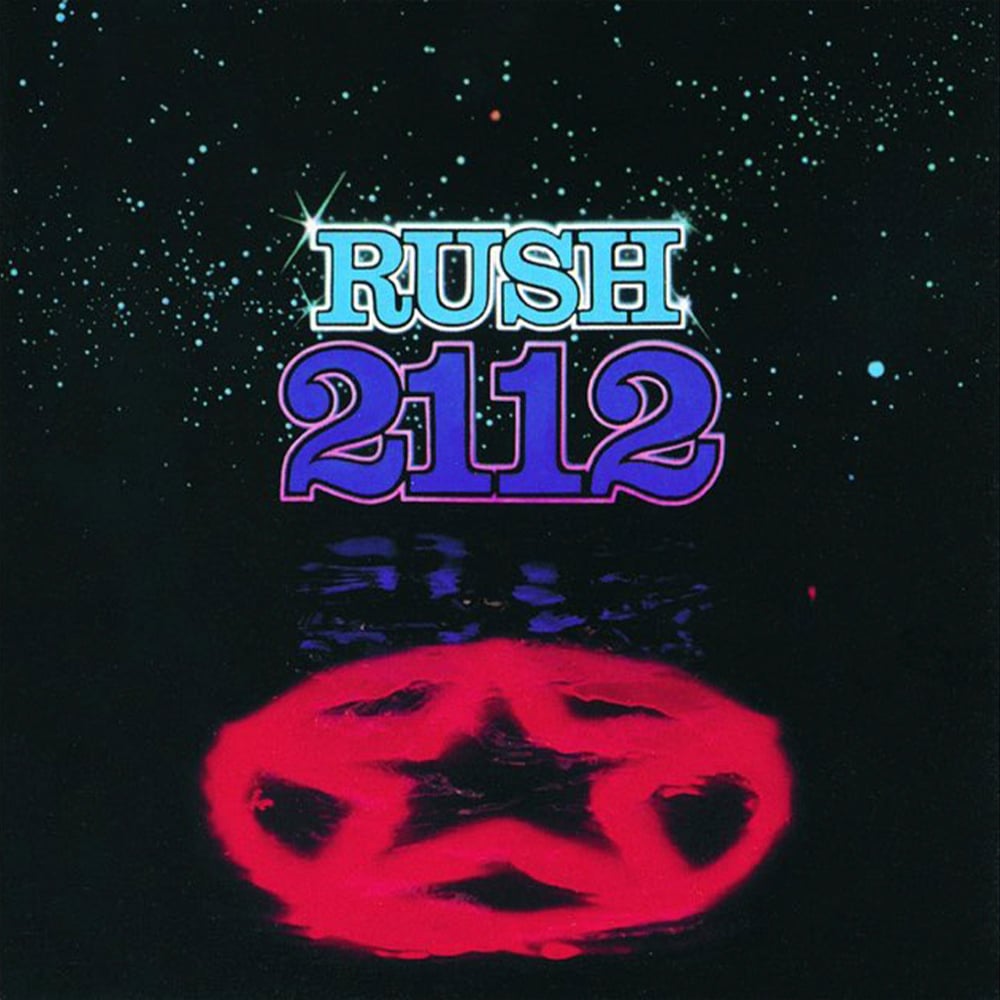
OK, this is the last prog rock album on this list, and it’s also one of the very best, as while each LP that Rush put out offered fans something completely different, there is a pretty common consensus that 2112 was one of the trio’s greatest musical offerings, and it’s easy to see why. This wasn’t just Rush playing their standard serving of technically proficient music, but it was also put together during a time of passion, anger and enthusiasm.
“We made three albums in 18 months from the time I joined the band,” explained the band’s drummer, Neil Peart, “By the time we did 2112, we had a whole month to write, rehearse and record that album, so it was done under the rawest of circumstances but with such conviction and enthusiasm. We were so angry at that time.”
Ramones – ‘Ramones’
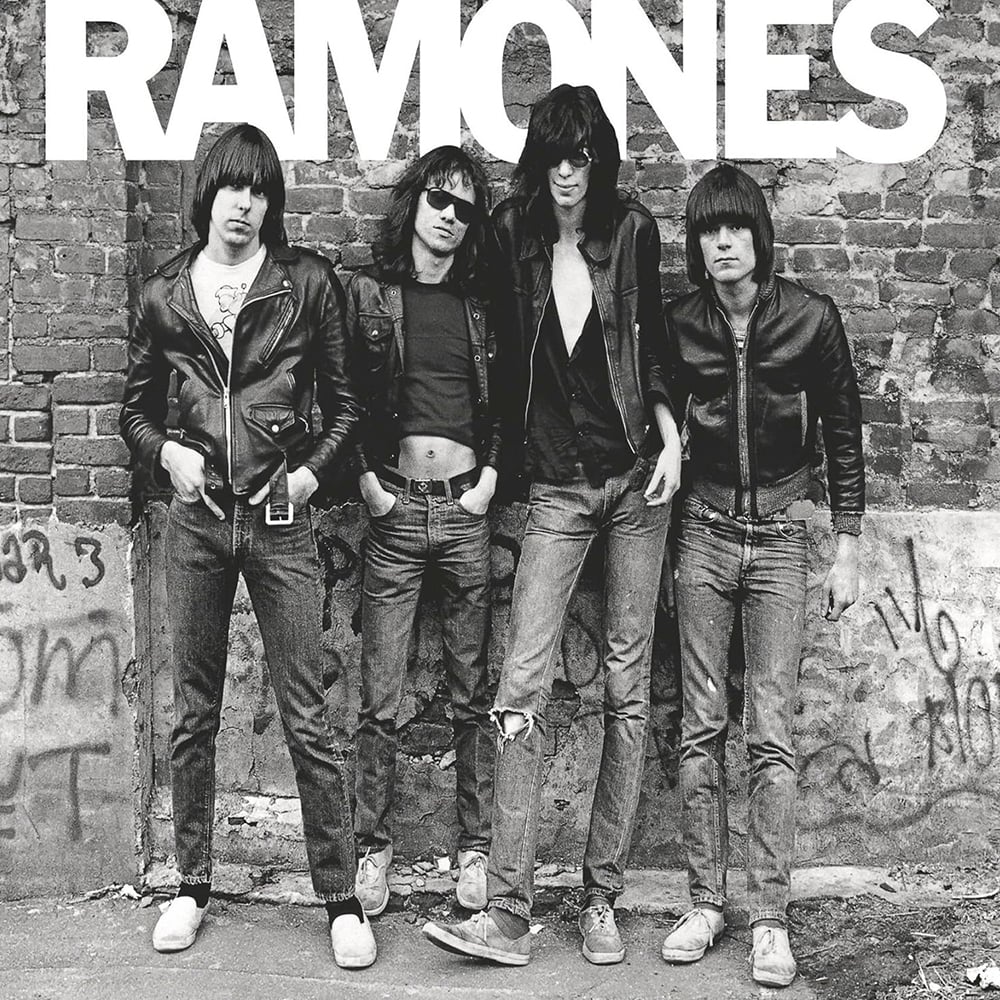
It seems a bit unfair to include this album, as the reason it couldn’t be made is because of what it influenced, which puts it in some kind of odd catch-22. Modern punk wouldn’t exist without this record, but at the same time, modern punk is so outrageous and exaggerated that it nullifies what originally set this album apart.
Essentially, Ramones’ self-titled record couldn’t be made in 2026 because the shocking nature of the album that appealed to so many listeners isn’t shocking anymore, and instead, it just sounds like watered-down punk, which is, of course, unfair, given that without the album, the music that makes it sound watered down wouldn’t exist, but I never said that this list was fair.
David Bowie – ‘Station to Station’
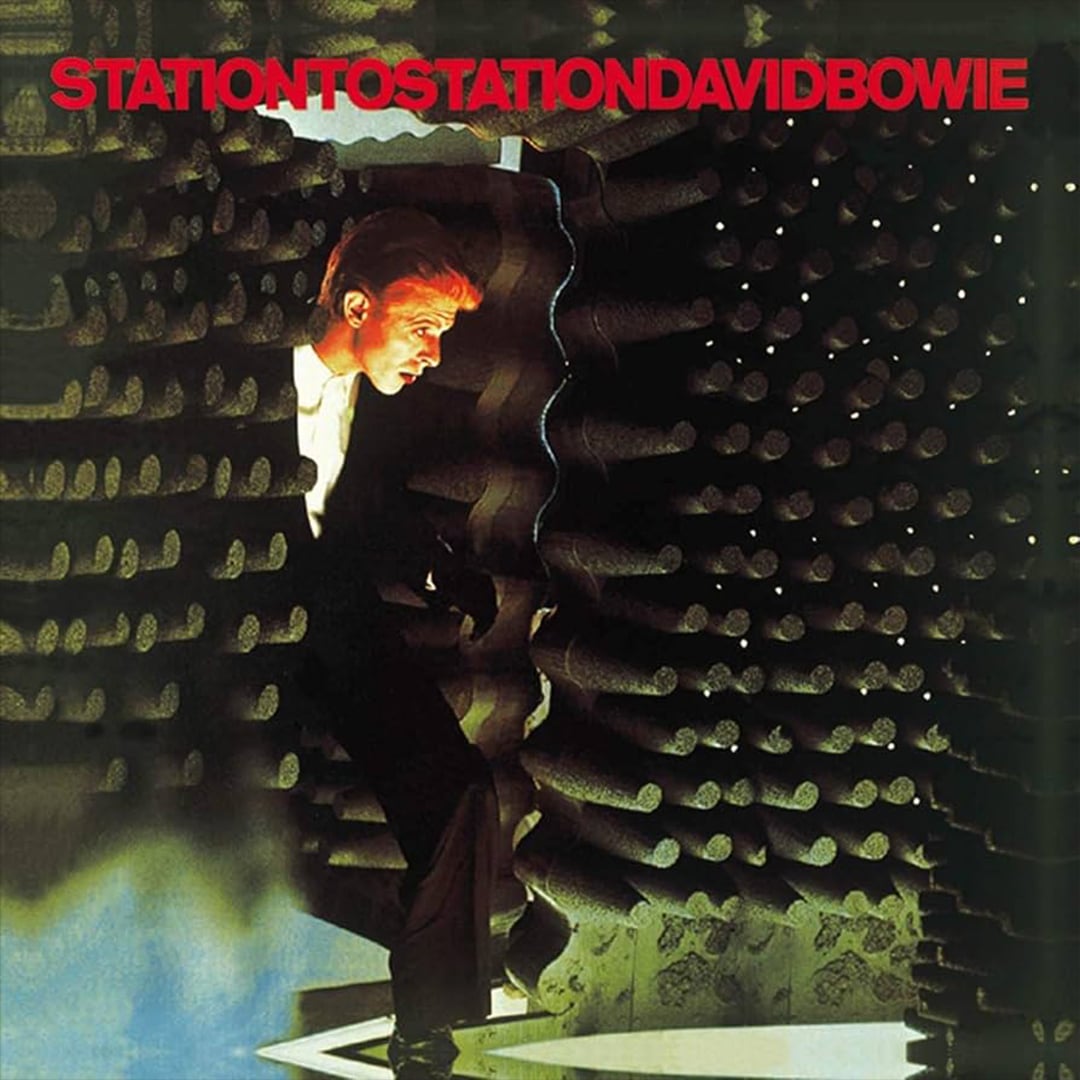
David Bowie was always happy to put together albums based on various characters, and his record Station to Station saw him fully embody the new persona of The Thin White Duke, who quickly became a fan favourite. While only six tracks long, the album feels like a real masterpiece, and its quality makes the circumstances surrounding its conception even harder to believe, which is that Bowie could hardly remember making it.
When he recorded the album, he was deep in the pits of addiction, and the result was that he couldn’t even remember putting together what would become a classic record, which is why Station to Station could never be made in 2026. Because the process of making such an album is lost to the perils of extensive drug use, to the point where it’s an LP that shouldn’t even have been made in 1976 but just spawned into existence somehow.
Grateful Dead – ‘Steal Your Face’
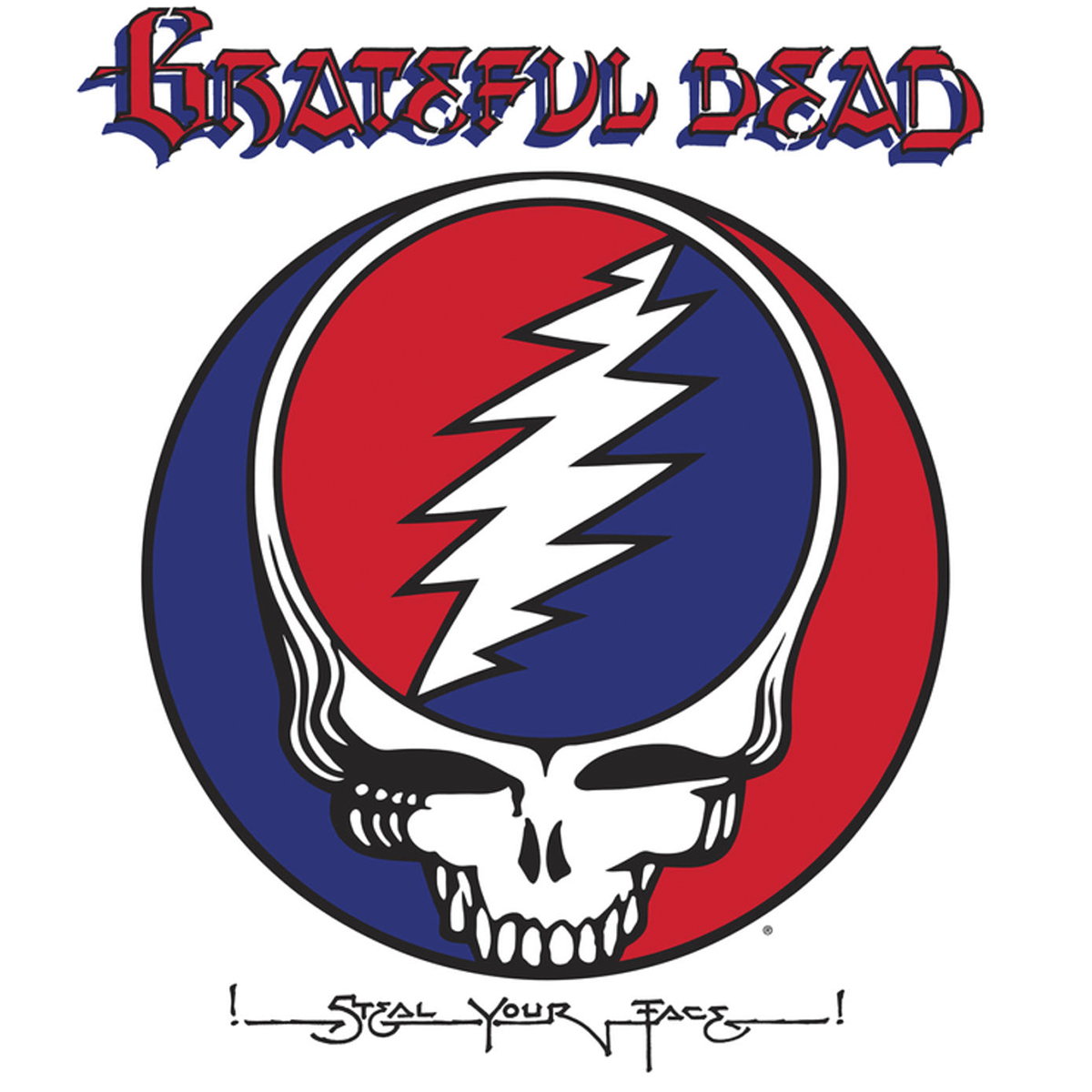
Lenny Kaye once said that the Grateful Dead are the greatest live band to ever exist. “A list of song titles would mean very little in terms of what actually goes on inside the album,” he said when discussing one of their live records, “Like the early Cream, the Dead in concert tends to use their regular material as a jumping-off point, as little frameworks that exist only for what can be built on top of them.”
Steal Your Face is one of the many live albums that highlight just how good the band were as a unit, and while it remains timeless, it’s also not something that could be released today. The Grateful Dead are established as a live tour de force, so people will always listen to their records; however, live albums aren’t particularly celebrated in 2026, and due to dwindling interest, this just isn’t an album that would likely get made today.
Boston – ‘Boston’
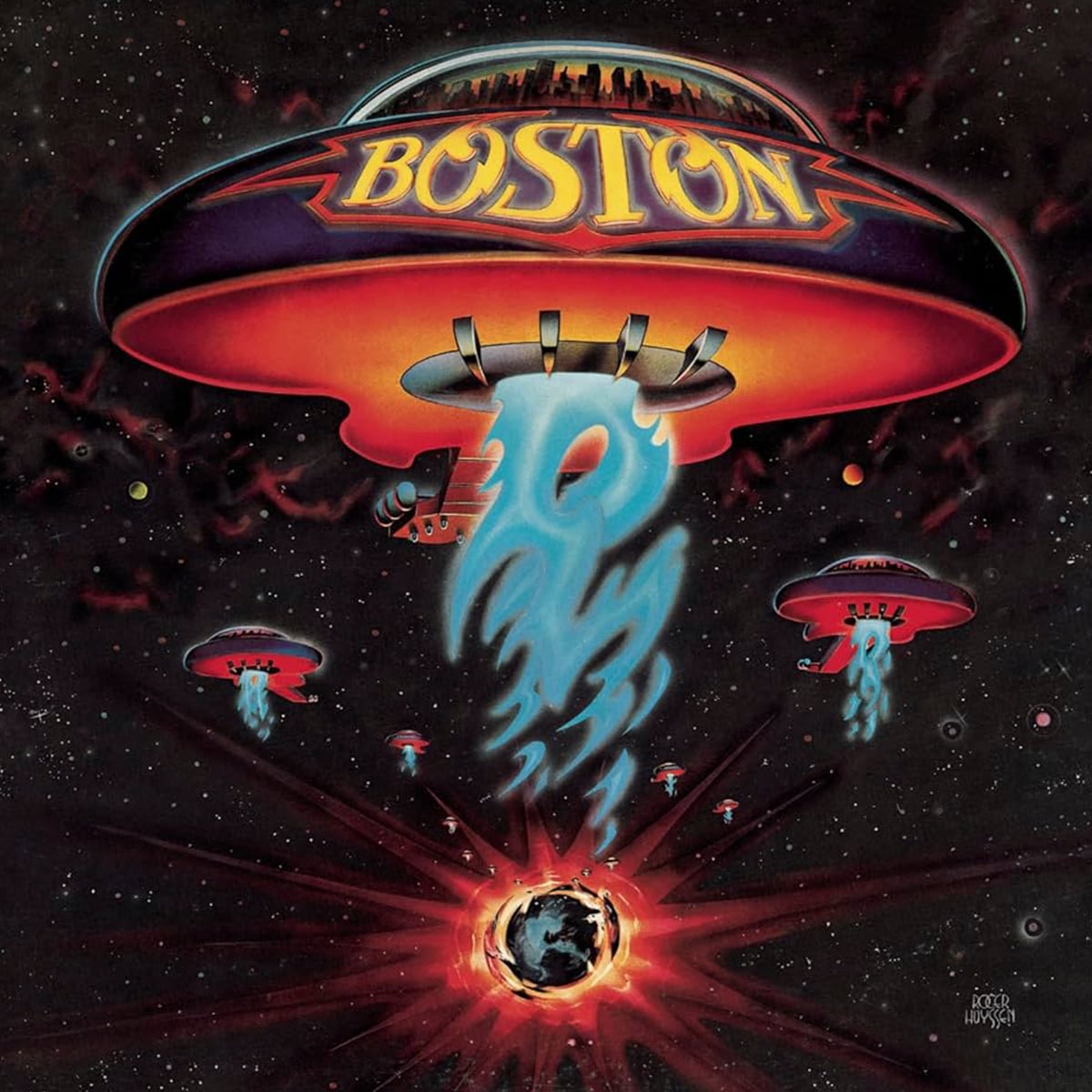
While the music of Boston led to the creation of stadium rock, which centred around having a big live sound perfect for large crowds, it was conjured up in complete isolation. Tommy DeCarlo was a tech head who locked himself in his basement and worked on putting together different effect pedals and soundboards that led to the development of a brand new style of music, which was bigger than any other rock band on the planet.
The main reason a record like this couldn’t exist in the modern age is that the unique sounds that DeCarlo tapped into are no longer one-of-a-kind. What was originally the result of different wires and machinery can now be accessed at the press of a button, and so the exciting sound which was once unique wouldn’t be received as such in the modern age. ‘More Than a Feeling’, to put it plainly, would barely resonate emotionally at all.
