


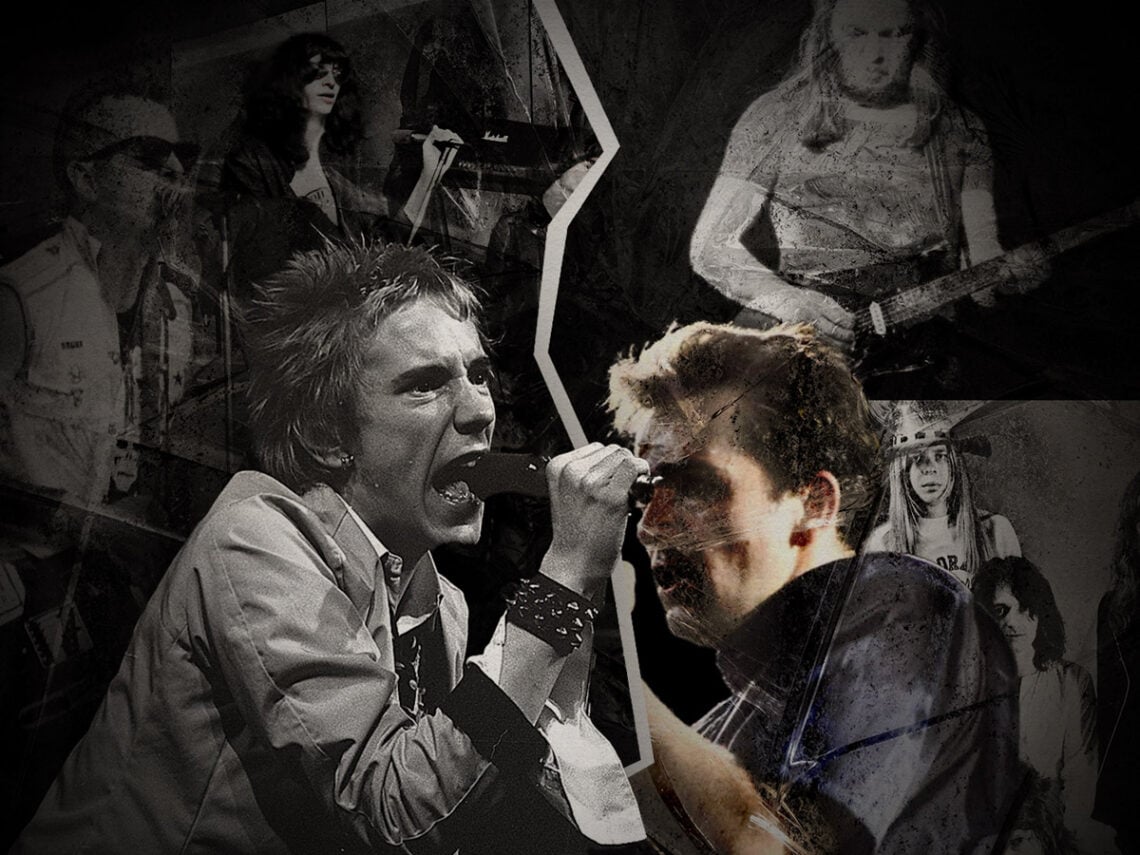
The end of rock and roll: Who won the battle of prog-rock and punk?

“The end of rock ‘n’ roll” was how the progressive rock scene of the early 1970s was once described by punk poster boy John Lydon, thereby necessitating the anarchic rock revolution of which he was at the centre of. In the long run, though, is it possible to say which of these two very disparate realms truly came out on top?
Progressive rock arrived on the scene long before John Lydon – or anybody else, for that matter – began spiking their hair and donning safety-pinned bondage trousers. Emerging from the tail-end of the 1960s’ psychedelic experimentation, prog saw the emergence of an entirely new, LP-focused avenue of rock and roll, typified by complicated synthesisers and vast, fantastical narratives stretching across entire albums.
It was these complexities which were often targeted by the angry young voices of the punk age, and, admittedly, it is easy to see why. Particularly in Britain, the pop singles chart of the 1960s was dominated by short, sharp rock and roll anthems by the likes of The Kinks, The Who, and The Rolling Stones; bottled bursts of anarchic youth rebellion which a generation of disenfranchised post-war kids could relate to.
In contrast, it is difficult for a young person trying to find the music that speaks to their soul to identify with extensive prog odysseys rooted in the fantasy world of JRR Tolkien.
Punk, on the other hand, from its very beginning aimed to speak directly to audiences, smashing the typically imposed barriers between performers and audience members. That, in essence, was the greatest aspect of the punk revolution: the idea that anybody determined enough could form a band and take aim at the musical establishment was a manifesto that spurred on the creation of countless legendary bands.
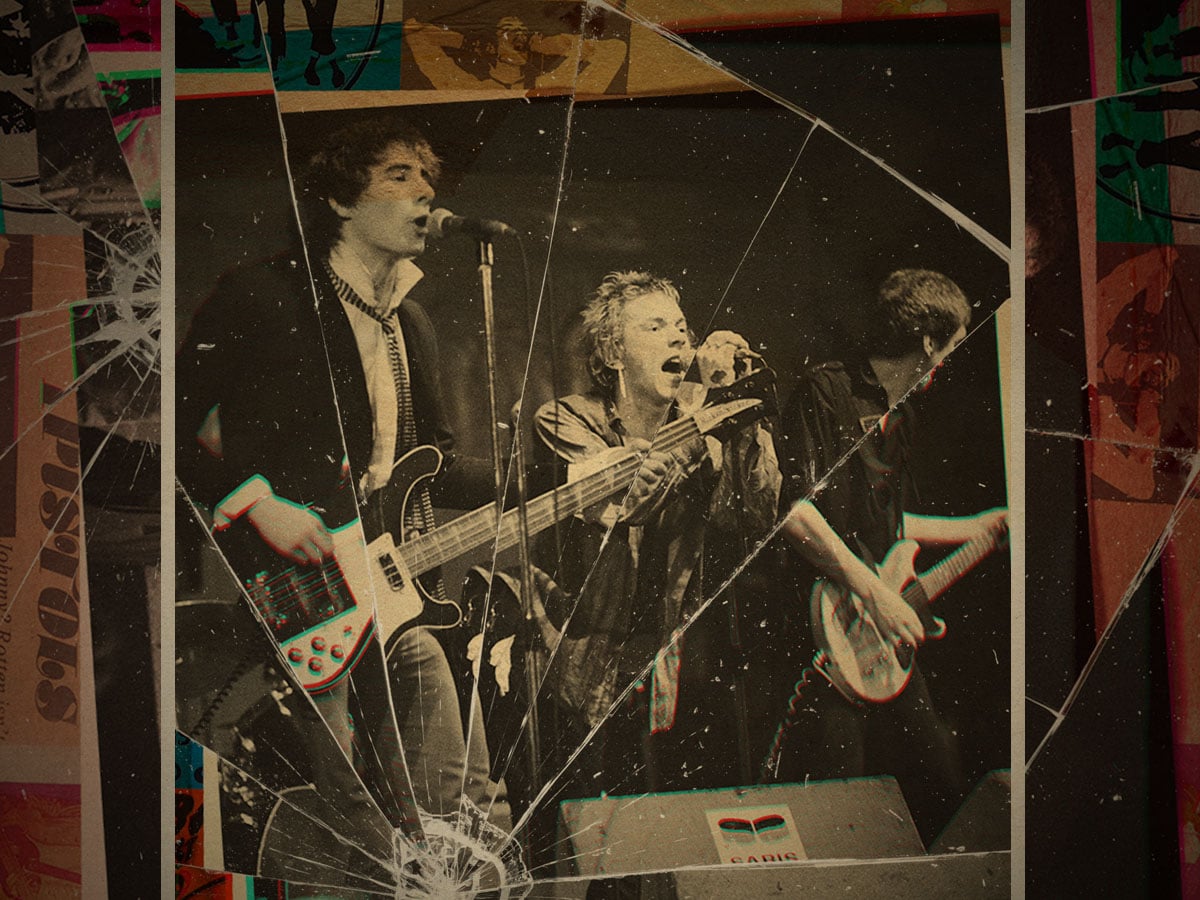
According to the architects of that early scene in London, such as the aforementioned John Lydon, it was the unavoidable prevalence of prog that spurred on that back-to-basics, grassroots spirit within punk. “What we were doing wasn’t important,” the Sex Pistols frontman declared, “But there was some point to it all, which was that all of us were very bored and frustrated with everything in music at that time, because all you had was Yes and bloody Emerson Lake and bloody Palmer.”
“There was no honesty to [rock and roll] anymore,” Lydon rather boldly declared. If honesty is being substituted for the more accurate word of relatability, then the punk advocate may have a point.
After all, during an age in which Britain was in a particularly dark place politically, economically, and socially, prog could often be accused of sticking its head in the ground and refusing the reflect the world around it, whereas punk tended to tackle those kinds of issues head on, in landmark records like Stiff Little Fingers’ Inflammable Material or The Clash’s 1977 debut, which remain two of the greatest anti-authority records of all time.
In terms of general honesty, though, it isn’t as though the punk scene was without sin. Even the Pistols themselves were exactly the most authentic outfit, manufactured by Malcolm McLaren in the same way that a modern-day boy band would be. In the long run, too, Lydon has turned out to be a Trump-supporting, butter-selling contrarian, which isn’t exactly in keeping with the anti-authority ethos of his earlier days. So, perhaps he isn’t best placed to discuss honesty.
As for who exactly triumphed during the battle between punk and prog, it is difficult to say with any certainty, particularly because prog musicians didn’t tend to attack punk with quite the same ferocity as their spikey-haired counterparts. In terms of lasting influence, though, both realms are still going surprisingly strong.
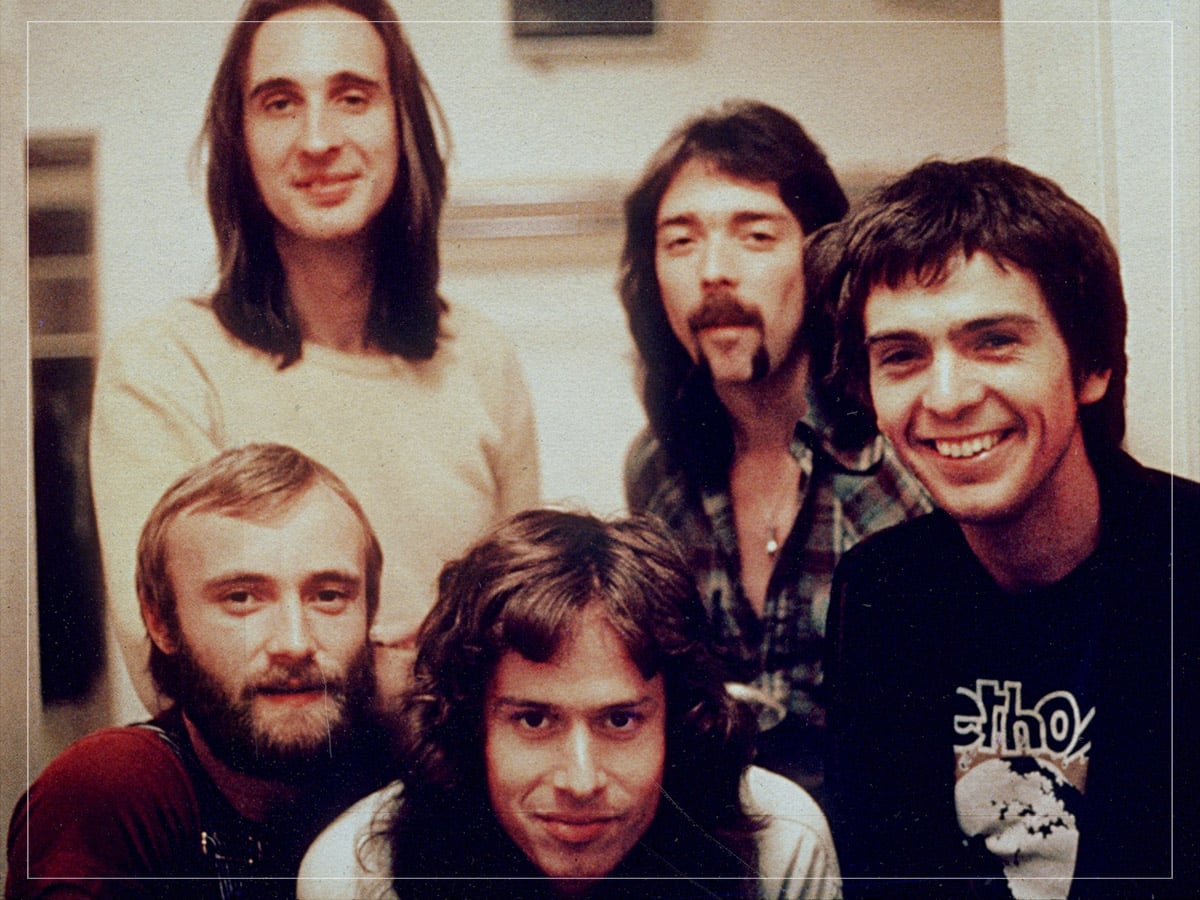
Progressive rock’s influence, for starters, can be heard in virtually all experimental and psychedelic offerings in the 21st century, even if the people creating those records might never admit to owing anything to the likes of Genesis or Emerson, Lake, and Palmer. Some of those early 1970s records, it must be said, haven’t aged incredibly well, but there are a multitude by the likes of King Crimson, Yes, Kevin Ayers, and countless others that still hold up incredibly well.
On the other end of the spectrum, punk has never really subsided since its emergence in the mid-1970s. Virtually every major city and provincial town in the Western world maintains a thriving punk scene, and those early influences continue to be heralded as some of the greatest albums of all time.
Even more interestingly, perhaps, punk has spawned a multitude of subgenres that blend its abrasive style with other avenues of inspiration. For instance, there are bands like Propagandhi who are predominantly punk but do draw upon some progressive elements too, rendering this entire debate surplus to requirements.
Ultimately, if there was a victor between punk and prog, it would depend on the specific stories and attitudes of each individual listener. Now that over half a century has passed since the heyday of that cultural divide, it is about time that the music world realised the merits of both genres, and gave each of them their due for introducing the world to a plethora of landscape-changing, life-affirming musical greatness.

Never Miss A Beat
The Far Out Punk Newsletter
All the latest Punk content from the independent voice of culture.
Straight to your inbox.