


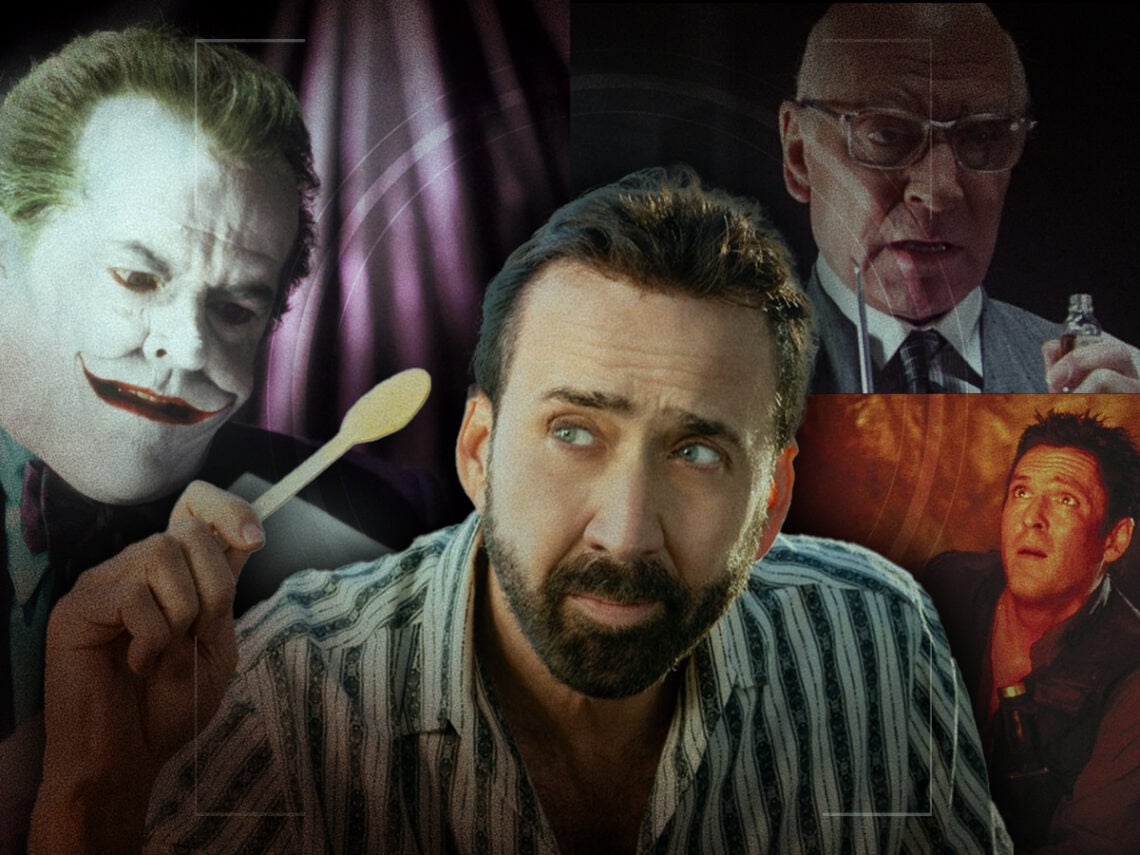
10 blatant paycheque performances that were genuinely great

There are some actors who have a very clear delineation between the films they want to make for their own pleasure and the roles they take to make bank. Robert Downey Jr famously won an Academy Award after declaring that he would return to serious acting in Oppenheimer after years of being Tony Stark, but he subsequently went back to accept another Marvel paycheque when he signed on to play Dr Doom in Avengers: Doomsday.
Adam Sandler makes a ridiculous amount of money for the lazy comedies that he makes on Netflix, as they all seem to break streaming records and help draw in new subscribers. There’s also an opportunity for A-list stars to get paid big bucks for doing voiceover work; even if Steve Carell gets awards for Foxcatcher and The Big Short, it’s the Despicable Me films that make him wealthy. Actors will take roles just for the money, but that doesn’t mean that they have to be lazy about it.
10 blatant paycheque performances that turned superior:
Marlon Brando – ‘Apocalypse Now’ (Francis Ford Coppola, 1979)
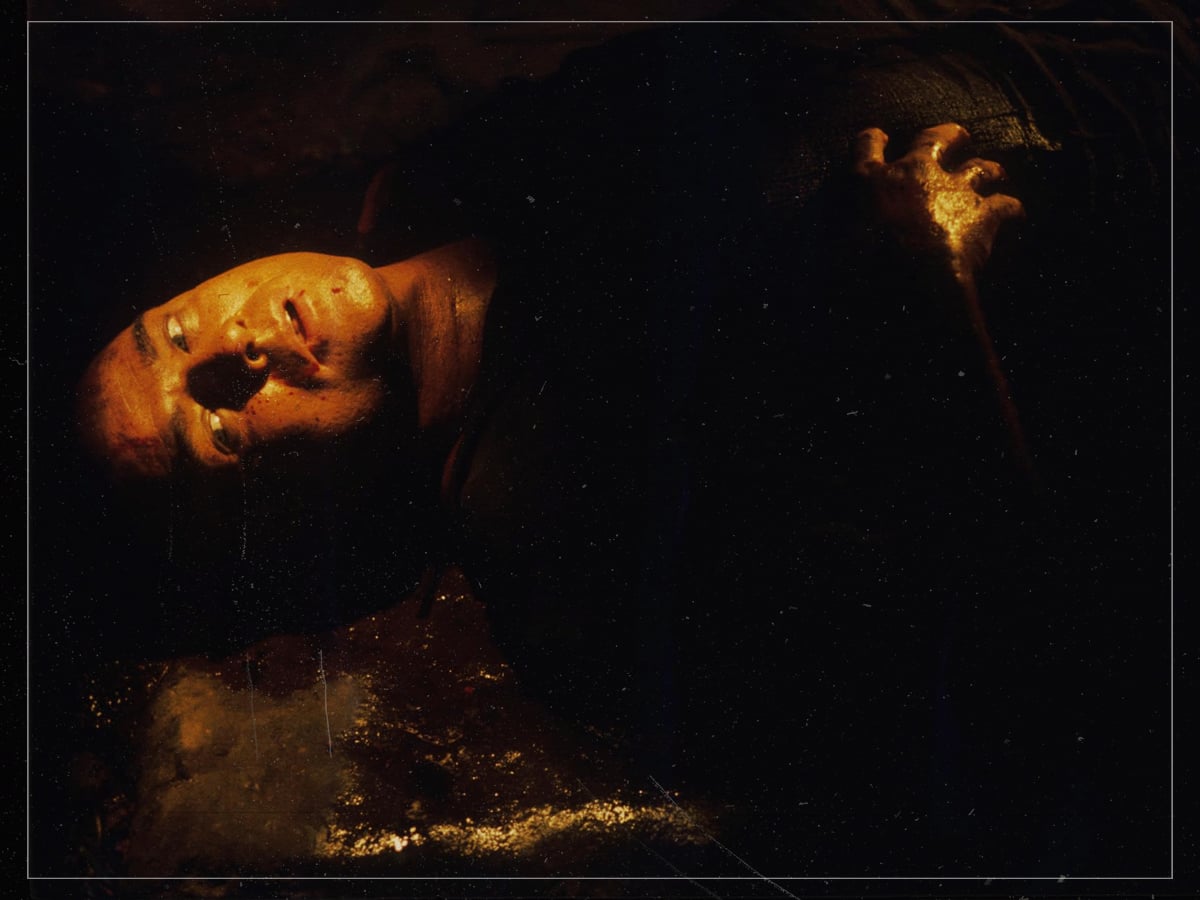
Marlon Brando had essentially given up taking acting seriously by the late ‘70s, as he wouldn’t sign on to a film if he couldn’t read his lines off of cue cards and change script pages whenever he wanted. His involvement was critical to getting Francis Ford Coppola the funding he needed for Apocalypse Now, but he made it clear that his involvement was only about the money; Brando didn’t take the role seriously because he had gained a ton of weight and blatantly refused to film any scenes with Dennis Hopper, with whom he was feuding.
While everyone making Apocalypse Now got sick of Brando’s shtick by the time that the laborious film shoot ended, he’s such a magnetic actor that his performance as the crazed Colonel Kurtz is absolutely haunting, and completely essential to one of cinema’s all-time greatest endings.
Sir Alec Guinness – ‘Star Wars’ (George Lucas, 1977)
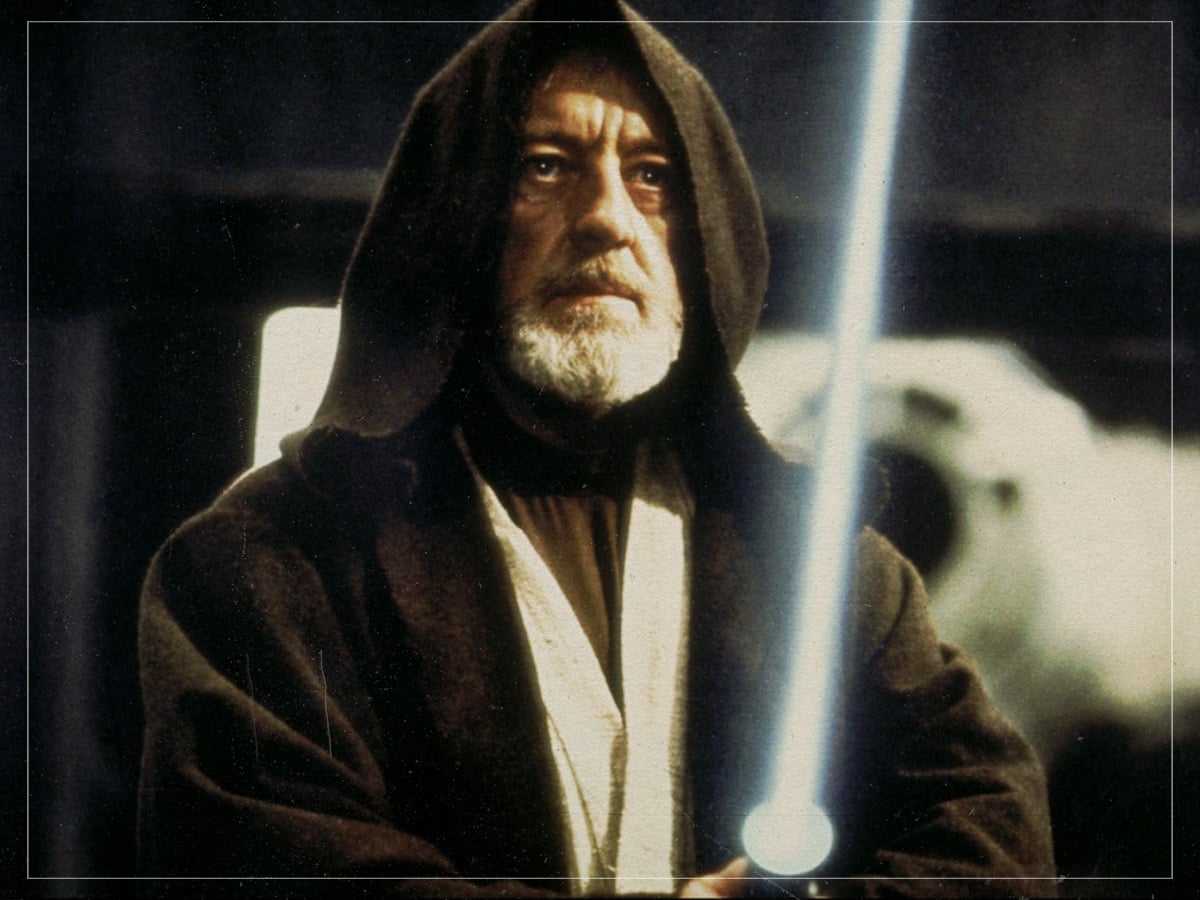
George Lucas needed a big name to play Obi-Wan Kenobi in the original Star Wars, and Alec Guinness was the next best option when Toshiro Mifune turned him down, evidently signing on with the expectations that no one would ever see it, sparing him any embarrassment, which is why he got angry when it became a success and his most famous role.
Guinness may not have seen Star Wars as anything other than a job, but he helped to create one of the saga’s most endearing characters, with Ewan McGregor trying to emulate him when he was cast as a young Obi-Wan. To date, he is the only actor to ever receive an Academy Award nomination for a performance in a Star Wars film.
Laurence Olivier – ‘Marathon Man’ (John Schlesinger, 1976)
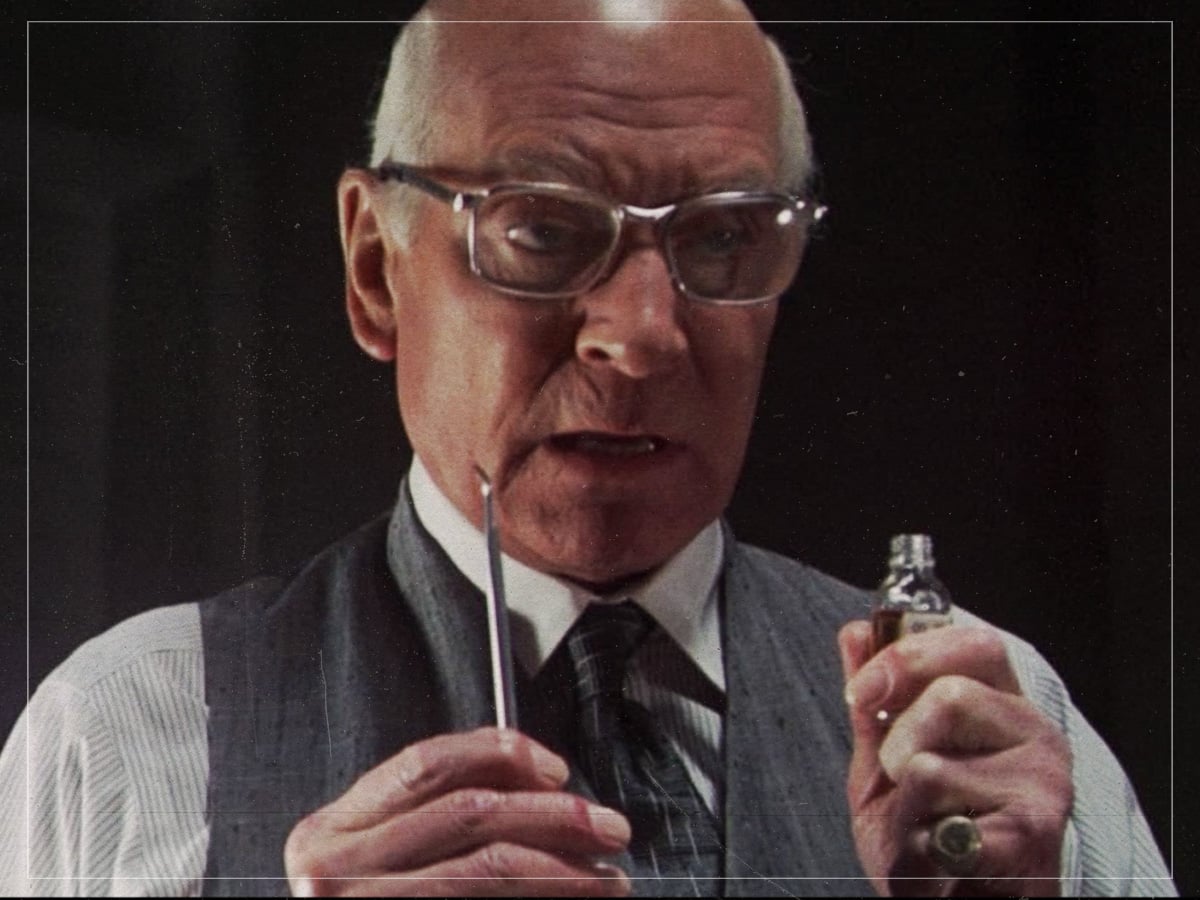
Laurence Olivier was dealing with cancer and seeking to both pay for treatments and provide for his family when he signed on to play an evil Nazi in Marathon Man, an adaptation of the eponymous hit novel by William Goldman. The veteran actor famously made fun of Dustin Hoffman for taking his part too seriously, but ended up finding more to appreciate about the film as the production continued.
Despite being a fairly commercial popcorn thriller, Marathon Man features some incredibly graphic torture scenes, giving Olivier the chance to explore evil in a way that even his Shakespearean roles hadn’t. The film wasn’t just a hit, but one that reminded audiences of what a versatile actor Olivier was, as he transformed from a traditional leading man to someone who could take on character parts, earning him an Academy Award nomination for ‘Best Supporting Actor’.
Jack Nicholson – ‘Batman’ (Tim Burton, 1989)
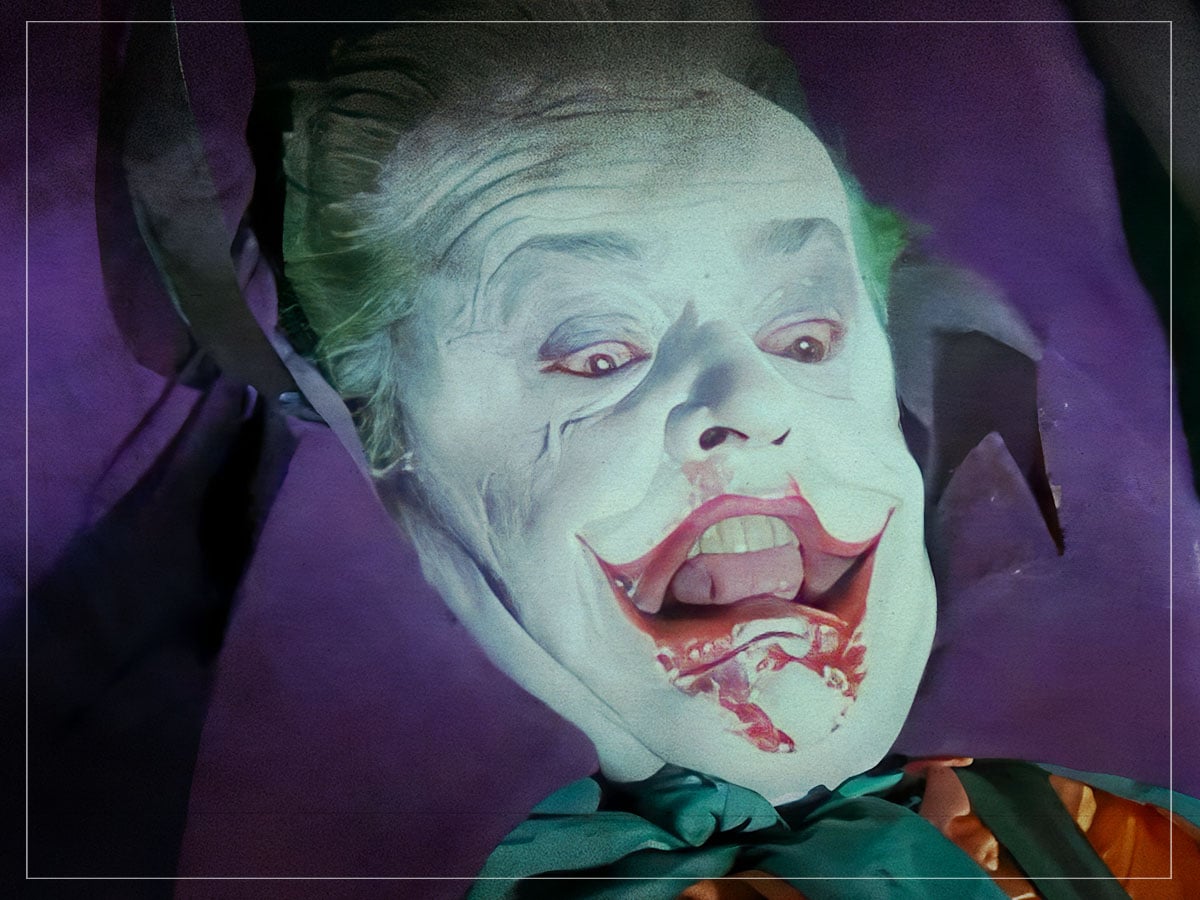
While Michael Keaton had begun to gain traction as a comedy star with Mr Mom and Gung Ho, his casting was met with befuddlement by DC comics fans, who didn’t expect to see a comedy star in the titular role of Batman. Thus, Tim Burton realised that, by getting a two-time Academy Award winner to play the main villain, he would have the freedom to cast whoever he wanted as Bruce Wayne, so he got Jack Nicholson, who received what was, at the time, the biggest paycheque ever given to an actor for his role as the Joker in Batman.
Nicholson’s performance as the Joker is one that was clearly of his own making, as it is far less faithful to the comics than subsequent iterations of the character from Mark Hamill and Heath Ledger, but it was his madness and chaos that made the film such a massive hit.
Robert De Niro – ‘Meet the Parents’ (Jay Roach, 2000)
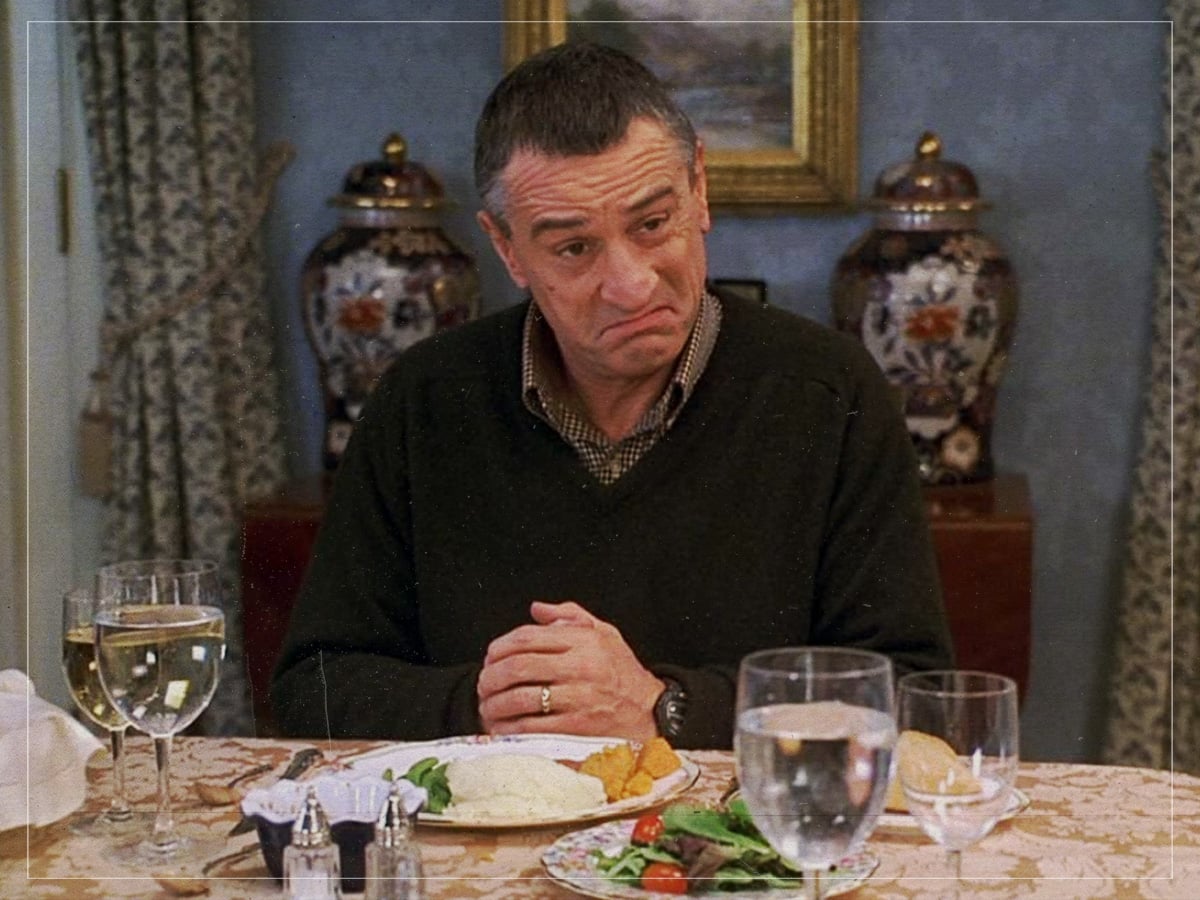
Robert De Niro was going through financial issues when he decided to pivot into comedy with Meet the Parents, released shortly after his breakthrough in the dark comedy Analyze This, a gross-out, cringe laugh-a-thon co-starring Ben Stiller and Owen Wilson. It was the opposite of what De Niro had done in the inception of his career, but it was the fact that he played his character completely straight that made Meet the Parents so hilariously awkward.
The film wasn’t just a paycheque for De Niro, but a part that he actually ended up enjoying, as he enthusiastically reprised his role in the sequels Meet the Fockers and Little Fockers, with the subsequent films also offering him a lifeline during different financial hurdles. He’s set to return to the franchise later this year with Focker-In-Law, which has added Skyler Gisondo and Ariana Grande to the cast.
Bruce Willis – ‘Red’ (Robert Schwentke, 2010)
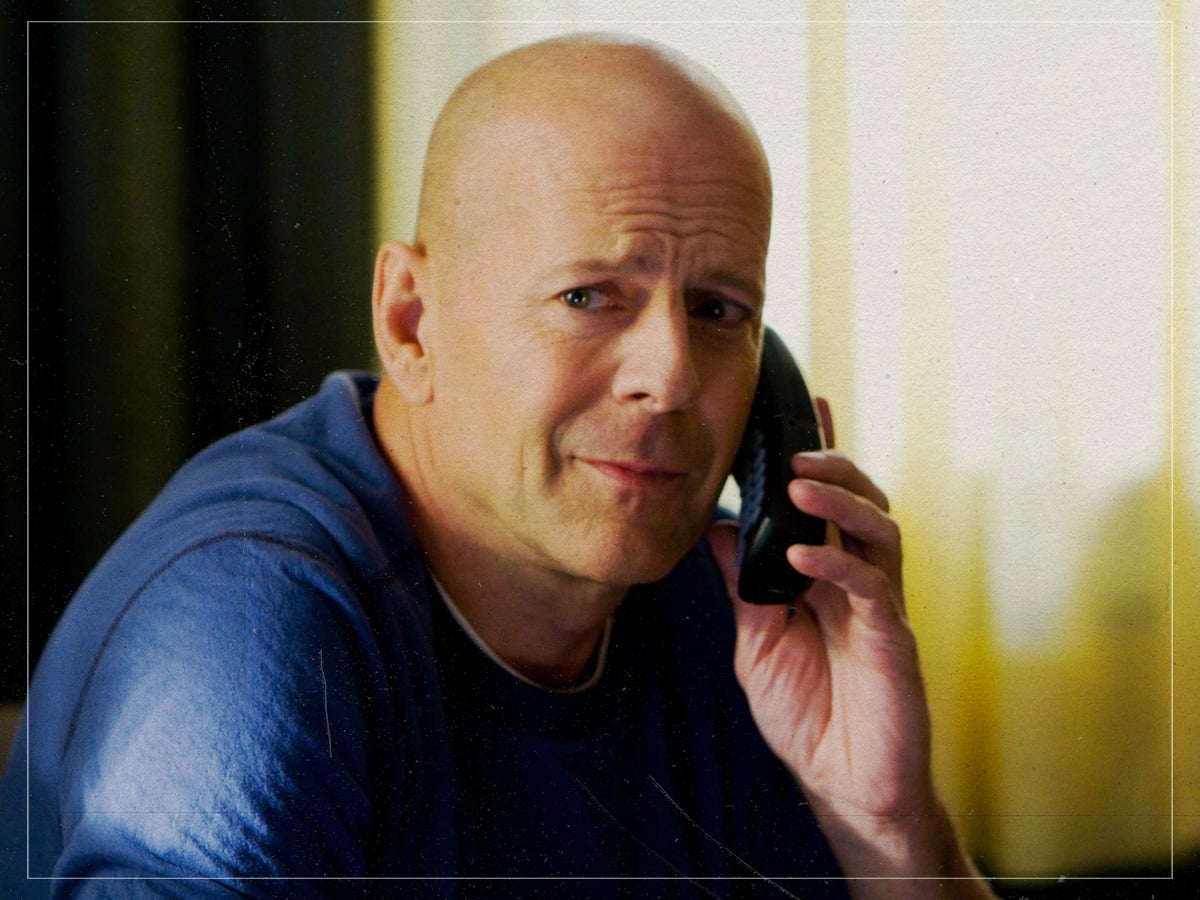
The family of Bruce Willis recently made the sad announcement that the actor had retired due to his aphasia diagnosis, but that he had been acting for quite some time in order to provide for them. While many of the films that he starred in during the 2010s were cheap, direct-to-VOD genre thrillers, he had a great late career role in Red, a satirical adaptation of a hit DC comic book.
The title Red is an acronym for ‘Retired Extremely Dangerous’, and the film gathered a cast of veteran actors to play former assassins who come out of retirement, including Morgan Freeman, Helen Mirren, and John Malkovich. Willis is hilarious as a dishevelled former hitman who tries desperately to have a normal life, despite being pulled back into the world of espionage, a great, self-deprecating role that acknowledged his history of being an action star.
Michael Madsen – ‘Species’ (Roger Donaldson, 1995)
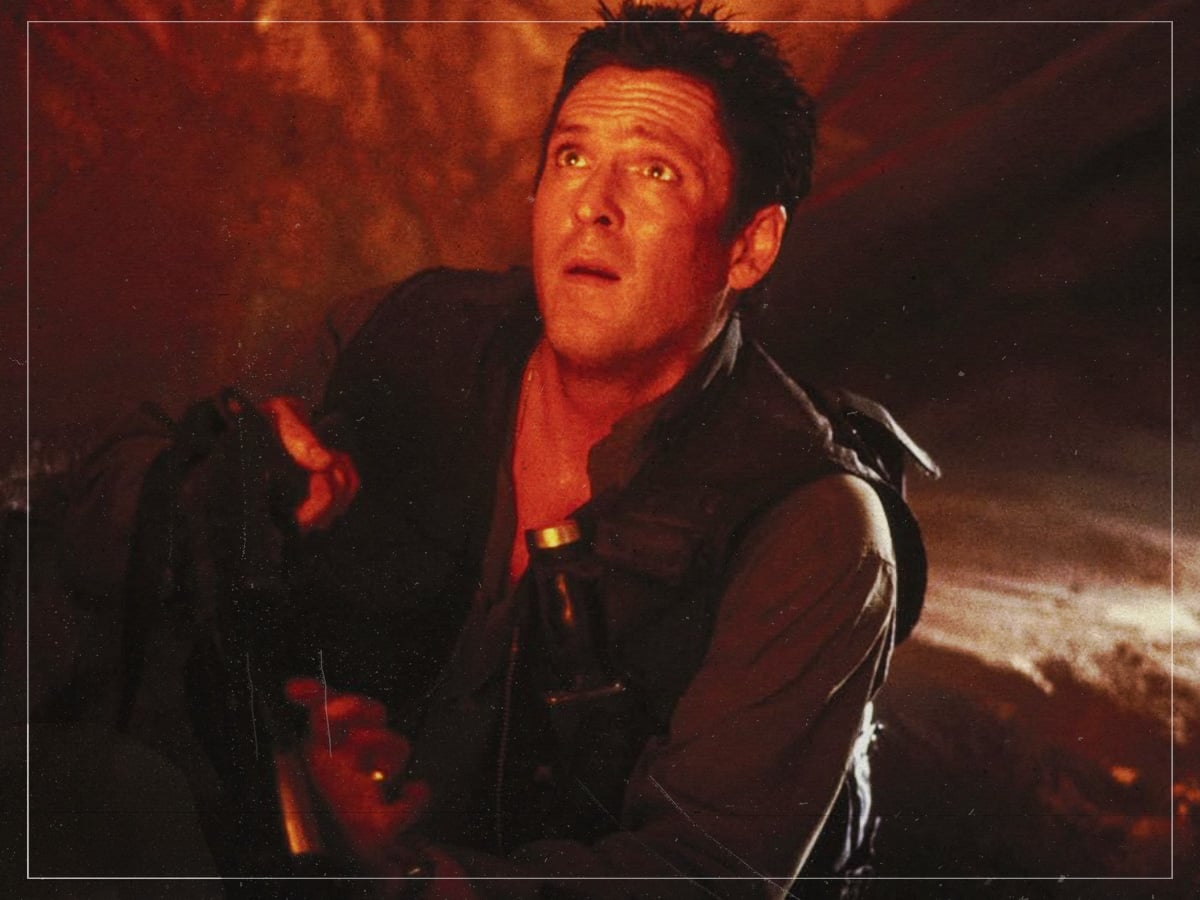
The late great Michael Madsen has always been extremely honest when discussing the film roles he took for money, and has even shown some pride in the fact that he is self-aware. His brilliance as an actor may have been best on display in classics like Reservoir Dogs and Thelma & Louise, but Species was a cheesy science fiction horror film that ended up being far more entertaining than it had any right to be.
On its surface, Species seemed like it was cheap exploitation, as it starred Natasha Henstridge in the role of a scantily clad alien seductress, but Madsen was surprisingly great as a brilliant professor and black ops expert who is called in to deal with the extraterrestrial threat, and even proved himself to be a fun romantic lead, thanks to the great chemistry that he had with Marg Helgenberger.
Nicolas Cage – ‘The Unbearable Weight of Massive Talent’ (Tom Gormican, 2022)

Nicolas Cage went through an infamous period in his career where he basically signed on to any film that was offered to him due to IRA payments he owed for excessive spending. While he was able to work on a few passion projects like Pig and Joe in between his many direct-to-VOD projects, he unexpectedly gained a late career resurgence because of how much ironic appreciation his over-the-top performances had received.
The Unbearable Weight of Massive Talent earned Cage his biggest paycheque since National Treasure 2: Book of Secrets, and gave him the rare opportunity to play a fictionalised version of himself who takes an unusual job from a superfan (played by Pedro Pascal) for the money. The irony of Cage playing a strapped-for-cash version of himself when he was actually facing financial issues resulted in a very odd, charming film that could only have starred him.
Ben Kingsley – ‘Shutter Island’ (Martin Scorsese, 2010)
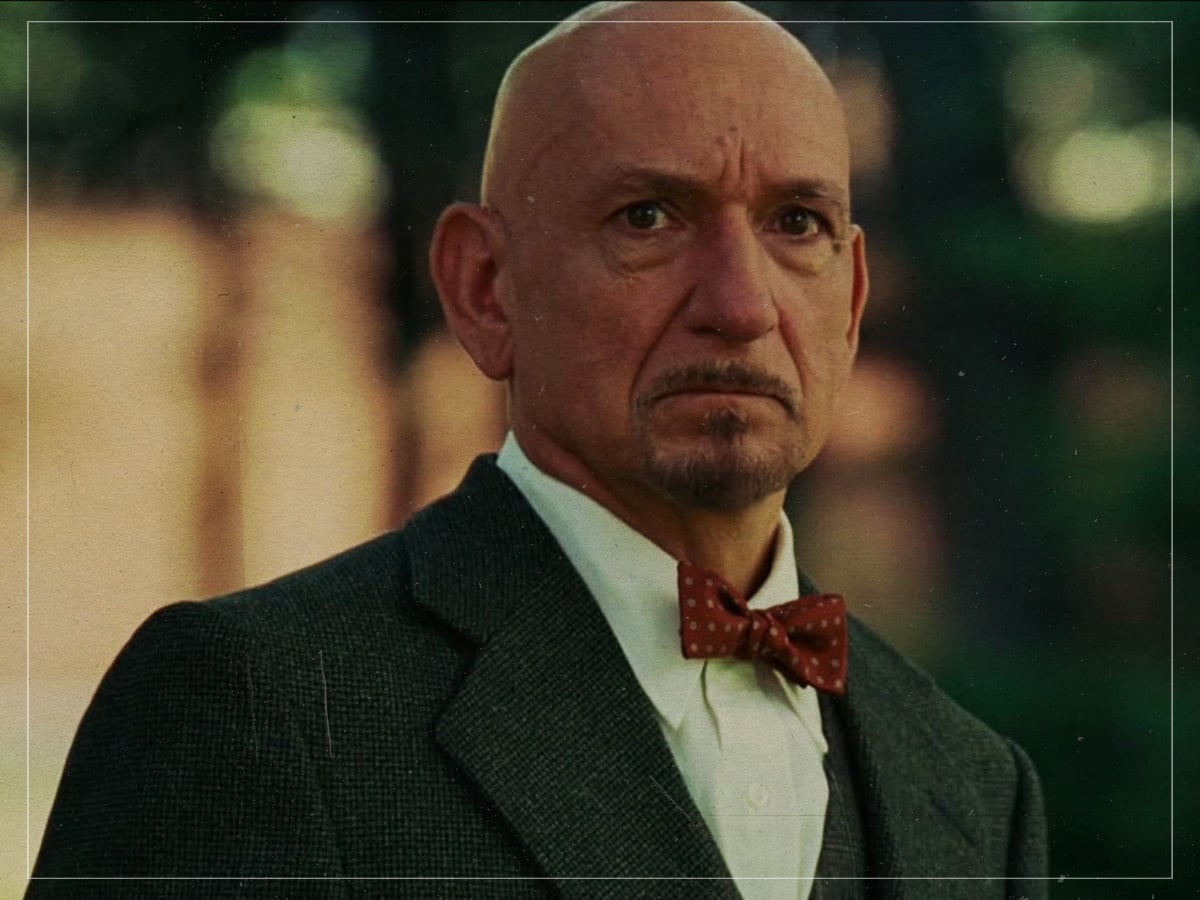
Ben Kingsley is a brilliant actor with a remarkable ability to conjure up characters, but anyone who thinks he’s entirely committed to quality just needs to look at his IMDB credits for the last 20 years, where he pops up in all sorts of films that no one has ever heard of, including a recent historical epic that was funded by Saudi Arabia’s film industry.
Kingsley seemed like an odd choice to play a small part in a film directed by a legend like Martin Scorsese, but Shutter Island benefited from his steely performance as a mysterious character whose context in the story changes after a shocking plot twist. That the actor was able to switch between intimidating and reasonable on a moment’s notice shows what an acting genius he is, with Shutter Island ending up being one of the highest-grossing films ever directed by Scorsese, who also brought Kingsley to star in his subsequent film, Hugo.
Burt Reynolds – ‘Boogie Nights’ (Paul Thomas Anderson, 1997)
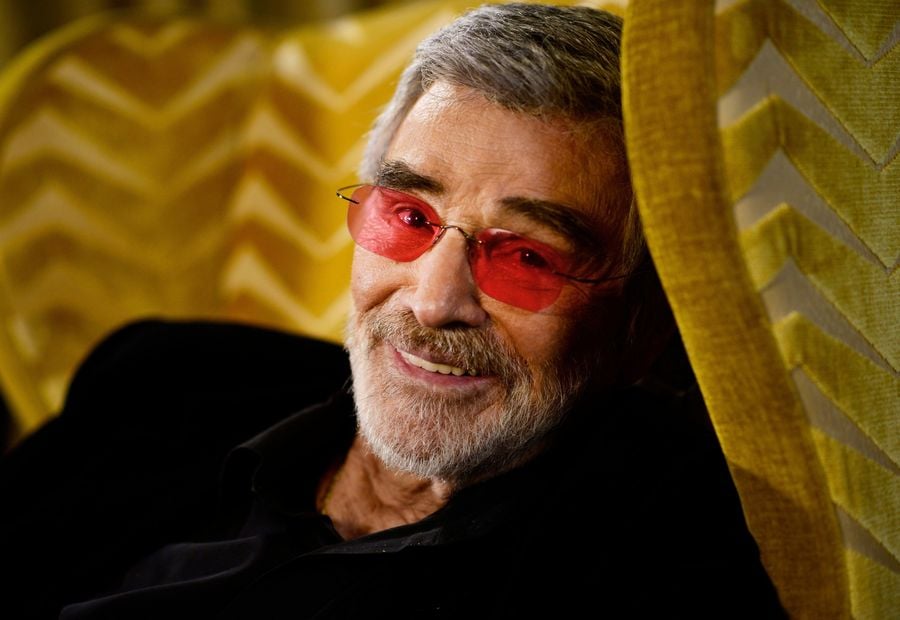
Burt Reynolds was able to reignite momentum in his career thanks to Boogie Nights, but he went on to disparage both the project and Paul Thomas Anderson, famously seeing it as an ‘immoral’ film that he only signed onto because he was facing financial ruin, coming off a failed sitcom, and becoming a laughingstock in Hollywood.
That doesn’t change the fact that Jack Horner is a brilliant, tragic, and at times terrifying character who served as the anchor around whom all the other outsiders and loners of Boogie Nights gather. Horner was a dark inversion of Reynolds’ own experiences as a faded star, which made the character even more powerful, earning him the only Academy Award nomination of his career for a film that was one of the best of the ‘90s.
