


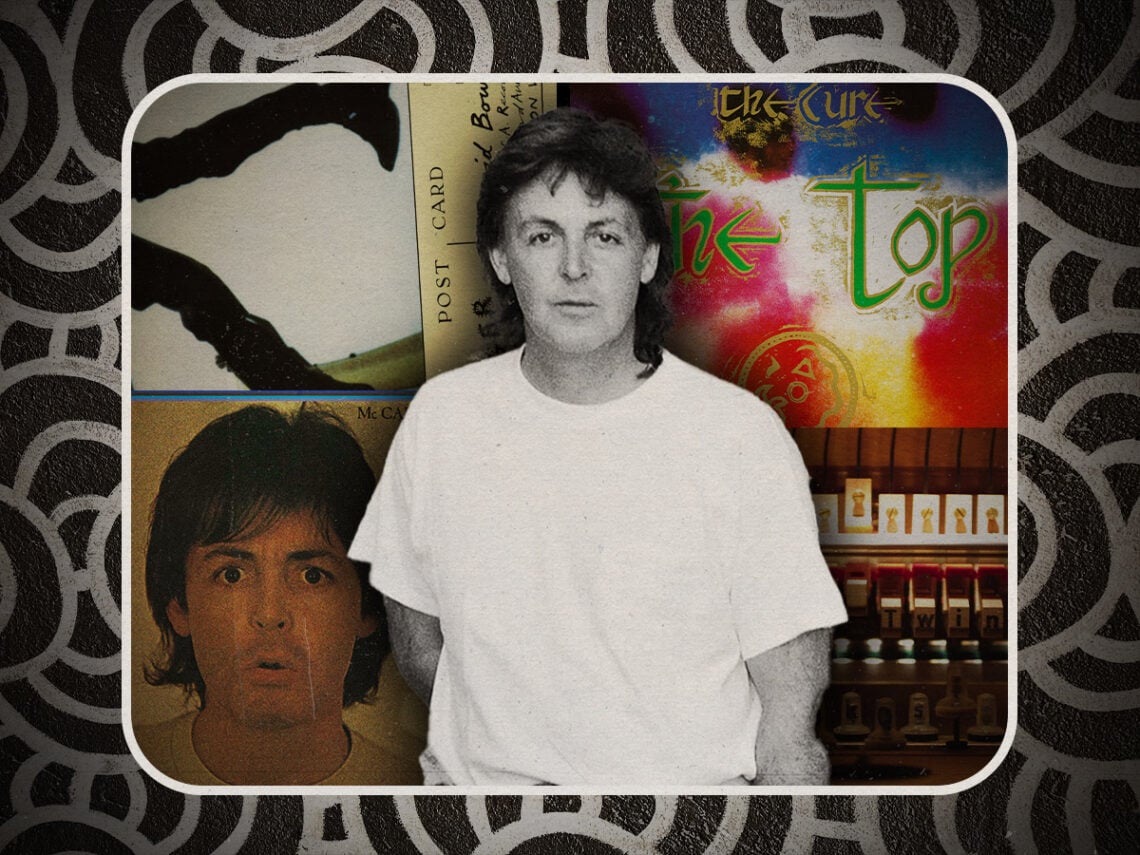
10 albums that get better every time you listen

No album can forge such an intimate relationship with a fan as the ‘grower’ LP.
Firstly, any band can congratulate themselves for garnering such a fanbase willing to sit with their maverick rule-breaking in full earnestness, eagerly coaxing the hidden greatness that clearly, obviously, must be present amid the stylistic detour or aggressive experimentalism defiantly charging their LP gift to the world.
It’s a necessary process. The hardcores stick with the ‘grower’ and hype up the album as a rewarding and severely underrated statement that deserves a greater mainstream stature. It can take years, but the hard efforts of such appraisal can eventually turn commercial fortunes and critical consensus around, some of the entries below sitting among respective oeuvres as an essential totem decades after the fact.
A rule of thumb for any band entering the studio with a restless artistic drive is that, if you’re willing to forgo a little immediate chart reception, and you stick to your creative guns, you’ll likely create a future lauded LP gem that ages like fine, vintage wine. In such bold spirit, take a look at our list below of the records that glean a new sonic detail, shed a little deeper conceptual light, or offer an ever-perfecting experience every time you stream, play, or drop the needle on that evergreen release.
10 albums that get better every time you listen:
The Stranglers – ‘The Gospel According to the Meninblack’
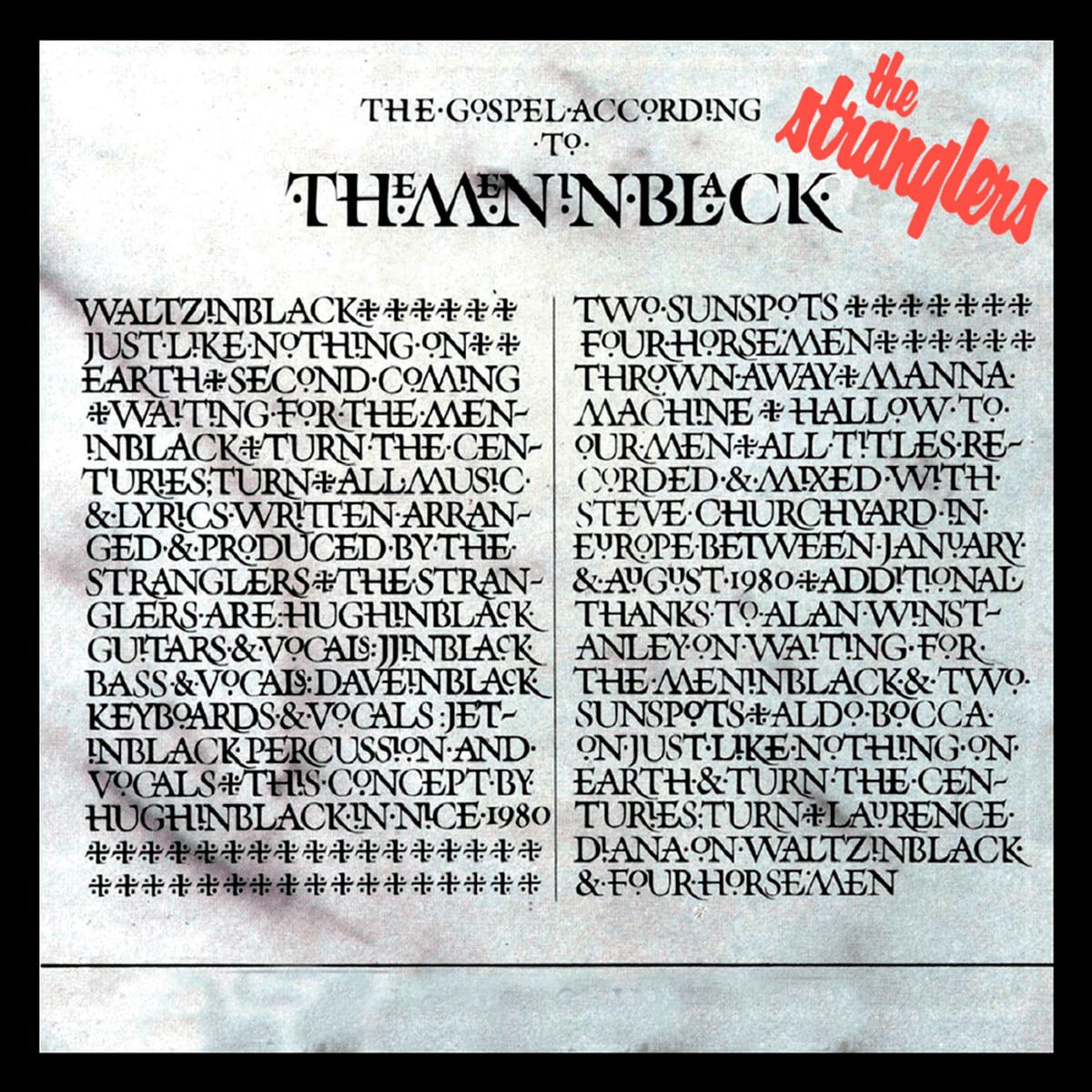
Release Date: February 1981 | Producer: The Stranglers | Label: Liberty
For the casual fan, it’s likely you’ll either gun for The Stranglers’ early ‘No More Heroes’ output or jump straight to La Folie to bask in ‘Golden Brown’s opiate waltz. It’s a shame, as in the late 1970s/early 1980s sit some of Guilford’s greatest cultural exports’ most eccentric yet enduring work.
It was a tough sell for even the day’s punks. Slathered in an electronic sheen courtesy of Dave Greenfield’s synthesisers, The Stranglers penned a conceptual album lyrically concerned with ufology and alien visitations that hit fans and the charts with dumbstruck bafflement. But time has been kind to The Gospel According to the Meninblack, marking one of the most daringly evocative albums of the decade and a subversive new wave gem.
Slint – ‘Spiderland’
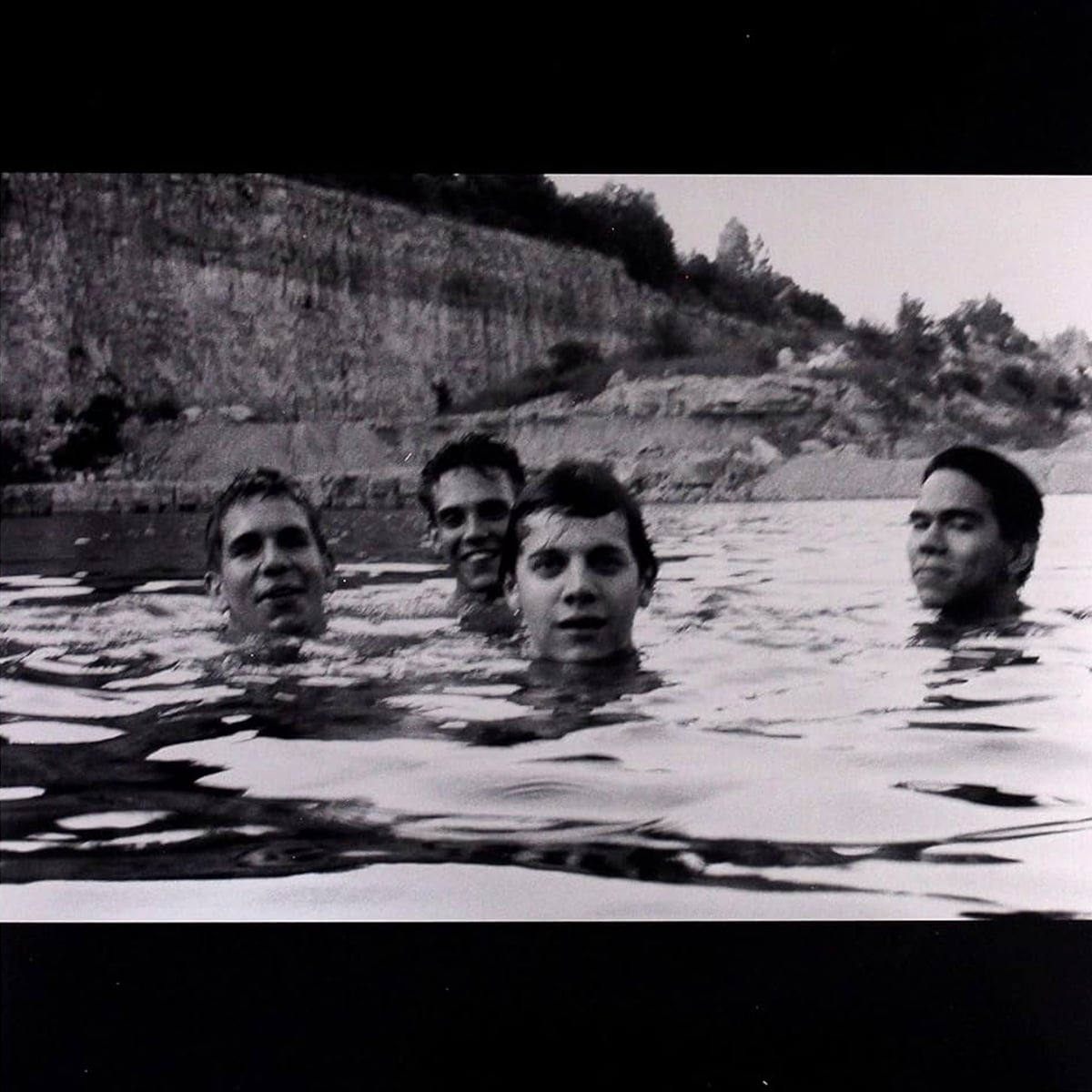
Release Date: March 1991 | Producer: Brian Paulson | Label: Touch and Go
Spiderland really is the perfect title for Slint’s acclaimed sophomore. Expanding on the terrain established with their debut, the post-rock quartet wander a terse and nervy jam of wriggling idiosyncrasies and twitching dissonance, glaring at the listener like the febrile stare of a giant indie arachnid.
While certainly making a splash in the US alternative underground, Spiderland’s stature has only ever grown since. Masterful wields of tension, whispered vocals cooing unease, and diquieting blasts of punk seethe and swirl around Slift’s final LP effort, a cobwebbed album full of aural cracks and crannies yielding new specks of intrigue every time their backwaters album is intrepidly ventured.
Paul McCartney – ‘McCartney II’
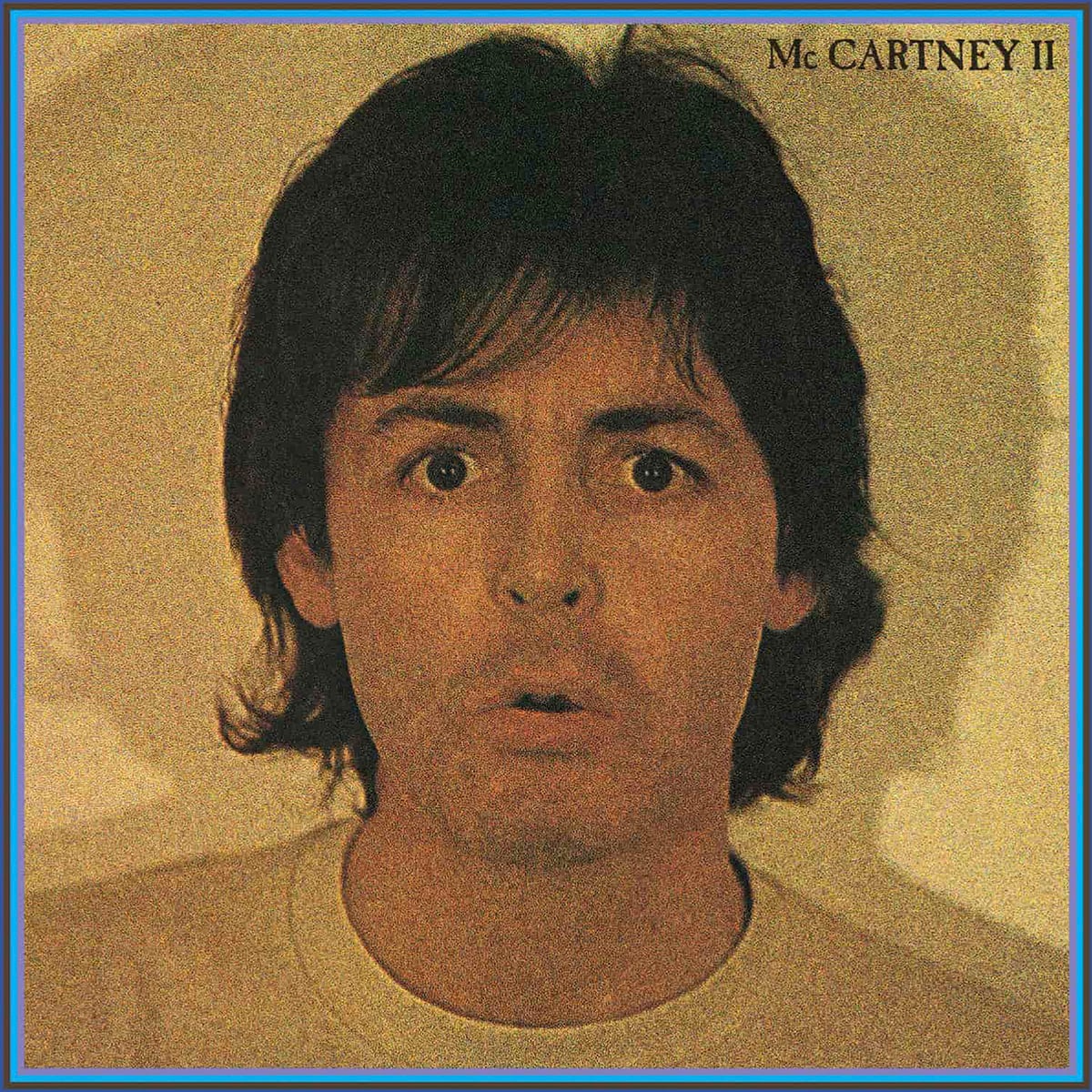
Release Date: May 1980 | Producer: Paul McCartney | Label: Parlophone
After the years ploughed into the Wings project with ever-diminishing results, Paul McCartney decided to go it alone for the time since his first solo efforts ten years earlier, letting loose with his collection of synths and cutting a sprightly electronic experiment that struck a UK number one and offered his last bona fide gem with lead single ‘Coming Up’.
Such slack and intimate air keeps nudging McCartney II higher and higher up the former Beatle’s LP stature, with many detractors admitting an affection for his 1980 LP. Shining brighter as the years roll by, wonky absurdities like ‘Temporary Secretary’ or the majestic ‘Waterfalls’ make you wish Macca had tried to fish further jewels from the pool of electronic exploration.
The Cure – ‘The Top’
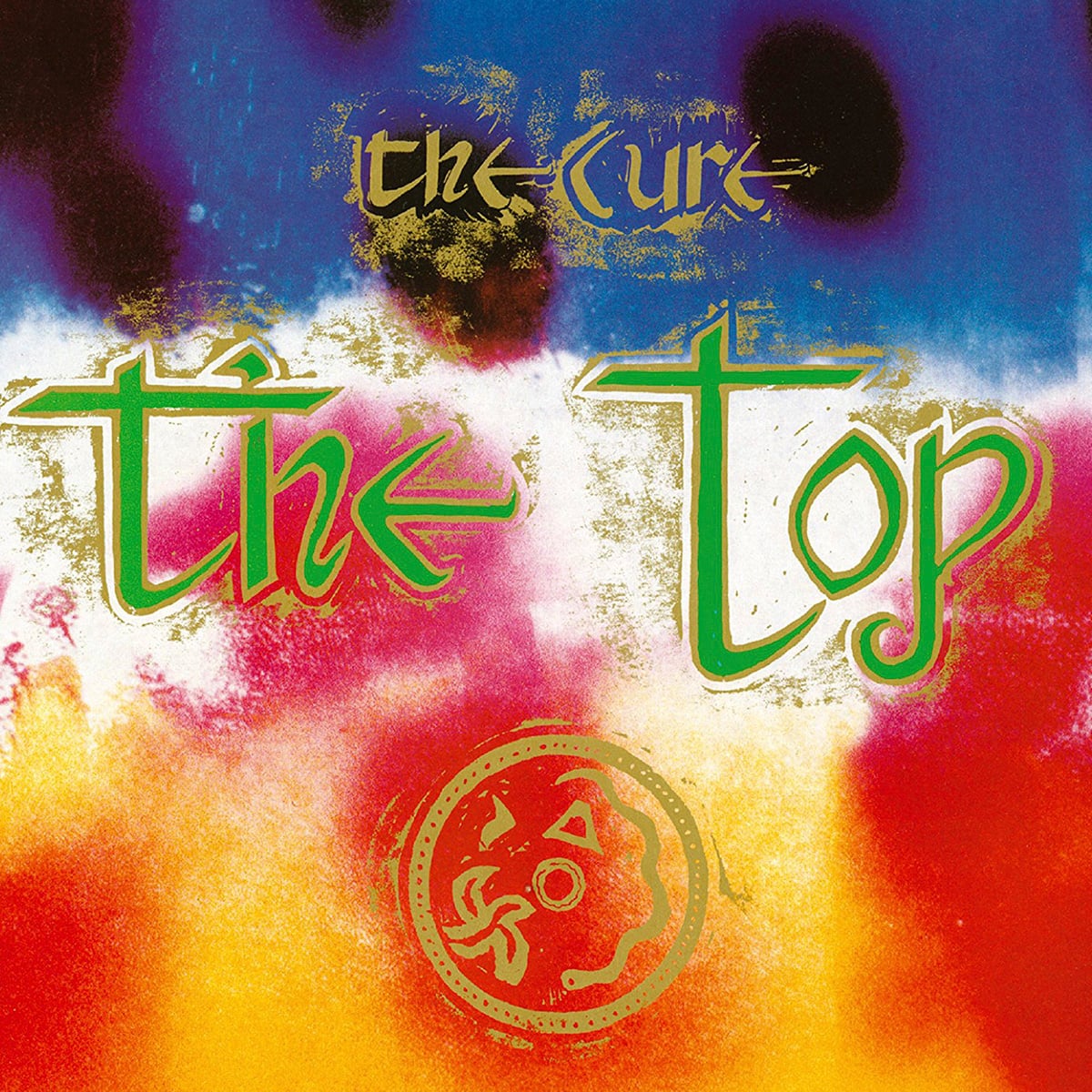
Release Date: May 1984 | Producer: Robert Smith, Chris Parry, and David M Allen | Label: Fiction
The months of 1984 were a hectic time for Robert Smith. Not long after releasing The Glove side-project behind him, as well as marrying guitar duties for Siouxsie and the Banshees, The Cure frontman corralled a fractured and exhausted band to the studio with a fresh pot of psilocybin mushroom tea for most sessions to cut their first LP proper since shaking off their goth doom.
The Head on the Door would kickstart their 1980s domination, but The Top’s lysergic fancy gives the former a serious run for its money. Wading through its mixed critical reception and lower-tier presence in the Cure canon, conjurings like ‘Bananafishbones’ and ‘Dressing Up’ bloom with fiercer potency upon repeat listens, lifting the entire forgotten record as the band’s biggest secret weapon over 40 years later.
Neil Young – ‘Tonight’s the Night’
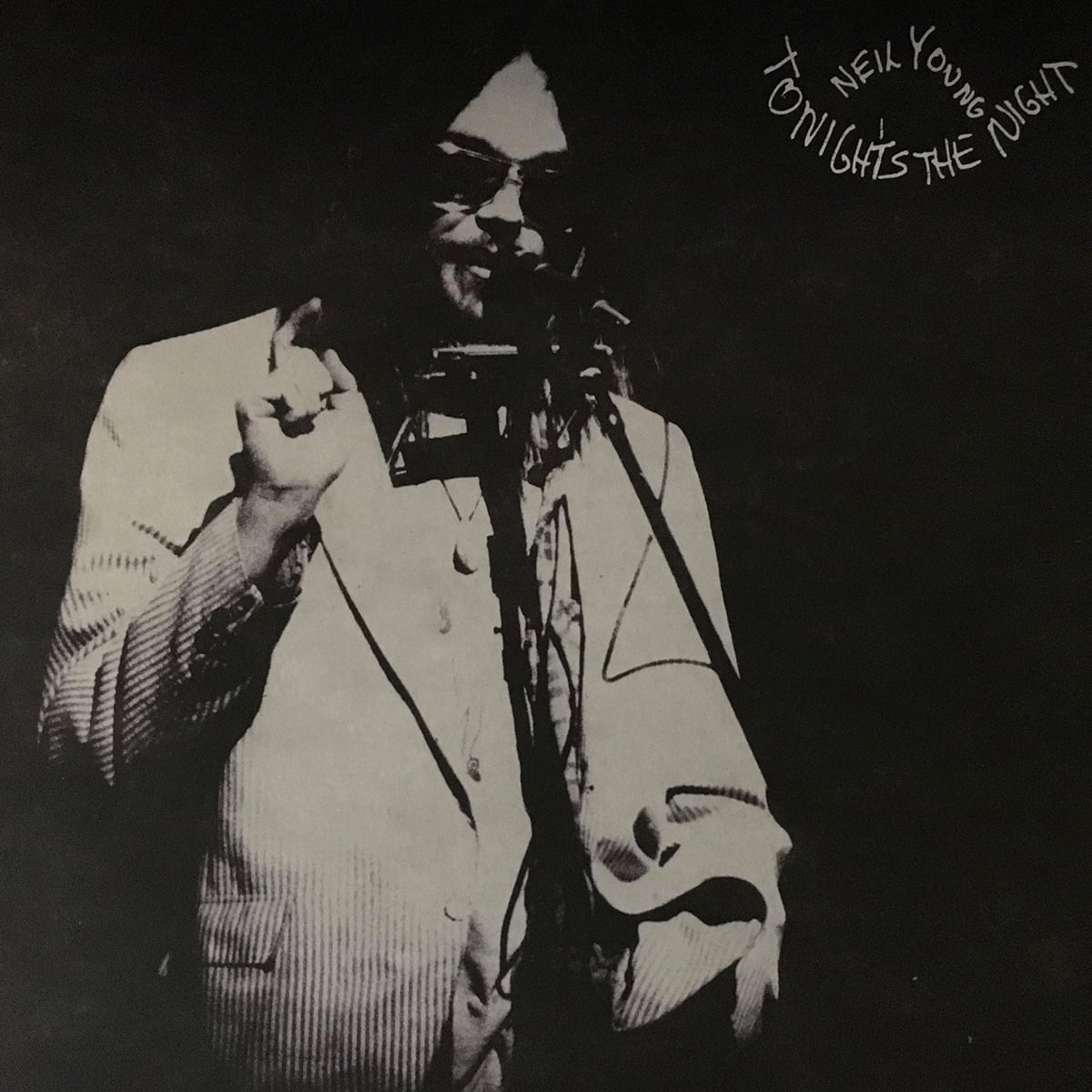
Release Date: June 1975 | Producer: David Briggs, Neil Young, Tim Mulligan, and Elliot Mazer | Label: Reprise
Such a bad vibe had been captured on Tonight’s the Night that Neil Young’s sixth album sat in the can for nearly two years while the singer-songwriter figured out what exactly to do with such a raw and broken country rock document. Pain sits in all its aching gnaw at the heart of Tonight’s the Night, one slapdash LP grieving the loss of Crazy Horse guitarist Danny Whitten and roadie Bruce Berry to the scourge of heroin addiction.
Such a mournful shadow can perturb on early listens, but Young’s unveiling of wounded vulnerability beckons with captivating sting on every spin, rolling out of the speakers with an almost bluesy phantasm that still possesses the power to spook with its serrated confessionals.
Aphex Twin – ‘Drukqs’
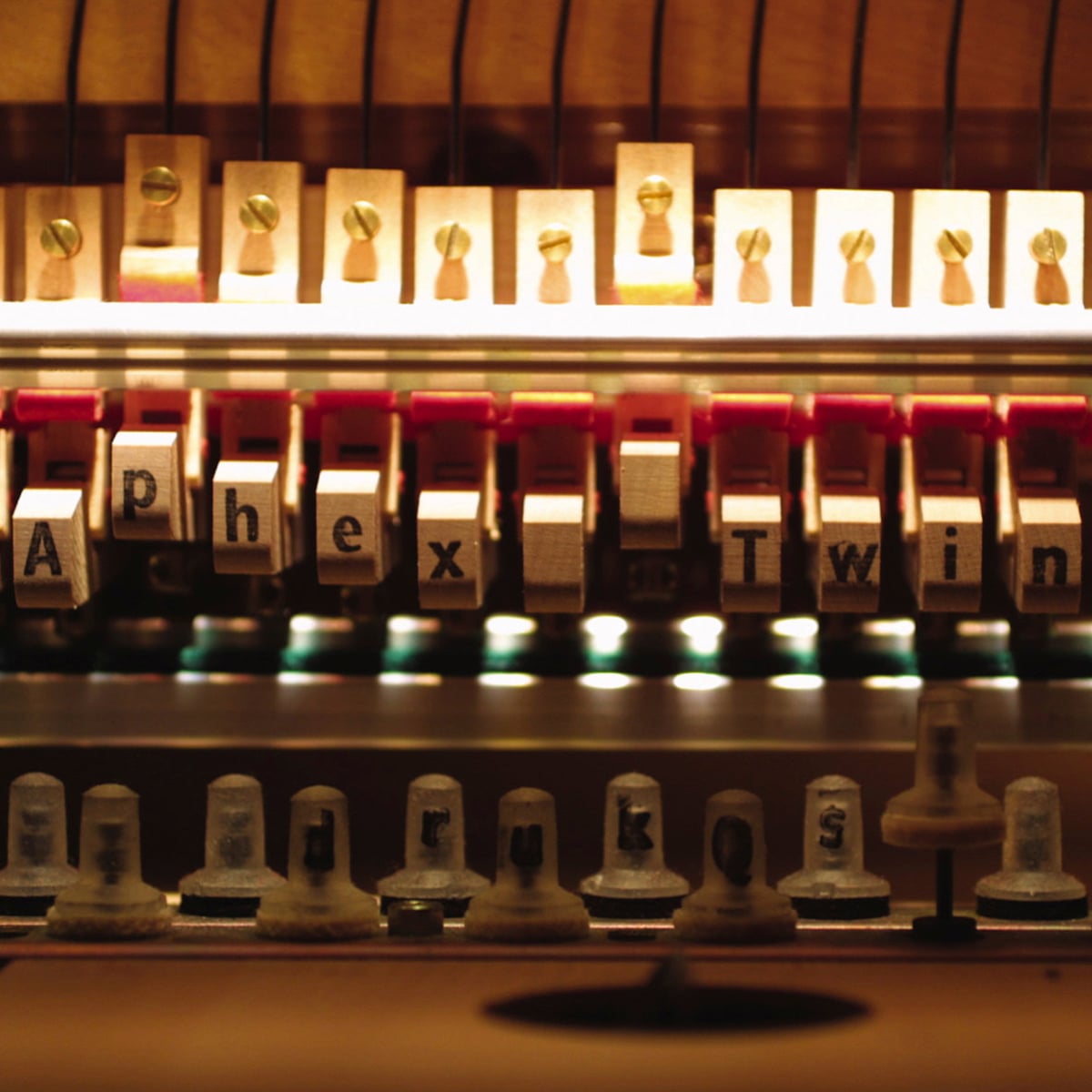
Release Date: October 2001 | Producer: Aphex Twin | Label: Warp
Across the 1990s, Aphex Twin was enjoying something of a King Midas’ touch, every album and EP flung out of Richard D James’ Warp Records whirlwind showered with rave reviews from the electronica underground and broader alternative music world with aplomb. He reigned supreme until hitting a critical thud with 2001’s Drukqs.
A hefty double album of electroacoustic piano pieces and crushing digital jungle drill ‘n’ bass, accusations of cumbersome unfocus aren’t without merit. But when mustering up the energy to sit with Drukqs’ confounding scope, some of James’ finest creations are gleaned amid the frenzied acid attack. ‘Avril 14th’ and ‘QKThr’ have taken a life of their own, but cuts like ‘Afx237 v.7’ and ‘Vordhosbn’ seize the senses with programmed pugilism in the best Aphex Twin tradition.
David Bowie – ‘Lodger’
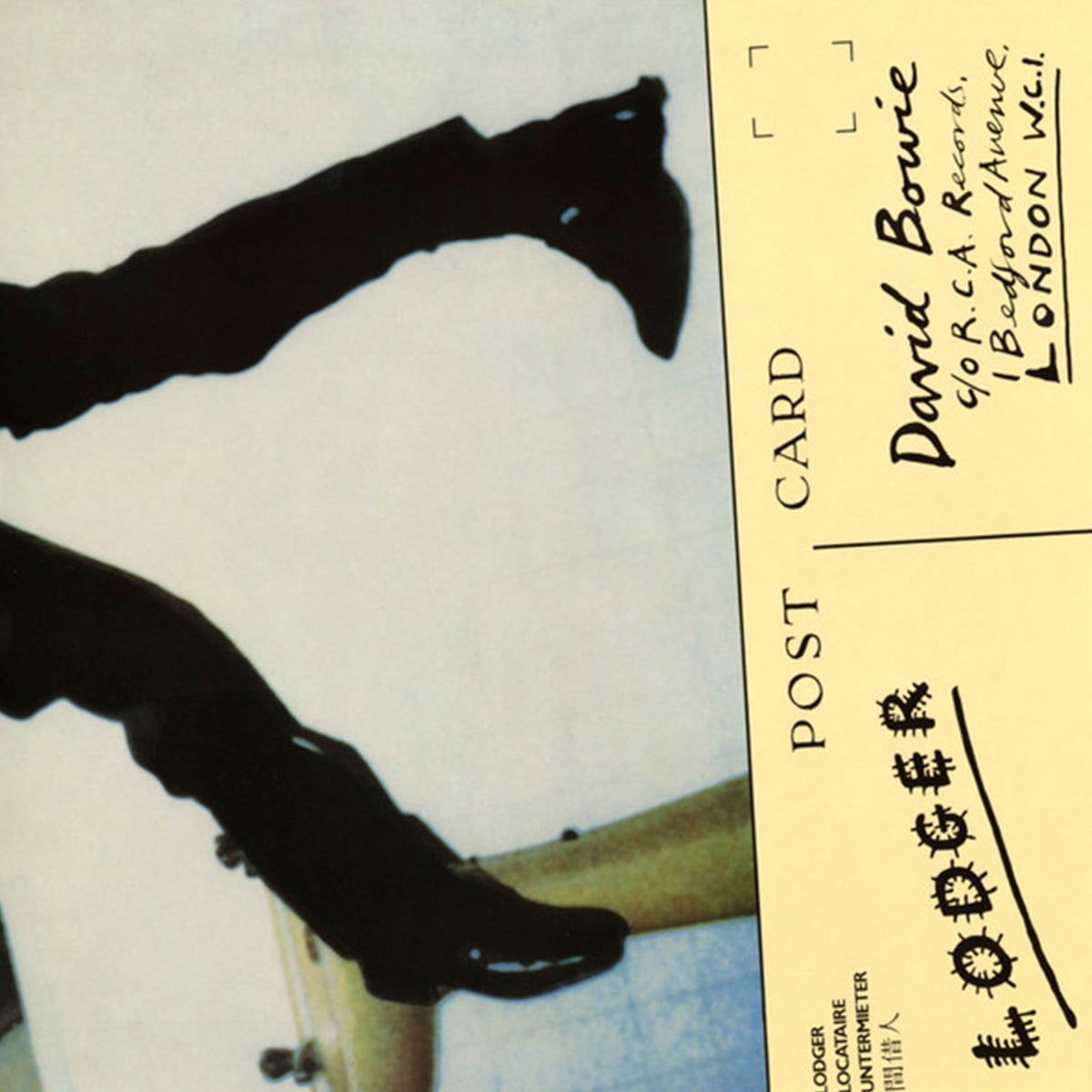
Release Date: May 1979 | Producer: David Bowie and Tony Visconti | Label: RCA
It’s supposedly the last of the so-called ‘Berlin Trilogy’ despite being cut in Switzerland and New York, but 1979’s Lodger can often be skirted past by even the most dedicated David Bowie head when perusing his late 1970s experimental chapter. It doesn’t help that his tucked-away LP sits sandwiched in between the career heights of “Heroes” and Scary Monsters (and Super Creeps).
As ever, Bowie and Brian Eno in the studio together is always going to spark some level of musical intrigue. Moving away from the prior LPs’ chiller synth brood, Lodger flexes a little polyrhythmic world wave and mutant-disco that grooves into the affections with more and more listens, tracks like ‘DJ’ and ‘African Night Flight’ destined to stand as Bowie favourites every time Lodger is dusted off for another crack.
SUNN O))) – ‘Monoliths & Dimensions’
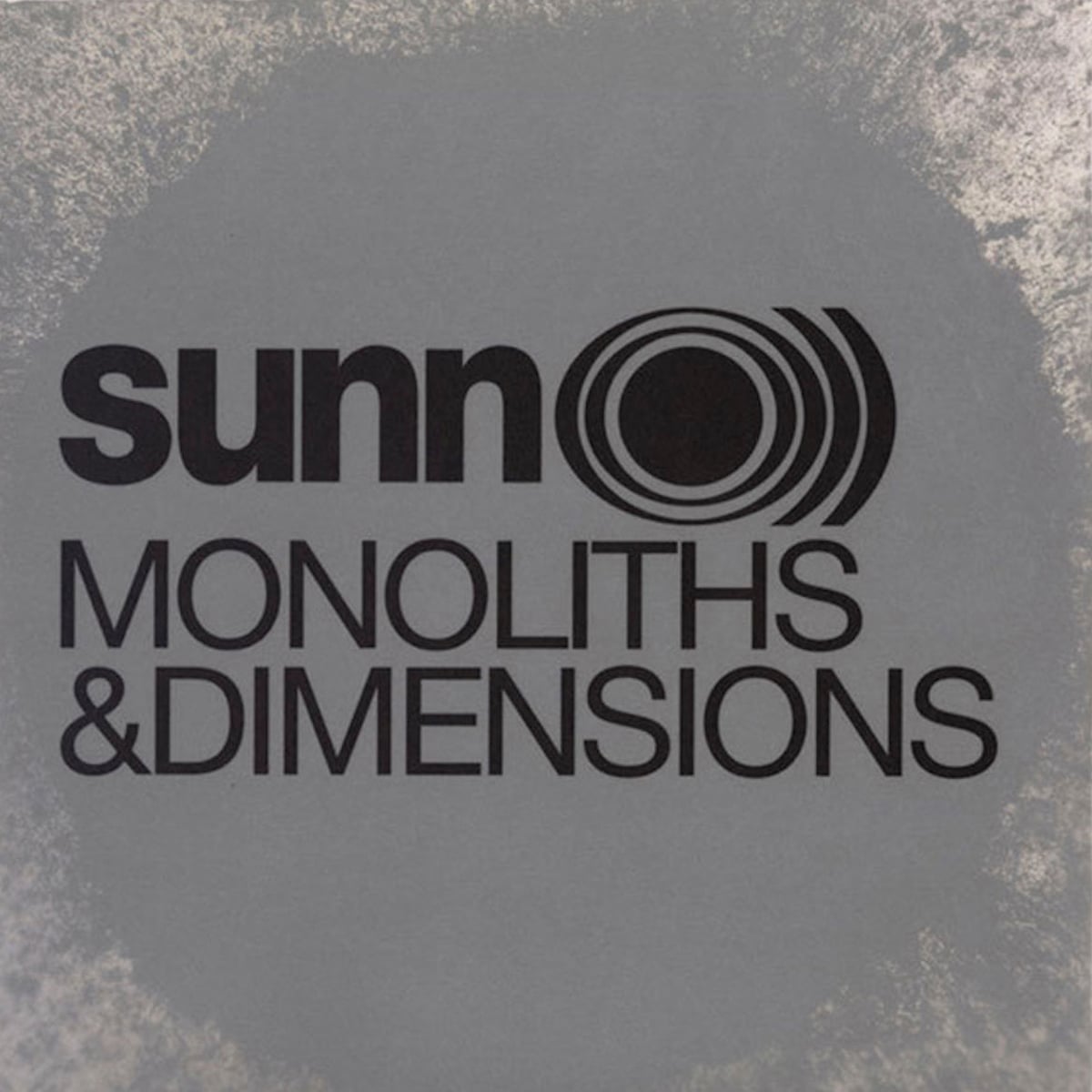
Release Date: May 2009 | Producer: Mell Dettmer and Randall Dunn | Label: Southern Lord
The first few seconds of ‘Aghartha’s thunderous doom are enough to scare off most for good. But Seattle drone lords SUNN O)))’s masterful wield of avant-garde metal manages to plumb the gripping depths of arcane mysticism when their robes are up and wandering that folkloric ether mage members Stephen O’Malley and Greg Anderson seem to hold the keys to.
As abyssal and netherworld as its black hold cover, Monoliths & Dimensions initially engulfs with its metal swallow, but soars into a transcendental bliss of classical ambience once the record stops spinning. Each play of SUNN O)))’s defining opus established a new realm of esoteric dwelling, offering a heavy relic that offers something for even the jazz fans and appreciators of minimalism.
Portishead – ‘Third’

Release Date: April 2008 | Producer: Portishead | Label: Island
Nobody loathes the trip-hop tag more than Geoff Barrow. Such trite labels were keenly quashed by the Portishead trio when attempting their third LP in earnest, doing away with their signature downbeat scratches and samples, Bristol breakbeat and hurtling steadfast toward a gallant canvas of post-punk, icy electronica, krautrock rhythms, and weird detours of bleached-out psychedelia.
Such a heady brew will prove tough for the most committed Dummy fan, but repeat listens of Third reveal a fierce creative core firing away amid the Portishead camp, a thrilling clamour at new and confounding sounds that, before long, surpass anything the trio had unearthed in their 1990s heyday.
Captain Beefheart – ‘Trout Mask Replica’
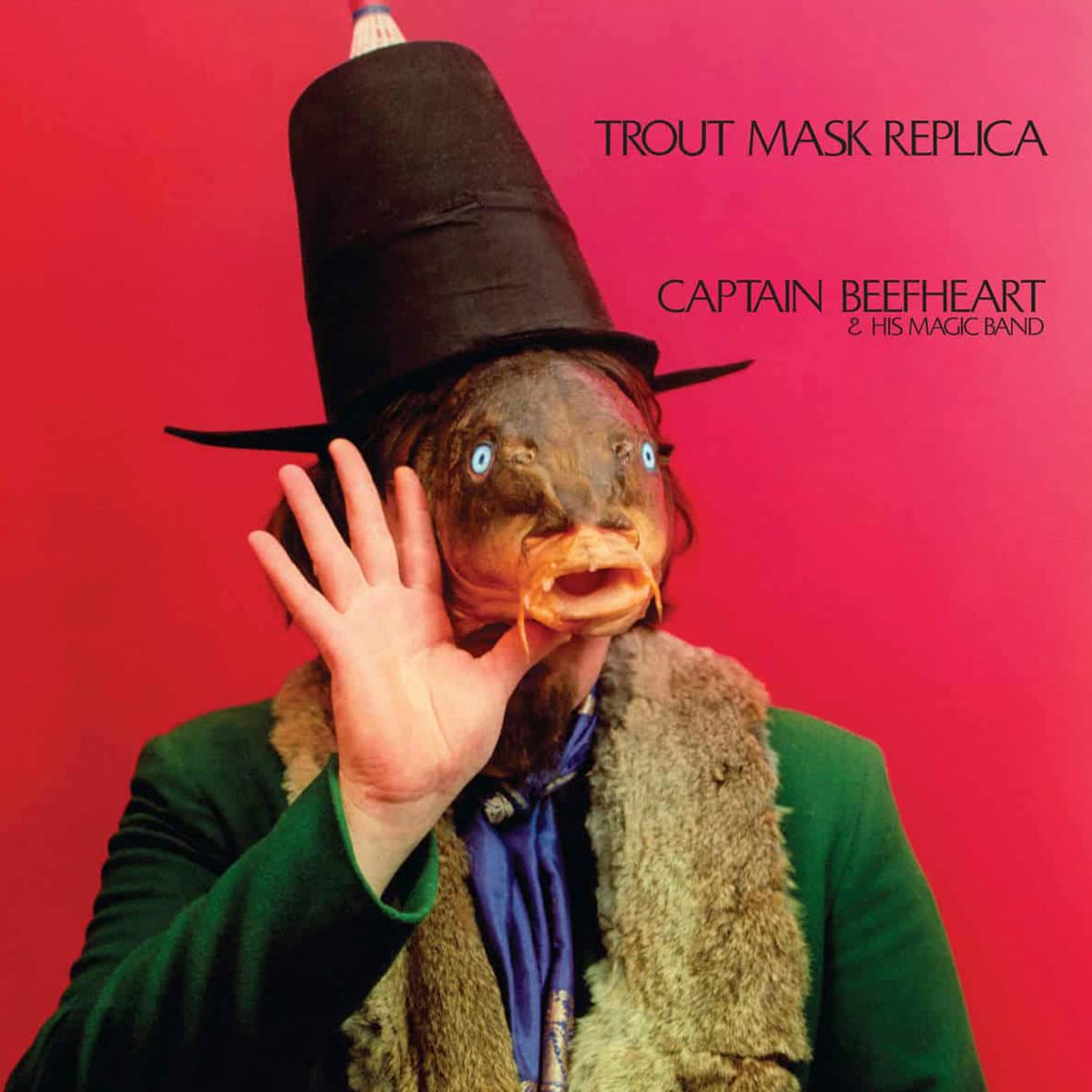
Release Date: June 1969 | Producer: Frank Zappa | Label: Straight
There’s no greater example of the album ‘grower’ than Trout Mask Replica. Surrounded by a reputation for maddening impregnability, Captain Beefheart and His Magic Band’s snarling opus indeed revels in its avant-garde chaos, lifting the prior LPs’ junkyard blues and R&B rust but stretching and elongating in a cross-eyed arrangement of jamming atonality.
Are there rewards to reap? Yes, but with a lot of patience and zen-like allowance of Beefheart’s freaky growl. It’ll take several spins, but eventually, shapes and forms begin to materialise within the Magic Band’s lunatic art rock. Feverishly awaiting in the rock and pop canon for curious music fans with a high psychological threshold, Trout Mask Replica is a hard fish to catch, but well worth the effort once its writing surrealist bite is finally in your hands.
