Kőbánya: Inside Budapest’s underground wine and beer cellar

It doesn’t matter where you are in the world, or at what point in history, there’s one universal thing that’s defined us as humans, and that’s a love of alcohol, whether that’s a glass of wine or a pint of beer.
Honestly, to me, nothing hits like that first sip of a cold beer. There are some great beers in life, the Weatherspoons-in-the-airport-holiday beer, the post-work beer, the post-five-a-side beer, the 19th hole beer, the shower beer, the opening salvo of an all-dayer, the list goes on.
I don’t know about you, but one other thing that my friends and I are obsessed with is tunnels, and not in a mole-like way; we are fascinated by places like Poland’s Wieliczka Salt Mine and the catacombs of Paris and the mystery and conjecture about hidden tunnels full of Nazi loot, or advanced weapons being developed in bunkers under Antarctica.
Thus, imagine my joy when I found out that Budapest has hidden, underground wine and beer cellars that stretch for 22 miles, that’s more than 35km, underneath one of Europe’s greatest stag-do cities, and sadly, while these tunnels aren’t full of barrels of Madri, ready to be guzzled, they still hold an incredible history, so let’s get sucked in.
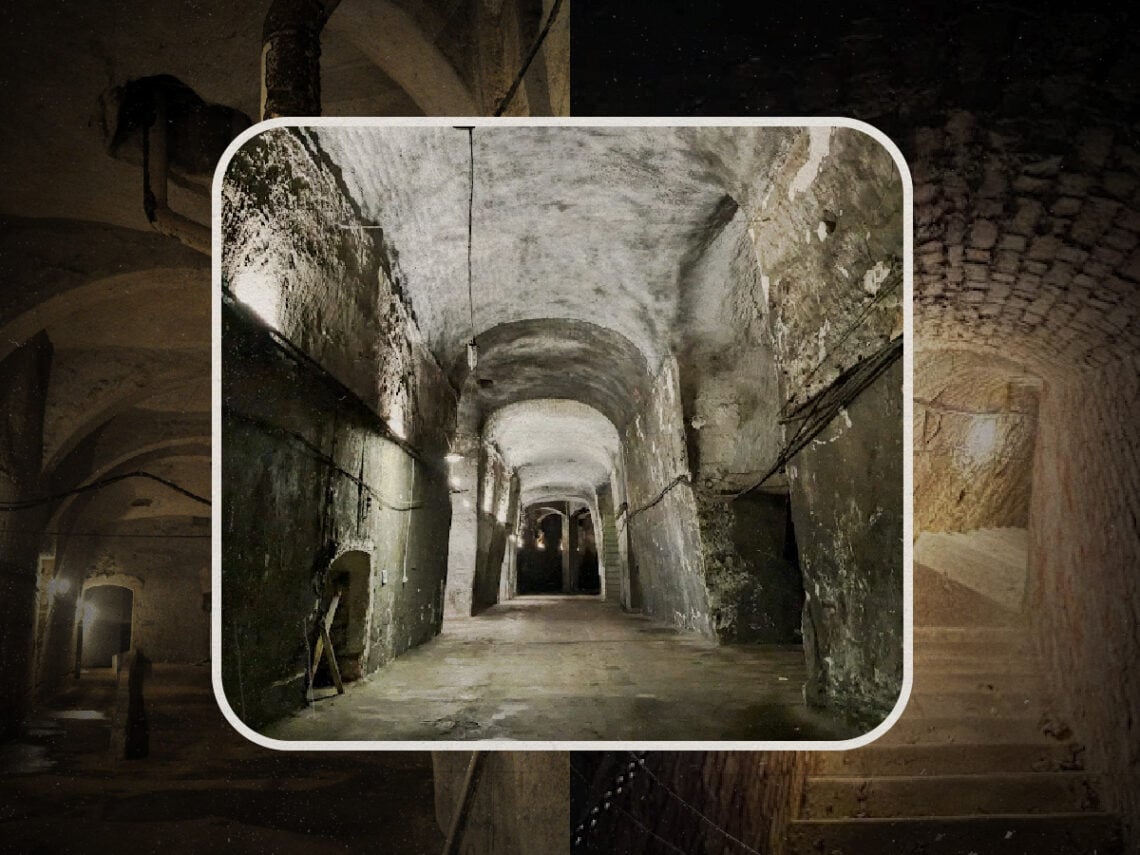
The Kőbánya cellar system is one of the world’s largest subterranean complexes and is hidden under the surface of the tenth district of Budapest, with the floor area believed to be 2.4 million square feet and a total length of the tunnels estimated to reach 22 miles long. This isn’t one monstrous cave or an underground cathedral to cheap plonk and pints, but a sprawling maze of tunnels and chambers that were built over centuries. At its deepest, the tunnels are 30m under the surface, with the corridors, generally around six metres wide, and up to ten metres high in some sections.
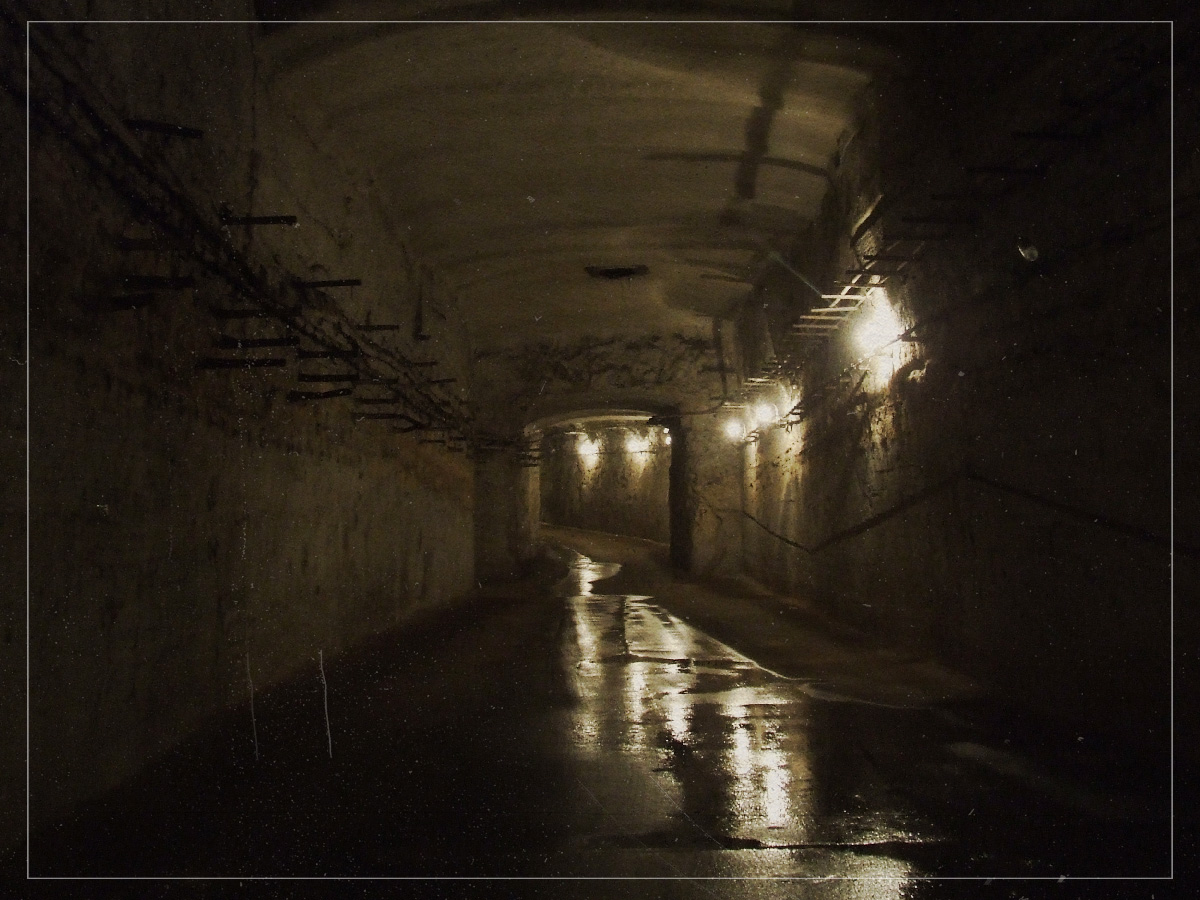
Clues to the origins of the tunnels are visible all over the city whenever you look at the buildings that surround you, as initially, this was a limestone quarry, with quarrying active since the 13th century, resulting in the Hungarian Parliament, State Opera House and iconic Margaret Bridge all being built with Sarmatian limestone, but by the 17th century, these tunnels had long been abandoned. However, their cool temperatures and humid environment caught the attention of both wine growers and merchants, who identified its potential for wine storage, leading to a period of rapid development, with the tunnels adapted to suit the growing business.
Two centuries later and disaster struck, with Hungary and other European nations seeing their wine industries fall to the phylloxera plague that decimated vineyards across the continent, and that’s where our good friend beer stepped in. 1844 saw the Kőbánya Beer House Company set up by Peter Schiedt, who utilised the tunnels not only for storage but also for fermentation, also discovering that by drilling deep wells into the limestone, they could get clean, filtered water, which they then used to brew their beer, giving it excellent taste.
Within two decades, the company had been bought by Anton Dreher and his Dreher Brewery, which still exists today, producing the hugely popular Dreher Gold, although they have now been bought out by Asahi. While the Dreher Brewery still own parts of the tunnels, it has ceased using the underground network for the production of beer, moving that to cleaner, easier, and more advanced above-ground facilities.
Through the years, the Kőbánya cellar system has had many lives, where during the Second World War, it was used as an air raid shelter and even helped covertly assemble aircraft engines for the Luftwaffe, following which, it was used for mushroom cultivation, before food regulations ended that practice.
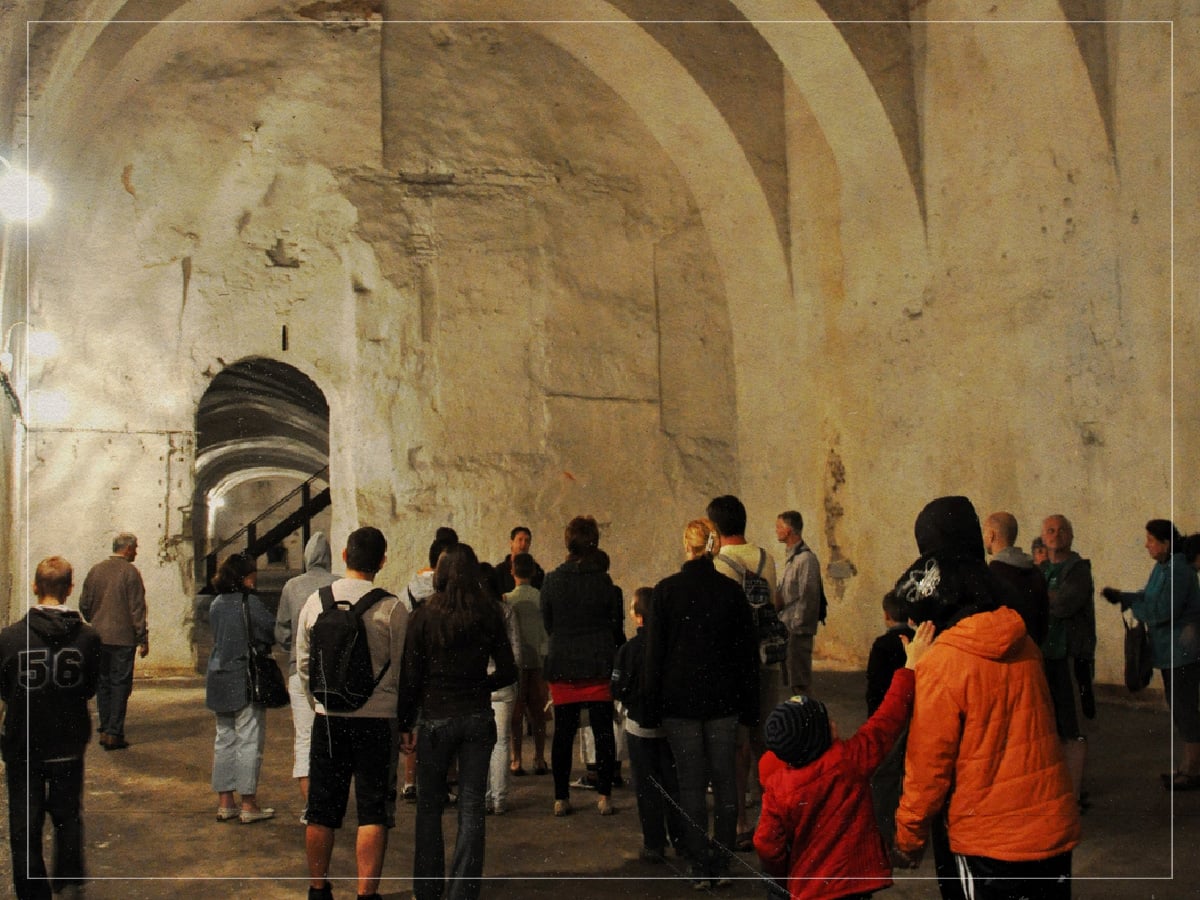
Today, many passages are either flooded or inaccessible, with ownership in the hands of the local government, the brewery and others. There are annual tours of certain parts of the network, and occasional events, and while it’s also been used for film shoots, it has also been a hotbed for illegal urban exploration.