


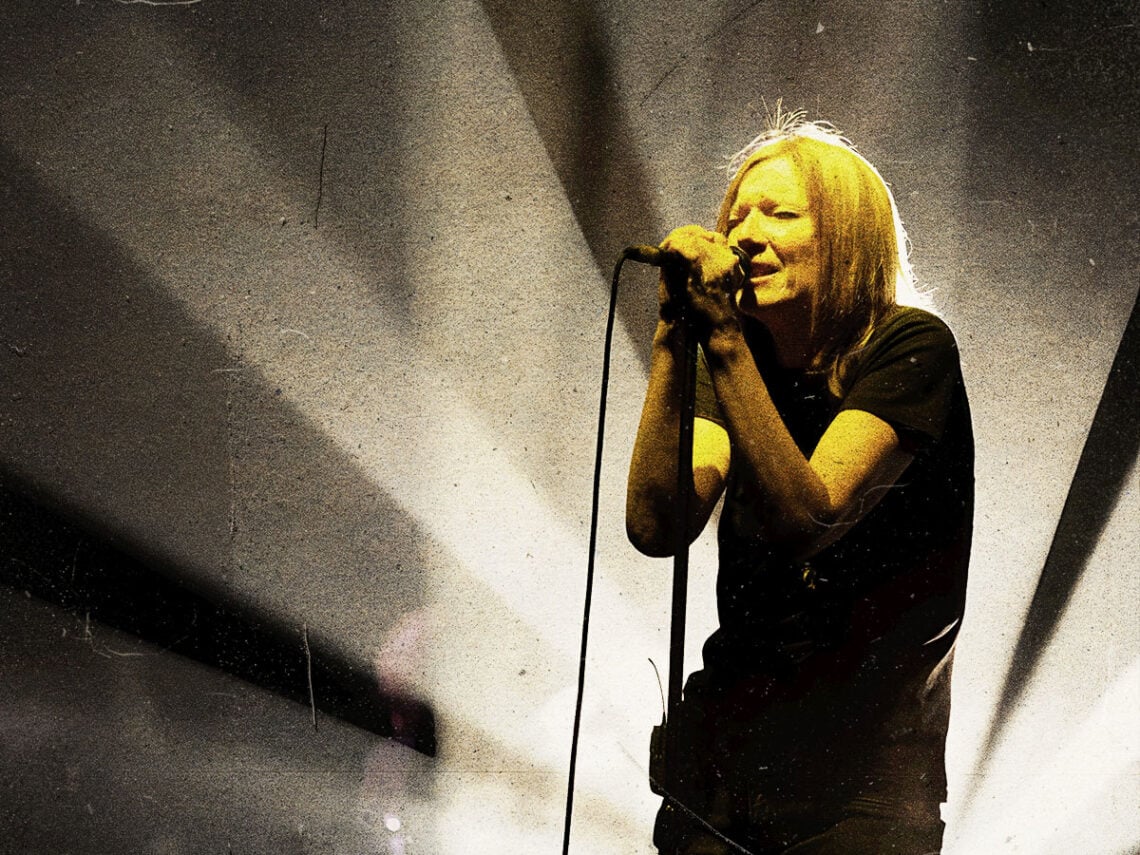
Portishead discuss their favourite albums

In the 1990s, Bristol-based band Portishead pioneered the new sounds of what would become known as trip-hop. Fusing slow hip-hop-inspired beats and loops with airy, cinematic electronica, the trio popularised the genre with their 1994 debut album Dummy. Winning them a Mercury prize, the atmospheric, sample-heavy record has since been heralded as a seminal record of the genre.
Their unique sound combined a wide range of samples and influences, from film soundtracks to 1970s experimental rock. Portishead cemented their place in the scene with their follow-up self-titled album in 1997, which provided a grittier take on the genre. The record delved into darker territories and secured them a number two album spot in the UK as a result.
The band often experimented with genre, borrowing from a wide range of samples and influences. In a past interview with The Quietus, Portishead revealed 13 of their own favourite albums, spanning east coast hip-hop to 1990s grunge.
Producer Geoff Barrow names Enter The Wu-Tang (36 Chambers), the debut album by the Wu-Tang Clan, as his first pick. He calls it “everything I want as a hip-hop fan”. Barrow then specifies his adoration for the punk ethic of the record’s production: “This record’s roughness and the pure energy of the whole thing is still fresh and unstoppable now.”
Barrow also names Nirvana’s iconic grunge record Nevermind. He recalls being in a “boring hair metal band” when he was younger, but somehow he missed out on Nirvana at the time: “We were definitely behind the times in rock terms and I wish I’d heard this or music like it when I was younger. So this is my teenage rock fantasy album…”
But Barrow’s favourite group is the German experimental group Can, who he calls the most “inspirational band ever”. Having first heard their record Ege Bamyasi in the 1990s, Barrow recalls thinking that they were the “best new band” before he found out that the record was from two decades earlier, released in 1972. Barrow particularly admires their melodic, sonic, and rhythmic experimentation on the record.
Guitarist Adrian Utley contributes John Coltrane’s A Love Supreme to the list. Utley names the saxophonist’s magnum opus as one of the most important albums of his own life, deeming it a “powerful, dedicated, spiritual music which is incredibly recorded”.
Detailing further, he shares: “I didn’t understand it when I first got hold of a copy but sensed its brilliance and importance. Now I can’t live without it.”
Utley also picks out Neil Young’s Harvest. Young was at the height of his success, while Utley was young. He recalls stumbling across it as a child and notes that it hasn’t left him since: “I always had a copy around. I thoroughly believe in him and his life is an inspiration. He is one of the few who gets better as he gets older.”
They round out the list with the likes of Jimi Hendrix, Public Enemy and Serge Gainsbourg. It’s unsurprising that their selection demonstrates such wide-ranging musical knowledge and interests, from 1960s jazz to 1990s hip hop. As the pioneers of a genre which combined electronic with hip-hop, their own discography acts as a sonic collage of influences. Their experimentation with genre earned them a rightful place as one of the most important alternative artists of the 1990s.
Portishead’s favourite albums:
- Wu Tang Clan – Ever The Wu Tang (36 Chambers)
- The Plastic People Of The Universe – Egon Bondy’s Happy Hearts Club Banned
- Nirvana – Nevermind
- John Coltrane – A Love Supreme
- The Jimi Hendrix Experience – Axis Bold As Love
- Public Enemy – It Takes A Nation Of Millions To Hold Us Back
- Hariprasad Chaurasia – Raga Darbari Kanada/Dhun In Raga Mishra Pilu
- Neil Young – Harvest
- The Specials – The Specials
- Silver Apples – Silver Apples
- John Carpenter – Assault On Prescinct 13 OST
- Serge Gainsbourg – L’Histoire De Melody Nelson
- Can – Ege Bamyasi
