


The 1978 song Neil Young considered perfect: “one of my all-time favourite recordings”

Neil Young has always been defined by his imperfections.
Although he can probably have earned a great living coming out with three Harvests in a row during the 1970s, he was always more at home working away on songs that were more in line with what he wanted to do than anything that would guarantee success. Young could have done without those kinds of glossy productions, but when he worked on the album Comes a Time, he felt that one track reached true perfection.
Granted, there’s a case to be made that the reason why Young’s music works so well is because of how disjointed it is. There are more than a few out-of-tune notes on an album like Tonight’s the Night, but that’s half the reason it works. You’re listening to an artist cry out in pain, so of course, it will be a little painful to hear him comb through his back pages like that.
By the time he started shedding his skin as the rock and roll troubadour, Young took a detour into the world of country music for Comes a Time. Compared to the rustic sounds that he used across his finest work, a lot of this album feels closer to the type of songs that would be plonked out by someone like Johnny Cash or Willie Nelson from around the same time.
On the title track, Young took the same approach he took to songs like ‘After the Gold Rush’ and added a homespun twist, featuring the amazing vocals of Nicolette Larson on backing vocals. Regardless of the downtempo feeling of the entire record, Young felt that the title song was the closest that he ever came to making the best song he could.

It’s that sense of restraint that makes the song stand out in his catalogue. Rather than leaning into the ragged edges that defined so much of his work, everything here feels carefully balanced without ever losing its warmth.
Young’s idea of perfection was never about technical flawlessness, and that’s what makes his praise of the track so compelling. It wasn’t polished in a commercial sense, but it captured a feeling that couldn’t be improved upon. In a career built on chasing the next idea, it’s rare to hear him settle on something as definitive. For a moment, at least, he found exactly what he was looking for and had no need to take it any further.
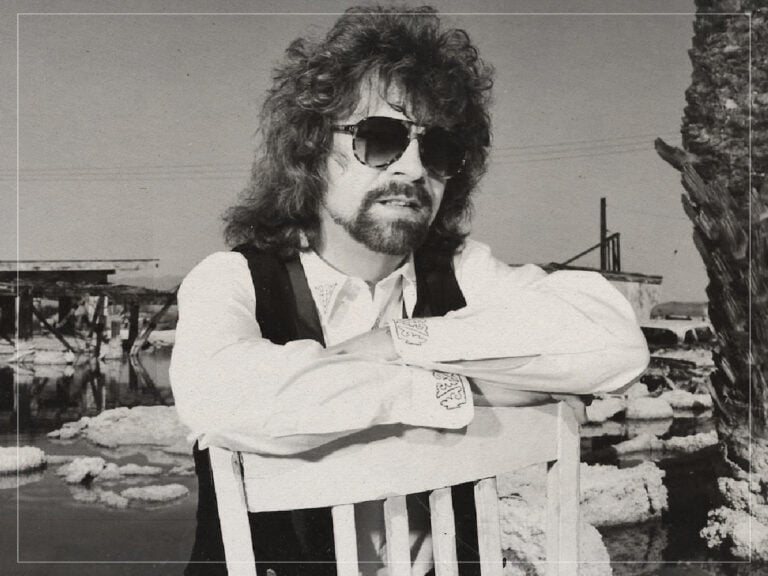
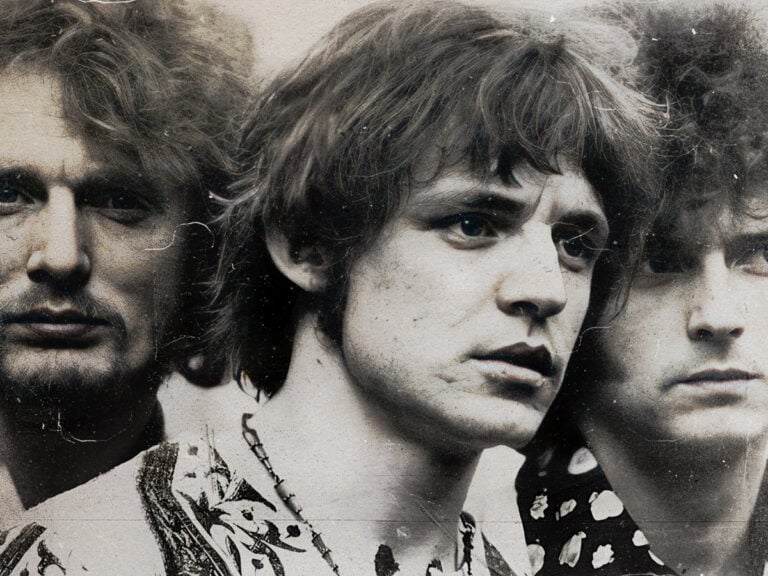

Speaking in the book Waging Heavy Peace, Young thought that Larson was half the reason why the song worked so well, saying, “The song ‘Comes a Time’ is one of my all-time favourite recordings because it just has a great feeling. The song and the performance are a total mesh. Nicolette’s singing is beautiful. I can see all the pictures. That is as close to a perfect recording as I ever have gotten”.
This is strange, considering this is coming from the same person who seemed to intentionally make things sound messed up. Prior to making Comes a Time, some of the other rootsy rock albums that Young made saw him occasionally work on tracks with people working outside their wheelhouse, including James Taylor playing the banjo for the first time.
That also might have to do with the people Young had on hand as well. Outside of Larson’s breathtaking voice, some of the biggest names on the record came from Nashville veterans like Ben Keith alongside Young’s steady members of Crazy Horse like Tim Drummond.
Like all great Neil Young albums, it was completely realized and one that he had no interest in repeating. After working on Rust Never Sleeps the next year, Young was about to usher in one of the most questionable string of albums throughout his career, like Trans and Reactor, each of which showed Young breaking out the vocoder for the first time. That was in the 1980s, and this song allowed Young’s 1970s prime to go out on a high note.
