


Three forgotten prog-rock albums from the 1970s that are actually better than the classics

It’s a sunny day in London, and John Lydon strolls along King’s Road. His attire that day will change history.
The would-be punk just so happens to be wearing a T-shirt that says ‘I Hate Pink Floyd’. It is homemade. And it catches the eye of Bernard Rhodes, a music manager who sends him in the direction of the Sex Pistols.
The rest is ancient history, but for one very important detail: “You’d have to be daft as a brush to say you didn’t like Pink Floyd,” John Lydon has since proclaimed. Retrospectively, that detail goes missing. The narrative is often that punk hated prog and then blew it out of the water. But that undersells both the magic of prog and the vitality of punk.
The frustrations that snarled in the welter of punk’s assault were far more wide-reaching than a bloody rival music genre. Thatcherism, the loss of idealism, and, yes, maybe a touch of prog’s more pretentious side were all part of the curdled gloop of anger that the Sex Pistols and their peers would hurl at the mainstream.
But a world of purely punk is madness, like a town with only green traffic lights. It needs to be complemented by the contemplative balm of prog. The one slight issue with that is: sometimes prog is so considered that it struggles to make itself heard. Thusly, amid the whirlwind of the 1970s, as brand-new genres roared onto the scene in quick succession, a few prog masterpieces actually skirted under the radar.
Below, we have assembled a selection of these underrated prog gems too good to be forgotten.
Three forgotten prog-rock albums from the 1970s:
‘3:47 EST’ – Klaatu
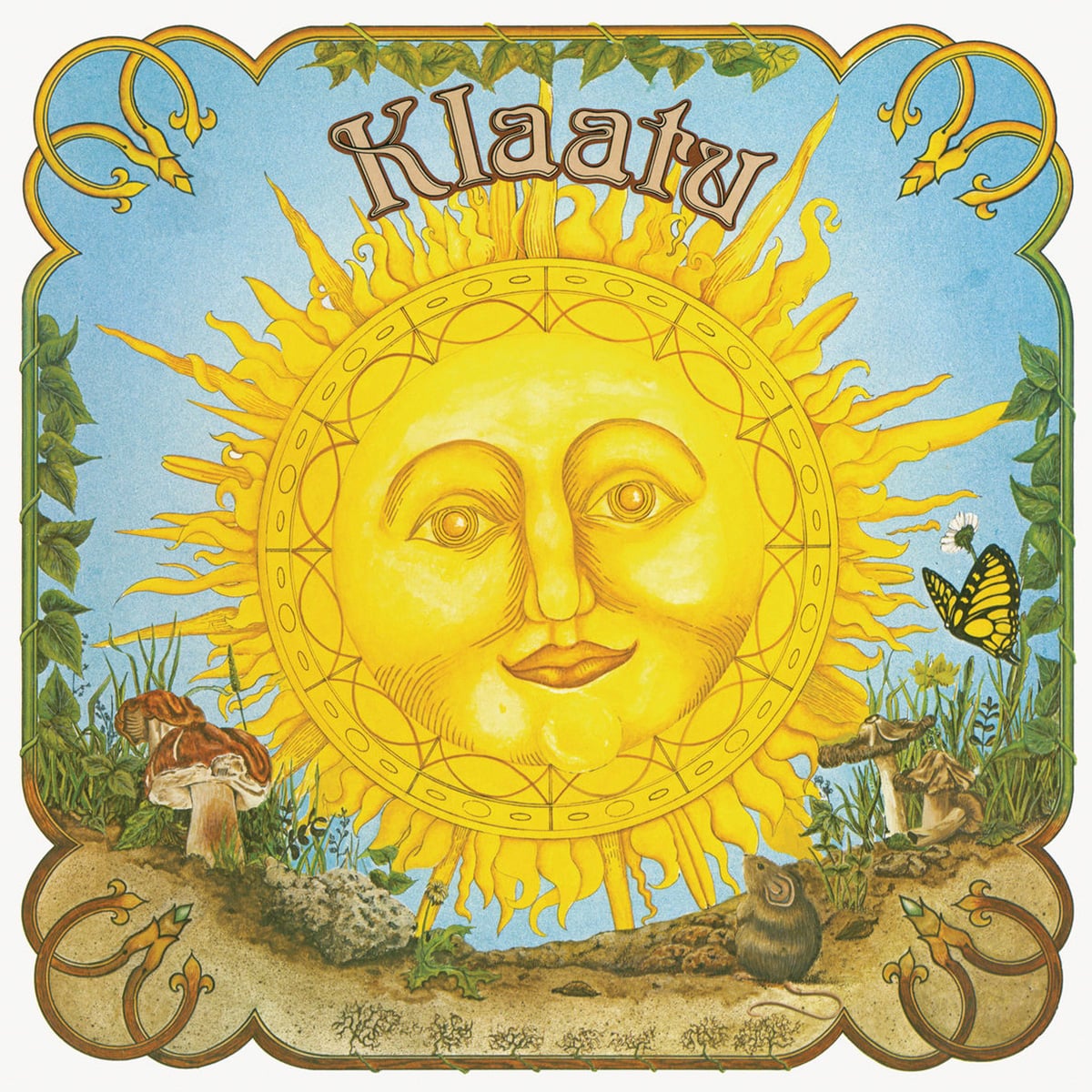
Any band capable of kicking off a conspiracy theory that they’re just The Beatles in disguise are a band worth their salt. The band was named Klaatu, and when they released their debut record, 3:47 EST, the cover didn’t credit any of the creators. They sounded enough like The Beatles – had they stayed together and entered prog-rock – for people to get excited.
While the theory might have been ludicrous from the get-go, it did at least save Klaatu. You see, at first, their debut album was condemned to the ash heap of history. It got a few good reviews but was otherwise ignored. It took a mystery angle for people to take notice. Press is important. The Beatles themselves knew that when Derek Taylor helped to launch them. And in 1970, he fatefully commented on their final demise by stating in the press release: “If The Beatles don’t exist, you don’t exist.” That proves almost prescient when it comes to Klaatu.
Suddenly, once prog fans began to quote the theory over pints of real ale in their local woodland hovels, 3:47 EST entered the charts. From the ash heap, it rose to a notable 32nd. While it didn’t kick on from there and become a notable part of the canon, it deserved to, because The Beatles’ apex was their ability to make stunning innovation as light as sunshine, and that’s what Klaatu did with prog (whoever they are).
‘Future Days’ – CAN
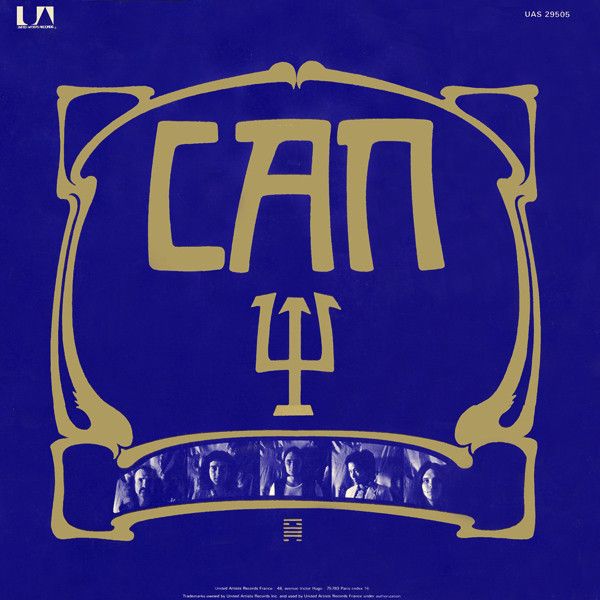
In a brooding wash of purple tones, CAN provided a four-track, 40-minute onslaught with Future Days. The musical suite finds the German krautrockers at their most prog. That transition has often led to the album being buried under the towering Ege Bamyasi from a year earlier, but this 1973 effort is every bit as captivating.
With Damo Suzuki eyeing up his departure, he was determined to make his final album with the band his most ambitious. And he was very pleased with the result. “Future Days is for me the best album I made with Can. Because it was very easy to quit from Can after that album. I wanted nothing from them after that,” he told Steve Hanson.
“Musically, I was very satisfied,” he continued. “It was a really good time to begin a new life. I like Future Days. Nobody else arrived at such a space. It’s just a new dimension. With that album, I was really free; it was no longer necessary to make music after.”
From ambient to Thai raga, it’s all in there, as Suzuki concluded, “This time I was right in the music landscape. It was pure magic.”
‘666’ – Aphrodite’s Child
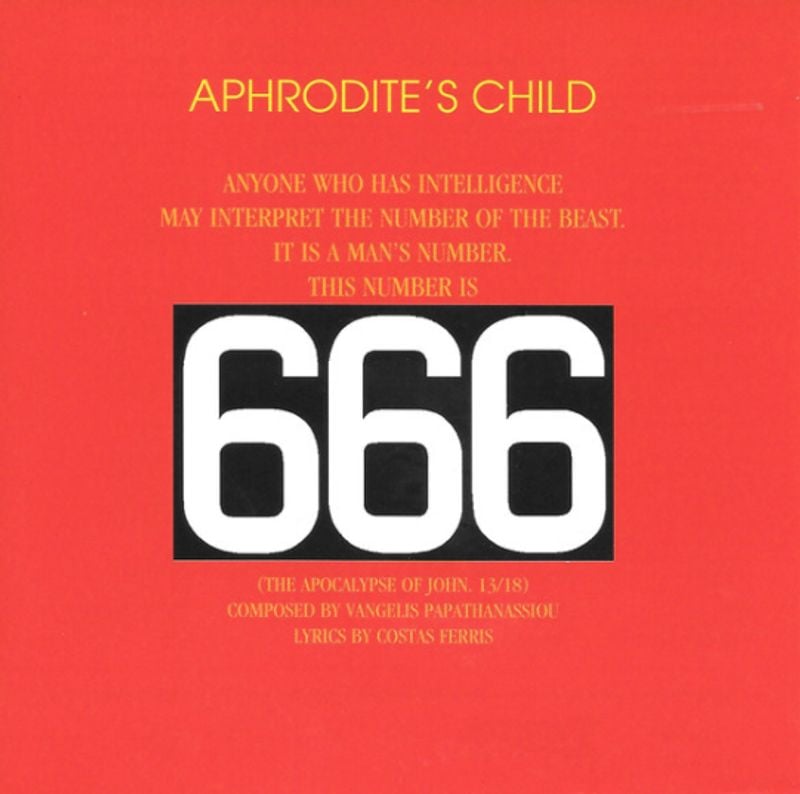
On the right night, with the right budget European lager, 666 by Aphrodite’s Child can take you places you never thought you’d go from the comfort of your own sofa. It emerged in 1969 when the Greek group were looking to expand their horizons in a wholly biblical way. In the process, they crafted a transportive roaring beast of a record, filled with its own rare and weird acidhead adventure.
But its release was fraught. They had to flee to the far-right uprising in Greece and relocated to Paris, where they absconded to Europa Sonor Studios and bedded in to begin work on the astounding album. They were Vangelis, Demis Roussos, Lucas Sideras, and Silver Koulouris, four extremely hairy, talented men filled with a sense that they were just getting started at the end of all ends.
But their label, Mercury Records, refused to release the album, dismissing it as pompous pornography. The band, meanwhile, also refused to budge. So, their masterpiece, which was designed to be the closing Revelation of Saint John for the 1960s, sat in limbo and didn’t arrive until 1972. The point was somewhat lost in the process, and it flopped. But half a century on, that doesn’t seem to matter. It might just be the greatest unknown record of them all.
