


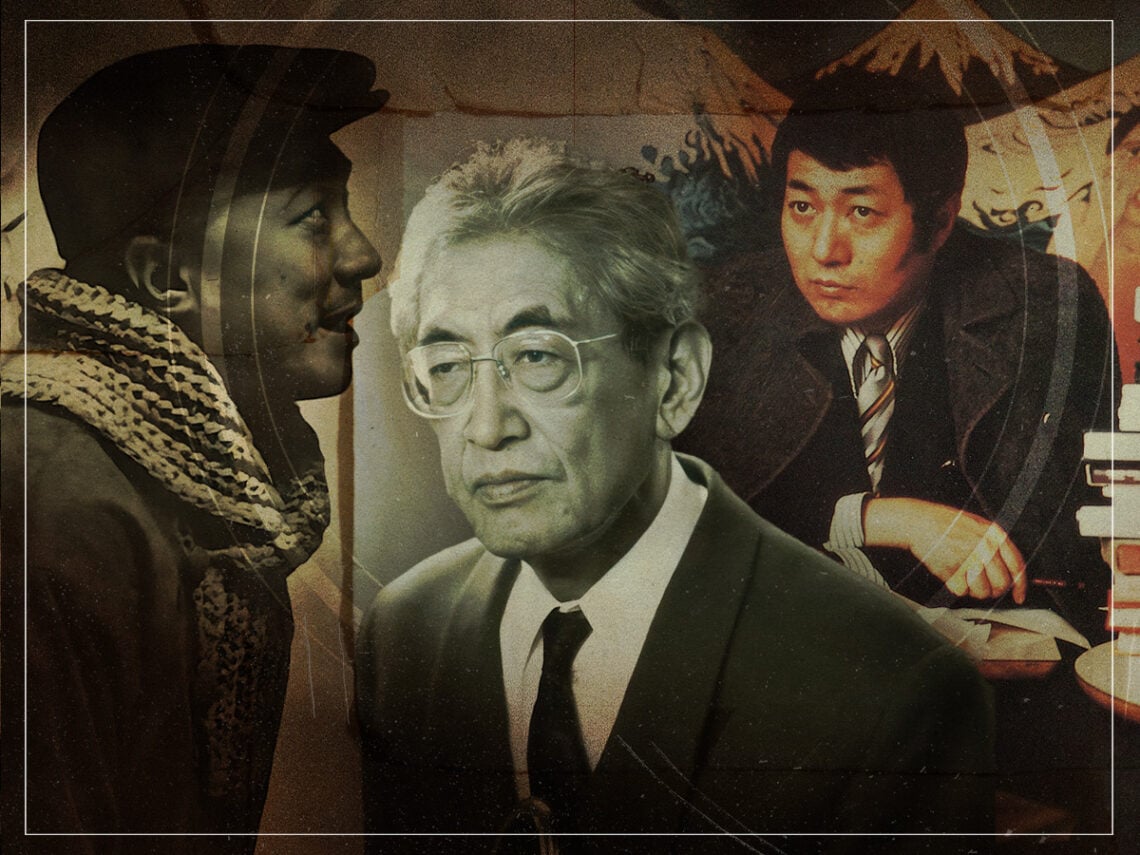
The pillars of innovation: three directors who defined the Japanese New Wave

The discourse around 20th-century Japanese cinema, especially when it is led by international audiences, often revolves around the “Big Three” of Akira Kurosawa, Kenji Mizoguchi, and Yasujirō Ozu. Their invaluable contributions, along with the works of their contemporaries, are often seen by many as the defining era of the country’s cinematic output.
However, modern auteurs around the world definitely owe a lot to the pioneers who generated the radically subversive Japanese New Wave. Through the works of filmmakers such as Shōhei Imamura, Seijun Suzuki, and Susumu Hani, among many others, Japanese cinema developed a new identity in the 1960s and ’70s as it absorbed the revolutionary energy of other film cultures while also fashioning its strikingly original voice.
In order to properly understand the infinitely varied landscape of the country’s cinematic creations during the New Wave period, going through the works of the major auteurs is definitely imperative. To aid you in the process, we have highlighted the oeuvres of three filmmakers who lent stunningly singular visions to the movement as a whole.
For anyone interested in this remarkable era of Japanese filmmaking, delving into the works of the directors listed below is the perfect starting point. Brimming with avant-garde tendencies, they are representative of everything that made the Japanese New Wave so explosive.
Three directors who defined the Japanese New Wave:
Hiroshi Teshigahara
A multidisciplinary artist who drew from various mediums while constructing his extraordinary projects, Hiroshi Teshigahara left an indelible legacy that continues to shape the future of Japanese cinema. Known for masterpieces such as Woman in the Dunes and The Face of Another, Teshigahara’s cinematic sensibilities were markedly different from even his New Wave colleagues.
Loaded with complex questions about individual identity, the human condition and the modern malaise that plagued the rapidly changing country, Teshigahara’s films hypnotically pull the audience in and permanently alter their view of the world. That’s exactly why younger generations of cinephiles continue to be drawn to his work while searching for revelations that are simply timeless.
Nagisa Ōshima
Probably the most renowned name on this list and also comparatively more prolific, Nagisa Ōshima successfully managed to break out of the smaller bubble that many New Wave auteurs are condemned to by appealing to broader audiences. One major reason for this is the cult status of In the Realm of the Senses, among the greatest erotic arthouse films ever made.
However, Ōshima’s subversive spirit was evident throughout most of his filmography, especially in gems like Death by Hanging, where he did not shy away from holding his own country accountable for its sociopolitical problems. Employing avant-garde techniques to create visceral cinematic experiences, the New Wave would be unrecognisably different without Ōshima.
Shūji Terayama
Shūji Terayama’s work can definitely be categorised as the most experimental on this list, which is saying something because we’re discussing the Japanese New Wave. An artist in every sense of the word, Terayama engaged with alternate forms of artistic expression in many ways before applying those principles to a brand of cinema that he thought was necessary for the revitalisation of Japanese filmmaking.
Dizzyingly complex yet universal in their appeal, films like Throw Away Your Books, Rally in the Streets, and Pastoral: To Die in the Country remain definitive pieces without which it would be impossible to understand what the New Wave was trying to say. Terayama routinely broke down established cinematic frameworks to arrive at new truths, laying the groundwork for the contemporary experimental scene in the country.
