


‘Ghost’: Takashi Ito’s unique vision of the supernatural

Japanese cinema has one of the richest traditions of innovation, evident in the incredible masterpieces that emerged during the country’s New Wave movement. From major releases to more obscure domains of experimental filmmaking within Japan, the amount of new ideas and technical developments present there is simply staggering. One of the most notable pioneers whose works have pushed the boundaries of the medium is Takashi Ito.
One of the genres in which Ito has made a distinctive impact is horror, beautifully demonstrated by works like Zone that make us question our preconceived notions about the world around us. However, Ito’s conceptualisation of horror is extremely different from most audiences’ perception of the genre and its associated symbolism. In fact, it is so unique that it can barely be classified as such, but a lot of the fundamental concerns in Ito’s experimental projects can also be found in the campiest horror flicks.
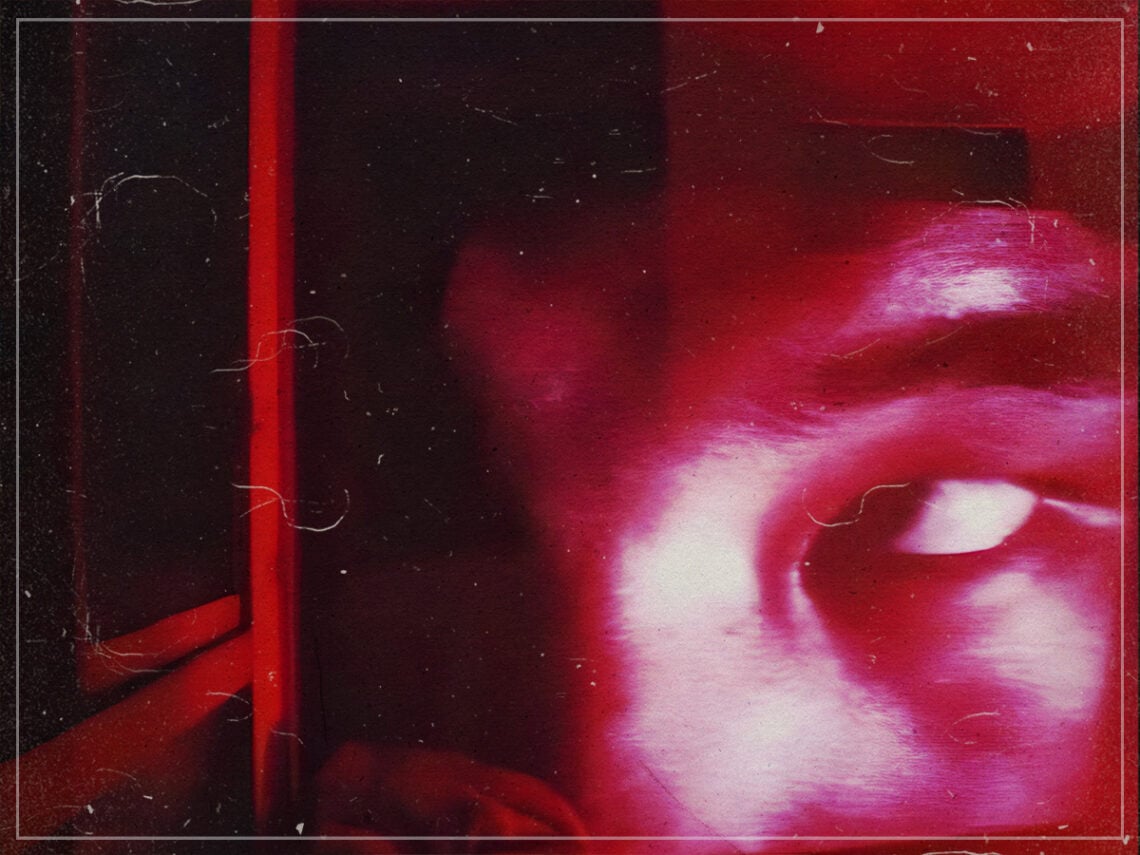
His 1984 gem Ghost is the perfect example of this, conducting a strikingly original exploration of the ontological and epistemological conditions linked to the supernatural phenomenon of haunting. Through manipulations of light and space achieved by brilliant long-exposure techniques, Ito films a simultaneously abstract but highly specific vision of inexplicable supernatural activity within the domesticated frameworks of familiar spatial politics.
While talking about his thought process, Ito explained: “I made [Ghost] because I wanted to try out the idea of floating images in midair that had come to me when making Thunder. The entire work was shot frame-by-frame with long exposures. I filmed this in the company dorm I was living in, in the middle of the night after I had come home from work, and thought I might die from what had become my daily pattern of sleeping for two hours in the morning, then going off to work.”
Ghosts have been represented in infinitely different ways throughout human history, but there’s something deeply unsettling about Ito’s conceptualisation. Supernatural motion is highlighted by streams of light, almost as if we’re being haunted by the vast amounts of residual energy of the past instead of individual entities. In Ghost, these energy trails are made visible, instantly destabilising our fragile connection with our perceived reality.
Made at a time when digitalisation was rapidly controlling the landscape of modernity, Ghost is an ominous portrait of the volatile interface between the virtual and the real. It’s also a precursor to future horror movies that have attempted to dig deeper into this thematic strand, including Kiyoshi Kurosawa’s acclaimed 2001 film Pulse.
Watch the film below.
