


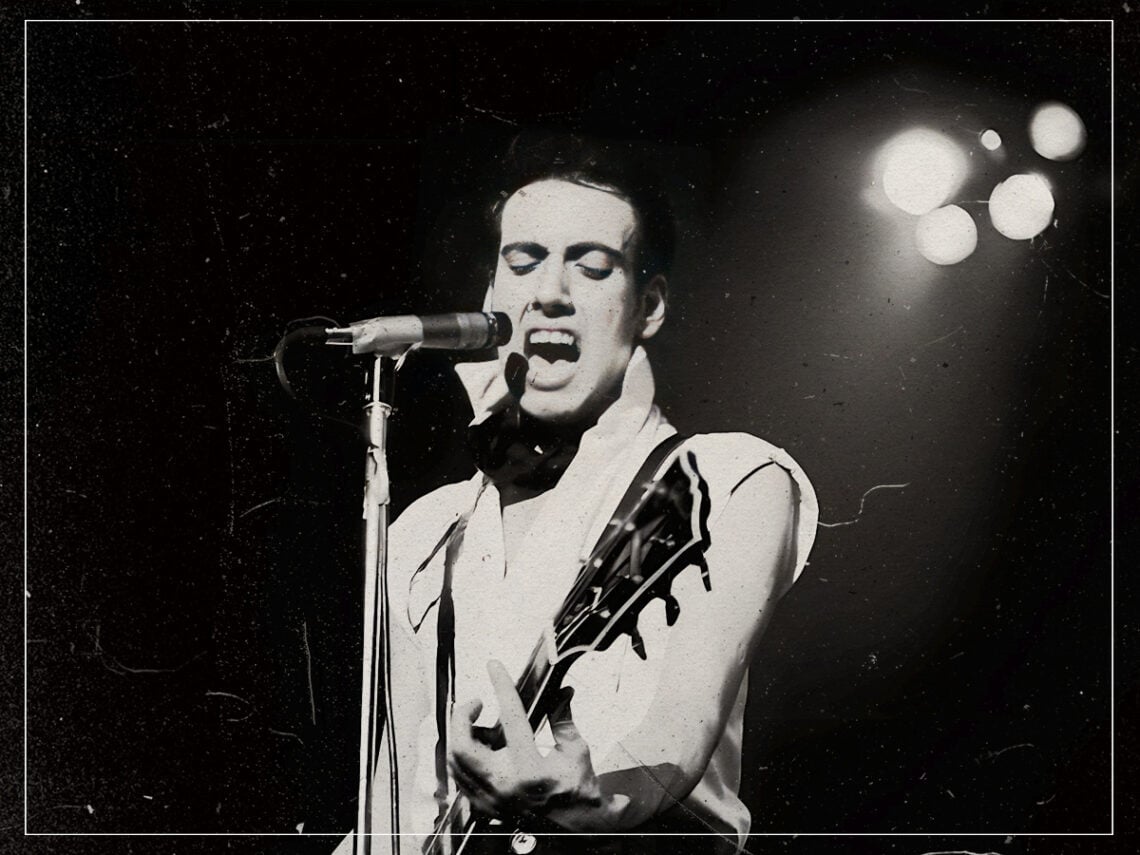
The real reason Mick Jones was fired from The Clash in 1983: ‘He was intolerable to work with’

In 1983, The Clash were at the height of their powers.
Widely regarded as “the only band that matters”, Joe Strummer and the band had finally reached the top after years of hard work. But their time at the summit would prove far shorter than the journey it took to get there.
Mick Jones’ departure on September 1st, 1983, marked the beginning of the end for The Clash. Although the band would continue for another three years before finally splitting up, the spark that had driven them seemed to be fading. The fire in their bellies had burned out, and it was becoming clear that the remaining members were ready to move on to new chapters in their lives.
The situation within The Clash had become difficult long before the release of Combat Rock in 1982. Around that time, the band were forced to fire drummer Topper Headon because of his heroin addiction. The remaining members carried on and brought back Terry Chimes, who had played on their 1977 debut. However, Chimes lasted only a year before quitting once again, citing the toxic atmosphere within the band.
Combat Rock was the highest-charting record in the States and equalled their highest position in the UK. At this time, Joe Strummer and Paul Simonon wanted to take full advantage of a higher level of fame, whereas Mick Jones wanted to rest up rather than live on the road. “Mick was intolerable to work with by this time,” the late Strummer remembered in the Clash documentary, Westway to the World.
“He wouldn’t show up. When he did show up, it was like Elizabeth Taylor in a filthy mood”.
Joe Strummer on Mick Jones
What made the disagreement so significant was the position The Clash suddenly found themselves in. For years, they had been held up as Britain’s most principled punk band, but songs like ‘Rock the Casbah’ and ‘Should I Stay or Should I Go’ had turned them into a genuine transatlantic success story. They were no longer scrappy outsiders playing halls and theatres. They were filling arenas and carrying the weight of expectations that came with being one of the biggest bands in the world.
Reflecting on both his change in attitude and the band’s rise in status, Jones later admitted he regretted the way he behaved. “I was just carried away really, I wish I had a bit more control,” he said. “You know, you wish you knew what you know now.”
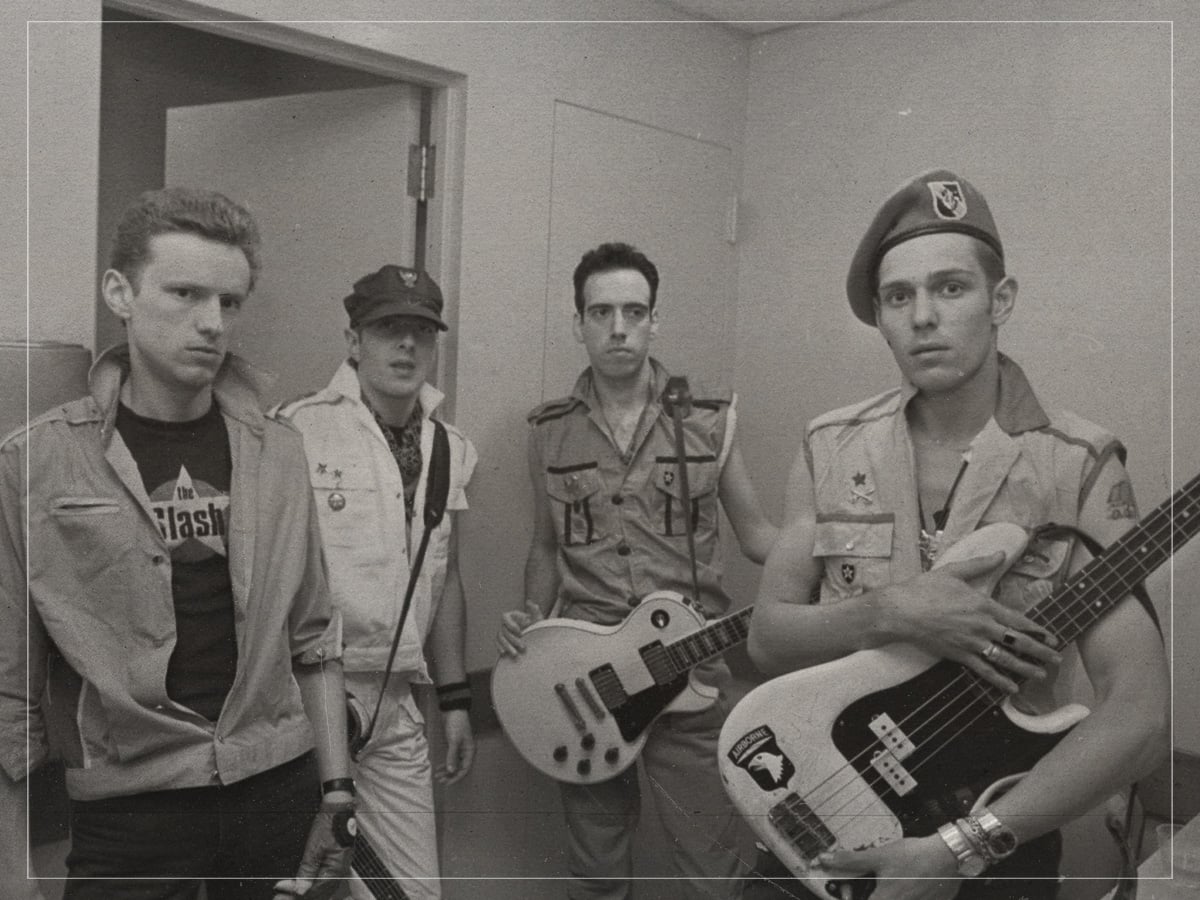
“We had to change the team because the atmosphere was too terrible,” Strummer later said in The Rise and Fall of the Clash, before adding. “We got so much work to do that we can’t waste time begging people to play the damn guitar!”
Simonon’s personal relationship with Jones had wavered so much that they were no longer on speaking terms and felt as though it was either get rid of him or the band would split up. “We felt we’ve had enough, let’s kick him out, and that’s what we decided on and to hell with the consequences,” the bassist added.
Following Jones’ departure, the band were never quite the same after losing half of their creative force and, with their final album Cut The Crap, the taste of commercial flop was clear that The Clash were unable to cope without Mick’s masterful skillset. Thankfully, Jones and Strummer remained friends, and the duo even played together just a few weeks before the singer’s death in 2002.
Now, with hindsight, it’s easy to see that Jones’ contribution had always gone beyond guitar playing. Alongside Strummer’s troublemaker instincts, he brought melody, arrangement ideas and a pop sensibility that stopped The Clash from becoming one-dimensional. It was often the tension between the two writers that produced their best work. Once that balance disappeared, so too did much of what had made the band feel vital in the first place.
“Whatever a group is, it is the chemical mixture of those four people that makes a group work,” Strummer said, a few years before his death. “That’s a lesson everyone should learn: you don’t mess with it. If it works, just let it, do whatever you have to do to bring it forward, but don’t mess with it. We learned that bitterly.”
You live and die by these big decisions that sometimes seem like the right decision at the time. The truth, however, is that as the years went on, it was evidently clear that The Clash should have rested up rather than stay on the road in a bid to chase fame, which was the antithesis of what The Clash was initially about.

Never Miss A Beat
The Far Out Punk Newsletter
All the latest Punk content from the independent voice of culture.
Straight to your inbox.