


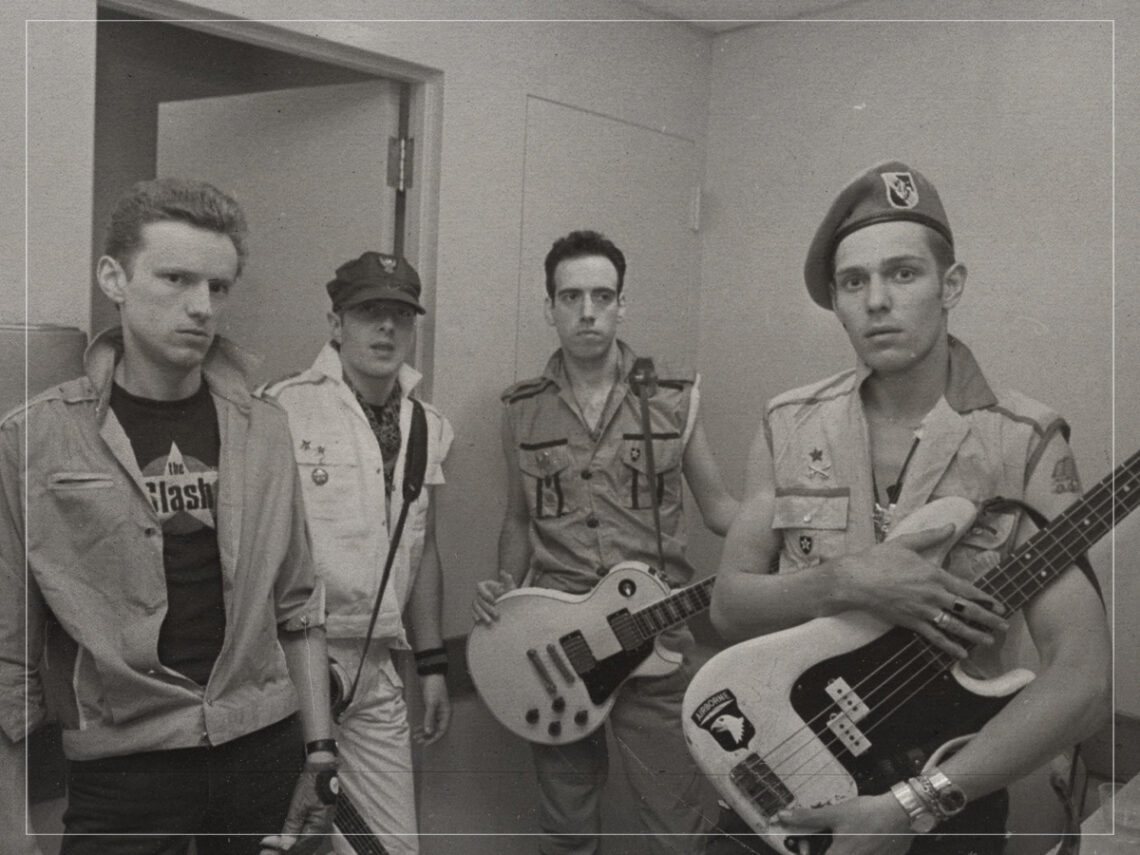
Fisticuffs, a break-up, and a $500,000 cash-in: The night when The Clash went out with a whimper

The Clash may well have been one of the greatest and most adventurous punk groups to have emerged from the UK in the late 1970s, far eclipsing the work of many of their contemporaries in terms of how broad its scope was.
However, as quickly as they found themselves rising to prominence and arguably peaking with the release of London Calling, they found themselves crashing back down to the lowest ebb of their career, ultimately sticking a dagger in the back of everything they’d built up in one fell swoop. Many people think of Cut The Crap as being the moment where the band truly fell apart, but in actuality, the most damning event in their career took place two years before.
In 1983, when The Clash were invited to play on the ‘New Wave Day’ at the second edition of the US Festival, which had been organised by Apple co-founder Steve Wozniak and music impresario Bill Graham, there were already plenty of issues rising within the ranks of the group, and tensions had been building for some time. Drummer Topper Headon had already departed from the group, and they had entered a hiatus following the release of their fifth album, Combat Rock, with his replacement, Terry Chimes, also choosing to step down.
However, when they were offered the lucrative sum of half a million dollars to headline the opening night of the festival, they realised that they couldn’t possibly turn down this opportunity, and decided to regroup despite the fact that all of the three core members were not on the best of terms at the time.
Pete Howard stepped in to take on drumming duties, with Joe Strummer, Mick Jones and Paul Simonon all doing their best to avoid a major fall-out. Despite the appeal of the large paycheque, some of the information that the festival had provided them about the cost of tickets, which were higher than they’d initially thought, was enough to throw their plans to perform into uncertainty, with them suggesting that they wouldn’t play unless the festival agreed to donate $100,000 to charity.
They’d managed to come to a suitable agreement, but that wasn’t enough to save the day itself from becoming a complete disaster. The band took to the stage two hours later than scheduled, much to the annoyance of the fans who had paid extortionate amounts to attend, and the performance itself lacked any of the punch that the band had previously had.
The break that they’d imposed on themselves after the Combat Rock tour was evidently necessary, but probably should have been considerably longer, given how they lacked any sort of energy or desire to share a stage with one another. They’d eventually end up taking their frustrations out on the security team at the festival, finding themselves embroiled in a brawl with them when things arguably reached rock bottom after the show had ended.

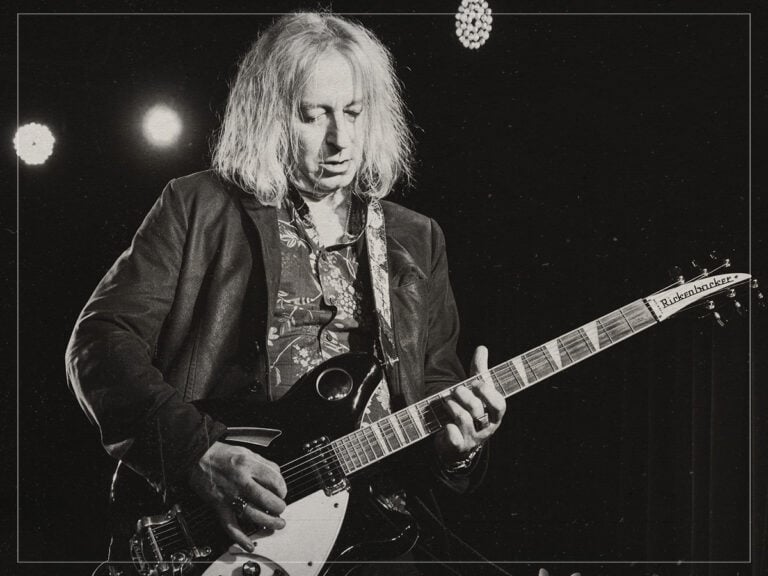

The rest of the festival was just as disastrous, losing approximately $12million in total, and with the ‘Heavy Metal’ day having its own share of controversy clouding the performances put on by the bands. However, the one member of The Clash who seemed to fare the worst from the entire debacle was Jones, with this performance ending up being his last with the band before Strummer and Simonon opted to fire him.
Of course, the band would struggle on for another couple of years and release the aforementioned nadir of their career in Cut The Crap, then choose to call it a day after they’d pretty much exhausted every way of self-destructing. They’d ascended much higher than any other punk act could have dreamt, and they came crashing back down with just as much force.

Never Miss A Beat
The Far Out Punk Newsletter
All the latest Punk content from the independent voice of culture.
Straight to your inbox.