


The movie genres Hollywood could never revive today

What is considered taboo and acceptable in films has changed a lot in the past few decades, reflecting an ever-evolving and contradictory societal landscape.
For years, cinema censored anything remotely transgressive under the Hays Code, and it wasn’t until the late 1960s that mainstream cinema got dirtier, more experimental, more violent, and more naked, with taboos flourishing under the watchful eyes of independent exploitation filmmakers in the ‘60s and ‘70s, while sexploitation and boundary-pushing visions left an indelible mark on cinema.
Yet, it’s interesting that genres such as Nazi exploitation and nudie cuties emerged at a time when a sex scene in a Hollywood movie was considered genuinely shocking, and all these years on, it’s not the topic of an age-gap affair between Mrs Robinson and Ben in 1967’s The Graduate, which features the tiniest bit of nudity, that shocks, but the grossly misogynistic and exploitative movies that came out of the underground.
There are simply some genres that gained traction in the ‘60s and ‘70s that wouldn’t be greenlit today, either because there would instantly be outrage, or simply because specific genres have dated so poorly that they no longer resonate with modern-day audiences, like beach party movies.
Five movie genres you’d never get away with reviving now:
The bawdy British sex comedy
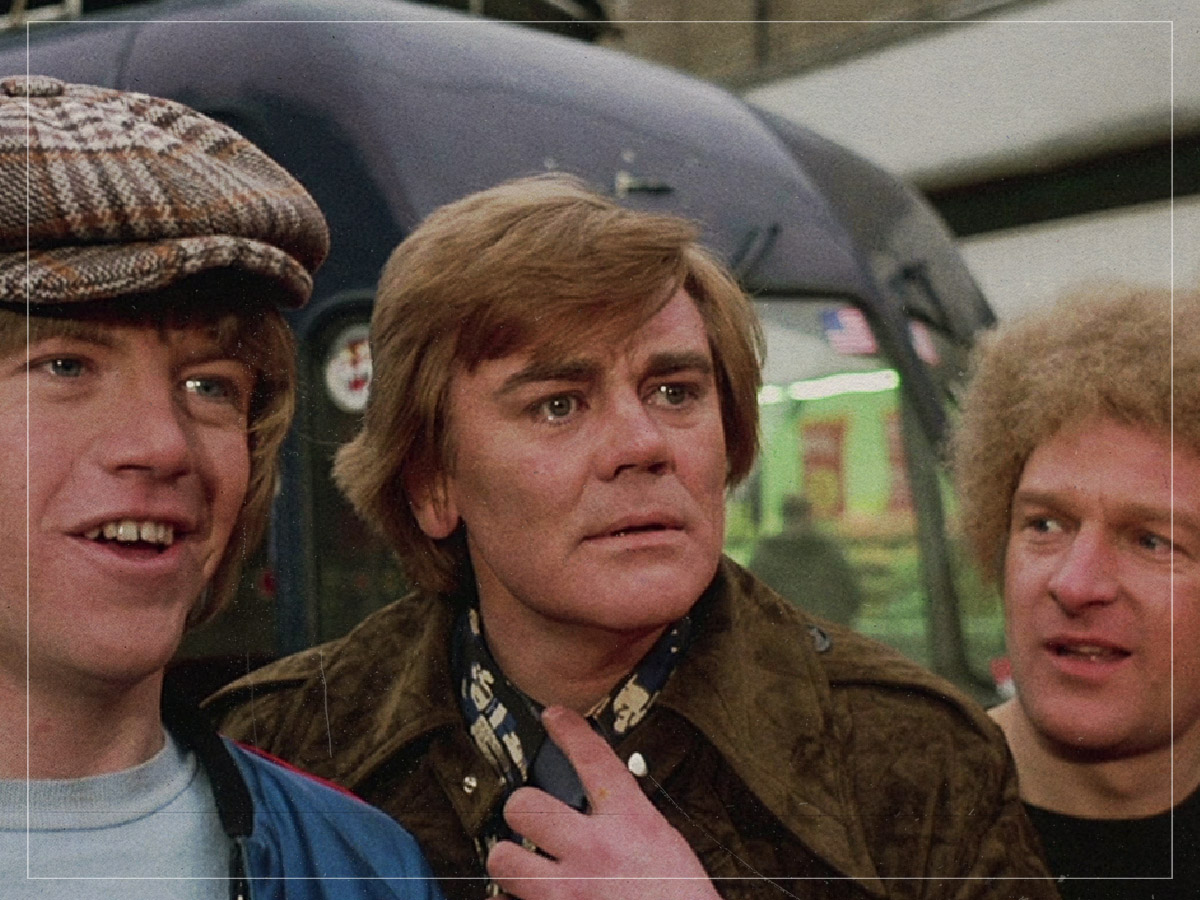
If you’re British, you probably watch a Carry On film every Christmas when there’s nothing else on; the bawdy jokes and random nudity are a staple of the long-running series, which arguably reached its most iconic heights with Carry On Camping. But the Carry On films were nothing compared to the really naughty British sex comedies that arrived at the same time, even more explicit in their approach to nudity and copulation.
The Robin Askwith-starring Confessions of a… series was a hit, and the actor got his kit off alongside a range of women as he found himself in ‘comical’ situations. These movies, joined by the Adventures of a… series, were really quite X-rated, serving as some mid-point between a cheeky comedy and proper pornography. With the easy availability of porn these days, you’d never get away with reviving such bawdy comedies. They’re dated and no longer serve much of a purpose, so you’re better off watching a proper erotic film.
Nazi exploitation
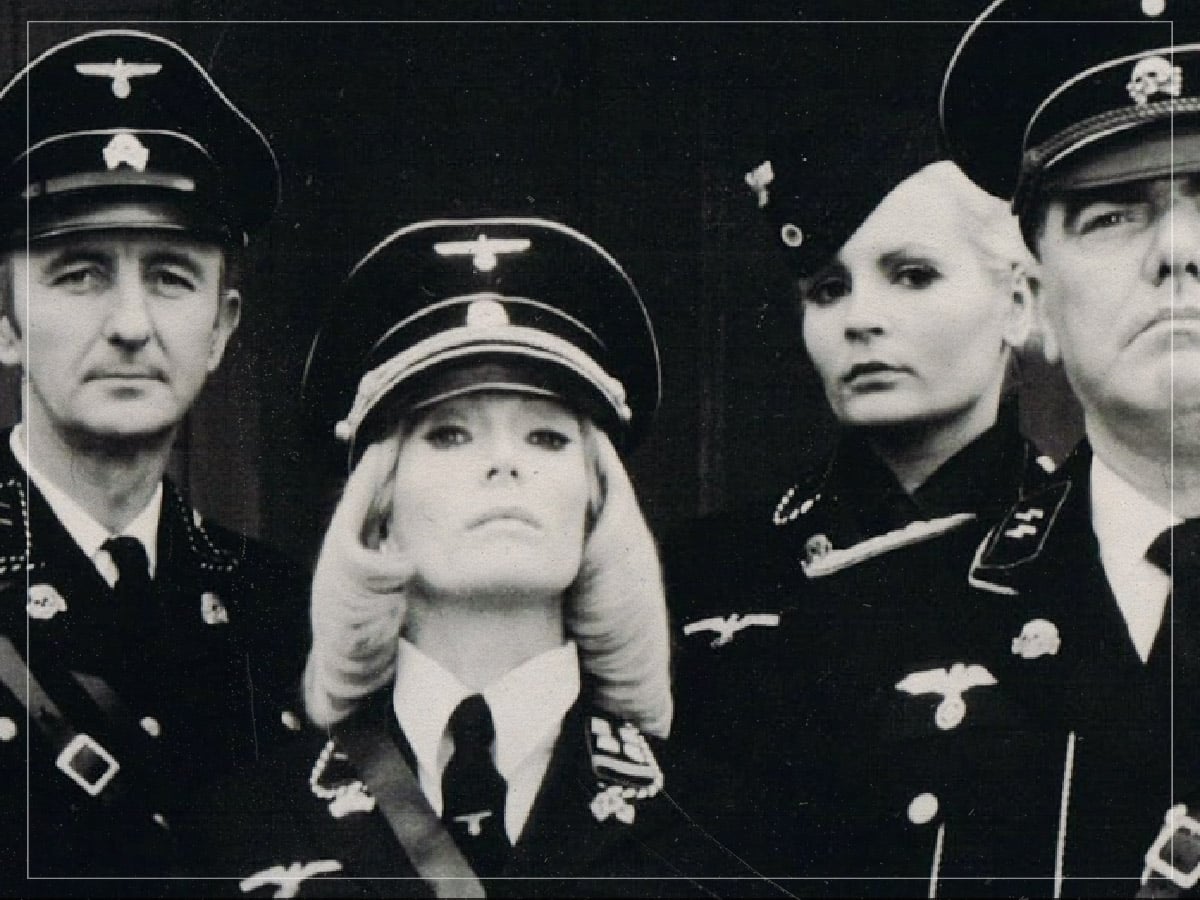
In the 1970s, just a few decades after the horrors of World War II and the Holocaust came to an end, a particularly strange trend emerged in the form of Nazi exploitation movies. Most infamously, Isla, She Wolf of the SS was released in 1974 to plenty of shock from audiences, but of course, many people lined up to see it regardless. Dyanne Thorne appeared as Isla, her breasts bursting out of her tight Nazi uniform, with her character engaging in many deranged and sexually sadistic behaviours in a concentration camp.
Many Nazisploitation movies featured prisoner-of-war camp settings, plenty of intense eroticism, and scenes of violence inspired by real torture that took place during the war. Somehow, this kind of thing took off as a sub-genre for a short while, but you certainly wouldn’t see anything like it being made today; I mean, some Nazi exploitation movies are banned in the UK, even today.
Beach party movies
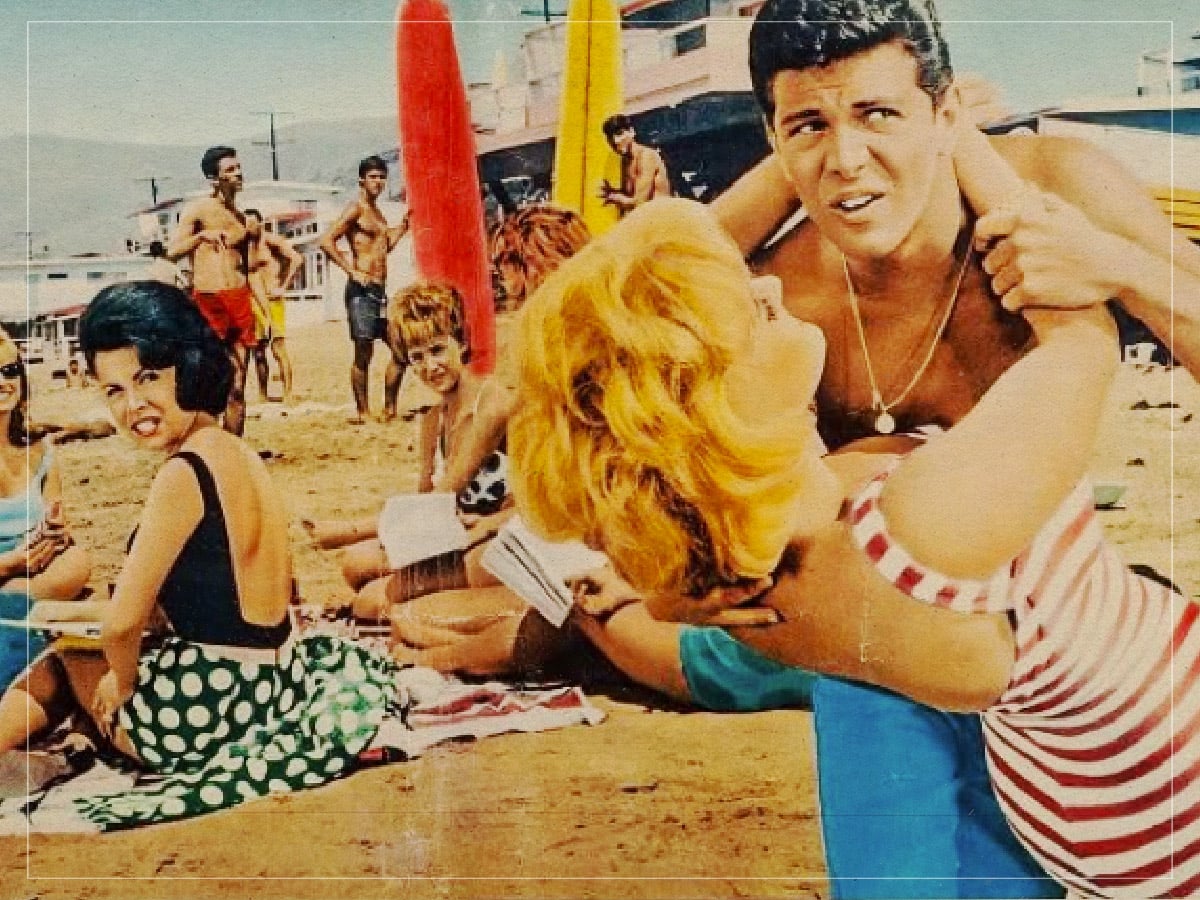
Less controversial are beach party films, a subgenre of teen movies that emerged in the 1960s, often with young heartthrob Frankie Avalon in the lead role. Yet, apart from Disney’s musical Teen Beach Movie from 2013, clearly an ode to these old films, it’s not a genre that could easily be brought back in the 21st century, predominantly because teen culture has changed so much since then. Back in the ’50s and ’60s, teens were surfing, drag racing, dancing on the beach to rock and roll, and actually hanging out, but if you were to make a beach party movie today, everyone would probably just be taking selfies and vaping.
The premise of these movies was usually simple, depicting romance and rivalry, and it was only inevitable that these formulaic films would die out sooner or later. Beach party movies had their moment, but none of them has been remembered very well, so it’s a stretch to imagine that they’d fare any better if they were brought back today. Teens just aren’t interested in that kind of thing anymore.
Nudie cuties
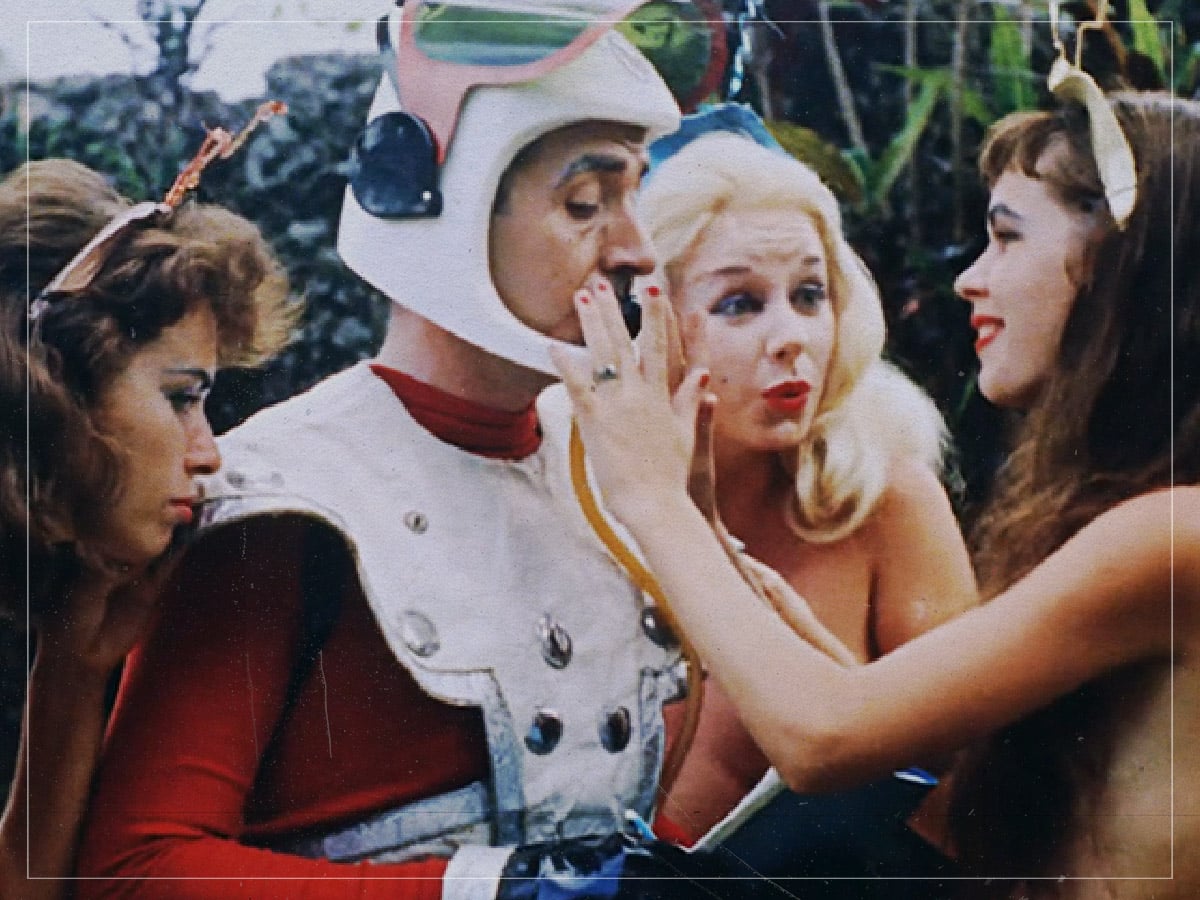
Cinema has come a long way since the days of nudity being so taboo that a brief flash of a breast could have a movie banned, at least in the mainstream, anyway. Independent exploitation filmmakers were much more interested in using nudity to their advantage, and when TV started to pose a genuine threat to indie theatres, nudie cuties arrived. These were the kinds of movies restricted to grindhouse theatres and hinged on naked women doing things while men typically looked on admiringly.
These movies came after the rise of nudist films, which bypassed censorship laws by presenting nudity with documentarian precision, focusing on nudist camps where naked bodies weren’t shown in an erotic context. Nudie cuties were much more erotic, although one of the most popular, Nude on the Moon, was rather surprisingly directed by a woman, Doris Wishman. These films were pretty much just excuses to show nude bodies, and you certainly wouldn’t be able to get a nudie cutie greenlit today. Besides, seeing naked bodies in popular mainstream cinema isn’t exactly difficult anymore, either.
Women-in-prison movies
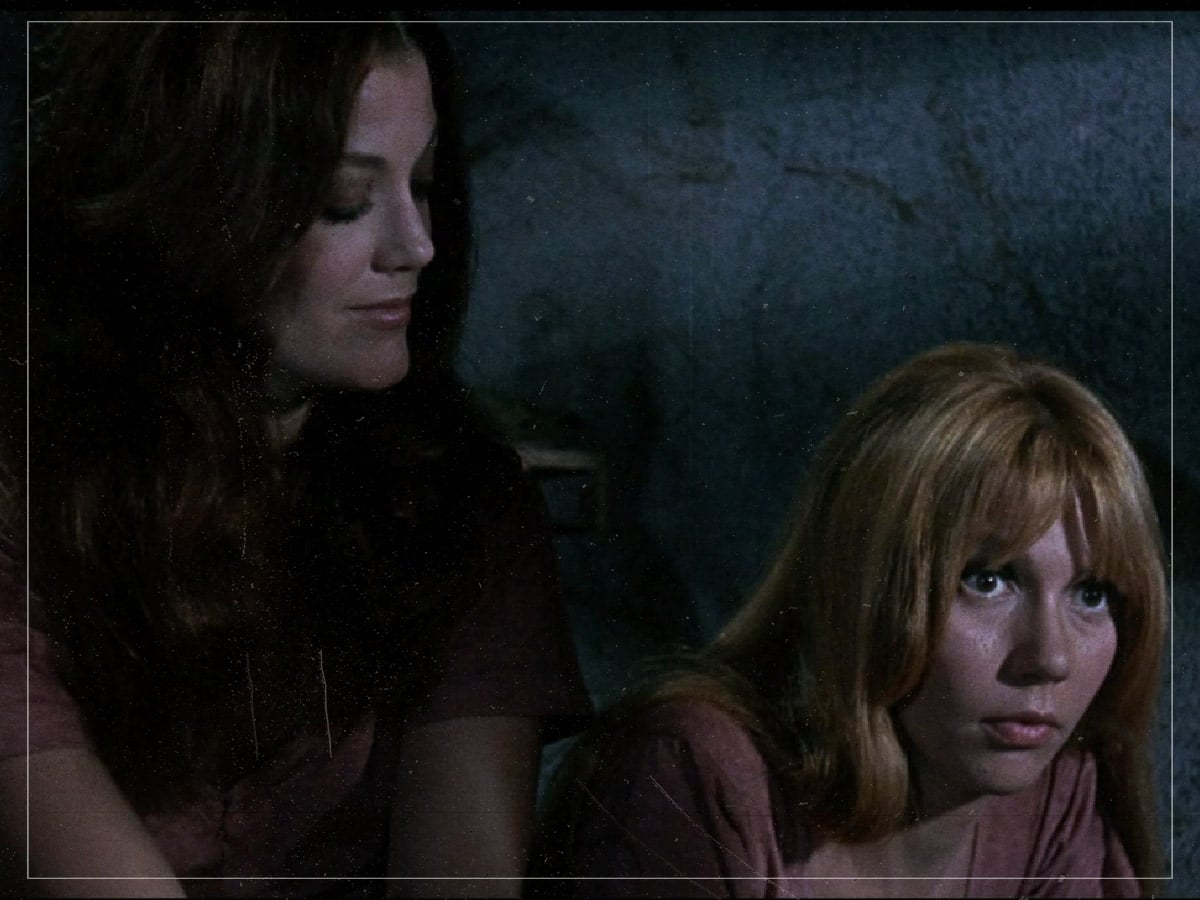
Exploitation cinema of the ‘60s and ‘70s gave us plenty of women-in-prison movies. These are the kinds of films that function as many male viewers’ wet dream, full of lusty, busty women, either getting off with, fighting, or being tortured by other inmates and prison guards, typically other women. You weren’t coming here for a serious plot and a meditation on violence against women and the ups and downs of incarceration; these were simply designed to get male audiences excited.
So, for that reason alone, you can’t imagine anyone pitching an exploitative women-in-prison movie today and getting away with it. Such films, like The Big Doll House and Women in Cages, are a product of their time, cashing in on an era of grindhouse theatres and slightly eased censorship. Nudity and sex on screen are no longer the mere realm of exploitation and pornography movies, so there’s no reason whatsoever for these kinds of gross, misogynistic movies to be made in the present day.
