


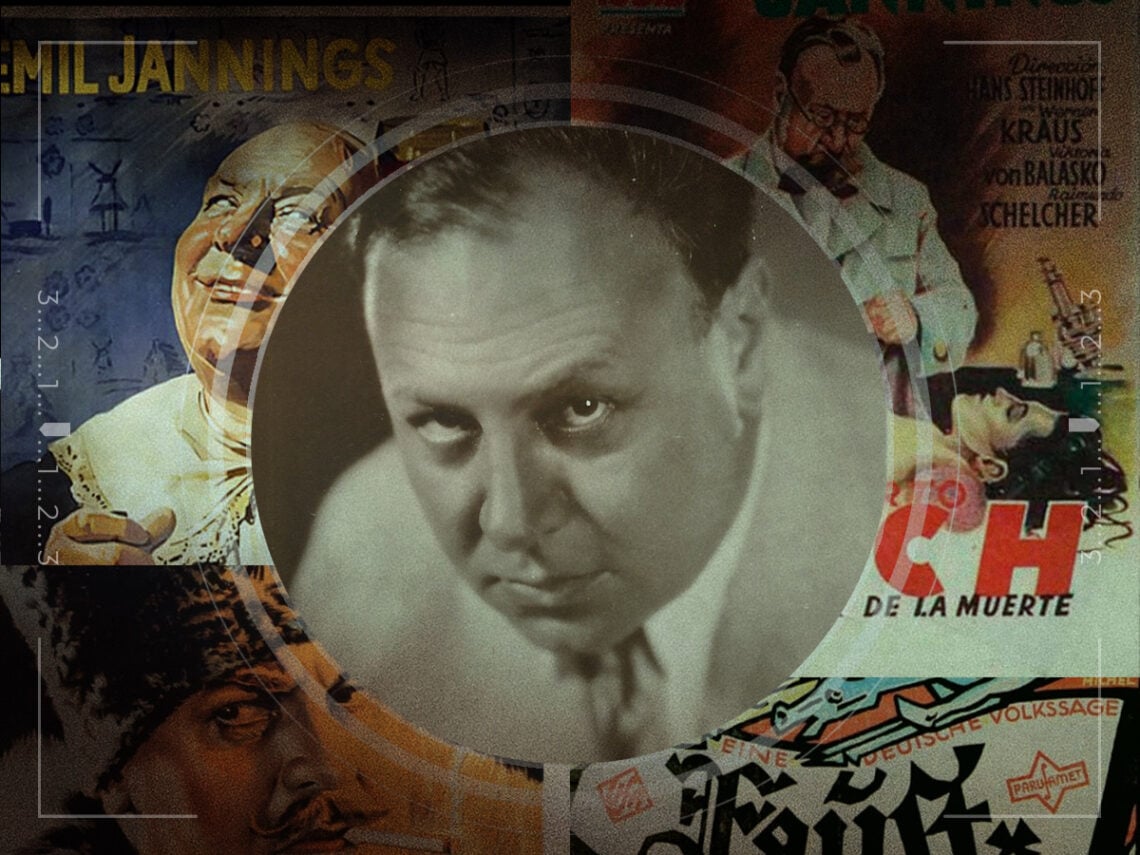
Emil Jannings: the Oscar-winning actor who found a new career in Nazi propaganda films

At the first Oscar ceremony in 1929, the Academy was caught in a bit of a pickle when it came to deciding the winner of the inaugural ‘Best Actor’ award.
As the votes were tabulated, it became clear that voters mightn’t have taken this newfangled Oscars thing as seriously as hoped. The actor with the most votes was the star of two films from the preceding year, A Dog of the Regiment and Jaws of Steel, but he wasn’t exactly capable of donning a tuxedo for the glitzy ceremony. Yes, as preposterous as it sounds, a dog named Rinty was the star of those films, and the great and good of Hollywood clearly thought it would be funny if he won on the night.
Worried the Oscars would be written off as a joke, the Academy went with the next best option: German silent film star Emil Jannings, who bagged the coveted Little Gold Man for his roles in 1927’s The Way of All Flesh and 1928’s The Last Command. Then, to the Academy’s horror, he went on to become the Nazis’ go-to propaganda actor in the 1930s, and any mention of the first ‘Best Actor’ winner – dog or not – had to be quietly swept under the rug. Typical, really.
Indeed, Jannings’ strange tale is a black mark on Hollywood to this day. His ties to the Nazi Party still weren’t overly well-known in America even after World War II, and this is why he was awarded a star on the Hollywood Walk of Fame in 1960, which is still there today. Any mention of his Nazi association was omitted from the Walk of Fame website, yet his photo was completely removed from the official Academy website because of those very ties. Talk about mixed messages. Whatever the case, Europe has proven a lot more sensible than the US, because when a similar star-based memorial was created in his birthplace of Rorschach, Switzerland, in 2004, it was swiftly removed a few days later following a public outcry.
So, how did a man who won one of Hollywood’s highest honours end up working with the Nazis on so many despicable propaganda films that Joseph Goebbels once named him ‘Artist of the State’ and gave him complete artistic control over the state’s film studio? Well, if you listen to Jannings himself, whose career eventually fell into disrepute, his reputation in tatters, he insisted that he had no choice.
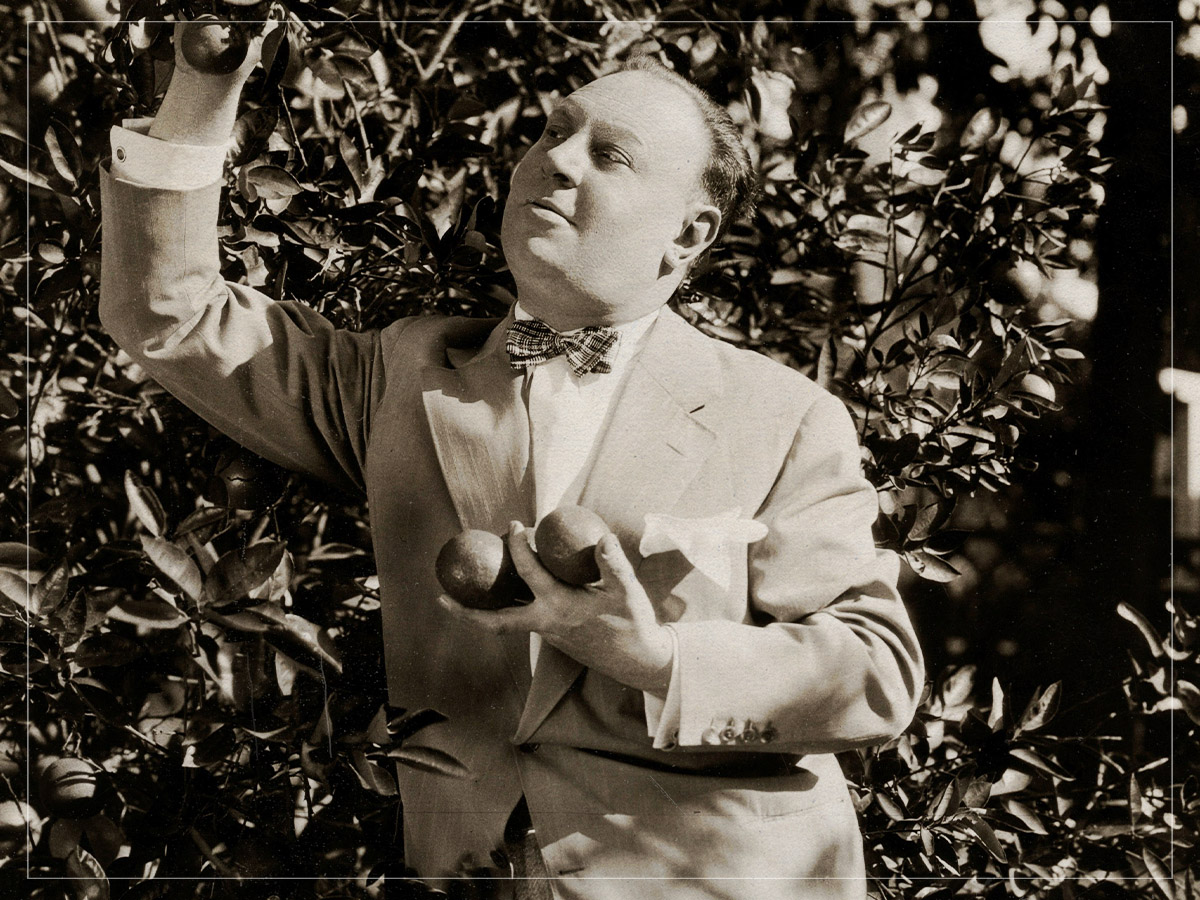
“Open resistance would have meant a concentration camp,” he said in 1945, before claiming that Goebbels forced him to make the movies.
However, in his 1951 autobiography Life and Me, he hinted that the reality was more nuanced than that. In this explanation, it was a matter of putting his head in the sand to continue doing what he loved. “There are things one cannot talk about, things that pull us in opposite directions at the same time,” he wrote. “As my heart and soul belonged to the art of acting, they ordered my head not to worry about things that were none of its concern.” Ignorance is bliss, eh?
Of course, while this is a pretty weak explanation, it’s not an altogether unfamiliar one. In fact, it sounds depressingly similar to the excuses of many people who had to reckon with an embarrassing Nazi association in the post-war years. As for other theories explaining his participation, some experts believe he did it to keep his Russian-born, Berlin-based mother safe, as she had Jewish origins. Still, that motivation has never truly been confirmed.
When you get right down to it, though, the explanation that makes the most sense to me is all to do with advancing technology. Jannings was a silent film star, and when he first began making a name for himself in America, the press was told that he was born in Brooklyn, New York. As soon as The Jazz Singer, the first ever ‘talkie’, came along in 1927, though, his days as a Hollywood star were numbered.
Suddenly, actors were expected to speak on-screen, and when Paramount Pictures screen-tested him, he couldn’t hide his distinctly thick German accent. As soon as the prideful star rejected the studio’s offer to dub his voice, he was done in America. His subsequent return to Germany then coincided with the rise of Hitler and the Nazi Party, and a highly questionable opportunity to take his career in a whole new direction.
