


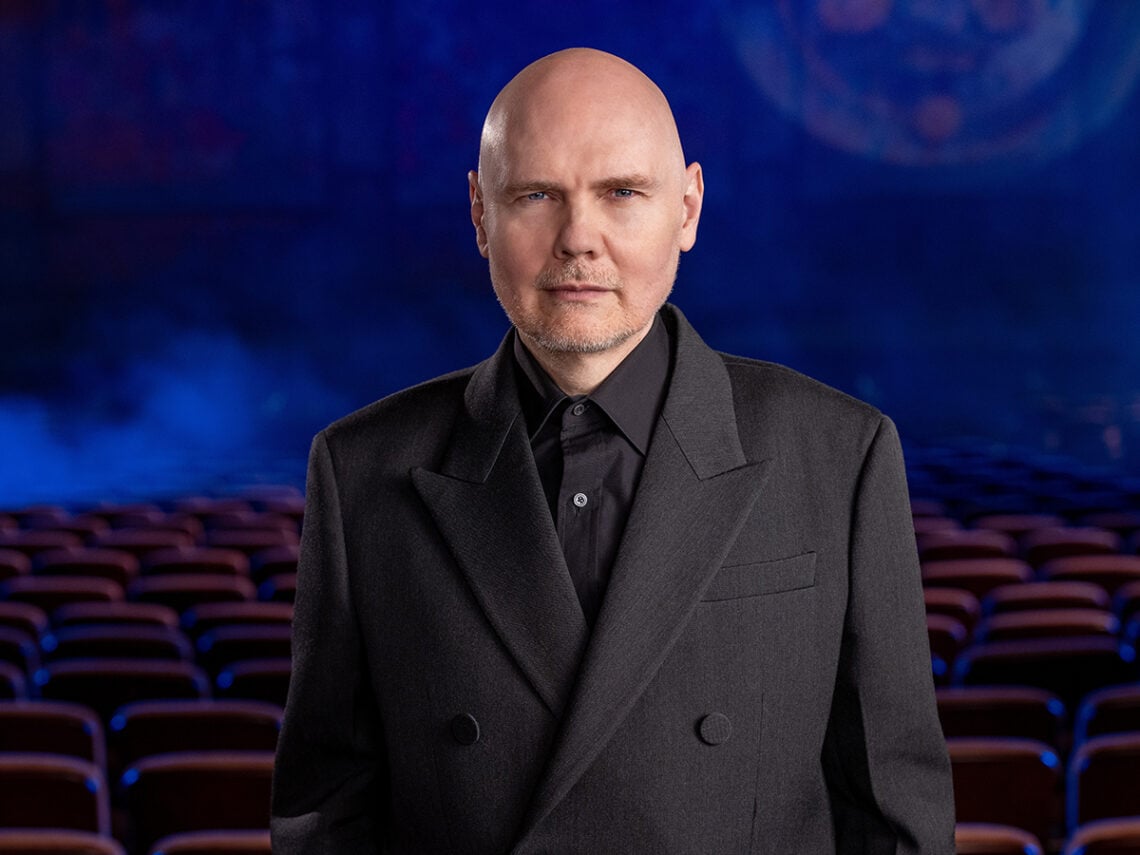
“Influenced everybody”: The guitarists Billy Corgan called the “bible for rock guitar”

Surely, every guitar fan (whether a fellow guitarist, themselves, or a ravenous listener) has a personal favourite they revere like a God.
James Hetfield, for instance, has his “rhythm gods”, while Jimi Hendrix had a long list of favourites and was the one who first properly introduced Billy Corgan to the guitar. Raised by a musician father who bought him a used Les Paul knock-off with his savings, kickstarting his love for the instrument, Corgan was recommended he dive into the discographies of two greats: Hendrix and Jeff Beck.
Appearing on the series Track Star*, Corgan was confronted with Beck’s rendition of ‘I Ain’t Superstitious’, a song first recorded by Howlin’ Wolf in 1961 and later recorded by Beck with Rod Stewart on vocals, for his 1968 debut album, Truth. Corgan, however, initially mistook Beck’s song for a Led Zeppelin song (before guessing correctly on his second try).
“I’m a hardcore fan,” he later emphasised of Zeppelin, “Like, I have the weird test pressings and all that type of stuff. I’m one of those weirdos. But what I say about Led Zeppelin is: as a musician, it’s unfair. They’re so good, it’s unfair. Like, how does he sing like that?”
Listening solely to the guitars of ‘I Ain’t Superstitious’, it is not too difficult to imagine where Corgan got his guitarists mixed up. After all, Beck joined The Yardbirds at the recommendation of Jimmy Page, when the future masterful guitarist was a session musician, like Beck. The two eventually played in The Yardbirds together for a time, that is, before Beck was fired in 1967.
Of course, he was destined to be prolific, and he was only just beginning when his tenure in The Yardbirds ended. From his assemblage of The Jeff Beck Group, to his solo albums, ceaseless collaborations and near-stints with Pink Floyd and The Rolling Stones, Beck was on his way to becoming an icon in the making. But The Yardbirds were foundational, and within the band’s lore, another curious commonality came with how Beck ended up playing guitar for them in the first place: he was replacing Eric Clapton, who had left the band just as they achieved their first major hit with ‘For Your Love.’
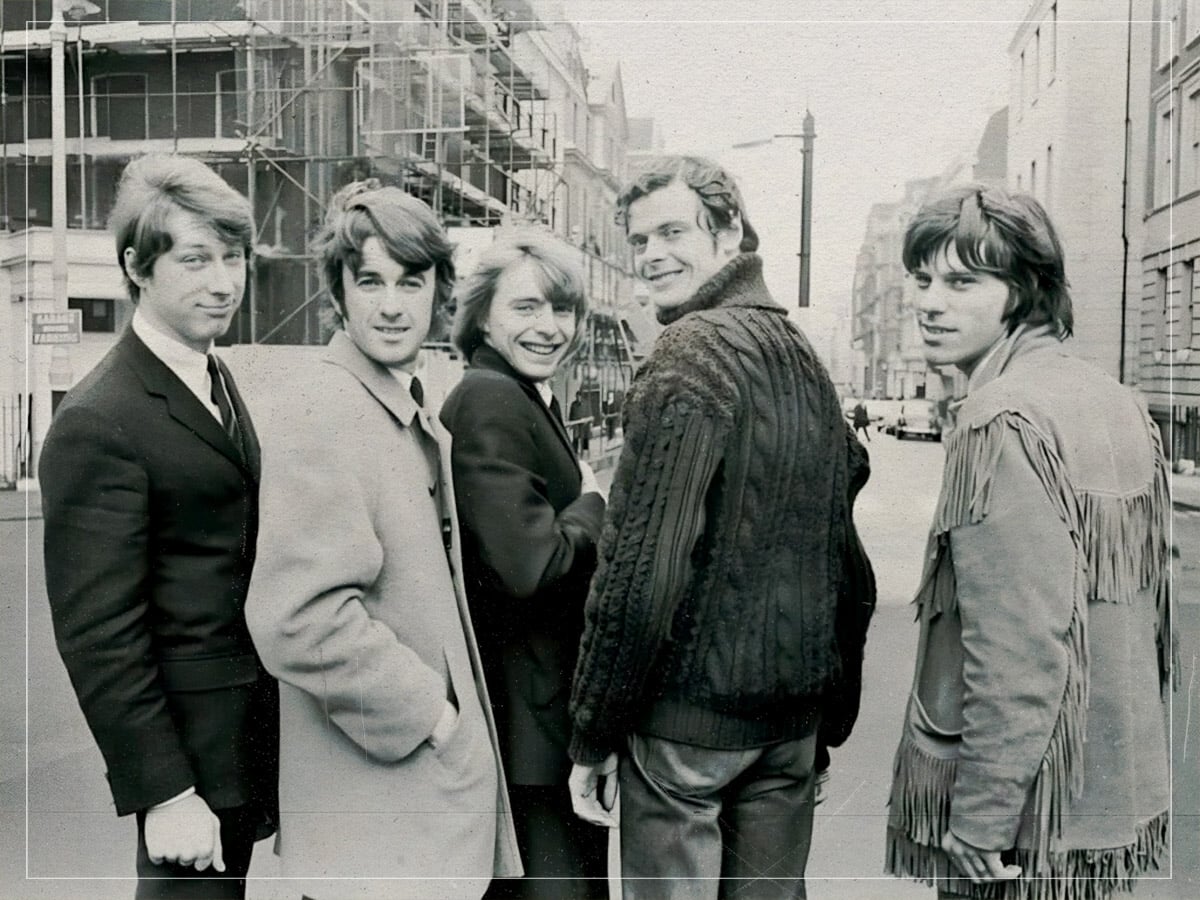
“If you look at those three guitar players that grew up around the same time, Jimmy Page, Jeff Beck and Eric Clapton, basically, I think, 20 miles away from each other, I mean, that’s pretty much the bible for rock guitar that I grew up with, and that influenced everybody we’re talking about,” Corgan asserted.
Indeed, for the generation of rock fans in which Corgan grew up, this trio were the gods among men when it came to picking up the guitar and altering the ways in which the instrument could be played, sound and distorted, entirely. Even those who have no knowledge of the guitar firsthand can hear the intricacies of how Beck, Page and Clapton each moulded their axes into something singular and unique. This is something that Corgan caught on to, from when he was a child, listening to his father play his own instrument.
“When I was a kid, my father was a very skilled guitar player, but he was very snotty about guitar players,” he remembered, “He was always dismissive about Clapton, and he thought Jeff Beck was the real deal. And, I said [it] in an interview, so it became a famous quote: my father once said, ‘Don’t listen to Clapton, he sucks. Listen to Jeff Beck‘.”
Whether you agree or disagree with Corgan’s father, his son certainly saw two sides to the coin that he held. Beck and his legacy are solidified in what the former refers to as “a guitarist’s guitar player”, presumably, a musician whose talent was so paramount, few words could describe it beyond the simple act of just listening. From Corgan’s memory, people would remark, “Like, ‘Oh, you gotta listen to Jeff Beck’, and I think that’s the point my dad was making: he’s the real deal. But I think Clapton’s just as real a deal.”
Whichever rock bible you proclaim your devotion to, whether that be the trio of Beck, Clapton, Page, or another guitarist of your choosing, there is a clear distinction between them in terms of a fascination with the guitar as an instrument to communicate with a particular emotion.

Never Miss A Tale
The Far Out Classic Rock Newsletter
All the latest Classic Rock content from the independent voice of culture.
Straight to your inbox.