


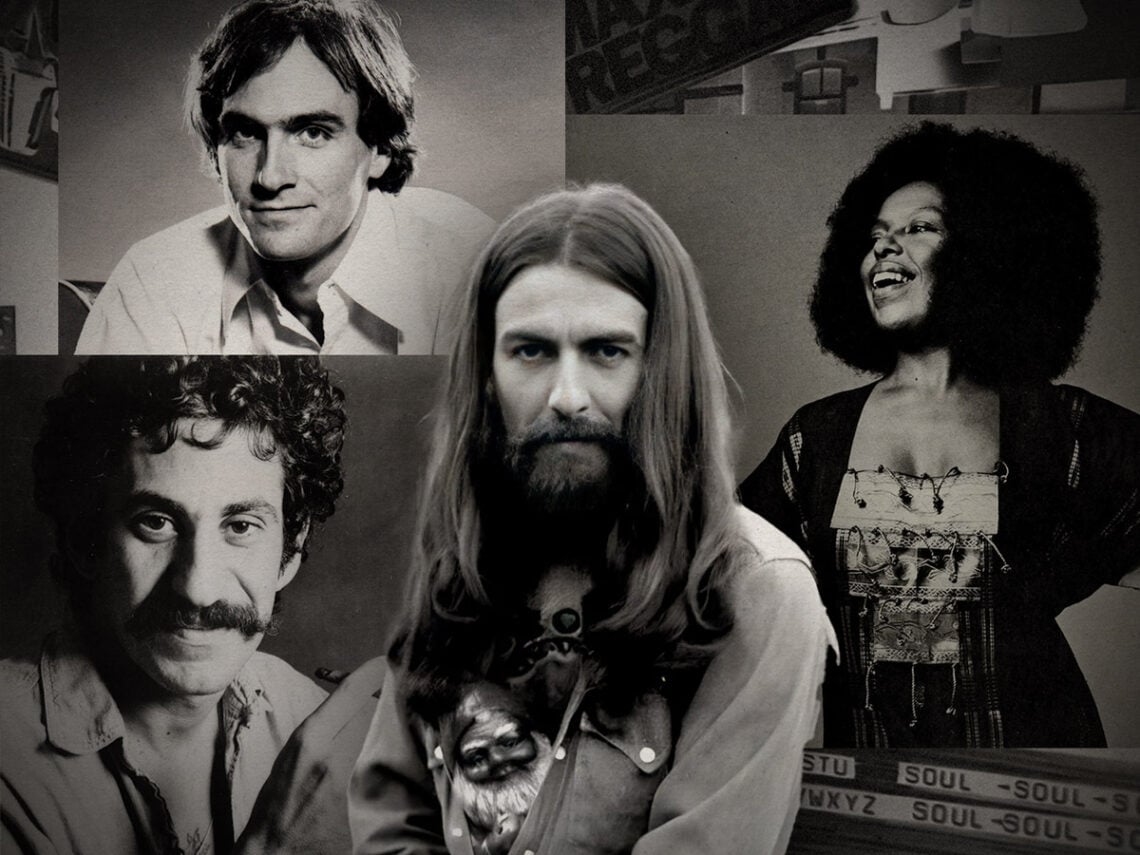
The five most tragic songs of the 1970s

Coming off the heels of the so-called love generation, the 1970s were instead clouded by an air of disillusion, with plenty of tragedy to go around.
The hippie generation became something of a mockery, while political and social turmoil only seemed to amplify, so writing about the tragic series of events plaguing society seemed as good a place to start as any.
In contrast with the likes of punk and disco, these songs were energised counterparts that refused to wallow, and the decade proved to be the most experimental yet, but as many of the greats across rock, folk and country tend to do, there were a plethora of songs written and recorded that centred tragedy in their narratives, perhaps in a way speaking for the listeners who did not have words to describe the underlying sadness of the times.
Certainly, by no means a definitive list, these five tracks reflect a wider, universally felt reckoning with pain, the loss of a relationship (platonic, romantic or otherwise), struggles with mental health and more.
The 1970s’ five most tragic songs
James Taylor – ‘Fire and Rain’
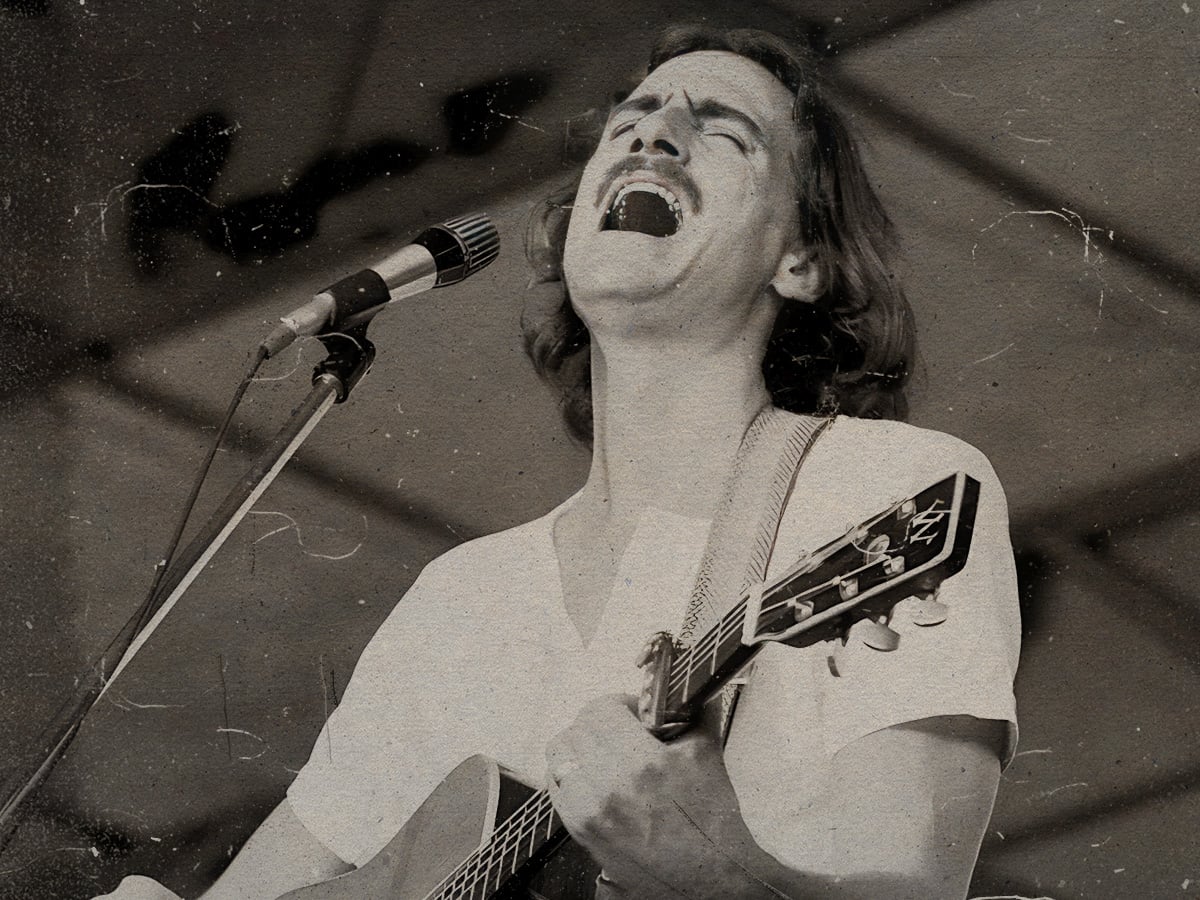
Taylor’s breakthrough hit was written after a series of events that he’d endured at the beginning of his career, and consequently, can be dissected into three parts. The first is dedicated to Suzanne Schneer, a childhood friend of Taylor’s who committed suicide while he was recording his debut album in London. He did not learn of her passing until about six months later, as his friends kept the news from him so as not to detract from his recording sessions.
The second part addresses his ongoing battles with depression and addiction, having struggled with his mental health since his teenage years and was sent to a psychiatric hospital in Massachusetts, as well as enduring multiple rehabilitation stays to get clean. The third part can be heard in tandem, as Taylor now reckons with the effects of fame on his already fragile state, as he sings, “Sweet dreams and flying machines in pieces on the ground”.
‘Fire and Rain’ has a universal sentiment where every listener can find some semblance of themselves in Taylor’s pain, whether that is felt in conjunction with grief, addiction or mental health struggles, making for a song that reflects his generational plight.
Gram Parsons & Emmylou Harris – ‘In My Hour of Darkness’

Before his passing at just 26 years old, Gram Parsons made an indelible mark on music history, his work with The Byrds and The Flying Burrito Brothers solidifying him as a crucial progenitor of country-rock. In the last few years of his life, he befriended and, in turn, discovered Emmylou Harris, and it is with her that he crafted his final, posthumous album, 1974’s Grievous Angel. The album’s elegiac final track (which also features Linda Ronstadt, on vocal harmonies), ‘In My Hour of Darkness’, is, similar to Taylor’s song, split into three sections, each dedicated to the tragic loss of a friend.
The first is dedicated to Brandon de Wilde, a close friend of Parsons’ who was an actor and musician. In 1972, while in Denver, Colorado, for a stage production of Butterflies Are Free, he was killed in a car crash at just 30 years old, which finds Parsons singing, “Who’d have ever thought they’d build / Such a deadly Denver bend”. The second verse is written for Clarence White, the guitarist for The Byrds, who joined the band just after Parsons left, and later toured with him and Harris in 1973, becoming close friends. Sadly, he passed away after being struck by a drunk driver just weeks after this tour, at merely 29.
The third verse is for Sid Kaiser, who was a talent agent, producer, and a friend of Parsons and Keith Richards, who died of a heart attack, about whom Parsons sings the lines: “And I loved him like my father / And I loved him like my friend”. The tragedy of ‘In My Hour of Darkness’ becomes even more poignant when considering that its singer would pass away just weeks after recording it.
Jim Croce – ‘Time in a Bottle’
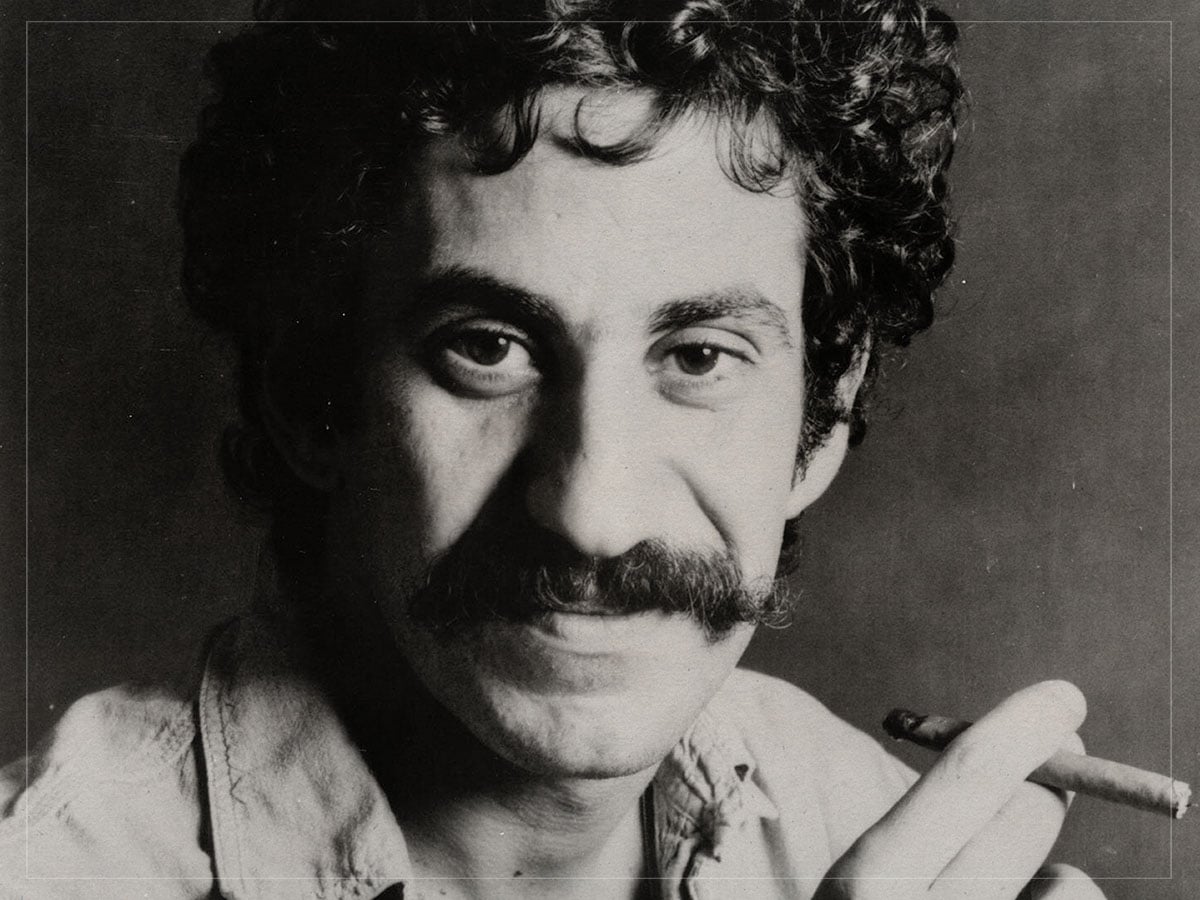
Croce wrote ‘Time in a Bottle’ after learning the news that his wife, Ingrid, was pregnant in December of 1970, with the sadness pouring from his lament of time’s finite nature: “But there never seems to be enough time / To do the things you want to do”.
He wishes to “save every day / ‘Til eternity passes away”, and even then, no amount of time will be enough. The wistful melody grows with the acoustics that accompany Croce’s voice of simple yet reminiscent chimes.
Much of the tragedy of ‘Time in a Bottle’ came to be realised when Croce died in a plane crash in 1973, and thus, the song’s message of longing for infinite time to spend with his son becomes even more heart-wrenching. With the music video, too, composed of home video footage of Croce and his family, the ballad becomes a deeply moving portrait of life and memory, and is perhaps the most mournful tune on this list.
Lori Lieberman / Roberta Flack – ‘Killing Me Softly with His Song’
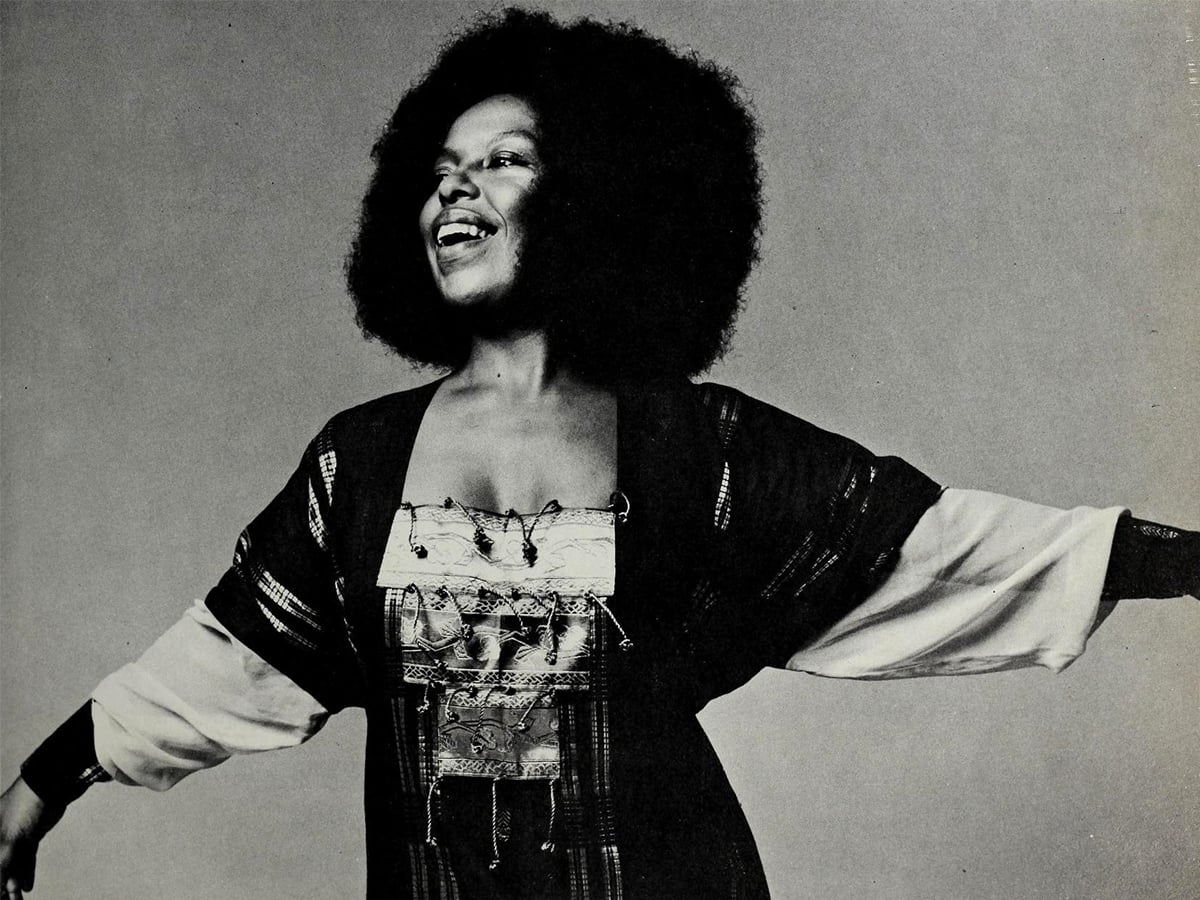
The long history of ‘Killing Me Softly with His Song’ warrants two acknowledgements: first, for its songwriter, Lori Lieberman, who scrawled the beginnings of its lyrics on a paper napkin while watching Don McLean sing his song ‘Empty Chairs’ at Hollywood’s Troubadour. She brought these notes to songwriter Normal Gimbel and composer Charles Fox, who moulded them into a fully-formed song.
While Lieberman’s eventual recording did not quite reach the charts in 1972, it was on a fateful flight when Roberta Flack heard the tune and, reinventing the song with her own signature, honing in vocal harmonies and new arrangements, that ‘Killing Me Softly’ became a massive chart-topper that, in turn, gave Lieberman’s story its due.
Aside from the obvious tragedy of the title, the song itself reflects the poignant sentiment of hearing a musician sing a story that so deeply resonates, it feels as though they’ve reached into your soul: “He sang as if he knew me / In all my dark despair”. The vocal deliveries from both Lieberman and Flack (and certainly, Lauryn Hill in the 1990s) elevate the sentiment to where you feel the women’s despair at feeling their emotions being exposed, for the first time.
George Harrison – ‘Isn’t It a Pity?’

Harrison wrote ‘Isn’t It a Pity’ in 1966, but his version would not be released until 1970, on his third album, All Things Must Pass. Believed to be about the cracks beginning to form among The Beatles, Harrison’s song is a broader reflection on disappointment.
“‘Isn’t It a Pity’ is about whenever a relationship hits a down point,” Harrison explained in his 1980 autobiography, I, Me, Mine, “It was a chance to realise that if I felt somebody had let me down, then there’s a good chance I was letting someone else down. We all tend to break each other’s hearts, taking and not giving back.” The song was later covered by many, most notably Nina Simone in a gorgeous 11-minute reinvention.
While Harrison’s words are steeped in tragedy, from the rhetorical, titular question to the lines, “And because of all the tears / That eyes can’t hope to see / The beauty that surrounds them”, he turns his gaze towards the listener, not preaching about love but advocating for it instead. We may be unable to change the past, but we can move forward with intention, and in Harrison’s dissection of humanity’s tendency to fall short of caring for one another, he holds hope for the future.
