


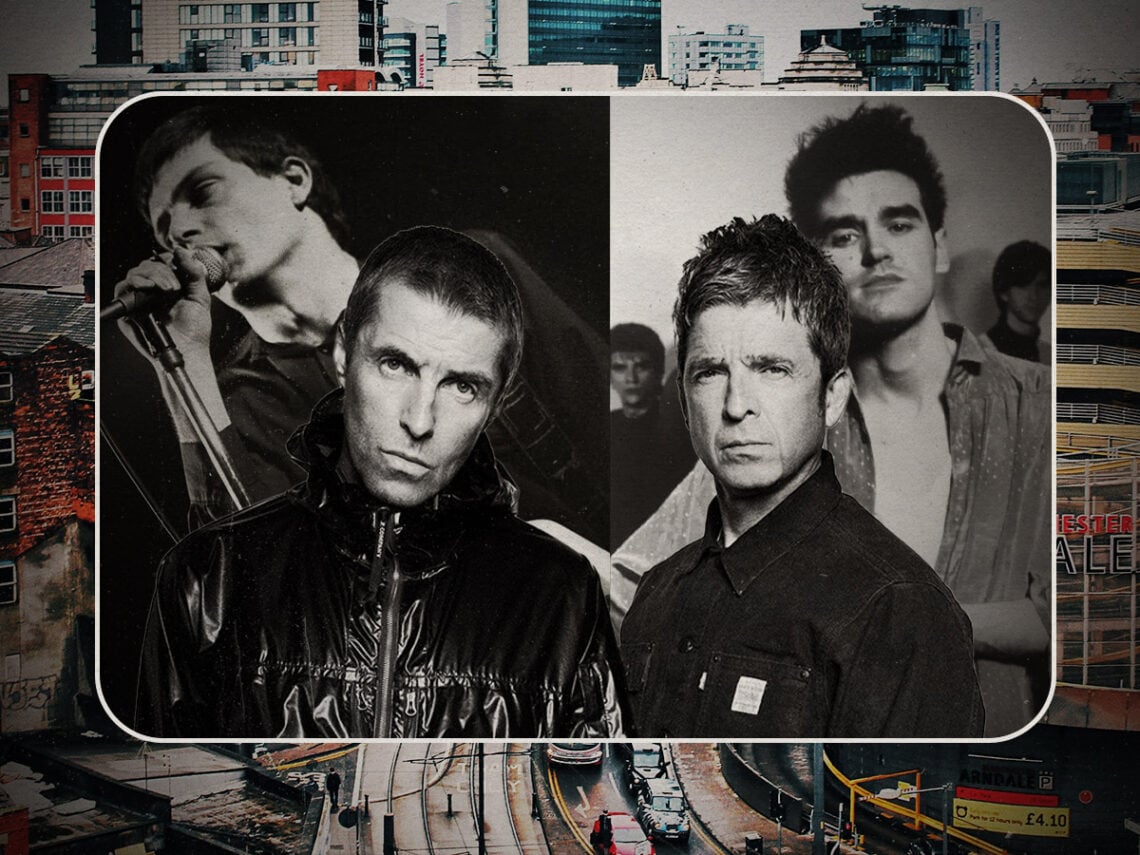
The five best bands from Manchester that aren’t Oasis

As I approach the ripe age of 30 this spring and tally up my bucket list of new ideas to take into the decade, an unlikely city-break destination sits at the very top of said list; not unlikely in its exoticism, but unlikely in its surprising elusiveness in my life.
Despite living just a handful of hours away and, more crucially, being a music fan, I have yet to ever set foot in the hallowed city of Manchester. It’s time to put that right this decade.
Obviously, it’s the latter that drives my desire to take a trip to the northwest, for the weather leaves little to be desired. But it’s in the murky shadows of that gloomy British sky that the city’s greatest artists have thrived, galvanising the working class spirit of the people around them and distilling it into a gritty, vibrant and nearly always innovative new sound.
Of course, Oasis proudly represent such an idea, with their gritty four-chord formula creating anthems that can bleed from the terraces of the city’s football stadiums and seamlessly into the pubs, where the soul of the people truly exists. But as their fourth album rightly explains, this success is standing on the shoulders of giants who came before them.
The late 1980s and early ‘90s saw the Madchester movement take flight and begin a cultural tidal wave that would forever put this honest city at its crest. In that time, countless bands stepped forward and led Britain into an artistic renaissance that would culminate in the likes of Oasis, and if this list doesn’t inspire my train ticket purchase, then I don’t know what will.
The five best bands from Manchester that aren’t Oasis:
The Fall
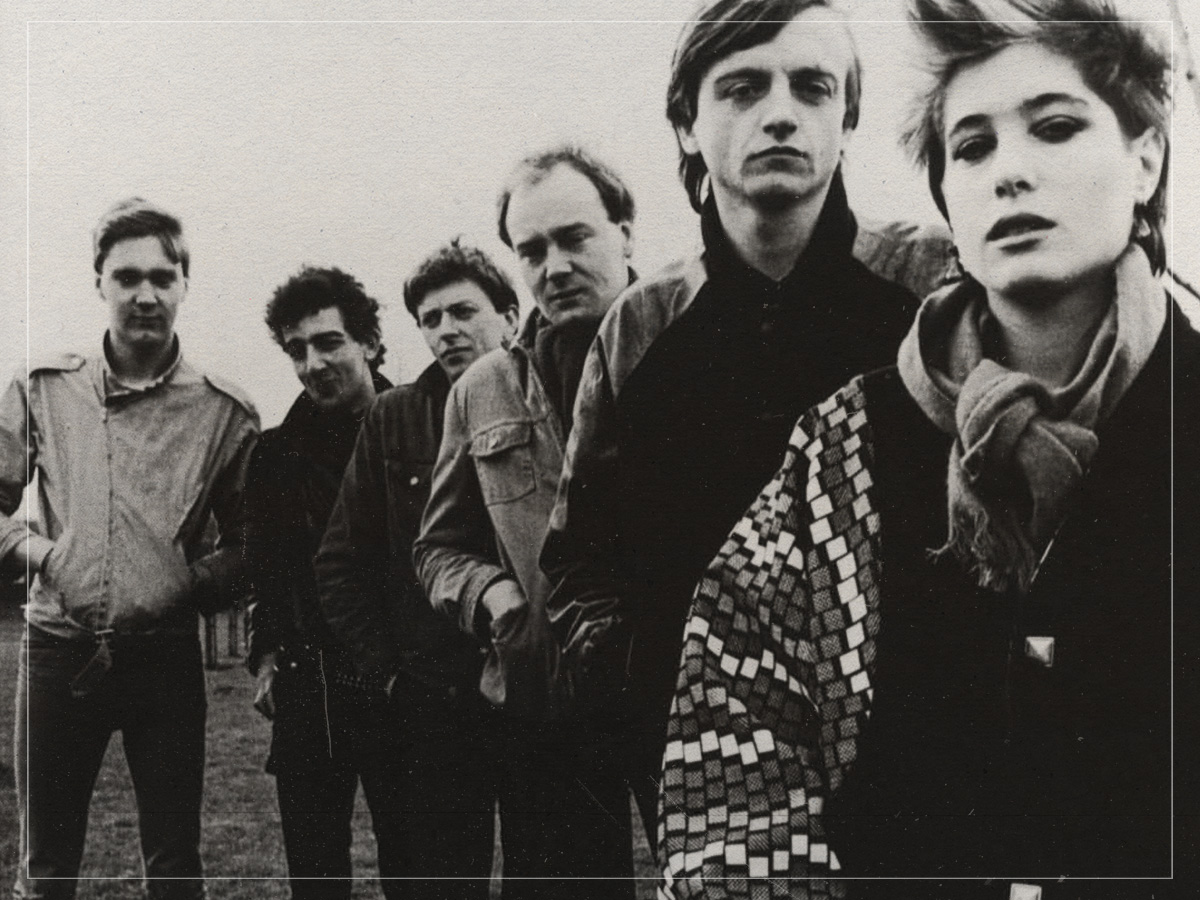
The brutalist poetic spirit that seems to define Manchester’s artistic output can largely be traced back to the world of The Fall and, more specifically, Mark E Smith. He perfected the sardonic humour of its history and injected it with intellectual social commentary to make his work brutally personal and reflective one minute, while elusive and provocative the next.
This all perfectly married with the band’s sonic composition, bringing together repetitive rhythms and the abrasive guitars that emerged from the punk scene of the late 1970s to create a perfectly caustic world for an angsty Manchester band representing a suitably bleak societal era.
Happy Mondays

“I’m not from Manchester, I’m from Salford,” Shaun Ryder once told me in an interview with Far Out, as my wide-eyed enthusiasm for this faraway city got the better of me. For this list, I’m willing to disrespect him one more time and bundle him into the Manchester category, for their fingerprints are all over its influence.
They were one of the very first bands to fuse the city’s burgeoning genres, from indie rock to acid house, and in turn, capturing the era’s vibrant rave culture that mixed with the grittiness of working-class rock and roll. Much is historically said about the wild days of the Hacienda, and while we can’t turn back time and experience it ourselves, listening to the Happy Mondays is coming as close to it as possible.
Joy Division/New Order
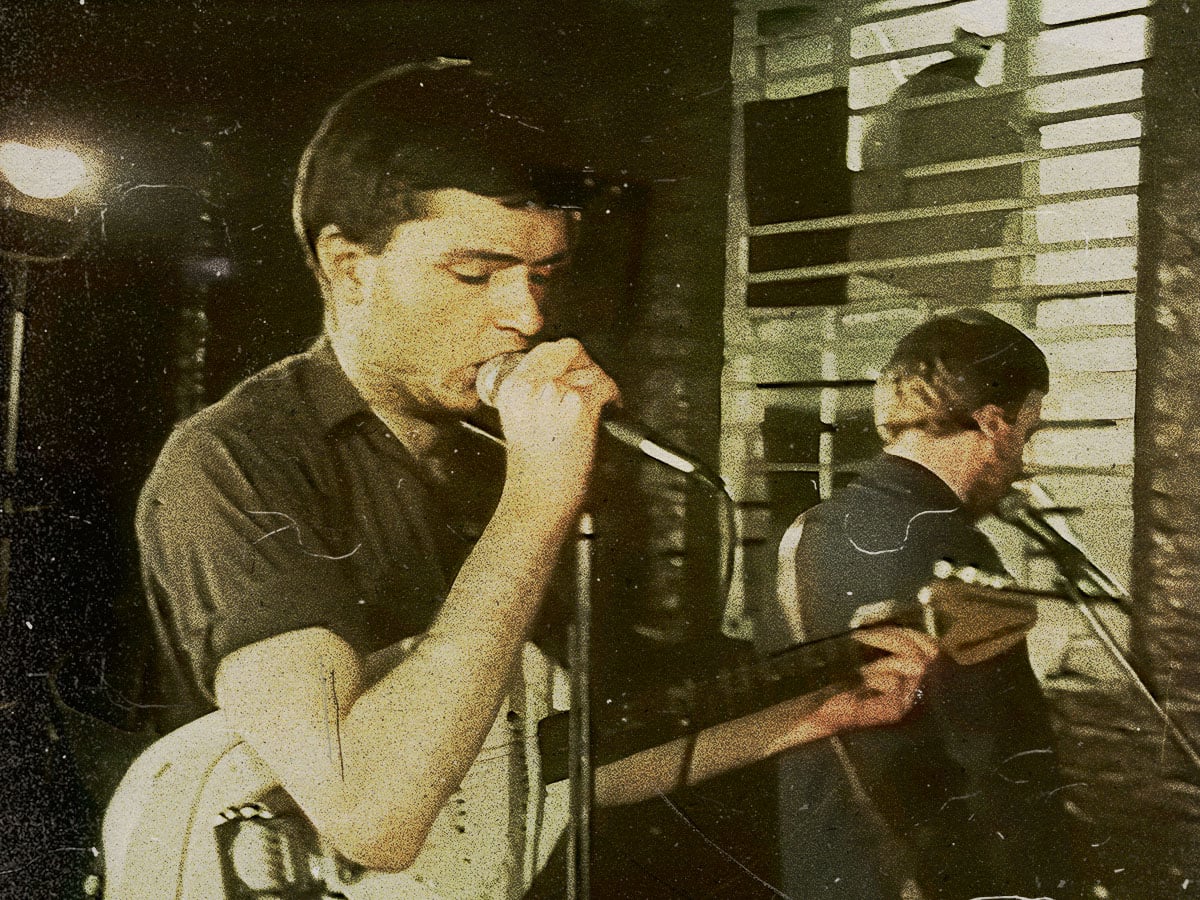
If I can cheat my way into getting Salfordian Ryder into this list, then I can pretty much do the same and combine Joy Division and New Order; after all, their members were pretty much the same people.
You could almost trace the lineage of Manchester’s cultural history through these two bands, be it the industrial minimalism of Joy Division, capturing the spirit of defiance in Margaret Thatcher’s Britain, or the electronic vibrancy of New Order, which looked forward to a more hopeful and liberal future. Both bands laid the groundwork for an era of genre fusion that put angst, euphoria and honesty at the very forefront of music.
The Smiths

Simply put, The Smiths laid down the foundations for an era of British indie rock that expanded beyond the realms of Manchester’s postcode. They were almost a bridge between The Beatles dominated past and the Oasis-led future, blending psychedelic licks with a punk spirit to usher in an exciting new era of rock.
That juxtaposition of sounds was perfectly reflected in its unlikely yet winning songwriting combination. Something in the Manchester stars assured that these two poets, lost in the limbo of Thatcher’s Britain, would find each other and create music that deeply opposed yet perfectly combined with one another. Marr’s subtle songwriting optimism paired with Morrissey’s melancholy to make perfectly rounded music that captured the dichotomy of modern life.
The Stone Roses

With just one great album, The Stone Roses captured the essence of Manchester in a bottle. Like so many of the other bands that have made this city so great, The Stone Roses perfected the art of genre-fusing, delicately balancing psychedelic guitar licks with acid-house rhythms, all while somehow writing choruses that could be endlessly sung on the Manchester terraces.
The band lifted the city from its knees and forced it to wave goodbye to the economically and societally bleak ‘80s that had preceded them, promising a future of kaleidoscopic colour. Through their music, relationships suddenly felt optimistic, dancing no longer felt awkward, and Manchester felt hopeful, for a vibrant era of success beckoned. But none of it would have existed had this band not shown them the way.
