


‘The Drama’: A24 wants to start a conversation it won’t allow its stars have

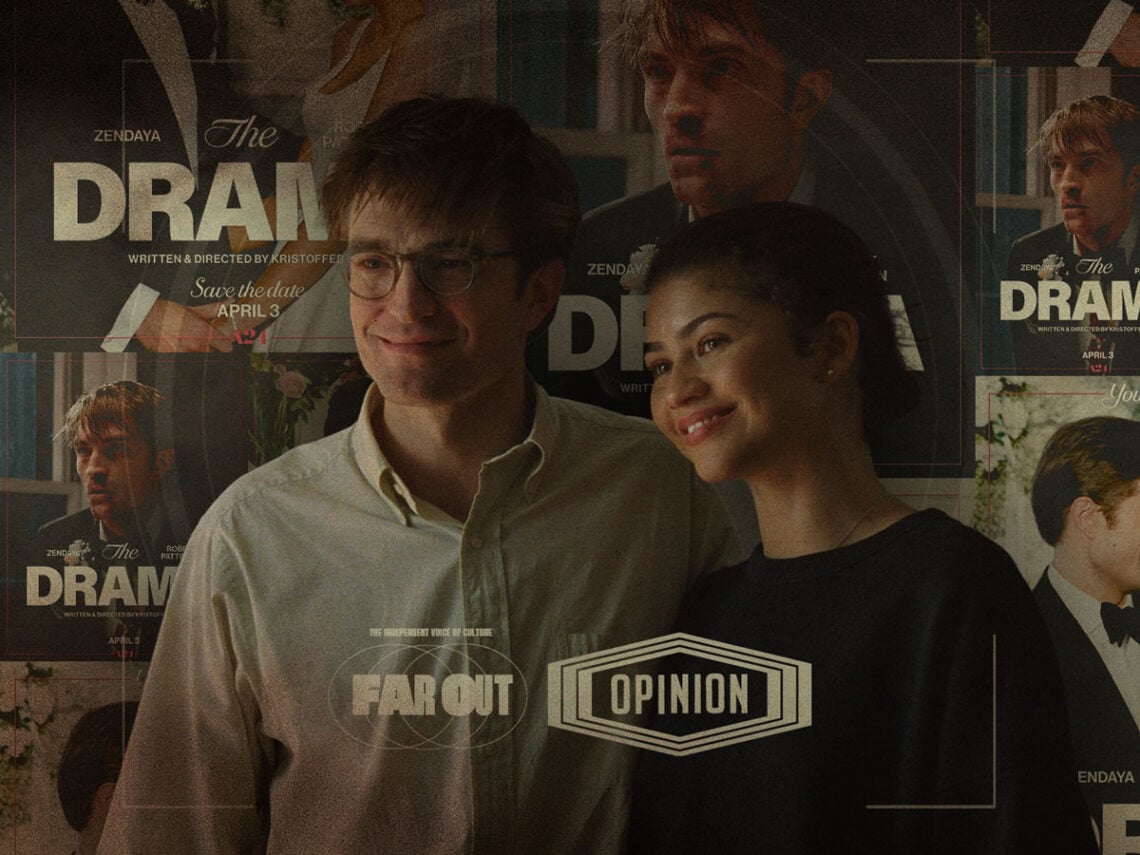
A24’s latest provocation manages a rare feat for the indie distributor: it is genuinely provocative. Directed by Norwegian filmmaker Kristoffer Borgli, The Drama stars Robert Pattinson and Zendaya as an engaged couple giddily preparing for their wedding. Just days before the ceremony, however, their seemingly blissful partnership is upended when Emma (Zendaya) reveals a shocking episode from her past.
As with most A24 movies, the marketing campaign for The Drama has been its own little Gen Z masterpiece, a meticulously curated series of clips and taglines maximised for algorithmic contagion. The official trailer shows a rom-com-style montage of the couple’s history before settling on a scene in which they are challenged by their friends to reveal the worst thing they’ve ever done. When it’s Emma’s turn, she says, “OK, I um…” and the scene cuts to the dumbstruck aftermath of her revelation. It’s such a shameless cliffhanger that it may as well be a headline in The Daily Mail, but if you go into the film without knowing the twist, the moment will almost certainly exceed your expectations.
Taking place just 20 minutes into the movie, the revelation is that Emma had planned a school shooting when she was in high school. She had the gun (an automatic rifle belonging to her father), she’d practised and meticulously planned the massacre, and she even recorded a video, expecting to be dead by the time anyone found it. In a brilliantly dark and pointed twist of Norwegian humour at America’s expense, it is revealed that the only reason she didn’t go through with it is that she was upstaged by another shooting that happened the same day.
From this tidy elevator pitch (what would you do if your soon-to-be spouse revealed that they once nearly committed a mass shooting?), the film traces the many questions that follow. Are we responsible for the actions of our 15-year-old selves? Do people really change? Is withholding a sensational biographical detail from your partner tantamount to fraud? How much can we really know the people we’re closest to? Is this America’s fault (yes) or the fault of the teenagers who commit the crimes (also yes, but in a more nuanced way)?
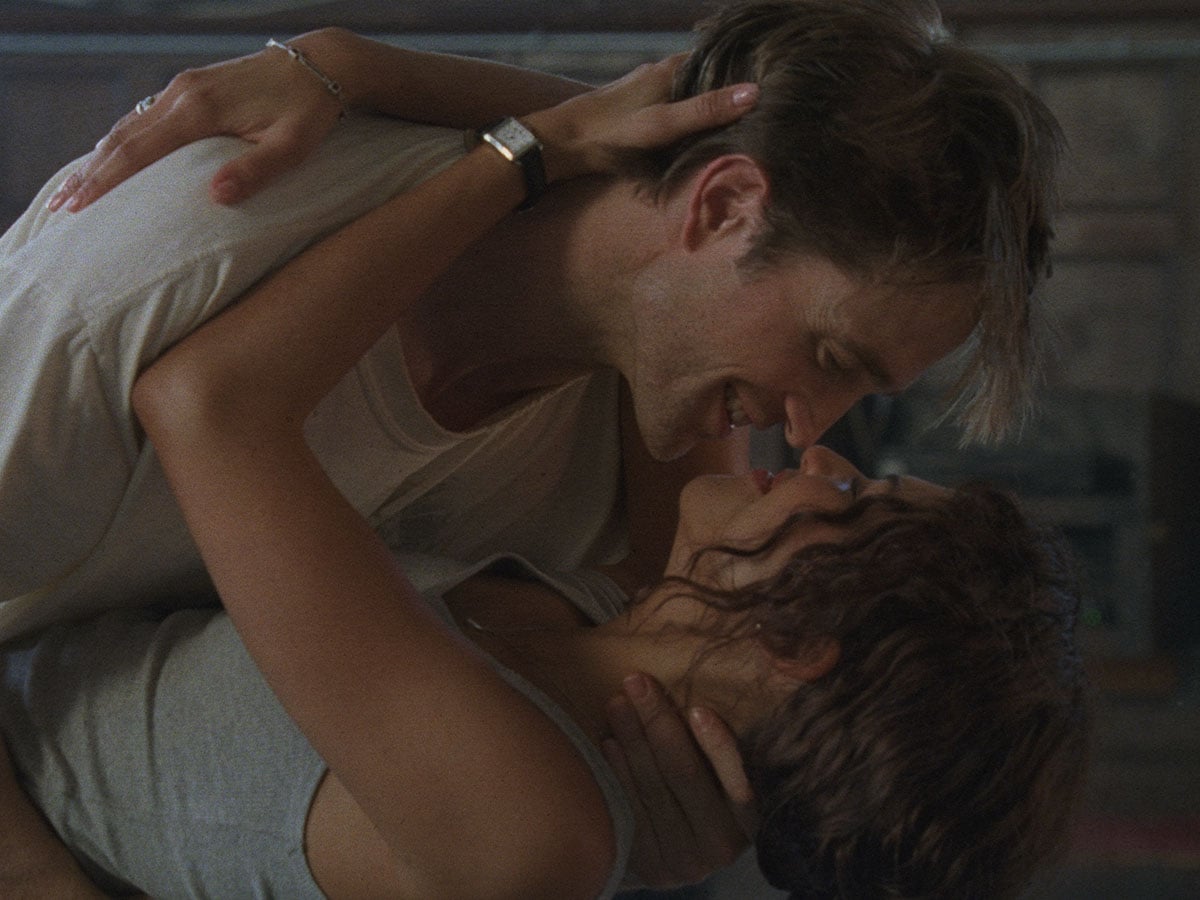
By making the almost-perpetrator Black and female, Borgli further complicates these questions. Gun violence is a uniquely male problem, and school shooters skew towards white and male, which makes Emma’s race and gender a device that adds layers of nuance to an otherwise easily recognisable and vilified character. Unfortunately, Borgli fails to fully explore all these intersectional complexities. He clearly recognises that the character’s race and gender are a plot necessity, but doesn’t seem interested in expanding upon them. This makes the conversation around the film (especially from Zendaya) just as crucial as the incomplete conversations that take place within it. Sadly, those conversations are not happening.
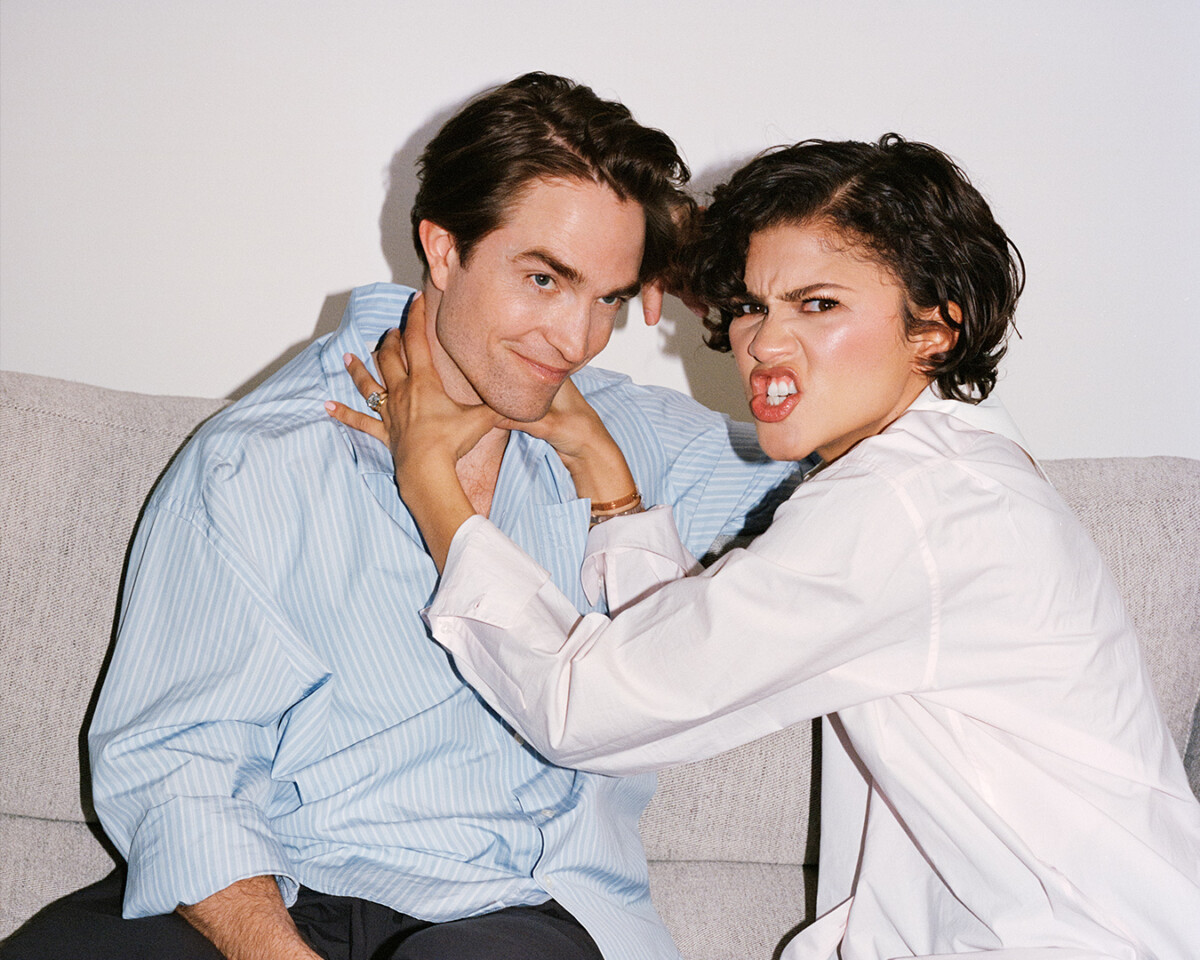
A24 has centred the marketing for The Drama around the twist. It is going for shock value, not debate. Because of this, the press junket for the film has been discordant with the premise that takes up nearly an hour and a half of its hour-and-45-minute running time. Pattinson and Zendaya have been charming the internet with their joint appearances, giggling their way through conversations about their personal romantic quirks, sweating, and Twilight. When Zendaya showed up at a cinema in Notting Hill to promote the film, she was wearing a T-shirt with Edward Cullen’s face on it, prompting a revival of the ‘Team Edward vs Team Jacob’ debate from Pattinson’s vampire fantasy days.
What you will not hear during these appearances is anything to do with gun violence. The entire film is based around it; it’s one of the most harrowing and urgent problems facing America right now, and yet, you will not hear the stars of the movie uttering those words because it would spoil the twist.
In a recent interview with The Hollywood Reporter, activist Jackie Corin, a survivor of the 2018 Parkland shooting at a high school in Florida that took the lives of 17 of her classmates and teachers, weighed in on the discourse. “I hope that [Pattinson and Zendaya] use their platforms to talk about gun violence responsibly because they chose to play these characters,” she said. “I don’t think that the question is, ‘Should someone like Zendaya or Robert Pattinson be in a project like this?’ But does the project actually rise to the level of care that her platform brings to it?”
The answer is an emphatic “No”. What Corin alludes to is that the film’s success rests entirely on its stars, not its director or even its premise. Exit polls reported by IndieWire show that 70% of the audience went to see it because of Pattinson and Zendaya. Anecdotally, I can say that the cinema I attended was full of sweatpant-clad women who looked to be in their early 20s, several of whom name-checked Zendaya’s HBO series Euphoria on the way out of the cinema. This is a film that relies on its stars to attract audiences, but won’t let them weigh into the conversation that it purports to be starting.
School shootings are an epidemic in America. Even kids who do not experience one directly will have had to shelter in place in their classrooms when a classmate brings a gun to school or when there is a false report of such an event happening nearby. Every teen in an American high school will have gone through the motions of active shooter drills each semester, further reminding them that the unthinkable has become just as inevitable and uncontrollable as a tornado or a hurricane.
The Drama should be celebrated for addressing this nationwide abdication of responsibility headfirst instead of weakly alluding to it, but if A24 insists on exploiting its stars for ticket sales while preventing them from weighing in, it risks making gun violence nothing more than a provocative plot device. To quote another Zendaya movie, “With great power, there must also come great responsibility,” and no one seems to be taking responsibility here.
