


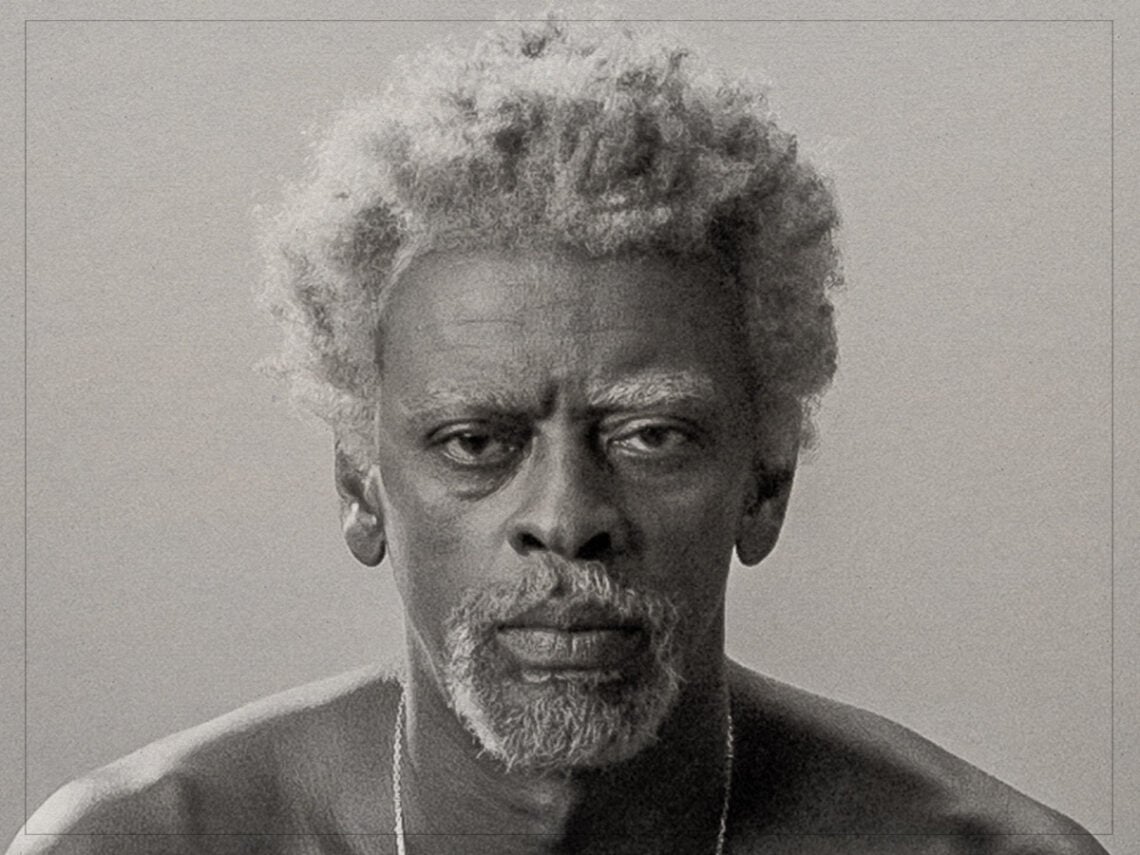
The defiant story of Seu Jorge

Brazil has gifted the world an abundance of musical revolutionaries.
We have seen the tropicalist subversions of Caetano Veloso and Gilberto Gil, the architectural minimalism of João Gilberto’s bossa nova, and the sun-drenched sophistication of Sérgio Mendez come from the country, yet while those figures were canonised into the international pantheon decades ago, in 1970, a different kind of legend was born in Belford Roxo, on the outskirts of Rio de Janeiro, in the form of Seu Jorge.
With looseness in the grooves, intimacy in the vocals, and an unforced sense of cool, his music is effortlessly warm to listen to, but behind the ease of his sound lies a life shaped by poverty, homelessness, grief, and persistence. While he may not always carry the instant global recognition of Brazil’s most canonised names, his sound and the cult status it has earned speak with equal authority.
Born Jorge Mário da Silva in Belford Roxo, a rough municipality on the outskirts of Rio de Janeiro, Seu Jorge was the first of four children and worked from the age of ten, taking up jobs in tyre shops, bars, and workshops just to help support his family, even serving in the Brazilian Army between 1989 and 1990, but because he struggled to adapt to military life, he was eventually expelled.
Music, however, remained a constant presence, as he attended samba circles and neighbourhood funk parties with his father and brothers, all of which formed the basis of his education, long before any formal training arrived. The Brazilian samba schools gave him rhythm and community, while American soul, particularly his favourite, Stevie Wonder, offered emotional depth and melodic sophistication, and together those influences would become the foundation of his style: traditional Brazilian forms filtered through deep grooves and soulful understatement.
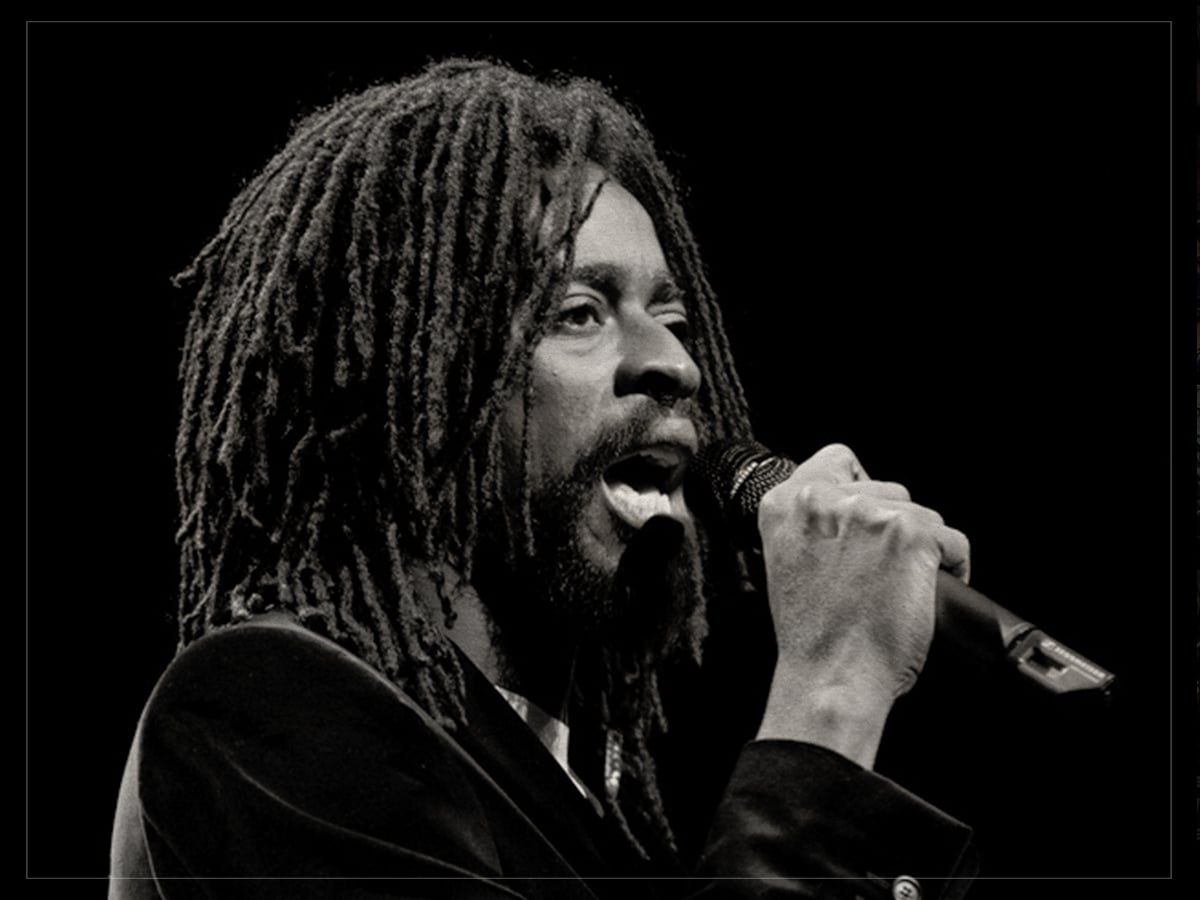
He started singing at local samba gatherings as a teenager, but tragedy arrived early in 1990, when his brother Vitório was murdered, tearing the family apart and sending Seu Jorge into a downward spiral that left him homeless for around three year, but the turnaround came through theatre, when Gabriel Moura, nephew of clarinettist Paulo Moura, invited him to participate in a production called A Saga da Farinha. Seu Jorge went on to appear in more than 20 performances with Companhia de Teatro TUERJ as both a singer and actor, sleeping in the theatre itself between 1993 and 1997, when he had nowhere else to go.
He later formed the band Farofa Carioca, whose 1998 debut mixed samba, reggae, jongo, funk, rap, and rock into something that felt distinctly Brazilian, and from there, his career began to accelerate, as he took part in a tribute project honouring Tim Maia, toured with rap-rock outfit Planet Hemp, and gradually built a reputation as one of the most exciting new voices in Brazilian music. Cinema soon followed, and Jorge became a rising star after appearing as Mané Galinha in City of God, the explosive 2002 crime drama directed by Fernando Meirelles and Kátia Lund, wherein the film’s international success then caught the attention of Wes Anderson, who cast him in The Life Aquatic with Steve Zissou two years later.


Playing the role of Pelé dos Santos (a sailor armed almost exclusively with an acoustic guitar), Seu Jorge quietly became one of the film’s emotional centrepieces, and throughout the movie, he performs stripped-back Portuguese-language versions of David Bowie songs including ‘Rebel Rebel’, ‘Life on Mars?’ and ‘Starman’, usually while wandering around the ship in the background of Anderson’s meticulously framed scenes. The covers could easily have become novelty pieces, but instead they transformed Bowie’s songs into something intimate and strangely melancholic.
Jorge later re-recorded the songs for The Life Aquatic Studio Sessions Featuring Seu Jorge, alongside several additional Bowie covers, which saw him liberally translating lyrics while preserving the melodies and atmosphere, to the point where Bowie himself was captivated by the reinterpretations, writing in the album’s liner notes: “Had Seu Jorge not recorded my songs in Portuguese, I would never have heard this new level of beauty which he has imbued them with”.

That ability to reinterpret tradition without losing its essence defines Seu Jorge’s entire career, and unlike some artists who modernised Brazilian music by polishing away its rough edges, he kept the humanity intact, and his records, like Cru, América Brasil, and Músicas para Churrasco embrace samba and MPB foundations while incorporating funk, soul, and contemporary pop textures, leading to a lived-in feeling, where you can hear bars, beaches, backstreets, and late-night conversations in every groove.
That instinct has not been dulled on The Other Side, Seu Jorge’s most ambitious album to date, which was released on May 8th via Amor in Sound, Black Service, and Phonomotor Records after spending 16 years in development. Among the record’s tracks, ‘Vento de Maio’, originally associated with Lô Borges and Elis Regina, features Maria Rita, while Beck appears on a version of Nick Drake’s ‘River Man’, and Belgian collective Zap Mama features on ‘Far From The Sea’.
Jorge has described the record as “the best work I’ve ever done”, which he held back until he felt certain it was finished (with more patience than this writer could muster in a lifetime). “Above all, this album represents patience,” he said, “A great deal of patience not to give in to the urge to release it too soon, but to wait until it was truly ready.”
