


‘Move On Up’: When the UK’s soul obsession eclipsed America

Soul music is one of America’s great musical institutions, emerging from the timeless roots of gospel, jazz, and Ray Charles R&B towards the tail-end of the 1950s. Despite its stars-and-stripes origin story, though, soul music has always boasted an obsessive following on the other side of the Atlantic, too.
Initially, when the sweet sounds of Motown first floated across the ocean to British shores, it was the uber-cool mod subculture that took it to heart. Across 1960s Soho, nightclubs were awash with soulful American records and, before too long, the singles chart, too, was full of people like Mary Wells, The Supremes, and Stevie Wonder. Nevertheless, the epicentre of soul’s popularity never strayed overly far from its strongholds of New York, Detroit, Chicago, or Philadelphia.
As the 1970s dawned, though, audiences in the States began to move on from the golden age of soul, instead embracing jazz-funk and, later, disco. Meanwhile, soul music was dominating the youth culture of the UK and its industrial north, with venues like Manchester’s Twisted Wheel becoming a Mecca for the blossoming northern soul movement where ultra-rare American soul singles were being coveted by thousands of sweaty, amphetamine-fueled young people.
Bizarrely, then, Britain in the 1970s seemed far more appreciative of soul music than the American cities in which those sounds first originated. Even the UK singles charts began to see reissued northern soul favourites, originally released years prior, rising up the rankings. If you had to pinpoint the exact moment that the UK’s obsession with soul eclipsed the style’s popularity in the States, though, there is no better example than ‘Move On Up’.
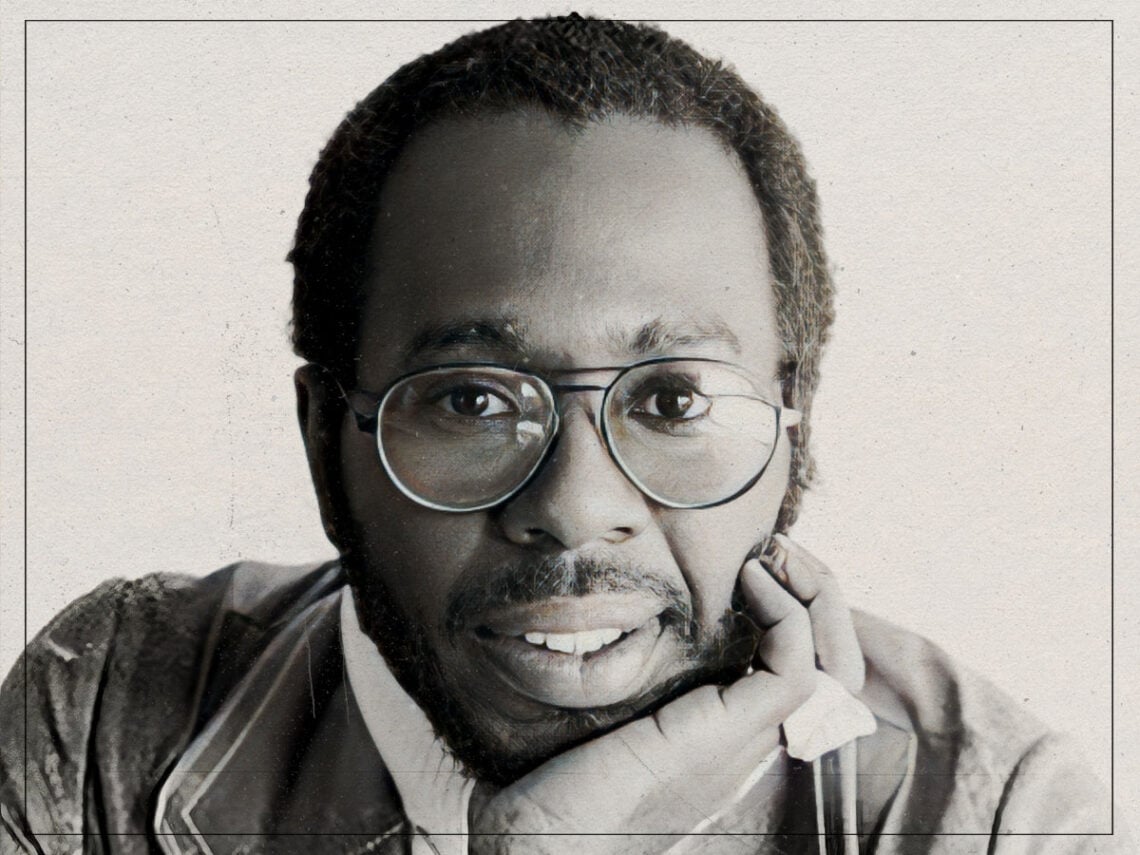
An utterly iconic soul single taken from Curtis Mayfield’s 1970 album Curtis, ‘Move On Up’ marked the culmination of Mayfield’s unparalleled experience within the soul field. When the track was released as a single in the summer of 1971, though, it made little to no impact on the airwaves of his native USA at all, even if it has since become a staple of hip-hop sampling.
Across in the northern soul-obsessed surroundings of the UK, though, ‘Move On Up’ was an instant hit, peaking at number 12 in the singles chart and spending a total of ten weeks in the top 50. After all, the single almost seemed as though it was tailor-made for the adrenaline-sprung dancefloors of the northern soul scene, even if new releases and hit singles were typically frowned upon by the purists at the heart of the movement.
Northern soul might not have adopted ‘Move On Up’ upon its release, although it has certainly snuck into various sets in the decades since, but it certainly capitalised on the UK’s blossoming adoration for American soul in 1971.
America itself might have moved on to more modern musical climbs, but it was the soul-obsessed audiences of northern England that helped that iconic single take root in the UK charts.
Quite rightly, too. Not only is ‘Move On Up’ one of the most iconic soul tracks ever to be released, but it arrived in support of Curtis, which is inarguably among the most groundbreaking, important records of that expansive decade in music history.
