


The 20 greatest albums of the 20th century

As I write this, 26 years of the 21st century have passed, and it seems all music, be it rock, rap, metal, jazz and whatever else you can slap a sonic label on, shows no signs of slowing down.
It’s a very exciting time to be a music fan, as while the art form struggles financially, it has never been more accessible, both from the point of view of the creator and the consumer. If you want to be a musician, you can begin recording straight from your bedroom; meanwhile, if you want to listen to music, you’re no more than a couple of clicks away from doing so.
Some would argue this devalues the art form, which is fair, but this writer would suggest it opens the whole landscape up, and of course, while we can get lost in this array of modern music, it would be remiss of us to forget where the inspiration for such a vast mix comes from. The 100 years prior were a time of experimentation, development, perfection, and further evolution, and the majority of styles of music you know and love today only exist because of the music which came prior in the 20th century, so as we get lost in the accessibility of what is currently out there, we can’t forget that which paved the way for it all.
As such, we at Far Out have put together a list of the 20 greatest albums from the 20th century, and do not think this a definitive list, we’ve got 100 years to cover here, but these albums are a pretty good reflection of all the great records that were coming out throughout the 1900s.
The 20 best albums from the 20th century:
Björk – ‘Post’
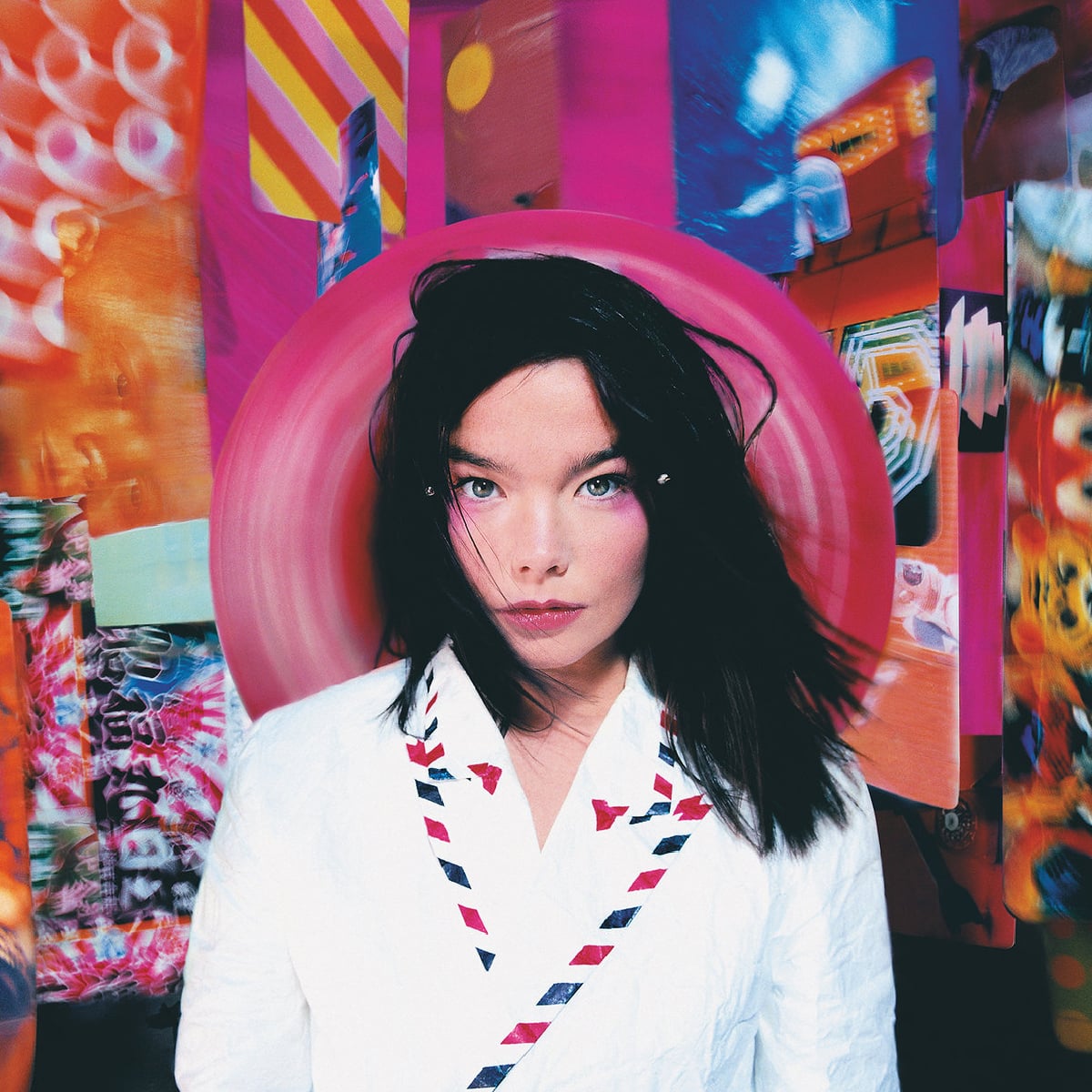
If you love music, you love Björk; it’s as simple as that. Never before has an artist committed so much of their time towards tapping into something truly unique and innovative, and no matter what album we’re discussing, or what period in her life we’re talking about, she is always experimenting with various styles, injecting different sounds into her music and attempting to give the people something they weren’t even aware could exist in the first place.
What album best reflects this mindset? Well, take your pick. However, one of her greatest has to be 1995’s Post, as this record was industrial, poppy, and all things in between. It was also deeply personal, as the Icelandic singer admitted, a lot of the music is a reflection of what her life was like during the time when she was making the LP.
“It was very much also reflecting my life at the time. Kinda big city, big lights, Trafalgar Square kind of energy,” she said, “I was going to a lot of clubs, I was meeting a lot of new friends that ended up being friends for life, actually. […] Suddenly, I was very extroverted, very extroverted friends, […] being over the top. But really enjoying it. But maybe also knowing that you didn’t want to do that forever. You know, it was a once-in-a-lifetime kind of thing.”
The Roots – ‘Things Fall Apart’
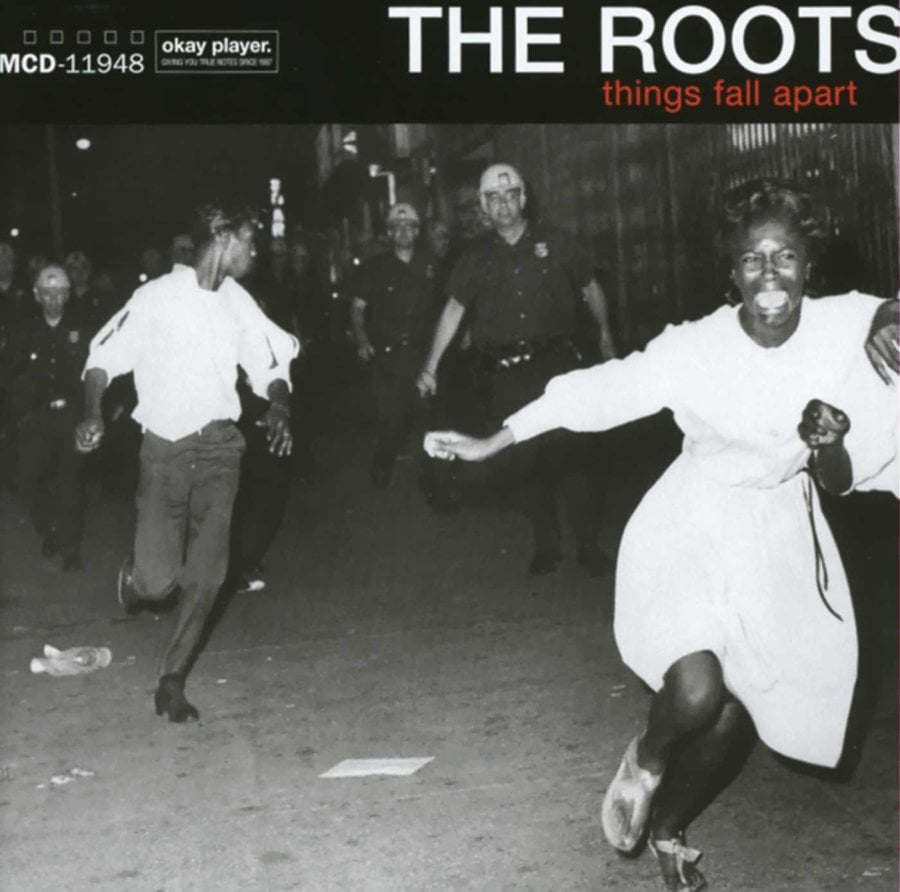
“We decided that this next album was going to be a do-or-die moment,” said Ahmir ‘Questlove’ Thompson when discussing the band’s mindset going into the making of Things Fall Apart. The Roots had seen success prior to this album, but nothing was cementing them as hip-hop greats, and then, finally, this record came along, and the true potential of the group was realised as every single intricate facet of theirs was brought to the surface and adored by all who heard it.
The album saw the band win a Grammy, but the success of the record wasn’t something Questlove was able to truly enjoy. To this day, he keeps the Grammy in his bathroom, rather than in a spot where everyone can see it, as when Moby presented the award and announced the neo-soul band had won, he did so in a way that suggested they didn’t deserve it.
“He says, ‘And the winner is…’ and he takes his time opening the envelope, and he says very begrudgingly, ‘In theory… The Roots’,” recalled Questlove, “When I watched it the next night, I asked my ex-girlfriend what does ‘in theory’ mean, and she explains, it’s kind of like by technicality. ‘You’re the winner, but not the winner’. What it did was it literally prevented [me] from really watching that ever again. So to this day, 20 years later, I’ve not watched my highlight reel. [Moby] only recently found out how much that shit hurt our feelings, and he feels horrible about it.”
Despite Moby’s reluctance to acknowledge the album as a classic, time is a wonderful thing, and despite being released decades ago, Things Fall Apart is still celebrated as one of the greatest hip-hop albums ever made.
Sex Pistols – ‘Never Mind the Bollocks’
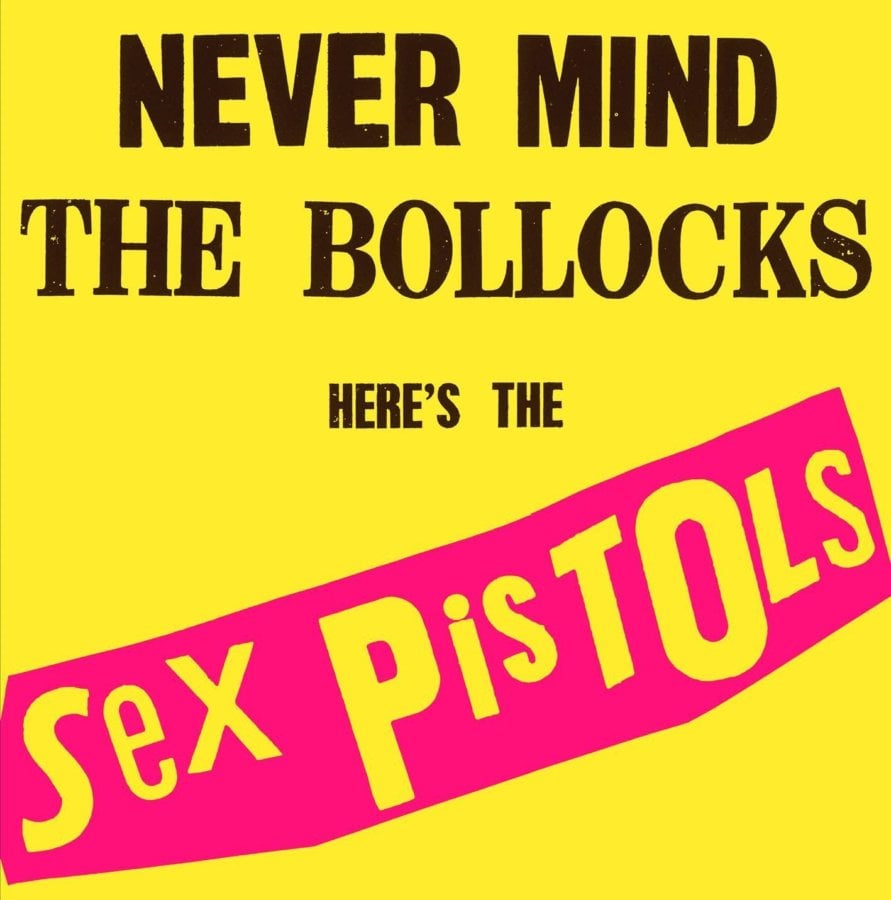
Damn, you’ve gotta love that punk music; the genre was embedded into the hearts of rebellious music lovers long before it ever had an official label, as artists like Captain Beefheart and Iggy Pop were channelling the rebellious and chaotic nature of the movement wonderfully. However, it wasn’t until the Sex Pistols came along that the genre was given a name and a clear direction.
Suddenly, this messy music wasn’t just experimental; it was driven, as people around the world who previously couldn’t speak up for themselves were given a voice that they could truly project with. Never Mind The Bollocks is still celebrated as an iconic album, not just because of how it sounds, but because of what it did for artists’ approach to creativity around the world, such that you can still see ripples in water from where this sinking stone broke tension, and long may these waves continue.
Outkast – ‘Southernplayalisticadillacmuzik’
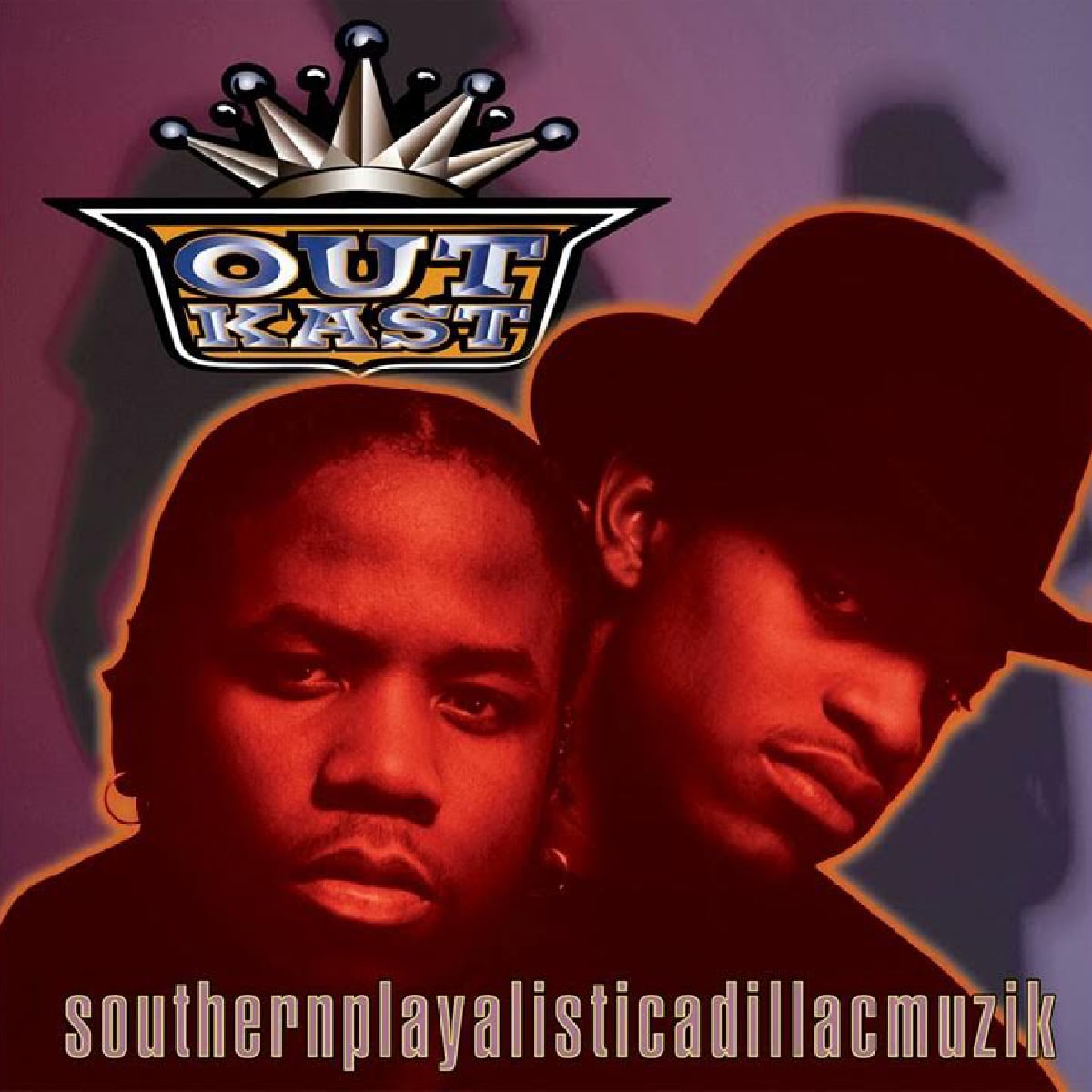
Hip-hop was no longer just a phase when Outkast released their debut album; what many palmed off as a passing fad was now understood to be the next big thing, but it only seemed accessible to artists from either the East Coast or West Coast of America, and Outkast changed that, as they used iconic Southern drawl, music, and flow to create a brand new offset of the genre which is still recognised as one of the best to this day.
If we talk about great Outkast albums, people will direct you to the Speakerboxxx/The Love Below double LP, or earlier releases such as ATLiens; however, that raw Southern sound and desperation to make it is clearest in the group’s debut. You can hear so much of modern hip-hop within the confines of this debut record, as it was the starting point for a lot of common approaches to hip-hop.
The way that Big Boi and André 3000 can bounce off one another despite having completely different approaches to lyrics is proof that they’re subsections of the same mind. In this writer’s opinion, the Outkast debut is one of the greatest rap albums of all time, and it subsequently cements itself as one of the greatest records on the left-hand side of millennia.
The Beatles – ‘Sgt Pepper’s Lonely Hearts Club Band’
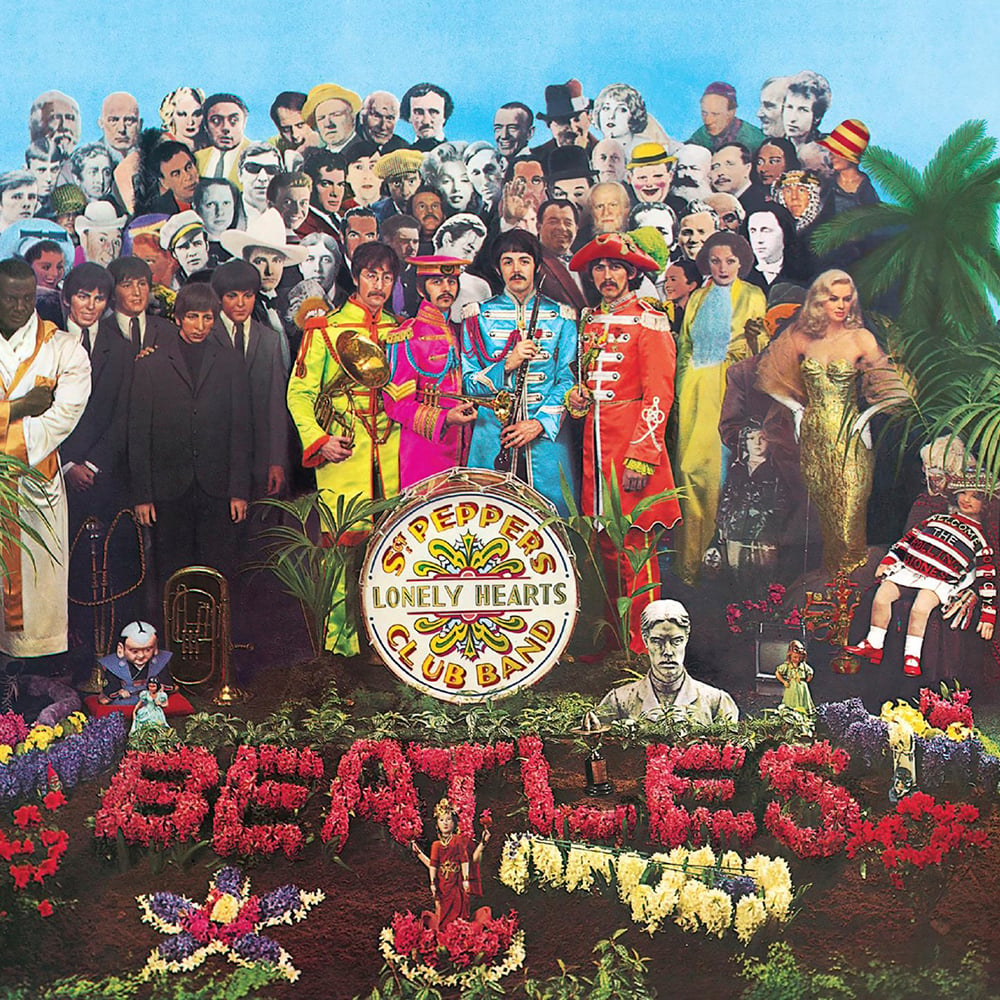
You already knew that a Beatles album was going to appear on this list somewhere; it was merely a question of which one. That’s a pretty difficult question to answer, as every single one of their records was reflective of a quality the band possessed that the public adored.
Their early work was what put them on the map: On records such as Meet The Beatles and Rubber Soul, you hear the catchy numbers that captured the hearts of the public. Meanwhile, on later records like The White Album and Abbey Road, you hear each member distinctly step into their own unique tone of voice. However, no album captures the creative vision and ingenuity of the band quite like Sgt Pepper’s Lonely Hearts Club Band.
Before this album came out, the term ‘concept album’ was incredibly loose, lacking in any kind of strict parameters. It wasn’t until this record, which blurred the lines between fact and fiction by creating a made-up band and slapping them on the cover of a Beatles record, did people began to realise just how much potential the LP had. We often say The Beatles were one of the main contributing factors towards modern music, and this is one of the most wonderful reflections of as much.
Additionally, when people become bogged down in how an album should be received as a whole, they can lose sight of the individual components that make up such a piece of work. This means that while an entire LP can land, the individual songs are nothing to write home about, but Sgt Pepper’s doesn’t do that. Not only do you have an interesting concept that carries throughout the LP, but you also have songs that stand the test of time in complete isolation.
Joni Mitchell – ‘Blue’
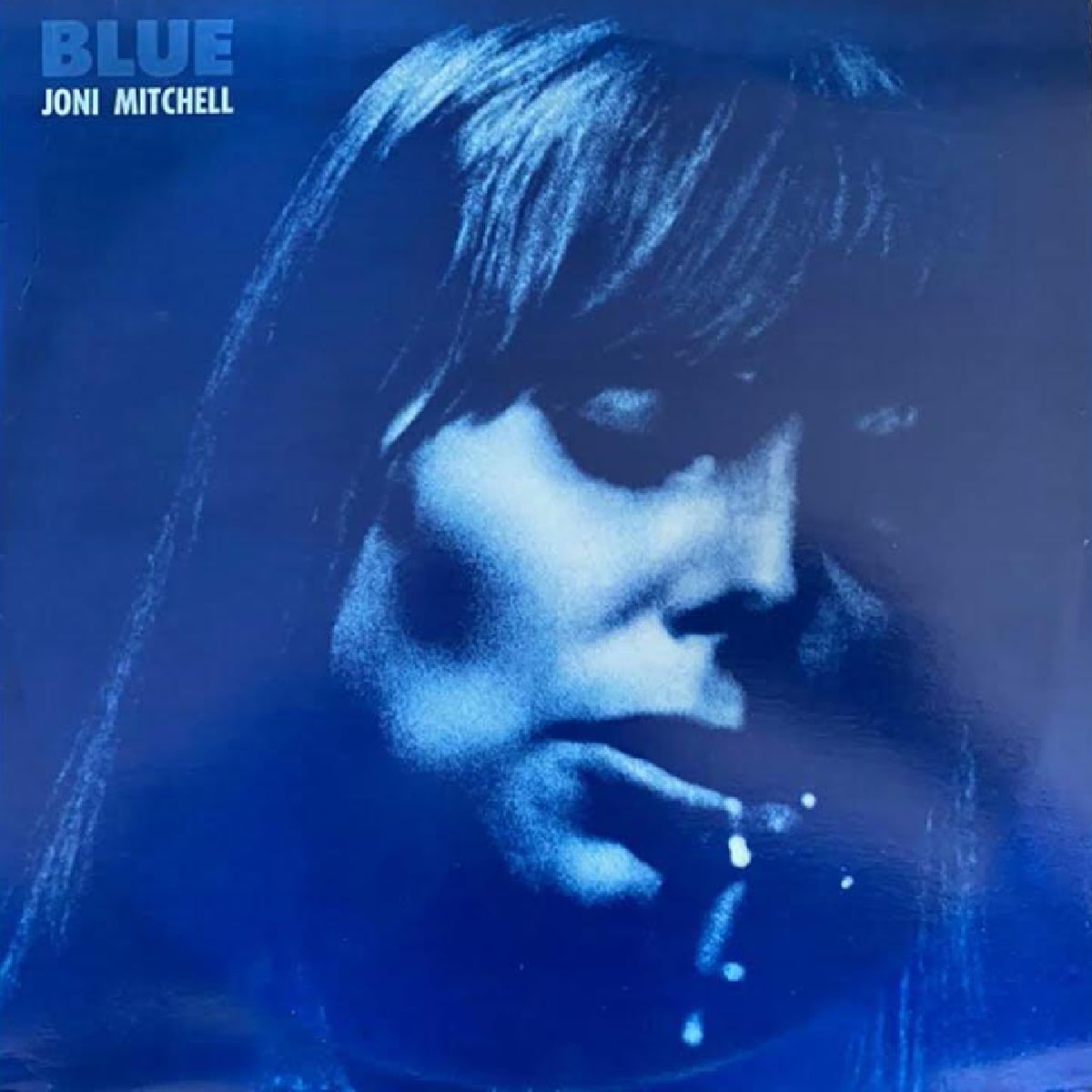
When Joni Mitchell spoke to one of the members of staff who worked in her apartment block, they asked why she insisted on writing music that brought tears to the eyes of everyone who listened. Answering his own question, he decided it was because Mitchell wrote the majority of her songs at night.
“He said, ‘You’re a cheerful person, Joni. But you write all these melancholy songs. I think it’s because you write them at night. Why don’t you try writing a song in the daylight?’” she recalled.
Some of her ex-partners have alternate theories, as they state that her music was used in a bid to channel some of the devastation she had faced throughout her life. Mitchell never had it easy, in luck or love, and her music acts as a reflection of as much.
“She’d been through polio, the marriage to Chuck Mitchell and giving up a child, and music was her way of processing this,” said David Crosby, “It could be difficult to be around her because she’d have you laughing or crying real tears in the same half an hour, like her music. It’s genuinely who she is.”
Of course, music is celebrated not only for its ability to make us happy, but also for helping us to better connect with and understand our sadness. This is why the work of someone like Mitchell is so important, and her album Blue remains the benchmark for sad yet accessible songs. This LP is poetry, guitar, and vocals at their absolute peak, as she manages to go into a corner of her heart that other people wouldn’t dare tread, and in turn retrieves something beautiful.
Pink Floyd – ‘The Dark Side of the Moon’

When psychedelic music first started to find form, it received a lot of criticism, often by those who took part in making it. Roger Waters himself admitted that he could never get on board with Pink Floyd’s early material because he felt they were trying to be experimental for the sake of it, rather than allowing experimental elements to creep into their music and elevate it.
He often calls Piper At The Gates of Dawn one of his least favourite Pink Floyd albums because of this critique, saying, “I don’t want to go back to those times at all. There wasn’t anything ‘grand’ about it’. We were laughable. We were useless. We couldn’t play at all, so we had to do something stupid and ‘experimental’.”
Once Syd Barrett left the band, Waters and David Gilmour took on full creative control, and in doing so realised quickly that they couldn’t write songs in the same way that Barrett could. Their track ‘Point Me At The Sky’, which Waters cited as “one notable failure”, highlighted as much. This creative limbo gave rise to a new songwriting style that the band began to champion, one that ditched the idea of experimentation for the sake of it and that instead lent itself to long-form storytelling through music.
There are plenty of Pink Floyd albums which are excellent examples of this kind of music, but none is better than their 1973 release, The Dark Side of the Moon. Every second feels calculated, every track a chapter in one of the greatest novels ever written, and nothing sums up the potential of an album quite as well as this one.
Jethro Tull – ‘Aqualung’
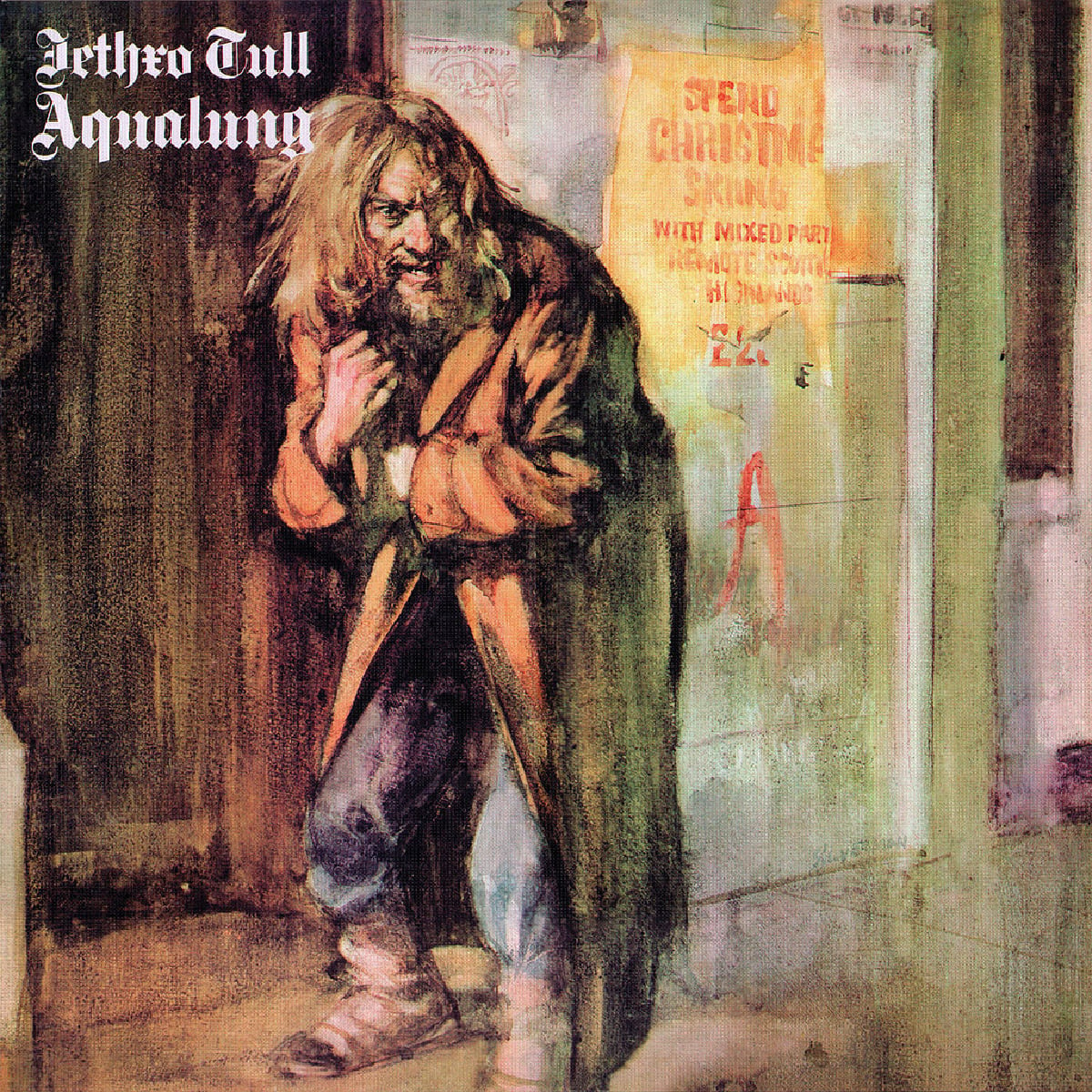
Ian Anderson still tours to this day, playing the music both baffling and beautiful as he continues to cement himself as one of the greatest minds in prog rock. It seems every one of his albums comes with a different theme, a different style, and a different sound, varying elements which Jethro Tull fans around the world have found it very easy to fall in love with.
Despite having such an exciting array of music in his discography, Anderson has produced one record which prog fans (fairly unilaterally) agree is his best, Aqualung, which continues to win over music lovers new and old, as a compelling narrative, intricate solos and some of the heaviest riffs in rock combine to give rise to something truly exceptional.
“I believe the sentiments of the song are as obvious now as they were in 1971 because the issue of homeless people hasn’t gone away,” said Anderson, “You still see them everywhere. In the 1950s and ’60s, we called them tramps, but they were harmless. Now, as so many are on the streets due to drug problems or sexual exploitation, it has become, if anything, more worrying. All of which makes Aqualung so relevant.”
Marvin Gaye – ‘What’s Goin On’
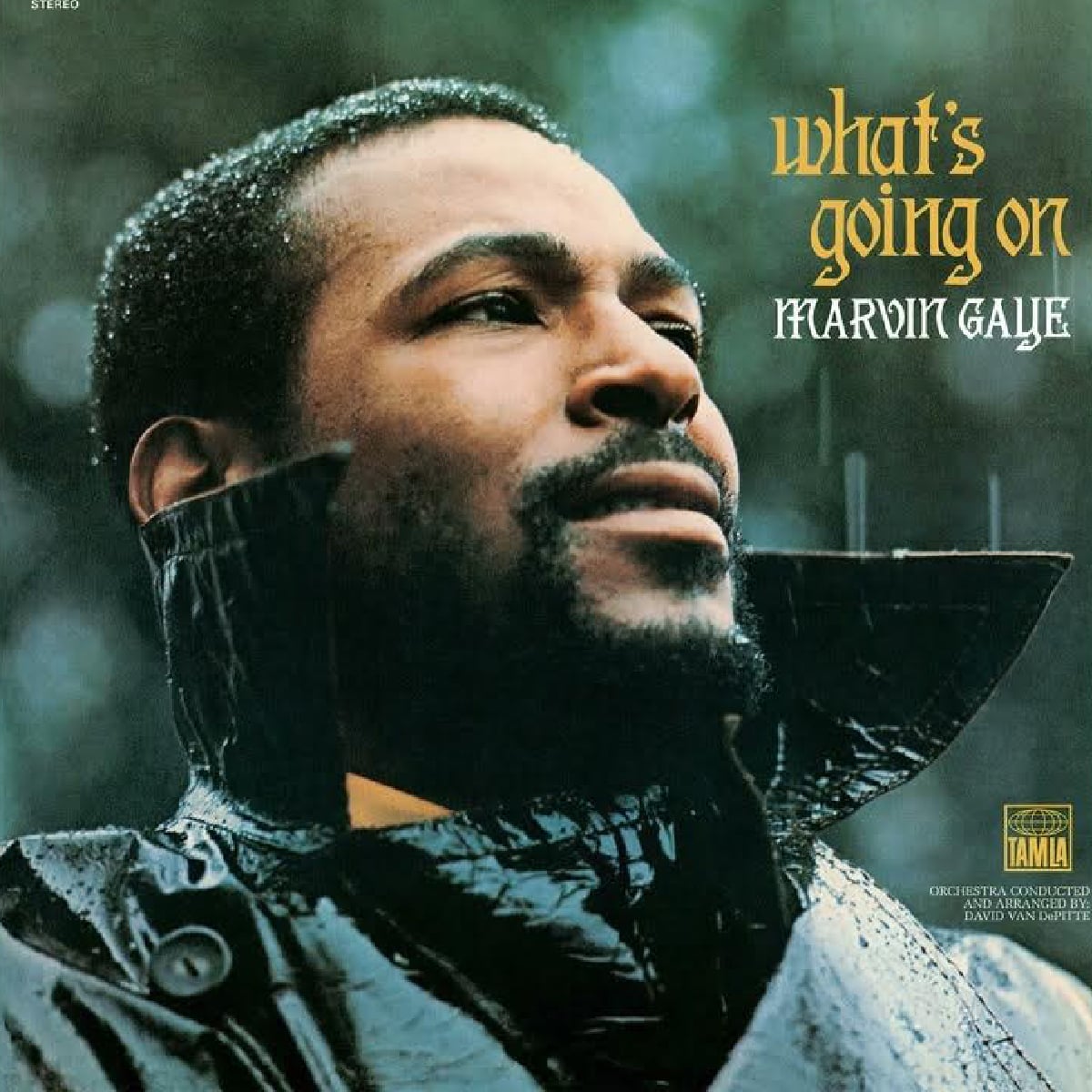
It’s hard to believe that this album almost never saw the light of day, because, given that a lot of artists were writing about the Vietnam War, Motown CEO Berry Gordy wasn’t happy with the idea of his label following suit. He wanted to make party music, the kind of thing that listeners could move and confess love to; however, Marvin Gaye had other plans.
As someone impacted by the war, Gaye wanted to create an album which wasn’t just in protest of it, but also sympathised with those who were being asked to fight. The result is What’s Goin’ On, arguably one of the greatest protest albums of all time, thanks to its hard-hitting message and overall accessibility. Even if you’ve never fought in a war, you can connect with Gaye’s words, as he put together an album which is still celebrated as one of Motown’s best.
Sly and the Family Stone – ‘There’s a Riot Goin’ On’
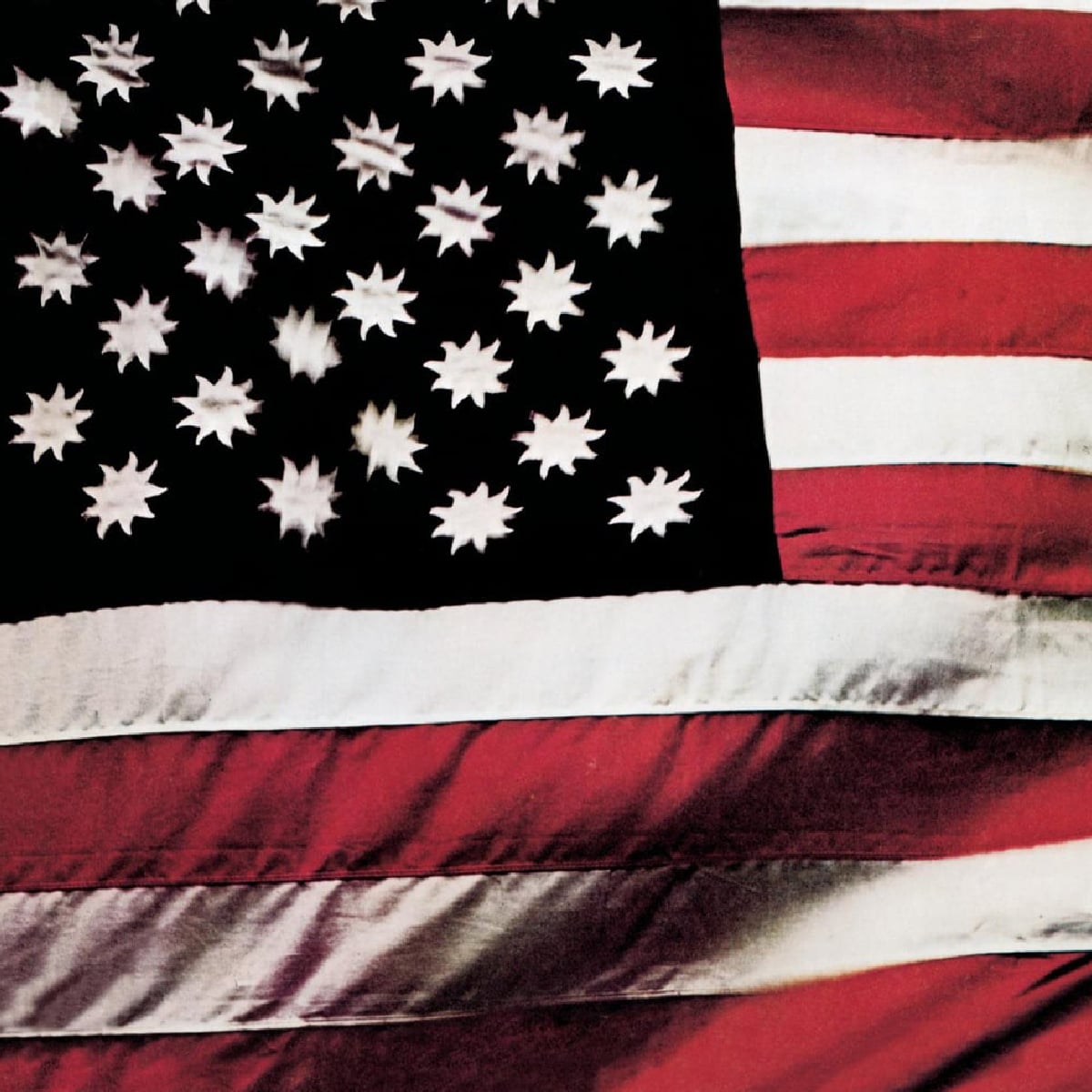
The title of Sly and the Family Stone’s 1971 album was a direct reference to Gaye’s earlier record, seemingly answering the question the Motown star originally posed. Stone’s album was deeply pessimistic, as it came during a time when he was feuding with the rest of his band, and so for the first time in his career, he wrote something more or less in complete isolation.
The record received mixed reviews when it was first released, but since then, it has been recognised as one of Stone’s best, not just because of the music, but also the emotional vulnerability present on every single track as well. It feels more like a scathing novel as opposed to an album, as Sly leaves no stone unturned in this assessment of himself, his family, and the country that he calls home.
NWA – ‘Straight Outta Compton’
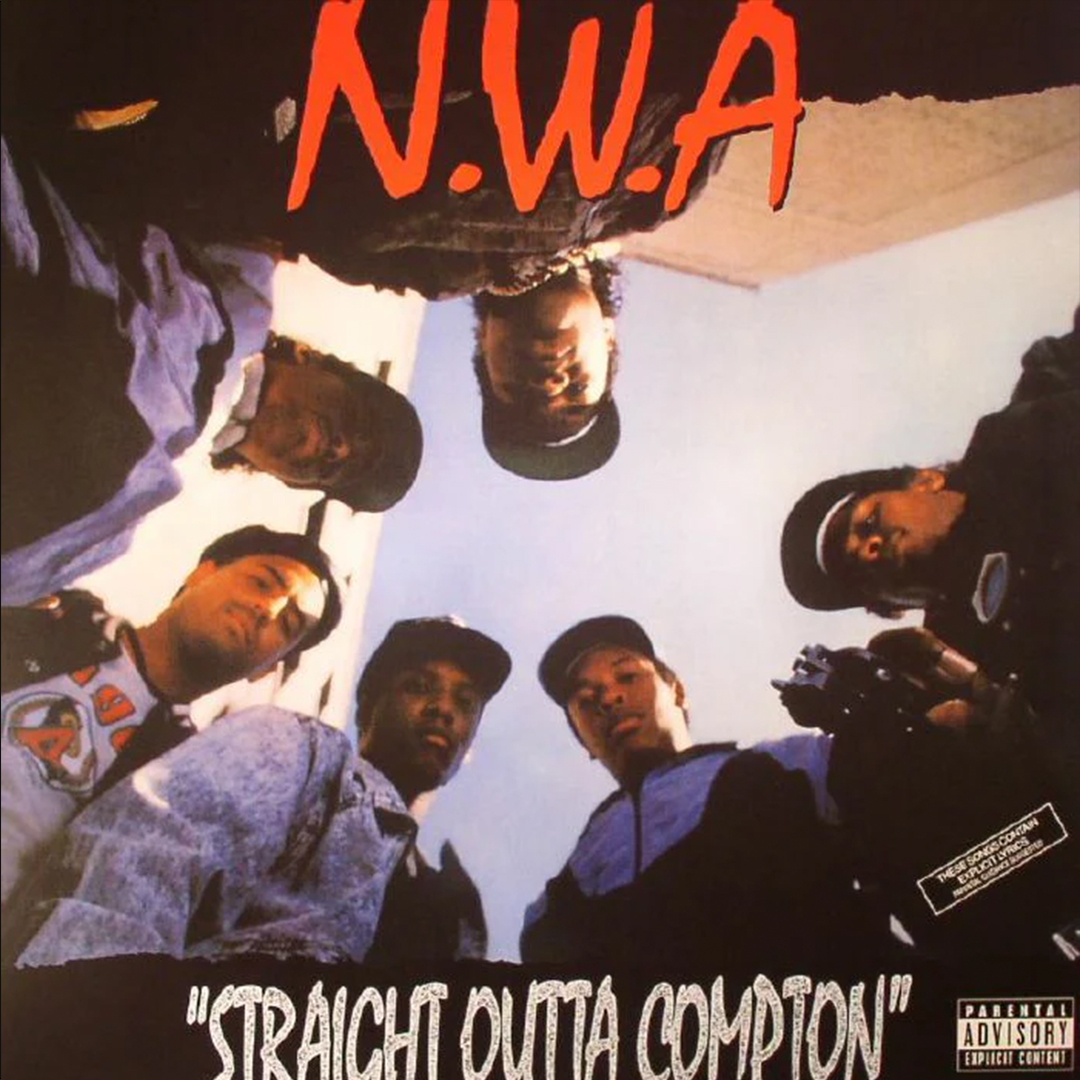
In 2026, hip-hop is arguably the most popular genre in the world, despite originally being created in 1973. The reason it has stood the test of time so well is because of how it gives its artists the ability to say a lot in a little amount of time; as such, no theme or topic is off limits, and artists will happily use the genre in a bid to reflect the world around them, making sense of the chaos which is often unfolding.
The potential of the genre had been realised by a few artists before NWA came along, for instance, Grandmaster Flash and the Furious Five released ‘The Message’, while Ice-T put out ‘6 ‘N the Mornin’, but NWA were the first band to really capture global attention with their words of protest. The group weren’t trying to start a revolution, just using their music to paint an honest picture of the world around them, which upset a lot of people, but the group weren’t trying to antagonise; they were merely being honest.
Songs like ‘Fuck Tha Police’ and ‘Gangsta Gangsta’ became anthems, and as government officials tried to ban the music, it only became more popular in the face of such controversy.
Jimi Hendrix – ‘Electric Ladyland’
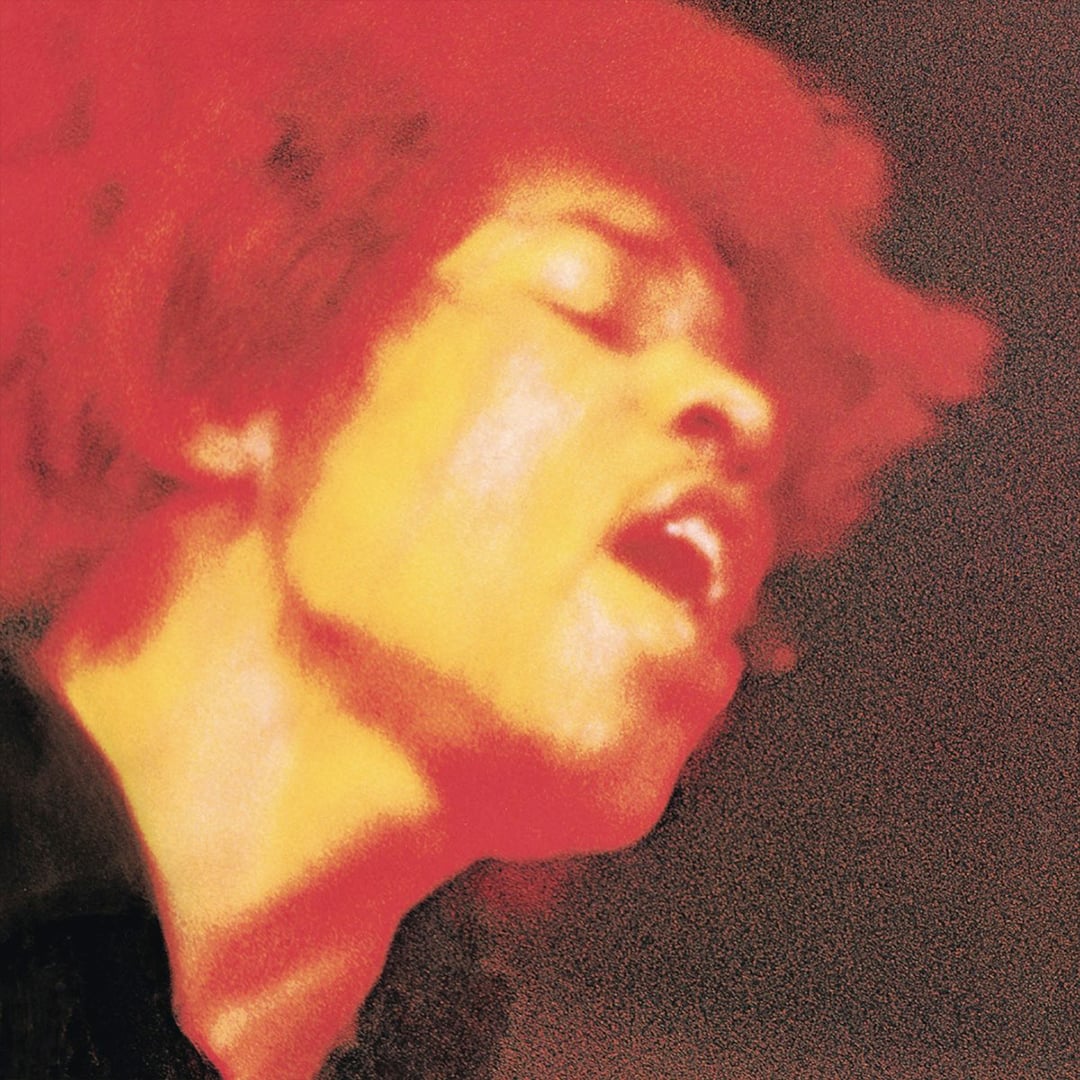
Jimi Hendrix was widely loved for his live sound, as there was never a crowd which went into one of his gigs that didn’t leave elated. “I loved Jimi Hendrix from the beginning,” said Mick Jagger when discussing his obsession with the guitarist, “The moment I saw him, I thought he was fantastic. I was an instant convert. Mr Jimi Hendrix is the best thing I’ve ever seen. It was exciting, sexy and interesting.”
Of course, it was one thing having a live sound that got the most rigid of hearts beating, but it was another thing entirely packaging that live sound into a studio album; however, that’s exactly what Hendrix did. A lot of the LPs he put together during his short stint in the mainstream are exceptional, but without a doubt, his best is Electric Ladyland. From track one to track 16, this album doesn’t just reflect Hendrix’s greatest guitar work, but also his ability as a vocalist and a lyricist, too.
“I got to talk to him once about 50 years ago. And for a young girl, he was everything you would want in your rock and roll star,” said Patti Smith, “[He] loved poetry. He often spoke not in the most favourable way about his poetry. He didn’t think he was the greatest writer. He really admired Bob Dylan, but he was a wonderful poet.”
Madonna – ‘Like a Prayer’
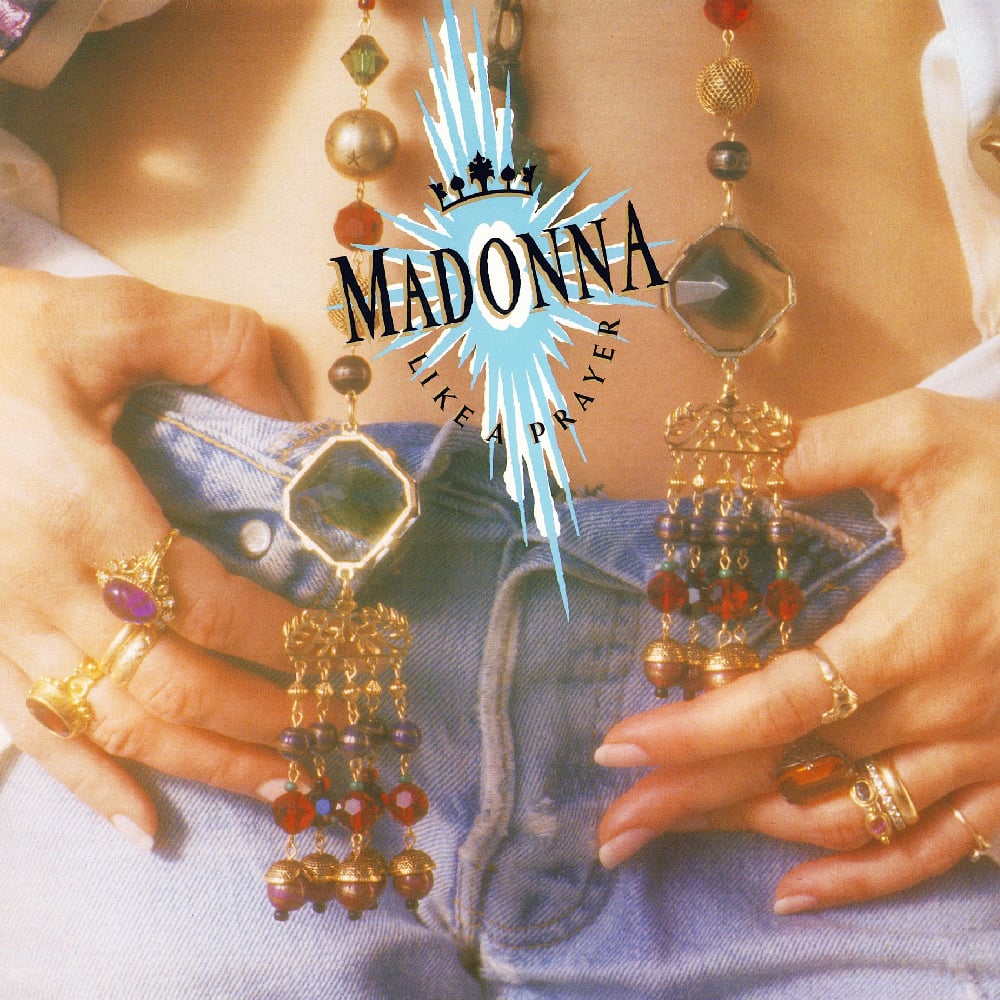
One of the most popular genres of music throughout the 20th century is, you guessed it…pop! Where would we be without good pop music coming every now and then, and I’m not talking about a blatant reach for commercial appeal, but instead the innovative pop music that helped shape the genre, giving people hits that resonated around the world, but that also showed musicians they didn’t have to sacrifice creative integrity in pursuit of such hits. Perhaps one of the best artists when it came to discovering such a sound was none other than Madonna.
One of her greatest albums, which wonderfully highlights this exciting approach to commercial music, is Like a Prayer. As well as the title track, the whole LP is laced with classics, as Madonna explores different corners of music while still keeping pop at the centre of everything she records. She is one of the most important pop artists out there, not just because of her talent, but also her unwillingness to remain one-dimensional, and we wouldn’t have the huge pop stars we do today without the blueprint laid out by Madonna and albums like this.
Bruce Springsteen – ‘Nebraska’
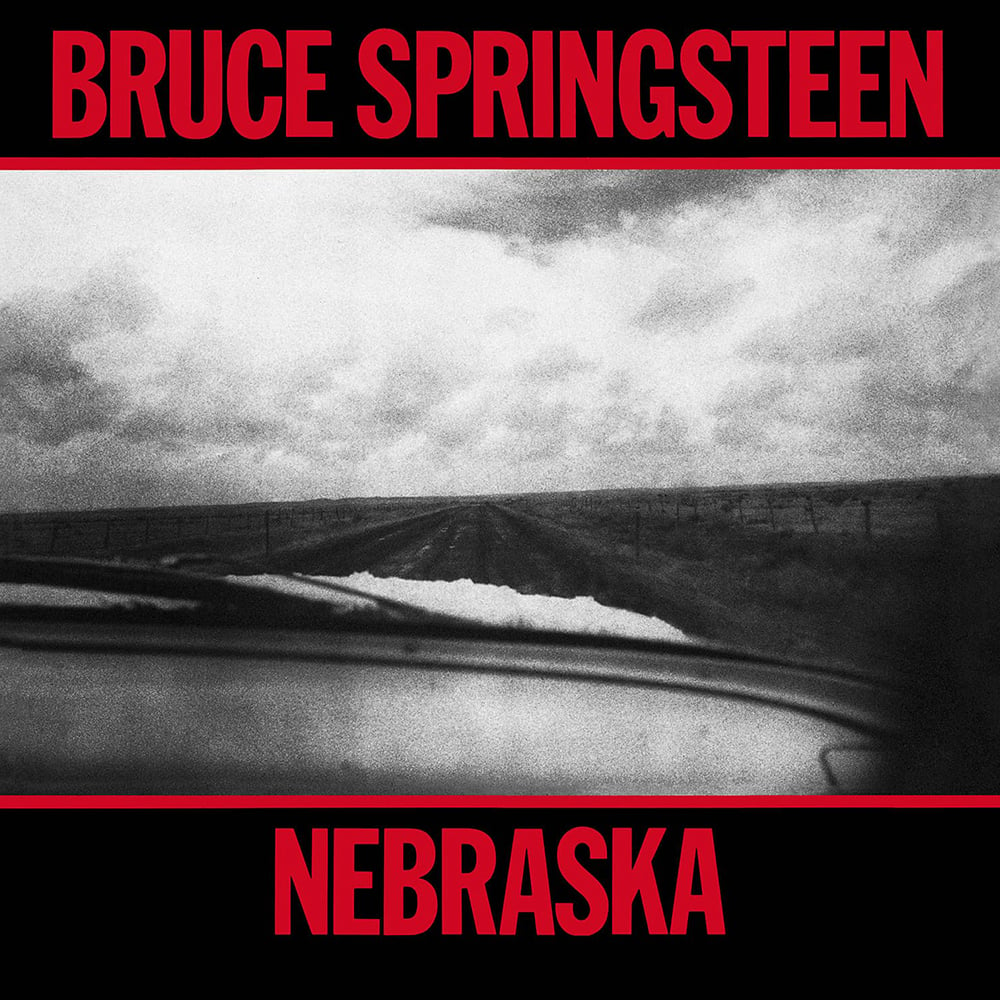
Bruce Springsteen has written some albums which are damn near perfect. I mean, he even said himself when he started making Born to Run that he went into that album with the intention of making one of the greatest records of all time. The timelessness of it exists in the booming voices of stadiums around the globe as fans continue to sing those songs; however, when we talk about Springsteen’s very best LPs, and subsequently one of the best albums of the 20th century, there is no option other than Nebraska.
Bob Dylan was a big influence on Bruce Springsteen, as his lyrics helped shape the kind of wordsmith ‘The Boss’ himself would become. “I want people to get the same experience from listening to one of my records as I had when I listened to Highway 61 Revisited,” he said, “The idea that something was revealed to them that was fundamentally true and essential, and gave you a view of your world, your country, your town, your neighbours, your family.”
With that in mind, is there anything more beautiful than an album that revealed something to Springsteen about himself? What is music if not expression and self-discovery, and in the midst of this tangled web of stories that Springsteen weaves around some of society’s worst, he manages to address his own depression and childhood trauma.
While Nebraska was (and still is) considered a confusing album by many, it led Springsteen on a journey within himself that made him a better person. There is truly nothing more an album can do than this, and it should be celebrated for its influence; also, the songs are pretty darn good.
Bob Dylan – ‘Highway 61 Revisited’
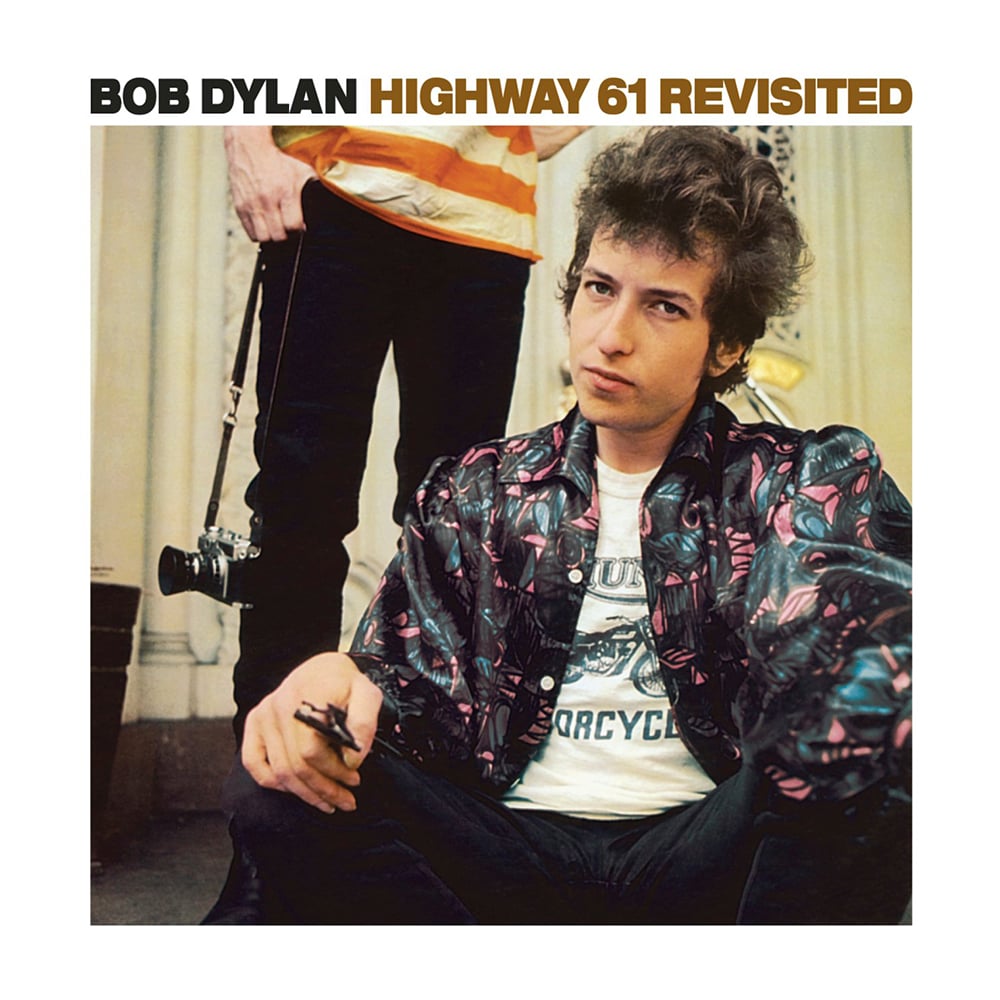
Speaking of Bruce Springsteen, it would be hard to mention the album that made him a lyricist and not put that album on the list. While Dylan’s discography is filled to the brim with complicated, layered, and truly beautiful songs, one of his best LPs from start to finish has to be the classic Highway 61 Revisited.
When Leonard Cohen was asked what he thought about Bob Dylan receiving the Nobel Prize for Literature, he said it was like “pinning a medal on Mount Everest for being the highest mountain”. In other words, there is nothing to discuss; Dylan’s acclaim is a fact of life in the same way that gravity and sunrises are. There isn’t an album that better reflects this fact than Highway 61 Revisited, as it contains what are without a doubt some of the greatest folk songs ever written.
Nirvana – ‘In Utero’
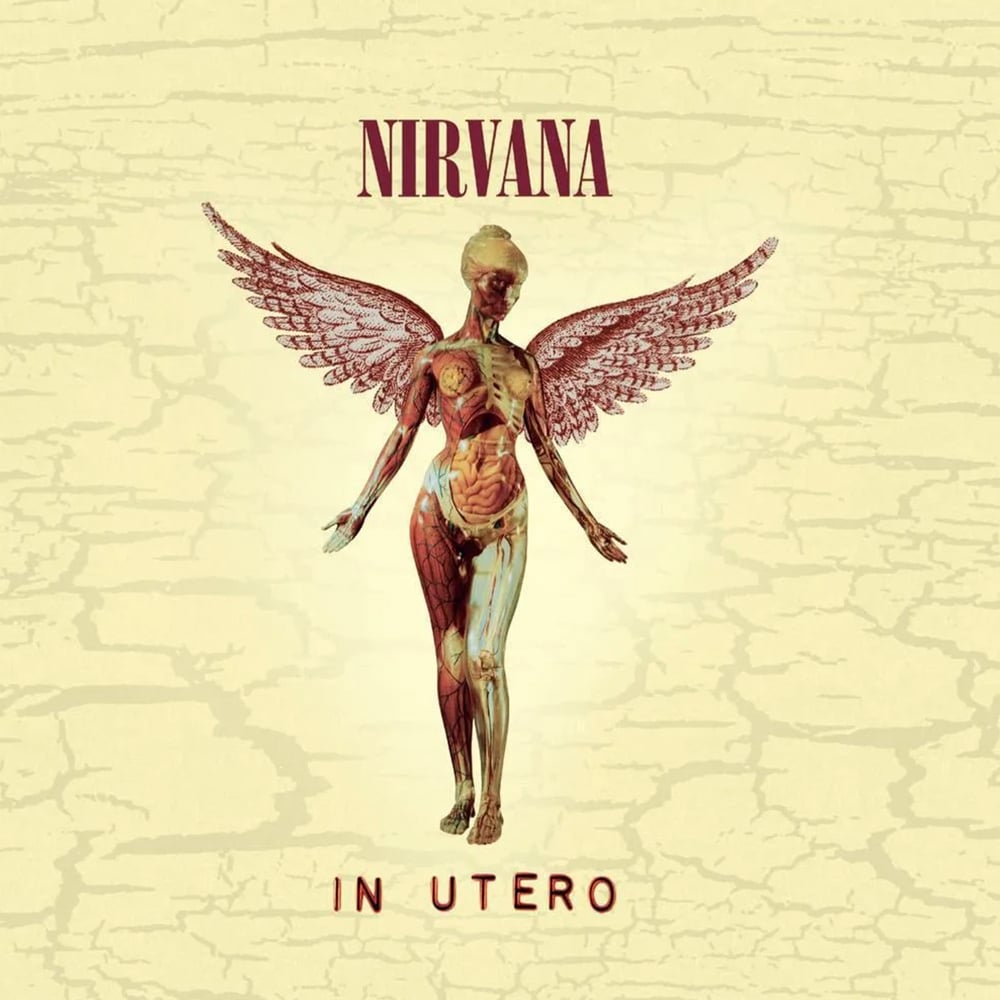
It would be hard to have a list about great 20th-century albums and not include a nod to grunge on it; granted, the movement was one that burned bright and fast, but its influence can still be heard in rock music to this day, regardless of the fact that a lot of bands wouldn’t quite consider themselves ‘grunge’. The question is, what album do we consider the best of such a pivotal period in music?
It’s pretty impossible to land on a definitive answer; however, in this humble writer’s opinion, nothing encapsulates the sheer energy, aggression, and emotion of the genre better than Nirvana’s In Utero. This isn’t just an album, it’s a musical release, perfect in its imperfections as Nirvana ditched the overproduced aspects of records prior and instead leaned into the gritty nature of their band, which people originally connected with. Steve Albini needs some credit here, as he originally stated he would only help produce the album if the band were willing to go down this road.
“I think the very best thing you could do at this point is exactly what you are talking about doing: bang a record out in a couple of days, with high quality but minimal ‘production’ and no interference from the front office bulletheads,” he wrote in a letter to the band, “If that is indeed what you want to do, I would love to be involved.”
Miles Davis – ‘Bitches Brew’
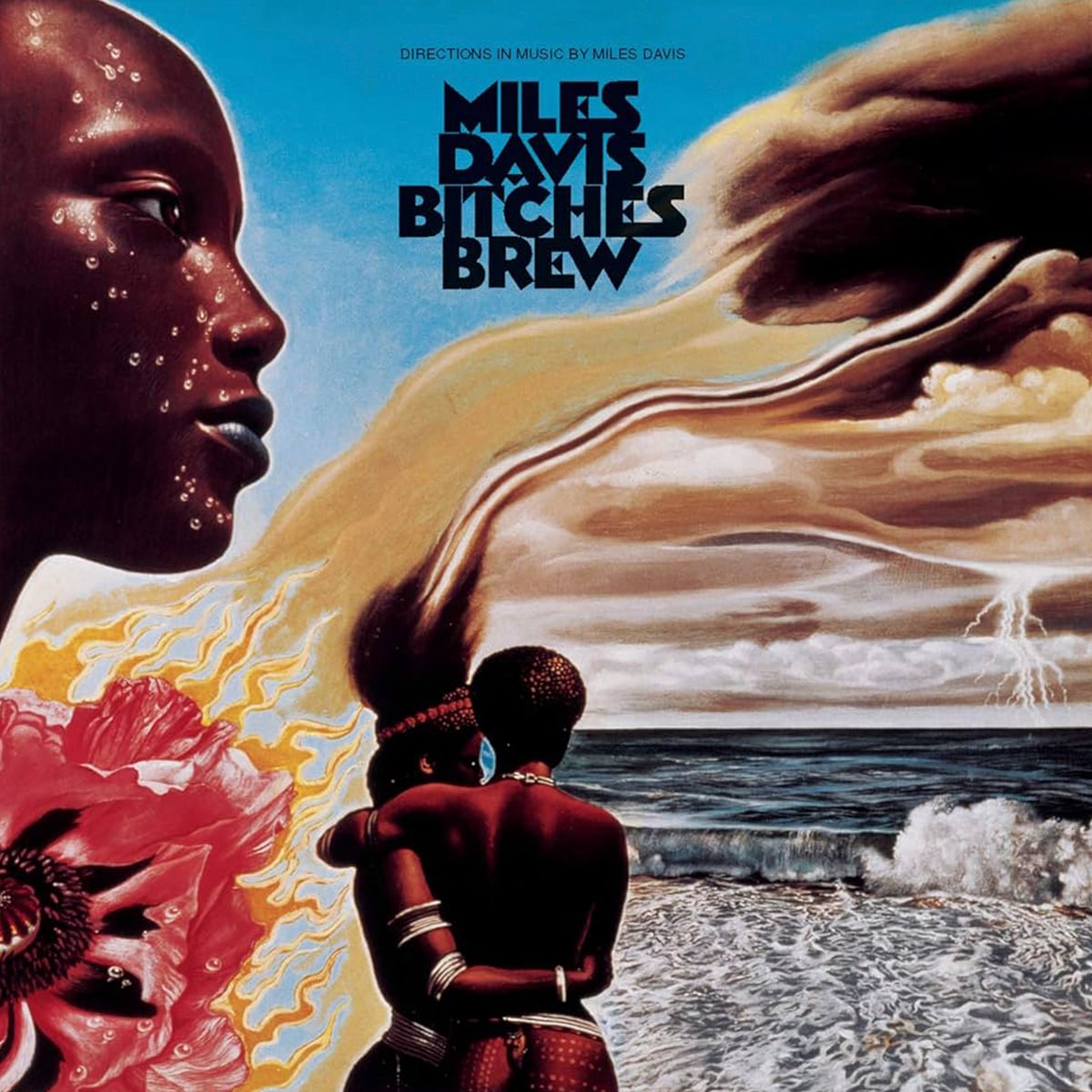
Both jazz and the blues are pretty hard genres to celebrate in an album alone, as a lot of what makes their sound so great is the way notes are played, as opposed to simply what those notes are. As such, the acclaim for such genres is usually best reflected in live performances rather than LPs, but that said, where would 20th-century music be without either of these styles, and who better to use as a celebration of both of them than Miles Davis?
When he was at a dinner at the White House, someone attached to politics asked what made Miles Davis such a strong authority on all things creative, to which he responded in the most perfect way imaginable: “Well, I’ve changed music five or six times”. You won’t hear this influence on anything more so than Bitches Brew, an experimental and chaotic approach to jazz which borders on terrifying.
Cream – ‘Disraeli Gears’
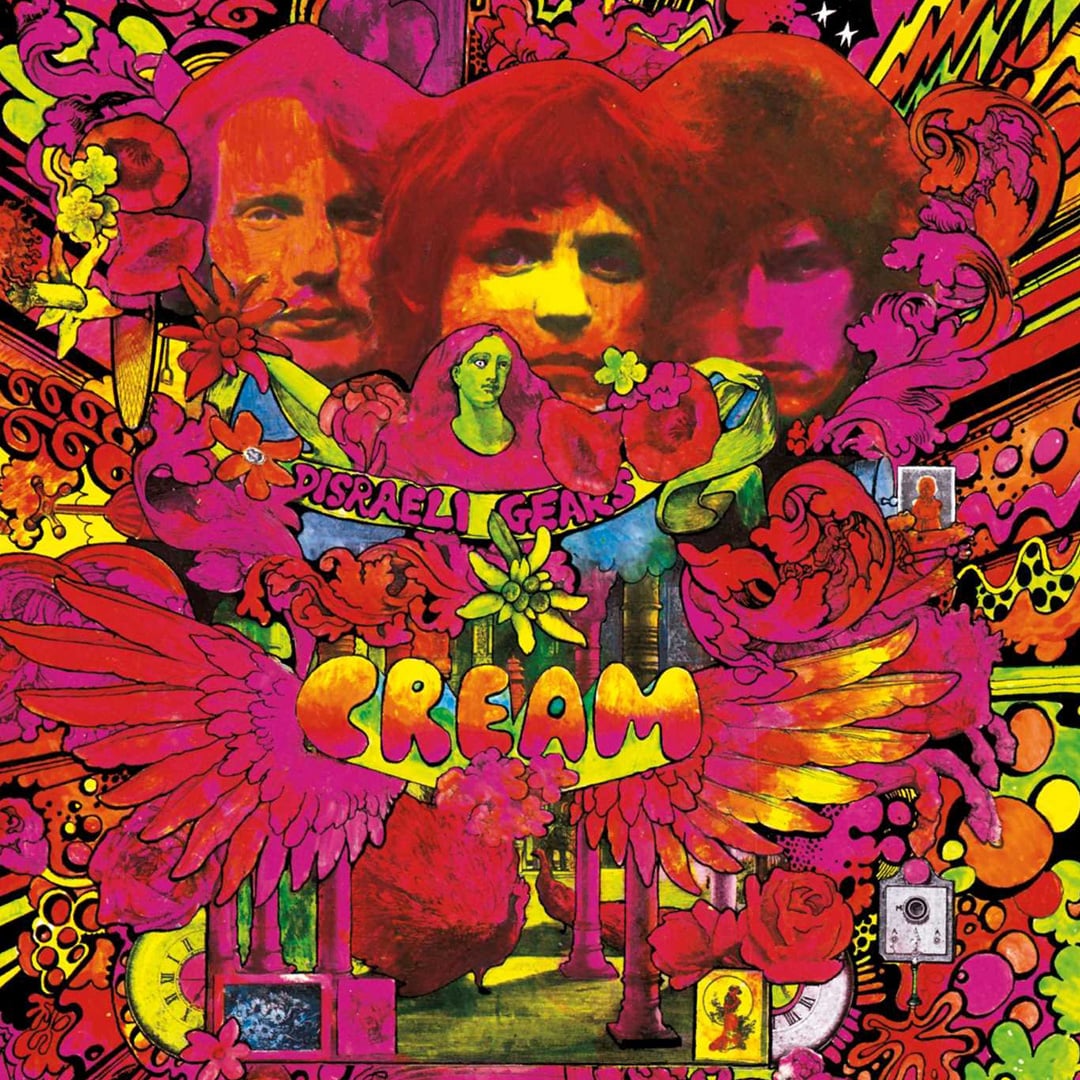
How do you even begin to define a band like Cream, who weren’t just your average rockers but some innovative musical minds working together to put together a genre that people didn’t even have a name for yet? Their moulding of the blues, rock, jazz and R&B are all clear on the album Disraeli Gears, and this creative approach is what many believe gave rise to the complicated world of prog.
Ian Anderson of Jethro Tull can certainly vouch for the band and this album, as he believes each individual member left their own stamp on prog rock in some way, shape or form. “A more progressive approach, which had been the latter part of ’66, listening to people like Graham Bond, who had at that point in his band Jack Bruce on bass and Ginger Baker on drums. In many ways, Graham Bond was kind of a precursor of that thing that became progressive rock,” he said.
“And, of course, Cream in its way when those two guys left Graham Bond and set out as Cream, that became something that moved Eric Clapton along from just being a blues guitarist.”
Lauryn Hill – ‘The Miseducation of Lauryn Hill’
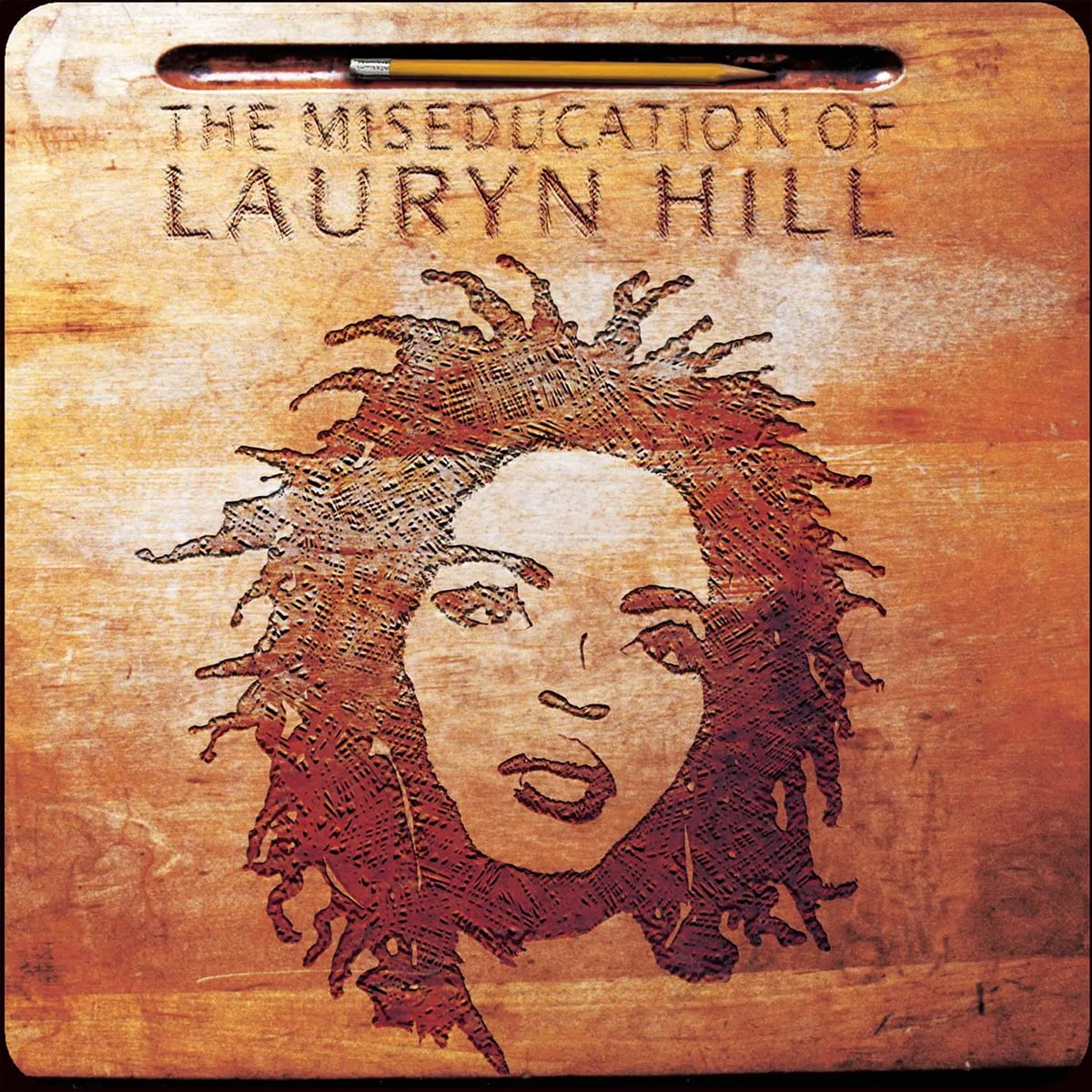
No album has ever been more varied and impactful than Lauryn Hill’s exceptional offering on Miseducation. Hill had already cemented herself as a star thanks to her work with The Fugees, but at the time, trying to make a name for yourself as a solo artist in the worlds of hip-hop and R&B is a lot more difficult than getting big with a group. Embarking on this solo mission was a risky manoeuvre, but it’s one that truly paid off for Hill, as she showed the world just how much of a prolific performer she was.
Love is arguably one of the most elusive emotions on the planet, as it’s something that all of us experience at some point, but remains incredibly difficult to define. Hill decided to dedicate an album to doing exactly that, attempting to tap into what love is and the many different definitions that come with it, which means the different love we experience for different people depending on what their relationship to us is, longing, the pain involved in loving someone, and confusing the emotion with lust.
The theme is complex, and so the record is too, dabbling in various sounds depending on the theme of a song; however, what remains consistent throughout this varied LP is the quality that never dips, staying as high as they come, and Lauryn Hill gives listeners what is undoubtedly one of the greatest records ever made.
Black Sabbath – ‘Paranoid’

While Black Sabbath’s first album is probably their most raw, it was their second where the band really perfected the initial gritty sound that they were always trying to channel. They had the blueprint for their style of music, but given its unorthodox nature, a lot of record labels were hesitant to take a risk on the band. As such, when recording their first album, they only had enough money for about eight hours of studio time.
The second time around, the band had proof of concept, and that meant labels were willing to invest a bit more money. They still didn’t have a great deal to work with, but it was enough to buy a few more days in the studio, and that allowed them to refine their sound and come up with different songs during the recording process. The result was the album Paranoid, an LP which isn’t just a great piece of rock music, but is a collection of songs which helped give rise to a more aggressive-sounding version of an already beloved genre.
The versatility on this record is well and truly astounding; on the one hand, you have hard-hitting and angry anti-war anthems such as ‘War Pigs’, whereas on the other, you have hippy adjacent and layered numbers like ‘Planet Caravan’. Every corner of music that the band explored throughout this record has since led to the development of a brand new form of rock, as Paranoid was a catalyst for so many genres, which at the time didn’t have a name. In terms of not just execution but sheer impact, you will struggle to find any album in the 20th century that could possibly top this one.

Never Miss A Beat
The Far Out Beatles Newsletter
All the latest stories about The Beatles from the independent voice of culture.
Straight to your inbox.