


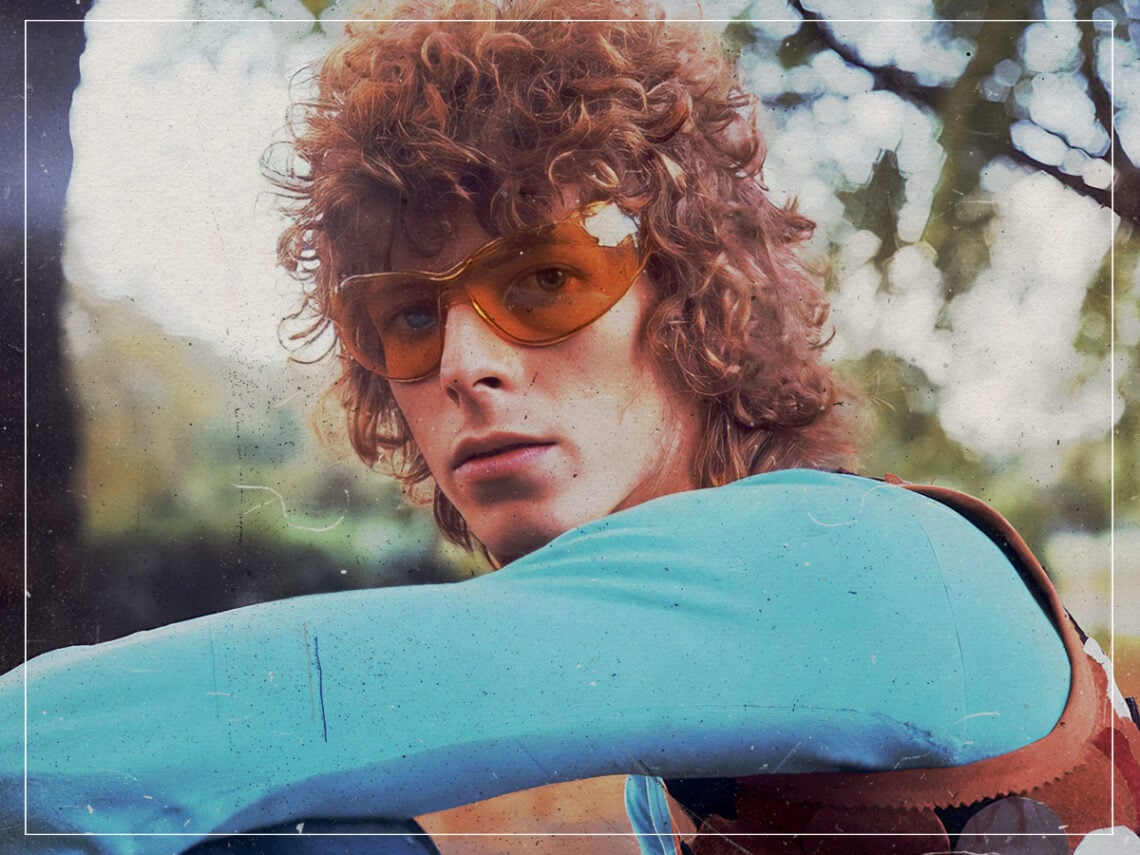
The psychedelic masterpiece David Bowie called an “extraordinary piece of music”

Today, the late legend David Bowie remains one of the most important solo artists in the rich tapestry of British music. However, his rise to success in the late 1960s was languid, to say the least. Despite the efforts of young David Jones, it appeared that the world wasn’t quite ready for his kooky nursery rhyme style as exhibited on the eponymous debut album of 1967.
Fortunately, Bowie read the room and developed his sound towards something more accessible to the general listener by the decade’s end. A glimmer of stardom attained by the 1969 single ‘Space Oddity’, which soundtracked the BBC’s coverage of the Apollo 11 Moon landing, led to subsequent rungs of praise in the early 1970s, namely Hunky Dory and The Rise and Fall of Ziggy Stardust and the Spiders from Mars.
This period saw a swing from esoteric roots towards a contemporary glam-rock aesthetic mastered under the guise of Ziggy Stardust. Crucially, Bowie was inspired by The Velvet Underground’s proto-punk and the work of fellow Brit Marc Bolan. As the frontman of T. Rex (initially known as Tyrannosaurus Rex), Bolan oversaw the evolution of rock music from psychedelia to glam. The other notable concurrent offspring of psychedelia in the early ’70s was known as progressive rock.
As the formative decade of Bowie’s musical identity, the 1960s spawned many of The Starman’s favourite songs. Like most of his London peers, Bowie was a fan of The Beatles and The Rolling Stones, but as a rare early owner of The Velvet Underground and Nico, an album that was criminally overlooked in its time, he clearly had a discerning eye for quality across the pond.
In March 1979, Bowie was invited as a guest DJ to BBC Radio 1. “Hello, This is David Bowie. It’s a bit grey out today, but I’ve got some Perrier water and a bunch of records,” he said before kicking off his feature with The Doors’ psychedelic classic of 1968, ‘Love Street’.
The set was packed with quality, from Little Richard’s classic rock to Talking Heads’ contemporary new wave stylings. “Here’s a band I admire very much, some very charming people—David Byrne, in particular,” Bowie said while introducing Talking Heads’ ‘Warning Sign’. Elsewhere, Bowie gave nods to Marc Bolan, The Velvet Underground, Iggy Pop, Roxy Music and Bruce Springsteen.
Early in the programme, just after playing John Lennon’s ‘Remember’, Bowie played ’96 Tears’, a classic 1966 single by Question Mark and the Mysterians. The song was released as the centrepiece of the band’s debut album and remains their biggest hit to date. Recognised as one of the earliest garage hits, ’96 Tears’ struck number one on the US Billboard Hot 100 and heavily influenced subsequent psychedelic and proto-punk works.
“Question Mark and the Mysterians’ ’96 Tears,’ which nobody has in their record collection,” Bowie said, introducing the song. “They actually got it here [to the UK]. It’s an extraordinary piece of music. There was another incredible [band] called [The] 13th Floor Elevators. I can’t remember that one very well. It was around the same period, I think. I guess some punk freak will sort of correct me on that.”
The British punk group The Stranglers, of whom Bowie was also very fond, famously covered ’96 Tears’ for the lead single of their tenth studio album in 1990. Hear both versions below.
