


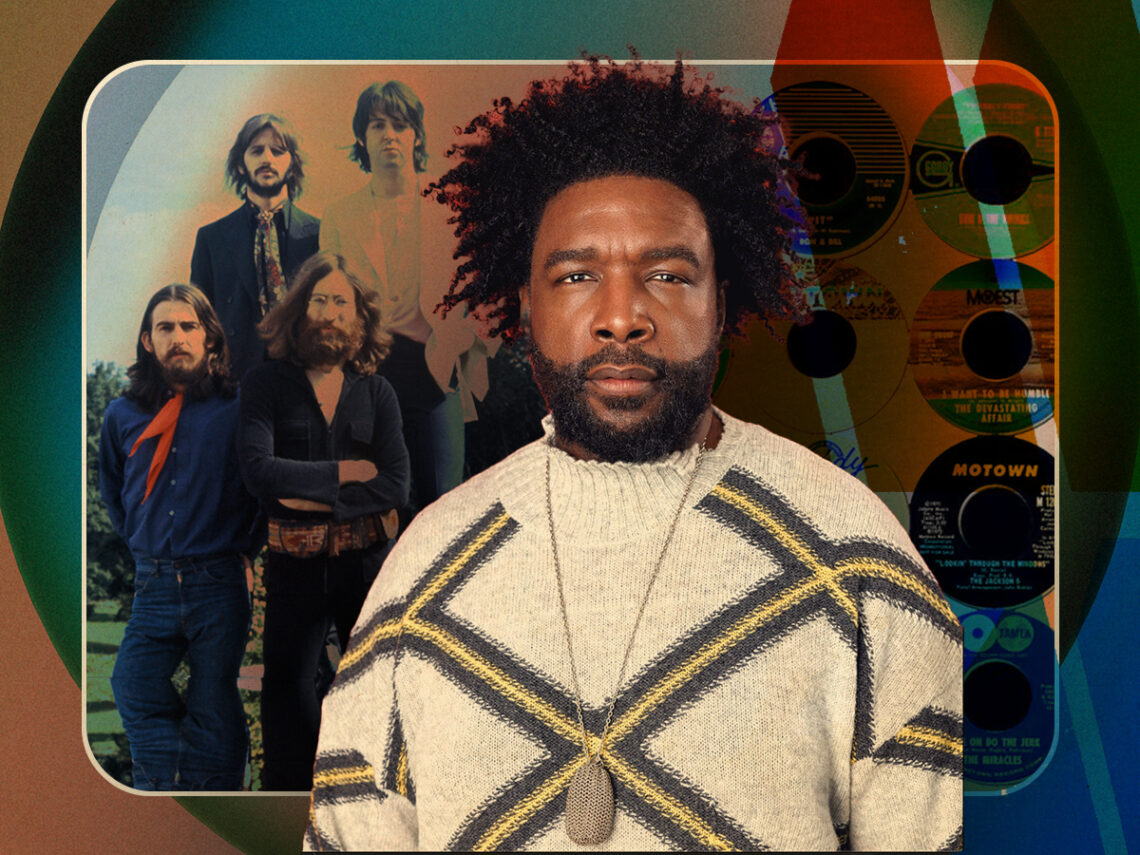
Why Questlove called Motown more important than The Beatles: “The glue that brought us all together”

During my time as a music journalist, I’ve written a lot about the 1960s.
Within that, I’ve predominantly spoken about The Beatles and the chokehold they had on the decade. In many ways, they were the definitive band of that generation, and their cultural impact superseded the likes of Bob Dylan, Joni Mitchell and The Beach Boys, even if those artists provided individual albums that could rival The Beatles’ work.
I’ve then often lent their dominance and subsequent break-up at the end of the decade as the reason why the 1970s became such a brilliant musical decade. As their dissolution created a void in the music industry, multiple bands and genres came to fill it, and in turn made the ‘70s one of the most compelling and diverse musical decades of all time.
As a fan, the music that I felt most drawn to from that era was soul. Marvin Gaye, Sly and the Family Stone, Bill Withers were all names that made this decade so uniquely brilliant, but, to my fault, I’ve never wondered why. I’ve never given enough thought to what was happening between the cracks of The Beatles’ records to help manifest this truly astonishing chapter of music.
It was happening right there in the 1960s; for all of his wrongdoings and outright toxicity, in Motown, Berry Gordy created something that would platform a future movement of soul. In fact, Questlove labelled the Motown movement as something entirely more impactful than The Beatles themselves.
“People tend to think of the ‘two M’s’ of the ’60s: Martin and Malcolm,” he said, referring to the Civil Rights movement and their primary activists Martin Luther King Jr and Malcolm X, “But really, there were three; there was Martin, Malcolm, and there was Motown,” highlighting the importance of the music within the social fabric of America in particular.
He added, “You really can’t discount the power that music plays in social relations. The power of Motown is about when it arrived and how effective it was in bringing people together… I think that more than Elvis Presley, more than The Beatles, more than The Beach Boys (and I’m a Brian Wilson freak), more than the psychedelic ’60s; I think that Motown was the adhesive, the glue, that brought us all together. That was the introductory; the Baltic Avenue of the Monopoly game, that eventually got us past go and on the way to other unknown places.”
Of course, The Beatles were active in their campaigning for civil rights justice and fought racial segregation at every single one of their shows, but it was Motown that helped vocalise the Black-American experience through its music and engage in the conversation, not just listen.
I still stand by the 1970s being the premier decade of music and, more specifically, the premier decade of soul, but Questlove is right in highlighting the fact that that may not have been the case without the foundations of Motown. Sure, The Beatles opened the door to creativity in the ‘70s, but Motown helped pull everyone else through.

Never Miss A Beat
The Far Out Beatles Newsletter
All the latest stories about The Beatles from the independent voice of culture.
Straight to your inbox.