


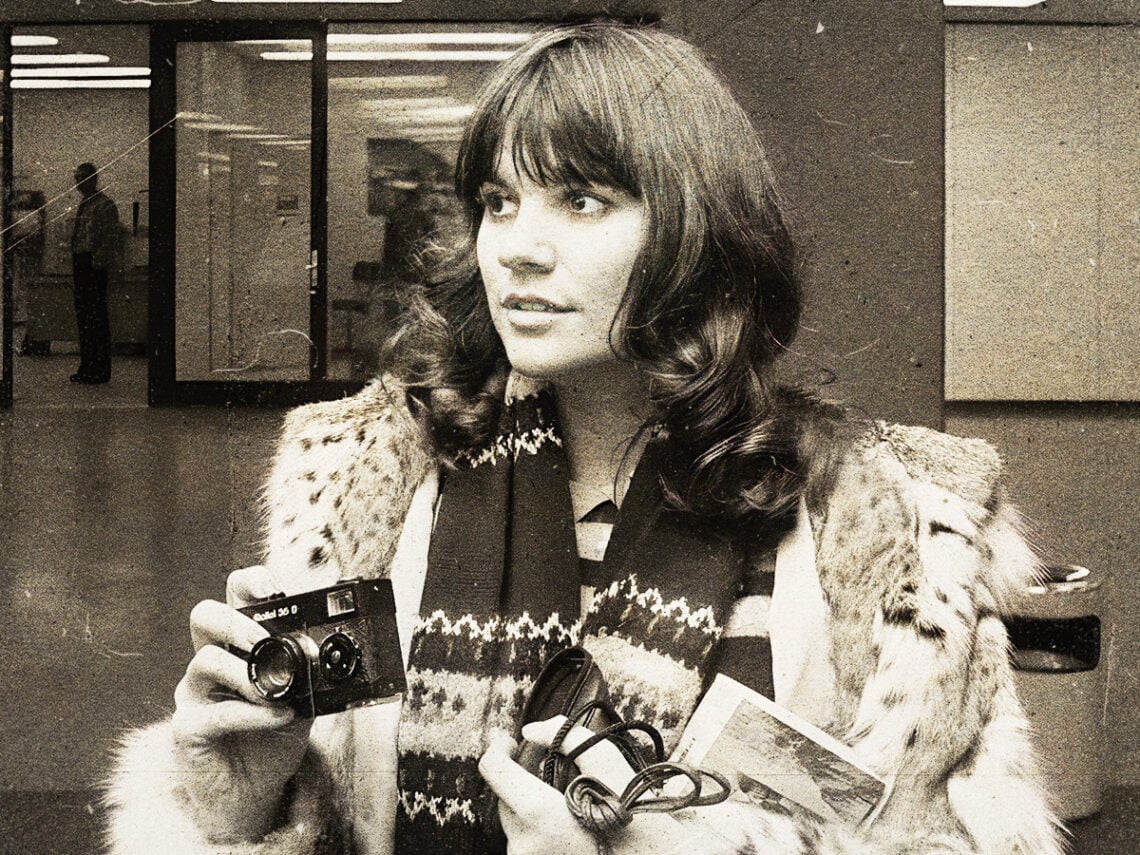
The 1958 album Linda Ronstadt called “most cherished recordings”

Linda Ronstadt didn’t want to settle for the conventional when she first became a rock and roll star.
There were plenty of people who were singing traditional ballads and boozy rock and roll songs throughout California, but when looking through her songbook, Ronstadt was always much more interested in making songs that suited how her voice felt in the moment. And while she could throw down with some of the greatest rock and roll voices of all time, she felt that some tunes worked out better for her because of how many years she had put into singing them long before she became famous.
Every single song that she ever made needed to feel close to the chest, but even when looking at her career as a country rocker, she was never going to settle for singing whatever was given to her. She needed to have some kind of connection to the song even if she didn’t write it on her own, but there came a point when singing songs by Randy Newman and Jackson Browne weren’t doing it for her like they used to.
She wanted something a bit more out of her music, and you can hear her trying to stretch her muscles once she enters the 1980s. Her music had already taken a few dives into new wave every now and again, but after spending some time in the theatre world, watching her make a standards record had to turn some heads back in the day. She wasn’t trying to alienate her fanbase by any stretch, but she wasn’t going to roll over and make the same tunes that she always did, either.
The Trio records at least gave her a welcome return to form in the country community, but by that point, some of Ronstadt’s favourite records of hers came when she was listening to Spanish music. That was the kind of music that struck her the most when she first heard it as a kid, and while Las Canciones de mi Padre wasn’t going to be flying off the shelves as much as Heart Like a Wheel did or anything, you could tell that she had put everything into making those sounds as authentic as possible.
Because looking through her record collection, non-American singers were just as important to her as those who spoke English. She had a lot more respect for someone who could touch her through pure music, and while Maria Callas was the gold standard for what everyone thought of as traditional Mexican music, hearing Salli Terri on the album Duets with the Spanish Guitar was the first moment where she fell in love with this style of music.
She already knew that music was going to be her calling, but she felt that one record managed to shift her entire mindset, saying, “Knowing I wanted to sing, Aunt Luisa had sent me a recording, Duets with the Spanish Guitar, which featured guitarist Laurindo Almeida dueting alternately with flautist Martin Ruderman and soprano Salli Terri”.
“It became one of my most cherished recordings.”


Ronstadt would be the first person to tell you that she wasn’t going to be singing nearly as well as Terri could, but the point was her finding a place in that style of music. She knew that there was a way to blend her hitmaking sensibilities with traditional Spanish-language tunes, and looking through some of her finest work in the genre, she was determined to make the kind of music that would open people’s eyes to what else was out there other than the same bluesy songs that everyone cuts their teeth on in bar bands.
It was possible for someone to break out of that world if they wanted to, and if it took Ronstadt putting her career on the line to make that kind of transition, that’s what she was going to do. There was no point in her trying to repeat herself, and that one record managed to show her everything else that was possible with the human voice.
