


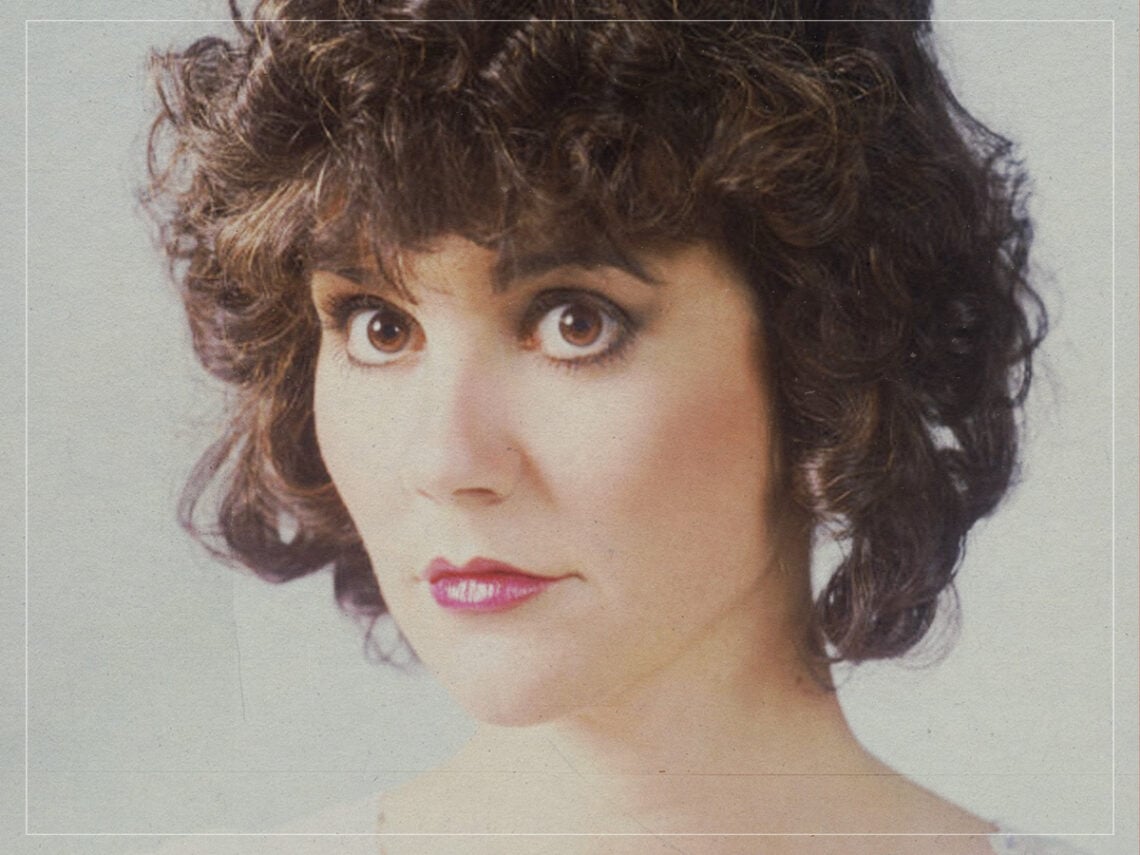
“In over my head”: the show that threatened to derail Linda Ronstadt

In everyone’s lives, there are those butterfly effect moments – change one thing and the entire course of your life could have switched up. Or maybe it’s a sliding doors moment as one minor decision takes you down a whole different path. For Linda Ronstadt, that moment came as a teenager.
Obviously, the path she did take was a golden one. After years of playing in different bands and learning the ropes, Ronstadt didn’t just become one of the most successful and influential names in country rock, but became a kind of super muse. Having played a hand in forming the Eagles as the founding members were all once hired as her backing band and finally went off on their own, the group would forever call her their “muse” and devote their work to her.
Right as country music was beginning to morph into something different, Ronstadt was at the forefront. Similarly to how the 1960s took folk and merged it with counterculture until it was almost inseparable from the hazy, wild world of rock and roll. The 1970s saw the same thing happen with more classic country, crafting a new Americana sound that still had elements of tradition, but was also cool, hip, electrifying and ready for a new audience.
However, one different choice and Ronstadt’s legacy would have been a whole different one, rooted in a whole different world of tradition.
Before even getting into country or folk or anything like that, Ronstadt was raised in a household deeply engaged with the classic arts and specifically classic musical styles like polka, waltzes, and specifically – opera.
If there was ever music playing in her house, it was more than likely that, and so as a kid, when Ronstadt was finding her voice and singing along, she naturally picked up a knack for opera, as it was the first music she tried to replicate. Arguably, that’s what gave her that beautiful singing tone as she was looking towards the best of the best as her teachers.
“I learn more … about singing rock ‘n’ roll from listening to Maria Callas records than I ever would from listening to pop music for a month of Sundays,” she said, citing the opera singer as her ultimate inspiration, and the reason why, at first, she wanted to only be an opera singer.
For a while, that was the likely path, until in her early teens, she discovered folk and country rock, stealing her attention away.
However, in the 1980s, that sliding doors moment came back around as she was face-to-face with the career she could have had. In the summer of 1980, she decided to start auditioning for Broadway shows. She dusted off her pure soprano singing voice and got cast in The Pirates of Penzance first, and then La bohème.
Producer Joseph Papp took a real shine to her, wanting to bring her into more and more shows. However, as Ronstadt was still working on her music at the time, she knew she couldn’t do both. So a choice had to be made, and once again, the theatre was left behind as she said: “It was beautiful, and I just had a great time doing it, but I knew I was [in] over my head.”
