


The forgotten band who had 18 chart hits from 1964 to 1968

If you did anything in the 1960s, not least score tens of hits on the charts, it almost certainly rubber-stamped you a place in the history books.
Look at The Beatles, Bob Dylan, The Rolling Stones, Dusty Springfield: all of them are icons for achieving that very feat, and yet, we would be ignorant to pretend that they alone tell the story from cover to cover. Sure, they may represent the big leagues, but there were many more along the way who just simply didn’t get the same recognition in the aftermath.
Even still, you would think that with no less than 18 top 40 hits in the space of four years at the height of the decade, Herman’s Hermits would have maintained a much more noticeable cultural presence than they do. Indeed, they were even considered one of the most successful acts of the British invasion at the time, except with very little of the legacy to show for it.
So what exactly happened? With that number of hit singles under their belt, to all intents and purposes, the band should be taking up as much space in the history books as all the rest. Instead, they make a small indent and nothing more. They started out by riding high until the success eventually dried up, and it all ended in acrimony.
By pretty much bolting out of the gate, with their debut single ‘I’m Into Something Good’, originally written by Carole King and Gerry Goffin, heading straight for number one and replacing The Kinks’ ‘You Really Got Me’ at the top spot, Herman’s Hermits were proving that these new kids were ready to join the battalion. They just might not have been prepared for what came next.
What happened to Herman’s Hermits at the end of the 1960s?
It was a typical trait of bands of the era, and one that you could arguably consider to be incredibly toxic, that they released music at such breakneck speed. Let me just repeat: they had 18 top 40 singles in the space of four years. The concept is not just unfathomable, but also pretty sickening in terms of what you imagine they had to endure.
In this sense, it was hardly surprising that most of these bands ended in some form of turmoil or tragedy, given that they were being worked like dogs and expected to deliver the results harder, bigger, and faster every single time. By the time they’d spent that much time and energy blasting the charts, they’d be forgiven for never wanting to see those rankings ever again.
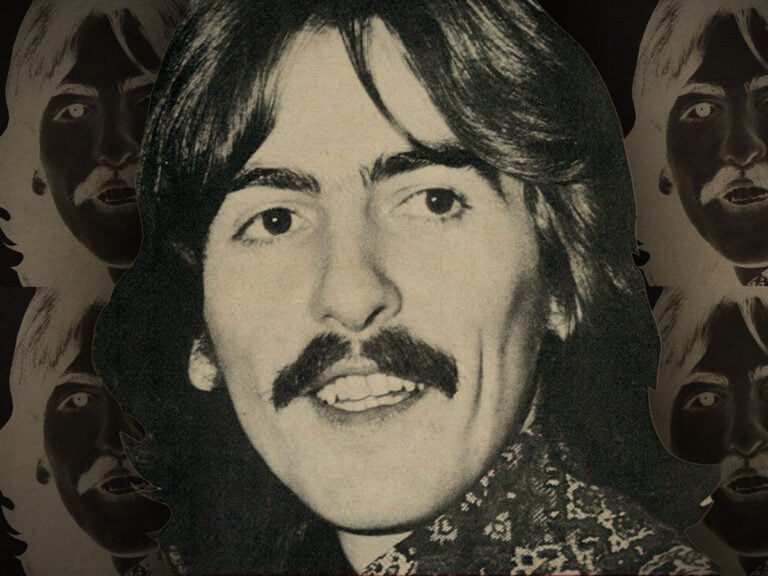

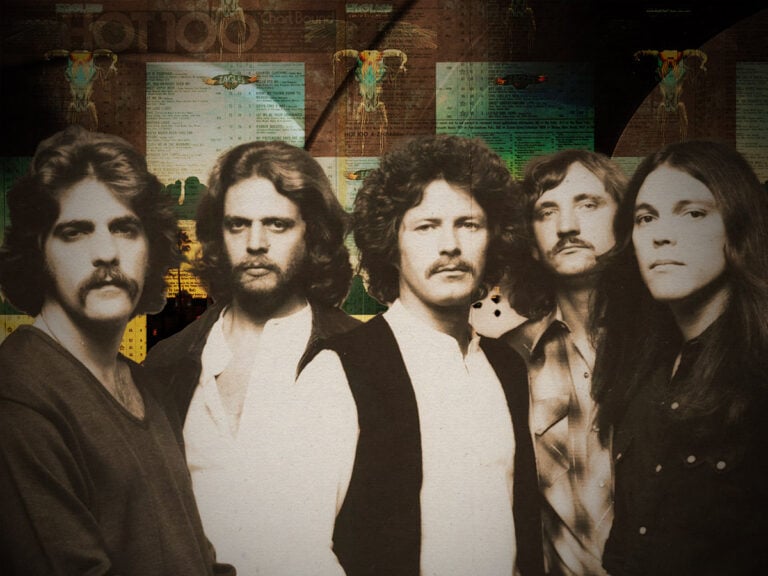
Ironically, though, for a band founded in Manchester, the main success of Herman’s Hermits was found in the ‘60s-standard exoticism of the States, except the American dream wasn’t all it was talked up to be. They were exploited within an inch of their lives, and when the record label stopped showing interest and advertised the wrong single in 1969, they knew it was the straw that broke the camel’s back.
As far as their places in the history books, Herman’s Hermits were perhaps happy to let it slip in that regard, even though they deserved to be recognised just as much as all the rest. In many ways, the British invasion really was like a war – only the big battles are remembered, but it was the small gains that actually made the difference.
