


The 10 worst British remakes of American TV shows

American television shows have a history of drawing from their international counterparts as a source of inspiration, with popular programmes like Euphoria and Homeland based on shows from different countries.
It’s often the case that American shows are directly drawn from something that was popular in the United Kingdom; the American version of The Office was such a seismic cultural sensation that some of its most loyal viewers didn’t even know about the original version from the UK that starred Ricky Gervais.
It is less common for British remakes to be based directly on American shows, given the difference between the two nations in terms of culture and production, with the US producing far more on a yearly basis because of its significant population, and British television producers more likely to work off original ideas that aren’t related to any previously established material. It’s more often that shows in America simply end up being successful in overseas markets, with series like Breaking Bad and Succession turning out to be hits all over the world, thanks to distribution deals.
However rare, there is no shortage of massive blunders in UK television history drawing the the US, and though many shows have essentially been erased from record because they are no longer actively available on streaming services, internet sleuths have a way of rediscovering anything, regardless of how embarrassing it might have been, because if something is broadcast on television, it is likely to be found, some way or another.
The 10 worst British remakes of American TV:
‘Days Like These’ (ITV, 1999)
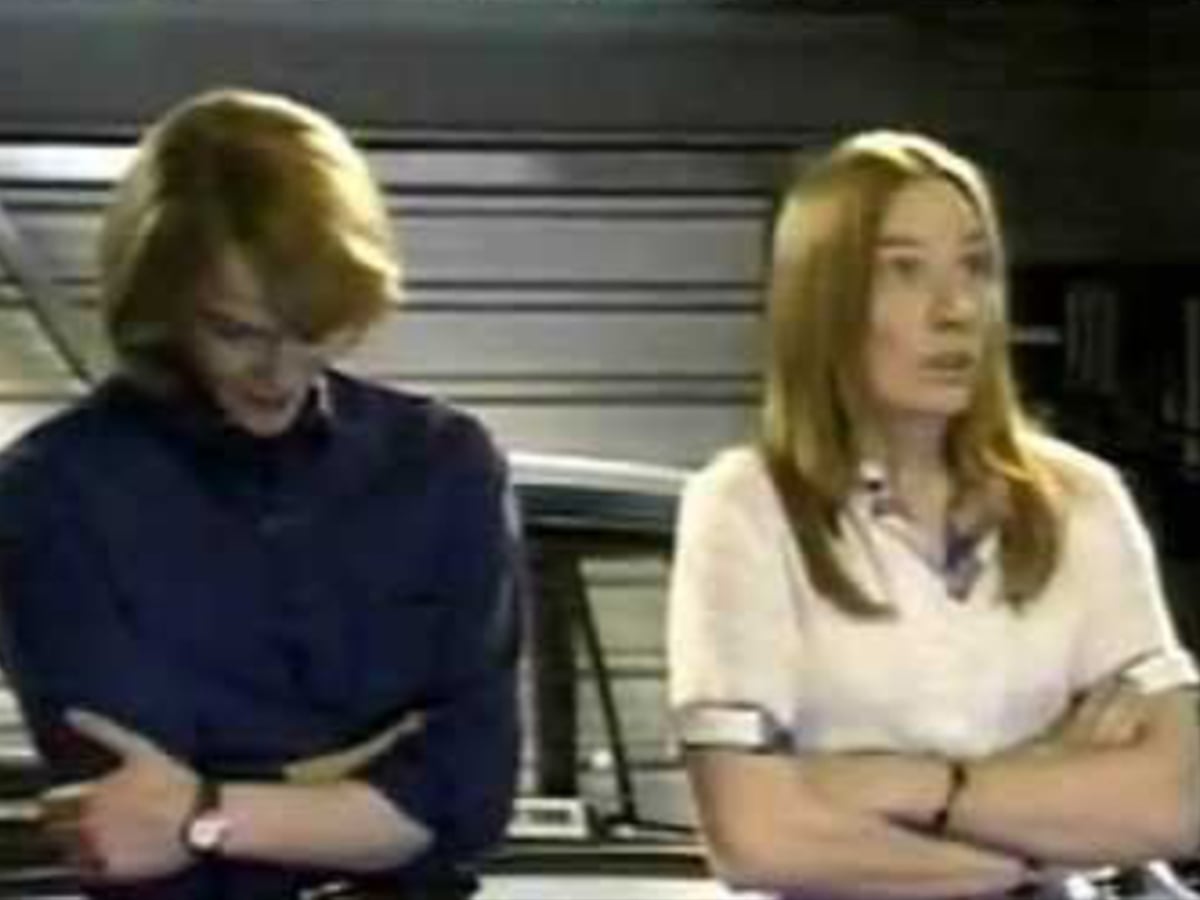
That ‘70s Show may have become dampened in its reputation based on the controversy surrounding actor Danny Masterson, but during its peak, the sitcom was a delightful, heartfelt look at what life was like for American teenagers in the 1970s, and so, shortly after the series debuted to popular acclaim, ITV aired a British reimagining called Days Like These, which was set in London and featured different versions of the main characters.
While That ‘70s Show had found breakout stars in Topher Grace, Mila Kunis, and Ashton Kutcher, none of the actors in Days Like These amounted to very much, with the show so terribly received that only six episodes aired before it was cancelled, and only ten of the 13 episodes made it to television, while That ‘70s Show enjoyed a much stronger legacy, inspiring the Netflix continuation series in That ‘90s Show.
‘Nobody’s Perfect’ (ITV, 1980–1982)
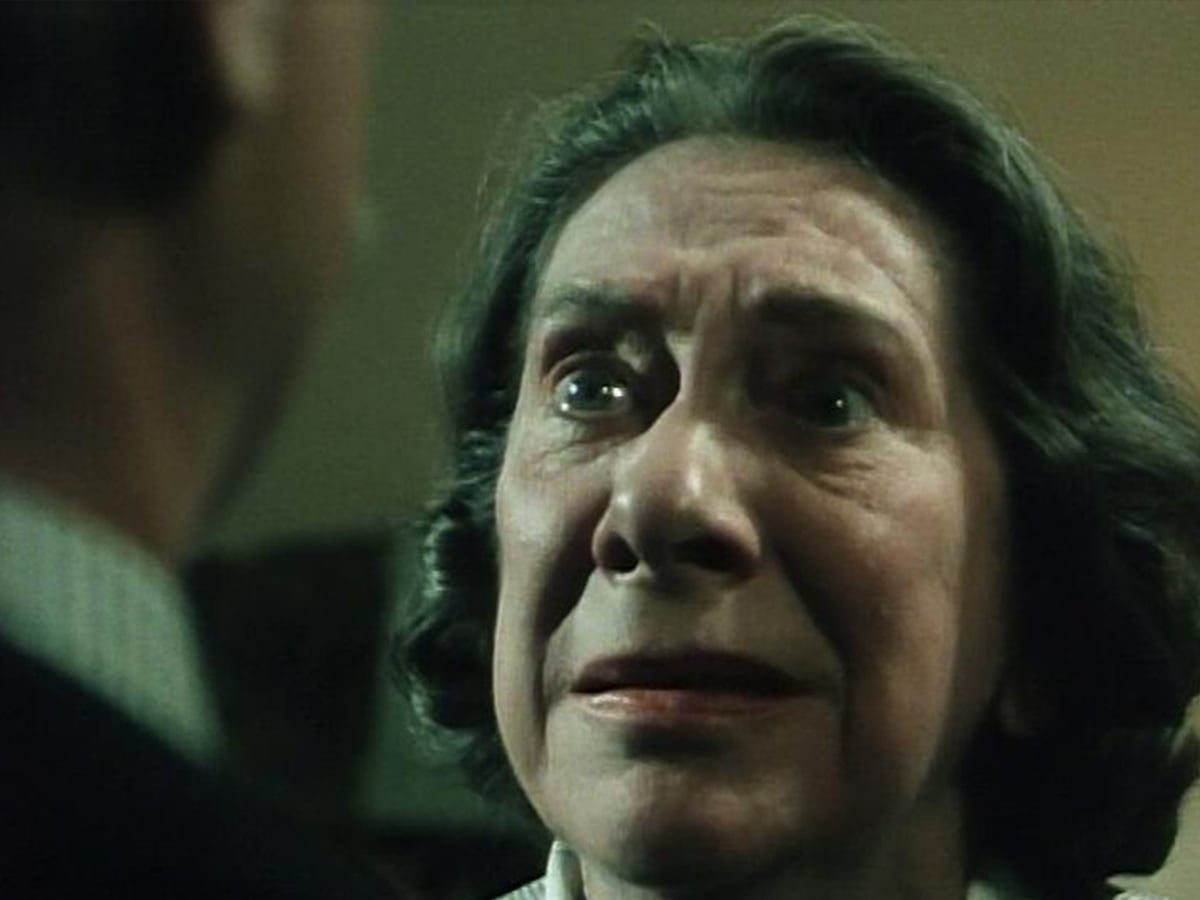
Maude was a massive sensation that made an icon out of Bea Arthur that still continues to this day, and while the premise seemed like it would be universal enough to inspire an entirely unique comedy, the British remake of Nobody’s Perfect couldn’t help but be compared to the original source material.
What’s strangest is that Nobody’s Perfect wasn’t even lacking in talent in front of the camera; the series starred Richard Griffith and Elaine Stritch, both of whom were well-known for their work in television. The series, however, was such an afterthought for ITV that an episode of the second season aired in its rough form live, as the producers didn’t even care enough about the show to ensure that the finished version was released properly. A cancellation came shortly thereafter, and no one seemed to be all that upset about it.
‘The Brighton Belles’ (ITV, 1993–1994)
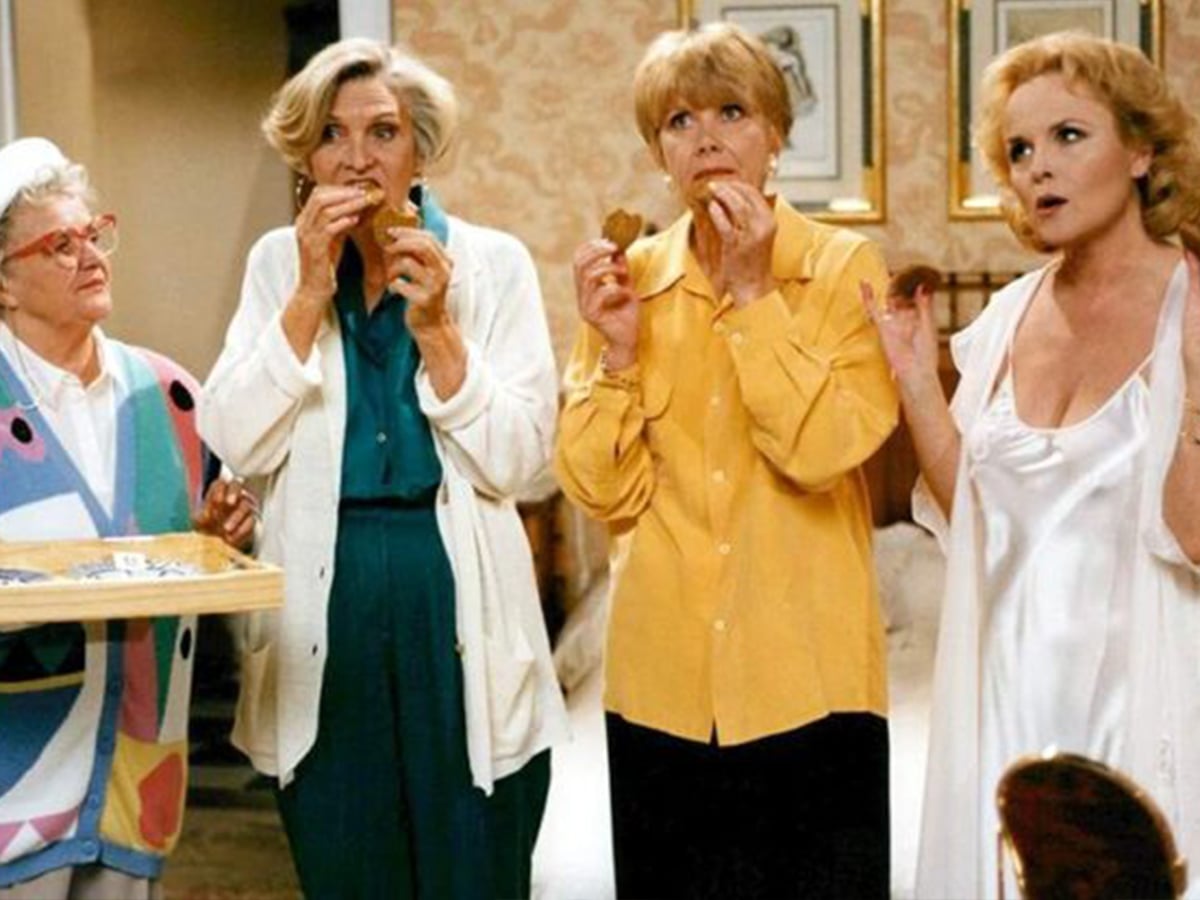
The Golden Girls has been in syndication for decades, as the Florida-set sitcom hit the right market thanks to its incredible cast, where even a bitter feud on set between Betty White, Bea Arthur, and the other cast members did not in any way impact the show’s enduring legacy. However, the remake, The Brighton Belles was a failed idea from the beginning, as it lacked the universal sense-of-humour that had made The Golden Girls appealing to so many different demographics, and ultimately, the two shows were far too similar.
Given that there was never a shortage of The Golden Girls episodes that were available at any given time, there weren’t many viewers who took an interest in a less funny sitcom that featured characters almost identically similar to their counterparts in America, and it was dropped by ITV after only six episodes aired.
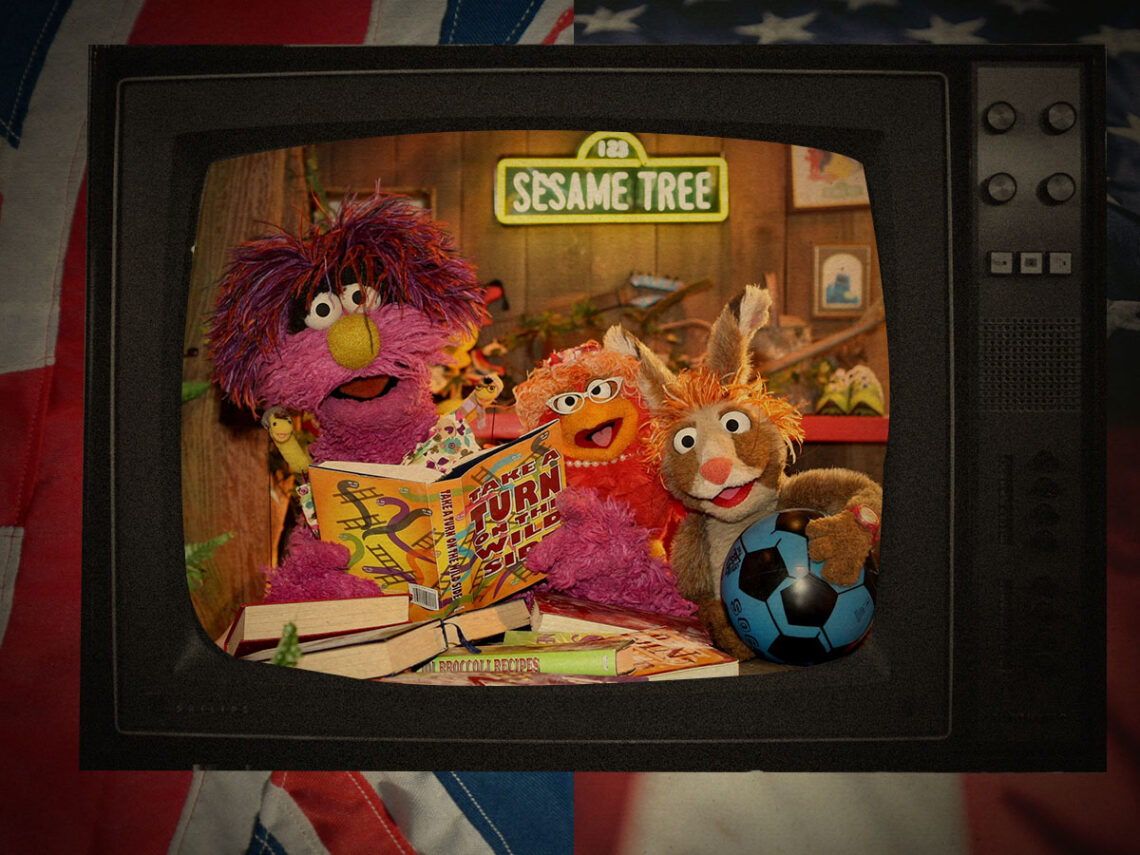
‘Sesame Tree’ (BBC Two, 2008–2011)
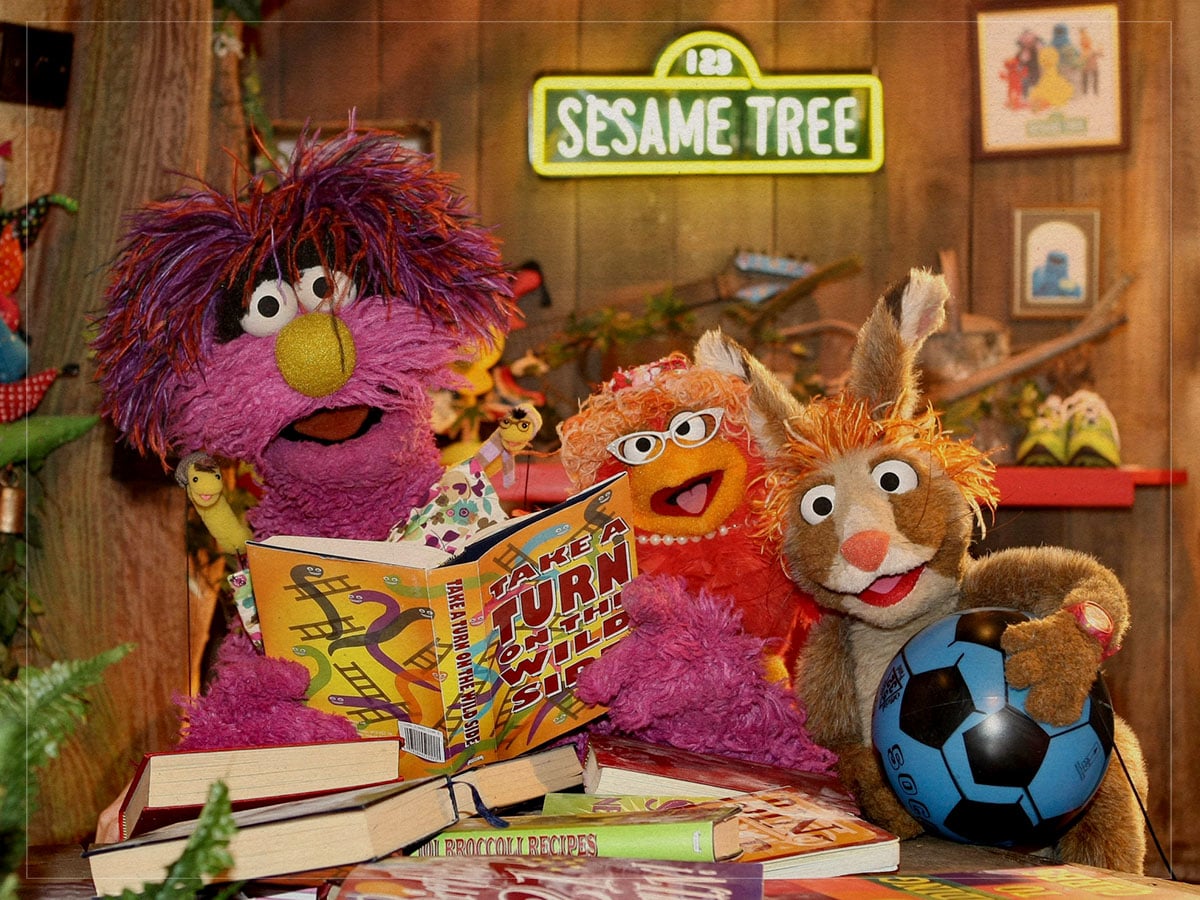
Sesame Street is the rare television show for children that is just as valuable for adults because of the care and craft that was put in by original creator Jim Henson; in addition to pouring extensive research into children’s education and ensuring that the series would be psychologically instructive, Henson and the Sesame Street creators breathed life into characters that have now existed for over half a century.
Sesame Tree was an attempted to capture the same magic that simply didn’t create memorable characters or prove to be as engaging as the original series. Coming up with new puppet characters as instantly lovable as Big Bird, Elmo, Oscar the Grouch, and the Count was by no means an easy task, but none of the Sesame Tree creators had the background in puppetry arts that had given Henson an advantage.
‘Married for Life’ (ITV, 1996)
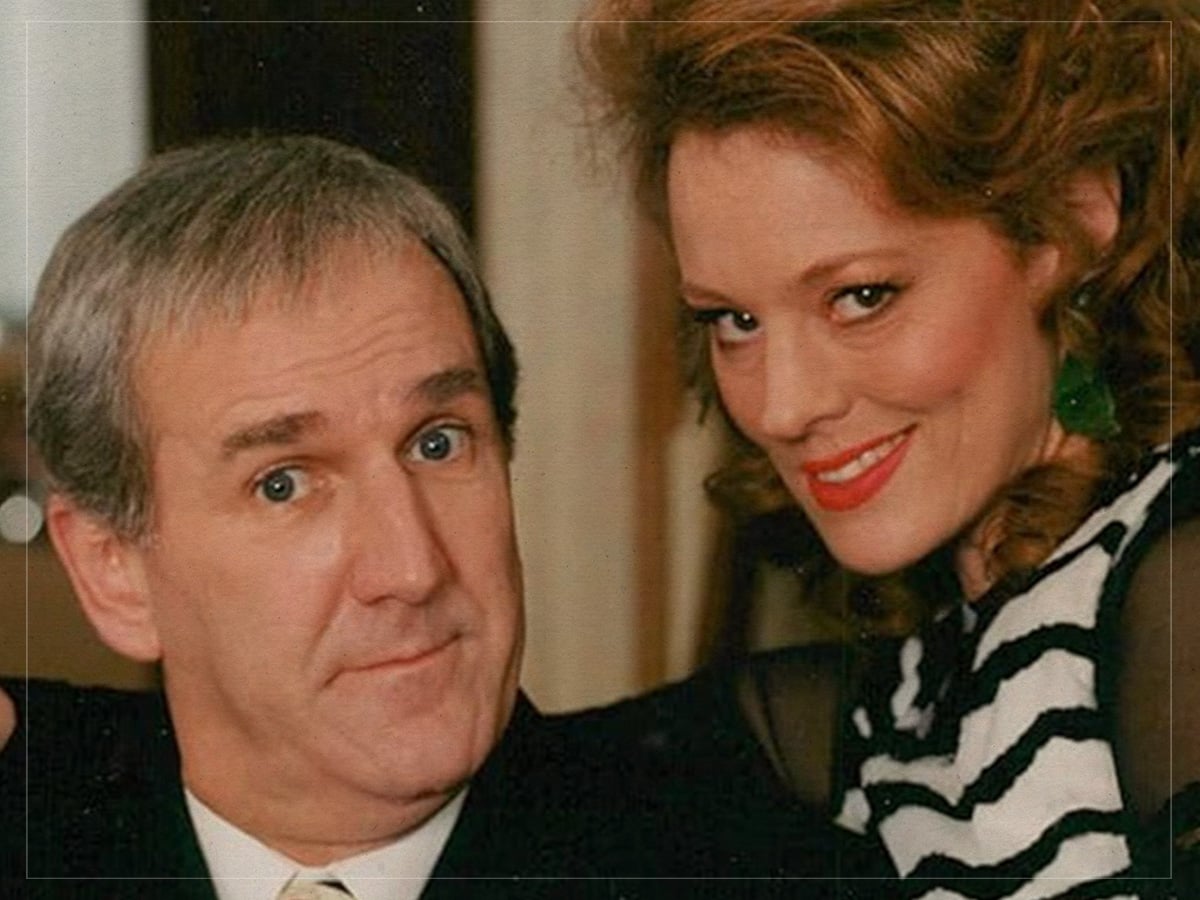
Married… with Children is one of the most influential television shows of all time, and is responsible for inspiring many of the subsequent sitcoms that emerged in the late ‘80s and ’90s. Although it was set in Chicago and focused on a very specific type of middle-class American living, Married… with Children embraced themes of family that were universal.
Central Television and Columbia Tri-Star attempted to make their own version called Married for Life, which included an early performance by Rob Brydon and Hugh Bonneville, long before the Downton Abbey phenomenon took off. Yet, it didn’t have the right blend between humour and heart that had made the original Fox series so beloved; while Married… with Children still presented characters that were relatable, Married for Life was so absurd that it was hard to take it seriously, with ITV pulling the plug after seven episodes.
‘In with the Flynns’ (BBC One, 2011–2012)
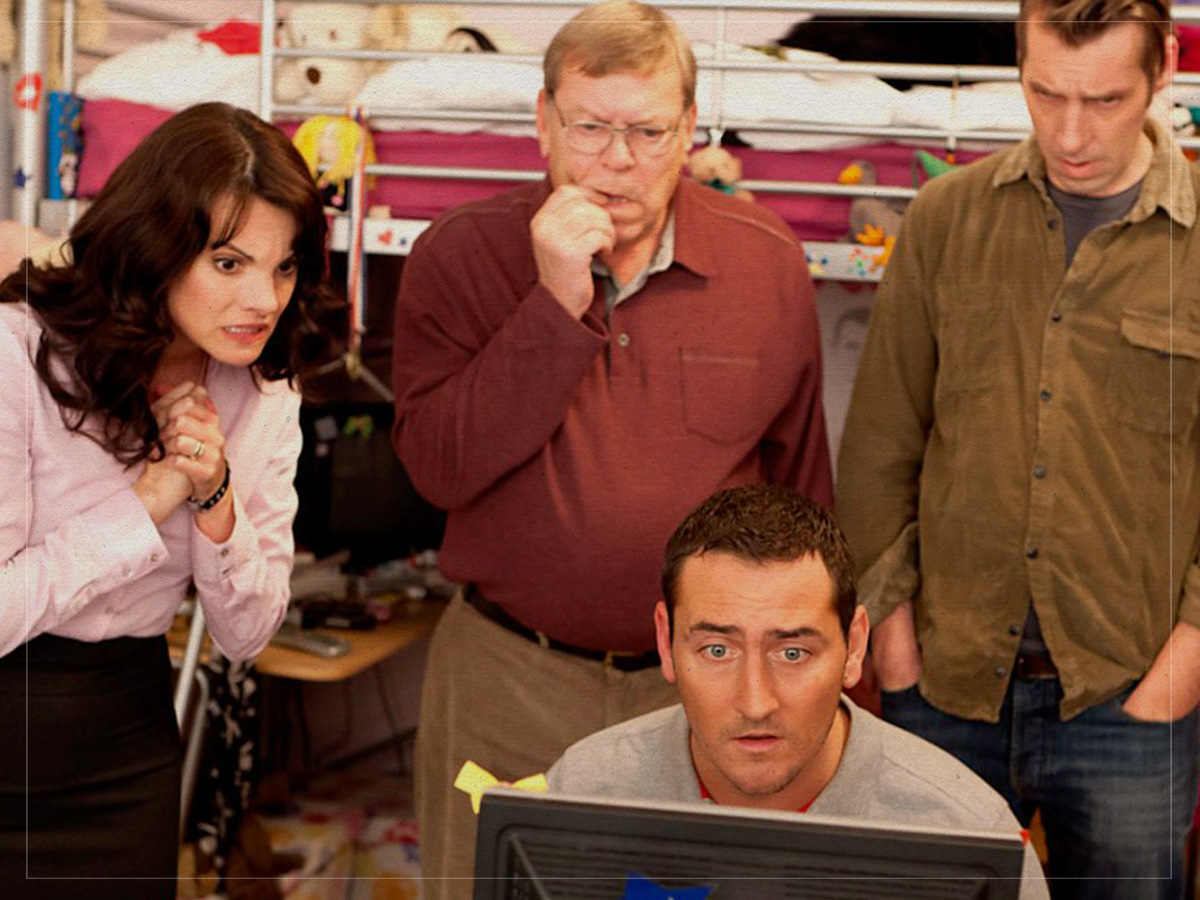
Grounded for Life wasn’t necessarily one of the most famous sitcoms of its era, but it was an amiable comedy show that attracted attention for the many future stars that had guest appearances, including Natasha Lyonne, Vincent Pastore, Mila Kunis, Ashton Kutcher, and Stephen Root, among others.
The perspective of an Irish Catholic family was unique because of the show’s New York City setting, but that cultural specificity was lost when the BBC One remake In with the Flynns changed the location to Manchester, with the biggest issue being how out-of-touch it felt. Comedy had evolved significantly since Grounded for Life had aired, and audiences had come to expect more out of sitcoms, but In with the Flynns was completely antiquated and uninspired, making it ripe for cancellation after only two series airing on BBC One.
‘The Fosters’ (ITV, 1976–1977)
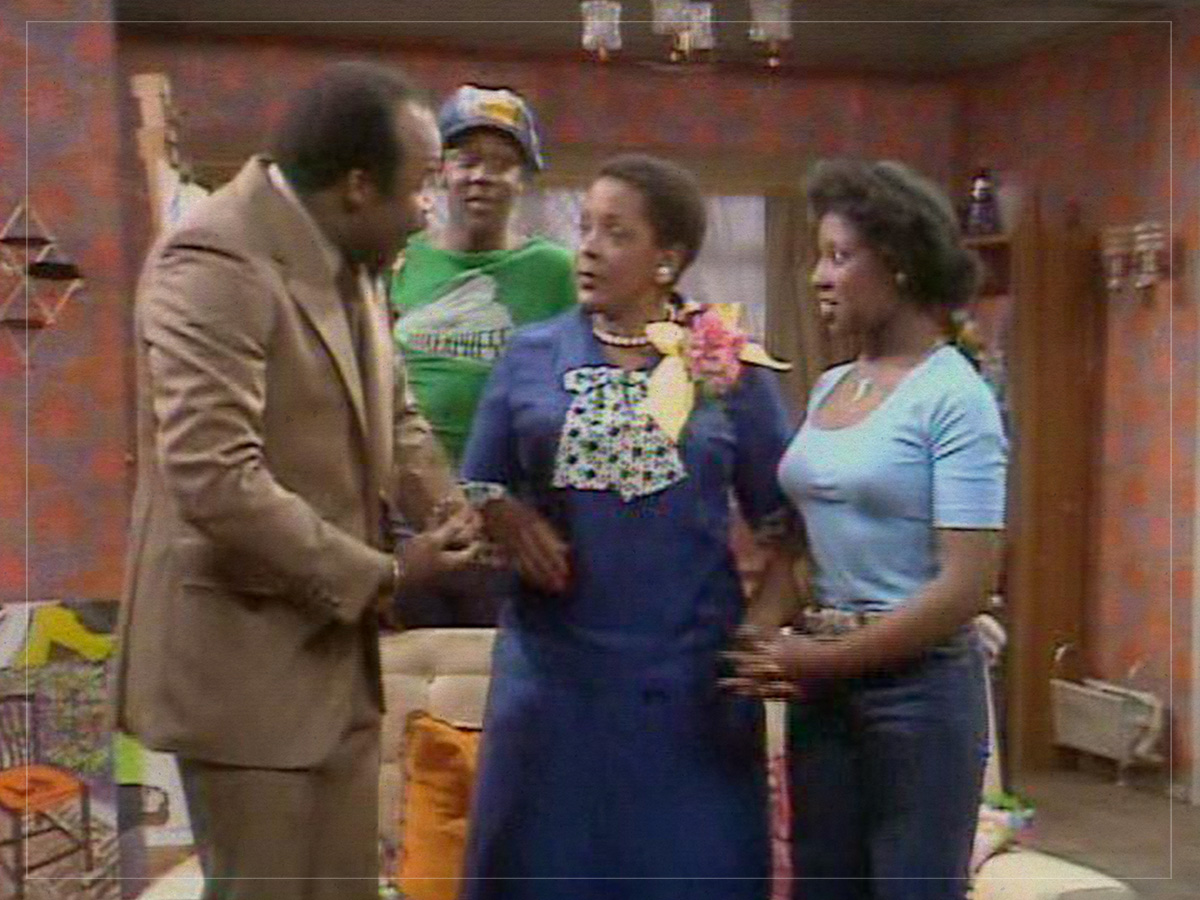
Good Times was a unique TV series because it was a spinoff that Norman Lear developed from Maude, which was itself a spinoff of All in the Family. Although Lear’s projects never failed to be funny, Good Times stood out for its progressive depiction of an African-American family and its ability to touch upon critical social, political, and ethical issues. The Fosters was also developed by Lear and became the first British sitcom to have an entirely Black cast, but it unfortunately did not attain the same legacy as Good Times.
Lear may have more experience than nearly any other television producer in the history of the entertainment industry, but The Fosters showed he wasn’t equipped to deal with British television. Race relations were significantly different in Britain than they were in America, and The Fosters failed to take note of that distinction.
‘Loved By You’ (ITV, 1997–1998)
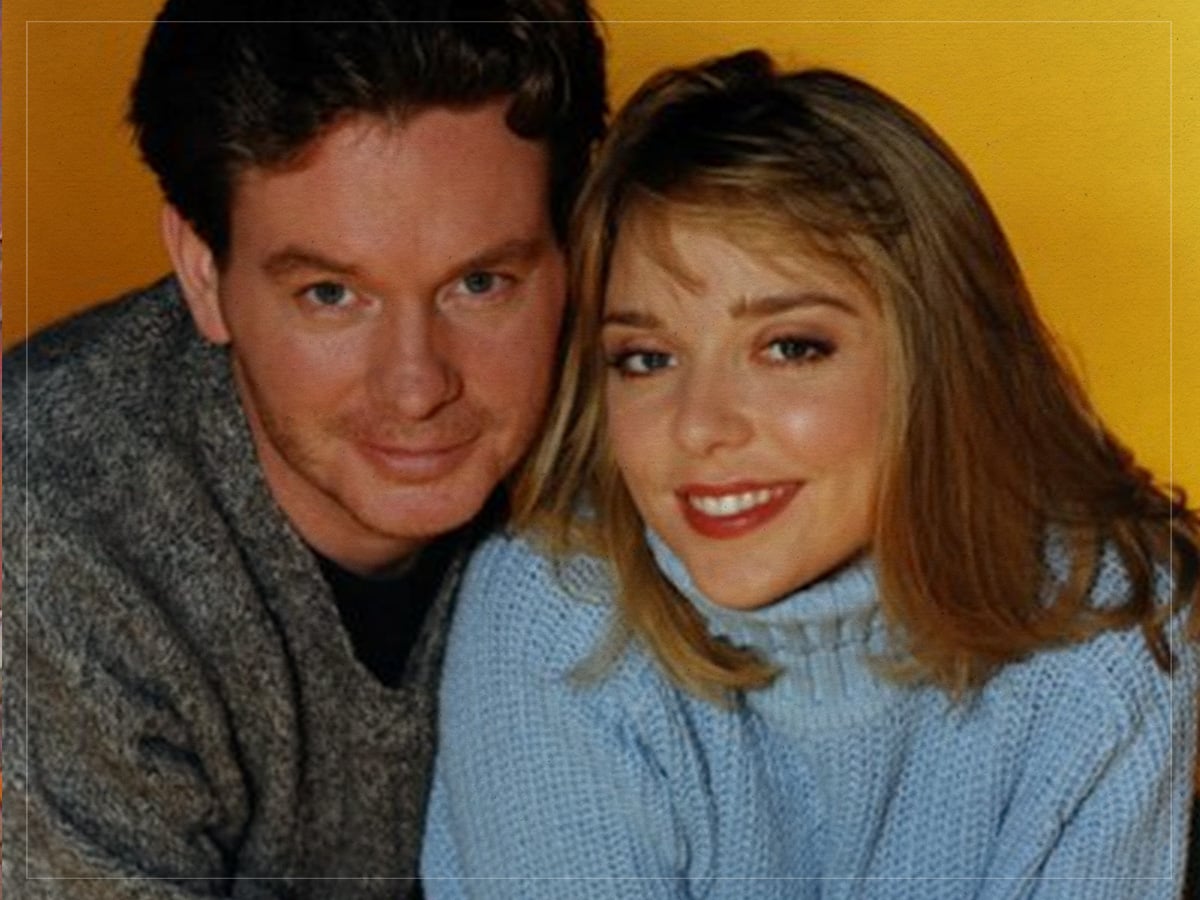
Mad About You was a quintessential New York show that turned Helen Hunt and Paul Reiser into stars and was unique among sitcoms of the era because it depicted a married couple, avoiding the ‘will they or won’t they?’ tension that had been popular in shows like Friends.
Mad About You quickly became a sought-after piece of intellectual property, inspiring remakes in Chile, China, and Argentina, but the British remake, Loved By You, ran for two seasons without ever making a dent in popular culture. As it turned out, it was the chemistry between Hunt and Reiser that had made the original show so irresistible; while talented in their own right, Loved By You stars John Gordon Sinclair and Kim Thompson simply couldn’t compare. Had any sense been involved, a British continuation of Mad About You would have centred on Maggie Conway, played by Judy Gleeson, the British neighbour from the original show.
‘The Furchester Hotel’ (2014–2017, CBeebies)
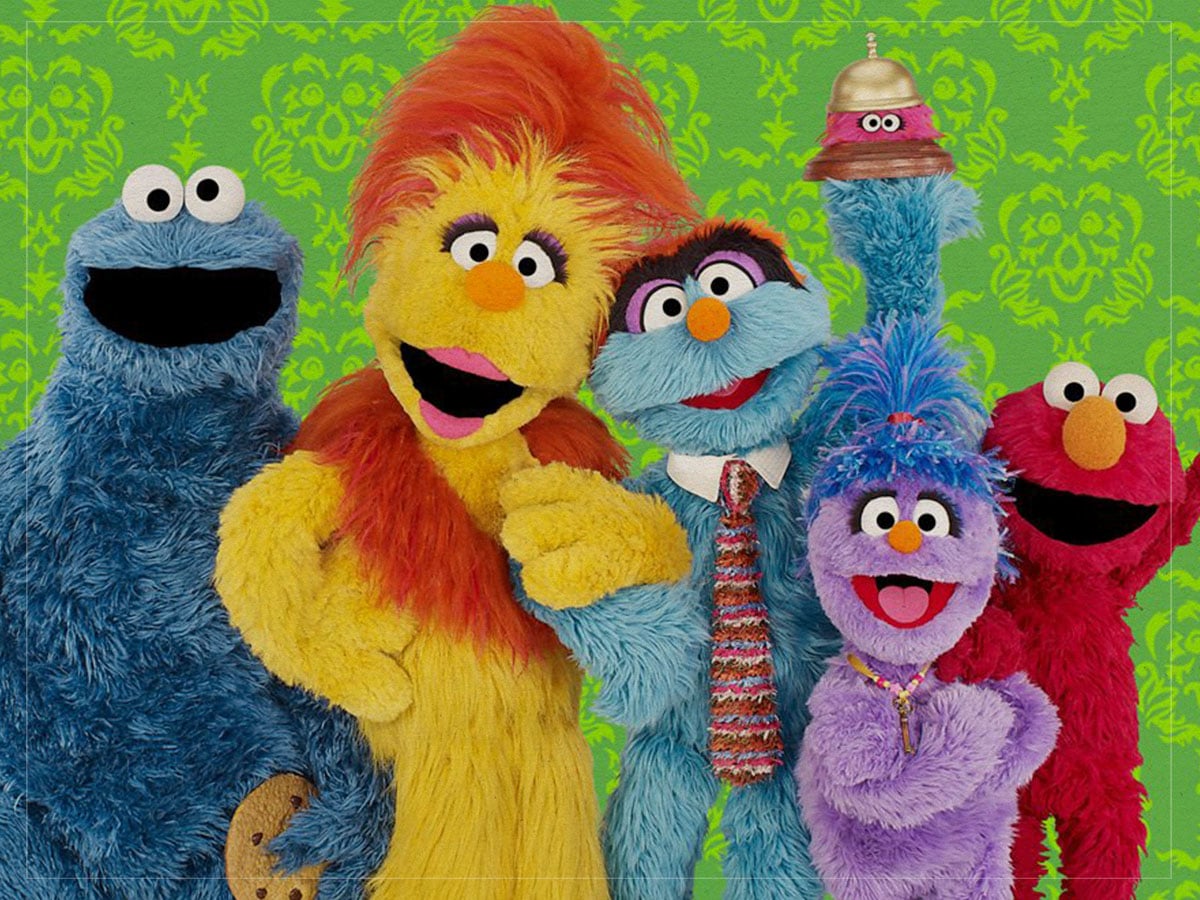
Sesame Street inspired not one, but two British remakes, with the second show The Furchester Hotel airing six years after the cancellation of Sesame Tree. Over two decades had passed since the death of Jim Henson, and the continued popularity of Sesame Street around the world was enough incentive for Sesame Workshop to once again try to break into the UK market.
Unlike Sesame Tree, The Furchester Hotel did attempt to involve characters from the original series, with both Cookie Monster and Elmo making appearances. However, the problem remained the same; characters like Phoebe, Funella, and Fergus simply didn’t have the instant recognisability and didn’t have the same appeal to children. Given that it aired during the streaming era, in which Sesame Street was available in other regions, The Furchester Hotel struggled to find an audience willing to check out a subpar show.
‘Impractical Jokers UK’ (BBC Three, 2012–2016)
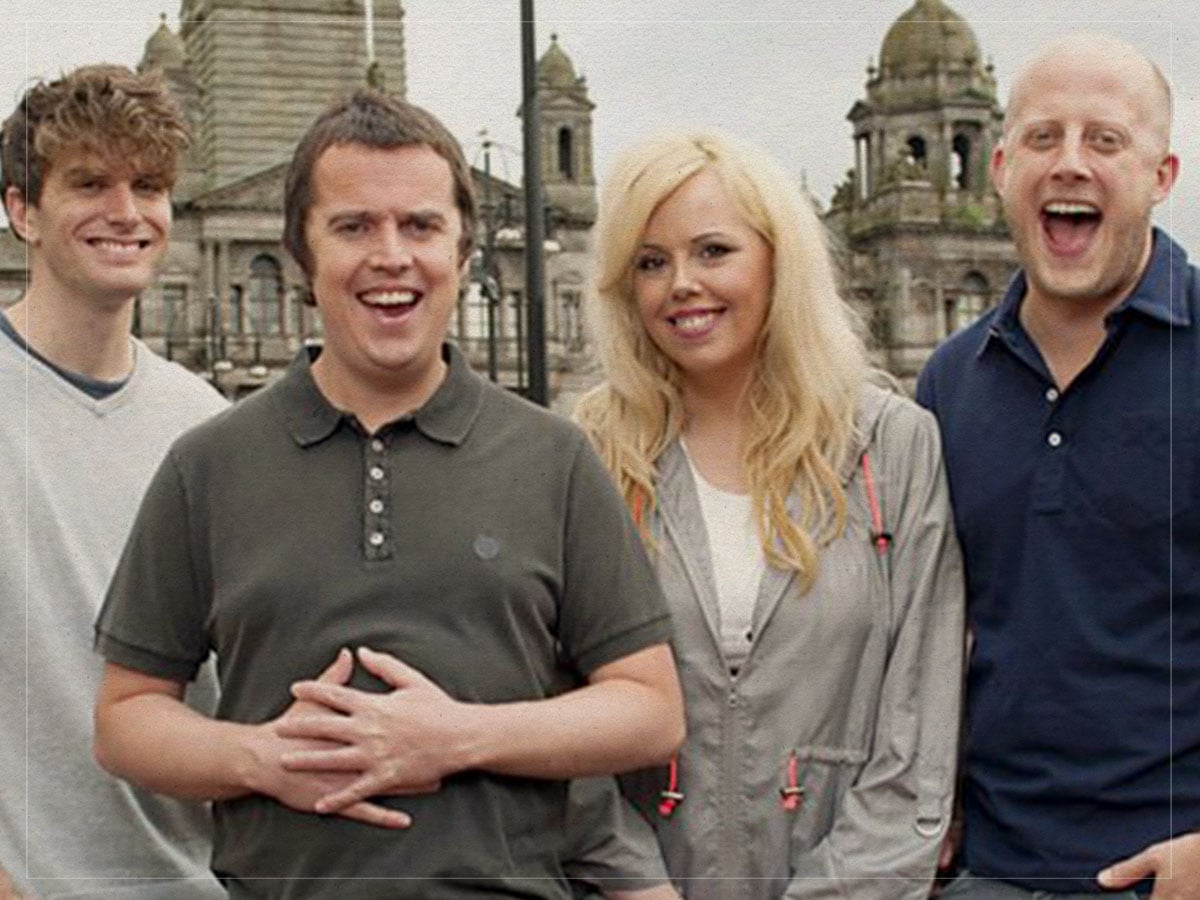
It’s hard to overstate what a big deal Impractical Jokers was when it debuted on TruTV in 2011, as the lower-rated network earned a colossal hit that continuously inspired viral clips. It remained on the air for ten seasons, and ultimately ended shortly after a serious controversy in which the cast member Joe Gatto was accused of sexually assaulting a fan.
The enduring appeal of Impractical Jokers was that Gatto and his fellow castmates Brian Quinn, James Murray, and Sal Vulcano had been lifelong friends and had a natural repertoire onscreen as they forced each other to do ridiculous hidden camera pranks. Transporting the premise to England with a cast of less established comedians didn’t have the same impact, especially when many of the jokes were far too similar to ones that had appeared on the original run of Impractical Jokers.
