


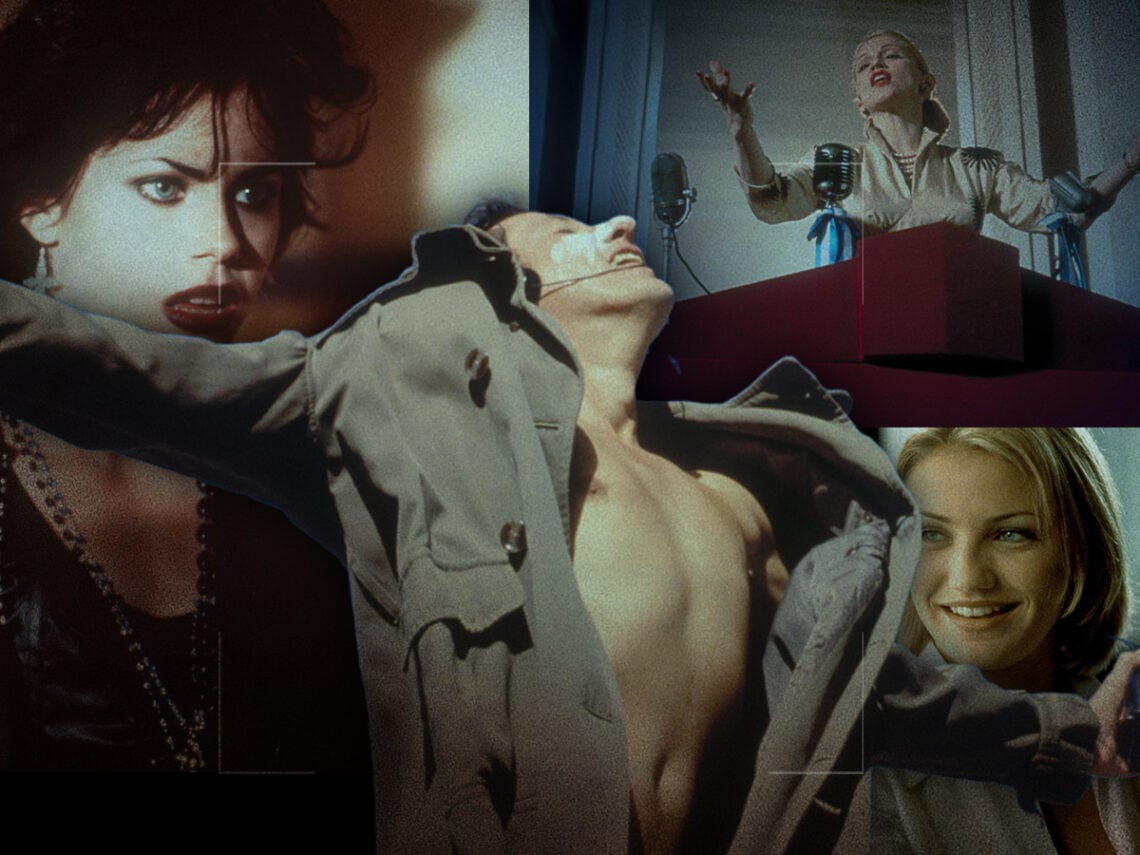
The 10 most overrated movies of 1996

1996 saw the release of many classics, but not all of them have lived up to the hype.
The most striking thing about the films in 1996 wasn’t the abundance of quality, but the variety of options available. Contemporary Hollywood has become so siloed and loyal to algorithms that there is less opportunity for a true surprise sensation; the rare phenomenon releases of today are those by the rare filmmakers who have complete blank checks (such as Christopher Nolan and The Odyssey) or those seemingly coming out of nowhere to take the industry by surprise (such as Curry Barker’s independent sensation Obsession).
The fact that the kinds of films that were released in 1996 are absent from today’s marketplace doesn’t mean that every entry was perfect, and while Hollywood needs more romantic comedies, family films, musicals, adult dramas, and experimental auteur projects, they also need to be good.
30 years is enough time to dull the rough edges, and nostalgia is powerful in erasing the flaws that were once quite apparent, so although there are plenty of films from 1996 that have held up perfectly, such as Fargo, The English Patient, Trainspotting, Mission: Impossible, and The People vs Larry Flynt, the same cannot be said about these ten releases.
The 10 most overhyped movies of 1996
‘The Craft’ (Andrew Fleming)
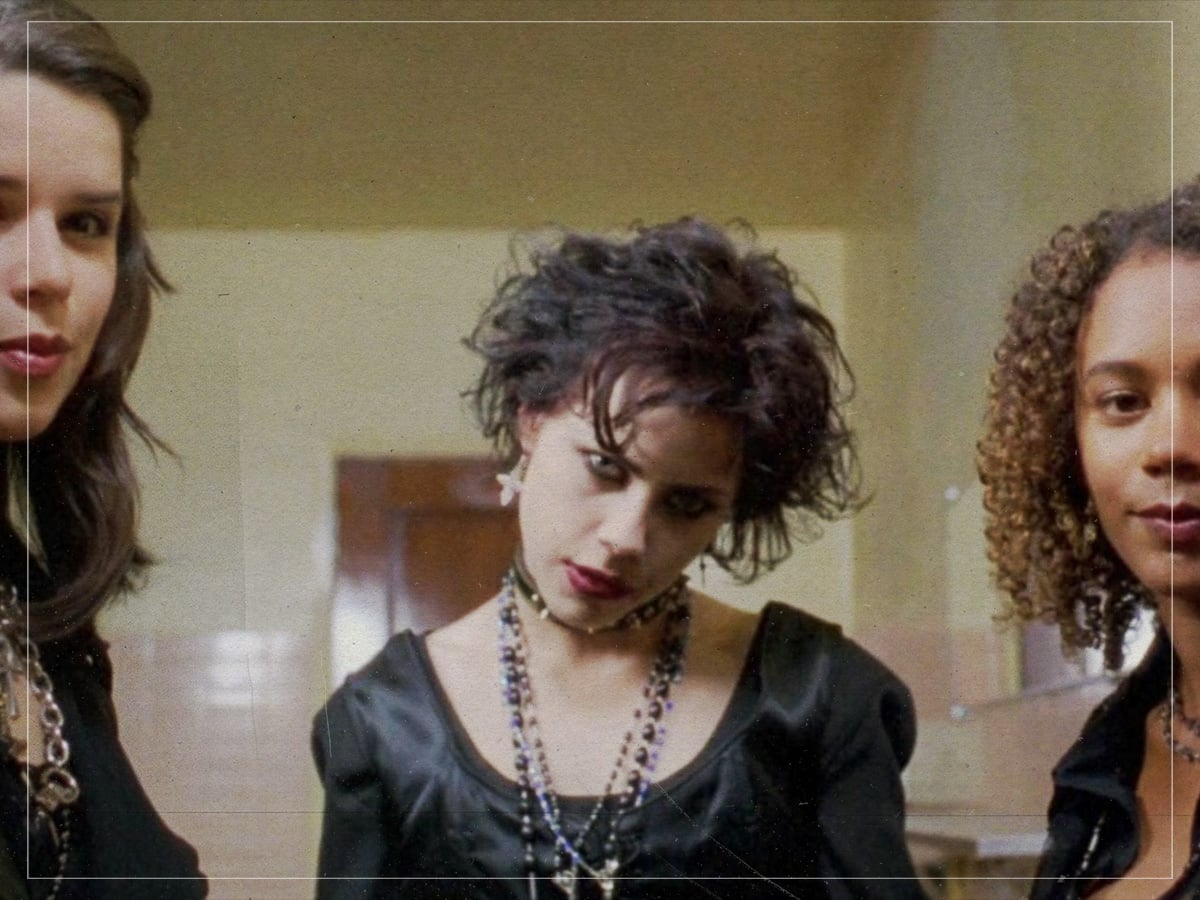
1996 was Neve Campbell‘s breakout year, starring in the original Scream, which changed the slasher genre for the better, but she also starred in The Craft, an awkward high school horror film about witchcraft. which failed to hit the mark. The folk horror genre is admittedly a more challenging one to crack than slashers, which tend to be fairly entertaining no matter what, but the issue with The Craft is that it is a generic high school melodrama that doesn’t do very much that is original with the dark fantasy elements.
Although it’s among the many high school horror films that became a cult classic because of the perceived campy value, the film was treated as being serious when it was released. Not every film that was initially decried as a misfire is a secret cult classic, and those who criticised The Craft when it was released were in the right.
‘She’s the One’ (Edward Burns)
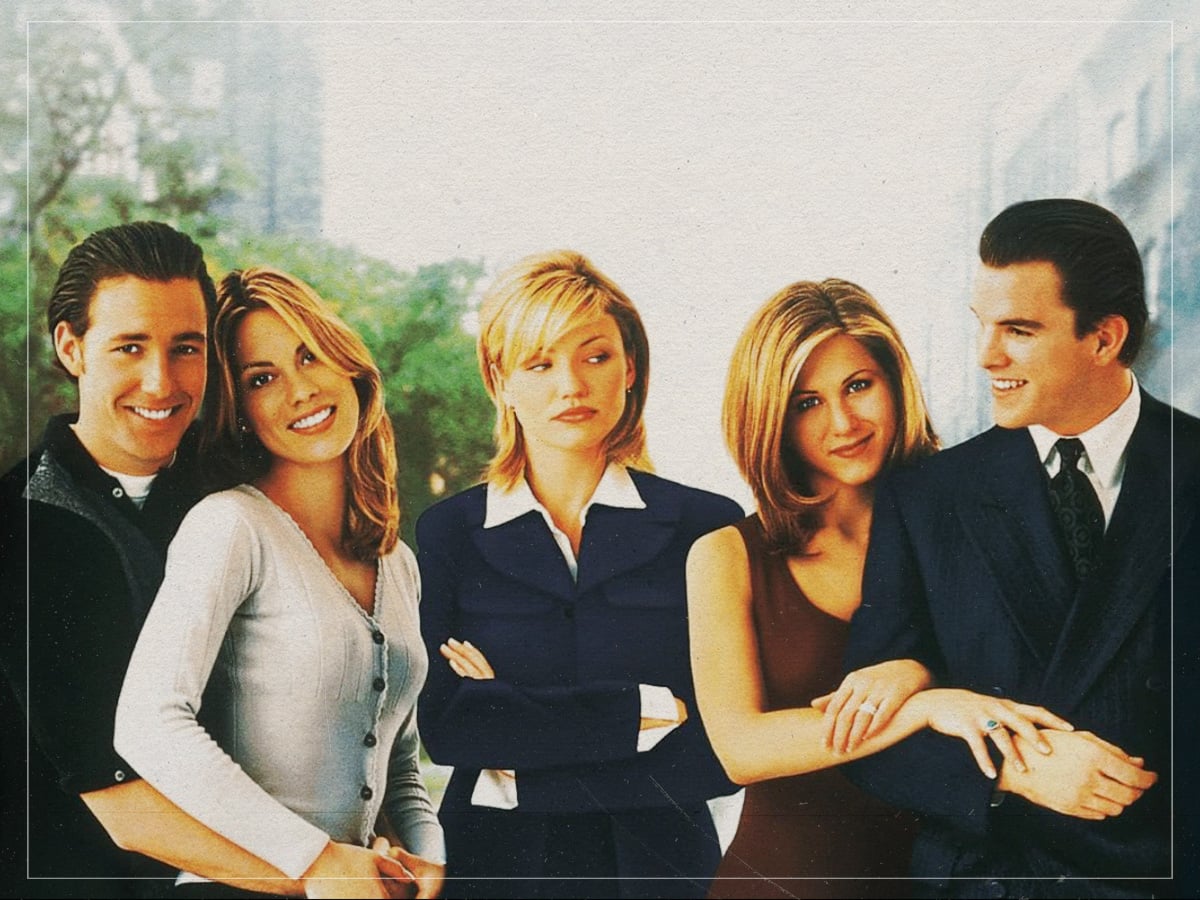
There was a brief moment when it felt like Edward Burns was going to be a significant independent filmmaker because his breakthrough film The Brothers McMullen impressed audiences at the Sundance Film Festival, including Robert Redford. She’s the One offered proof that Burns was a one-trick pony; while it isn’t an unwatchable film, it became apparent that he could only reiterate a formula and didn’t know the first thing about writing female characters.
Jennifer Aniston would go on to prove that she could do more than play Rachel from Friends when she gave an Oscar-worthy performance in The Good Girl, but she is given absolutely nothing to do in She’s the One. The film has its defenders, as it became more popular thanks to its frequent appearances on cable television, but there’s virtually nothing about it that is worth remembering.
‘James and the Giant Peach’ (Henry Selick)
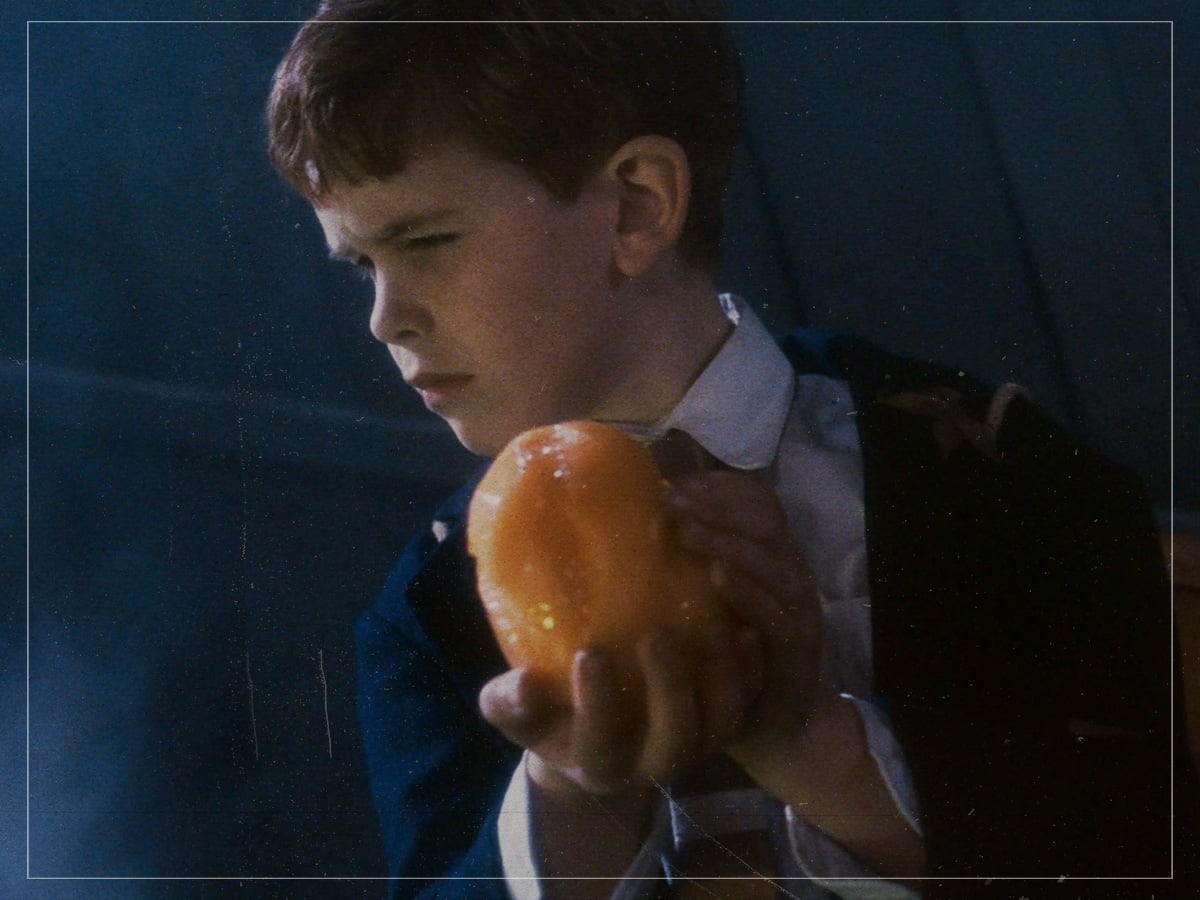
Henry Selick had created a genuine holiday classic with The Nightmare Before Christmas, which prompted Disney to give him the opportunity to adapt one of the most popular novels by Roald Dahl. James and the Giant Peach was praised for its impressive production design and stop-motion effects, and even earned an Academy Award nomination for ‘Best Music, Original Musical or Comedy Score’.
The film’s aesthetic virtues aren’t up for debate, but the issue is that most of the live-action segments of James and the Giant Peach are nearly unwatchable, and it’s too slight in length to feel like a substantial standalone adaptation. Dahl has simply proven to be a challenging author to adapt, and Selick has never been a filmmaker who has any skill with live-action, but while it isn’t as disastrous as Monkeybone, it has some of the same tonal issues.
‘Shine’ (Scott Hicks)
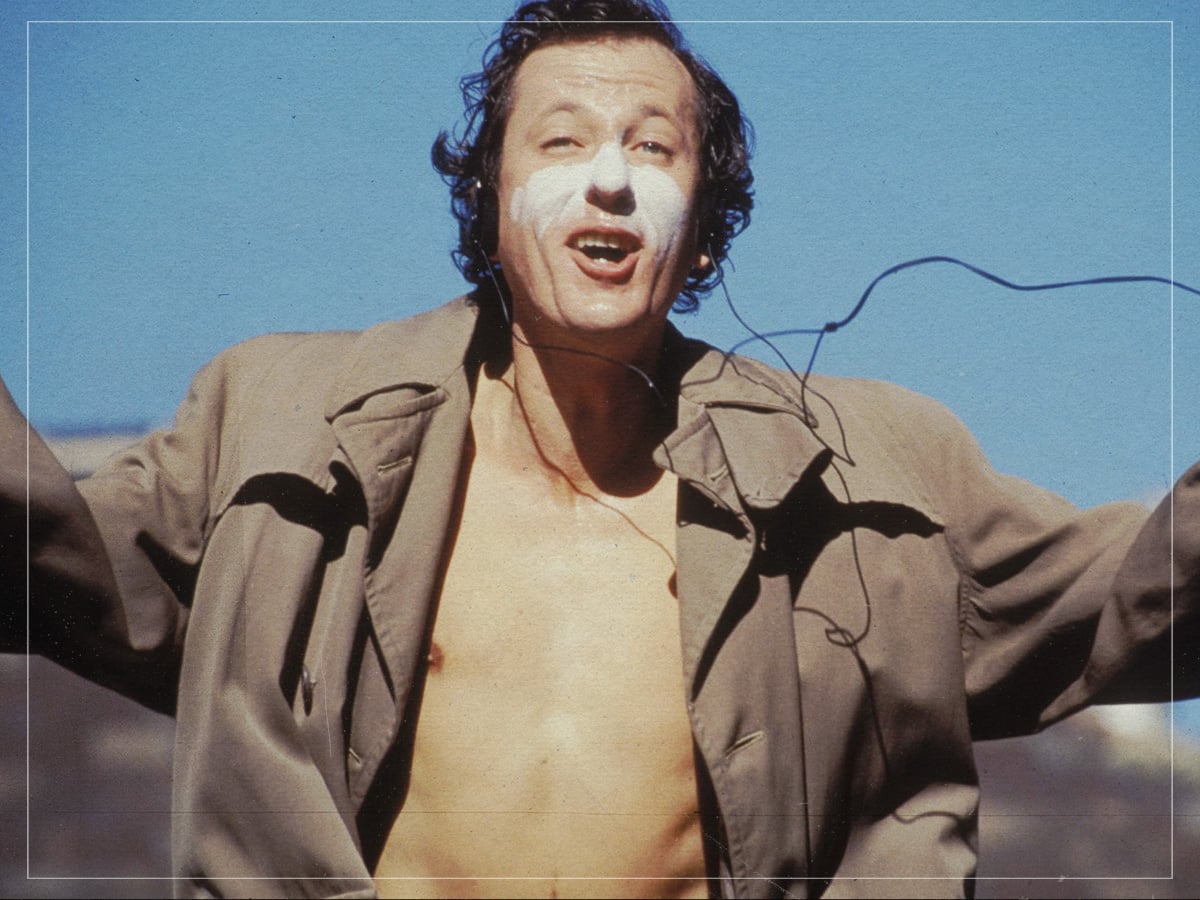
The term Oscar bait is overused, as not every film that contends for the Academy Awards is a vain attempt to attract awards love, but Shine is the type of overwrought, generic biopic that gives the Oscars a bad name because it seemingly exists solely to wring the jury into getting a win.
There’s nothing extraordinary about the film’s exploration of musical compositions, and its nomination for ‘Best Picture’ is laughable when considering all the other films that were ignored in the category. Worst of all, Geoffrey Rush’s win for ‘Best Actor’ came at the price of Ralph Fiennes’ performance in The English Patient; Fiennes has still not won an Oscar, which is ridiculous when considering he is widely acknowledged as one of the greatest living actors.
‘Space Jam’ (Joe Pytka)
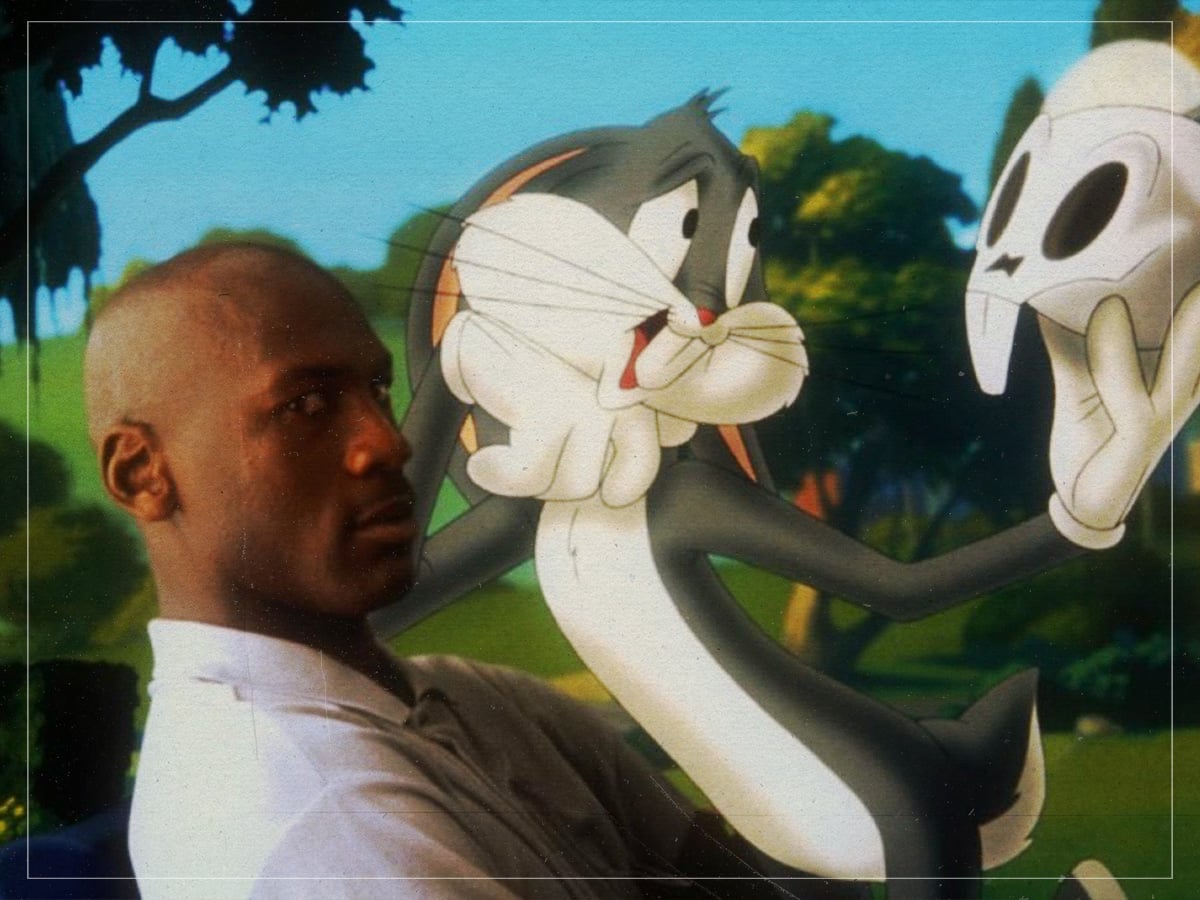
Every generation deserves to be introduced to Looney Tunes, but Space Jam is about as cynical as cinema can get. It treats these classic characters as properties that are representative of Warner Bros, and uses Michael Jordan’s comeback to both rehabilitate his image and advertise for the NBA. Space Jam set the stage for future films that were used by studios to mash all of their intellectual properties together, such as The Emoji Movie, Free Guy, Deadpool & Wolverine, The Super Mario Galaxy Movie, Ready Player One, and the god-awful sequel Space Jam: A New Legacy.
Although Space Jam is beloved among those who grew up with it, it set a dangerous precedent for Hollywood because of the sheer profitability of all the merchandising sold, which essentially proved that there were other means to collect revenue that weren’t entirely dependent on the audience’s theatrical experience.
‘Ghosts of Mississippi’ (Rob Reiner)
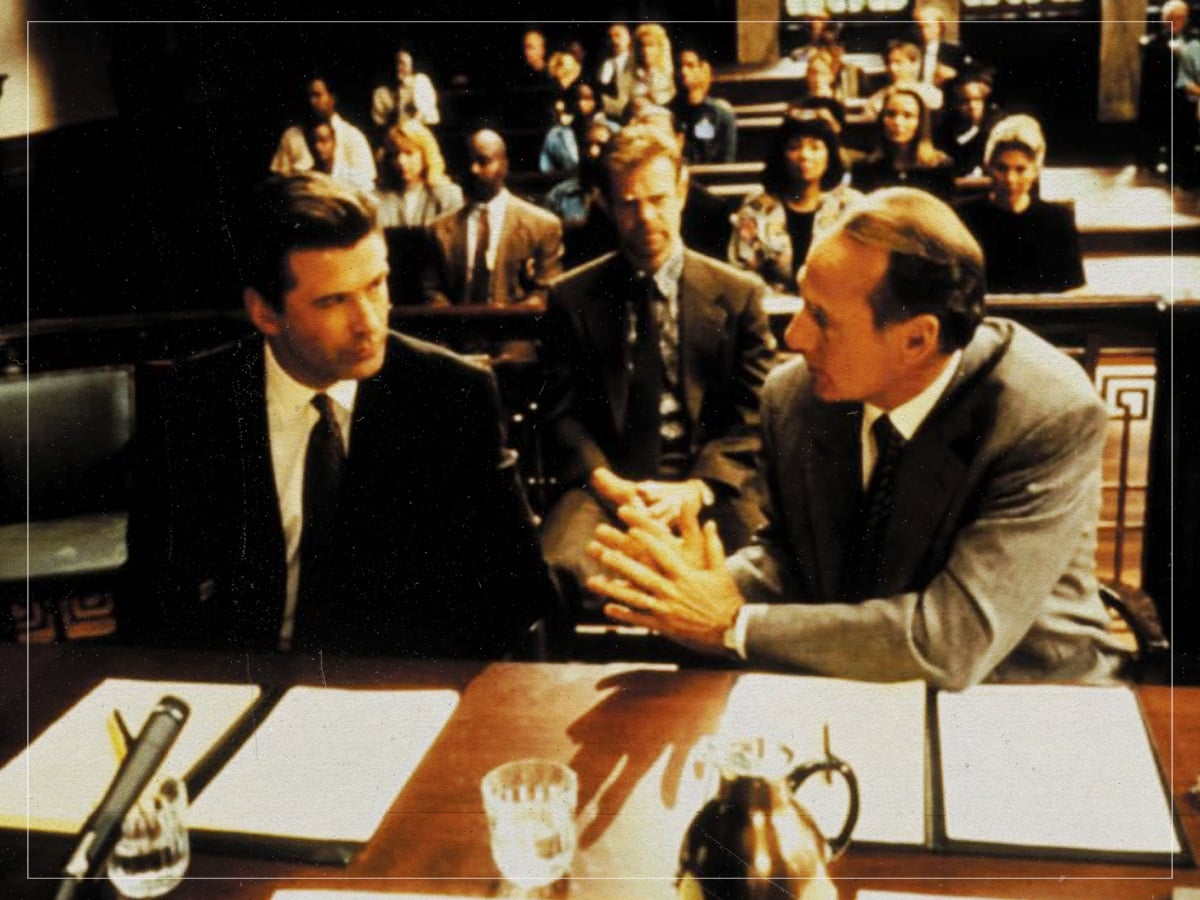
Rob Reiner deserves to be remembered as a truly compassionate human being and a brilliant filmmaker, who began his career with six masterpieces in a row. Although Ghosts of Mississippi was seen as a comeback for Reiner after the failure of North, the Oscar-nominated historical drama is a film that simply shouldn’t have been made by a white director. Reiner’s intentions are earnest, but the film mistakenly uses Alec Baldwin as the point-of-view character and sidelines the performance by Whoopi Goldberg.
Although at the time Reiner may have felt inspired to use his clout to make a strong message, Ghosts of Mississippi would soon become irrelevant thanks to the rising prominence of Black filmmakers interested in telling their own history, such as John Singleton and Spike Lee. It’s not an unwatchable film, but one that would not be made today.
‘Evita’ (Alan Parker)
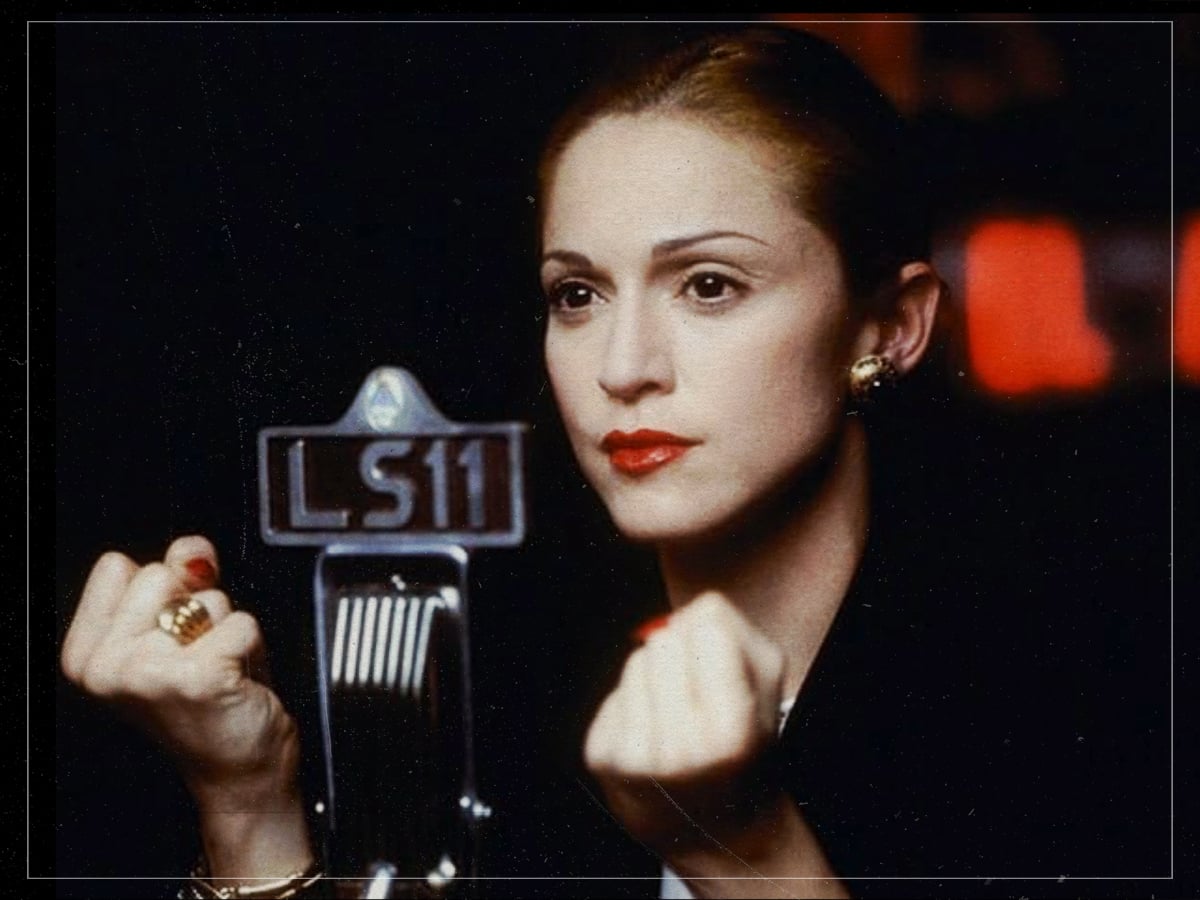
Madonna is not the terrible actor that some would claim that she is, and has certainly been successfully utilised in films like Desperately Seeking Susan and A League of Their Own, where she is well-cast. Unfortunately, Evita is an example of what happens when a Broadway show can’t be translated to the big screen, and it didn’t help that Madonna didn’t have much experience acting in film or theatre.
Evita is essentially a good outline of the Broadway show for those who have never seen it, but anyone who is familiar with what the stage production looks like can see the faults within Alan Parker’s film. Anything new that is added exclusively for the film doesn’t work, and even a charming performance from Antonio Banderas isn’t enough to ignore the fact that he and Madonna do not have any chemistry.
‘The Mirror Has Two Faces’ (Barbra Streisand)
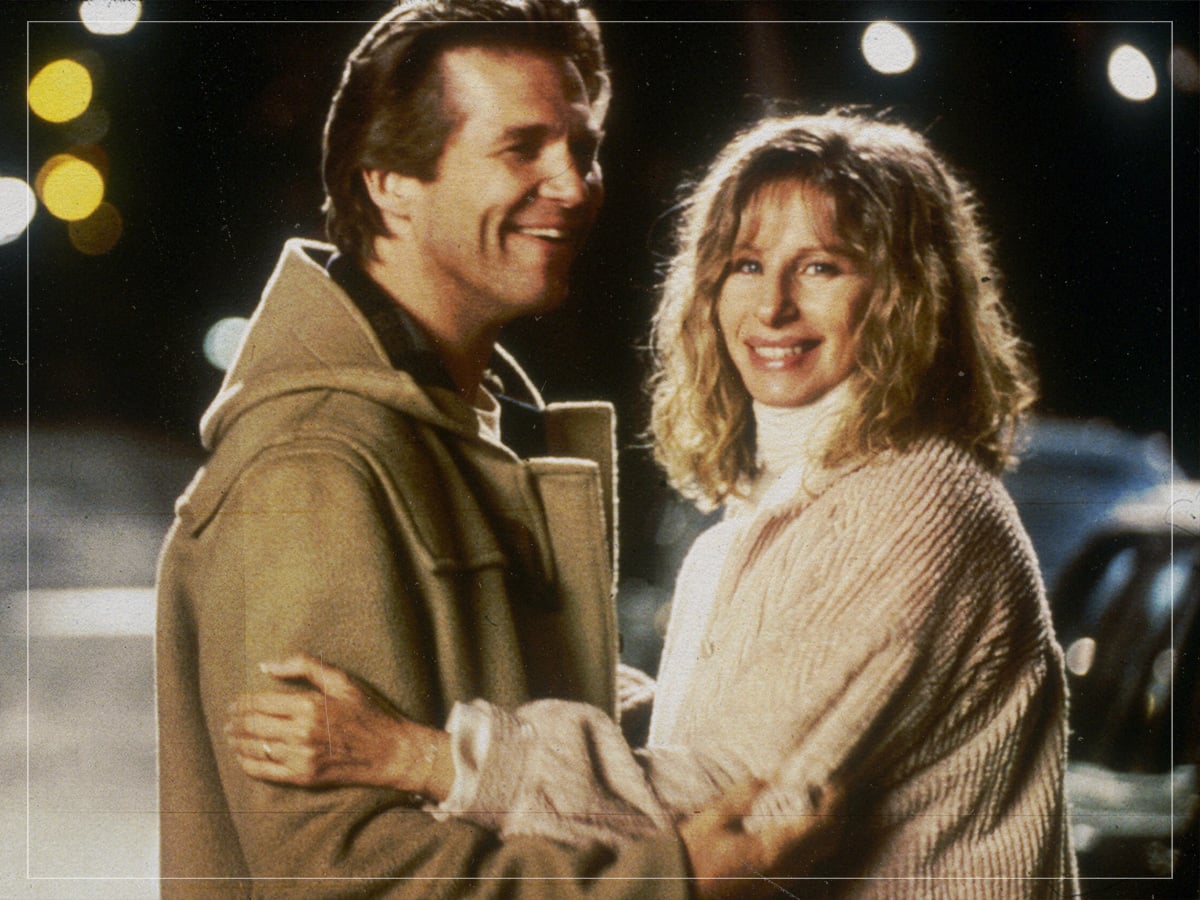
Barbra Streisand is unambiguously a great singer and actor, but her work as a director is far more divisive because of the unconscionable ego involved in all of her efforts. The Mirror Has Two Faces has a seemingly straightforward premise that may have worked as a middle-of-the-road romantic comedy if Streisand’s direction wasn’t so extreme. The dramatic moments are saccharine to the point that they are cringe-inducing, and the comedy scenes are outrageously slapstick and unbelievable.
Lauren Bacall’s performance earned an Academy Award nomination for ‘Best Supporting Actress’, but the two leads are mismatched; Jeff Bridges isn’t believable as a geeky math professor with no social skills, Streisand seemingly cast herself only so that she could play a secret beauty, and their lack of chemistry makes the 126-minute running time almost unbearable. While it was a Golden Globe darling and modest hit, The Mirror Has Two Faces feels like it comes from a completely different time.
‘Emma’ (Douglas McGrath)
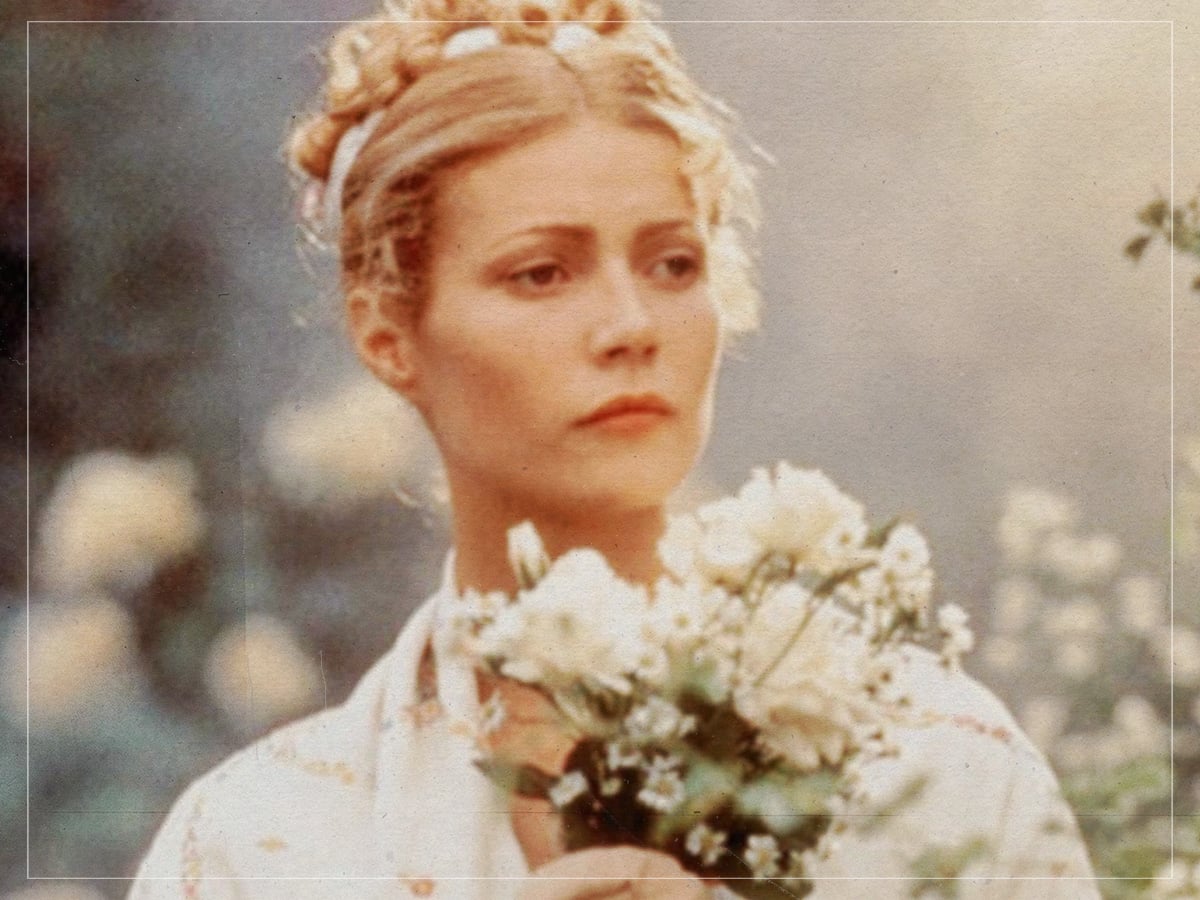
Gwyneth Paltrow might have gotten some traction with her performance as the titular character in the Jane Austen adaptation Emma if it hadn’t been released only one year after Clueless, a high school comedy that was loosely based on the same story. Critics and awards voters may have been on board with Emma, but it was quickly evident that Clueless was both the more entertaining film and the adaptation that more faithfully captured the wit and poise of Austen’s writing.
Paltrow is also miscast, and doesn’t have the flexibility to be both high-status and self-conscious at the same time. It’s also not as if the book is impossible to adapt in a traditional way, as the 2020 film starring Anya Taylor-Joy is a far stronger adaptation that has stellar performances, Oscar-nominated costumes, and a better understanding of what Austen was trying to say.
‘A Time To Kill’ (Joel Schumacher)
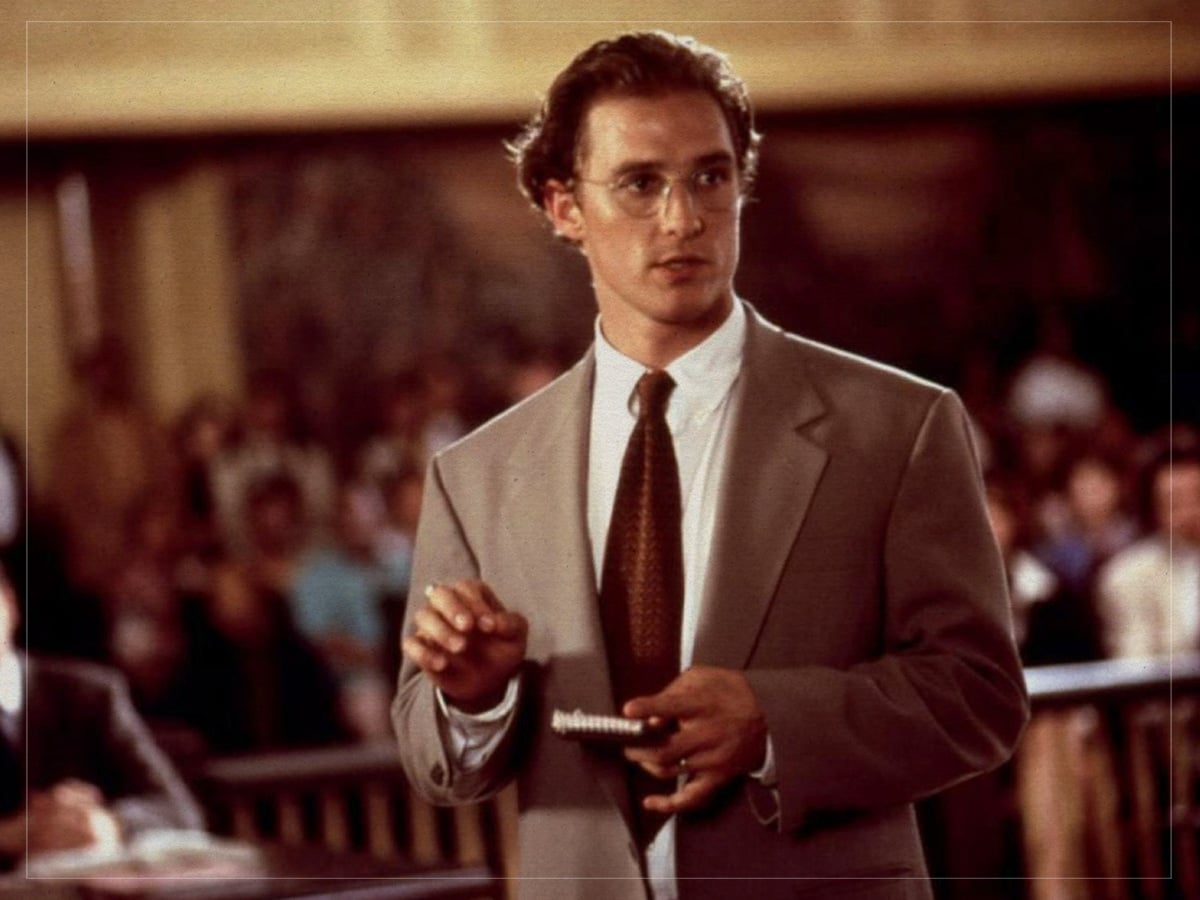
It’s easy to forget that the courtroom novels of John Grisham were basically a franchise in the ‘90s, as many had been adapted into massive hits. Joel Schumacher was coming off the success of the legal thriller The Client when he was tasked with adapting A Time To Kill, which is best remembered for the genuinely affecting performance by Samuel L Jackson that was rather infamously snubbed for an Academy Award nomination.
While it would be easy to dismiss A Time To Kill based purely on its outdated racial politics, the film’s failings lie in the fact that Schumacher utilises a hyperstylized, melodramatic approach for material that should be taken more seriously. Matthew McConaughey is quite strong, but the film is burned by a miscast Sandra Bullock, a wildly over-the-top Kiefer Sutherland, and a truly terrible performance by Kevin Spacey.
