


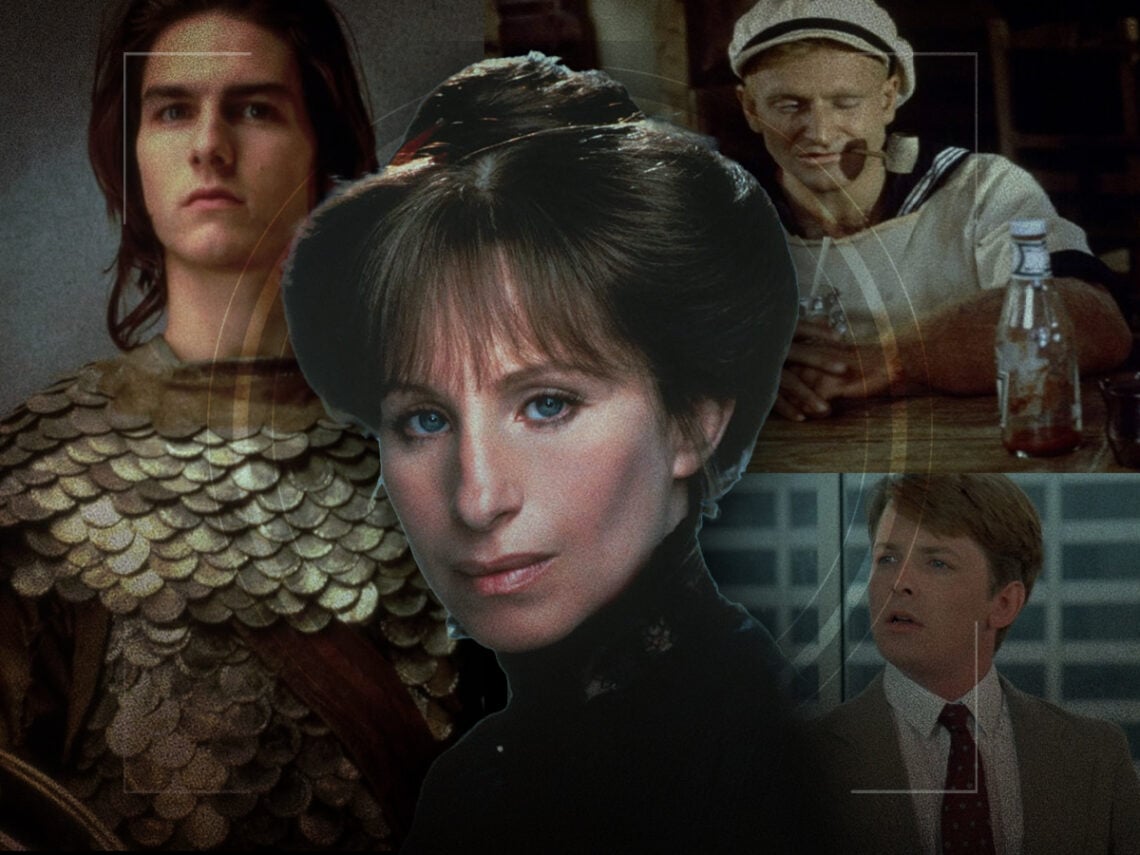
The 10 most overrated acting performances of the 1980s

Some aspects of 1980s nostalgia have been misplaced.
The 1970s are often credited as being the single greatest decade for acting in the history of Hollywood, but it would be unfair to call the ‘80s lacklustre or disappointing. There were several all-time great actors who were doing some of the best work of their careers in the ‘80s, such as Harrison Ford, Robert De Niro, Dustin Hoffman, and William Hurt, and there were also Old Hollywood stars like Robert Redford and Paul Newman who were beginning to take on more mature, subtle roles.
Although the arrival of the ‘Brat Pack’ launched a generation of teen stars who dominated the decade, across the pond saw the rise of ‘The Brit Pack’, a group of challenging, fearless British actors comprising Daniel Day-Lewis, Gary Oldman, Tim Roth, and Colin Firth. It would also be impossible to ignore the apex of action cinema, with characters like Bruce Willis’ John McClane in Die Hard, Sigourney Weaver’s Ellen Ripley in Aliens, Peter Weller’s Alex Murphy in Robocop, and Arnold Schwarzenegger’s T-800 in The Terminator becoming larger-than-life in ‘the Decade of Greed’.
‘80s nostalgia is a fascinating phenomenon because there has been a tremendous amount of retrospective love for the performances and films that were popular, but not necessarily those that were good, yet that’s not to say that every well-known ‘80s performance is secretly terrible. However, there are a few that gained a significant amount of attention at the time of their debut that have not held up very well in the slightest, ten of which are outlined below.
The 10 most overrated performances of the 1980s
Joe Pesci – ‘Lethal Weapon 2’ (Richard Donner, 1989)
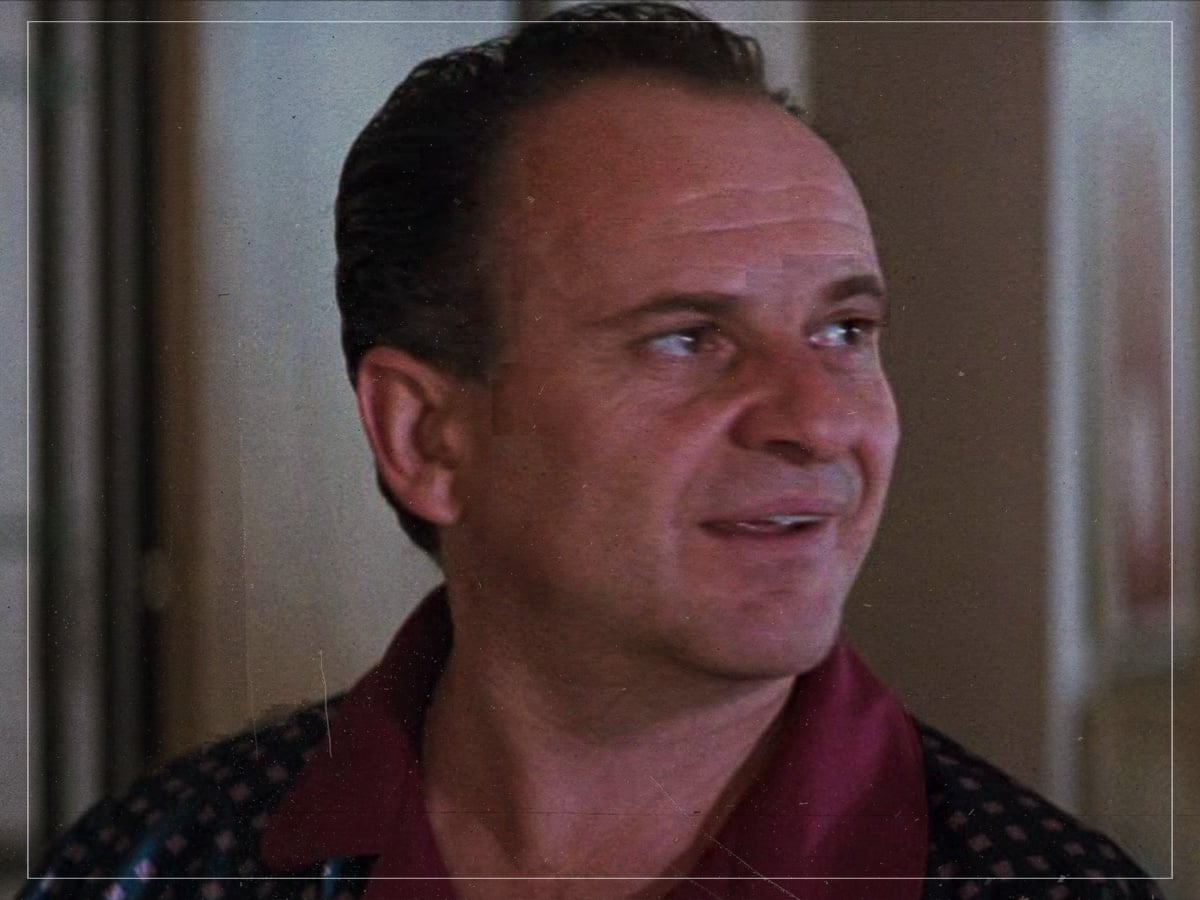
After Mel Gibson and Danny Glover created one of the most memorable buddy cop dynamics of all time, Joe Pesci joined the Lethal Weapon franchise in its second instalment, which, in many ways, was a darker film than its predecessor because of the trail of vengeance that Riggs goes on.
Director Richard Donner did try to lighten the mood with the inclusion of Pesci as the eccentric lawyer Leo Getz, who is intended to be obnoxious to both of the main characters, but his loudmouth, talkative nature is far more grating than it is endearing. There are things to like about every single Lethal Weapon sequel, but none of them has lived up to the perfection of the first film, especially the second one, because of how much Pesci weighs down the story with the awkward insertion of farcical comedy.
Jessica Tandy – ‘Driving Miss Daisy’ (Bruce Beresford, 1989)
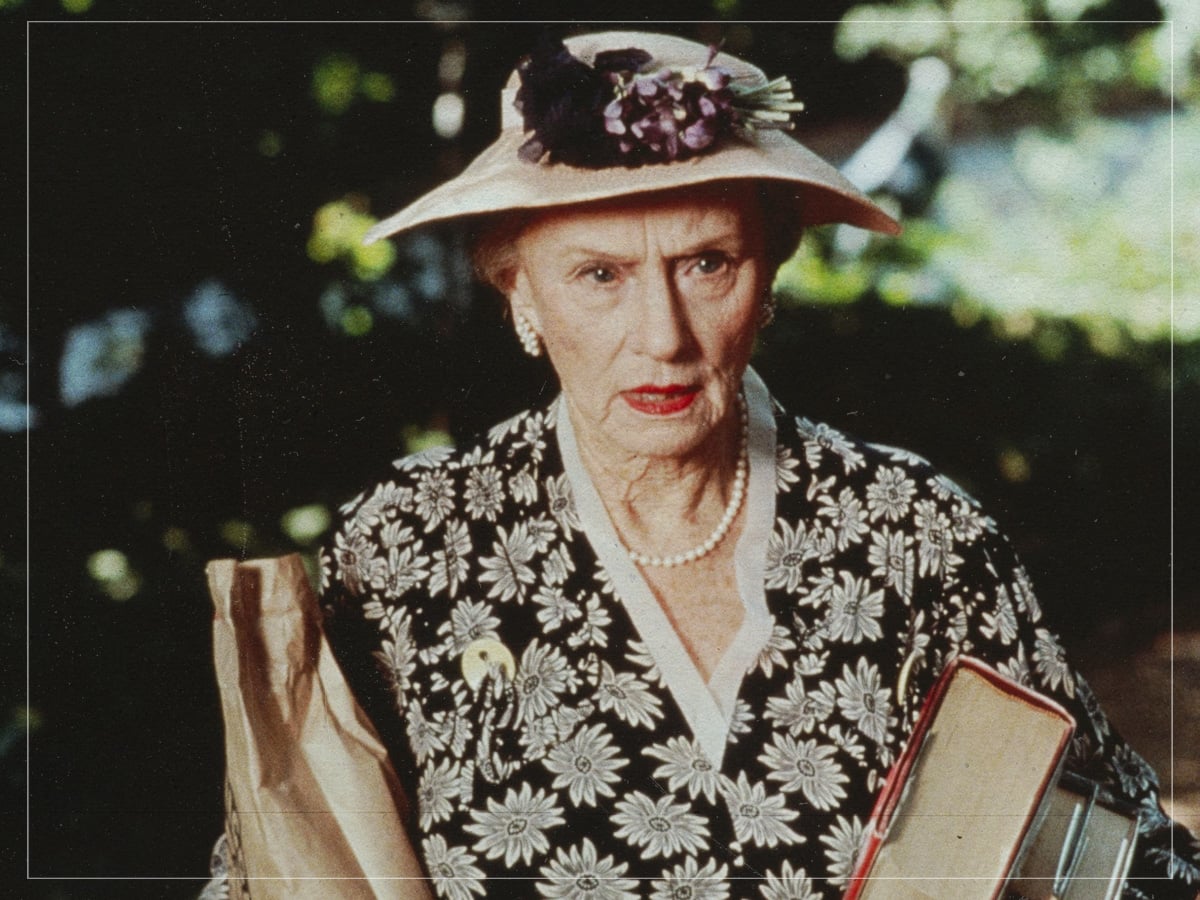
There are fewer moments in the history of the Academy Awards that have attracted more controversy than the crowning of Driving Miss Daisy as ‘Best Picture’ in a year that included the moving coming-of-age biopic My Left Foot, the powerful coming-of-age drama Dead Poets Society, the moving anti-war epic Born on the Fourth of July, and the comforting American classic Field of Dreams. What was worse was that the Oscars didn’t recognise Do the Right Thing, a film that examined race relations in an urgent way, and awarded the banal, condescending Driving Miss Daisy, which had a message no more complex than “why can’t we all get along?”
While Morgan Freeman and Dan Aykroyd turn in performances that are at least respectable, Jessica Tandy’s role as an ageing, out-of-touch woman who learns that ‘racism is bad’ is one of the most ridiculous parts to ever win the ‘Best Actress’ Oscar.
Matthew Broderick – ‘Ladyhawke’ (Richard Donner, 1985)
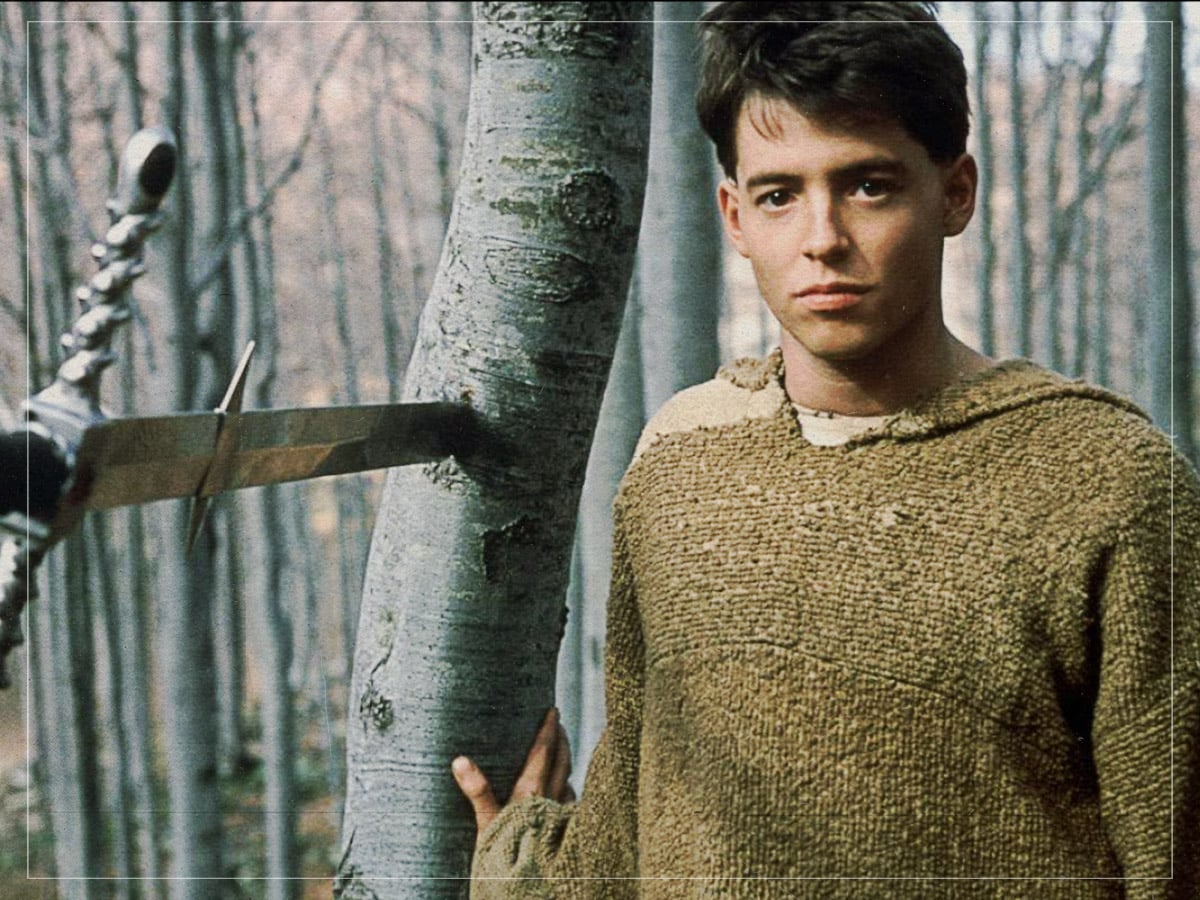
Ferris Bueller’s Day Off wouldn’t have worked with anyone else but Matthew Broderick in the titular part because he genuinely felt like a smart, edgy teenager in the modern day, but that didn’t mean that he was well-suited for taking on roles that were set in different time periods. There was a revival of interest in ‘sword and sorcery’ medieval epics in the ‘80s, but Ladyhawke wasn’t as self-aware as The Princess Bride, as profound as Excalibur, or as entertaining as Willow.
Broderick is simply miscast as the young hero and isn’t believable in the slightest, with his performance standing out like a sore thumb when compared to Rutger Hauer, who actually did feel more authentic in the setting, given his work in Paul Verhoeven’s medieval adventure Flesh + Blood.
Christopher Lloyd – ‘Star Trek III: The Search for Spock’ (Leonard Nimoy, 1984)
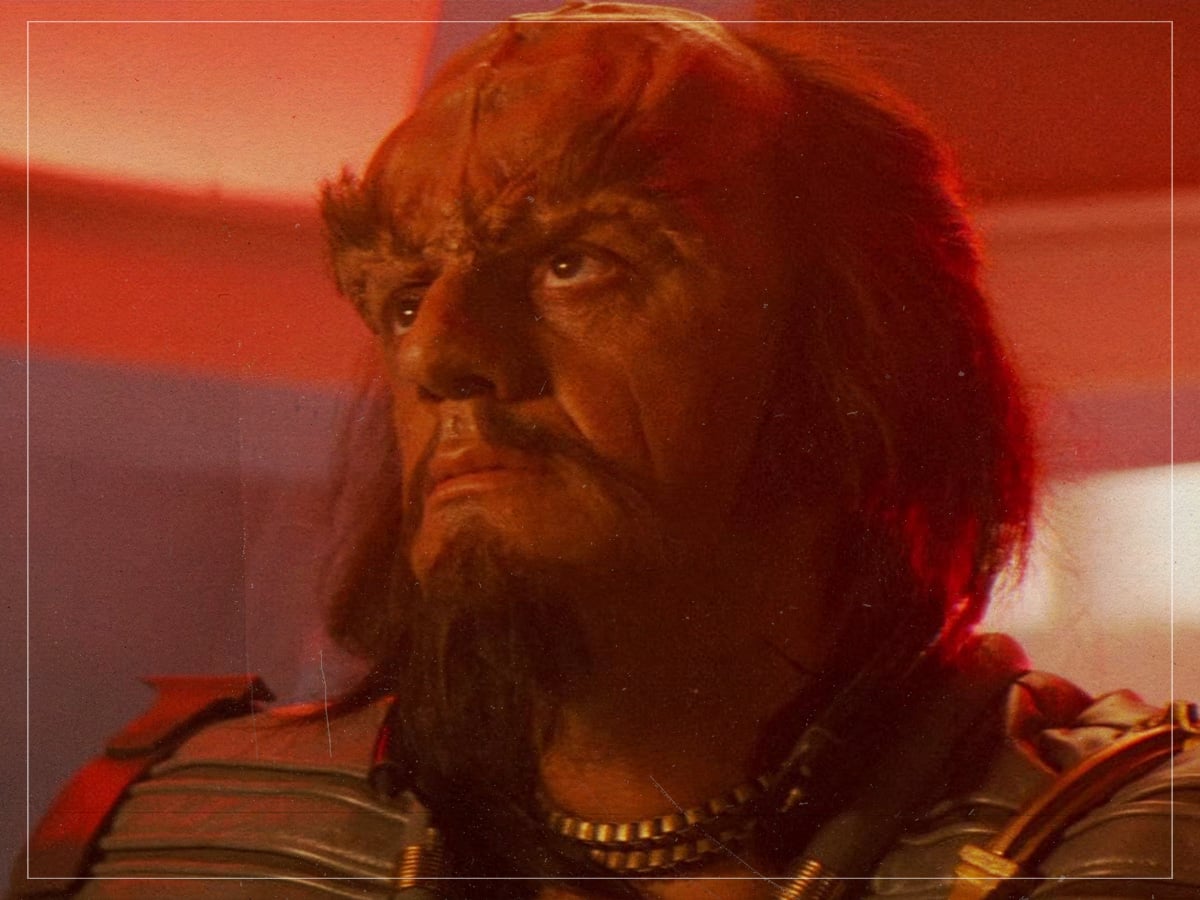
The Star Trek series was going strong in the aftermath of Star Trek II: The Wrath of Khan, the best film in the series, which brought back the classic character Khan (Ricardo Montalban) to serve as the main antagonist. It was a successful enough model that Paramount decided to introduce another intimidating villain in the subsequent film, Star Trek III: The Search for Spock, and cast Christopher Lloyd as the Klingon warrior Kruge.
Lloyd simply didn’t have the premise to live up to Montalban, and the goofy makeup made it hard to take him seriously, to the point where the film’s best scenes are all about the recovery of Leonard Nimoy’s Spock and have nothing to do with Lloyd. The Star Trek series wisely chose to pivot with its next film, Star Trek IV: The Voyage Home, which had a more conceptual premise that wasn’t based on a major villain.
Morgan Freeman – ‘Lean on Me’ (John G Avildsen, 1989)
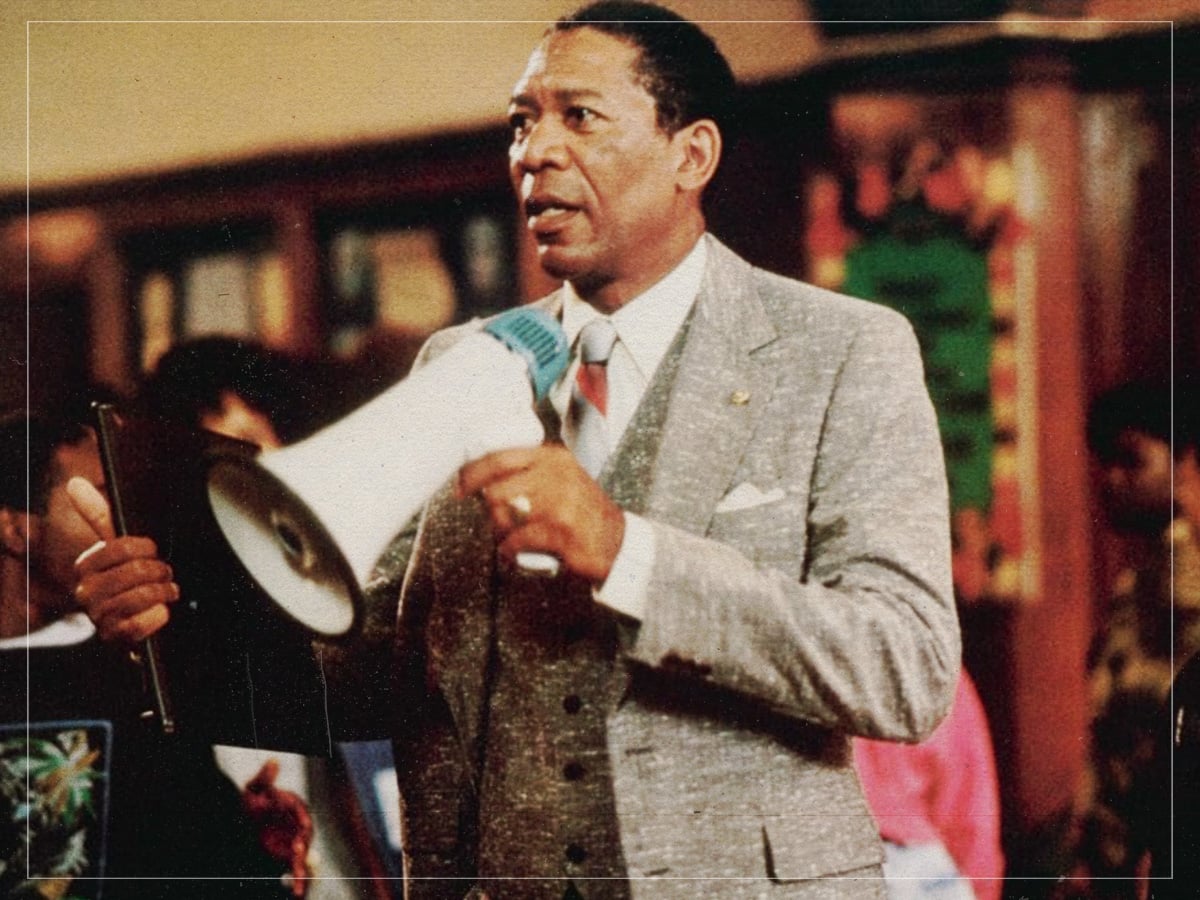
Morgan Freeman had an interesting trajectory in the ‘80s because he was already well into his career by the time that he started to get famous for films like Street Smart and Glory. Lean on Me was one of the many attempts to make an ‘inspirational teacher’ film in the vein of Stand and Deliver or Dead Poets Society, but the issue is that Freeman’s character is a complete psychopath who employs a brutalistic policy to deal with the rambunctious, dangerous students at an impoverished high school.
The film plays into negative stereotypes about racial minorities and does far more fearmongering than it does providing any solutions. Freeman isn’t solely to blame for all of the issues in Lean on Me, but the fact that the film would have been considered in any way to be an inspirational story is completely ridiculous.
Barbra Streisand – ‘Yentl’ (Barbra Streisand, 1983)
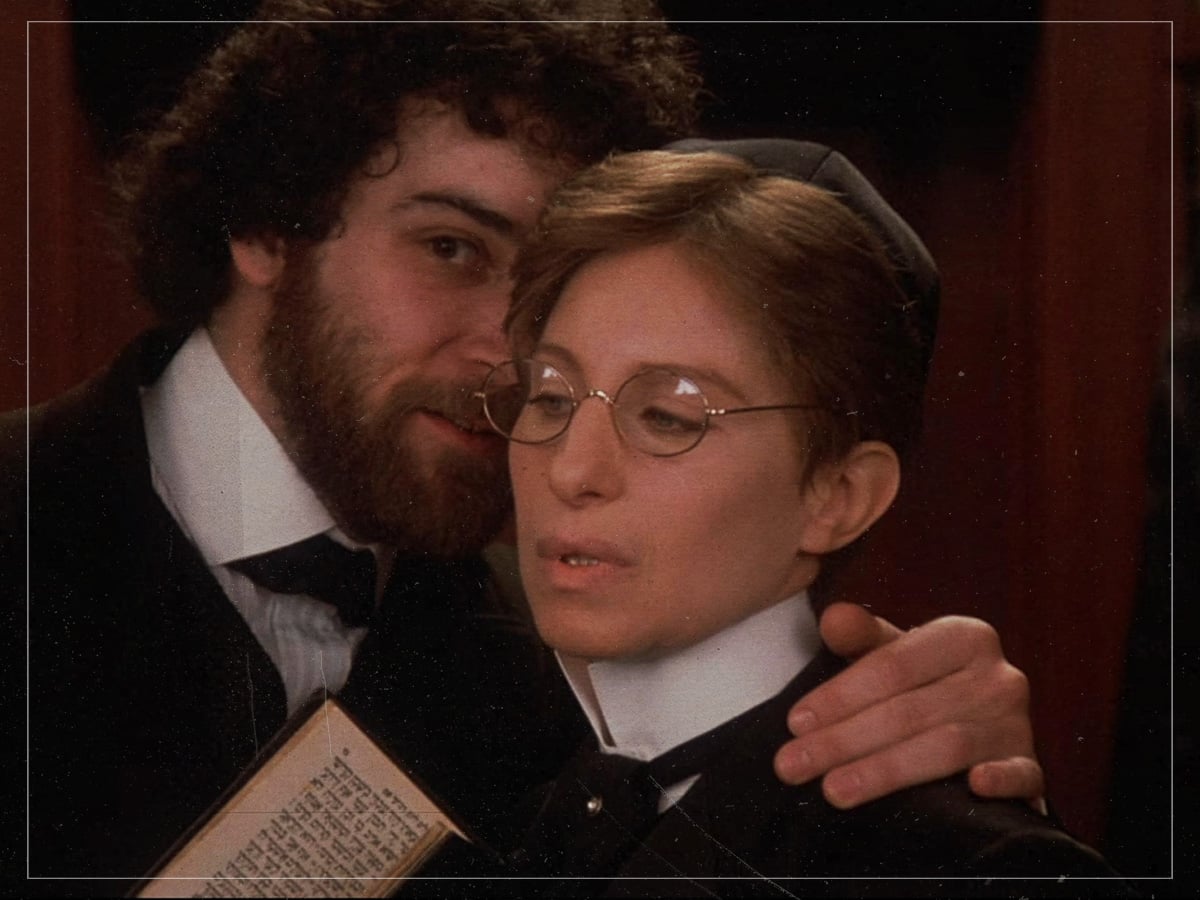
Barbra Streisand is a divisive figure who certainly deserves some respect for her confidence and perseverance, and while she is a brilliant actor and singer, she has frequently missed the mark as a director because she can’t help but centre her films around herself.
Yentl may have been considered to be transgressive and thought-provoking at the time of its release, but in hindsight, it’s a film that barely scratches the surface in its exploration of religion, gender, sexuality, and family. Streisand’s performance is delivered without any degree of irony or self-awareness, such that, even if the film had a sincere message in its mind, Yentl is based on such a silly concept that to not acknowledge some of the inherent goofiness makes it feel out of touch and emotionally false.
Michael J Fox – ‘The Secret of My Success’ (Herbert Ross, 1987)
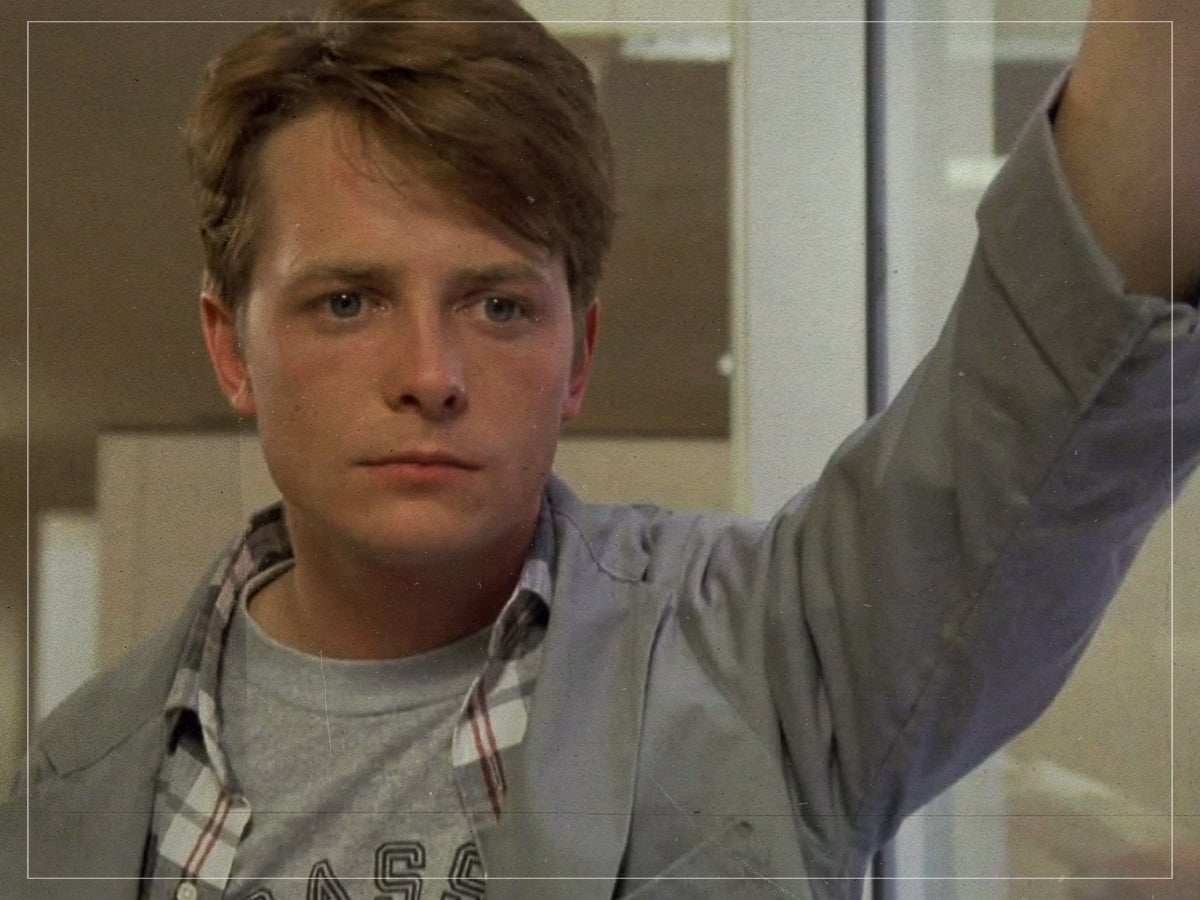
Michael J Fox is one of the most inherently likeable movie stars of the ‘80s, so it wasn’t a surprise that producers were keen to cast him in just about anything in the wake of Back to the Future being one of the decade’s biggest hits. The issue with The Secret of My Success is that the protagonist isn’t a good guy; he’s a cheat, a womaniser, and a bit of a self-descriptive egomaniac, and that doesn’t fit Fox’s persona at all.
Fox has shown that he can take on more serious films, such as the Brian De Palma war drama Casualties of War, but The Secret of My Success was not the right choice for his career. Even if the intent was to make a satire with a younger star playing against type, the film would have worked much better as a vehicle for a young James Spader or Robert Downey Jr.
Tom Cruise – ‘Legend’ (Ridley Scott, 1985)
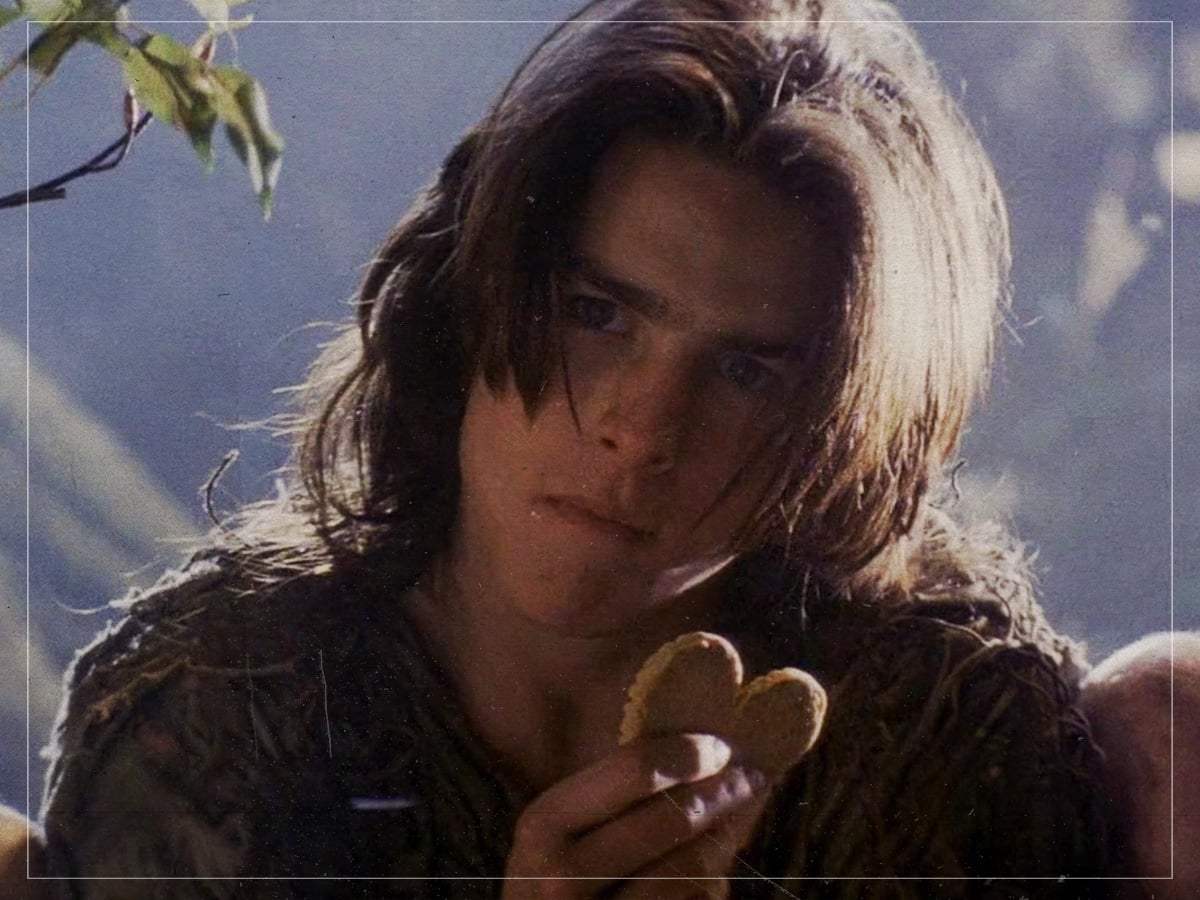
Tom Cruise has found success in almost every realm imaginable for an actor, but one genre that he has never cracked is fantasy. Although his dedication has been praised by nearly all of his co-stars, Legend was a project that is less than the sum of its parts, wherein Ridley Scott’s creative worldbuilding and the interesting mythology didn’t make this adventure story feel like anything but a poor man’s The Lord of the Rings.
Cruise doesn’t make sense in a medieval setting, even if he would go on to show he could appear in period films like Born on the Fourth of July or The Last Samurai. It’s particularly striking when compared to the performance by Tim Curry, who completely commits to overacting and delivers a gloriously hammy performance as the Devil (even if he was covered in extensive makeup effects).
Robin Williams – ‘Popeye’ (Robert Altman, 1980)
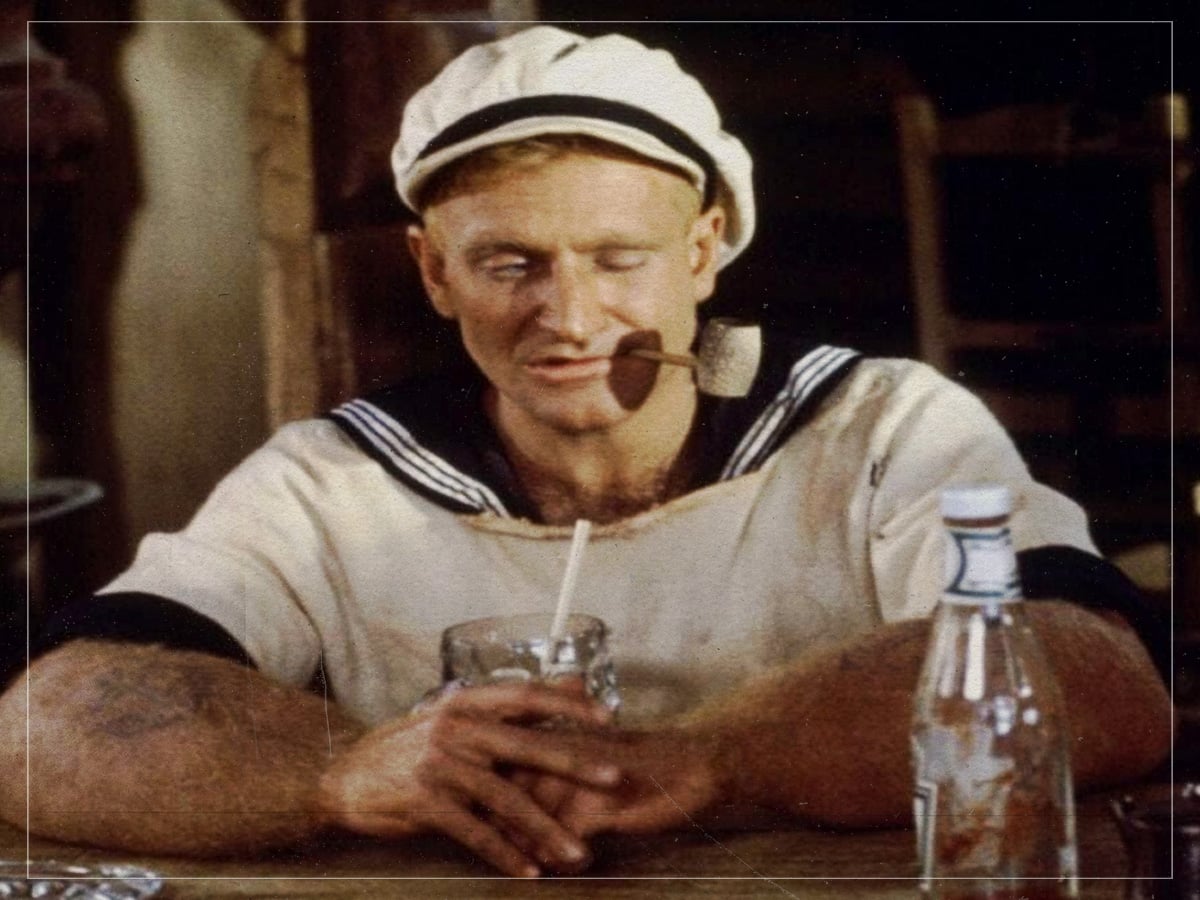
Robert Altman had a remarkable degree of success with various films in the ‘70s, but it all came to a crashing halt in 1980 when Popeye bombed at the box office. While no one could deny that he went all out in capturing the aesthetic of the cartoon with brilliant production design and notably zany direction, Popeye is too overwhelming for the senses, with Robin Williams giving a truly bizarre performance as the titular hero.
Williams is a fearless actor who was at his best when he could be retrained and controlled, but there were no inhibitors for his performance in Popeye. Although some of Altman’s fans have tried to reclaim the film as being some sort of misunderstood masterpiece, it is a clear outlier in his filmography and certainly leads to a period in which Williams needed to reinvent himself by taking on a few more serious parts.
Sylvester Stallone – ‘Rambo: First Blood Part II’ (George P Cosmatos, 1985)
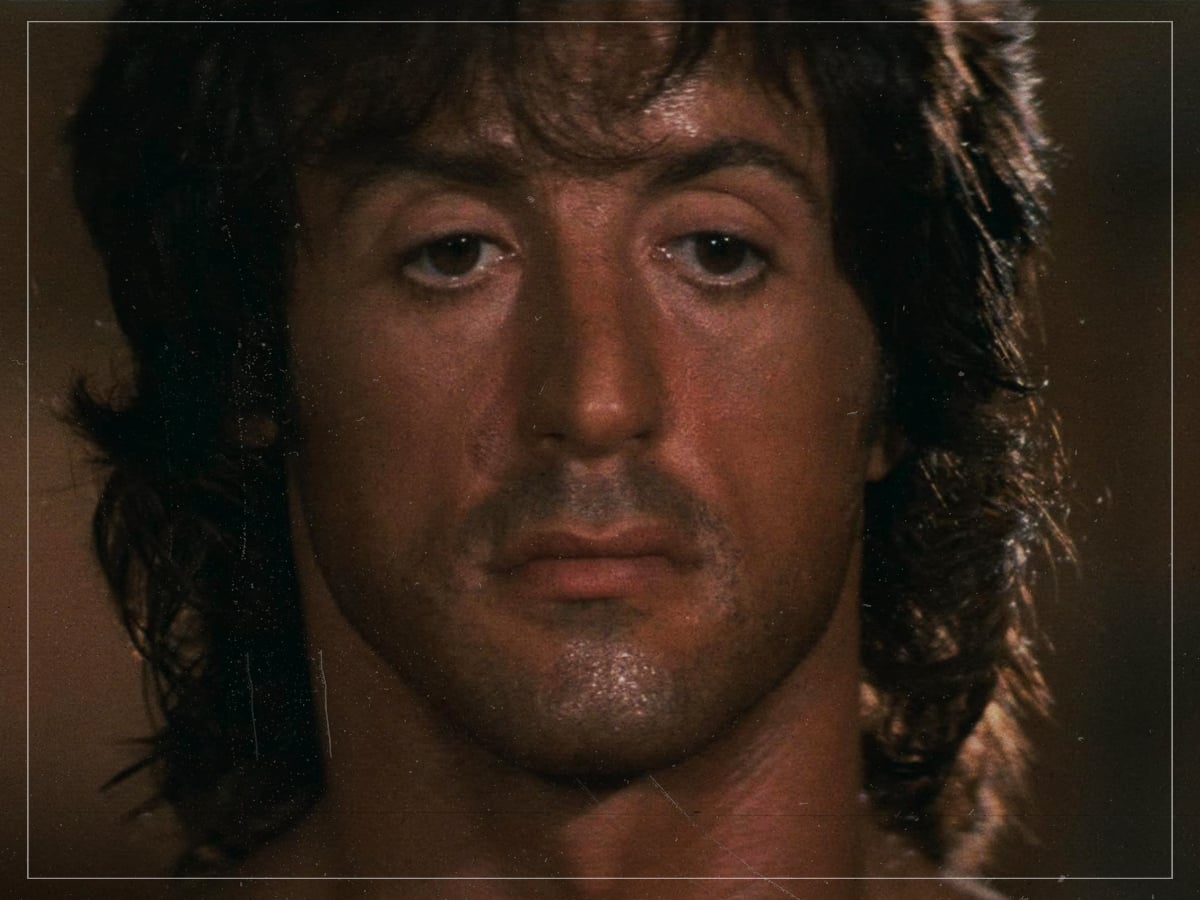
Sylvester Stallone gave one of his best performances ever in 1982 with First Blood, a grounded drama about a Vietnam War veteran who returns home to America suffering from post-traumatic stress disorder, and becomes a victim of the vindictive police force, but he convinced the studio to change the ending so that John Rambo survived to reprise the role in the sequel Rambo: First Blood Part II.
It’s one of the most caustic sequels ever because it completely destroys the point of the original, and sees Rambo turn into a patriotic killing machine who barges into enemy territory to kill as many foreigners as possible. Any of the sensitivity and vulnerability that Stallone had showcased with his performance in First Blood was lost, as Part II turns its protagonist into virtually feeling like an undefeatable superhero.
