


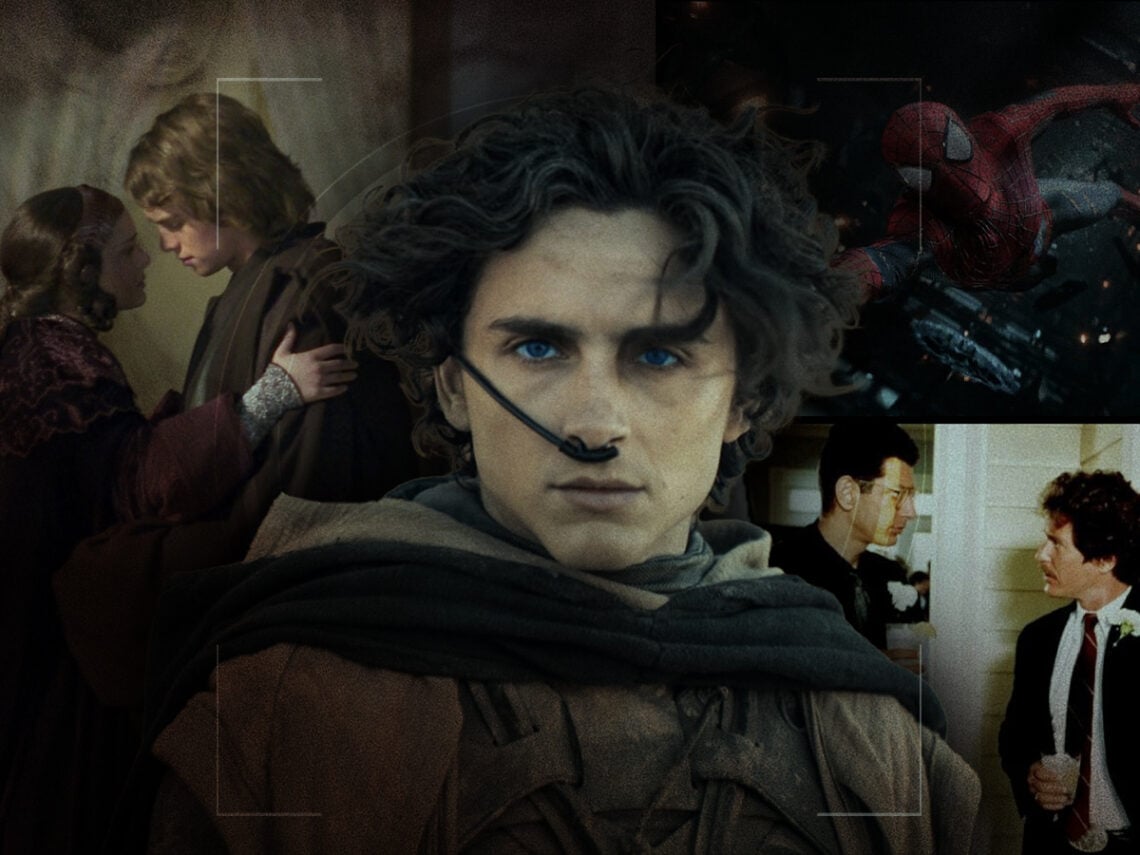
The 10 most mythical deleted scenes in cinema history

Even in an era where there are more behind-the-scenes details about a film available than ever before, there are deleted scenes that remain shrouded in mystery.
Interest in deleted scenes has taken off as a result of home video releases, as early DVDs included a fair amount of behind-the-scenes content that wouldn’t have been available on VHS or other prior versions. It’s interesting to see the various reasons why a moment from a film was removed from the final edit; sometimes it’s because of pacing, other times it’s due to narrative changes, and there are even some edits that are made in order to secure a more desirable rating.
As unexciting as it may sound, most films have to delete some scenes for a good reason, as it is much easier to shoot more than is needed than to require extensive reshoots. In the cases where there is enough deleted content to make a significant difference, there might be cause to unveil an entirely different cut. Peter Jackson became notorious for this because of the ‘Extended Editions’ for all instalments in The Lord of the Rings trilogy, which are deemed the definitive cuts of the films. There are also instances in which a more mature version is released, as films like The Wolverine and Anchorman 2: The Legend Continues unveiled R-rated cuts to accompany their theatrical versions on home media.
Despite the tremendous amount of internet sleuthing that goes into identifying and showcasing unusual deleted scenes, there are some that have been shrouded in mystery and never officially released.
10 most mythical deleted scenes in film history
The spider-pit scene – ‘King Kong’ (Merian C Cooper and Ernest B Schoedsack, 1933)
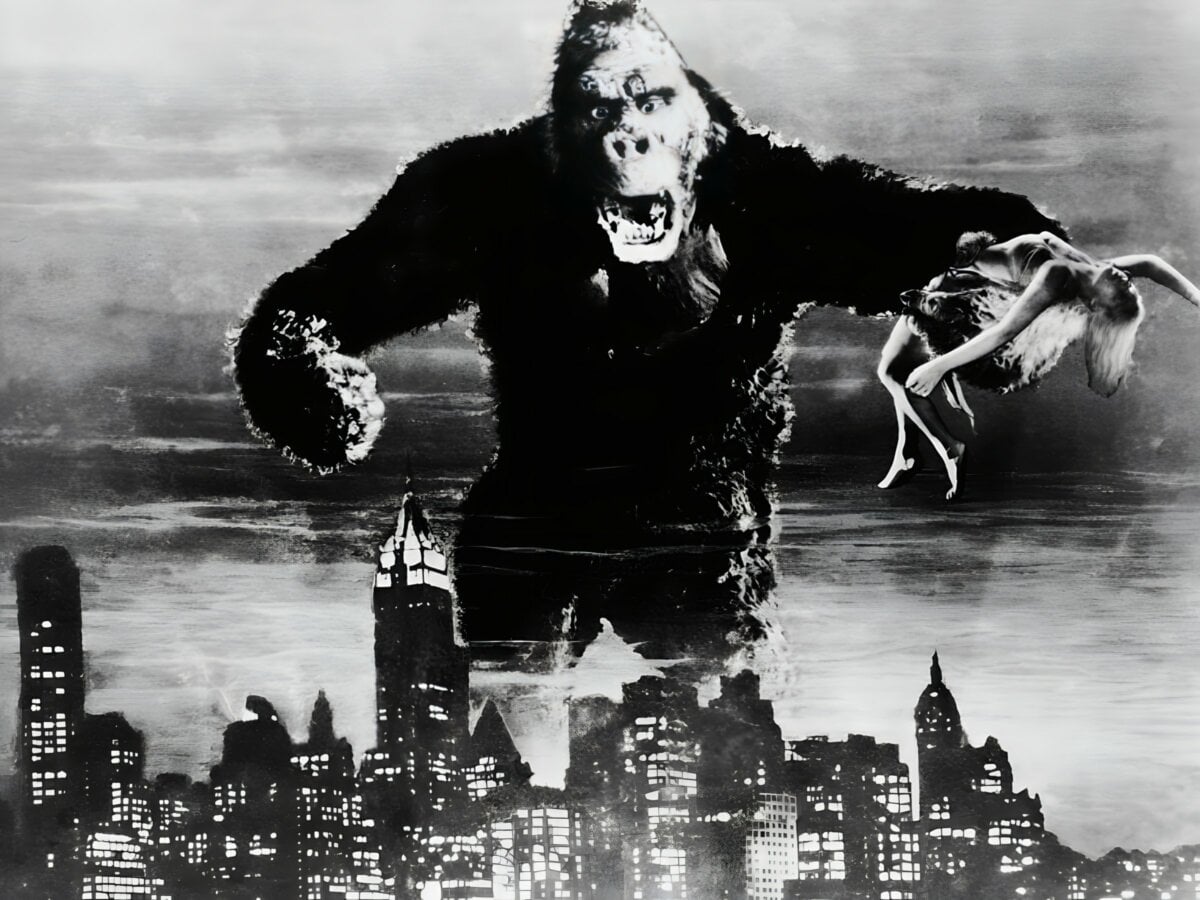
King Kong was a groundbreaking film that had a tremendous impact on those who saw it at a young age, and it remains one of the most significant achievements in the history of visual effects, introducing stop-motion effects that were ahead of their time, but there is an infamous sequence cut from the film in which the titular ape gets trapped in a ravine on Skull Island where he battles a group of massive spiders.
It was rumoured that the scene was removed because the filmmakers were not satisfied with the way that the effects worked, and it became an urban legend among cinephiles for decades, so when Peter Jackson made his 2005 remake of King Kong, which was incredibly faithful to the original 1933 version, he included a similar spider pit scene that resembled the one cut from the first film.
Jar Jar Binks joins the Empire – ‘Star Wars: Episode III – Revenge of the Sith’ (George Lucas, 2005)
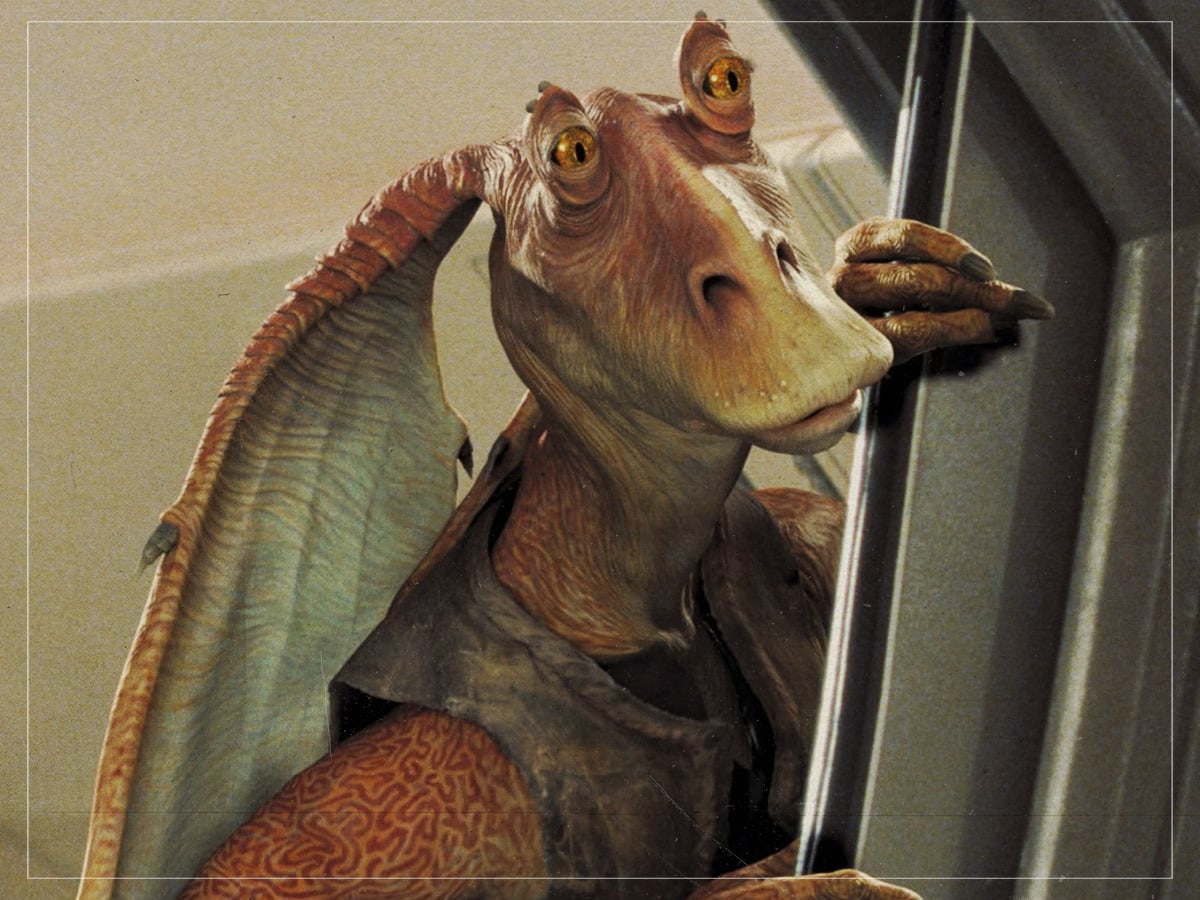
Star Wars has weathered no shortage of controversies, but Ahmed Best’s performance as Jar Jar Binks was singled out by fans as being a major criticism of the prequel trilogy, with the backlash to the character’s debut so extreme that he had a significantly reduced role in the next two films, and even took on a slightly darker turn.
In Star Wars: Episode II – Attack of the Clones, Jar Jar, having taken the place of Padme Amidala in the Galactic Senate, votes to give emergency powers to Supreme Chancellor Palpatine, which gives him the authority to create the Grand Army of the Republic, but Ahmed later revealed that there was an additional scene in Star Wars: Episode III – Revenge of the Sith where Palpatine revealed himself to be Darth Sidious, thanks to Jar Jar’s role in creating the Galactic Empire.
Peter Parker and Mary Jane Watson – ‘The Amazing Spider-Man 2’ (Mark Webb, 2014)
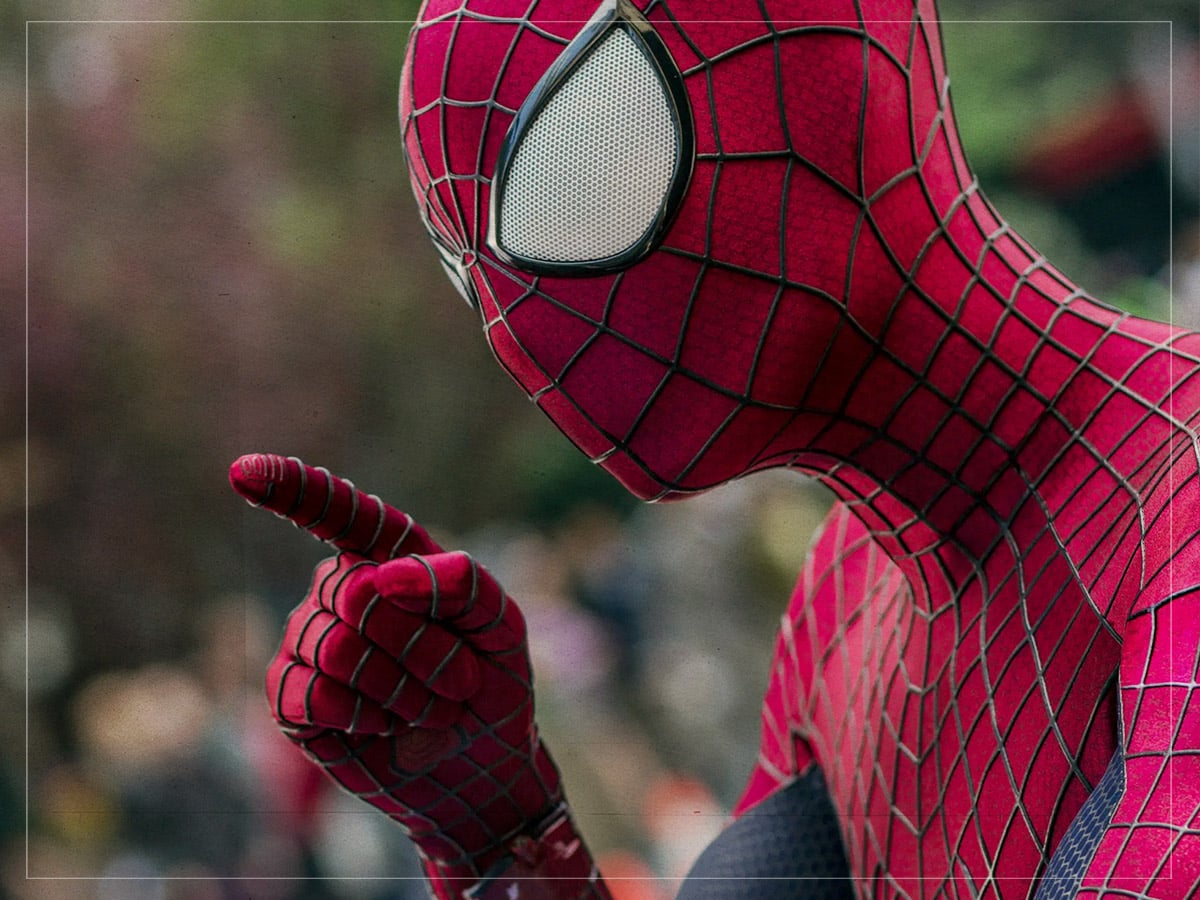
Spider-Man is the only Marvel character that Sony Pictures had the rights to, and before a deal was reached with Marvel Studios for Tom Holland’s Peter Parker to appear in the MCU, Sony attempted to develop their own shared franchise with The Amazing Spider-Man 2, which was tasked with introducing a number of new characters that would be seen again in their objective to launch their own cinematic universe.
Shailene Woodley was cast to play Mary Jane Watson, who may have served as the love interest to Andrew Garfield’s Spider-Man following the death of Emma Stone’s Gwen Stacy, but her scenes were cut, and they have yet to appear on any official release of the film, with Sony essentially scrubbing The Amazing Spider-Man films from existence.
The original ending – ‘The Thing’ (John Carpenter, 1982)
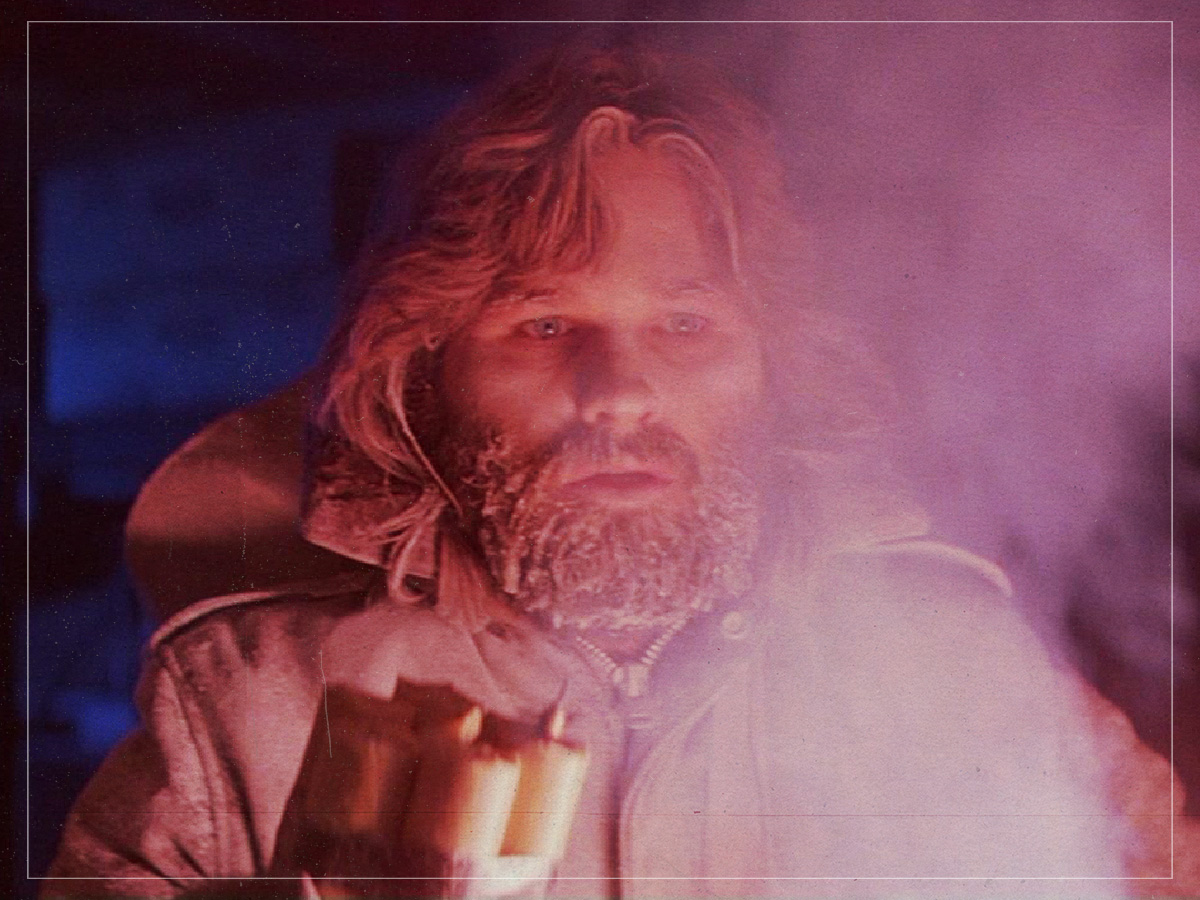
John Carpenter has always been fairly outspoken about his ambitions, and specifically has called out instances in which studios have attempted to overshadow his vision. The Thing is one of the scariest films ever made, and it ends on a high note because it is ambiguous whether any of the surviving characters are actually the alien creature who shapeshifted, but although the ending in the final film is eerie and atmospheric, the studio forced Carpenter to shoot an alternate version in which MacReady, played by Kurt Russell, takes a blood test that proves beyond a shadow of a doubt that he is human, which offered a more definitive happy ending.
It completely misses the point of the film, but thankfully, it didn’t end up making the final cut, and hasn’t appeared in any of the official Blu-Ray or DVD releases upon Carpenter’s request.
Kim Jong Un’s violent death – ‘The Interview’ (Seth Rogen and Evan Goldberg, 2014)
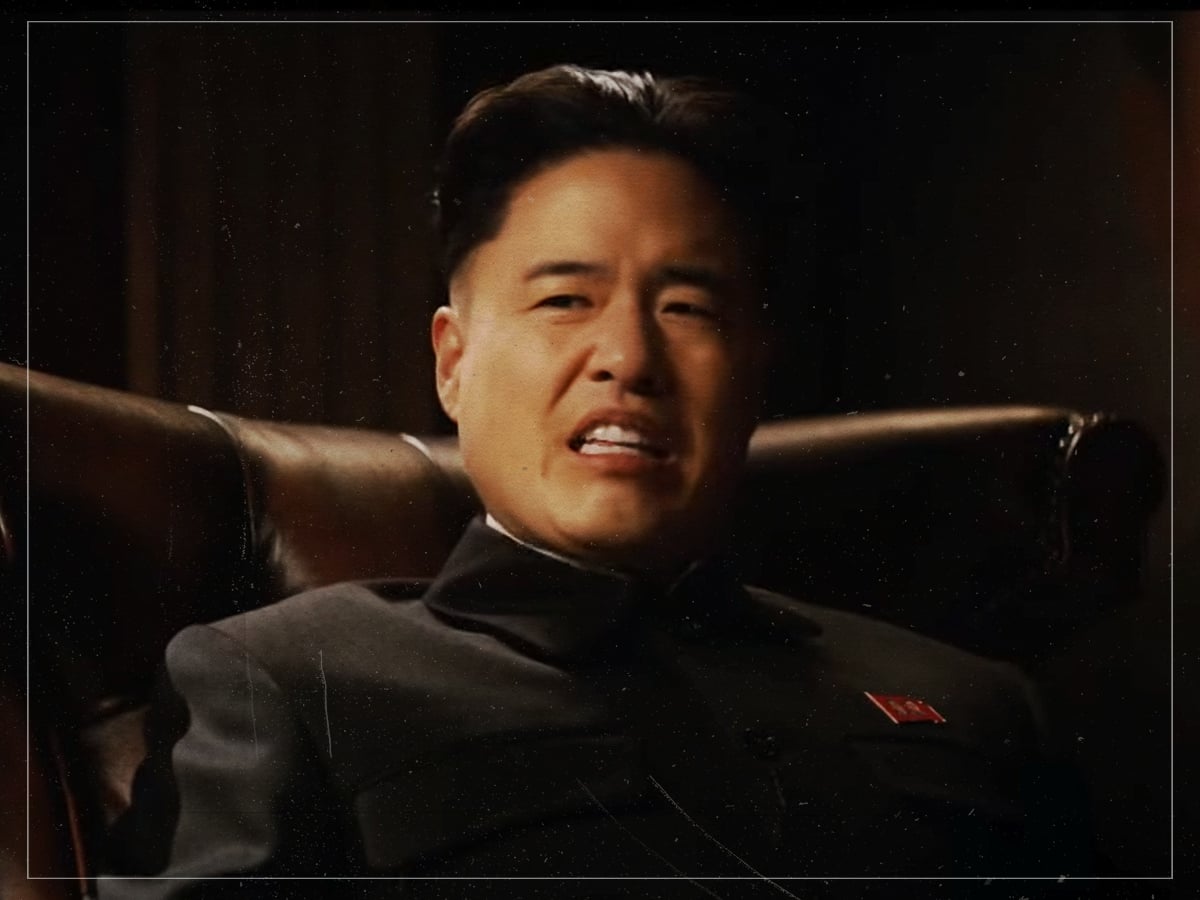
Seth Rogen and Evan Goldberg became involved in a bizarre international crisis when The Interview, their film that involved a fictional assassination attempt on the North Korean dictator Kim Jong Un, was targeted by hackers during the infamous attack on Sony Pictures. Threats made to theatres that showed The Interview led Sony to cancel the film’s release, as they only debuted it in select markets and later on VOD.
Sony was still cautious about releasing a film that was seen as deliberately offensive by the North Korean government, and severely edited down a scene from the final in which Un (played by the actor Randall Park) has his head blown up. The version released is significantly less violent than what was originally intended, but it’s hard to imagine that the original scene would have caused any more damage, given the severity of the hack.
The theatre shooting – ‘Gangster Squad’ (Ruben Fleischer, 2013)
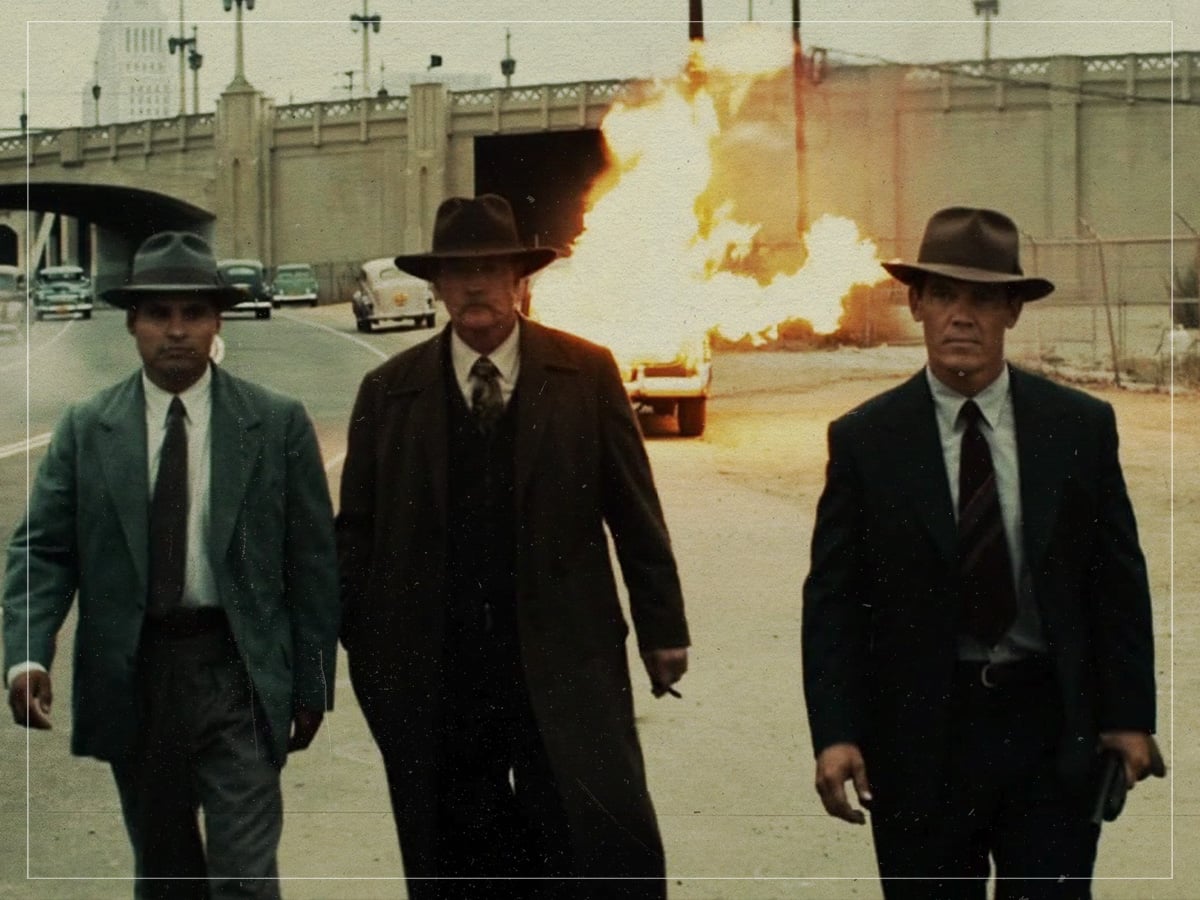
Controversy around the crime thriller Gangster Squad didn’t emerge until the film, slated for release in 2012, became a news subject because of a trailer that featured mobsters shooting patrons in a movie theatre, raising an outcry because it had been filmed before the tragic massacre in which a shooter killed several moviegoers during a midnight screening of The Dark Knight Rises, and that trailer had already been released.
A decision was made to push back the film until January 2013 and make some edits, which included cutting the movie theatre scene altogether. Although it was probably in the best interest of everyone to avoid being offensive, it didn’t prevent Gangster Squad from being a massive disappointment that wasted an amazing group of actors that included Ryan Gosling, Josh Brolin, Emma Stone, Nick Nolte, and Sean Penn.
Count Fenring – ‘Dune: Part Two’ (Denis Villeneuve, 2024)
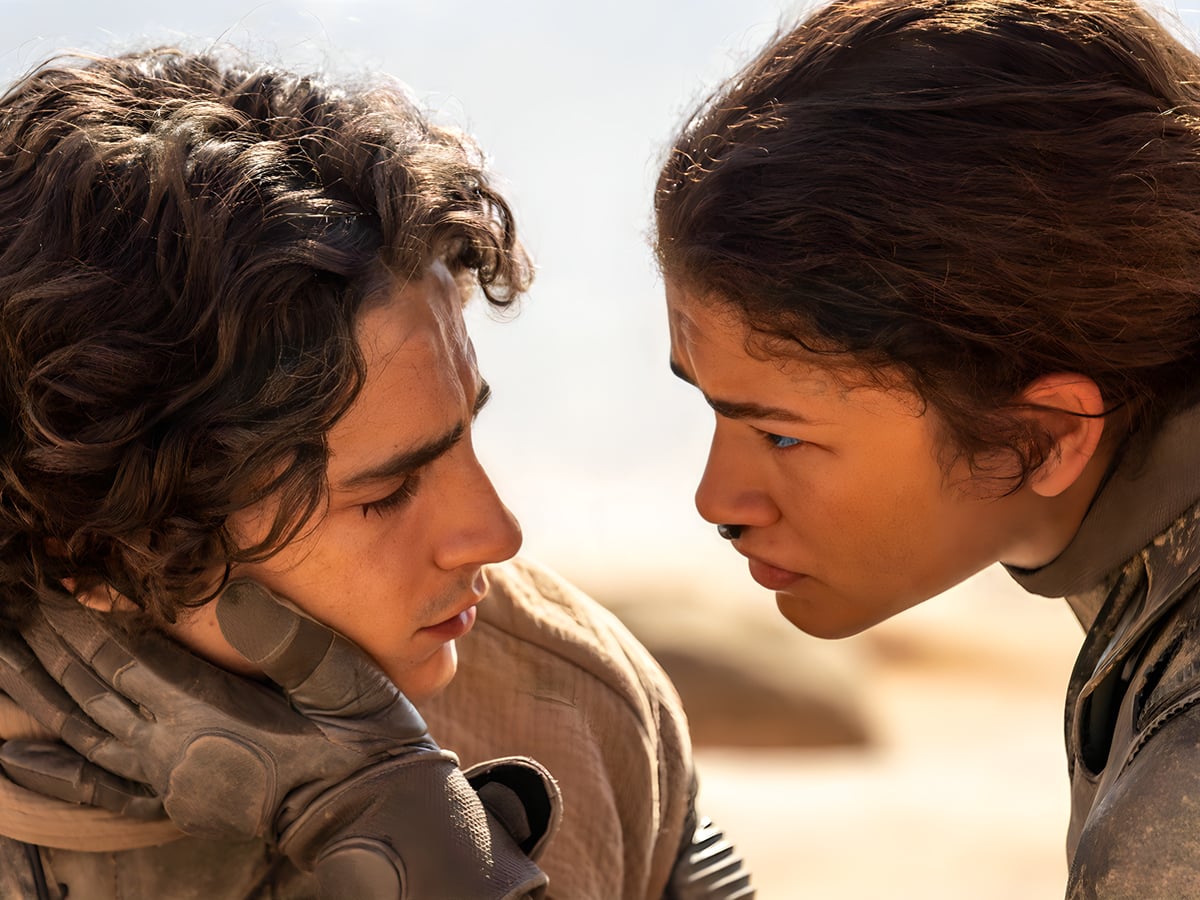
Dune has an extremely complex mythology and elaborate worldbuilding, which is why Denis Villeneuve and Warner Bros made the right decision when they decided to split the first novel in Frank Herbert’s legendary series of science fiction novels into two films. Still, there were aspects of the novel that weren’t included, and some scenes that ended up on the cutting room floor, and one of them was of Tim Blake Nelson, cast in Dune: Part Two to play Count Fenring, whose wife, Lady Margot Fenring, was played in the sequel by Léa Seydoux.
Given that Dune: Part Two was already longer than its predecessor, Villeneuve had to make some edits, and Nelson’s scenes were cut out. While they haven’t yet been included on a home media release, it’s entirely possible that more footage from the Dune films will be unveiled after the third film is released in December of this year.
The Eric Stoltz cut – ‘Back to the Future’ (Robert Zemeckis, 1985)

Robert Zemeckis and Steven Spielberg were adamant that Michael J Fox was the only choice to play Marty McFly in Back to the Future, but he was unable to commit due to the intensive schedule of filming Family Ties, so then he hired Eric Stoltz to play Marty and shot for several weeks before it was collectively decided that he simply wasn’t working.
A deal was reached with Fox, who was able to shoot Back to the Future in between his commitments to Family Ties, and all of the scenes with Stoltz were refilmed. While it may have been awkward to see the performance that was deemed too disastrous to commit to, even after production had begun, it is somewhat unusual that none of the footage that Stoltz had been in for Back to the Future has been unveiled in any capacity.
Adrien Brody’s scenes – ‘The Thin Red Line’ (Terrence Malick, 1998)
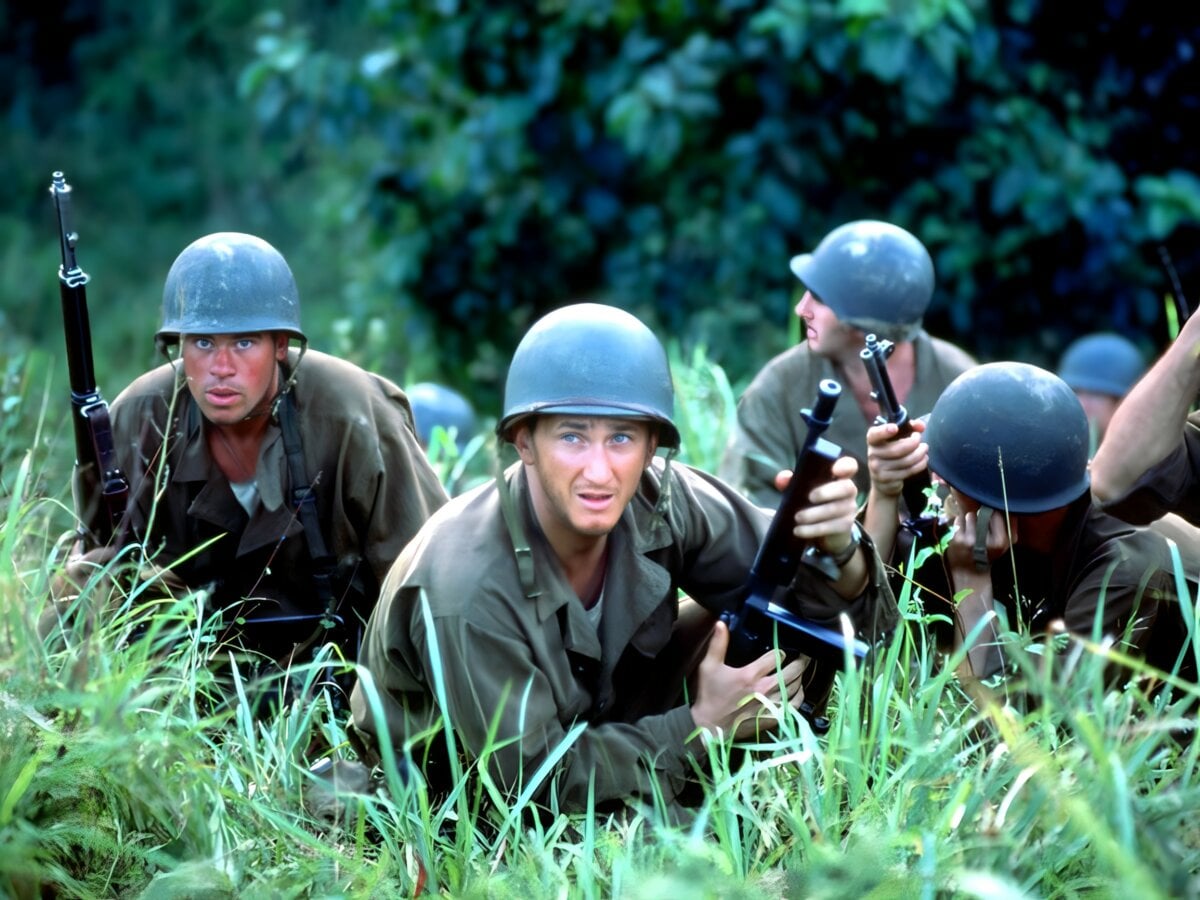
Terrence Malick has a famously unusual process in which he shoots a tremendous amount of material without a working script, and the result is that hours of footage has to be left on the cutting room floor, hence Adrien Brody experienced a whirlwind of emotions when he showed up to the premiere of The Thin Red Line, a film that he had ostensibly believed he had played the lead in, only to find that a majority of his scenes had been cut.
While the changes affected Brody most of all, as he had thought that The Thin Red Line had the potential to be his breakout role, George Clooney also had little more than a cameo because a majority of his scenes had been removed. Malick’s shooting process hasn’t changed, and he is still in the midst of editing a mysterious film that still hasn’t been released, and who knows how much of whose parts are going to end up being discarded.
Kevin Costner’s role – ‘The Big Chill’ (Lawrence Kasdan, 1983)
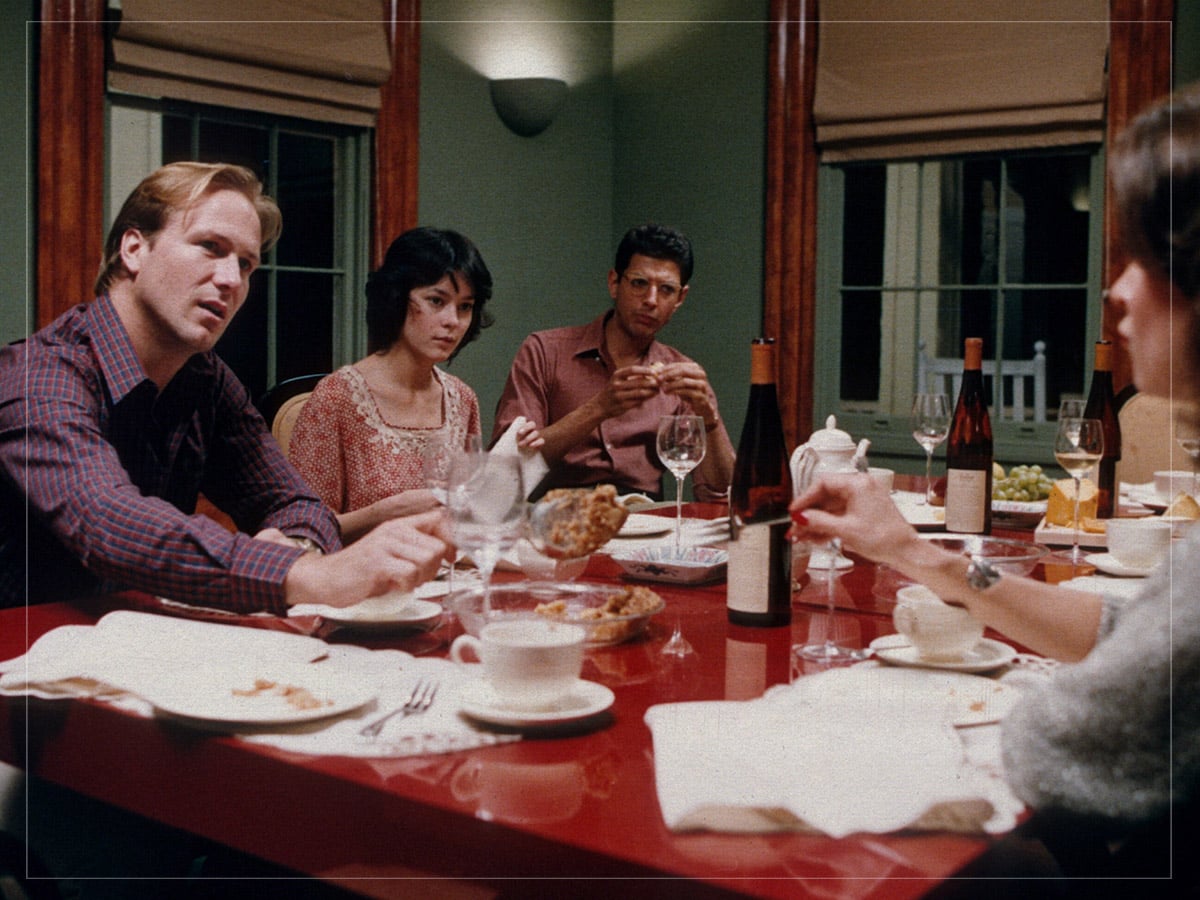
Kevin Costner is technically credited in The Big Chill because he played the corpse of Alex Marshall, the character whose death causes all of his high school friends to reunite, but writer/director Lawrence Kasdan had shot a flashback scene that involved Costner appearing alongside the rest of the actors, emphasising the closeness of their friendship.
However, he eventually decided to remove it because he felt that it undercut the momentum of the story, and as a result, Costner’s role in the film was essentially erased, which is something that Kasdan felt bad about, and in order to make it up to him decided to cast him as a part of his next film, the western adventure Silverado, which also starred The Big Chill cast members, Kevin Kline and Jeff Goldblum. Costner lucked out, as Silverado became the first of his many westerns that was a big hit.
