


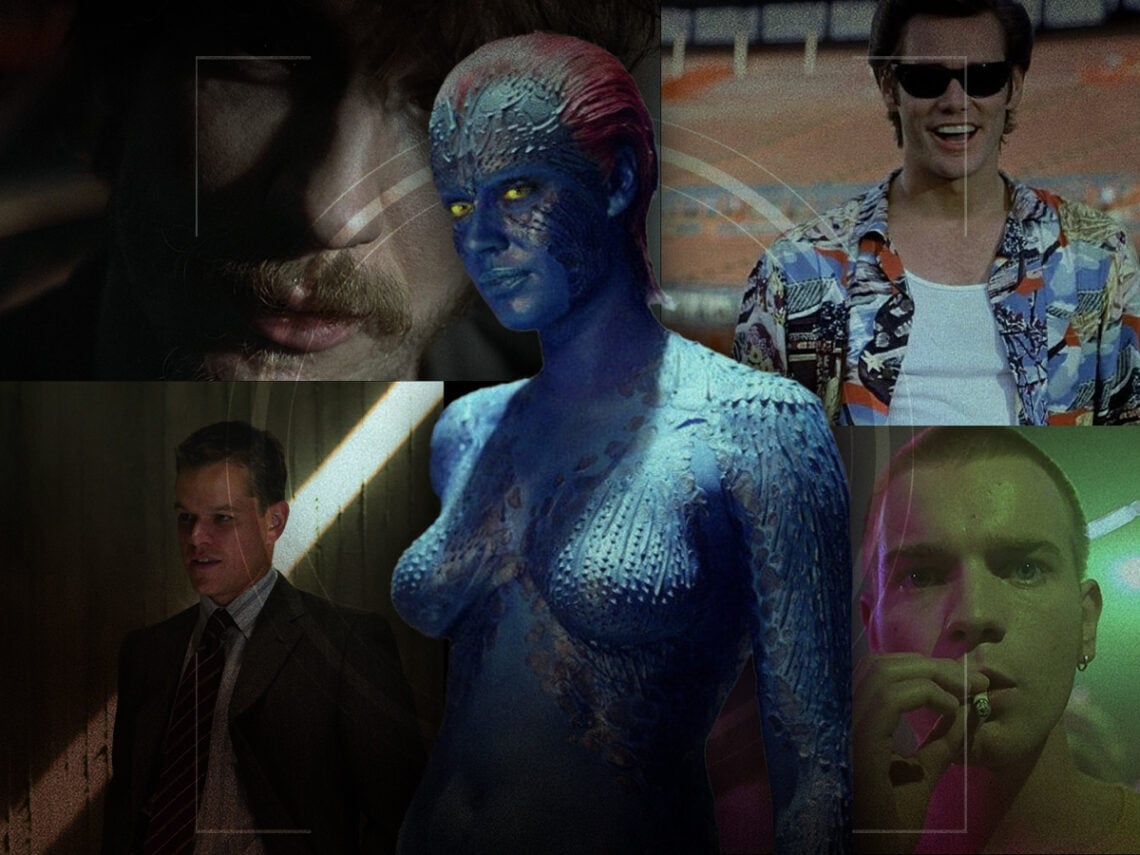
10 movie characters you’d hate to be stuck in an elevator with

Thankfully, film characters are separated from the audience by the silver screen.
Although cinema is often used as a means for escapism, it also presents a reality that wouldn’t exactly be all pleasant. It’s one thing to dream of being a Jedi Knight with force powers in the Star Wars franchise, but it’s different to be within the galaxy far, far away with dangers like Sith Lords, Stormtroopers, bounty hunters, and all other sorts of dangers. Even a relatively light-hearted or seemingly low-stakes film can be filled with unpleasant experiences that are much more fun to watch than they would be to experience.
Elevators are rarely an inviting presence, as they pop up in more than a few iconic suspense sequences. Between the brutal death of the Impossible Mission Force team in the original Mission: Impossible, the heated fight scene with Hydra agents in Captain America: The Winter Soldier, the shocking barrage of blood in The Shining, or the haunting reveal of different monsters in Cabin in the Woods, there are many movie characters that would do themselves a favour if they simply took the stairs instead.
Being in an enclosed environment that is probably vulnerable to danger isn’t anyone’s idea of a good time, even if they’re alone. However, having to be trapped in that suffocating space with a character who is bound to cause some sort of disruption, damage, or danger is about as unappealing a way to travel between floors as imaginable.
10 movie characters you’d hate to meet in an elevator:
Ace Ventura in ‘Ace Ventura: Pet Detective’ (Tom Shadyac, 1994)
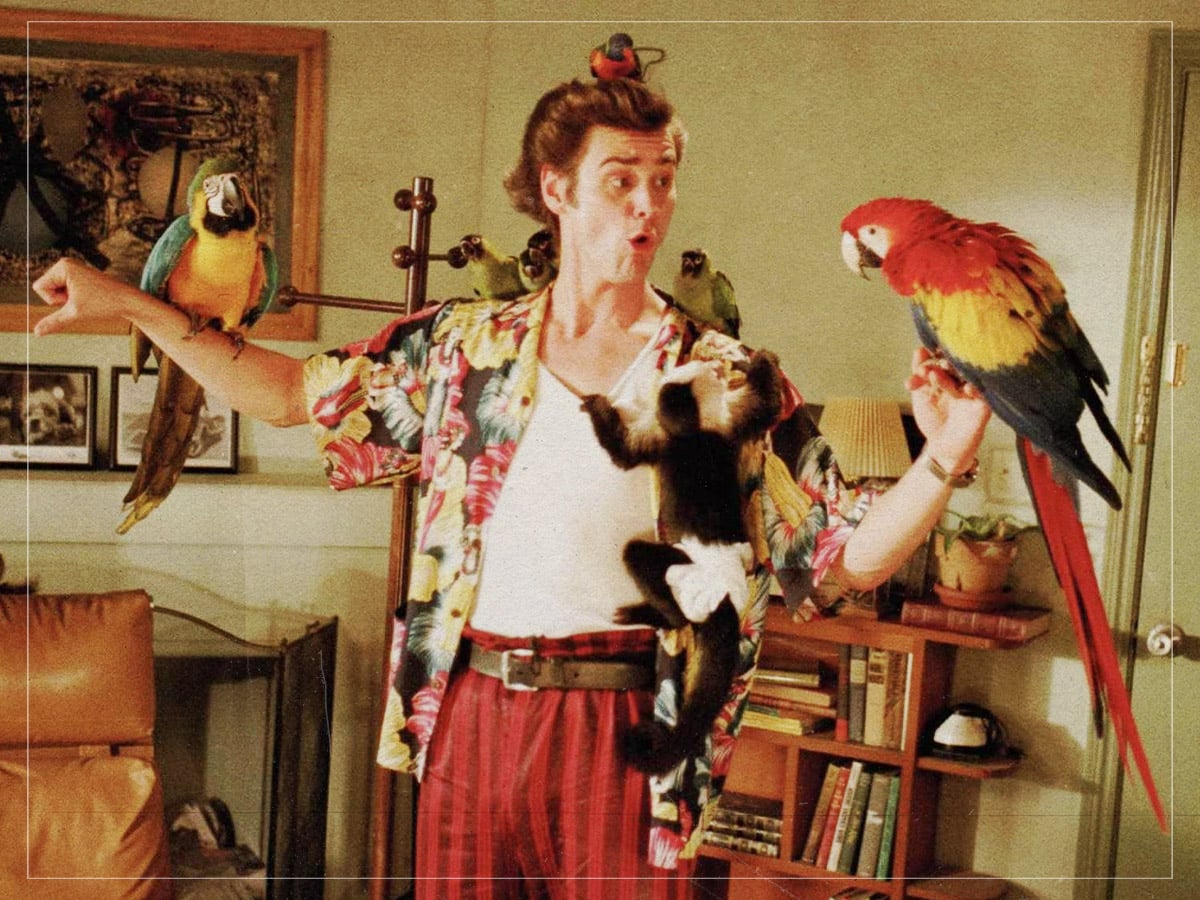
Jim Carrey is a true ‘black liquorice’ actor who people either love or hate. There is certainly a point at which his shtick became tiresome, but Carrey pulled off an incredible feat in 1994 when he starred in three of the year’s biggest comedies with Dumb & Dumber, The Mask, and Ace Ventura: Pet Detective.
The first one is still a classic, and The Mask holds up better than some might think, especially because of the creative, practical effects and makeup, but Ace Ventura: Pet Detective has not exactly aged well, to put it lightly, and Carrey’s performance is highly obnoxious for anyone who didn’t grow up with the film. To be in striking distance of Ventura when he’s farting, impersonating people, and causing chaos would already be annoying, but being stuck in an elevator with him would be a complete nightmare, worse than anything that Wes Craven could conjure.
Saul Silver in ‘Pineapple Express’ (David Gordon Green, 2008)
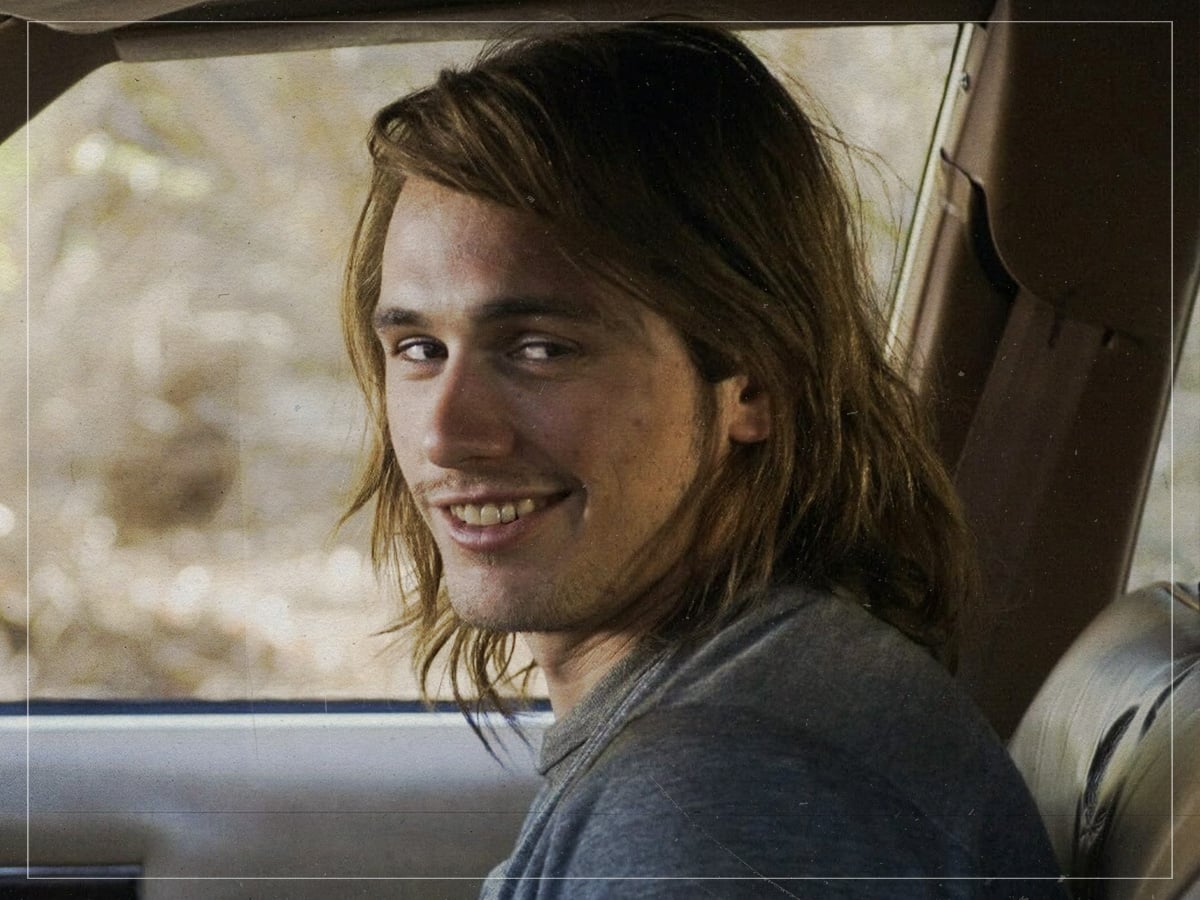
James Franco is a polarising actor who certainly doesn’t work in a lot of settings, but he was very well cast as a witless, goofy stoner in the hilarious action comedy Pineapple Express. As is the case with most stoner comedies, the characters in the film are a lot of fun to laugh at as a viewer, but they’d quickly become a lot less endearing if they were in close company.
Seth Rogen’s character, Dale Denton, is at least a somewhat responsible guy with a job who tries to make the best out of a bad situation. However, Franco’s Saul Silver is high all the time, constantly complaining, and has to be coaxed into doing anything that would take even the slightest effort. He also probably stinks, and it would be hard to escape that horrific odour in an enclosed elevator.
Ruby Rhod in ‘The Fifth Element’ (Luc Besson, 1997)
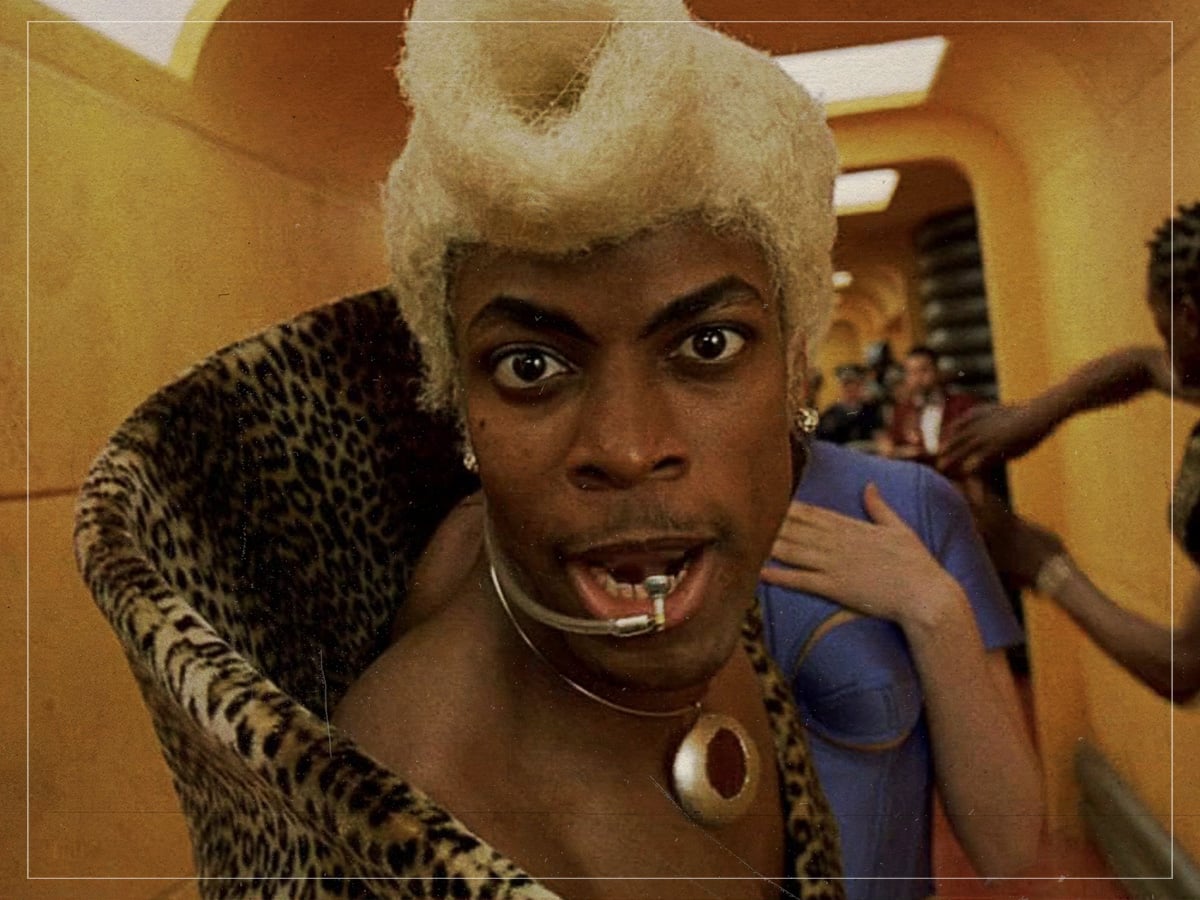
Luc Besson claimed that he came up with the idea for The Fifth Element when he was a teenager, and anyone who’s seen the film could probably glean that from the stylised and excessive space opera aimed at the teenage boys of the world. It has been publicly disparaged by its stars, including Gary Oldman, who is actually pretty fun in the film as an over-the-top villain, but Chris Tucker’s character, Rudy Rhod, is perhaps the most annoying character in screen history.
There are not even a lot of fans of The Fifth Element who could defend the character, and those who enjoyed Tucker’s work in films like Rush Hour would be hard-pressed to compare the two performances, as on top of his annoying voice and inconsistent attention span, Rhod seems to scream and blabber whenever he talks, which would be even tougher to endure in an elevator.
Johnny in ‘Naked’ (Mike Leigh, 1993)
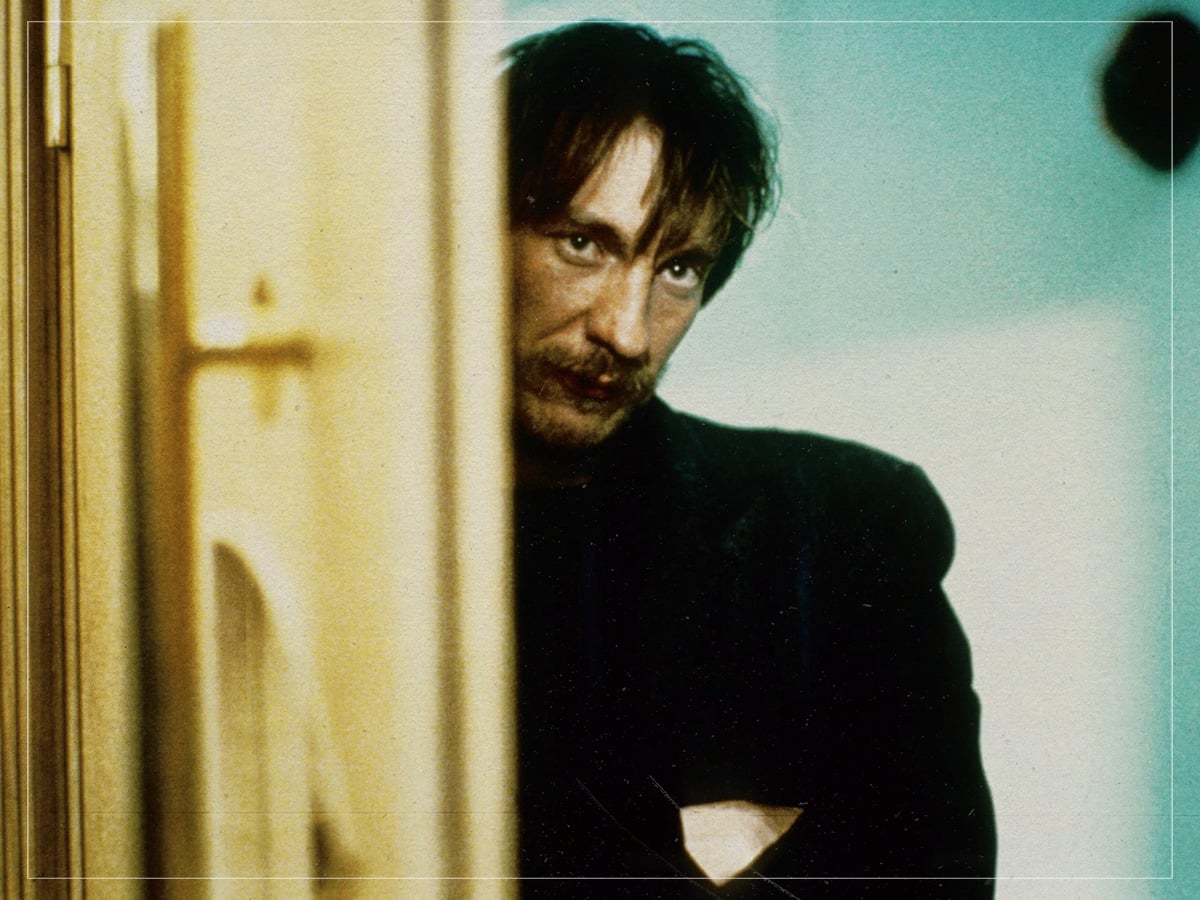
Mike Leigh has evolved as a filmmaker who has explored all aspects of the British experience, but none of his work is as probing and upsetting as his 1993 masterpiece Naked, which remains just as shocking three decades later. The psychological thriller tracks the story of a seemingly educated, intelligent man, Johnny, who is helpless to repress his primal urges, which lead him to roam the streets of London in search of lurid pleasures, and David Thewlis’ performance as the protagonist is truly unforgettable.
Impossible to predict, Johnny could seemingly take an erratic action at any moment, and given that he is already a deeply self-loathing, troubled person who feels imprisoned by the walls that society has formed around him, landing him in an isolated, tight space with little room to move is just a recipe for disaster threatening to unfold.
Renton in ‘Trainspotting’ (Danny Boyle, 1996)
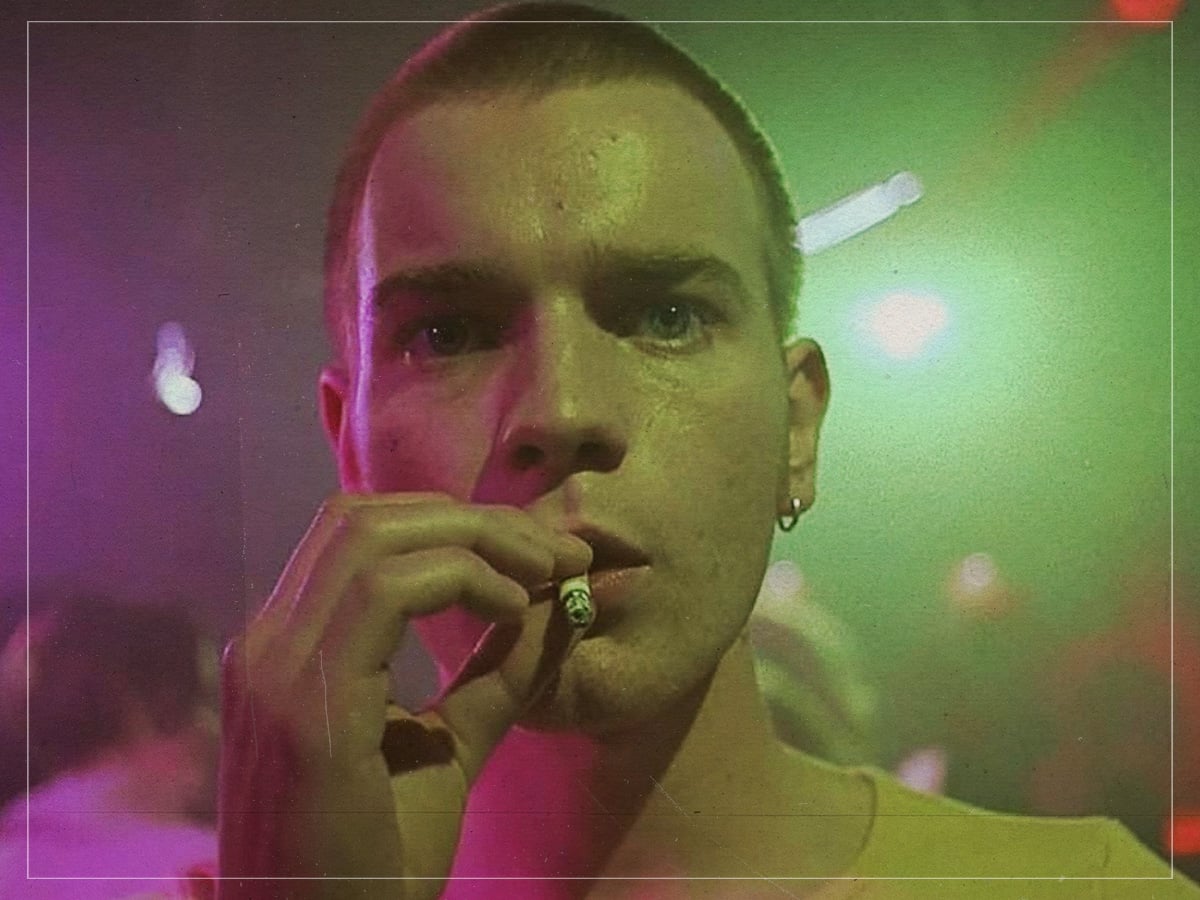
Ewan McGregor transformed from an unknown Scottish actor to a global star thanks to Trainspotting, the dark comedy from Danny Boyle that was inspired by the seemingly unadaptable novel, which, though an entertaining film on its own, its real energy comes from the propulsive soundtrack and Boyle’s stylised direction.
In the film, McGregor’s character, Renton, is a self-destructive social outcast who brings chaos to any situation that he’s in, and even if his musings in the “Choose life” speech has now become iconic for the Gen X viewers that grew immersed in Boyle’s world, to be stuck listening to a young man with serious issues rant and rave would not make for a pleasant experience. Even the underrated sequel, T2: Trainspotting, indicated that Renton was capable of slipping back into the role of an addict after over two decades of being sober.
Colin Sullivan in ‘The Departed’ (Martin Scorsese, 2006)
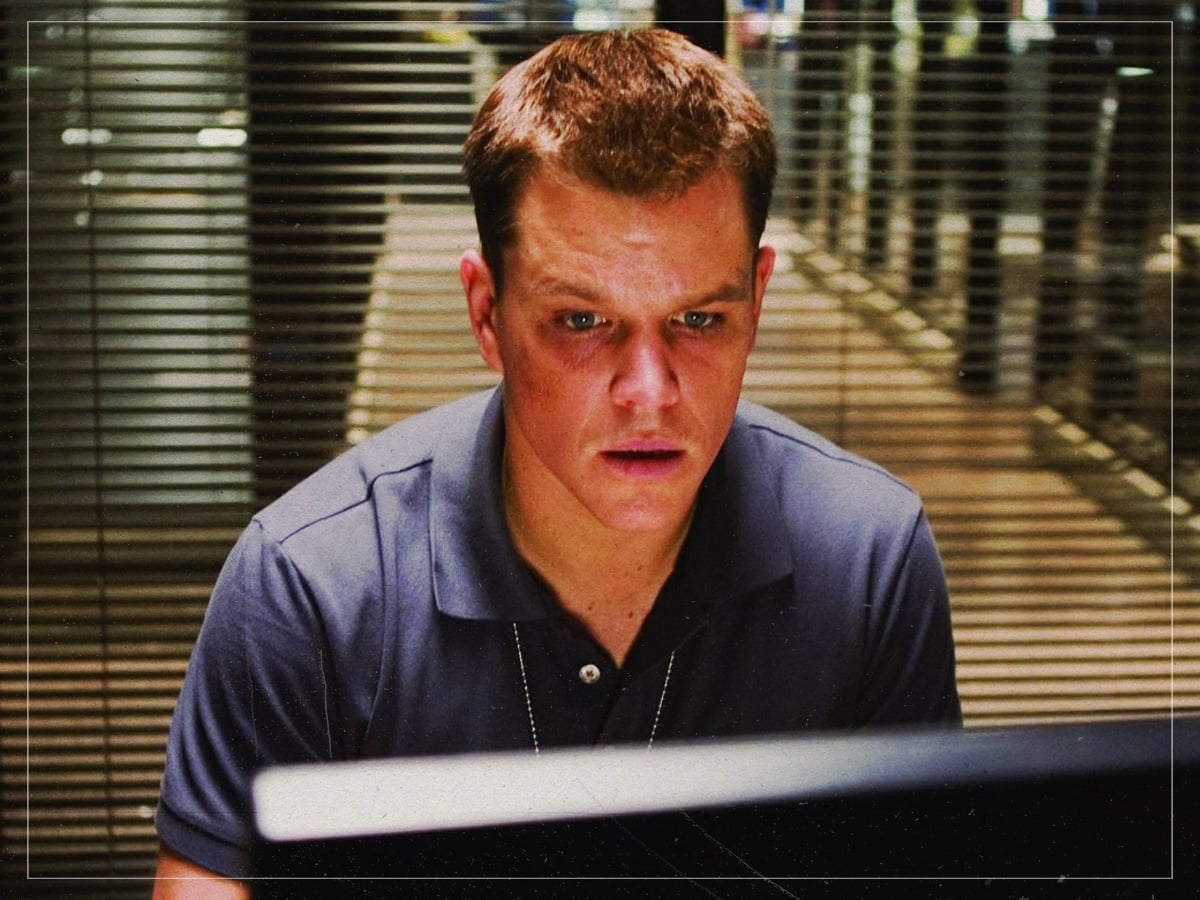
Matt Damon is such an inherently likeable actor that it was shocking when he was cast against type to play the duplicitous Boston police officer Colin Sullivan in The Departed, the Martin Scorsese film that finally won him the Academy Awards for ‘Best Director’ and ‘Best Picture’. Sullivan is able to mask himself as a loyal, by-the-books member of law enforcement, but secretly informs the powerful mob boss Frank Costello, played by Jack Nicholson, of the goings on of the force.
Sullivan is a standout because his character is involved in several violent moments involving elevators, finding himself in the middle of one when Billy Costigan, played by Leonardo DiCaprio, is brutally gunned down, and just exits another elevator before he is himself assassinated by the indignant Sergeant Dignam, played by Mark Wahlberg. Sullivan is perhaps the most untrustworthy character in The Departed, which is saying a lot because it’s a film all about betrayal and secrets.
Mystique in ‘X-Men’ (Bryan Singer, 2000)
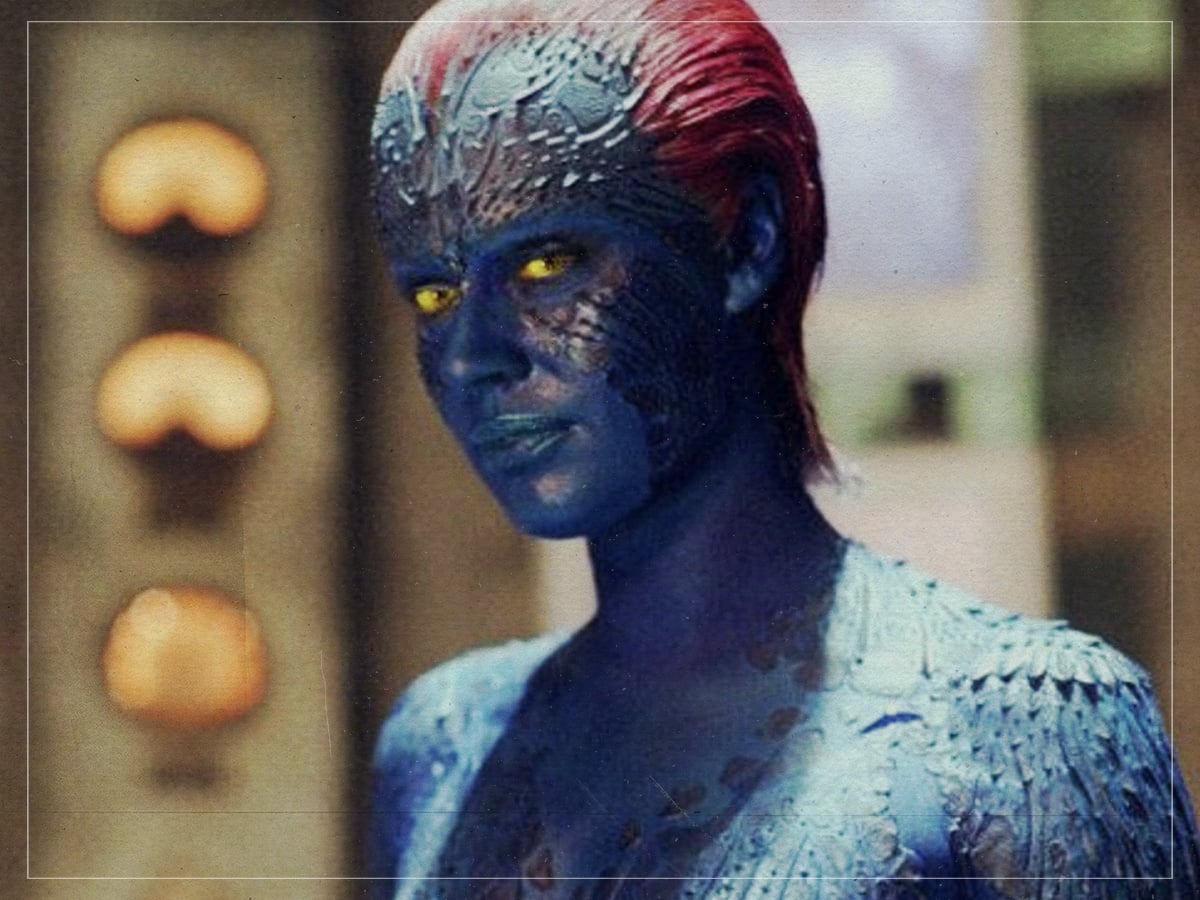
X-Men changed the perception of comic book films, but it also presented a fairly straightforward version of what heroes and villains looked like in the Marvel universe. While Mystique is a character who was given a more sympathetic backstory in the prequel X-Men: First Class, in which she was portrayed by Jennifer Lawrence, the version in the original X-Men played by Rebecca Romijn is absolutely ruthless, serving as the chief lieutenant to Ian McKellen’s Magneto.
There isn’t a superpower more dangerous than the ability to transform into and imitate another person, which is why both teams of mutants in the X-Men films have tried to coax Mystique to join their sides. There’s a pretty high death count in the franchise based on the sheer number of mutants that are killed off, but Romijin’s version of Mystique does survive in the original timeline after she betrays Magneto in X-Men: The Last Stand.
William Bludworth in ‘Final Destination’ (James Wong, 2000)

Final Destination has a brilliant concept for a horror franchise, as it imagines Death as a literal force that takes vengeance upon those who survive it. The only character in the film’s universe that can explain the nature of death is William Bludworth, played by the late great Tony Todd. He can surprisingly be a helping hand during dangerous situations, as Final Destination: Bloodlines even showed him helping break a family curse that had caused tragedy for generations. However, anyone who is in the company of Bullworth is likely to be in some sort of danger, as they’re targeted by Death itself.
While Bulworth does occasionally reveal himself to be somewhat sympathetic, he doesn’t have the power to alter events that only he can understand, and, not to mention, the Final Destination franchise already has a pretty nasty history with elevators.
Gollum in ‘The Lord of the Rings’ (Peter Jackson, 2001-2003)
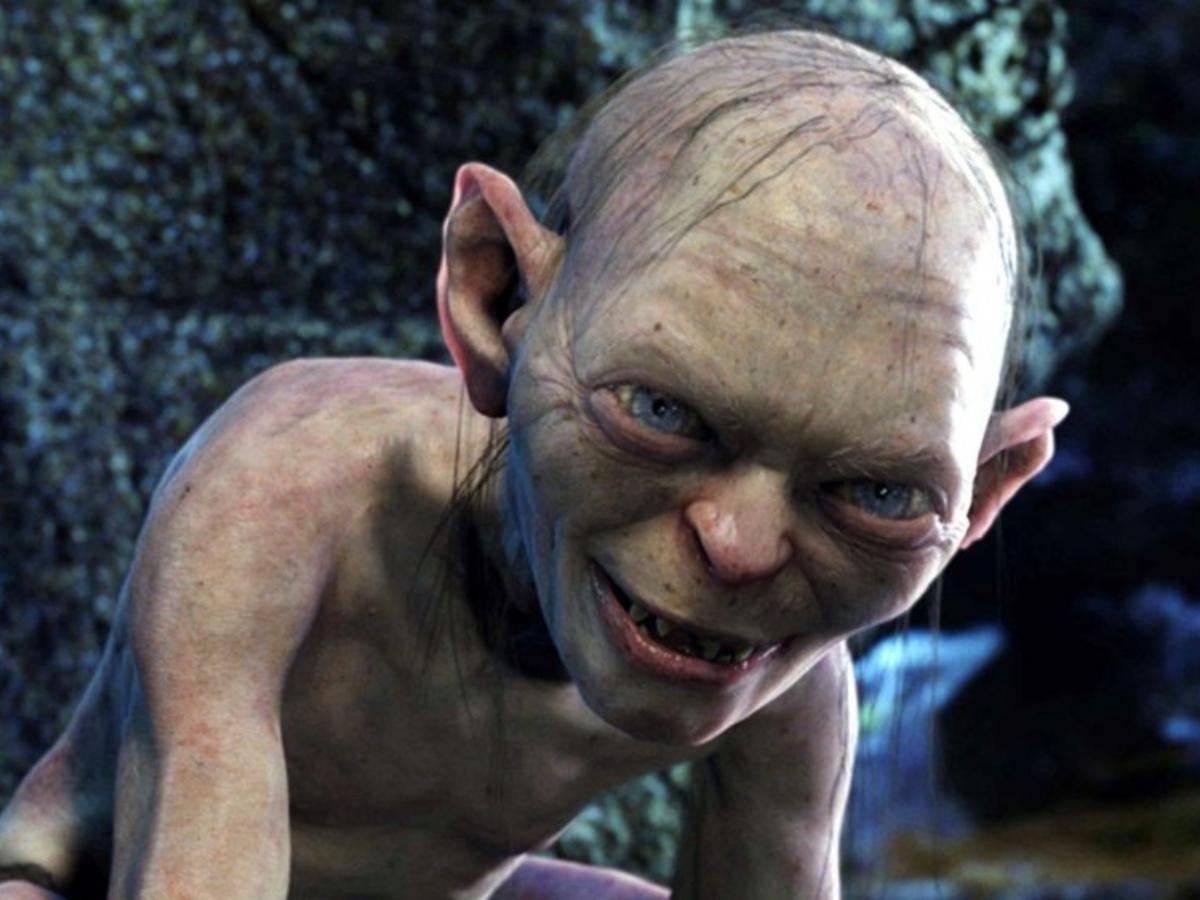
The Lord of the Rings brought to life many fascinating characters from JRR Tolkien’s trilogy of novels, but none were more unique than Gollum, portrayed by Andy Serkis, who was once a normal creature known as “Smeagol” but became corrupted by the power of the One Ring, which extended his life and turned him into an obsessive monster.
So powerfully swayed he was in fact that he turns on anyone who shows him even compassion or patience, and even if Gollum is helpless to resist these urges, he would make for an elevator companion who is both obnoxious and dangerous. He takes particular pleasure in irritating Samwise Gamgee, played by Sean Astin, throughout their mission to Mount Doom, and doesn’t stop trying to steal the One Ring from Elijah Wood’s Frodo Baggins until he is thrust into the fiery volcano.
Jar Jar Binks in ‘Star Wars: Episode I – The Phantom Menace’ (George Lucas, 1999)
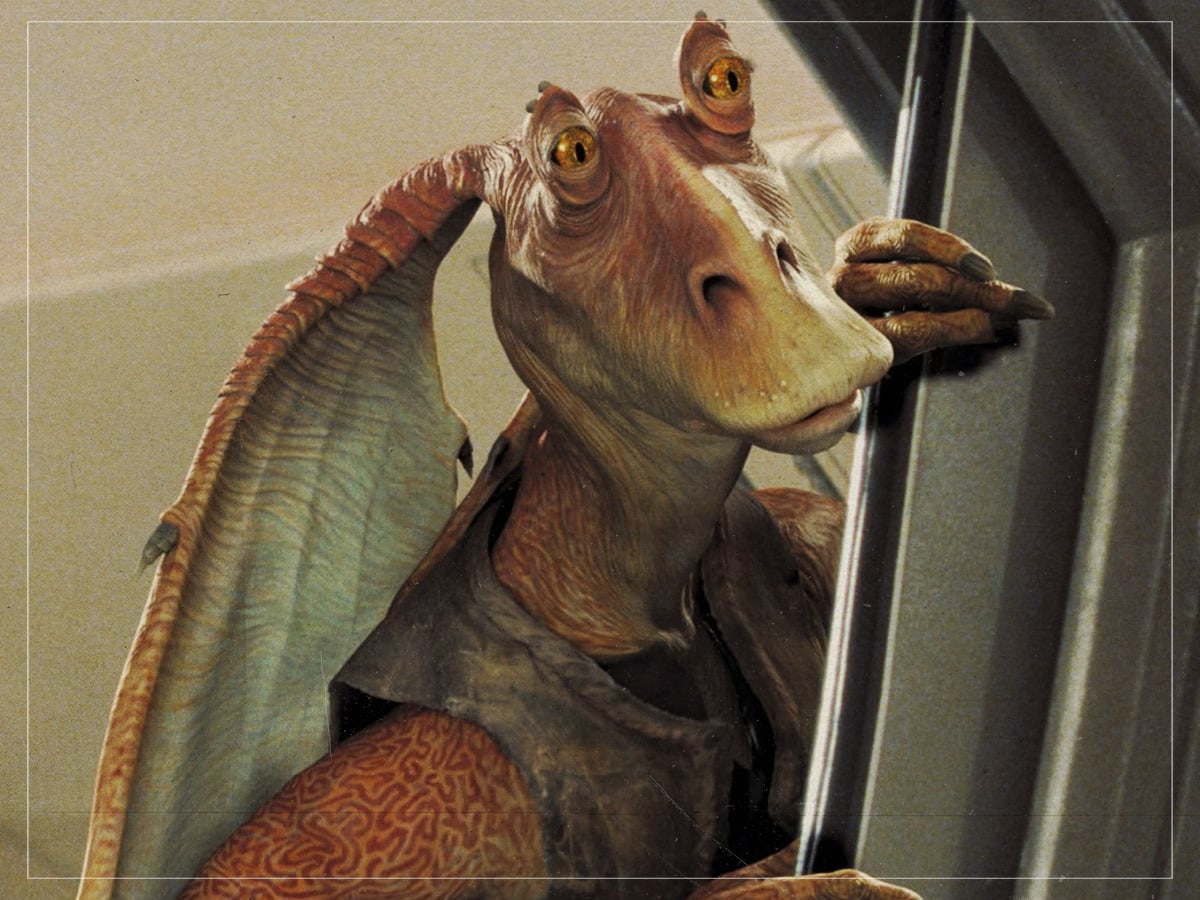
Star Wars is a franchise that has weathered no shortage of controversies over its nearly 50 years of existence, but there hasn’t been another character who has ignited as much uproar as Ahmed Best’s Jar Jar Binks, which has led to an uncalled-for slew of harassment and online bullying at Best’s door.
Jar Jar is one of the most annoying characters in film history, however, and seems to create bumbling chaos wherever he goes, frequently breaking things and destroying social protocol, making it impossible for him to be in any civil environment (such as an elevator) without causing a ruckus. It should also be noted that Jar Jar does have some blood on his hands, as it was his decision to propose giving emergency powers to Supreme Chancellor Palpatine that helped to establish the Galactic Empire.
