


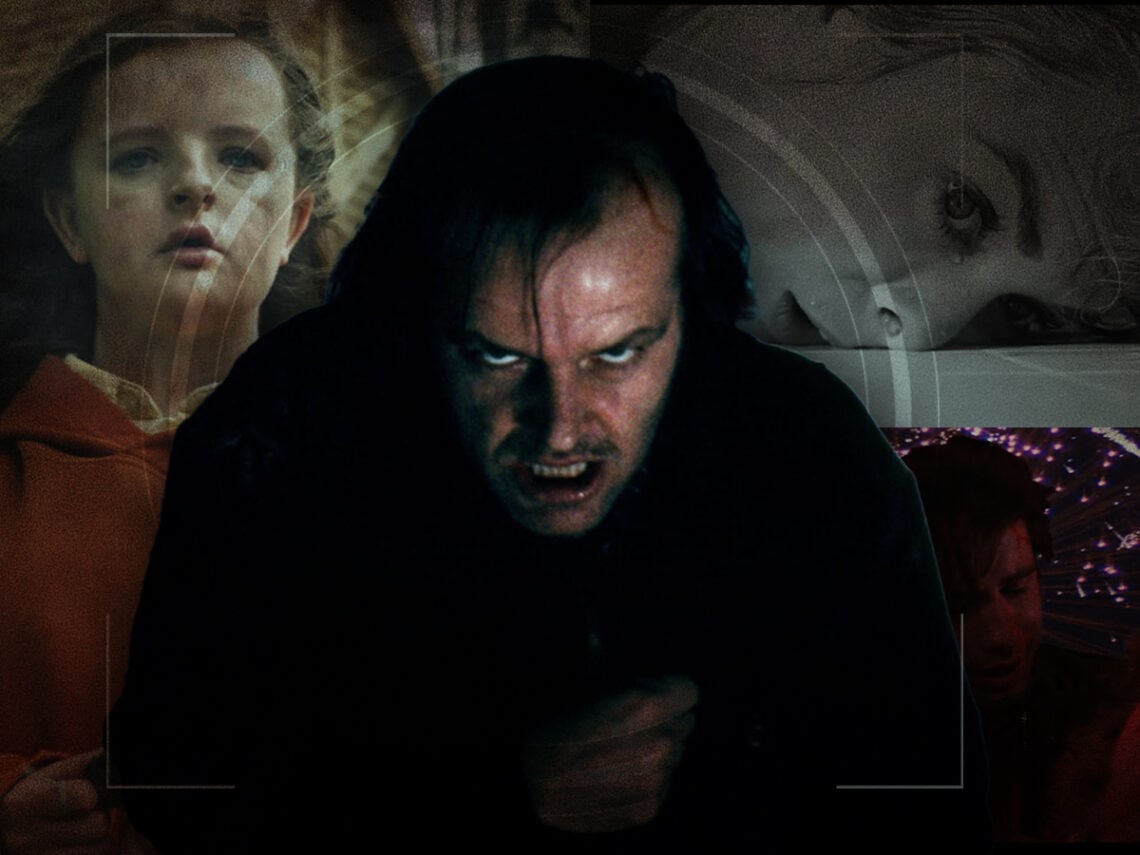
The 10 most anxiety-inducing scenes in cinema

A great film is defined by the scene that evokes a primal reaction out of the audience.
It’s since the dawn of cinema that audiences have sought out movies as a means to feel something. While comedy has been ingrained in the art form since its inception, films have often provided a gateway to feel suspense, dread, and terror with the company of a live audience.
While many of the silent films that emerged during the ‘1920s and ‘30s are now considered to be light-hearted adventure romps, there was something very anxiety-inducing about watching brilliant stunt artists like Charlie Chaplin and Buster Keaton put themselves in danger; for audiences that weren’t aware of how films were made, it felt like these men were actually in danger.
Creating a suspenseful scene does not necessarily mean that a film belongs in the horror genre, as not everything that is scary is also anxiety-inducing. Jump scares, which are frequently used in contemporary horror cinema, are used to gain an immediate reaction out of an audience, but do not create a prolonged sense of uneasiness that really has the viewers questioning the characters’ safety. Often, there is a psychological component to why these films manage to get under audiences’ skins, and it can often have to do with the personal experiences that they bring to their viewing.
At their best, a truly great thriller can get audiences to think about something in a new way; for example, Jaws was so terrifying that it rendered an entire generation afraid of the ocean.
10 most anxiety-inducing scenes in movie history:
The Russian roulette scene – ‘The Deer Hunter’ (Michael Cimino, 1978)
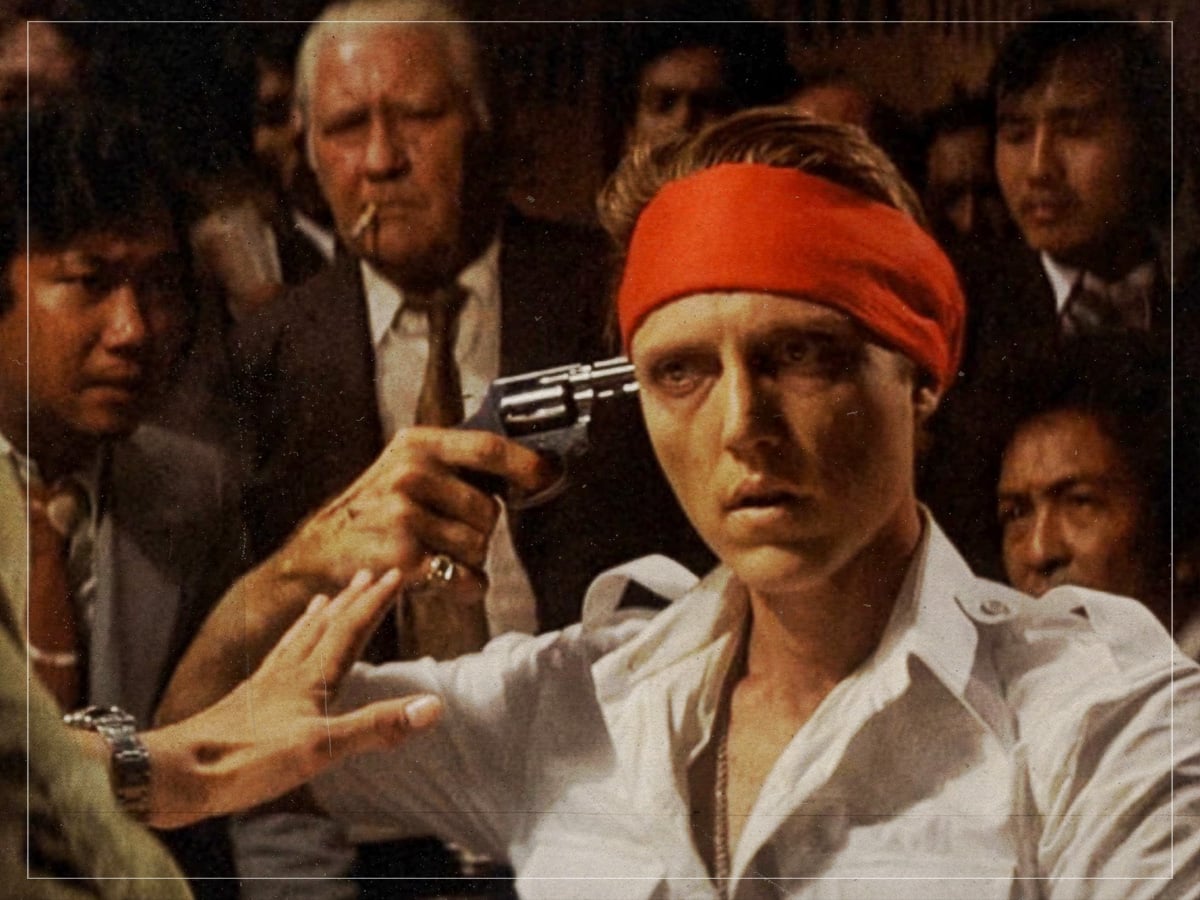
Christopher Walken is an actor who has become known for his sillier roles (such as his now infamous ‘Weapon of Choice’ music video), but he delivered one of the most heartbreaking performances in film history in Michael Cimino’s ‘Best Picture’ winning Vietnam War masterpiece, The Deer Hunter. The film follows a group of friends from Pennsylvania as their lives change as a result of being drafted to serve the American war effort in Vietnam, and Walken’s character deals with severe post-traumatic stress disorder after being forced to play a game of Russian roulette while in custody.
His desire to recreate that same feeling upon returning home to America is absolutely riveting, as it is clear that part of him died in Vietnam, and he has been lurking near death’s door ever since, with the scene remaining as controversial and haunting as ever.
Harry Powell challenges the kids – ‘The Night of the Hunter’ (Charles Laughton, 1955)
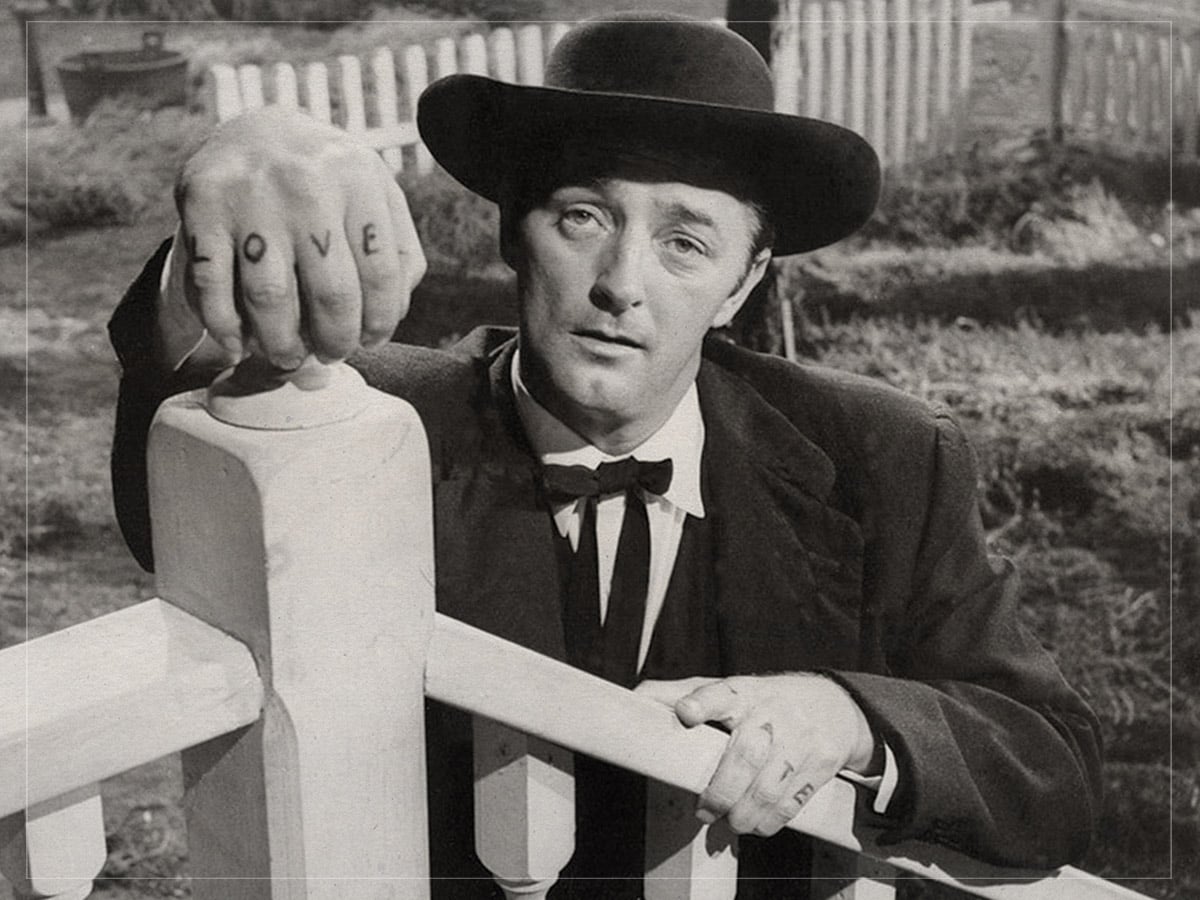
All-time great actor Charles Laughton only ever directed The Night of the Hunter, which was not well-received when it first debuted in 1955, but time has been kinder to a film that many directors now consider to be a masterpiece, and for good reason.
It stars Robert Mitchum as the enigmatic preacher Harry Powell, who is secretly a sociopath trying to con a small town out of its fortune, and while his deceit is only recognised by two young children whose mother falls under his spell, he corners them during an anxiety-inducing scene that literalises a childhood nightmare. Laughton understood the primal fear that children face when they feel that they are not being listened to by adults, and Mitchum delivered one of his scariest performances ever as a character who seems almost supernatural at his creepiest.
‘In Dreams’ plays – ‘Blue Velvet’ (David Lynch, 1986)
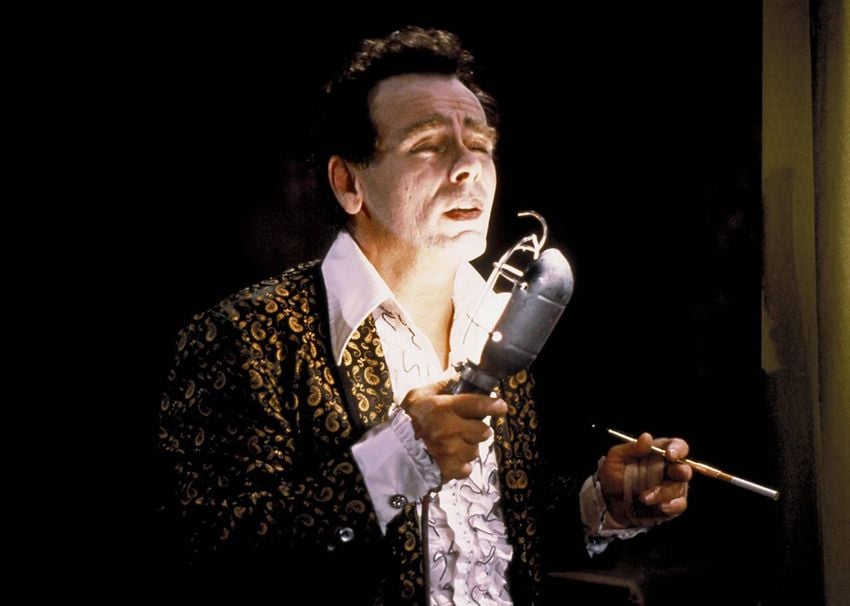
David Lynch had a unique way of blending eroticism, dark comedy, supernatural terror, and surrealism with a perfect needle drop that made them feel like no one else could have possibly made them, and in that, Blue Velvet is one of his greatest masterpieces. Few villains have ever been as terrifying as Frank Booth, the sociopathic criminal played by Dennis Hopper, who captures Jeffrey, played by Kyle MacLachlan, in an unusual scene where Roy Orbison’s ‘In Dreams’ is played in the background.
Lynch was a master of using seemingly comfortable, classical music to cast a dark aura on the tone, as it implied that the violence that followed was just accepted as part of the film’s reality. Blue Velvet is made all the more scary by Hopper at his most intense, especially since audiences had just seen him as a much more heartfelt character the same year in Hoosiers.
The coin flip – ‘No Country For Old Men’ (Joel and Ethan Coen, 2007)
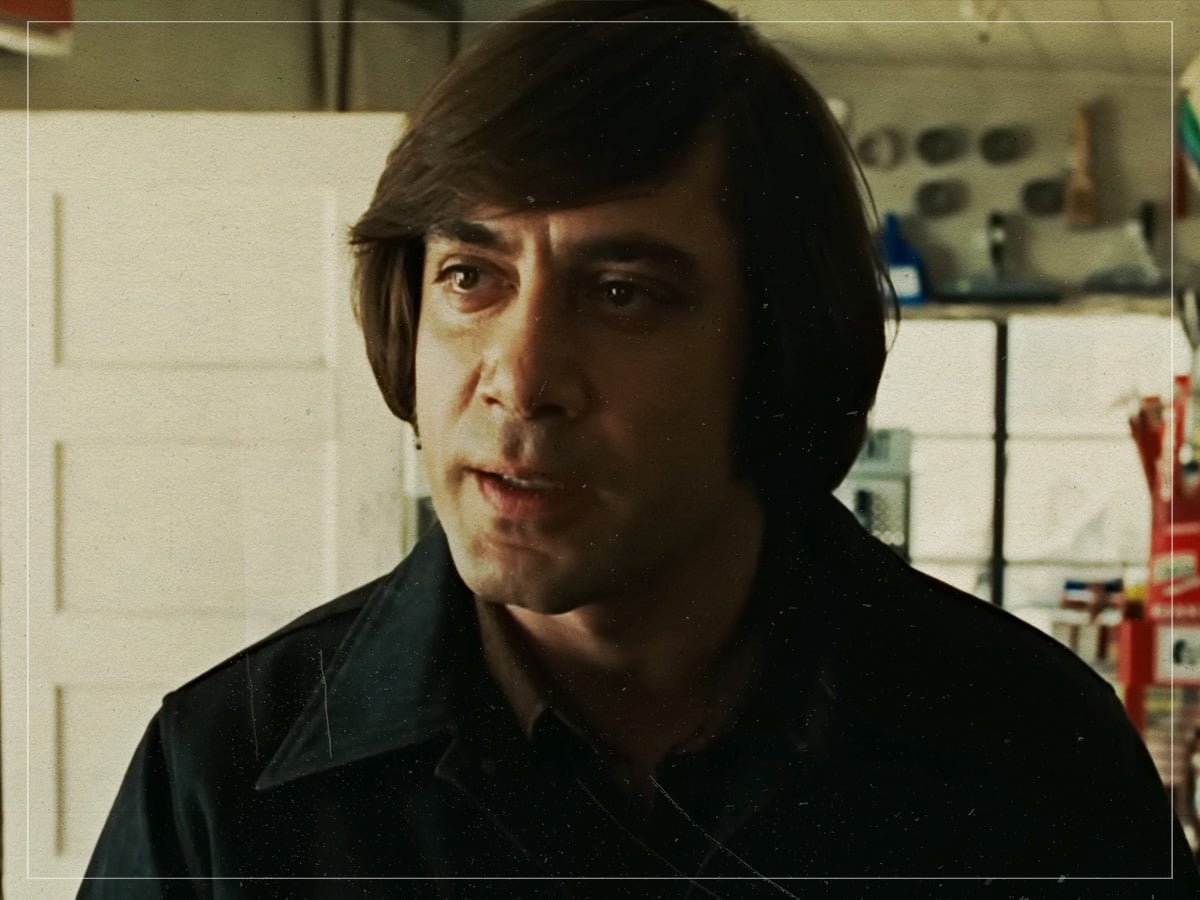
Ethan and Joel Coen finally earned the Academy Awards for ‘Best Picture’, ‘Best Director’, and ‘Best Adapted Screenplay’ for their masterpiece No Country For Old Men, but equally deserving of his victory was Javier Bardem, who took home the ‘Best Supporting Actor’ prize for his unforgettable performance as the psychopath Anton Chigurh.
Chigurh has one of the greatest introductions to any villain in screen history when he corners a clerk at a small store in West Texas and essentially threatens him based on the outcome of a coin toss. What’s scariest is that Bardem makes the character feel absolutely resolute in his dedication to chance; he’s not a character who can be rationalised with in any way, as those who hope to survive him must stake their chances on an outcome where the odds are always going to be 50-50.
Hannibal Lecter escapes – ‘The Silence of the Lambs’ (Jonathan Demme, 1991)
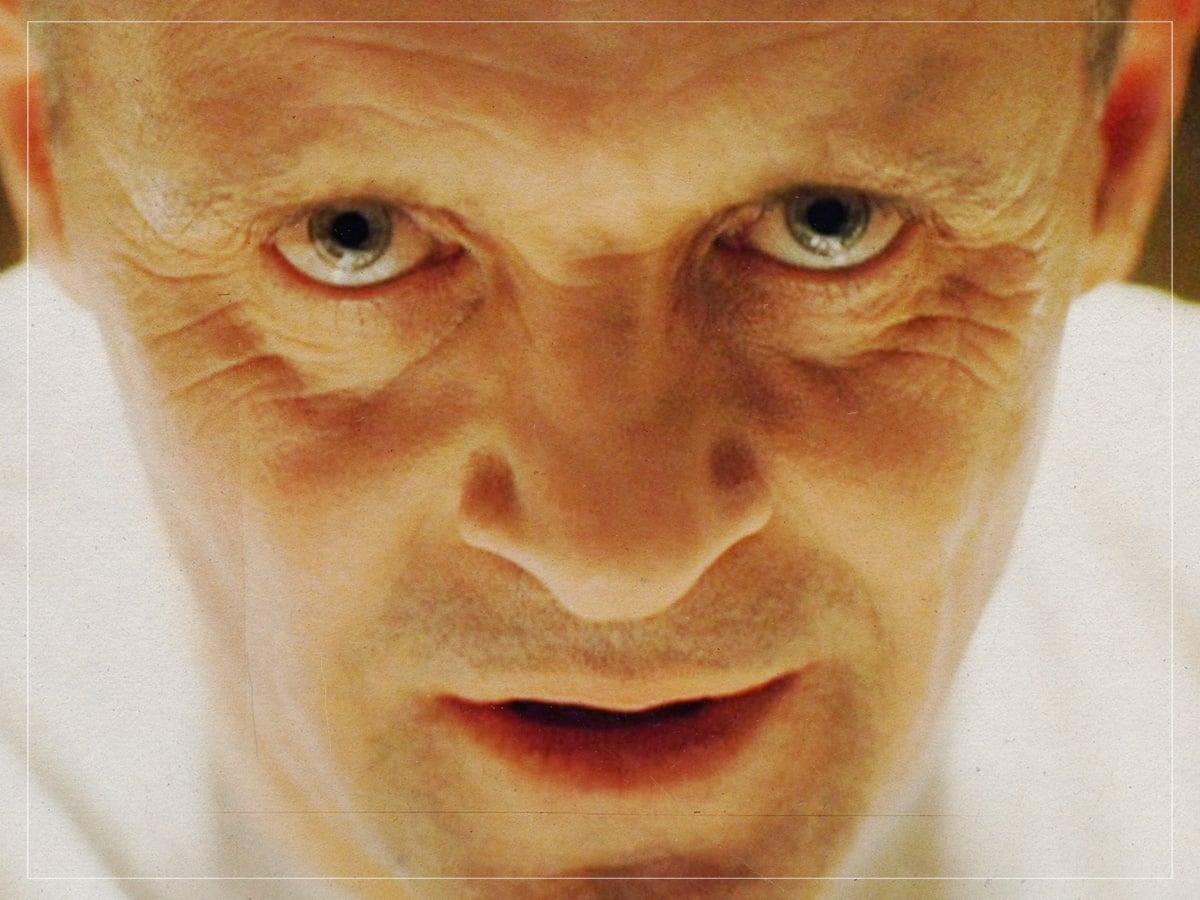
Anthony Hopkins was not the first actor to play Hannibal Lecter, as that honour went to Brian Cox and his performance in Michael Mann’s underrated 1986 thriller Manhunter, but he was a surprising casting choice to play the infamous serial killer in The Silence of the Lambs, which offered much more for Lecter when he made his escape from captivity.
It could certainly be argued that Buffalo Bill, played by Ted Levine, is the scariest character in The Silence of the Lambs because he has more screentime, but watching Lecter become familiar with his guards, only to lure them into a trap, makes it feel like he is the more intelligent and therefore more frightening villain. Director Jonathan Demme made the brilliant choice to keep the gore to a minimum, as it was much more anxiety-inducing for viewers to have the extent of it left to their imaginations.
The clown story – ‘Goodfellas’ (Martin Scorsese, 1990)

Martin Scorsese has made many masterpieces that exist in a wide variety of genres, but he is probably always going to be best known for his work in the gangster genre, wherein Goodfellas is his most beloved because it accurately depicted what it would be like to live with “made men”, and a scene in which Joe Pesci’s Tommy gets under the skin of Ray Liotta’s Henry Hill shows how quickly the tables can turn.
It’s for a prolonged moment that Tommy appears to be deeply offended by Henry referring to him as “funny”, and seemingly prepares to threaten him. Also, this is eventually revealed to be a joke that lets the tension out of the room, but Pesci is so convincing in emulating rage that everyone involved actually thought that his anger was real, and most impressive was the fact that he actually improvised the scene.
The shower murder – ‘Psycho’ (Alfred Hitchcock, 1960)
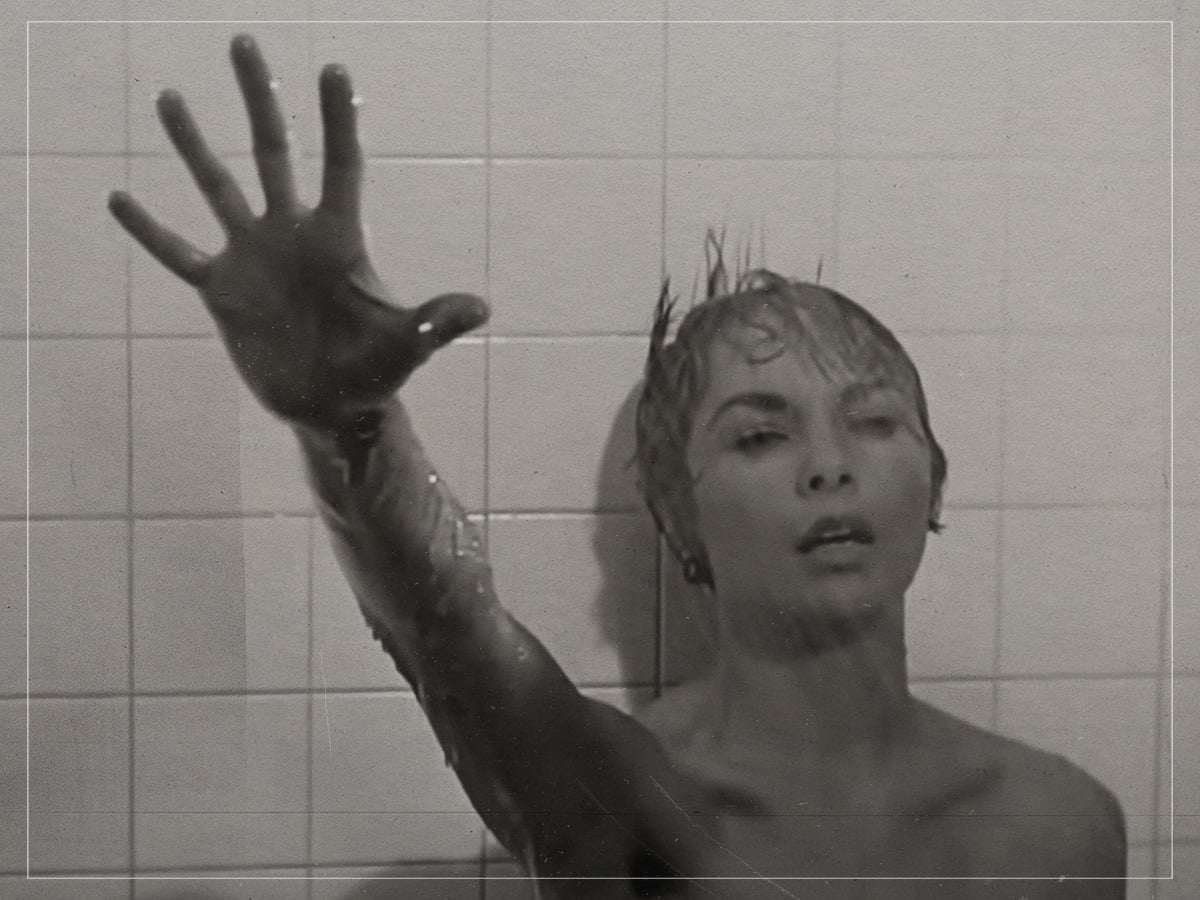
Psycho is among the most influential films ever made, and the now iconic ‘shower scene’ can’t be overstated for how anxiety-inducing it was when audiences discovered it back in 1960. Part of the suspense came from the experience of seeing it in the theatre, as Alfred Hitchcock had instilled strict rules for any cinemas that were showing the film that no audience members would be allowed to enter after the film began playing, and they were asked to not discuss the ending.
The shower scene marked a breakthrough because it introduced the idea of a seemingly ‘safe’ area being invaded, which essentially laid the groundwork for decades of slasher films. Although audiences at the time were sickened by how dread-inducing the scene was, Hitchcock’s brilliant editing techniques ensured that viewers thought that they were seeing far more violence than they actually were.
The fireworks scene – ‘Blow Out’ (Brian De Palma, 1981)
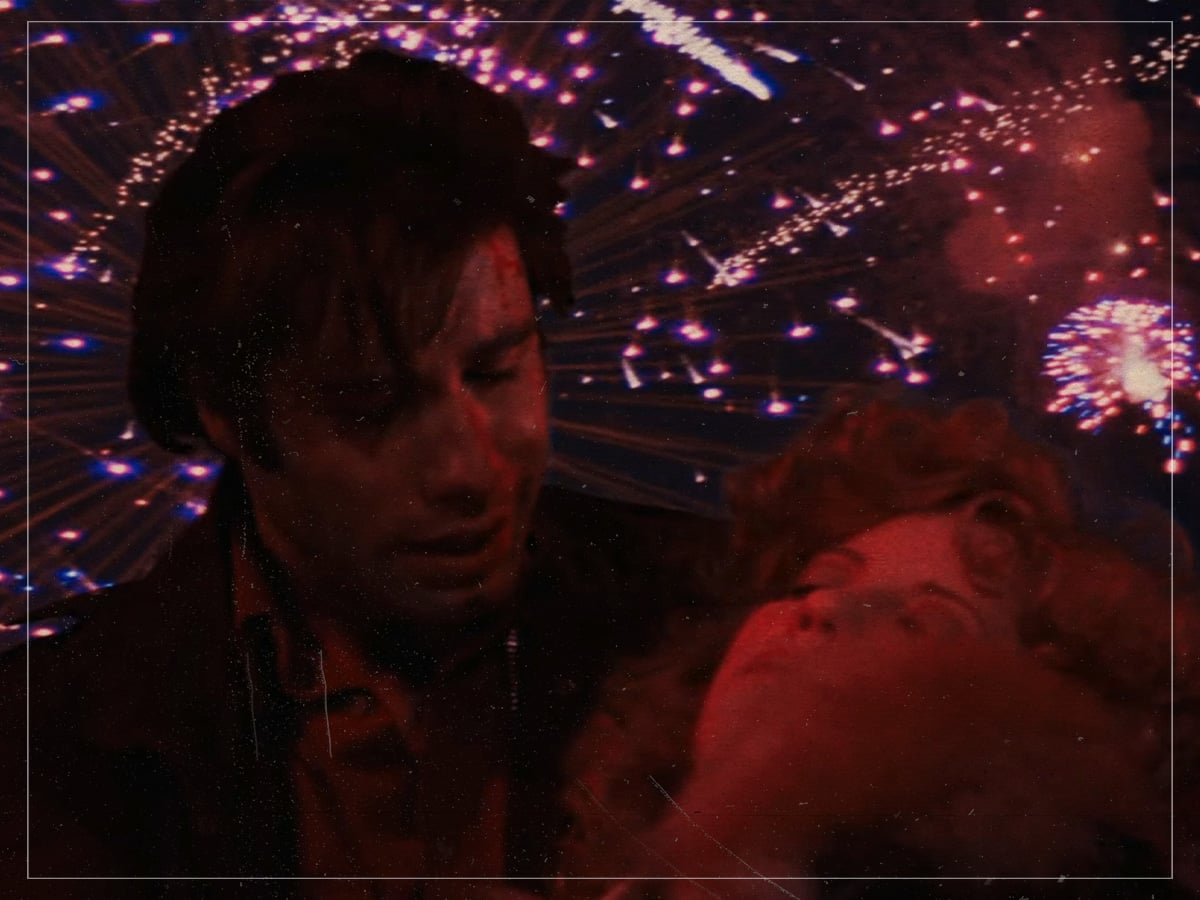
Brian De Palma is often celebrated by other directors as being a contemporary version of Hitchcock, as he used the same tools of suspense, albeit with much more graphic sex and violence. Blow Out is De Palma’s masterpiece because it crystallised the political paranoia that began during the early stages of the Ronald Reagan administration, and was told from the perspective of a movie buff whose obsession with editing exposed him to a dark secret.
It’s during the beautiful final scene that John Travolta’s Jack Terry is desperately trying to save Sally Bedina, played by Nancy Allen, only to come up short and have her die in his arms as fireworks explode in the background. The slow-motion and melodrama of the scene is so successful in suggesting a hopeful ending that the dark twist comes as an ever greater shock.
The maze chase – ‘The Shining’ (Stanley Kubrick, 1980)

Stanley Kubrick continues to baffle and entice cinephiles because of the many hidden secrets that he masked within The Shining, an adaptation of the Stephen King novel of the same name that completely became its own work because of how much it changed the text. While King had imagined Jack Torrance as a flawed man wrestling with his dark side, Kubrick, with the help of Jack Nicholson, depicted him as a fundamentally corrupt person who slowly gives into his evil urges, leading to a terrifying sequence in which he chases his child through a maze in the snow.
It’s after the prolonged build-up that The Shining shows that Jack is beyond reason, and will not be stopped until he is literally frozen to death, with the film capturing a very primal feeling of what a child feels when they’re afraid of their parents.
The car crash – ‘Hereditary’ (Ari Aster, 2018)
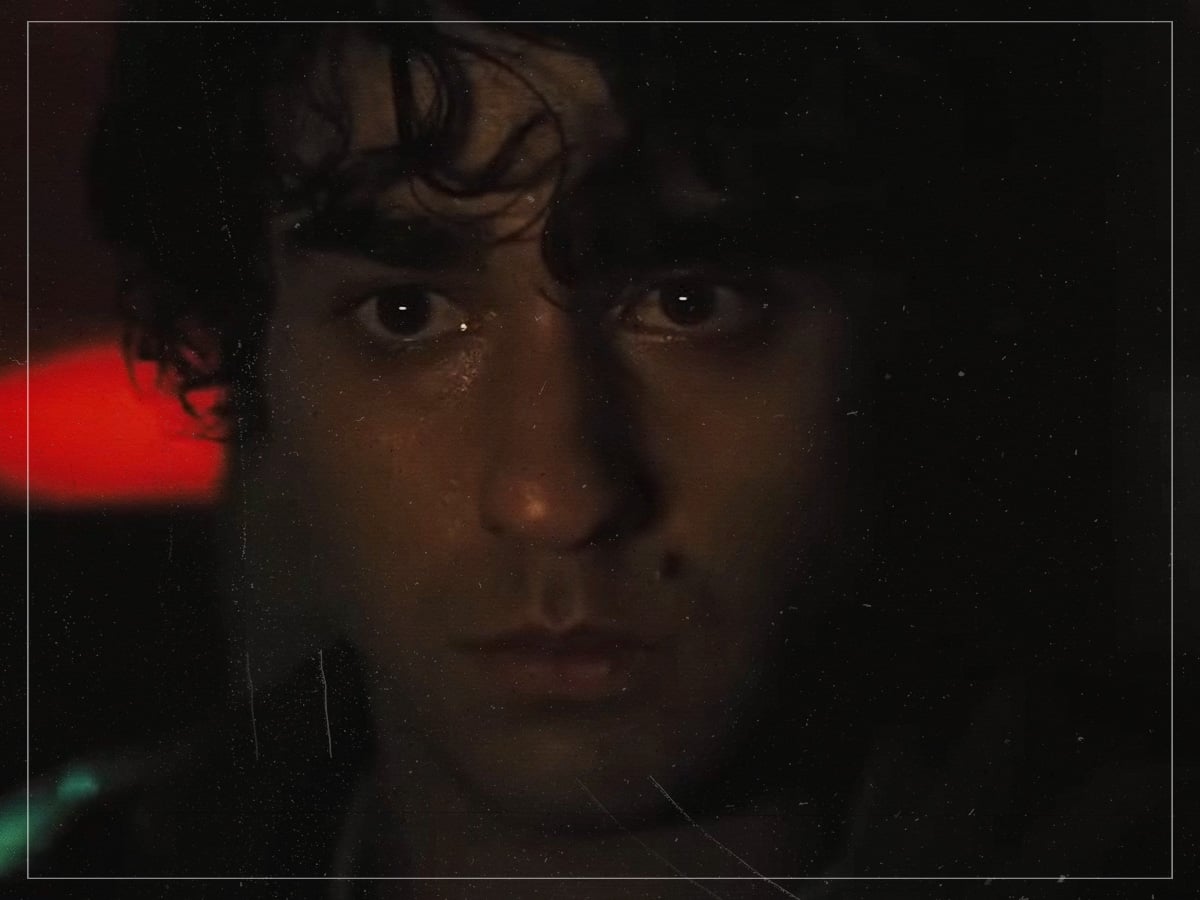
Ari Aster is a divisive director, but he undeniably makes films that spark a reaction from people, and although there is a supernatural component to Hereditary, there is no scene in the film more anxiety-inducing than when Peter Graham, played by Alex Wolff, while high on drugs, drives home his sister Charlie, played by Molly Shapiro, after she has an allergic reaction, only for her to stick her head out the window and get decapitated by a telephone poll.
The horrific shot of Charlie’s head, Peter’s stunned and silent reaction, and the wailing of their mother Annie, played by Toni Collette, is among the most difficult to endure, as it opens up a plethora of anxieties about guilt, loss, and shame, and the deafening sounds and haunting images that Aster conjures simply cannot be erased.
