


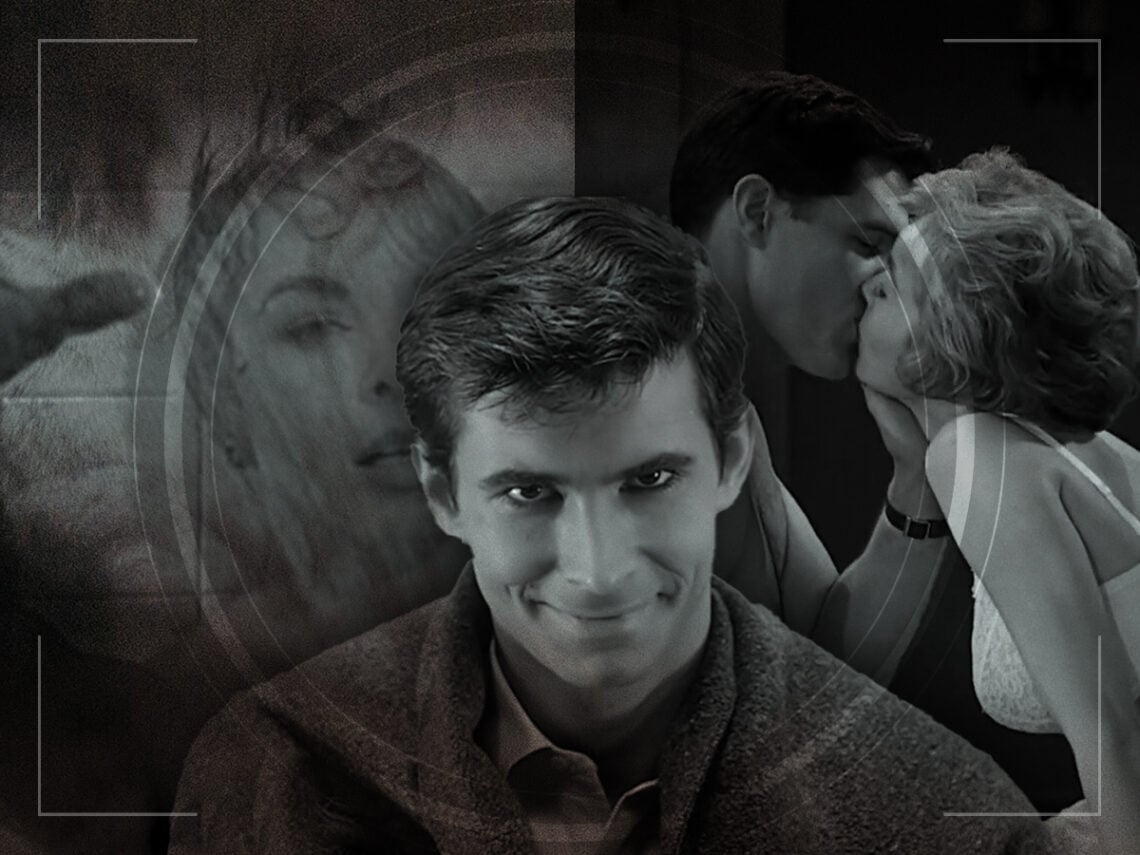
Five iconic ‘Psycho’ moments that influenced cinema

For over six decades, Psycho, a movie which frightened audiences as it arrived in 1960, has continued to influence cinema and storytelling thanks to its plethora of iconic moments.
What must it have been like to be an audience member in one of those early showings of Psycho? To have been on the edge of your seat, biting your nails, hiding behind popcorn, all in a bid to try and get through a new form of horror that was completely unique in its terror. From showers to screams to violins, this was a film that people left knowing they wouldn’t experience anything like it again.
Alfred Hitchcock is a director you frequently consider as someone who has changed the way that we view cinema; however, Psycho is his film that we see remnants of in modern movie making the most. His use of sound, gore and subversion are all fundamental pillars that keep a great picture upright in the modern age.
The fact that different elements of Psycho continue to persistently impact pictures 65 years after its release is truly a testament to the movie’s majesty. Here are five of the most iconic moments within the film that continue to influence cinema.
Five ‘Psycho’ moments that continue to influence cinema
The shower sequence

How do you even begin with this scene and its subsequent influence, not only on cinema, but on storytelling in general. If you haven’t seen it, the movie’s lead, played by Janet Leigh, hops into the shower and is interrupted by a shadowy figure who stabs her to death. Her blood-curdling scream, the gruesome shot of her blood circling down the drain, all of it combines to create something iconic.
However, one of the main ways that this shot influenced cinema moving forward was how it showed people the power of subversion. Movie-goers had been led to believe that Janet Leigh is the lead in the film, but she was killed off in the first third. The whole concept of the film had changed, and suddenly every character was untrustworthy. This is a masterclass in storytelling, and it was only the beginning.
The use of graphic violence

While we might watch Psycho now and think the violence is relatively tame by modern standards, when it was released, the use of blood and gore was pretty unprecedented. It plays back into the power of subversion that was mentioned earlier. The audience had been with Janet Leigh’s character for some time at this point, and so to watch her suddenly be brutally murdered, blood spills and all, was harrowing.
Film writer David Thomson once described the brutality of the scene as “Legitimately among the most violent scenes ever shot for an American film,” and you have to admit, he certainly has a point, especially when you look at the scene in context of the time it was shot. This use of gore was very intentional, so much so that Psycho was shot on black and white film so Hitchcock could get away with the use of blood spatter. He knew a colour film with red blood spatter would never work.
Those damn violins

It’s always been argued that music is one of the main aspects of any horror film, with some viewers asserting that it is the defining factor that makes a movie terrifying. You could certainly argue this (I, for one, have frequently pointed out that if you put a different score over The Truman Show, it would be terrifying). Arguably, one of the first pictures to showcase music’s ability to instil fear was Psycho.
Those damn violins, the single hits, screeches of bow over string, all were enough to leave audiences aghast on the edge of their seats. The way that that soundtrack managed to sound familiar, and tell the audience that something horrible was about to happen, has continued to influence cinema since. Simply put, you wouldn’t have iconic soundtracks in cinema without Psycho.
Sexual explicitness

So much of how much Psycho influenced cinema lies in how much it pushed the boundaries of cinema. There were things shown in Psycho that hadn’t been shown in a mainstream picture before, and we saw that wholeheartedly with the opening shot and throughout the cinema. When Hitchcock opens on Leigh and John Gavin in the moments after being intimate, he is testing to see what he can get away with, and he continues to use sexual explicitness throughout the picture to highlight different moments.
Pairing these moments that were new for cinema, along with the overriding darkness of the film, gave way to something that was completely unique for audiences, something that compared humour, shocks and violence. It was unique at the time, but you see it frequently these days in the works of people like Quentin Tarantino.
Playing with empathy

One of the strangest moments in the film comes after Janet Leigh’s murder. Norman Bates is trying to cover up for what we assume at the time is his mother’s hideous crime. In doing so, he pushes Leigh’s car into a swamp, and it begins sinking. It pauses for a moment, and you have that strange inkling as a viewer, where you want it to keep sinking, all so that Bates doesn’t get caught.
This is the beauty of Psycho. It’s not just a horror which gives the viewer good and evil, it gives you a villain in the form of Norman Bates, an awkward character who is attempting to keep his motel running, care for his abusive mother and generally get on with his life. Despite the fact that he is in the wrong, the viewer has sympathy for him. It’s that exploitation of empathy which makes the twist so much more shocking, as you feel betrayed as someone who tried to see the better side of Bates.
