


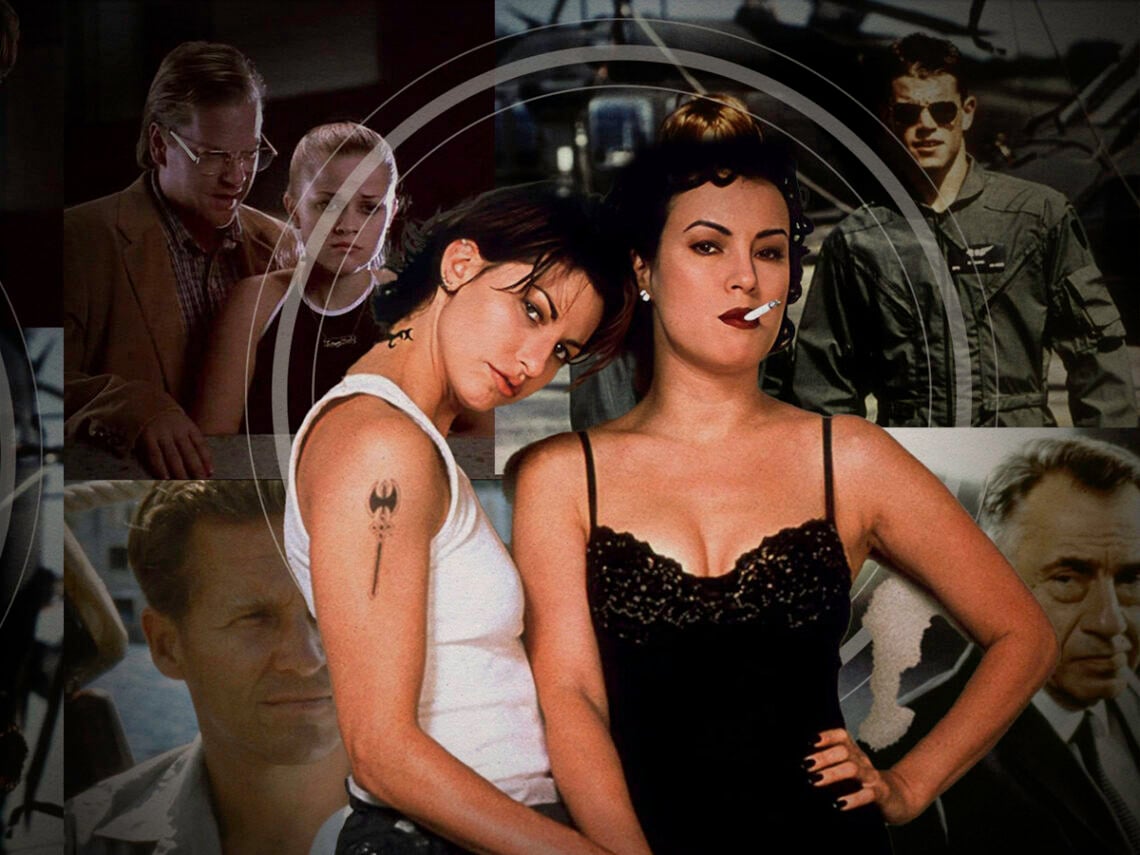
The 10 best thrillers from 1996 that you’ve never seen

The ‘thriller‘ might be the most all-consuming description of what a genre can be, given that it encapsulates many different qualities.
There is an ongoing debate as to what differentiates a horror film from a thriller, as many can seemingly be both; at the same time, there are a number of massive action blockbusters that have the intensity required to be considered a thriller. While thrillers frequently have the type of hook that would make them easy to produce and generally profitable, contemporary Hollywood hasn’t done its part to ensure that these films are still on the big screen. More often, mid-budget thrillers are released on streaming services or turned into shows, and what was once the most reliable of genres has somehow become a commodity.
1996 was certainly an important year for thrillers, even if some of its best films only fit specific interpretations of the genre. Mission: Impossible became an action franchise, but the first instalment in the series from director Brian De Palma is a much more scaled-back thriller, and doesn’t contain a fraction of the spectacle of its sequels.
Primal Fear was a psychological thriller that actually managed to get awards attention for Edward Norton, and there are elements of Scream that pay tribute to classic noir mysteries, even if it is generally a horror franchise. Nonetheless, there are more than a few hidden gems that have been lost to time but deserve to be recognised as being great works of commercial entertainment.
The 10 best thrillers from 1996 that you might have missed
‘Lone Star’ (John Sayles)
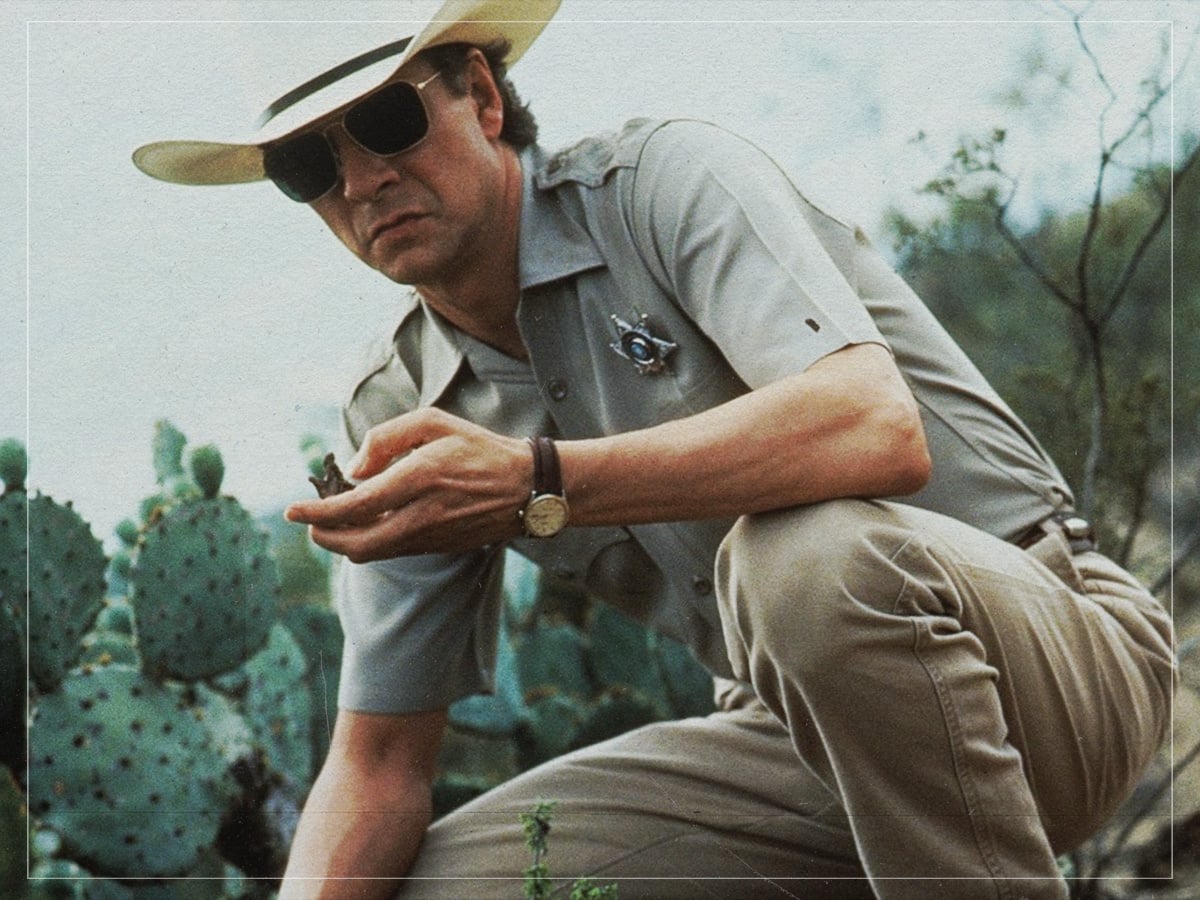
Matthew McConaughey has rarely been better cast than he was in Lone Star, the revisionist western from John Sayles in which he plays a sheriff whose memory is held on to by his grown son, played by Chris Cooper, who attempts to determine a legacy of his own. Although McConaughey also appeared in the Joel Schumacher film A Time to Kill in the same year, Lone Star featured a more subtle performance that best showed his ability to transform into a completely different character.
Sayles is a deeply humanistic filmmaker who inverted western archetypes and wove a tragic family secret into a puzzling mystery for a literate film that makes some bold choices, particularly with regards to a major plot twist towards the end, but it deserves to be considered for the thoughtful mysteries, methodical dialogue, and totality of emotion expressed.
‘Bound’ (Lily and Lana Wachowski)
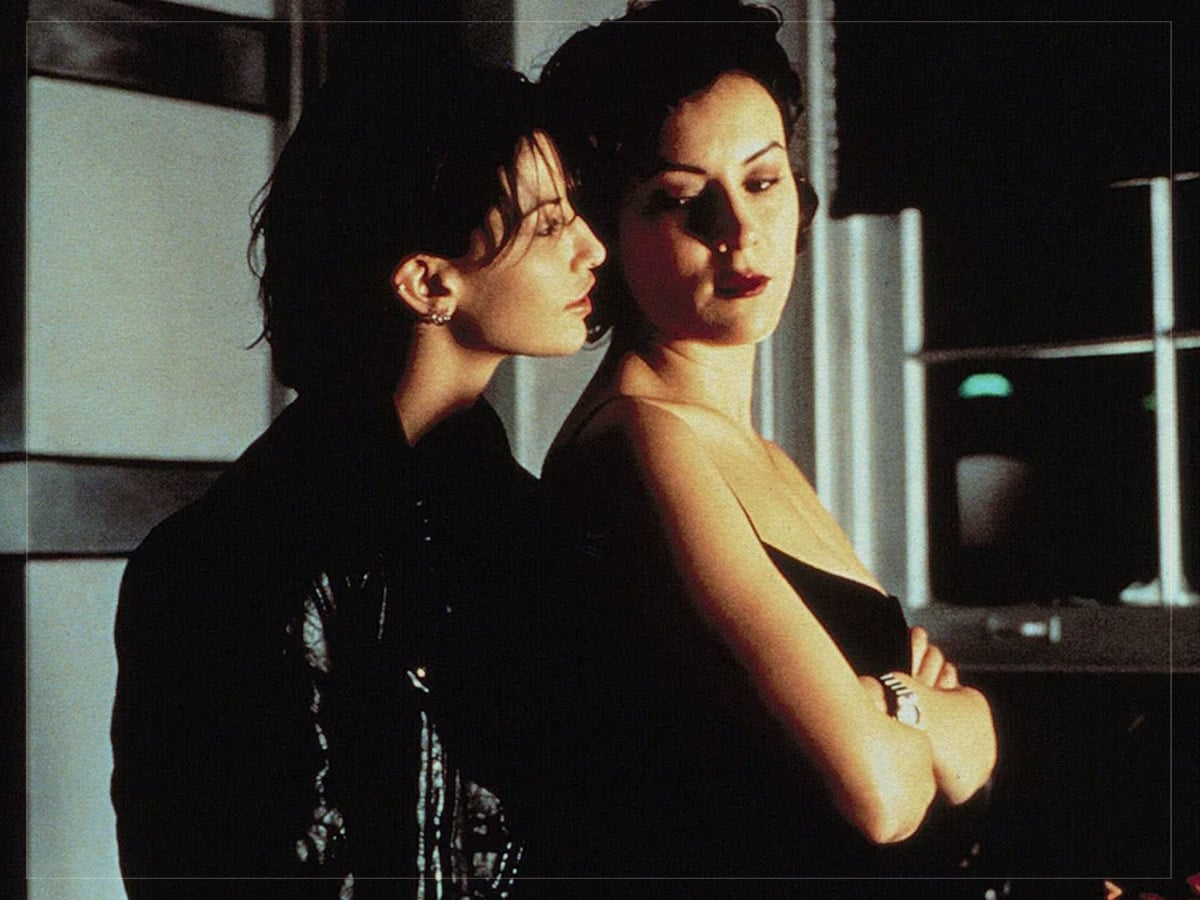
The Wachowskis had to prove themselves before they could get the resources needed to make The Matrix, and Bound is a stunning directorial debut that does a tremendous amount on a small scale. It’s multiple types of thrillers woven into one, as there are aspects of Hitchcockian suspense, erotic intrigue, gangster drama, and even visceral horror in the fact that the confined film that takes place in a single apartment.
Bound does include many of the stylistic techniques that the Wachowskis would go on to use for The Matrix, but it feels like more than just a dry run for their future success because of the bracing manner in which it inverts clichés. When considering how the Wachowskis have corrupted their legacies with a series of high-profile, big-budget flops, they would do themselves a favour if they made something small-scale like Bound again.
‘Sleepers’ (Barry Levinson)
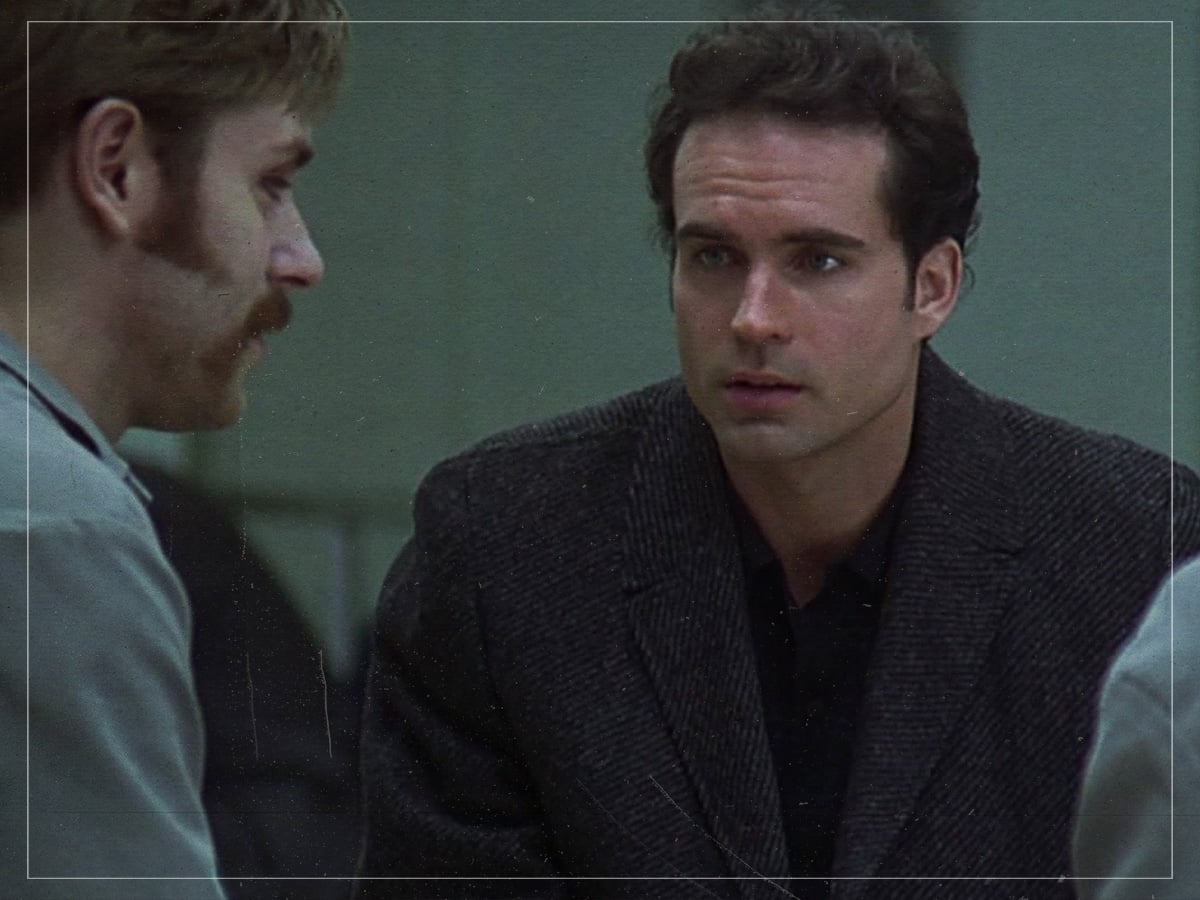
Barry Levinson has directed such a wide variety of films that it’s hard to pinpoint what his singular aesthetic was, but he has certainly commanded the respect of many great actors. There’s no other way to explain the incredible ensemble of Sleepers, which involved four former classmates who survived abuse at a juvenile detention centre when they were youths, played by Jason Patric, Brad Pitt, Ron Elard, and Billy Crudup.
Robert De Niro appears as a priest who becomes their mentor, Dustin Hoffman plays an alcoholic defence attorney who helps represent their case, and Kevin Bacon gives one of his scariest performances ever as a brutal guard at the detention centre. In light of the more nuanced conversations held about the prison-industrial complex, Sleepers is a more relevant film than ever before that sympathises with the victims.
‘Freeway’ (Matthew Bright)

Reese Witherspoon got the opportunity to demolish her reputation as a precocious child star when she appeared in Freeway as a drifting teenager who is taken to court after she attacks a serial killer, played by Kiefer Sutherland, who attempts to lure her into danger. While Witherspoon has become more well-known today for her business empire and sponsorships, it’s easy to forget that she was once considered to be one of the most versatile, exciting stars of her generation.
Freeway was released amidst a sea of serial killer films that followed the success of The Silence of the Lambs and Se7en, but its black comedy and unique structure made it stand out. The flipping of perspectives makes for an interesting role-reversal, and Matthew Bright is certainly a filmmaker who hasn’t been appreciated enough for his ability to navigate between vastly different tones.
‘City Hall’ (Harold Becker)
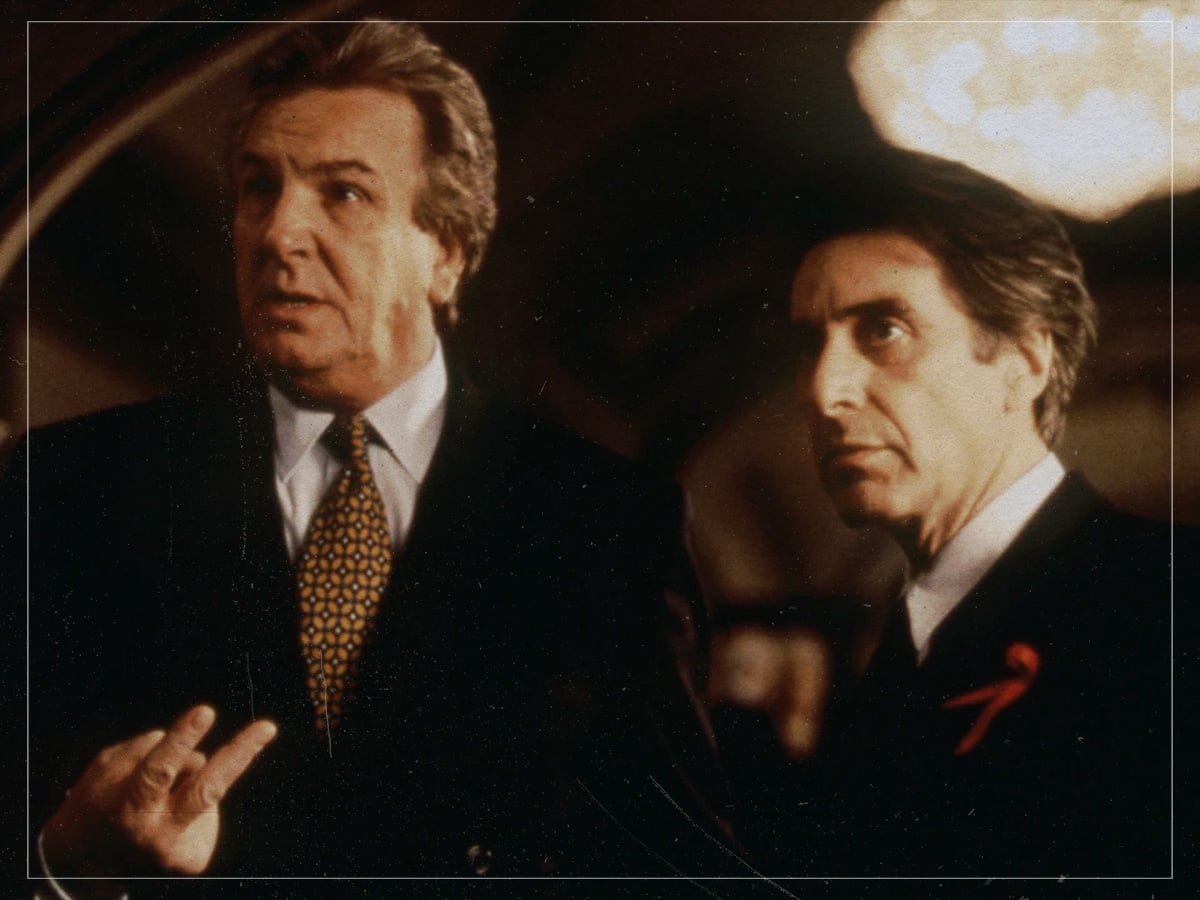
A Paul Schrader script is usually the basis of a great film, even if it’s not directed by Martin Scorsese, like City Hall, which was directed by Harold Becker, and stars John Cusack as an idealistic member of the New York government who begins to consider the complications of his position when he discovers a trail of corruption that leads back to the mayor, played by Al Pacino.
Schrader’s ability to examine morality through the lens of civil duty makes for a compelling watch, and Cusack was at the perfect point in his career where he could play snarky, yet effortlessly noble characters. While the end of the ‘90s saw Pacino moving further away from his roots and giving increasingly over-the-top performances, City Hall gave him a respectable role that allowed him to play a complex leader forced to confront the consequences of his actions.
‘Chain Reaction’ (Andrew Davis)
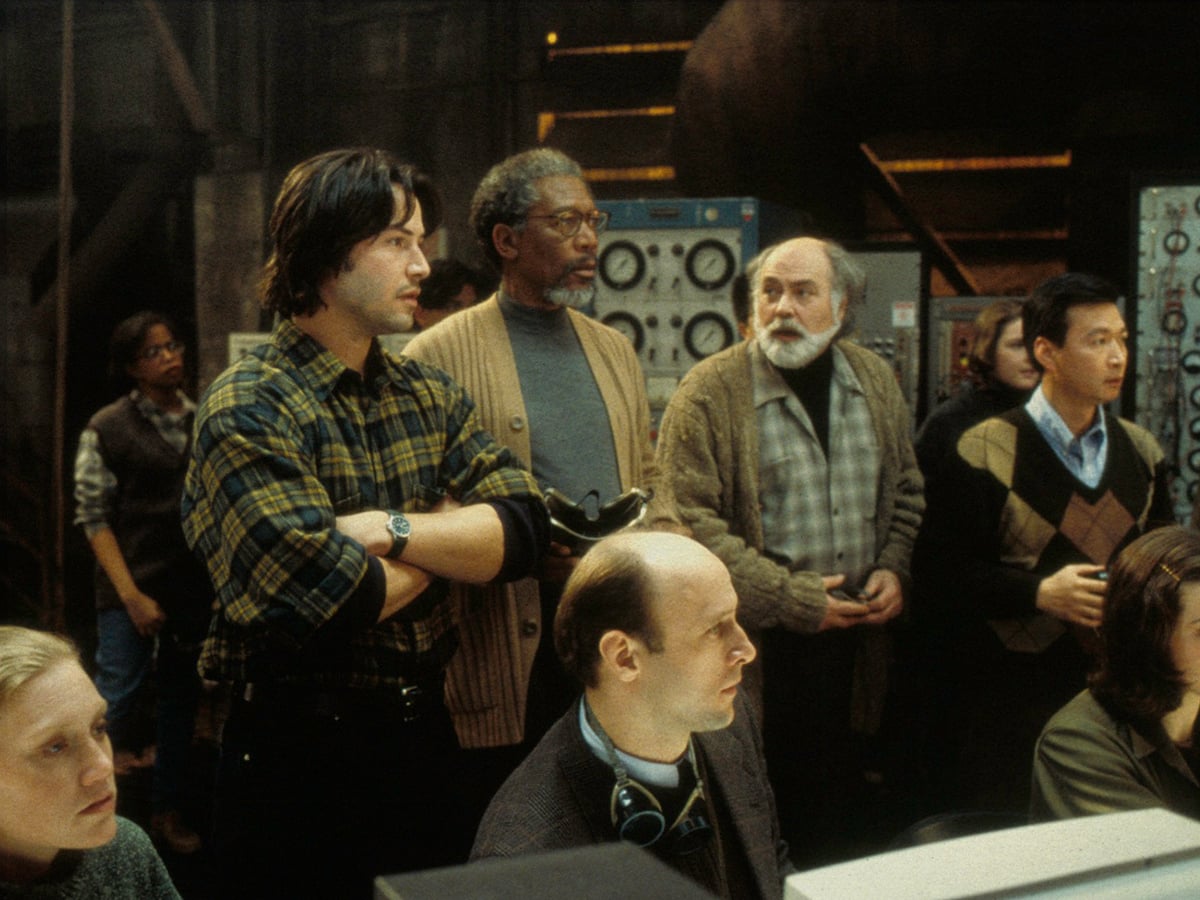
Andrew Davis isn’t necessarily a household name, but he should be; he’s a filmmaker who has made standout vehicles for many action stars, including Under Siege for Steven Seagal, Code of Silence for Chuck Norris, The Guardian for Kevin Costner, and The Fugitive for Harrison Ford, so it only made sense that he would collaborate with Keanu Reeves. Chain Reaction mixes goofy science with a sense of momentum, given that the entire film is basically one long chase.
While it’s not necessarily a film that takes itself tremendously seriously, Rachel Weisz and Morgan Freeman add an aura of legitimacy that is only strengthened by Davis’ craftsmanship. Chain Reaction is the type of escapist popcorn entertainment that is just a little bit smarter than it needs to be, and Reeves’ charisma is so undeniable that even the sillier elements of the film can be forgiven.
‘White Squall’ (Ridley Scott)
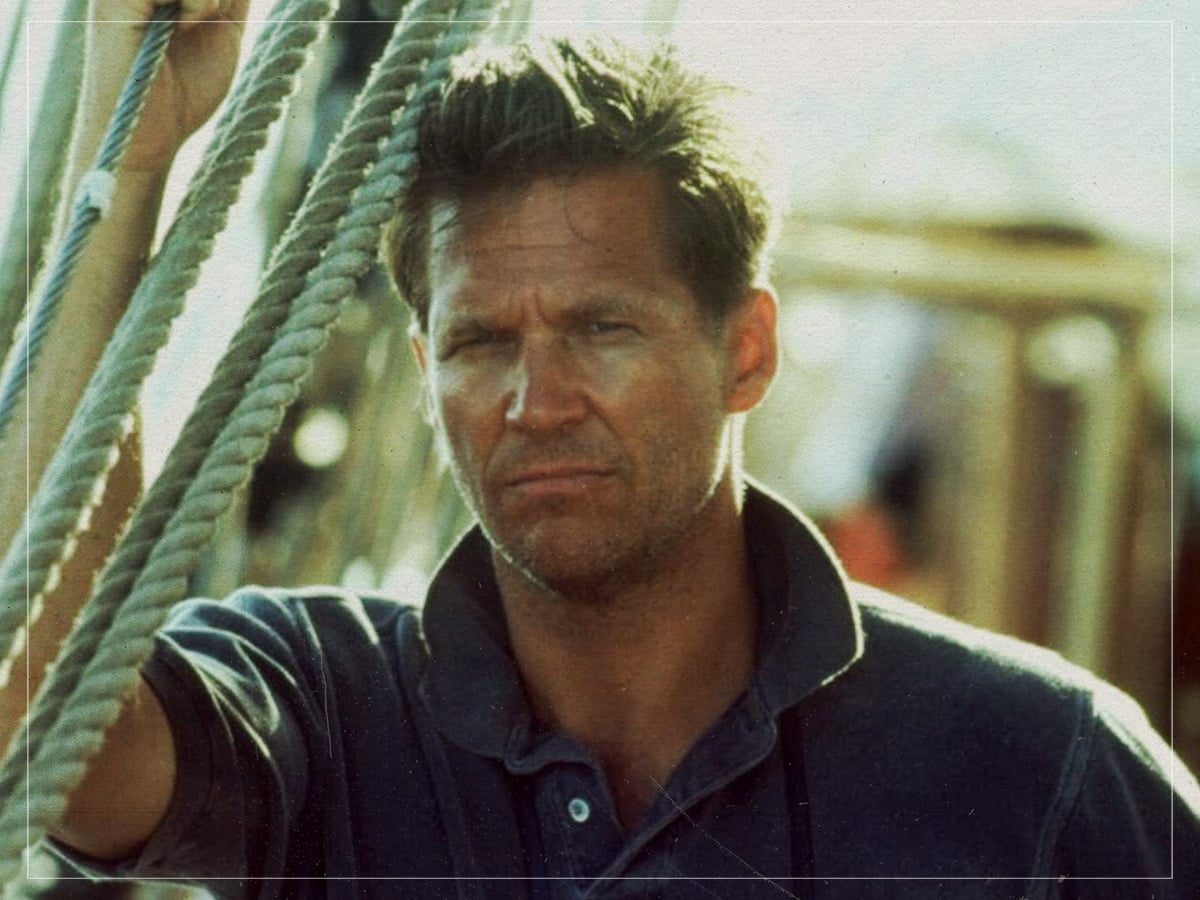
White Squall was Ridley Scott‘s second shot at making a maritime thriller after the failure of 1492: Conquest of Paradise, starring Jeff Bridges as the captain of a brigantine vessel manned by college-bound teenagers who are part of an educational voyage that travels around the globe, and while it begins as a coming-of-age drama about boys from different backgrounds developing character by accepting the responsibilities of being part of a crew, White Squall transforms into a gripping thriller once the weather conditions become hazardous.
Scott empathises with the younger characters, showing how their faults and weaknesses are ironed out as they develop into a team and show true courage. Scott has so many high-profile successes within his career that White Squall isn’t always mentioned as being one of his best, but it should be.
‘The Late Shift’ (Betty Thomas)
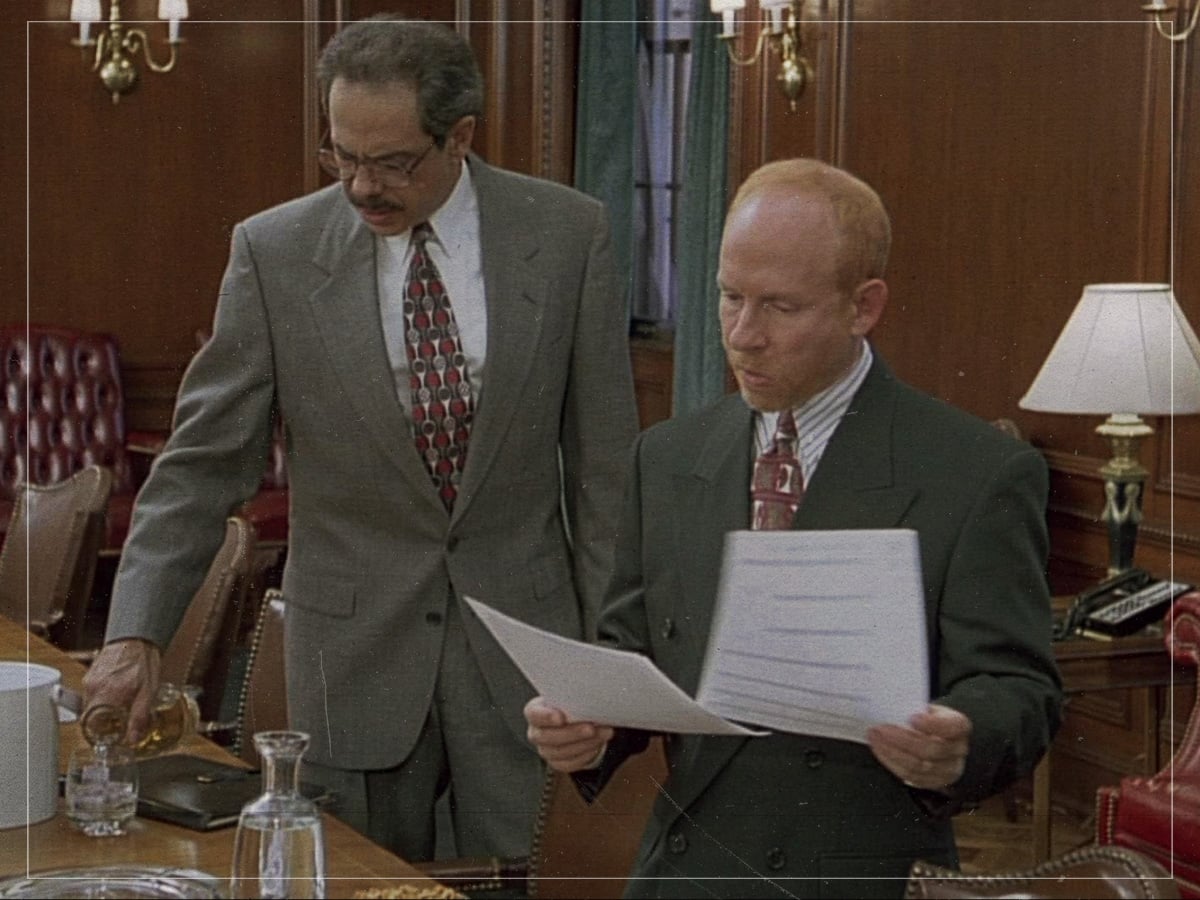
HBO wasn’t just developing groundbreaking television shows in the ‘90s, as it also began making television films based on true stories that featured alarmingly strong production values for non-theatrical releases. The Late Shift struck when the iron was hot, as it tackled the then-recent controversy in which Jay Leno, played by Daniel Roebuck, was given the position as new host of The Tonight Show, in what was perceived to be a snub of David Letterman, played by John Michael Higgins, by NBC.
It’s surprisingly not a hokey recreation, as The Late Shift unpacked the cultural power of late night at a time when it could not feel more relevant, and it’s almost surprising that there was not a sequel that tackled the conflict between Leno and Conan O’Brien over The Tonight Show controversy of 2010.
‘Hard Eight’ (Paul Thomas Anderson)
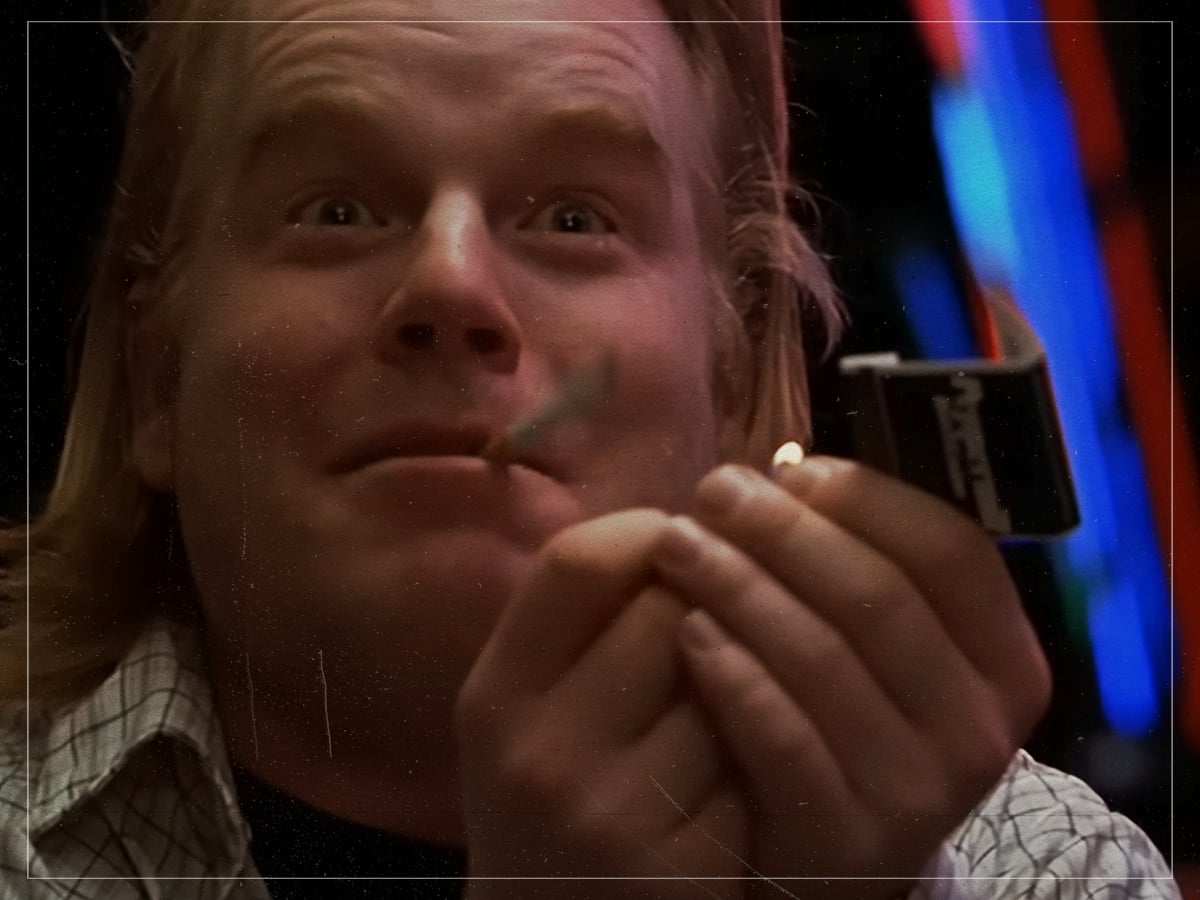
Paul Thomas Anderson made his directorial debut with Hard Eight (called Sydney in some territories) for less than £10,000, kick-starting his career as one of the greatest filmmakers of the last century. Anderson tells an intimate story about a veteran gambler, played by Philip Baker Hall, who takes a grieving young man, played by John C Reilly, under his wing as they travel to Las Vegas, where they encounter various seedy characters.
Hard Eight is an electrifying look at the obsessive nature of gambling, and features intense supporting performances from Samuel L Jackson and Philip Seymour Hoffman as shady players within the Vegas underworld. While it obviously didn’t get the attention that Anderson’s later work did, those who loved One Battle After Another (which is pretty much everyone) owe it to themselves to check out the film that announced him as a major talent.
‘Courage Under Fire’ (Edward Zwick)
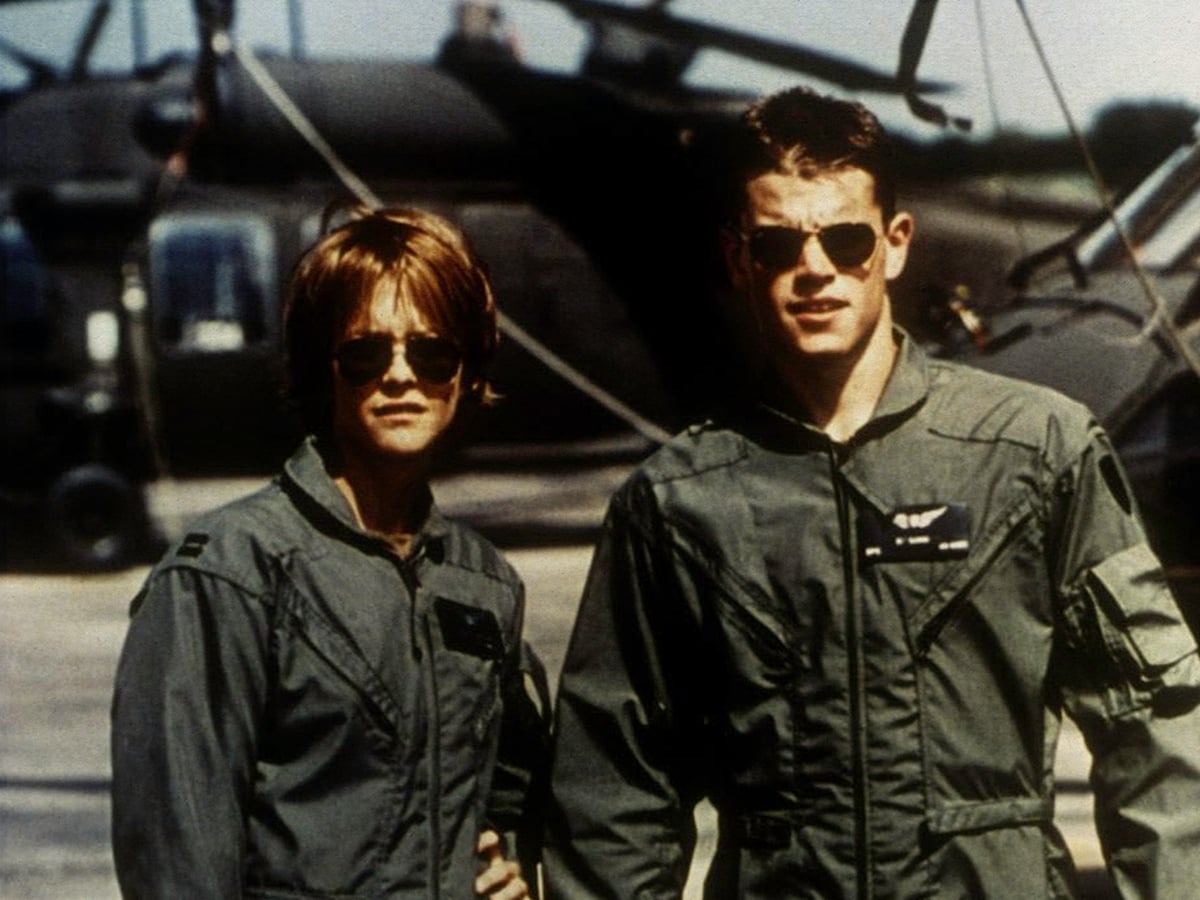
Denzel Washington made so many great films in the ‘90s that Courage Under Fire tends to get overlooked, even though it is a great mystery thriller with one of his most underrated performances. Washington plays a Lieutenant Colonel in the United States Army who is tasked with determining if a slain Captain, played by Meg Ryan. should become the first woman to be awarded the Medal of Honour, a task that becomes more contentious when the details of her death are revealed. It was a reunion between Washington and Edward Zwick, who had previously made Glory together.
Courage Under Fire is yet another reminder that no one can play figures of authority with the dignity and professionalism of Washington, but it also features a breakthrough performance from Matt Damon as a young soldier suffering from extreme post-traumatic stress disorder and feelings of guilt.
