


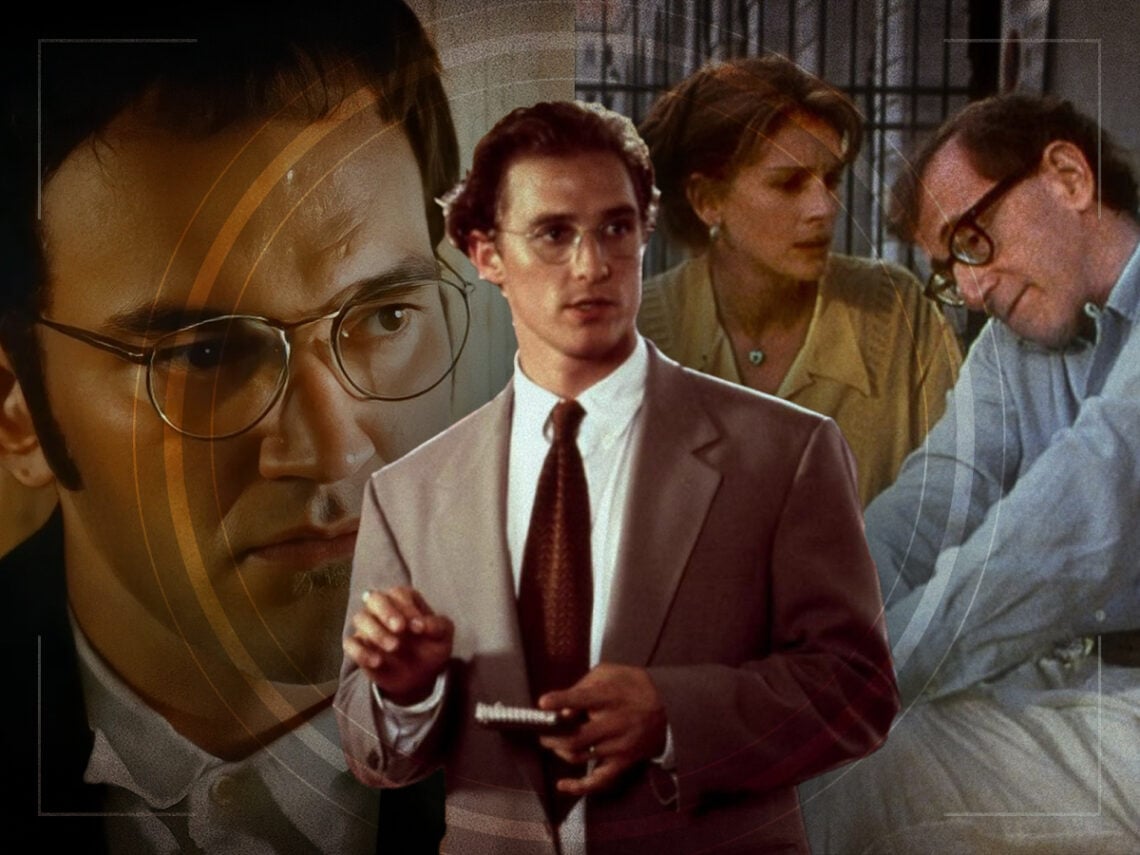
10 iconic movie characters from 1996 who could never exist today

1996 is a year that unambiguously changed film history, especially in the types of characters that would become prominent in the next several decades.
Fargo introduced an all-time cinematic hero in Frances McDormand’s Marge Gunderson, Scream redefined the final girl, thanks to Neve Campbell’s Sidney Prescott, The English Patient identified the archetypes of a classic sweeping epic romance, Trainspotting offered an astute observation about Generation X and their rebellious nature, and even Independence Day became the highest-grossing film of the year, with a motley ensemble of actors, including Will Smith, Jeff Goldblum, Bill Pullman, Judd Hirsch, and Randy Quaid.
The biggest difference between the films of 1996 and those seen today is that the movie stars, and thus the characters that they play, are less important than the properties that they are attached to, with actors having less sway in terms of getting audiences to see films. There have been plenty of box office bombs led by many stars of ’96 in recent years, such as George Clooney, Brad Pitt, Robert De Niro, Cameron Diaz, and Julia Roberts. A compelling character or performance used to be enough to generate enthusiasm, or at least interest, but the pendulum has swung back so that its studios, corporations, and financiers have the power.
Since films are marketed, made, and distributed in radically different ways today than they were 30 years ago, there are many notable characters from 1996 that never would have made it to the screen in the contemporary landscape.
10 iconic movie characters who couldn’t exist today:
Richard Gecko in ‘From Dusk Till Dawn’ (Robert Rodriguez, 1996)
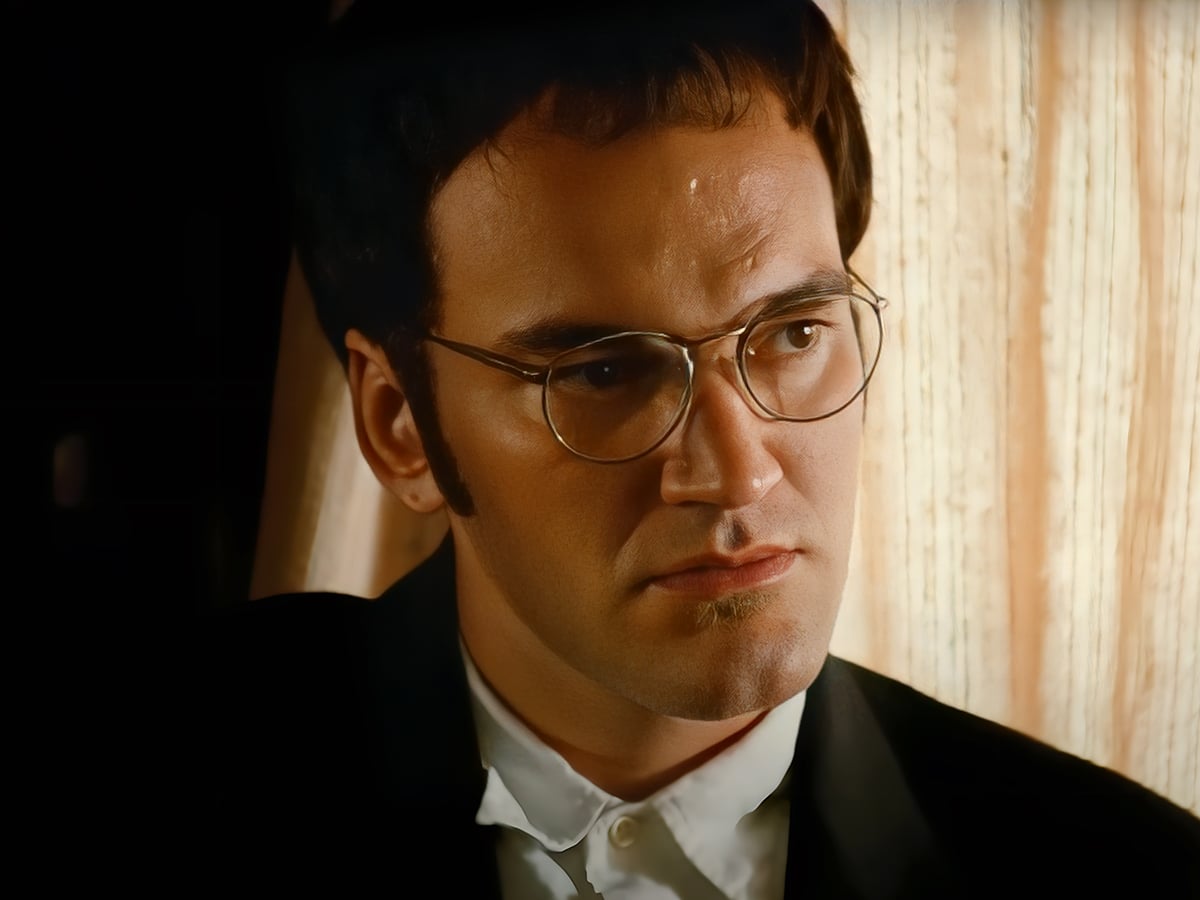
Quentin Tarantino is famously a great writer/director who has fancied himself to be an actor, despite the fact that his performances have always been lacking. He will often have smaller roles in films that he has directed or were made by one of his friends, but Robert Rodriguez actually gave him a substantial part in From Dusk Till Dawn as Richard Gecko, a criminal who travels with his brother Seth, played by George Clooney, to Mexico.
While Seth is a bad guy who seems to have some sort of conscience, Richard is an absolute sociopath who has all sorts of disgusting behaviour and commits a violent act of murder. Contemporary audiences have been less willing to understand that depiction does not equal endorsement, and it’s hard to imagine anyone greenlighting such a sickening character as a co-lead in a studio genre film.
Agador in ‘The Birdcage’ (Mike Nichols, 1996)
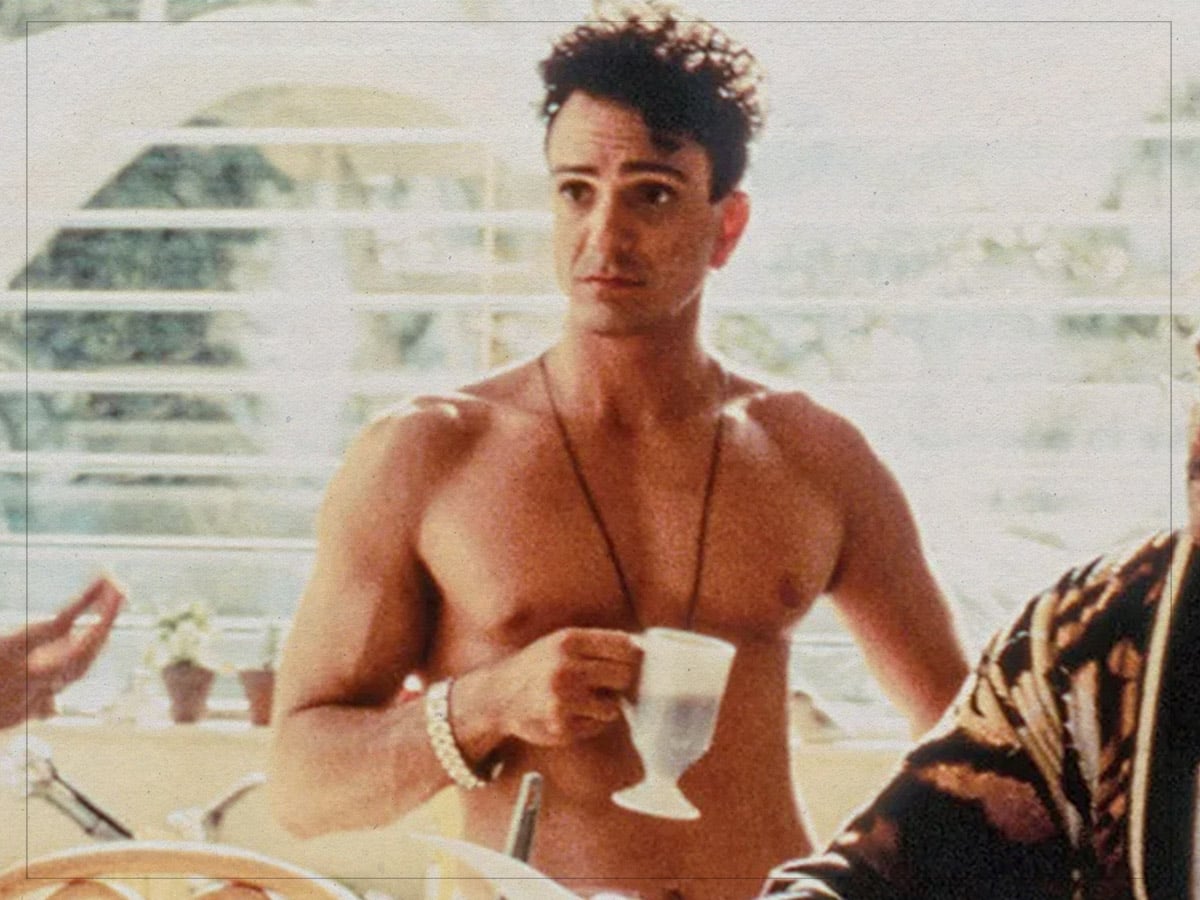
Hank Azaria is a legendary actor and comedian who is best known for his work on The Simpsons, where he played many of the show’s most iconic characters. However, the show had come under fire for instances in which he voiced non-white characters, namely Apu, on the grounds that it was cultural appropriation. Nevertheless, he also got a chance to show his face onscreen and un-animated when he landed a major acting role in Mike Nichols’ 1996 film as Agador, the eccentric gay butler who works for the couple played by Robin Williams and Nathan Lane.
As funny as Azaria is in the film, it’s likely that the character would have been deemed offensive and would have never made it to the screen. The Birdcage is actually a fairly progressive film that has held up better than some might assume, but it certainly would never be made by a studio today.
Kit Walker in ‘The Phantom’ (Simon Wincer, 1996)
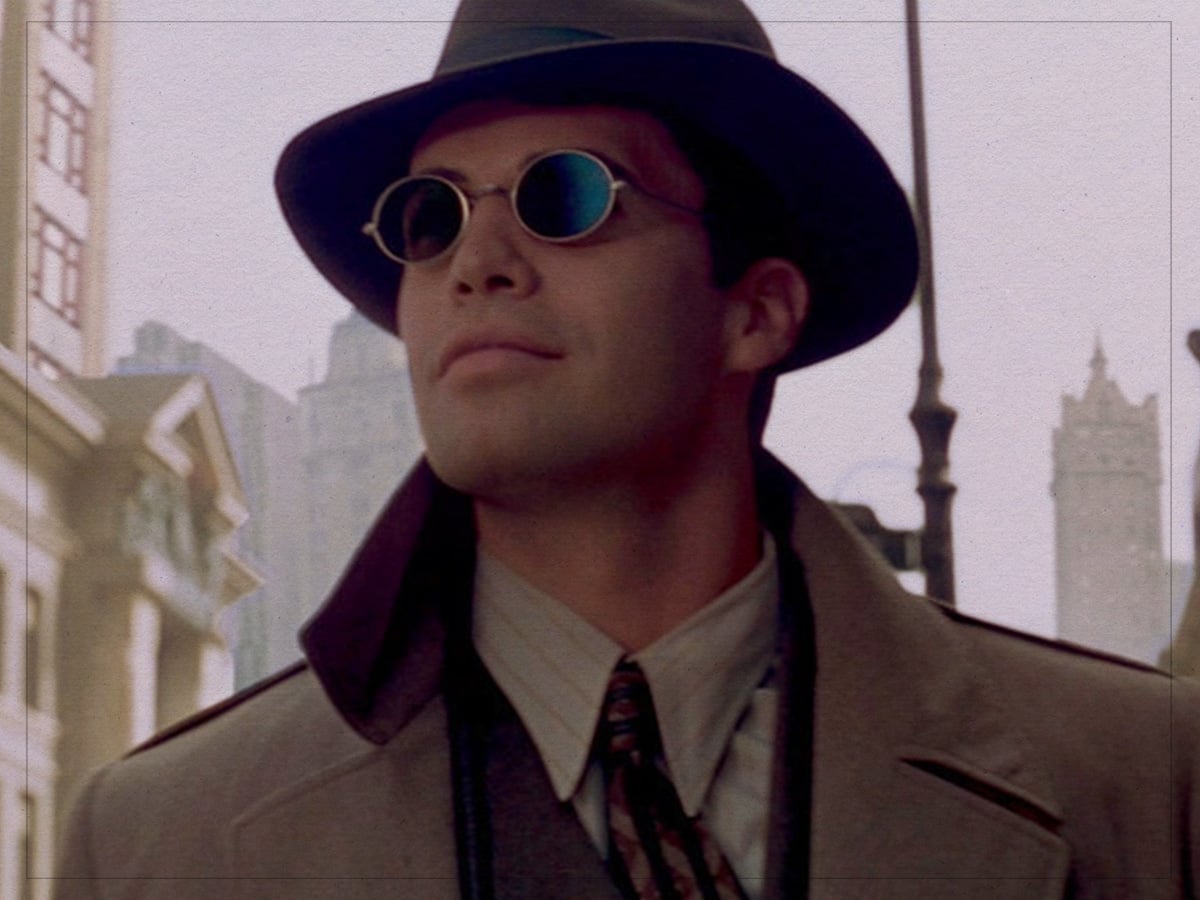
Superhero films have evolved a lot in the last 30 years, as 1996 was before the genre had become dominant. Since DC had only been developing the Batman franchise and Marvel had yet to launch Blade, there were other superhero films released that were based on more obscure pulp figures from the ‘30s and ‘40s, including The Phantom.
Billy Zane portrayed a mysterious superhero clad in purple tights who would be the butt of the joke had anyone tried to make a modern The Phantom film, as superhero fans today demand that the genre be taken with the utmost seriousness. That the film is cheesy, tongue-in-cheek, and not all that concerned with making the protagonist Kit Walker seem ‘cool’ is why the film is so interesting in a modern context, but also why it would never fly in the obsessive comic book landscape of today.
Cable Guy in ‘The Cable Guy’ (Ben Stiller, 1996)

Jim Carrey has become a more polarising actor over time, as his work is a true case of love it or hate it, but he was at the peak of his popularity in 1996. Two years prior, he had three of the year’s biggest films with Ace Ventura: Pet Detective, The Mask, and Dumb & Dumber, so he was pretty much guaranteed to do whatever he wanted with his next role, so he went ahead and chose The Cable Guy, a wild dark comedy in which Carrey plays an obsessive character who stalks and torments a customer, played by Matthew Broderick, who refuses to be his friend.
The current cinematic ecosystem doesn’t really allow for these sorts of comedy star vehicles to exist, and the rare ones that do come out in theatres would never feature a character who is as obnoxious and demented as the Cable Guy.
Jake Brigance in ‘A Time To Kill’ (Joel Schumacher, 1996)
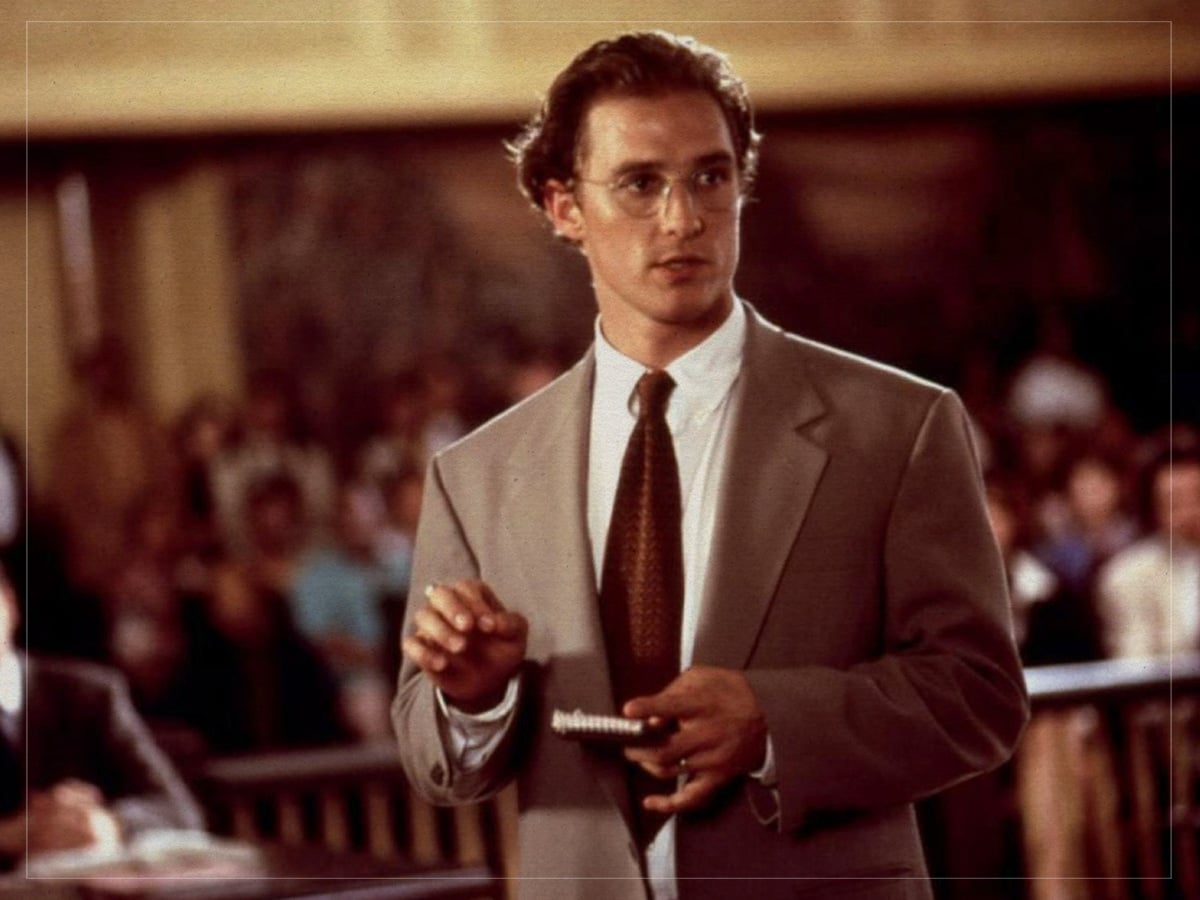
Matthew McConaughey famously won the role in A Time To Kill over his friend, Woody Harrelson, and proved himself to be a dynamic leading man in the hit literary adaptation. It’s easy to forget that John Grisham was such a popular author that nearly every film based on one of his novels would be a success, even though the few legal thrillers that come out today are made into television films.
McConaughey stars as Jake Brigance, a hotshot lawyer who is hired to defend a Black man, played by Samuel L Jackson, who murdered two white men who raped his 12-year-old daughter. The material is far too dark for a modern film, as studios rarely make these types of grown-up thrillers that don’t have any appeal to Gen Z, and McConaughey’s character would have likely earned some significant backlash for being a white saviour.
Tom Mullen in ‘Ransom’ (Ron Howard, 1996)
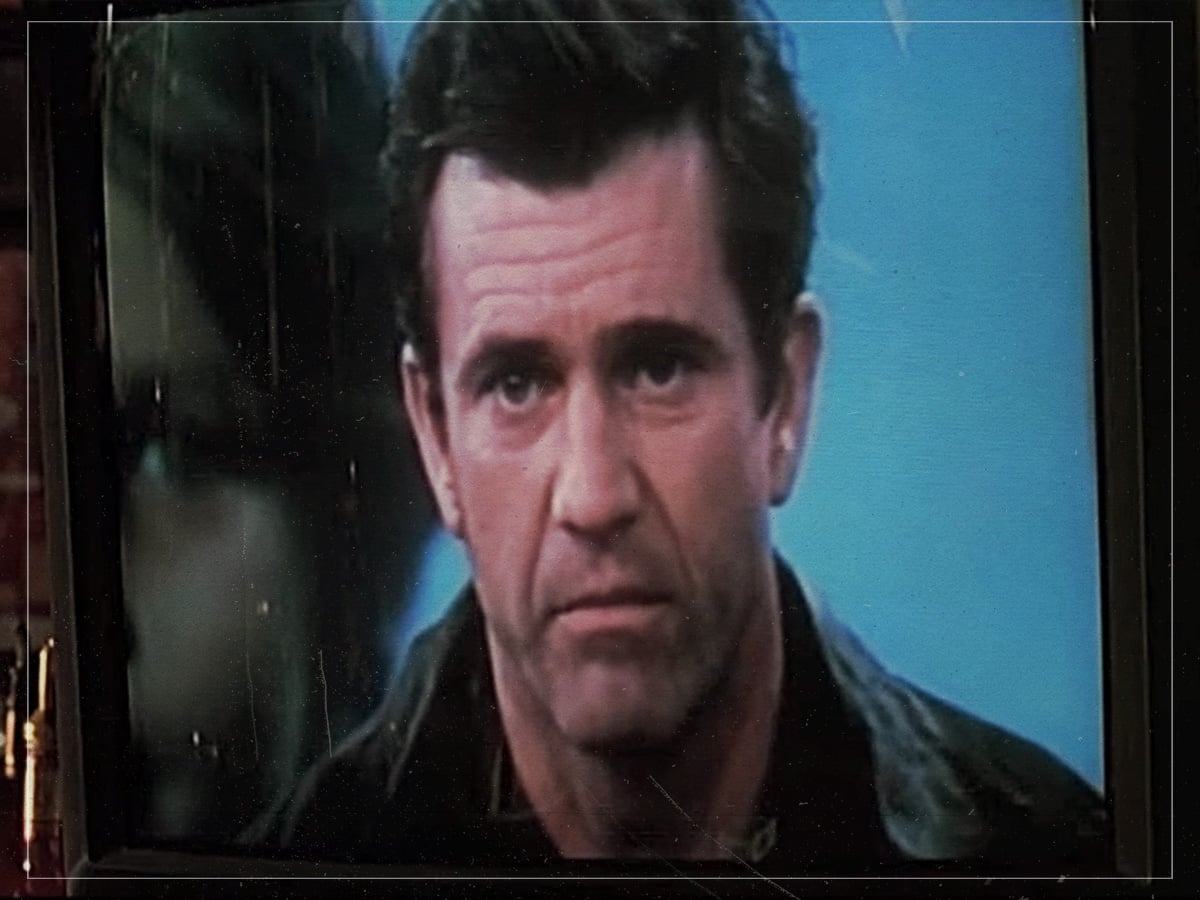
Mel Gibson was unfathomably popular in 1996, and his contemporary controversies make it easy to forget that he was voted ‘Sexiest Man Alive’, generally playing noble heroes in cinema as the star of big-budget thrillers, like Ransom, which has a premise that feels out of touch 30 years later. It stars Gibson as Tom Mullen, a millionaire who has to reason with criminals after his son is kidnapped.
It’s hard to imagine that there would ever be a film like this that presents a powerful media mogul in a positive light in 2026, with the closest thing to Ransom in recent years being the Spike Lee/Denzel Washington film Highest 2 Lowest, which was barely released in theatres before streaming on Apple TV, and is considered to be one of the weakest of their collaborations.
Howard Langston in ‘Jingle All the Way’ (Brian Levant, 1996)
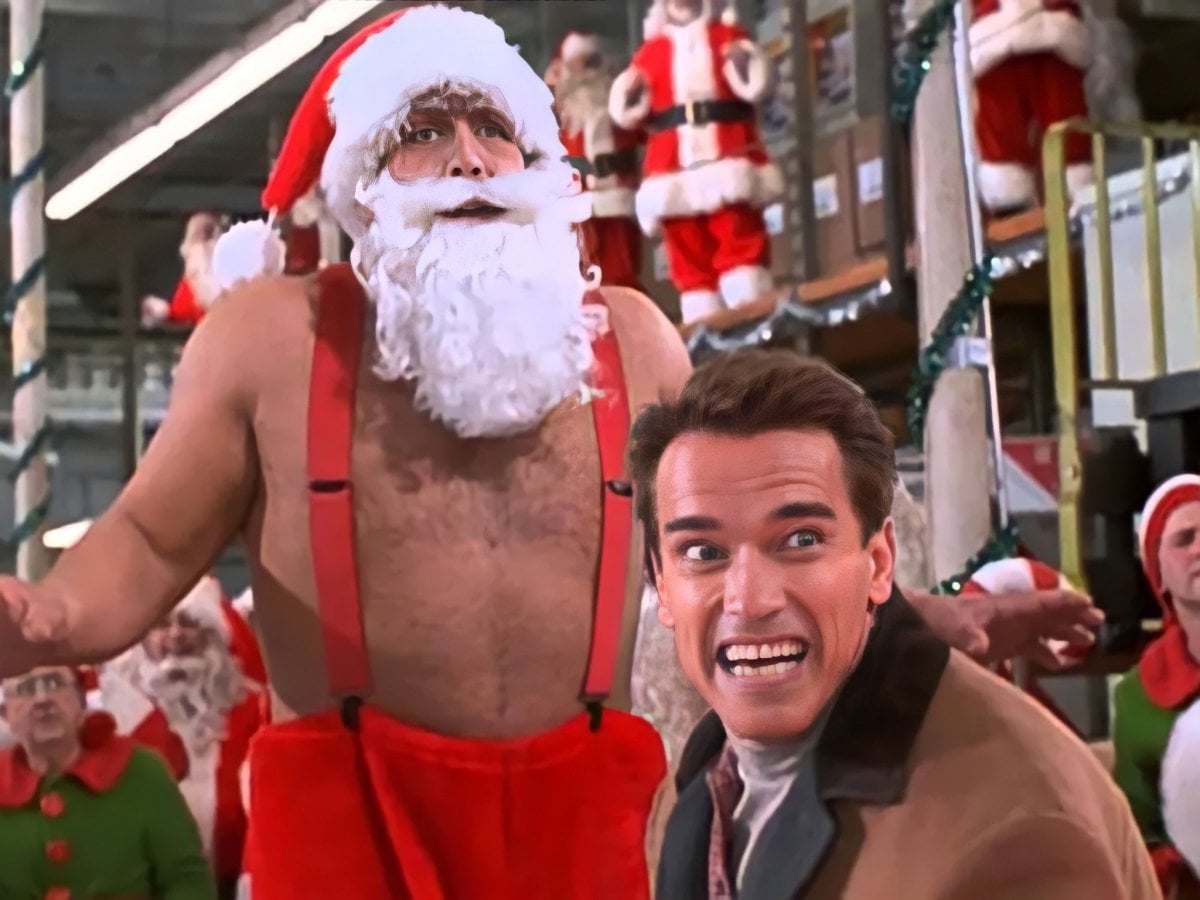
Arnold Schwarzenegger took an unprecedented detour in the ‘90s to expand his capabilities as an actor, where, even though he was still starring in action films like Total Recall, True Lies, and Terminator 2: Judgment Day, he was also attempting to be a comedy star with Kindergarten Cop, Junior, and Twins. In that vein, Jingle All The Way is a straight-up family-friendly holiday film in which Schwarzenegger plays a workaholic father trying to get the perfect present for his son.
It’s hard to imagine any of today’s A-list action stars making an old-fashioned Christmas movie like Jingle All The Way; when Dwayne Johnson and Chris Evan did a holiday film with Red One, they basically turned it into another PG-13 action thriller that didn’t have the focus on an actual relatable character like Jingle All The Way did.
Gregory Larkin in ‘The Mirror Has Two Faces’ (Barbara Streisand, 1996)
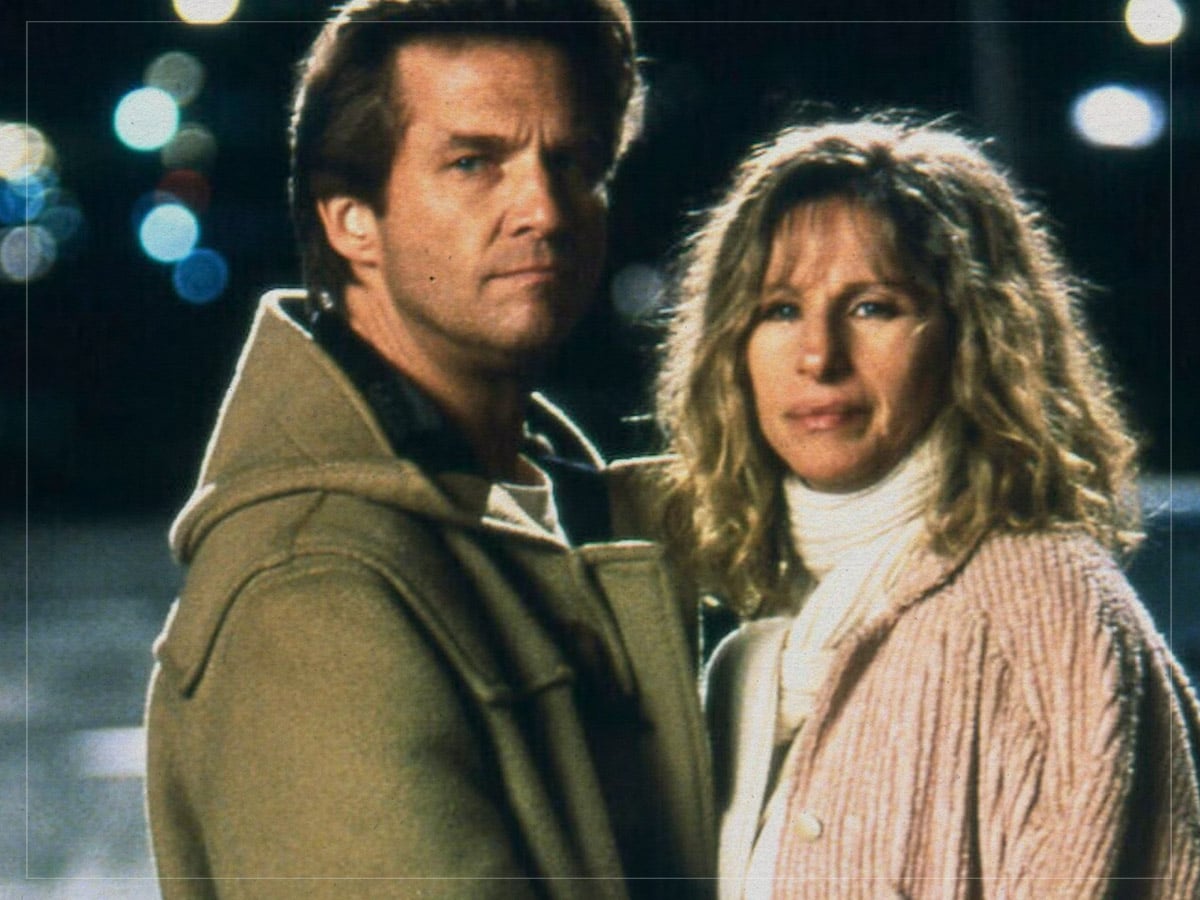
Jeff Bridges was one of the most consistently acclaimed actors working when he took on one of his strangest roles ever as Gregory Larkin in The Mirror Has Two Faces, a romantic comedy in which he plays a middle-aged professor who tries to start a romantic, but not intimate, relationship with his colleague, played by Barbara Streisand (who also directed the film).
Romantic comedies like The Mirror Has Two Faces simply don’t exist anymore, and they’re certainly not being made about middle-aged characters who are allowed to be goofy and self-depricating. Some of the biggest rom-com hits in recent years have been Anyone But You and Materialists, both of which were marketed based on the sex appeal of their stars, while comparatively, The Mirror Has Two Faces is trying to be both legitimately funny and heartwarming, offering a more grounded story of characters finding one another late in life.
Muddy in ‘Beavis and Butt-Head Do America’ (Mike Judge, 1996)
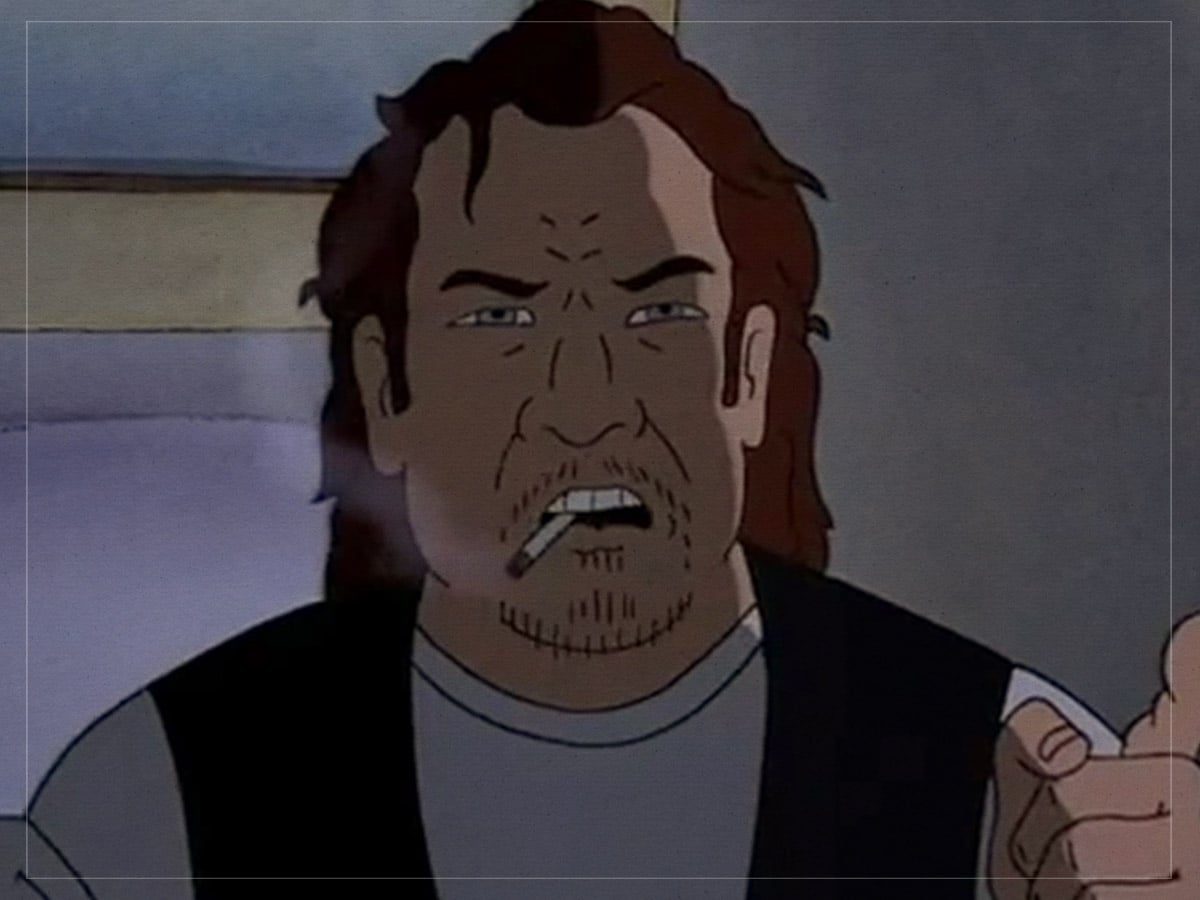
Bruce Willis has sadly retired from acting after being diagnosed with aphasia, marking the conclusion of one of the most remarkable careers of any Hollywood leading man. Willis is obviously best known for being an action star, but he also had an aptitude for comedy and is generally not given enough credit for how funny he could be. Although it’s not uncommon today for celebrities to take on major roles in animated films, they come with significant paychecks and heavy promotion.
It was surprising for Willis, coming right off the success of Die Hard with a Vengeance a year prior, to voice the relatively minor character of Muddy in Beavis and Butt-Head Do America. The film was made on a relatively low budget, and director Mike Judge has not successfully been able to bring back Beavis and Butt-Head to the big screen ever since.
Joe Berlin in ‘Everyone Says I Love You’ (Woody Allen, 1996)
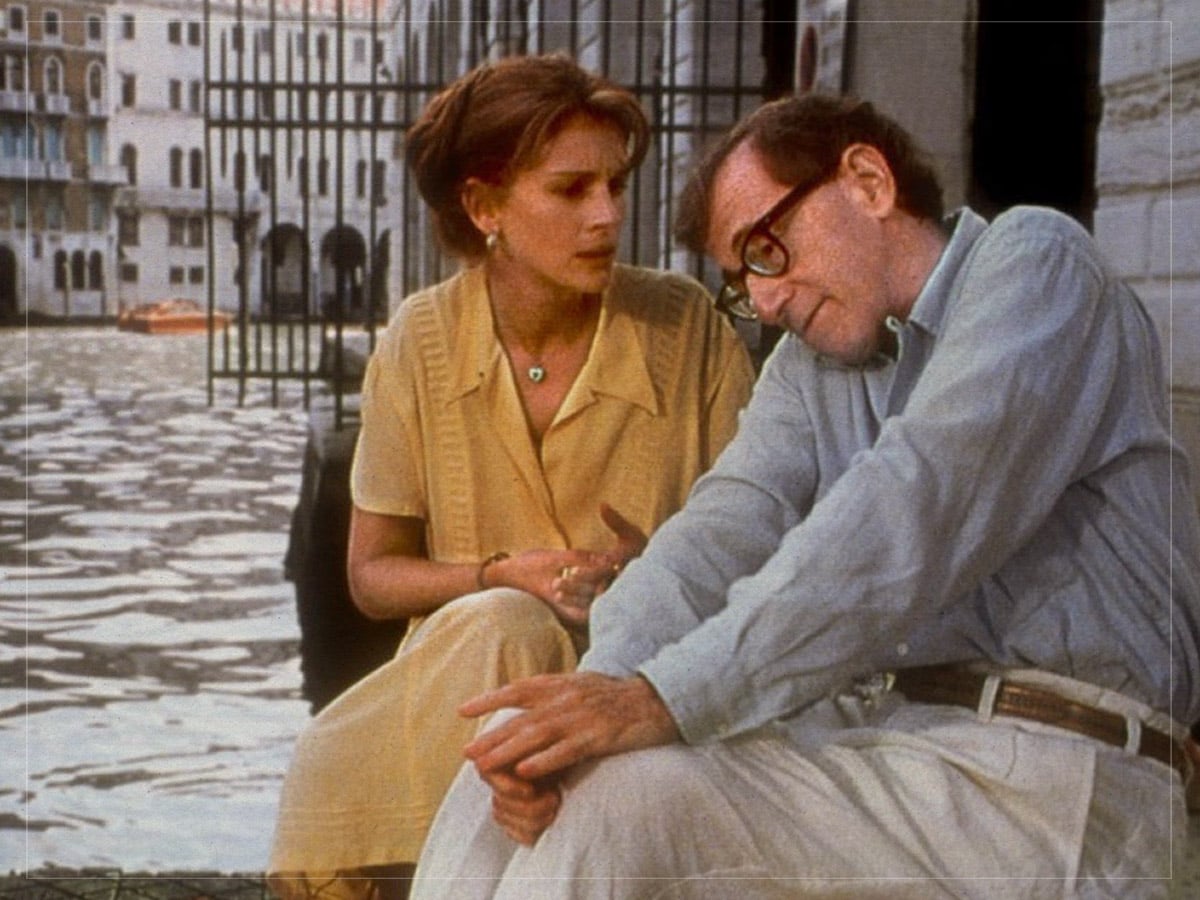
Woody Allen has been at the centre of some rough controversies, which makes it all the more absurd that he had a consistent career after his scandals were made public. While some audiences were willing to separate the art from the artist for his later films like Midnight in Paris and Blue Jasmine, it’s much more challenging when he is also acting in his films.
Allen hasn’t appeared in one of his own films since To Rome With Love back in 2010, but he was one of the leads in his 1996 musical Everyone Says I Love You, which also starred Natasha Lyonne, Edward Norton, Natalie Portman, Julia Roberts, and Tim Roth, where seeing him is bad enough, but it’s even harder to tolerate him positioned as a sympathetic romantic lead.
