


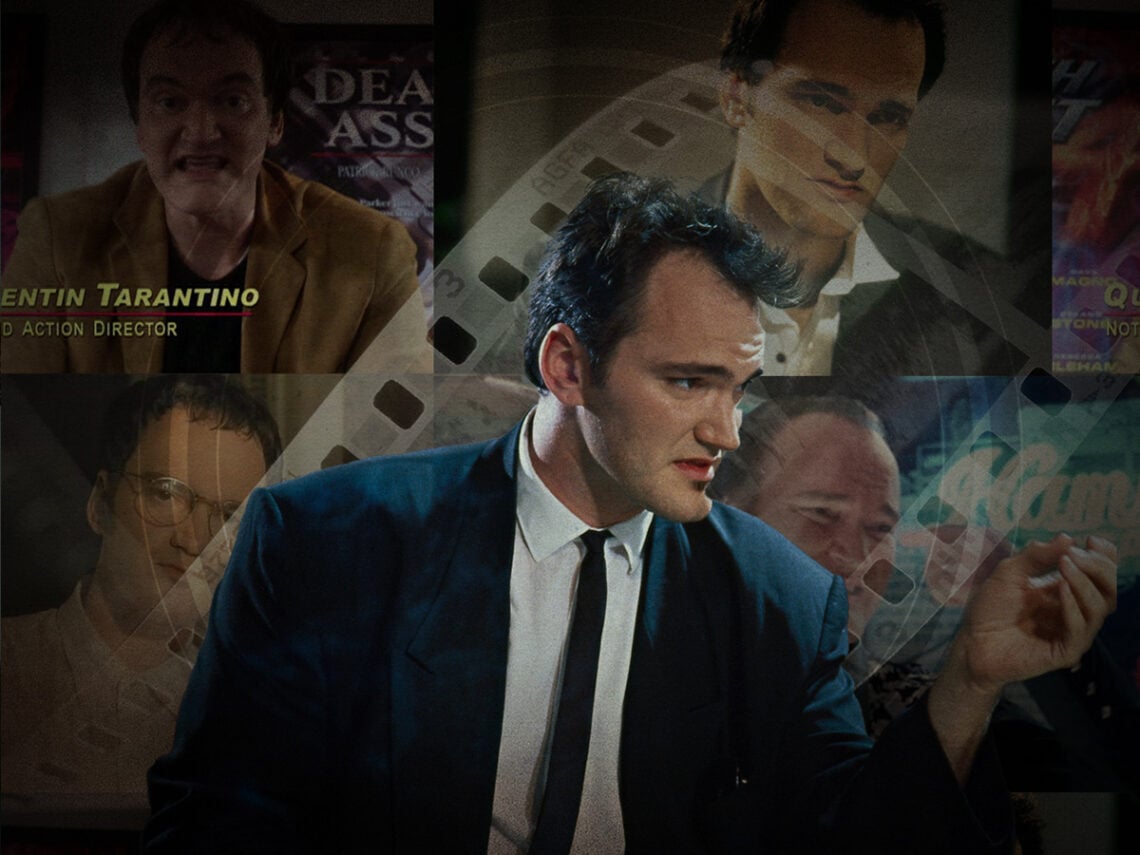
Every Quentin Tarantino acting performance ranked from passable to painful

Quentin Tarantino’s brilliance as a writer/director makes up for his complete incompetence as an actor.
More than just an influential filmmaker, he is someone who has transformed the way Hollywood treats independent cinema, and while there were certainly famous directors before him, Tarantino was such a singular personality that he became a spokesperson for his films and developed a style that would be imitated constantly throughout the ‘90s. It is now impossible to attend a film class without meeting some aspiring director who has fashioned themselves as ‘the next Tarantino’.
The filmmaker has spoken a lot about the actors he admires, and he has also attracted criticism for his scathing comments about certain stars, such as Paul Dano, but the irony is that he has seemingly fashioned himself as an actor, and often casts himself in roles in his own films or appears in those made by other directors that he admires.
There are plenty of documentaries Tarantino has been in as a talking head, and he’s also taken uncredited or all-too brief performances in minor roles that aren’t necessarily worth litigating; the rare few who saw Somebody to Love or Sleep With Me would be hard-pressed to remember he was in them, and he isn’t even credited for his cameos in Inglourious Basterds, Diary of the Dead, or Elvis Presley. That being said, it’s always interesting to see what type of performance he is capable of giving, even if most of them end up being fairly distracting.
Tarantino’s ego has given him a lot of opportunities, but it has also led to situations in which he is vastly outmatched, for better or worse, and below we rank them from unbearable to genius.
Ranking every Quentin Tarantino acting performance:
‘Planet Terror’ (Robert Rodriguez, 2007)
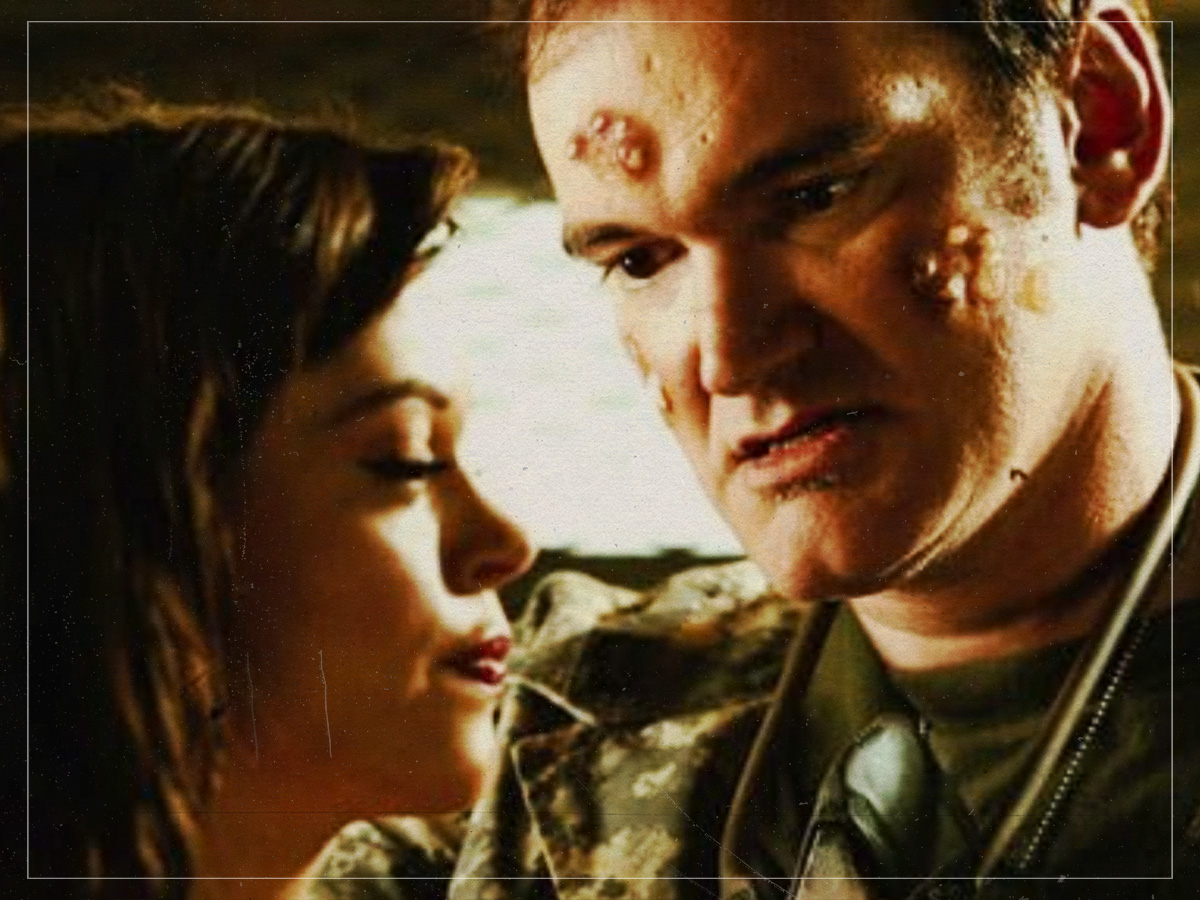
Tarantino has enjoyed a lifelong friendship with Robert Rodriguez, and the pair have teamed up on several occasions, with their most ambitious collaboration being the double-feature project Grindhouse, in which they both made one half of it in the style of ‘70s exploitation films: Tarantino’s film Death Proof was a self-aware crime thriller, and Rodriguez’s was the science fiction horror thriller Planet Terror.
Planet Terror isn’t necessarily any worse than any of the other recent Rodriguez films, as it’s certainly more watchable than some of his disastrous ‘family-friendly projects, such as The Adventures of Sharkboy and Lavagirl or Shorts. That being said, Tarantino’s blink-and-you’ll-miss-it appearance as a zombie is a case where casting anyone else would have been preferable, as it stands as an unfortunate reminder that, despite their bond, Tarantino’s skills as a filmmaker vastly outmatch those of Rodriguez.
‘Django Unchained’ (Quentin Tarantino, 2012)

Django Unchained is one of Tarantino’s best films, serving as his first entry into the western genre after years of homages. It not only won him his second Academy Award for ‘Best Original Screenplay’, but also became one of the biggest R-rated films of all-time, briefly suggesting a return to form for westerns in general.
The only moment in which the film slightly loses its momentum is a scene in which Tarantino pops up as one of the captors of Django, played by Jamie Foxx, speaking with an unusual accent that completely erodes any sense of realism, grinding the pacing to a halt because it takes place after the dramatic standoff with Leonardo DiCaprio’s Calvin Candie. However, Tarantino’s decision to make the character Australian only makes it more satisfying when Django dispenses with him in the most brutal way possible.
‘Destiny Turns on the Radio’ (Jack Baran, 1995)
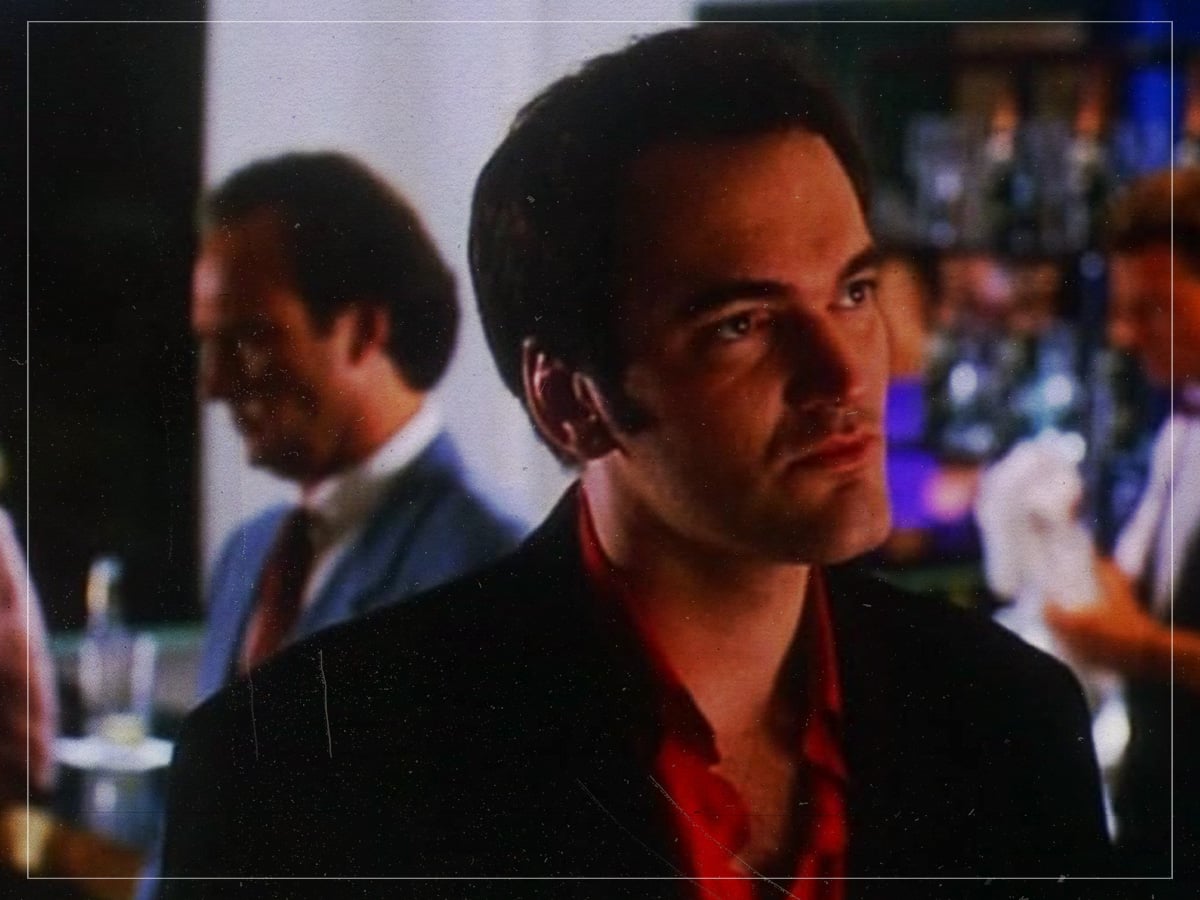
The greatest irony of Tarantino’s career is that while he is capable of writing hilarious dialogue, his attempts at comedy during interviews often come off as aggressive or caustic.
Destiny Turns on the Radio was already a pretty insufferable ‘90s comedy that failed to take a humorous spin on the gangster genre (a fact not aided by it being released the same year as Get Shorty), but it was made worse by the fact that none of its stars was best known for their sense of humor, where Dylan McDermott, James LeGros, Nancy Travis, and Tarantino are completely ill-suited for a ludicrous road trip adventure that mistakes haphazardness for whimsy.
Tarantino is particularly mismatched for a role in which he’s intended to play a mysterious, enigmatic drifter, which would have been better if the character could learn to simply keep his mouth shut.
‘Sukiyaki Western Django’ (Takashi Miike, 2007)
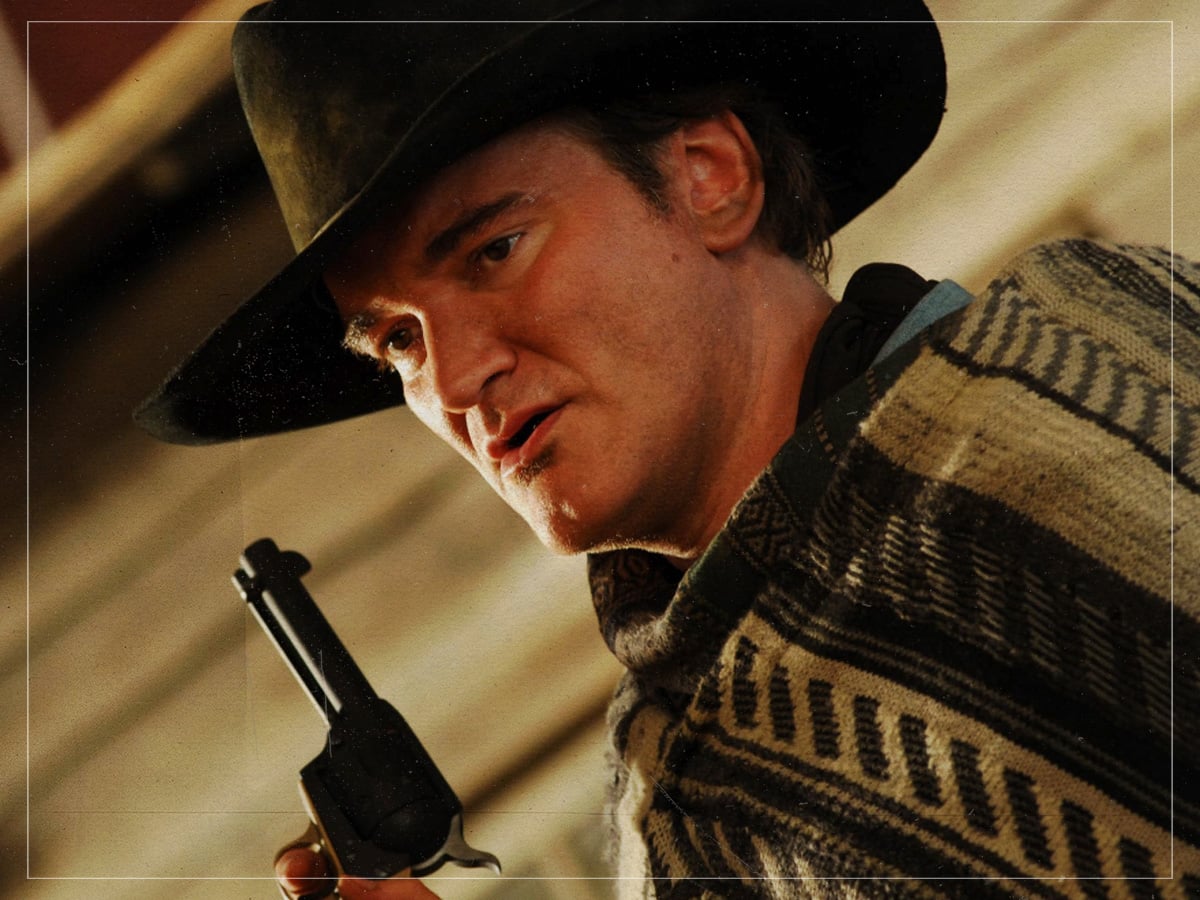
Tarantino has made it no secret that he loves the ‘70s, and particularly the westerns that emerged from that era. Given that he has been just as enamoured with Japanese cinema, it would be hard for him not to be enthusiastic about a period Japanese western that paid tribute to The Man With No Name trilogy, Sukiyaki Western Django, directed by Takashi Miike, a prolific director with over 100 credits to his name.
Tarantino only appears briefly in the film as a gunman during the opening scene, and doesn’t really have a significant bearing on the plot, and even though he is thankfully not given much dialogue or forced to act outside of his comfort zone, seeing him attempt to be intimidating always tends to be far more cringe-inducing than it is legitimately scary, and it may have been better if he had simply admired Miike’s work from afar.
‘Girl 6’ (Spike Lee, 1996)
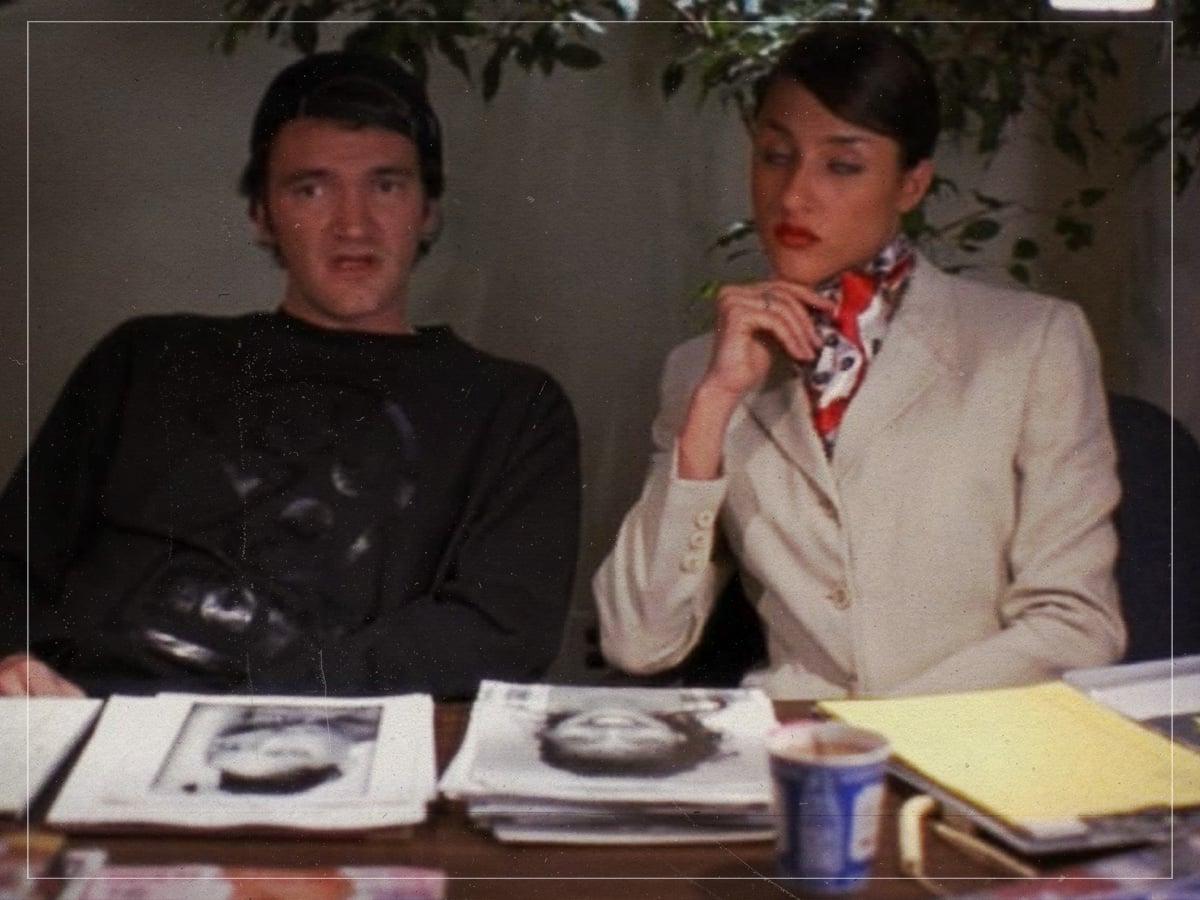
Despite the fact that they have been in numerous feuds over the years, Spike Lee and Tarantino were friendly enough in 1996 for the former to cast the latter in one of his films. Girl 6 is a dark comedy about an aspiring actress, played by Theresa Randle, who attempts to make her big break. In what was an admirably self-deprecating performance (and one that acknowledges Lee’s criticisms of him), Tarantino plays a fictionalised version of himself who is obsessed with making ‘the greatest African-American film’ of all-time.
While the satire of his fascination with Black culture is spot-on, Girl 6 goes on to depict him as a creep who harasses Randle’s character, a case where Tarantino playing himself was less effective than it may have been for Lee to cast a different actor to play a stand-in better equipped for the disturbing material.
‘Pulp Fiction’ (Quentin Tarantino, 1994)
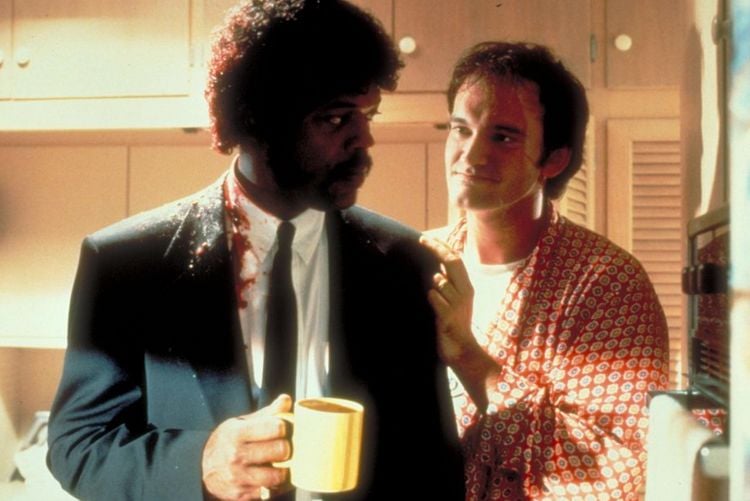
Pulp Fiction is by far Tarantino’s most famous and beloved film, but it’s ironically his performance that has been the only reasonable criticism of its legacy, facing backlash for years based on his use of racial epithets, and his role in the film stands out for the liberal use of the N-word. When ignoring the elephant in the room, he is actually pretty funny in Pulp Fiction, and has the type of deadpan humour that works in contrast to Samuel L Jackson’s Jules and John Travolta’s Vincent.
The idea of a somewhat normal guy whose life is disrupted by the appearance of two violent criminals is a great concept, and any of Tarantino’s disaffected qualities only make the scene funnier, but it is quite striking how significantly the film leaps in quality once Harvey Keitel shows up as ‘the Wolf’.
‘Little Nicky’ (Steven Brill, 2000)
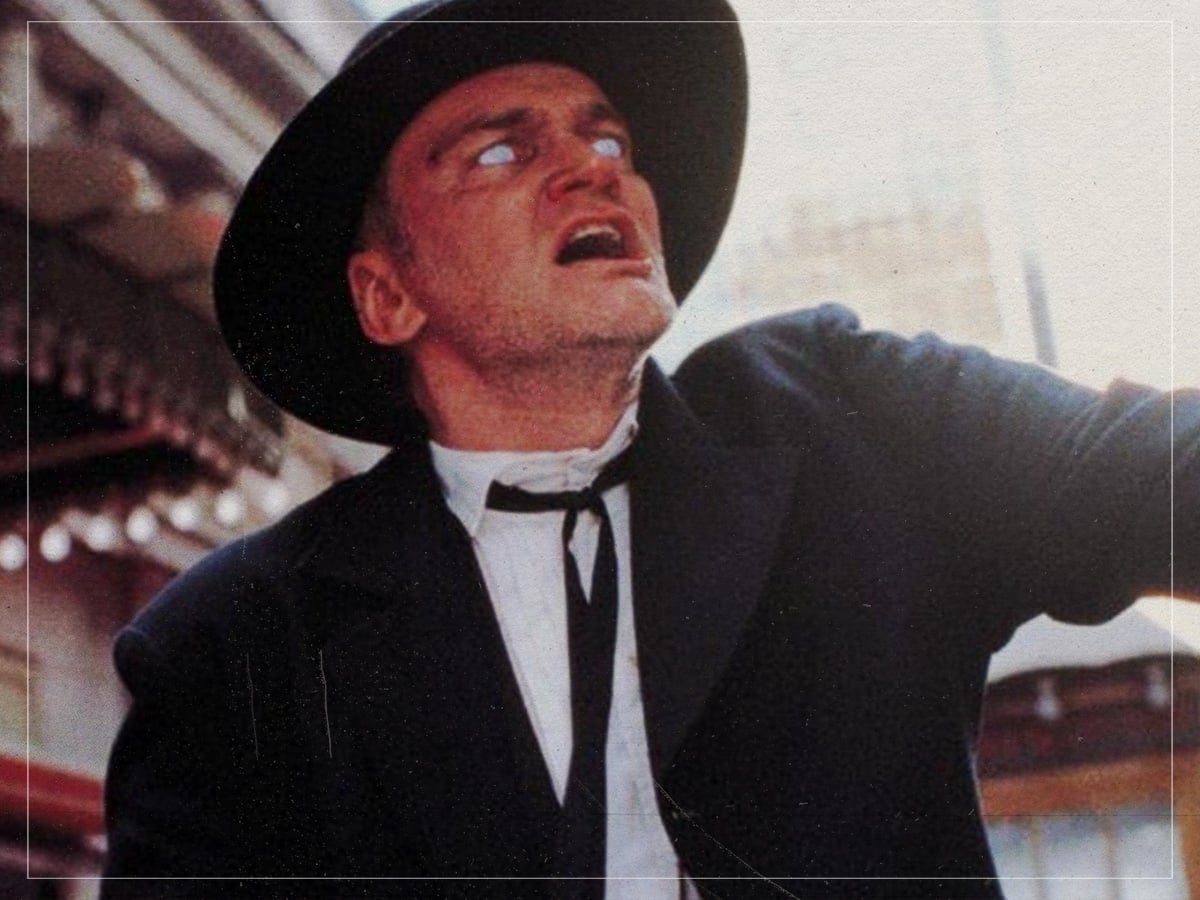
Given that Adam Sandler has been praised and admired by many of Tarantino’s contemporaries, such as Noah Baumbach and Paul Thomas Anderson, it is actually a bit surprising that they haven’t worked together on a bigger project. While Sandler would seemingly be a perfect fit for a Tarantino film (and was briefly considered for a role in Inglourious Basterds), the director did have a smaller role in the Sandler dark comedy Little Nicky, one of his weirdest movies, which casts him as the son of Satan who creates havoc on Earth.
Tarantino’s role in the film is of a blind deacon who foresees Nicky’s presence, which is really nothing more than a sight gag, and given the level of humour that Little Nicky (and most of Sandler’s comedy) is operating with, he understood the assignment and may have even overdelivered.
‘Death Proof’ (Quentin Tarantino, 2007)
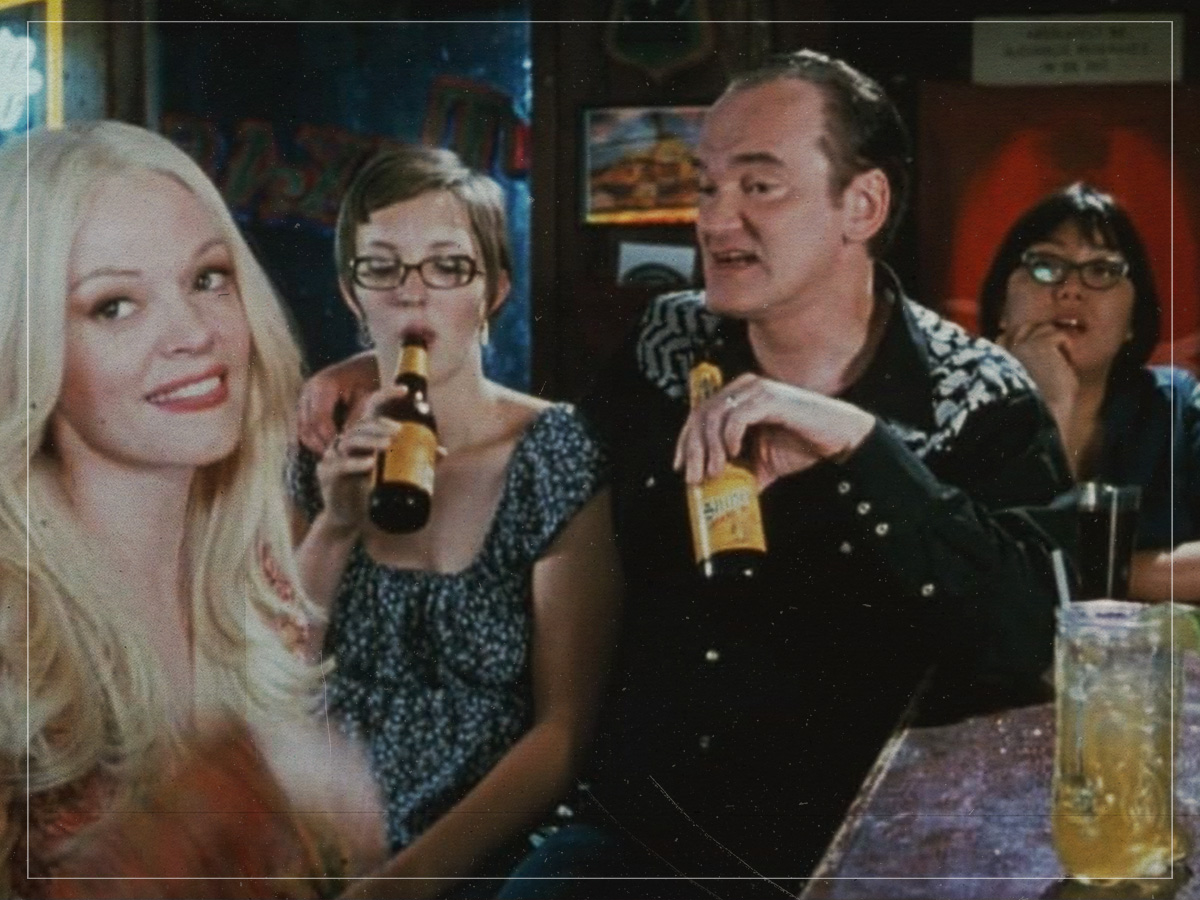
Death Proof is perhaps the least seen of Tarantino’s films, and it also might just be his most underrated. Not only is it a wonderful tribute to the exploitation films that made him want to be a filmmaker in the first place, but it is remarkably free of pretensions and simply pushes its slasher premise to the extreme for the sake of being as entertaining as possible.
Tarantino casts himself as the owner of the Texas Chili Parlour in Austin, and it was a role that he created specifically to sync up with his own interests; Warren uses an HMI jukebox that belongs to Tarantino in real life, and most notably, he has a killer delivery of the line, “Is that a tasty beverage or is that a tasty beverage?”, as an homage to Jules’ a “tasty burger” dialogue in Pulp Fiction.
‘Four Rooms’ (Quentin Tarantino, Alexandre Rockwell, Allison Anders, and Robert Rodriguez, 1995)

Released back when anthology films were a more common occurrence, Four Rooms was a collaborative project that featured segments directed by Allison Anders, Alexandre Rockwell, Rodriguez, and Tarantino, who directed the best segment, ‘The Man From Hollywood’, in which he appears as the fictional director Chester Rush, trying to convince his friends to go through with a dangerous stunt.
It was another case of Tarantino being self-aware and playing an eccentric version of a director, and one that paralleled his work on Pulp Fiction, thanks to a cameo by Bruce Willis. The filmmaker is so good at leading the limited segment of Four Rooms that it actually ended up giving him false confidence for his future performances, leading to his taking on a key role in the play Wait Until Dark, which was so thoroughly criticised that he essentially ceased popping up in films for any significant parts.
‘From Dusk Till Dawn’ (Robert Rodriguez, 1996)
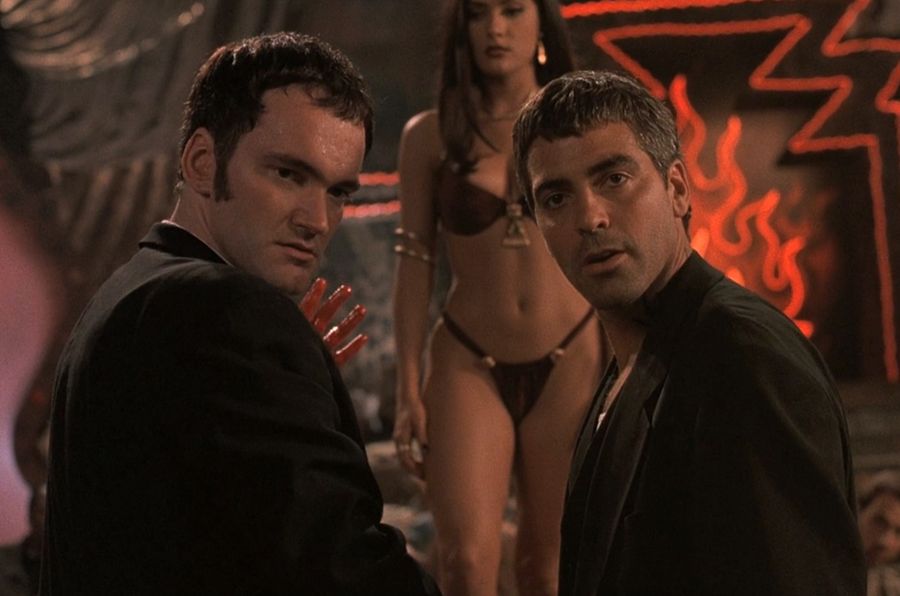
From Dusk Till Dawn may have been directed by Rodriguez, but it feels like a Tarantino film because of its slick combination of genres, and although he undoubtedly contributed to the script, especially since the first half of the film feels like one of his crime thrillers, Tarantino also has a major role as the psychopathic bank robber Richie Gecko, who goes on the run with his brother Seth, played by George Clooney, to a bar in Mexico.
When ignoring the fact that he and Clooney look nothing alike, Tarantino is perfect in From Dusk Till Dawn because he plays a loose cannon with violent, uncontrollable rage and dark fantasies, and thanks to the unusual energy that his chemistry with Clooney has, the film is able to deceive its audience into thinking that they’re watching a neo-western before it transforms into a vampire thriller.
‘The Muppets’ Wizard of Oz’ (2005)

The Muppets went through a transitional phase after the underperformance of 1999’s Muppets From Space, as it wasn’t until 2011 that Jason Segel rekindled interest in the cinematic franchise, but the decade in between saw several Muppets television films, including a bizarre remake of The Wizard of Oz, where Dorothy travels to Oz with the hope of being a singer.
In one of the most bizarre fourth-wall breaks in the instalment’s history (which is no small statement), a fight scene between the heroes and Miss Piggy’s Wicked Witch of the West is interrupted by a moment where Kermit the Frog discusses possible ways to conclude the sequence in a non-violent way with Tarantino. Why Touchstone Television thought that this would be appealing to the children watching (who presumably had no idea who he was) has never been explained, but Tarantino riffing with Kermit is certainly something the world needs more of.
‘She’s Funny That Way’ (Peter Bogdanovich, 2014)
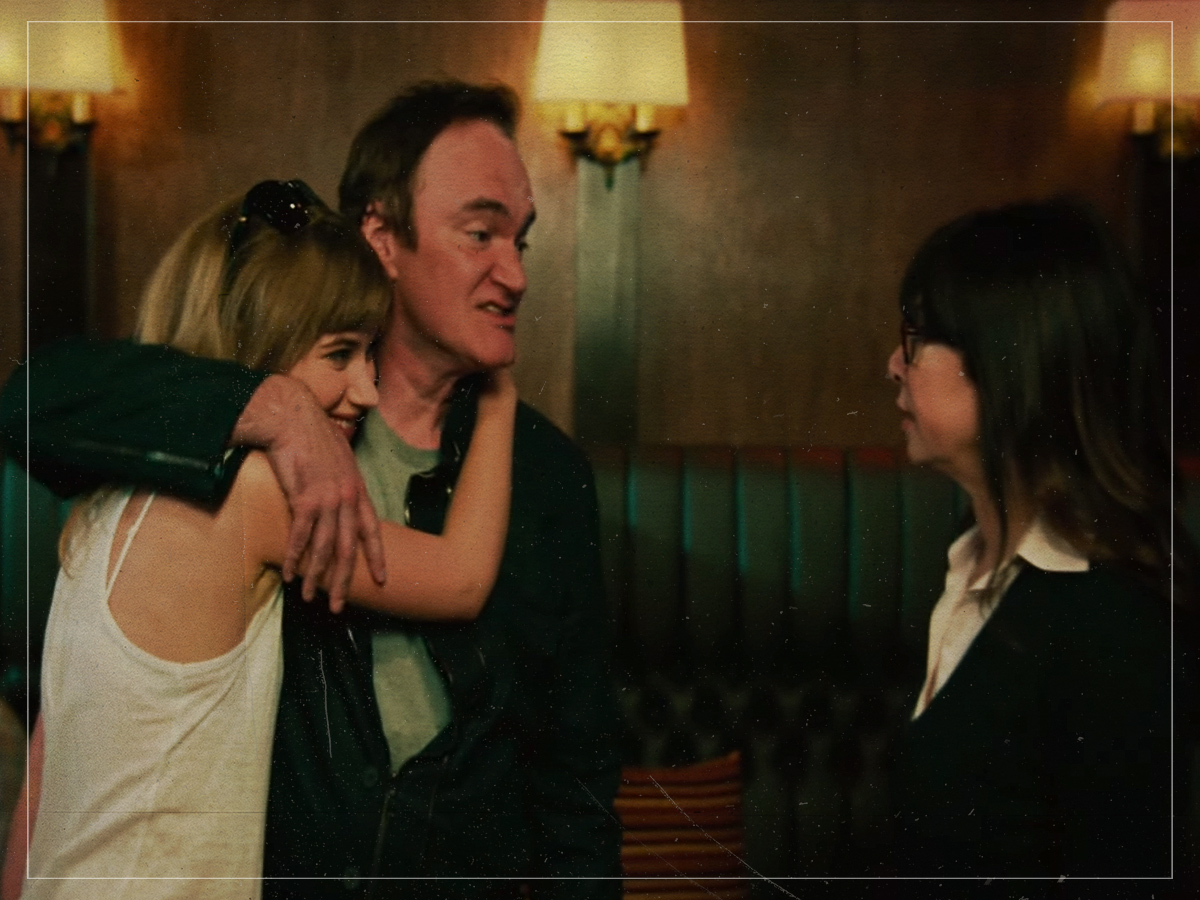
Despite a reputation of being critical of other filmmakers, Tarantino is often reverential of his idols, and has praised Peter Bogdanovich enough for creating some of the best comedies of all-time.
Although Bogdanovich took a 13-year break from directing after the failure of The Cat’s Meow, he made his final narrative film with She’s Funny That Way, a Hollywood satire that featured Owen Wilson, Jennifer Aniston, Kathryn Hahn, and Will Forte, with Tarantino appearing in a hilarious gag where it’s revealed he’s been dating Imogen Poots’ Izzy, a call girl who has been causing trouble for all the male leads.
It was not only a subtler role on Tarantino’s part where he respected the rhythm and flow of Bogdanovich’s dialogue, but an amusing in-joke given that his own dating life had been subjected to intense speculation by the media prior to his marriage to Daniella Pick in 2018.
‘Reservoir Dogs’ (Quentin Tarantino, 1992)
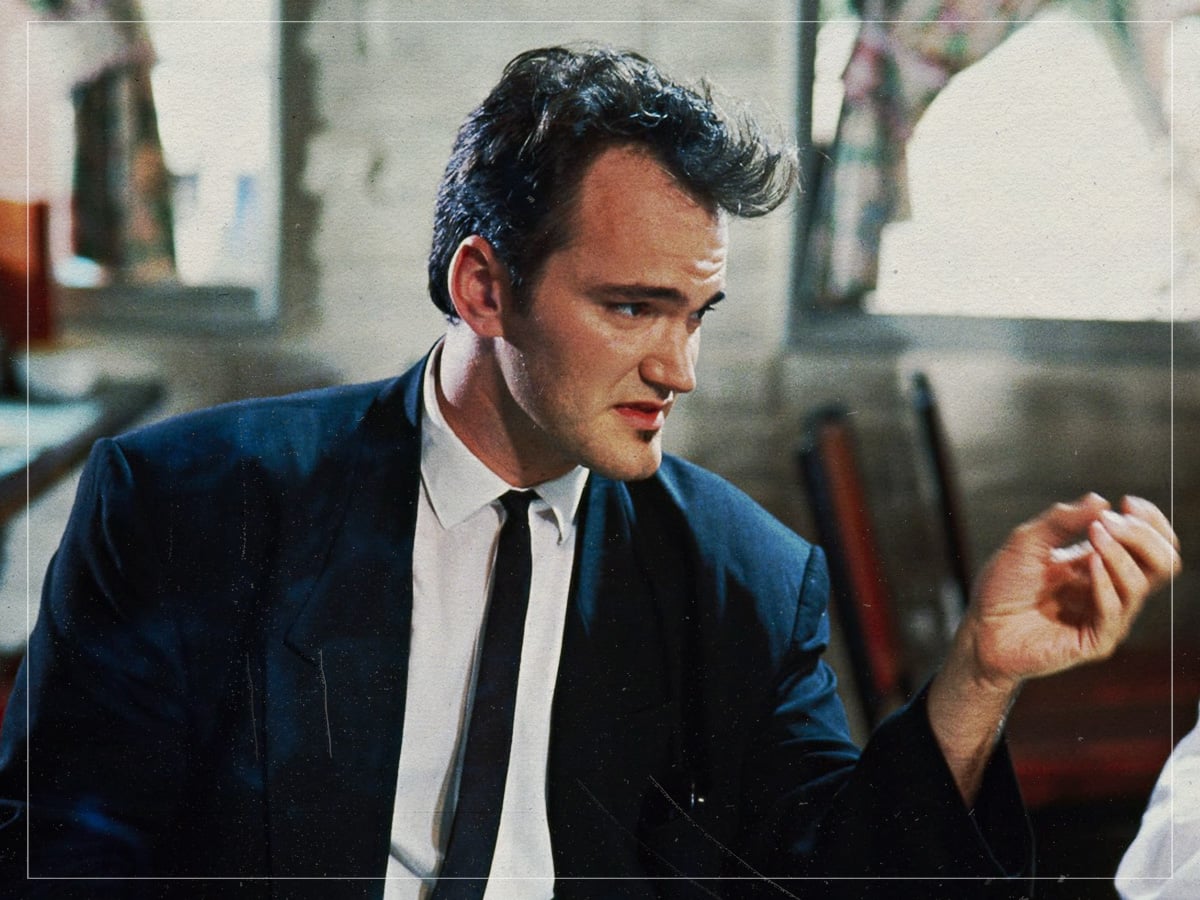
Reservoir Dogs is one of the all-time greatest directorial debuts and managed to turn Tarantino into a rock star from the moment it was showcased at the Sundance Film Festival. Even though it was a heist film in which the robbery isn’t shown, it is highly entertaining purely because of the dialogue.
Tarantino had an ability to write the type of conversational dialogue that felt like it could be improv, even though he famously never allows actors to make any additions to his script. As a result, his performance as the criminal nicknamed ‘Mr Brown’ fits in perfectly with the other characters played by Harvey Keitel, Steve Buscemi, Michael Madsen, Tim Roth, and Edward Bunker, with the idea that he is a self-admitted philosopher with an interest in everything from tipping culture to Madonna’s lyrics becoming essential in creating one of the coolest opening scenes ever.

Never Miss A Take
The Far Out Quentin Tarantino Newsletter
All the latest Quentin Tarantino content from the independent voice of culture.
Straight to your inbox.