“I had to woo him”: Bryan Cranston made a pros-and-cons list before taking a major role
It took some convincing.


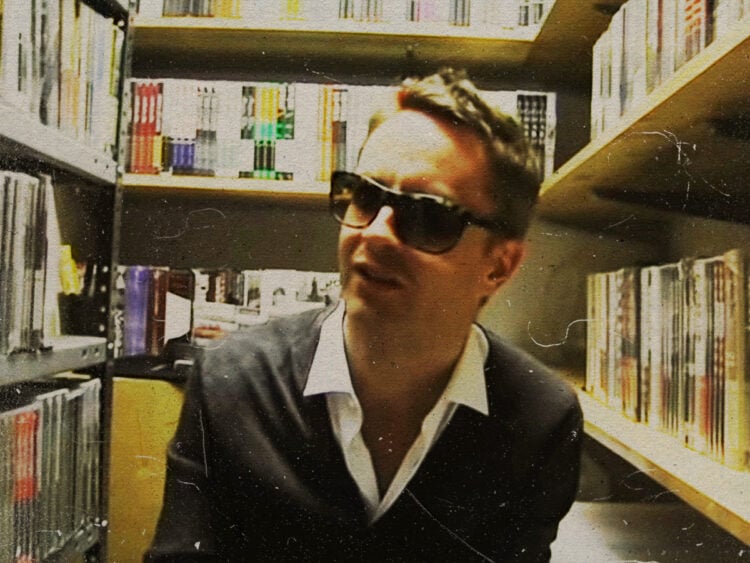
Born September 29th 1970, Nicolas Winding Refn has quickly become one of Denmark’s most celebrated directors. Raised in both Copenhagen and New York, it was perhaps a given that Refn’s work would be effortlessly drenched in style, adding to that the heritage of his director and editor father Anders Refn and his cinematographer mother, Vibeke Winding and Refn rise to the top was almost guaranteed. Kater, Refn would confess: “I grew up in a cinema family.” However, he did struggle while attending the American Academy of Dramatic Arts and was expelled for throwing a table into a wall.
Initially finding fame with his turn in the director’s chair for Danish crime drama Pusher, the film series would also provide the basis for his next leap in stature with 1999’s Bleeder, starring Mads Mikkelsen. As the Pusher trilogy gained Refn fame over the following years, he would stretch his talent to writing in the English language with Fear X and then 2006’s Bronson starring Tom Hardy.
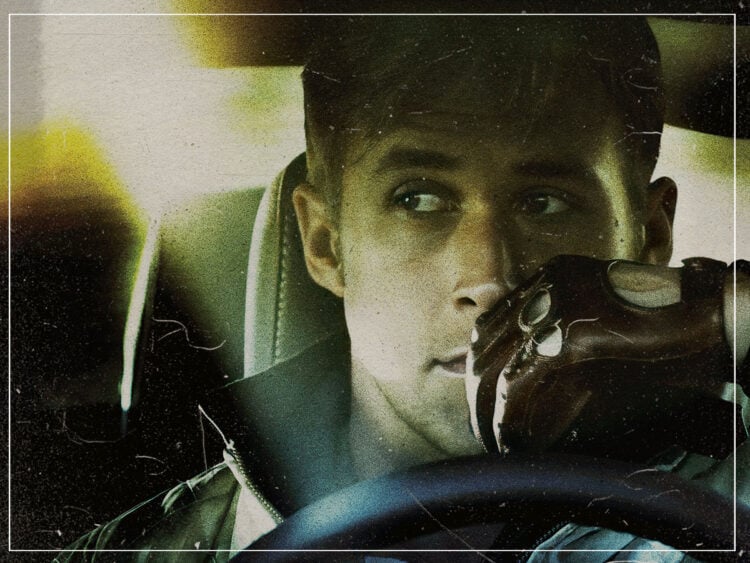
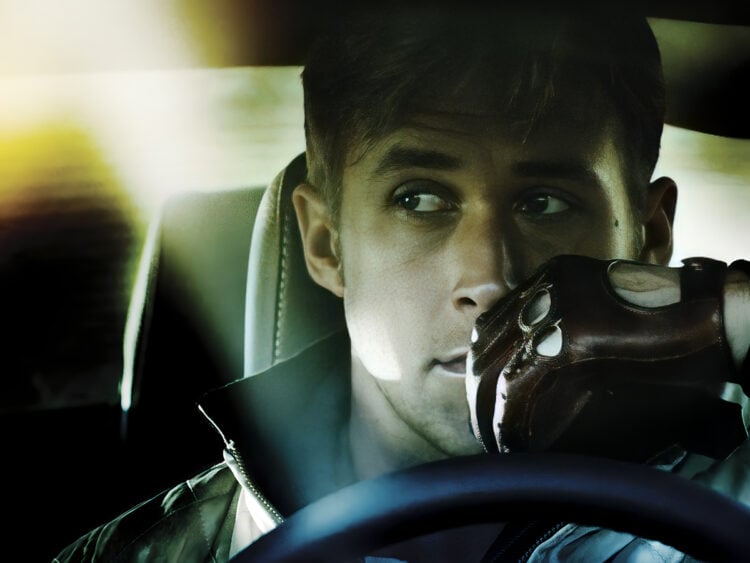
Connecting with Mikkelson once more for Valhalla Rising in 2009, Refn’s career would truly take off with 2011’s stylistic masterpiece Drive starring Ryan Gosling. He worked with Gosling once more on Only God Forgives, a film he dedicated to his cinematic hero Alejandro Jodorowsky. His most recent feature film was 2016’s The Neon Dream, and the director has since been focusing on television productions, including 2019’s Too Young to Die and 2022’s Copenhagen Cowboy.
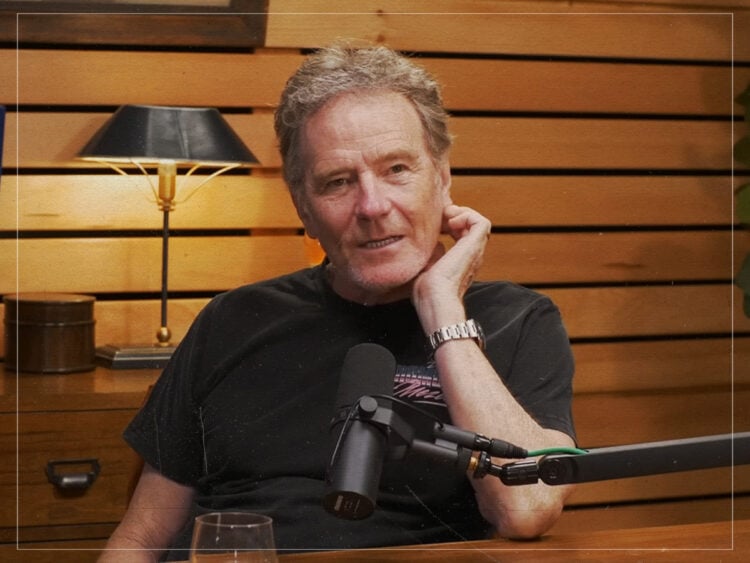
It took some convincing.
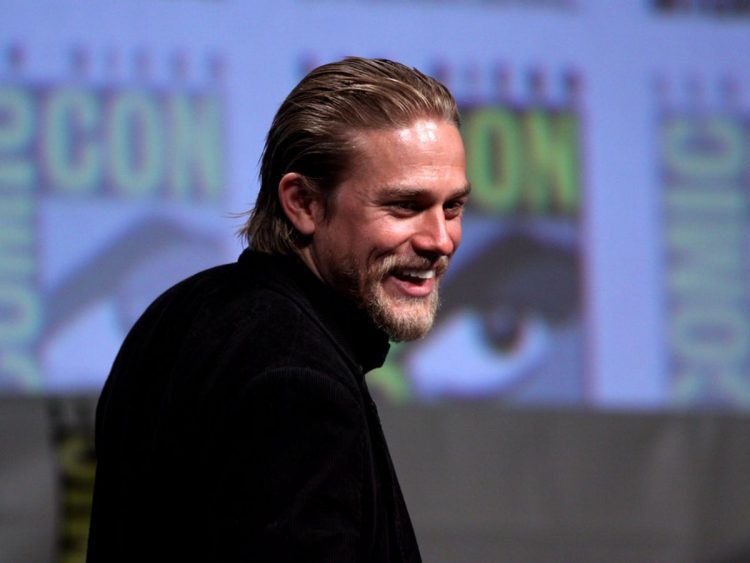
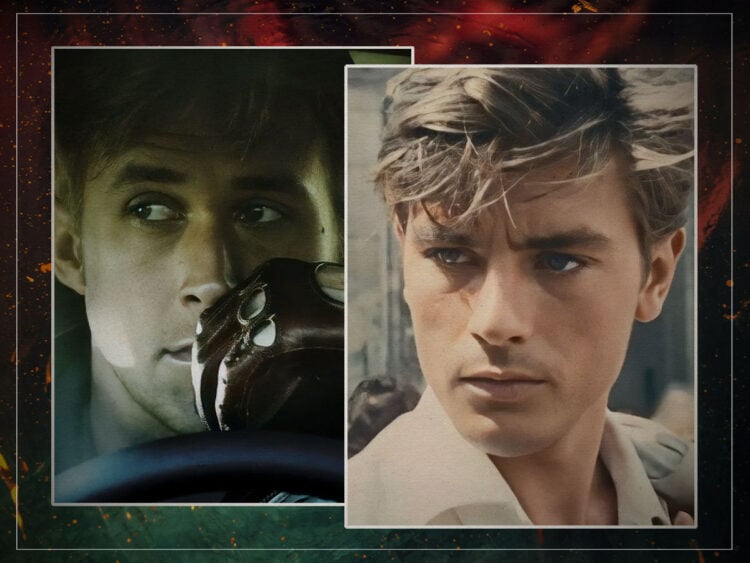


A strained partnership.
The case lingered for years
One of Denmark’s best directors.

Two controversial filmmakers.