


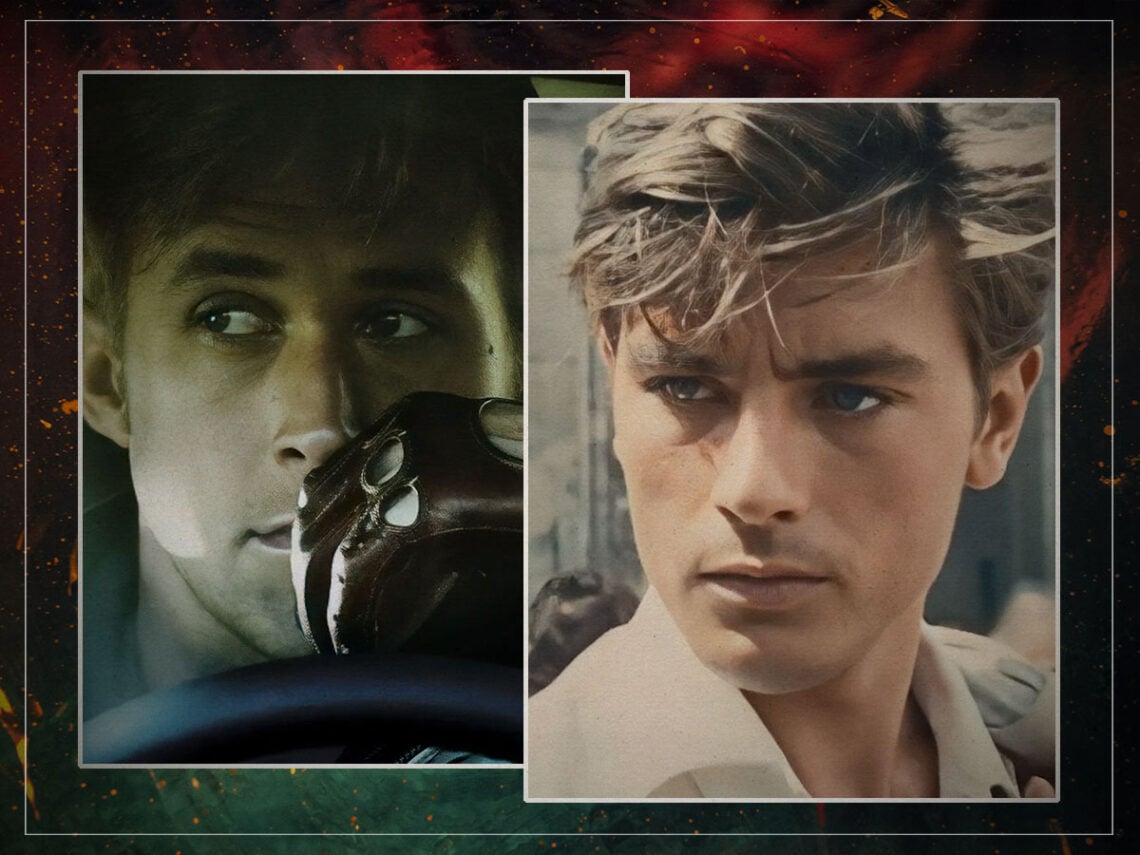
‘Le Samourai’: The French crime thriller that inspired Ryan Gosling’s performance in ‘Drive’

In 2011, audiences went into the cinema to watch Drive expecting the Ryan Gosling-led movie to be an addition to the wild car chase subgenre that was being reenergised by the emergence of the Fast and Furious franchise; instead, they got what is, to most, one of the most cinematic art house action films of the last 20 years.
Director Nicolas Winding Refn’s neon-soaked LA crime drama takes inspiration from past films that are in the same vein as Drive throughout its 100-minute run time. Many often compare the movie to Michael Mann’s classic 1981 noir, Thief, or Walter Hill’s 1978 film, The Driver. However, there is one feature that, for many years, never got the respect it deserved as a direct inspiration for Refn’s classic crime thriller, and it was right under our noses this whole time.
Jean-Pierre Melville’s 1967 crime thriller Le Samouraï changed the game in terms of what you could do in films about organised crime. Starring the late Alain Delon, he plays Jef Costello, a quiet, methodical hitman who has an elaborate routine that gets the job done. However, when a hit goes south, and there’s a witness to one of his murders, he goes from hunter to being hunted. Sound familiar?
Delon’s portrayal of Costello is still and emotionless, which is exactly how anyone would want to see a sociopath portrayed on screen, especially today. Gosling’s portrayal of the driver in Drive mimics that to a large extent. A quiet man, he has a welcoming, almost shy aura about him during the day while he drives a stunt car for movie sets in Hollywood. At night, he flips the switch and knows who he has to be on the job as a getaway driver for criminals in Los Angeles. Le Samouraï switched up the crime thriller formula in the late 1960s. From shootouts, bank robberies, and wise guys playing cards, Melville’s take on the genre was rather minimalistic, yet the little details in the film about its characters and the world around them stood out clearly.
Both films boast of leads who clearly carry a void inside them. They have trademark wardrobes as well: Costello wears a generic, bland trench coat and hat, and Driver wears the now iconic yellow scorpion jacket. Both characters have a brooding stare that traps the viewer for moments on end, putting them on the edge, not knowing what to expect next. Even some shots of both characters behind the wheel of a car can be set up for a side-by-side comparative study.
Melville’s DNA is all over Drive, not just in the composition of Costello and Driver, but also in the overall aesthetic of the film. Car chases and violence can be loud, but there’s always a flip side to everything. Refn and Melville shoot these beats of their respective films in a tranquil manner. Even death and/or the act of killing someone in both films feels quiet and subdued instead of dramatic and over the top.
Before Drive even hit the big screen, many great filmmakers had taken a nod from Melville’s work. Le Samouraï is a clear inspiration for John Woo’s The Killer, Jim Jarmusch’s Ghost Dog, and Michael Mann’s Collateral, to name a few. Even David Fincher’s 2023 Netflix-released crime thriller, The Killer, starring Michael Fassbender, had the internet buzzing about the promotional images for the film, and Fassbender’s wardrobe, in comparison to Delon’s look from nearly 60 years prior.
Melville redefined the game of shooting a crime drama, while Refn proved that it could still be done years later, and audiences would still bite it, especially when you put someone like Ryan Gosling at the centre of it all. Sometimes, restraint and making audiences feel something deeper are the right moves for a director in any genre.
