


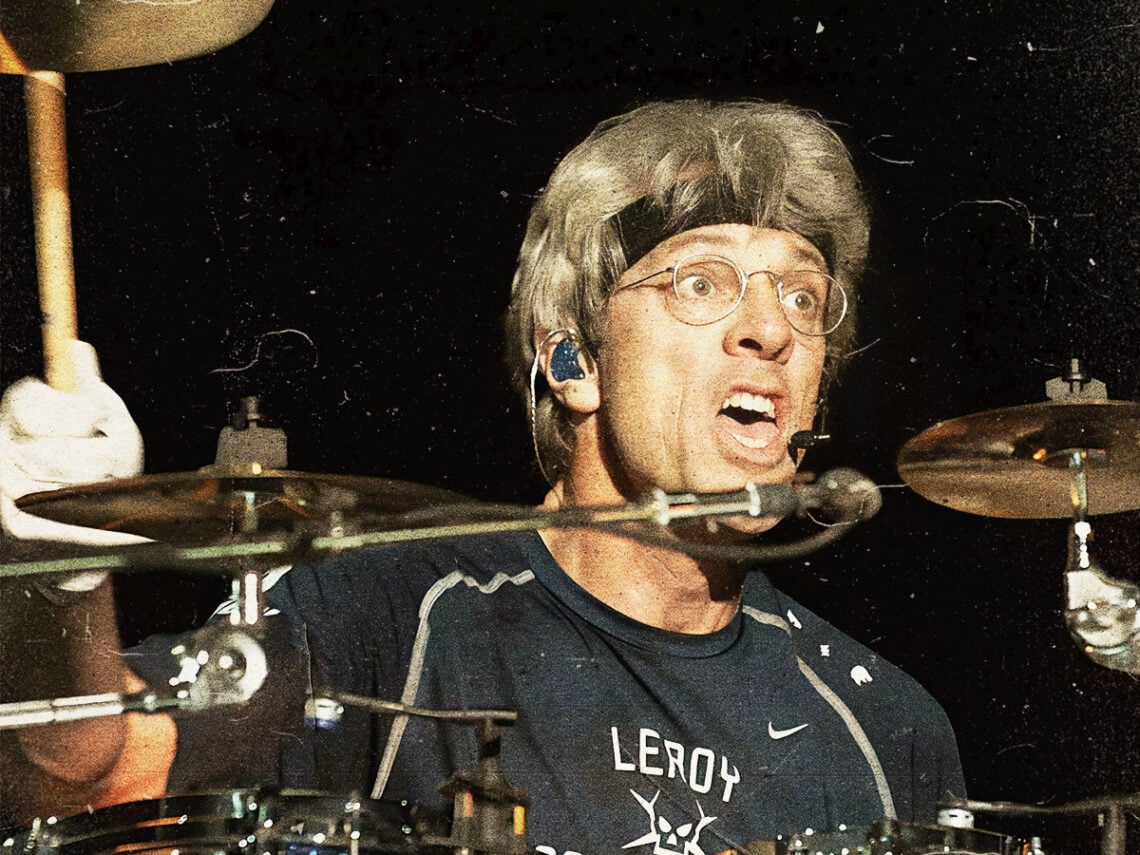
Stewart Copeland names one of the greatest modern drummers: “He had chops”

The art of playing drums can start to become a lost art when looking at new technology. Many people might attempt to keep a steady rhythm, but whenever someone tries to put a track together in Pro Tools or make their best attempt at a rock and roll song using programmed drums, they lose that signature swing that comes from a human playing with a certain feel. And while Stewart Copeland came from the school of making drums that pushed and pulled the band, he was still an avid fan of people who had the right chops behind their playing.
But going through drumming history, some of the best percussionists in the world didn’t always have to be locked onto a grid. While there were still people like Neil Peart who could be precise down to the last nanosecond whenever they played, there were still people in the world of jazz who were more interested in making a band sound different whenever they locked in on the right groove.
Take someone like Bernard Purdie, for example. The method behind every one of his performances may not have been locked into the grid the same way that a typical drummer might approach it today, but hearing everything drag a little bit is what made ‘The Purdie shuffle’ have so much soul, to the point where everyone from Toto to Led Zeppelin was trying to copy that same sense of groove.
Of all the genres that subscribed to that kind of playing, though, modern metal wouldn’t be a good candidate. While much has been made about subpar drum performances from the likes of Lars Ulrich in recent years, there’s a certain amount of finesse in metal bands of the modern age that are meant to be precise when listening to artists like Dream Theater.
But Joey Jordison was a bit of a different beast. When listening to some of those early Slipknot albums, it’s clear that everything is being built around Jordison throughout the mix, usually playing the double-bass drums at a frenetic pace and making the entire band breathe a bit more when working on tracks like ‘Before I Forget’ and ‘Duality’.
Although Jordison is no longer with us, Copeland had to acknowledge the pure craftsmanship he put into every song he played, saying, “That little bastard had chops. Kids these days, they start out where we left off. It’s like the Olympics, where every year, they jump a little higher, run a little faster. How is that possible? Does the human species evolve in one year? But [he] did things with his feet that I aspire to do with my hands.”
And there might be a lot more technicalities behind Jordison’s technique than most people realise. Listening to his drums in isolation, a lot of the best moments in the mix come from when he throws in something slightly off-balance or finds time to put in a fusion lick that was ripped straight out of the jazz playbook.
But like all great drummers, Jordison knew that it was better to serve the song and play what felt right for the track. There’s a certain way for most people to approach any great tune, but listening to everyone from Copeland to Jordison to Buddy Rich, each one of them knew that they should wait before they could let their inner beast out.
