


The 1965 song that Brian Wilson and The Velvet Underground agreed was The Beatles’ best

As the 1960s roared into gear, it seemed like everyone knew the direction music needed to head in. Getting there as quickly as The Beatles, however, was another matter entirely.
There were only 664 days between the Liverpudlians landing in America and the release of Rubber Soul. When they touched down at JFK airport, they were worried that they would simply “fizzle out” after the initial pandemonium, “as many groups do”. When they released their seminal 1965 album, their concern was now clearly with changing the world.
That’s quite a 664 days. I’ve spent longer deciding what to order from Deliveroo. And I’m not the only one to be “envious” of the Fab Four, as Roy Harper would recall when it came to the beauteous Rubber Soul, “I was envious and inspired at the same moment. They’d come onto my turf, got there before me, and they were kings of it, overnight. We’d all been outflanked.”
Rubber Soul had evidently taken on more adult themes and worldly sounds. Both of these would come to the fore in the shape of a curious track that coupled electrified folk, divorce, acid, and the sitar all in one single song. In some ways, that makes it the first defining track of the whirling counterculture movement.
The song, of course, was ‘Norwegian Wood’, and it made even the rare naysayers in the States take notice. Lou Reed, for instance, had been selling his songwriting wares at Pickwick Records for a while when the British invasion loudly made itself known and somewhat scuppered his salary. This apparently annoyed him.
“I never liked The Beatles, I never really liked any British group,” he said in 1983.
“I don’t think the British should play rock ‘n’ roll.”
Lou Reed
It was harsh, but perhaps, initially, this disdain was borne from the sense of imitation in their sound. As even the Beatles acolyte, Donovan, quipped when he was compared to Bob Dylan, “Remember every British band from the Stones to the Beatles were copying note for note, lick for lick, all the American pop and blues artists – this is the way young artists learn.”
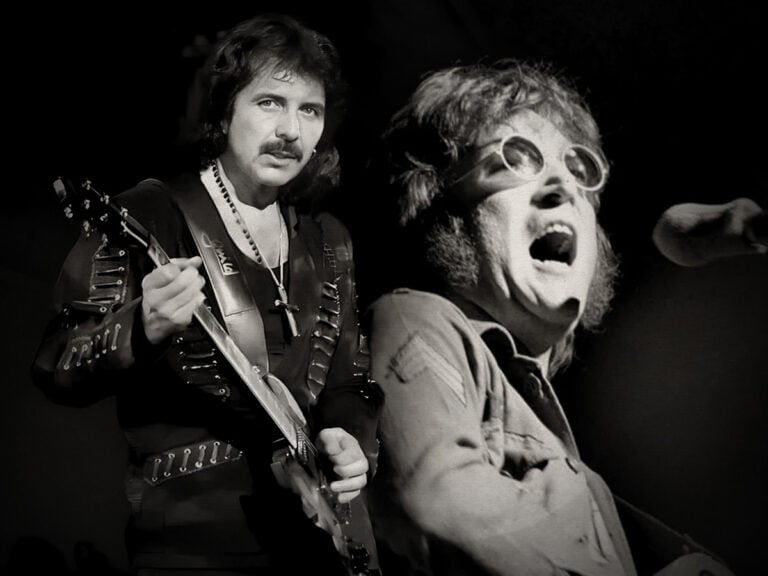
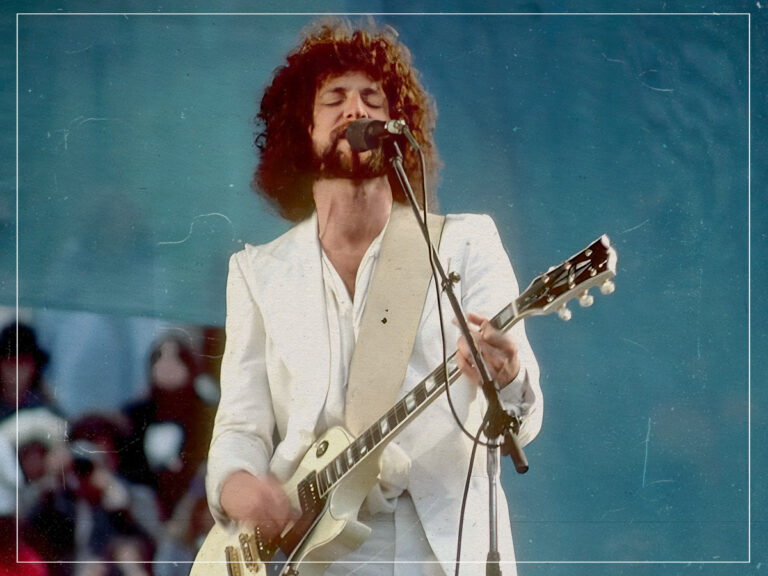

Evidently, the Beatles had learnt well. Now, suddenly, to both Reed’s chagrin and instant inspiration, with ‘Norwegian Wood’, the group had arrived at groundbreaking sound that even the Velvet Underground had to reconcile.
John Cale vividly remembers the fledgling band feeling bolstered in their avant-garde and drug-drenched approach by the “very acid” anthem. Cale, Reed, and co even seemed to be able to identify with the very singular mood of the music, with Cale telling Mojo that the Rubber Soul classic mimicked “what you remember in a flashback” from an LSD trip. The anthem captured “how your senses were bombarded” in its swirling approach to composition.
The Velvet Underground were enamoured. Reed might have called them “garbage” down the line, but Cale’s critique, and indeed their own sound, belies the influence that they clearly had with their more adventurous works.

The same could be said when it comes to Brian Wilson. Similarly, Wilson was firmly amid the American vanguard when the British invasion took hold. He would’ve had every right with the sway that the Fab Four seemed to hold over the States, given that ‘God Only Knows’ – the track that even Paul McCartney crowned as the greatest of all time – was kept off the top spot by ‘Yellow Submarine’.
But rather than competition, Wilson saw liberation in their sound. After all, while he might have been ahead of the game when it came to composition in ‘65, he was playing catch-up when it came to lyricism and the risque world of acid flirtations. Much like the Velvet Underground, it was the way ‘Norwegian Wood’ evoked that in myriad ways that appealed to him.
“It must have been in November of 1965,” the Beach Boy recalled. “I was living in this house in the Hollywood Hills then, way up on Laurel Way, and I remember sitting in the living room one night talking with some friends when another friend came in with a copy of the Beatles’ new one, Rubber Soul. I don’t know if it had even come out yet”.
Adding, “But he had it and so we put it on the record player and, wow. As soon as I started hearing it I loved it. I mean, LOVED it!”
His mind was blown and one song, in particular, stood out. “‘Norwegian Wood’ is my favourite,” Wilson told TLS. “The lyrics are so good and so creative, right from the first line: ‘I once had a girl/ Or should I say, she once had me.’ It’s so mysterious. Is he into her, or she into him? It just blew my mind. And in the end, when he wakes up and she’s gone, so he lights a fire. ‘Isn’t it good? Norwegian wood.’ Is he setting her house on fire? I didn’t know. I still don’t know. I thought that was fantastic.”
Cale, on the other hand, was more concrete, sweeping aside the obfuscation of the track and settling on the idea that it trapped a trip in amber more perfectly than any other song in history. “I don’t think anybody got that sound or that closeted feeling as well as The Beatles did on ‘Norwegian Wood’,” he said.
With these two appraisals alone, you can gauge the impact that the song had on the world. While most of the States were already enamoured with the pop and fizz of the Fab Four, the pure invention of this curious little song stirred even the doubters and the competitors alike with a welter of strangely recognisable wonder.

Never Miss A Beat
The Far Out Beatles Newsletter
All the latest stories about The Beatles from the independent voice of culture.
Straight to your inbox.