


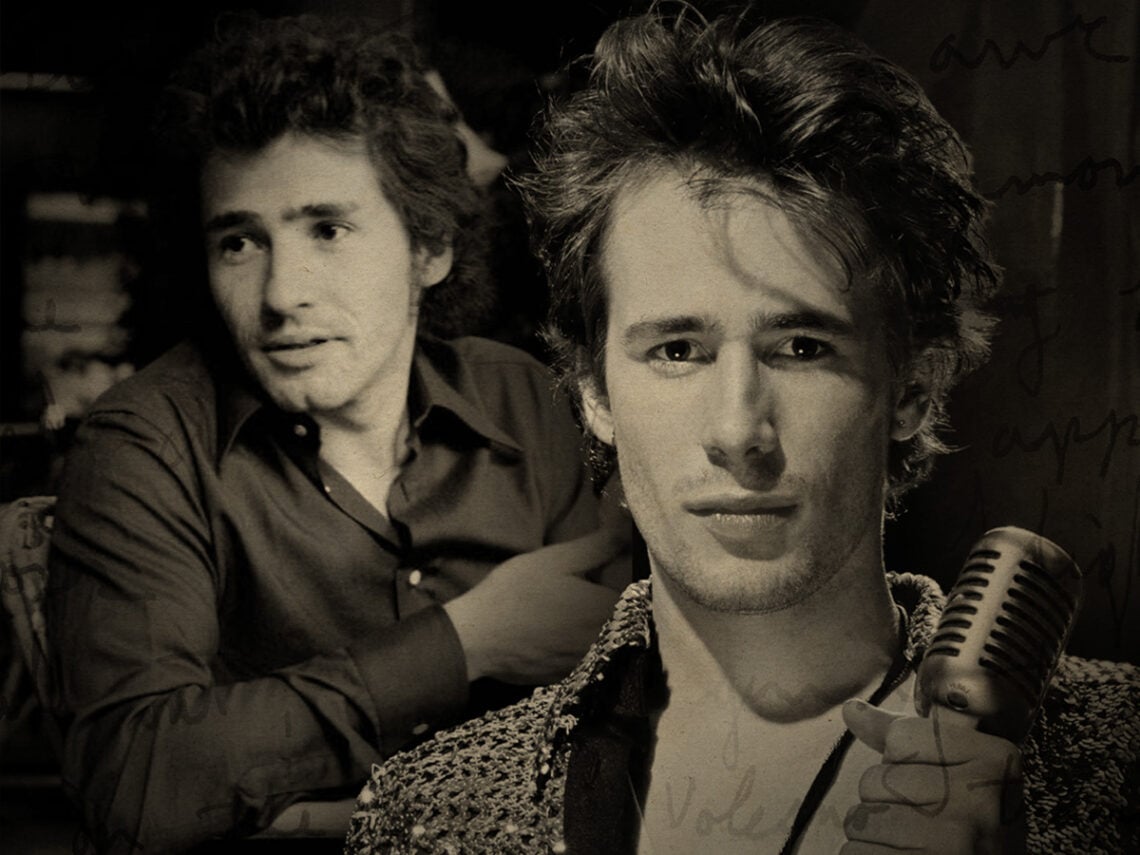
Like father, like son? | Assessing the similarities and distinctions between Tim and Jeff Buckley

It isn’t as though people have ever stopped talking about the importance of Jeff Buckley, but there’s been an increased amount of discussion surrounding the mercurial songwriter and his tragically brief moment in the spotlight as a result of the release of the Amy Berg documentary, It’s Never Over, Jeff Buckley.
Frequently portrayed as a quiet, introspective, yet boundlessly talented artist whose sole studio album, Grace, was seen as a landmark release in indie and alternative rock, Buckley is something of an enigmatic figure in music history, one who could comfortably have gone on to shape the future of music had it not been for his untimely death in 1997.
To be hailed by contemporaries such as Thom Yorke and Aimee Mann despite not spending long at the forefront is one thing, but to also be responsible for being a major influence on the likes of Chris Martin, Lana Del Rey and many other artists whose careers began after his passing is an even greater sign of how staggering his importance was, and could have been. His reach across a multitude of styles and genres is well-documented and, to be frank, thoroughly deserved.
What’s less documented, however, is the continued influence of his father, the equally impressive and tragic Tim Buckley. Despite their estrangement, there is a rich musical heritage that they’ve shared, and even though their lives were similarly short, they’ve continued to influence a broad spectrum of artists and genres through their output despite no longer being present.
It could be argued that Jeff’s impression on the world of music was more impressive, given the scarcity of officially-released music to his name during his lifetime, but what Tim showed was a rapid development and fearlessness that his son only ever had the opportunity to flirt with. The only issue with the music of Tim Buckley was that it frequently defied description, let alone categorisation, and conversely, there were only a handful of moments where the younger of the two became as unrestrained as his father.
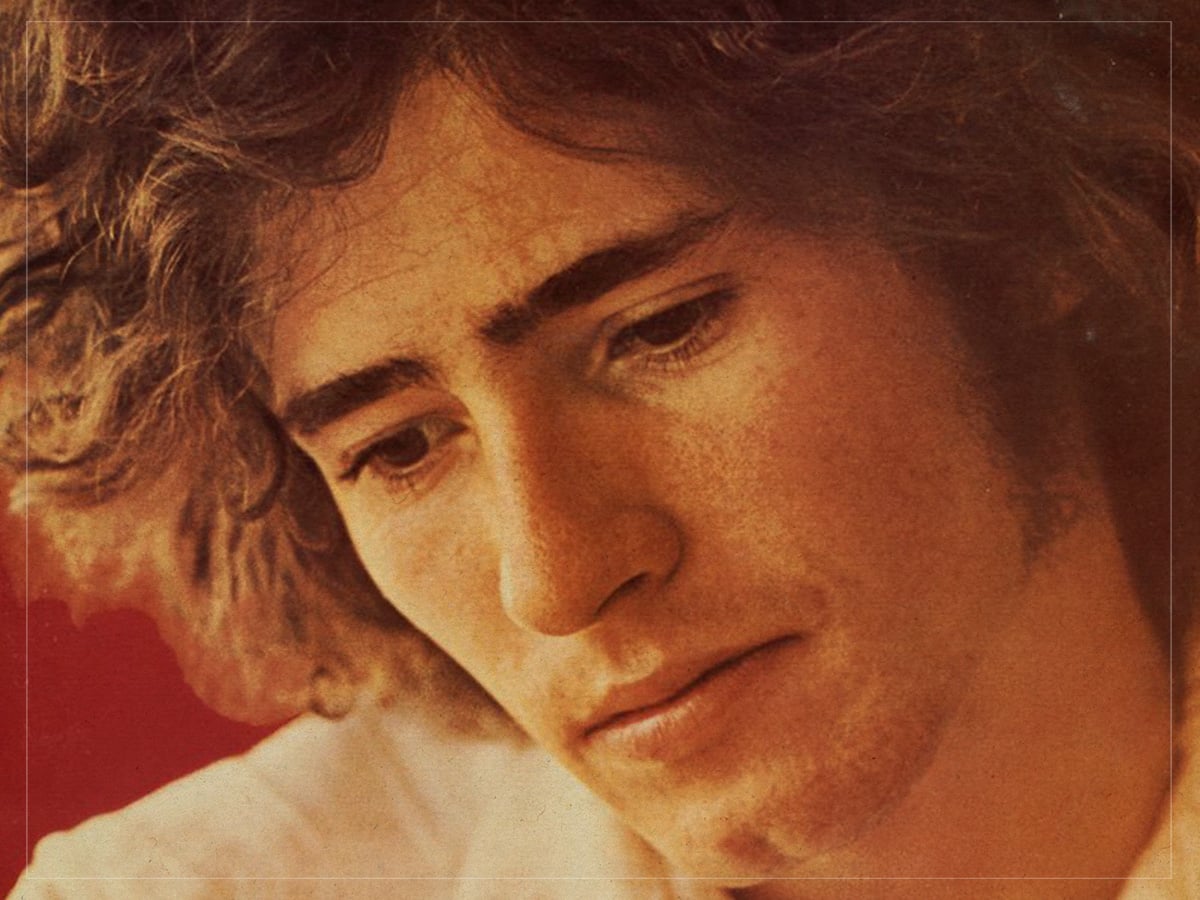
On Grace, this was hinted at, and to an extent, the material that would later be compiled on Sketches for My Sweetheart the Drunk, the album he was working on at the time of his death, would show a further desire to broaden his own horizons. Whether or not he would have ever taken the same path as his father had done after this point is difficult to determine, but given the acclaim that he was receiving, it seems unlikely that he would have moved in this direction.
Tim’s career almost follows the opposite trajectory. The symphonic, if straightforward folk of his self-titled debut became gradually more progressive in nature through his two subsequent albums, Goodbye and Hello and Happy Sad, dipping their toes into early forms of psychedelia while still maintaining elements of accessibility. However, with these failing to make any significant impression on audiences at the time, there was seemingly an urge to rebel that formed in Tim, with him choosing to push things towards something far removed from other contemporaries of his.

Within the space of a few years, he’d already jumped to making some of the most experimental and avant-garde records of their time in Lorca and Starsailor, fusing jazz and free improvisation with his folk background to create abrasive, atonal and terrifying records that challenged their listeners. If ever there was a sign that someone didn’t care about sticking to the rulebook, it’s these two albums that eschew all conventionality in favour of pure artistic expression.
By the end of his career, which was over before he even turned 30, Tim had shifted once again into a primitive form of funk rock, which, despite not landing with audiences, showed a real bravery that few other artists of his generation exhibited. He’d gone from making some of the most difficult records to stomach to something extremely palatable, and that showcases a versatility that very few have ever been able to exhibit.

However, for all of Tim’s exploits that saw him frequently hop from style to style and release multiple albums within the space of 12 months, his relationship with his son was strained and complicated to say the least. According to Jeff’s accounts, they only ever spent one week of their lives together, and barely communicated otherwise. Tim was barely a father to Jeff, and yet, so many of his musical traits had the potential to blossom within his offspring.
Within Jeff’s music was this clear ambition to test boundaries in the same way that his father did, experimenting with jazz through an evident love of Nina Simone, while also playing up to contemporary folk and rock trends with a style of songwriting that was frankly beyond anyone else’s capability. There wasn’t anywhere near enough time afforded to him to see whether he would end up moving into more abstract territory, but the potential was there. The only question is, would he have taken the opportunity?
Jeff overshadows Tim, and perhaps it’s because he’s a less polarising or troubled figure. Tim’s desire to constantly flit between styles and move swiftly on alienated fans, whereas Jeff’s smaller catalogue feels comparatively focused, with what could have become of My Sweetheart the Drunk being a logical progression from Grace. On top of this, Tim’s substance abuse issues were a considerable driving force behind his erratic nature, which wasn’t something that troubled Jeff to the same degree of severity.
There’s nothing to say that he wouldn’t have eventually moved this way himself had he had the opportunity to do so, but Jeff made his own brand of experimentation palatable to listeners in ways that his father was constantly trying to wrap his head around.
A song like Starsailor’s ‘Song to the Siren’ has the beauty of what Jeff Buckley may have created, but it sits at the centre of an album that opens with ‘Come Here Woman’, a frenetic and psychotic-sounding descent into the bowels of a beastly record, and is followed by the freakish fusion odyssey of ‘Jungle Fire’, which is complete with some of Tim’s most hypnotic howls.
But if you’re ever driven to claim that you were influenced by Jeff Buckley, then really, you’re also stating you were influenced by Tim Buckley, and despite the challenging nature of some of his works, his masterpieces ought to be praised in equal measure to those of his son.
It’s impossible to say whether Jeff would have eventually reached a point where commercial acclaim was of little interest to him, allowing him to explore the territories his father entered, but despite their lack of communication, there’s a common thread running through the blood of the Buckleys, which demonstrates just how much potential they had to reshape music in their own separate ways.
