


A story untold: the reason the public turned a blind eye to Etta James

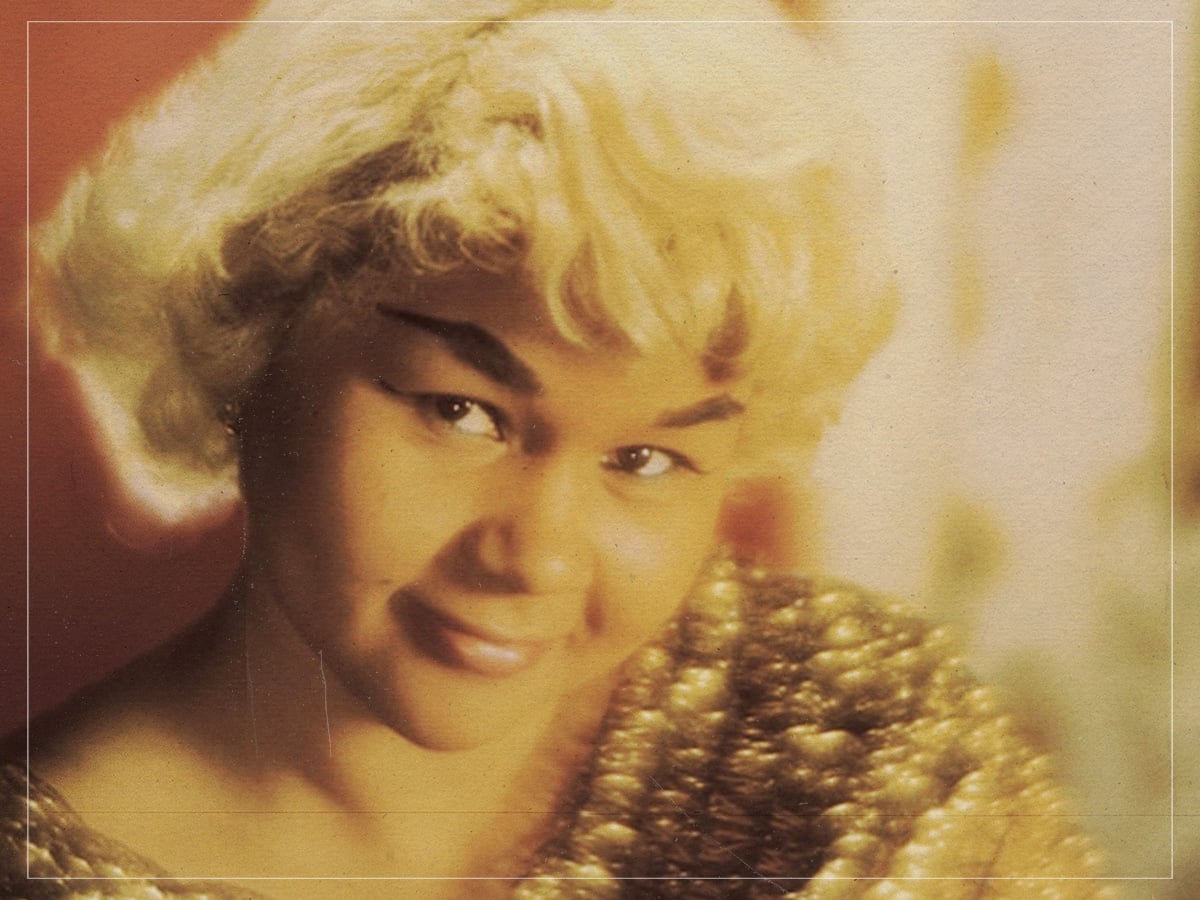
The Rock and Roll Hall of Fame named Etta James as “forever the matriarch of the blues”. Yet was she a matriarch who was somewhat forgotten?
Of course, the transcendent power of ‘At Last’ secured the singer a status rarely received by any other. It’s one of the precious soul masterpieces able to be found and recognised in every corner of the world and society, sublime, serene, and yet storming as it may be. The 1960 tour de force did a lot of heavy lifting, and not without valid reason.
Yet if you asked the average person on the street what they know of James, that’s very likely to be the answer – maybe ‘I’d Rather Go Blind’ at a push. To all intents and purposes, this paints her purely as a soul icon, which she was, but the reality underneath was a musical cavern consisting of so much more.
This was, in a way, part of the problem. James’ back catalogue was actually so all-consuming that it was difficult to pigeonhole her in one specific place. That may be an attribute that would be celebrated in today’s music landscape, but back in the ‘60s, when things were a lot more black and white than they are now, people just didn’t really understand it.
It was ironic, given that the rock and roll revolution was right on their doorstep at the time, but the often overlooked fact in all of this is that James was genuinely an integral part of that development. Yes, she was doing it at the same time as singing gospel, blues, and R&B, but for a woman of her background to be mastering that was no small order.
She knew a good thing when she saw it, too. She said she went “crazy” over The Rolling Stones during that era because “they are doing Black music, and they’ve got it. They got the direction, and they know what the hell to do. They know how to pump plenty of sound, they know how to get real intense and get people so crazy that they don’t know what the heck’s happening to them. And that’s the way you gotta do it.”
But if you burrow deeper beneath the surface, you could question what was so different about James herself, and why her success only came in distinct snatches, rather than a steady streak like the Stones. A lot of societal factors could come into play for this, of course, yet when it absolutely boils down to it, sex, drugs and rock and roll has a very different look on a woman than it does a man.
An addiction to heroin started enacting its grip on the singer during the mid-1960s, leading her down paths of forgery and financial black holes to fund her dependency. Although this was seen as part of the rock and roll course for many of her counterparts, the reception was not so forgiving to James.
She spent ten days in prison due to violating her probation because of her habit in 1969, before being arrested and sent to a drug treatment centre, albeit avoiding prison, in 1973. It was a slap on the wrist and a classic yarn for someone like Mick Jagger, but for her, it had far more untold consequences.
As much as James said that her time in rehab changed her life, she was never able to fully rid herself of her addictive tendencies, and this was something that remained with her for the rest of her days. Subsequently, there was no avoiding the fact that it took a lot for a woman to fight back against those weights and restrictions of an industry that often didn’t know what to do with her in the first place.
At the very least, the Grammys honoured James with various awards in the years before she died. But no one ever seems to want to address the fact that her career, though respected laterally, was blighted by her own personal problems and society’s welcome response towards them. The public went blind, and were all the worse for it.
James was one of the most diverse musicians ever to grace the world. Yes, she could master the soul scene, but so too could she power through the ranks of most other genres, not least rock and roll, and make it her own. The fact that many people won’t realise that is a testament to one of the most underrated singers who ever lived, but also a woman who was unlucky to get stuck in a time that couldn’t appreciate her for what she was.
